





Moscow's Escalating Security Crisis: Targeted Killings Expose Deepening Russia-Ukraine Conflict Dynamics
- Geopolitical Tensions Reshape Business Risk Landscape for International Operators












Overview
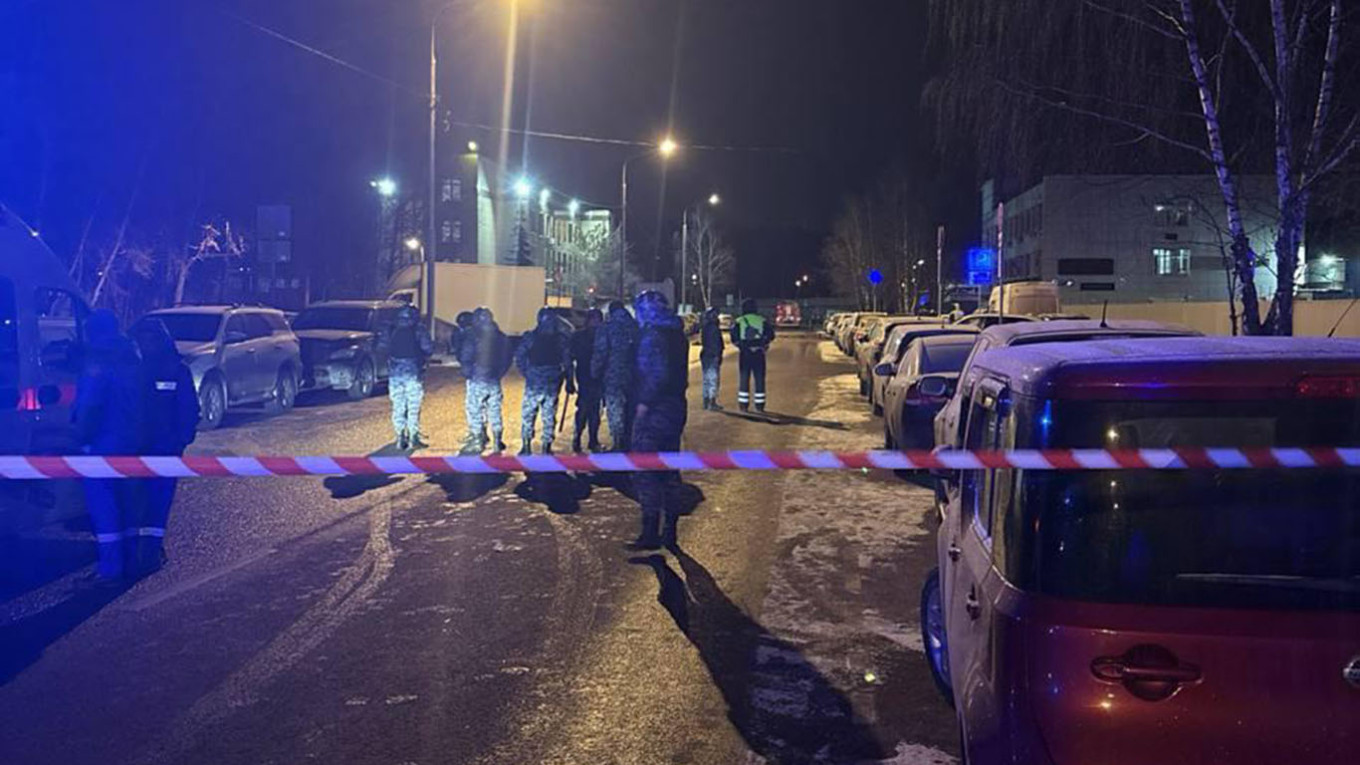
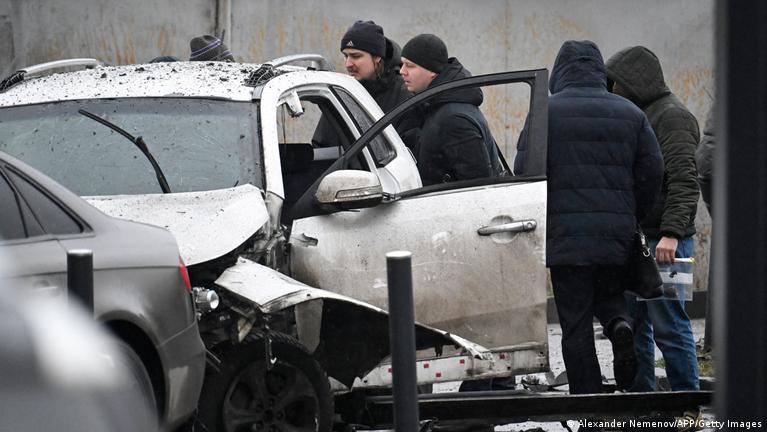
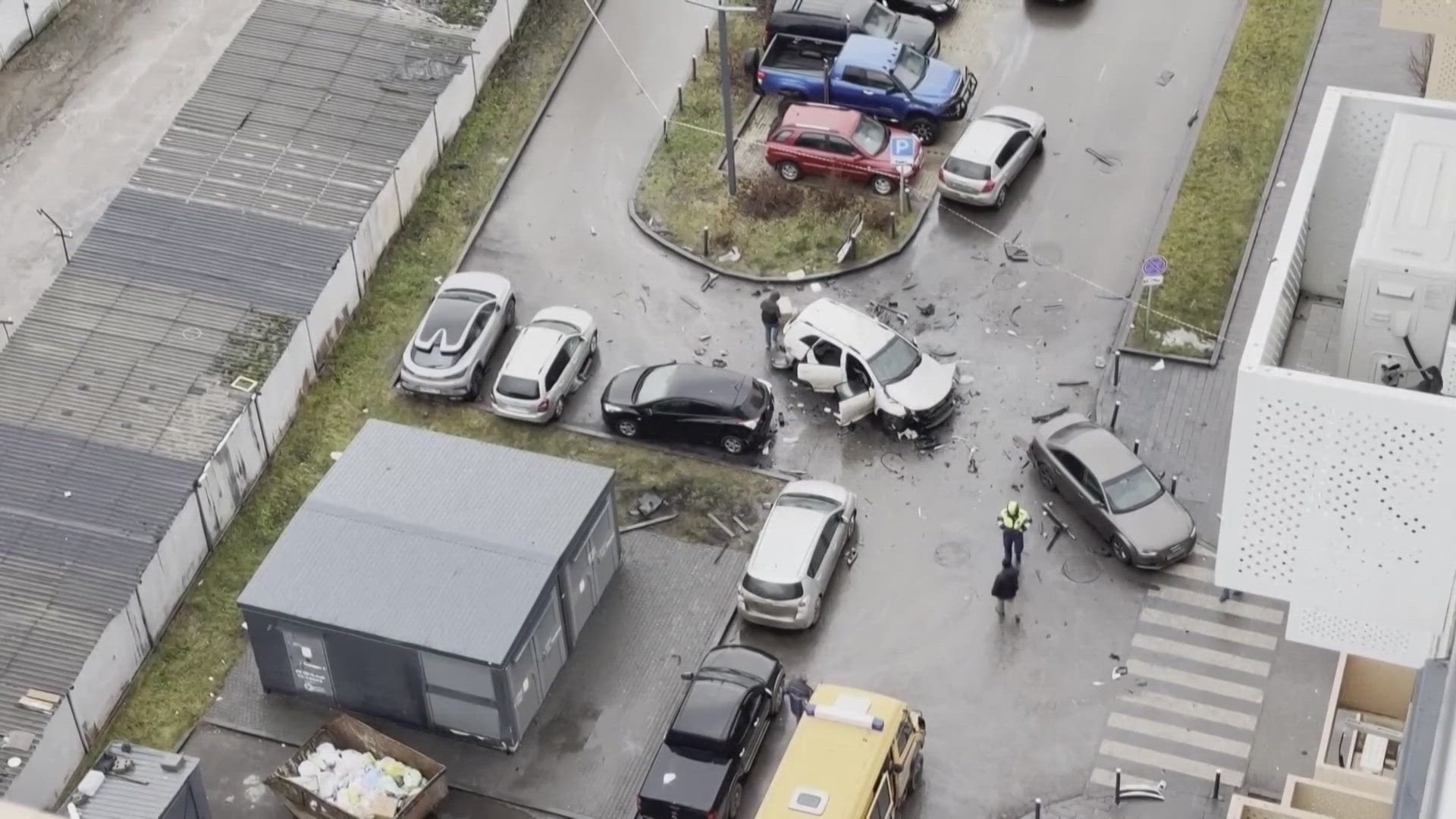
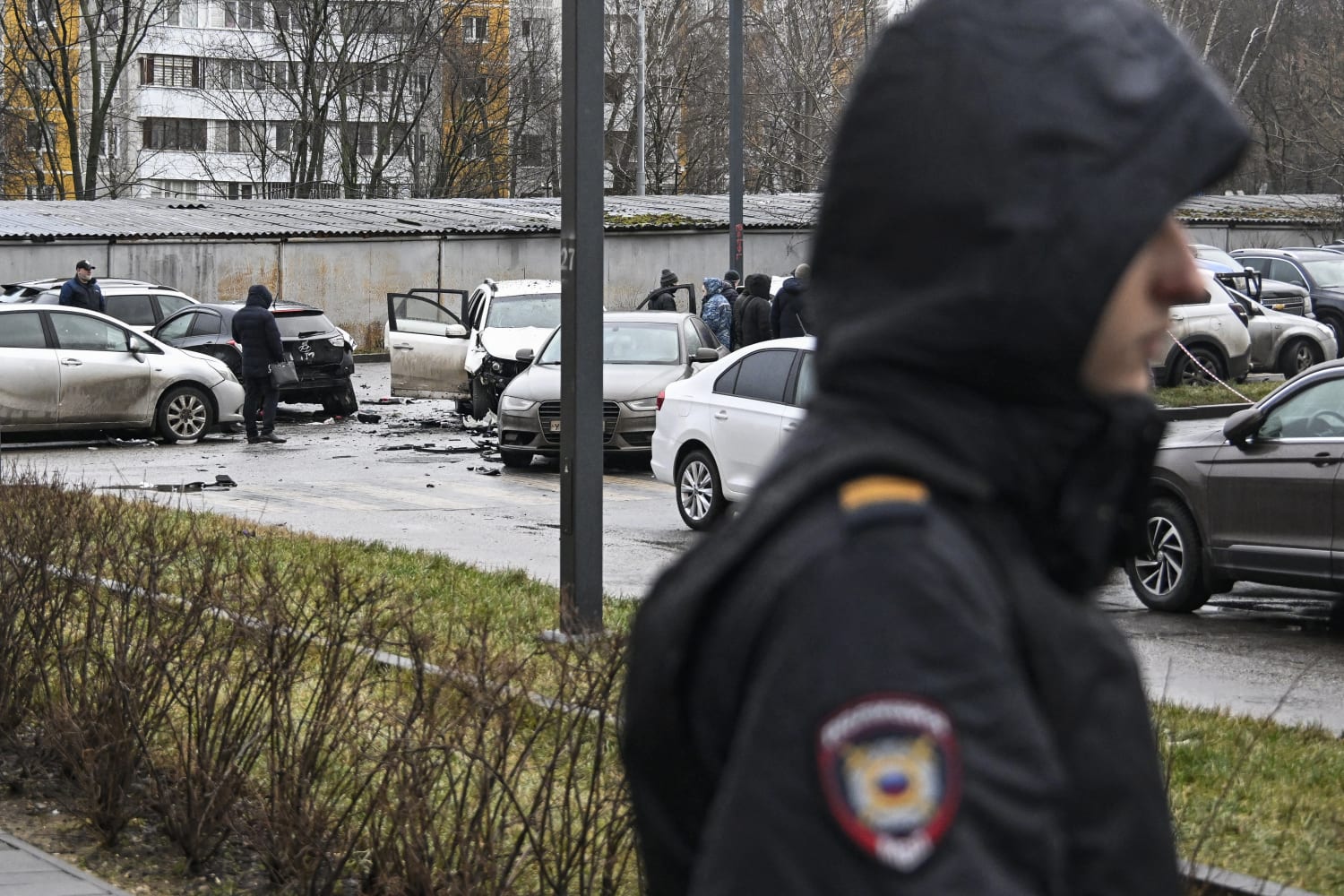
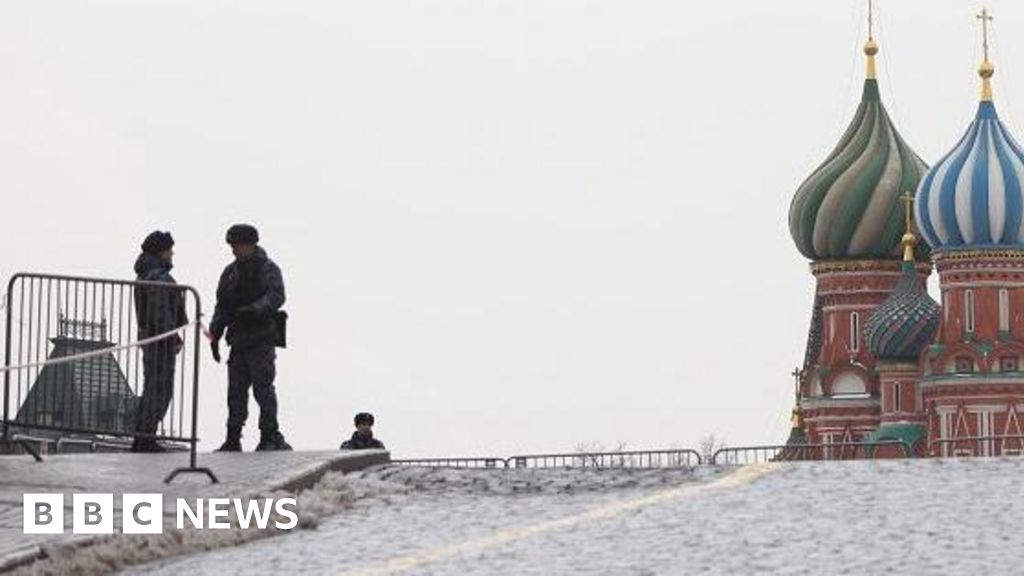
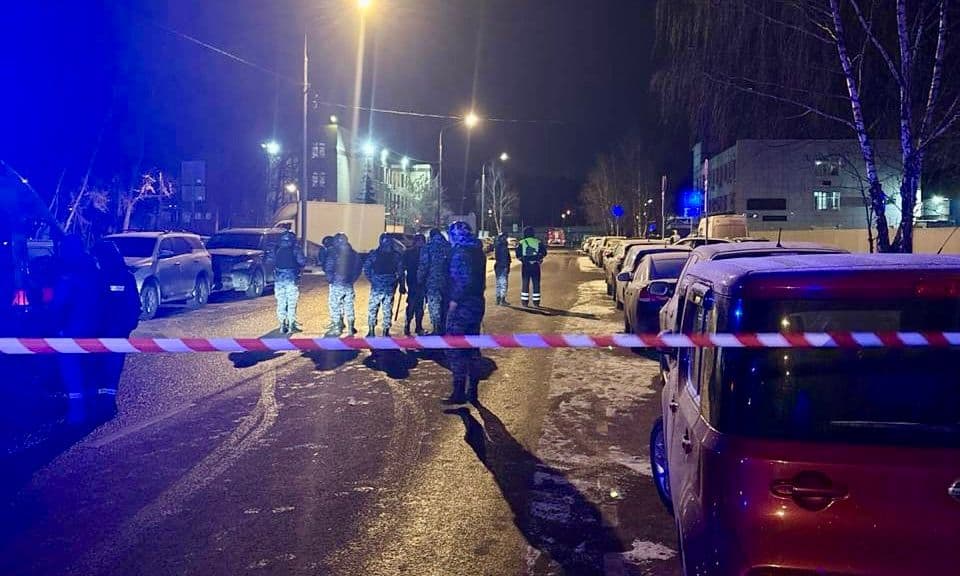
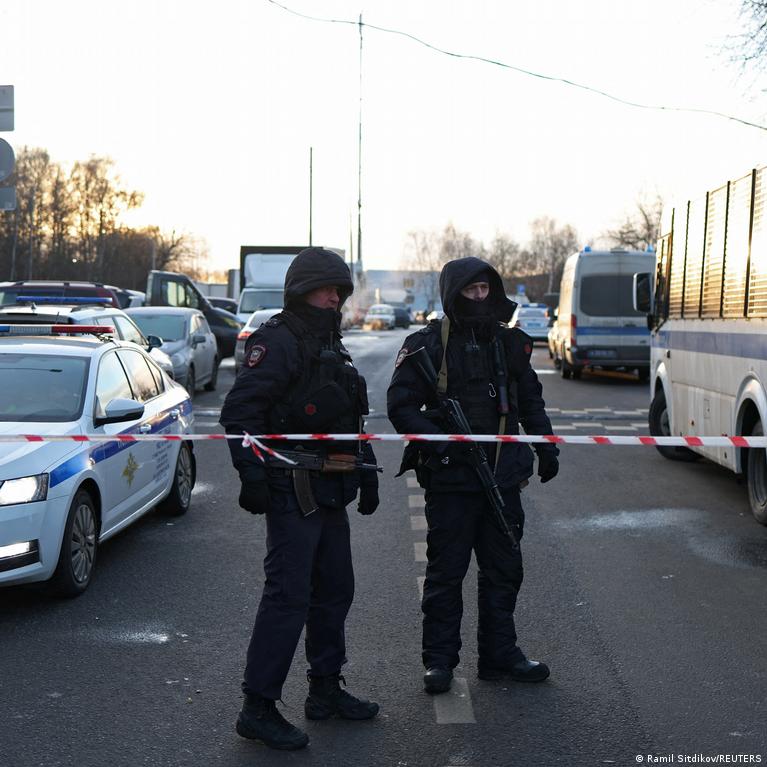
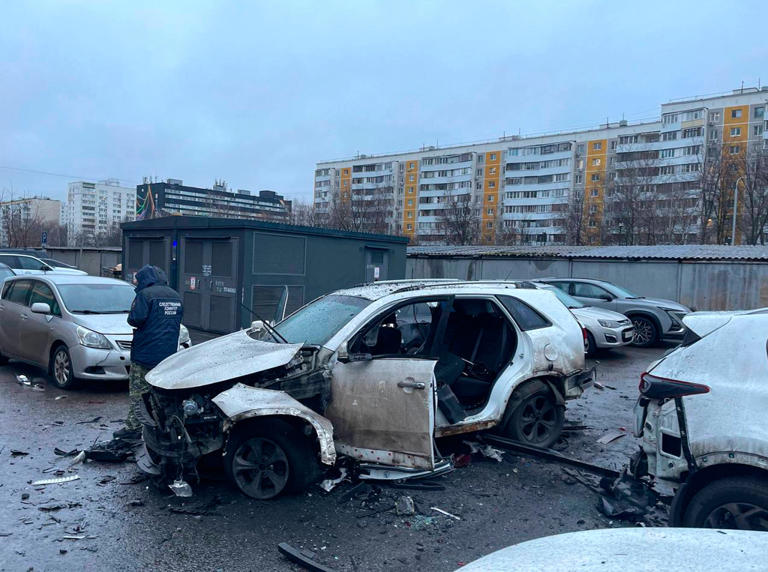
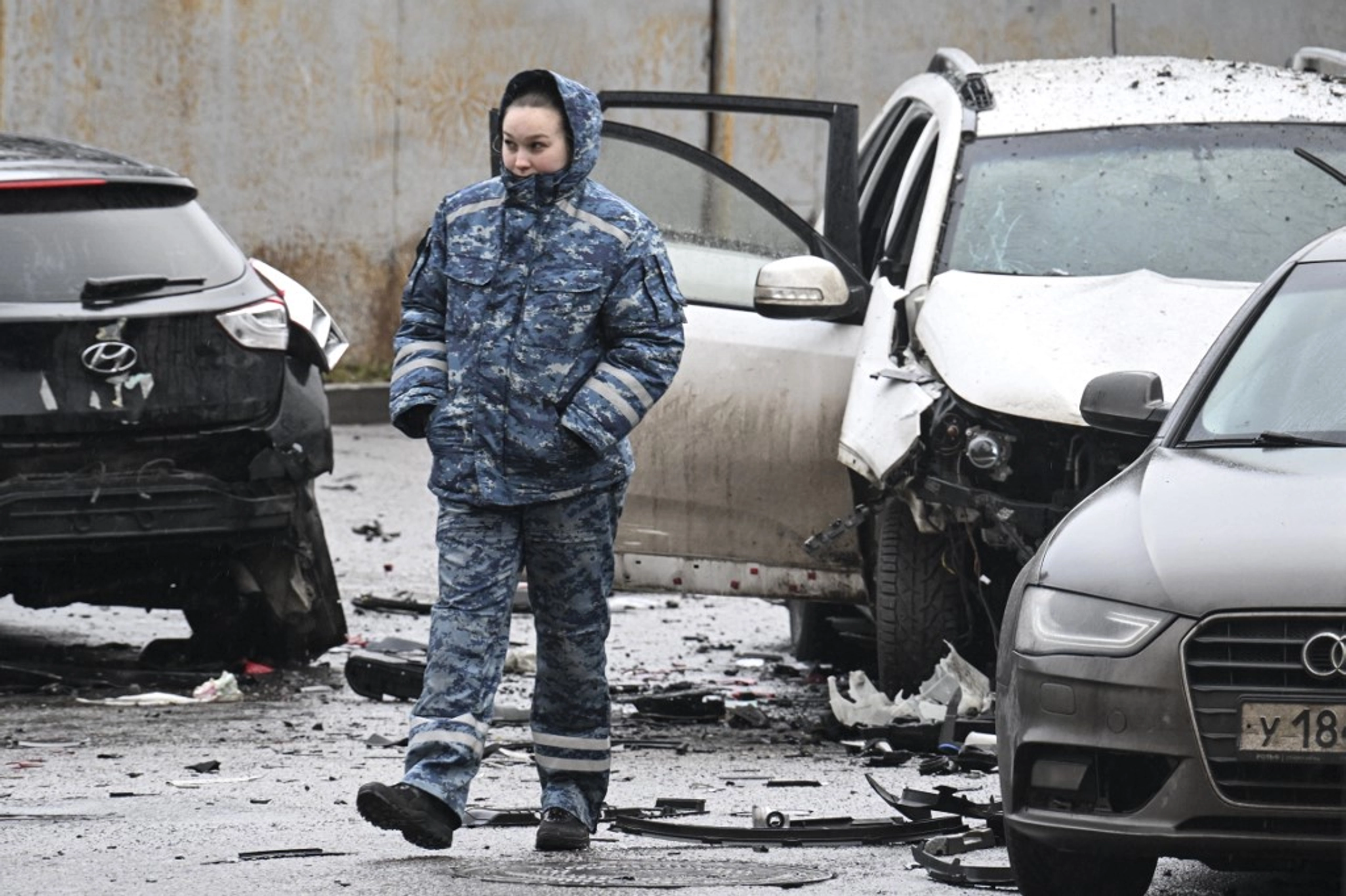
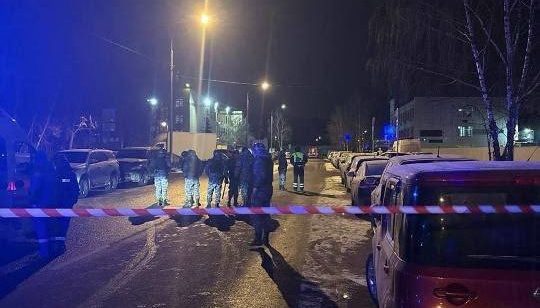
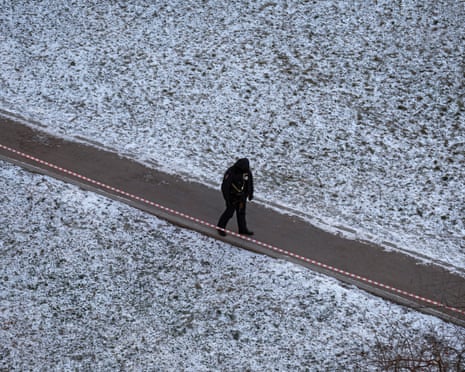
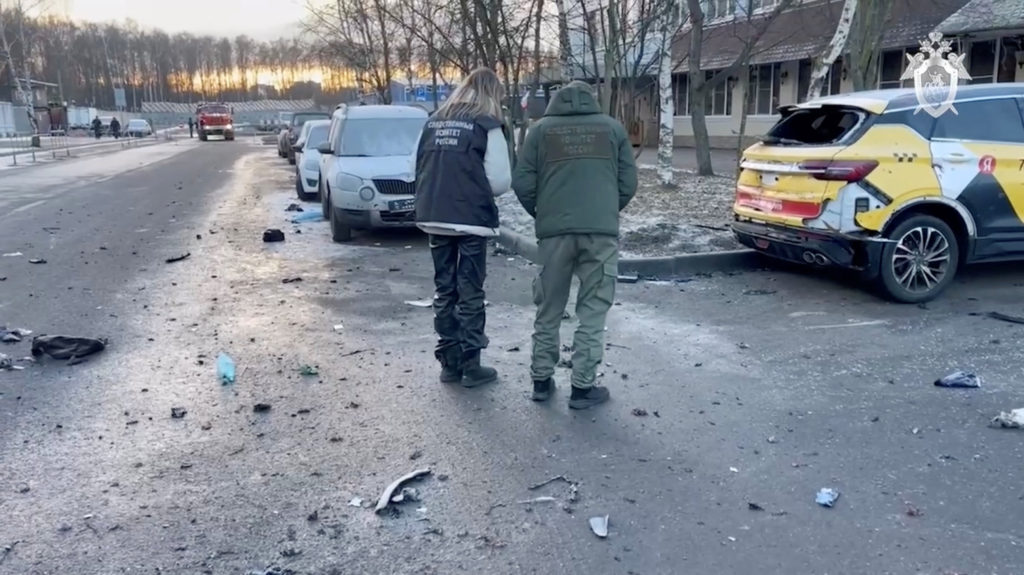
Targeted violence in Moscow has unveiled a critical inflection point in the Russia-Ukraine conflict, signaling profound implications for international business operations. On December 24, 2025, a series of coordinated explosions killed three individuals, including two young police officers, near the site of a recent Russian general's assassination, highlighting an emerging pattern of strategic destabilization.
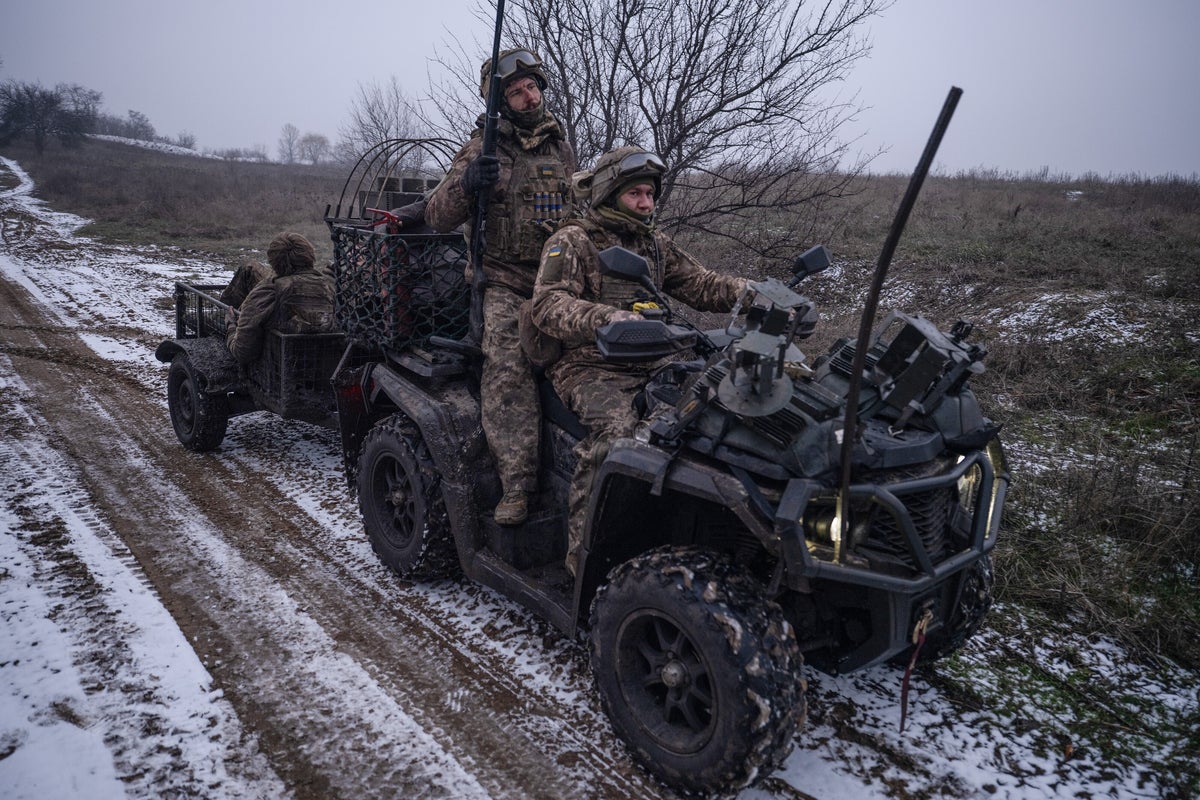
The systematic targeting of Russian military and law enforcement personnel reveals a sophisticated campaign of asymmetric warfare. The explosions, occurring approximately 1,000 feet from where Lieutenant General Fanil Sarvarov was previously killed, suggest a deliberate, methodical approach to undermining Russian operational capabilities. Since the invasion's start in February 2022, multiple Russian generals and officials supporting the military operation have been eliminated through similar targeted attacks.
For international businesses, these developments represent more than isolated security incidents. They signal a fundamental reshaping of operational risk landscapes in Eastern European markets. Companies with regional interests must now factor in unprecedented levels of geopolitical volatility. The repeated violent incidents create a complex risk environment that extends beyond traditional security considerations, potentially impacting trade logistics, supply chain resilience, and cross-border commerce strategies.
The strategic implications are profound. These targeted killings demonstrate a sophisticated intelligence-driven approach to conflict, where precision strikes can potentially disrupt military command structures more effectively than conventional warfare. For e-commerce and cross-border sellers, this translates into an urgent need for adaptive risk management frameworks that can rapidly respond to evolving geopolitical dynamics.
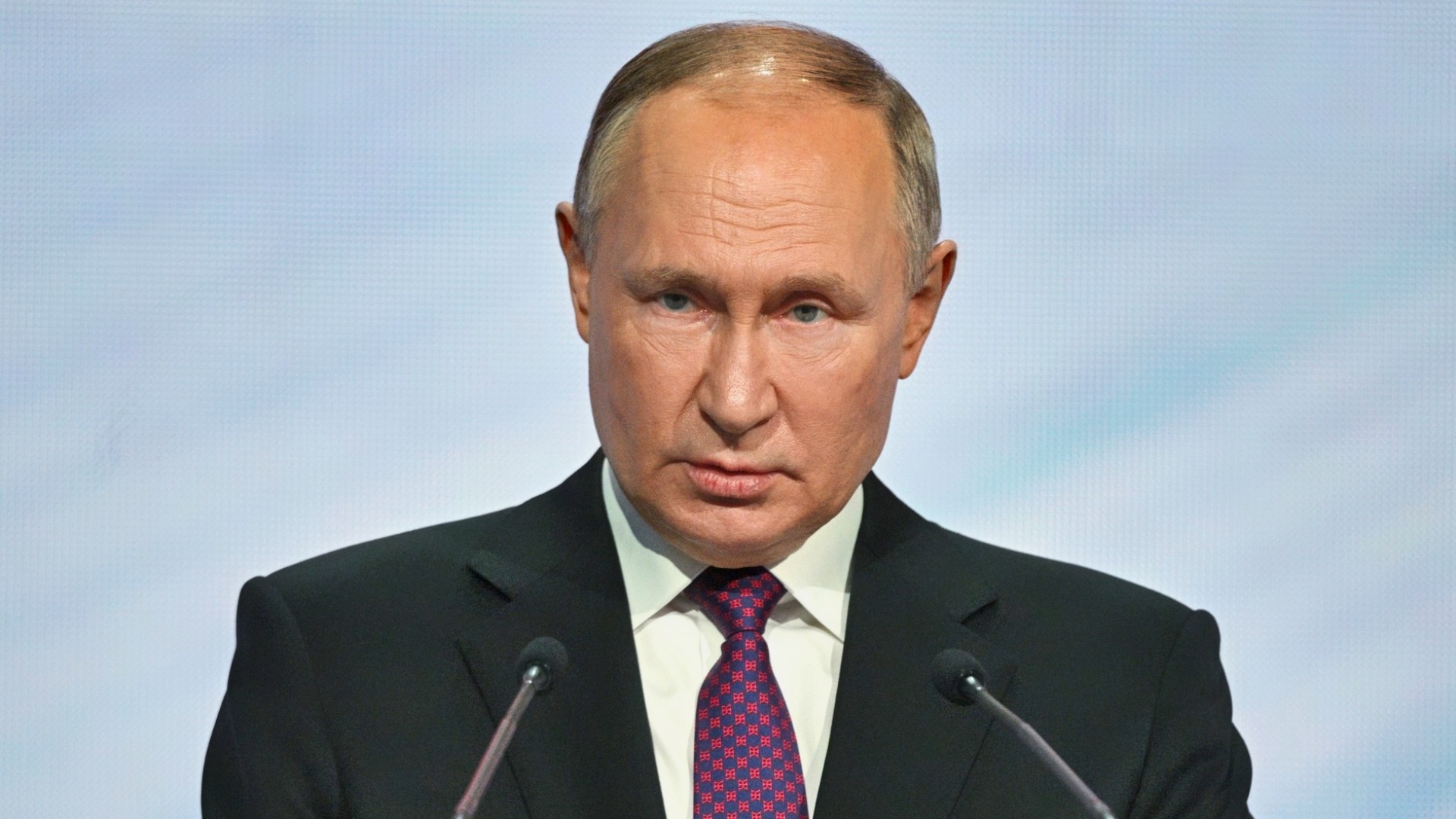
Critically, the pattern suggests a long-term strategy of systematic destabilization rather than random violence. Russian investigators' limited information and the precise nature of these attacks indicate a highly organized effort, likely connected to Ukrainian military intelligence. This represents a new paradigm of conflict that blurs traditional boundaries between military and civilian domains, creating unprecedented challenges for international business operations.
Businesses must now develop multi-dimensional risk assessment models that integrate geopolitical intelligence, security dynamics, and operational flexibility. The Eastern European market is no longer just a geographic region but a complex, rapidly evolving strategic landscape where traditional assumptions about stability and predictability have been fundamentally challenged.
Questions 3
Are there specific industries or sectors more vulnerable to these geopolitical tensions?
Technology, logistics, and cross-border e-commerce sectors are particularly exposed. Industries relying on stable supply chains, digital infrastructure, and consistent regional access face the highest risk. Sectors with significant physical infrastructure or dependency on regional stability—such as telecommunications, transportation, and financial services—will need to develop the most robust risk mitigation strategies.
What strategic shifts should businesses consider in response to these escalating tensions?
Businesses should implement multi-layered risk assessment frameworks that integrate geopolitical intelligence, security dynamics, and operational flexibility. This includes developing contingency plans for rapid market exit, diversifying supply chain routes, and maintaining real-time intelligence about regional conflict developments. The key is building organizational resilience that can quickly adapt to rapidly changing geopolitical landscapes.