


Global Markets Navigate a Delicate Economic Balancing Act
- Resilient Performance Masks Underlying Complexity for Cross-Border Traders
























Overview
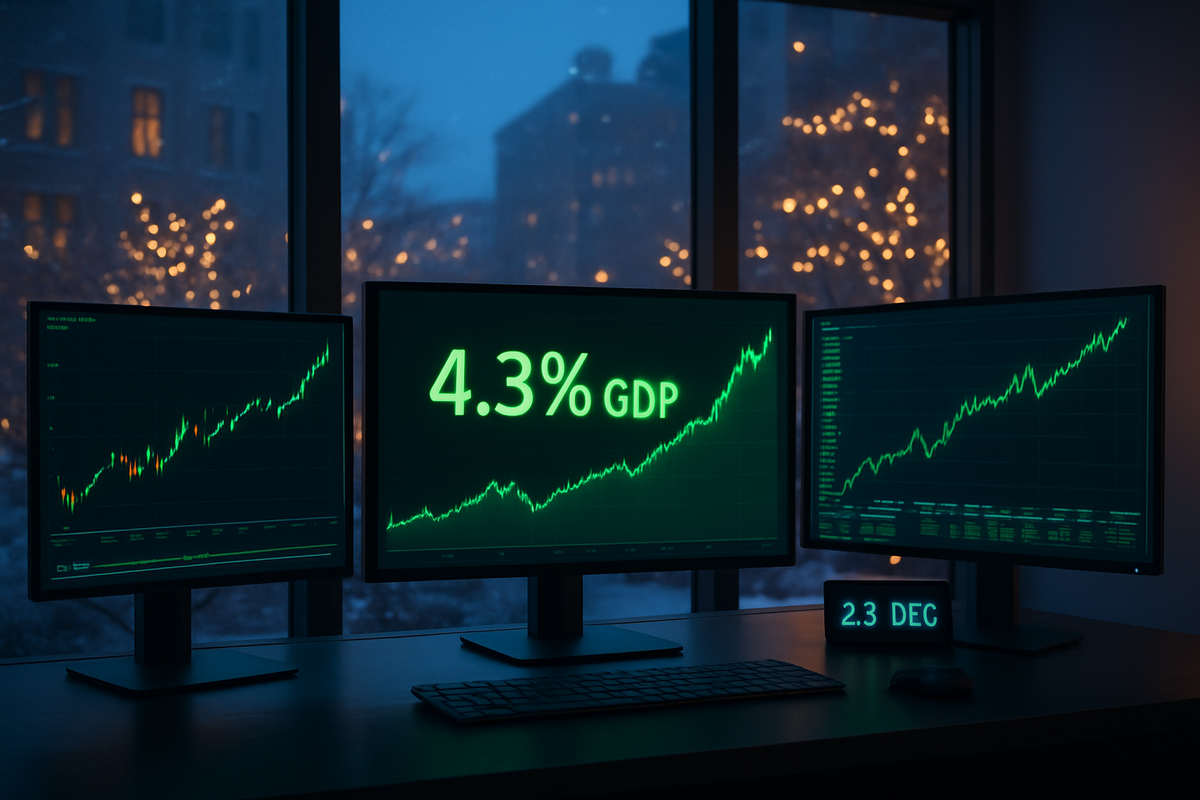
The global financial landscape is revealing a nuanced economic narrative that demands strategic recalibration from cross-border traders and financial professionals. U.S. economic performance has demonstrated unexpected resilience, with Q3 growth reaching 4.3% against a backdrop of persistent inflationary pressures and complex market dynamics.
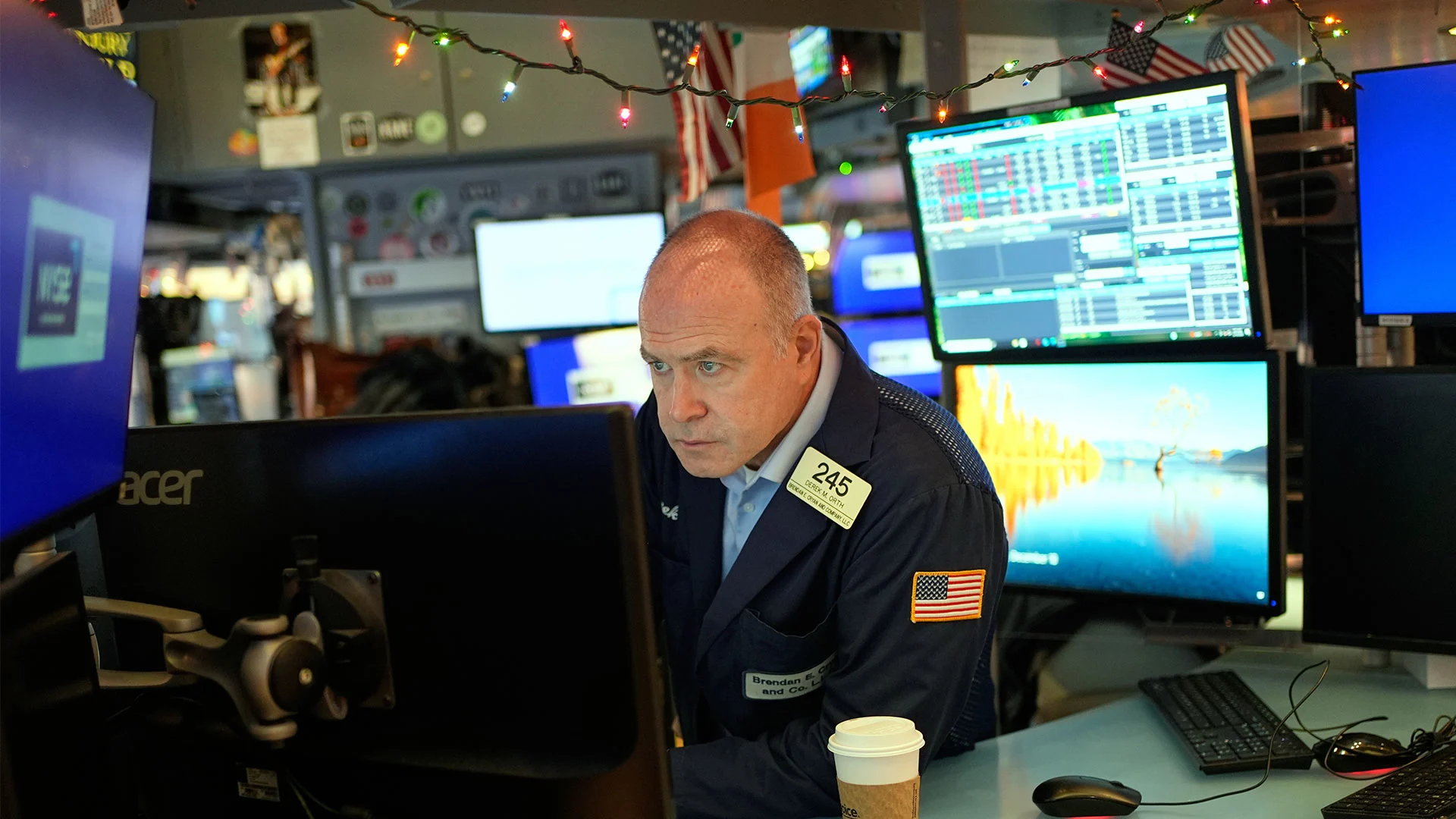
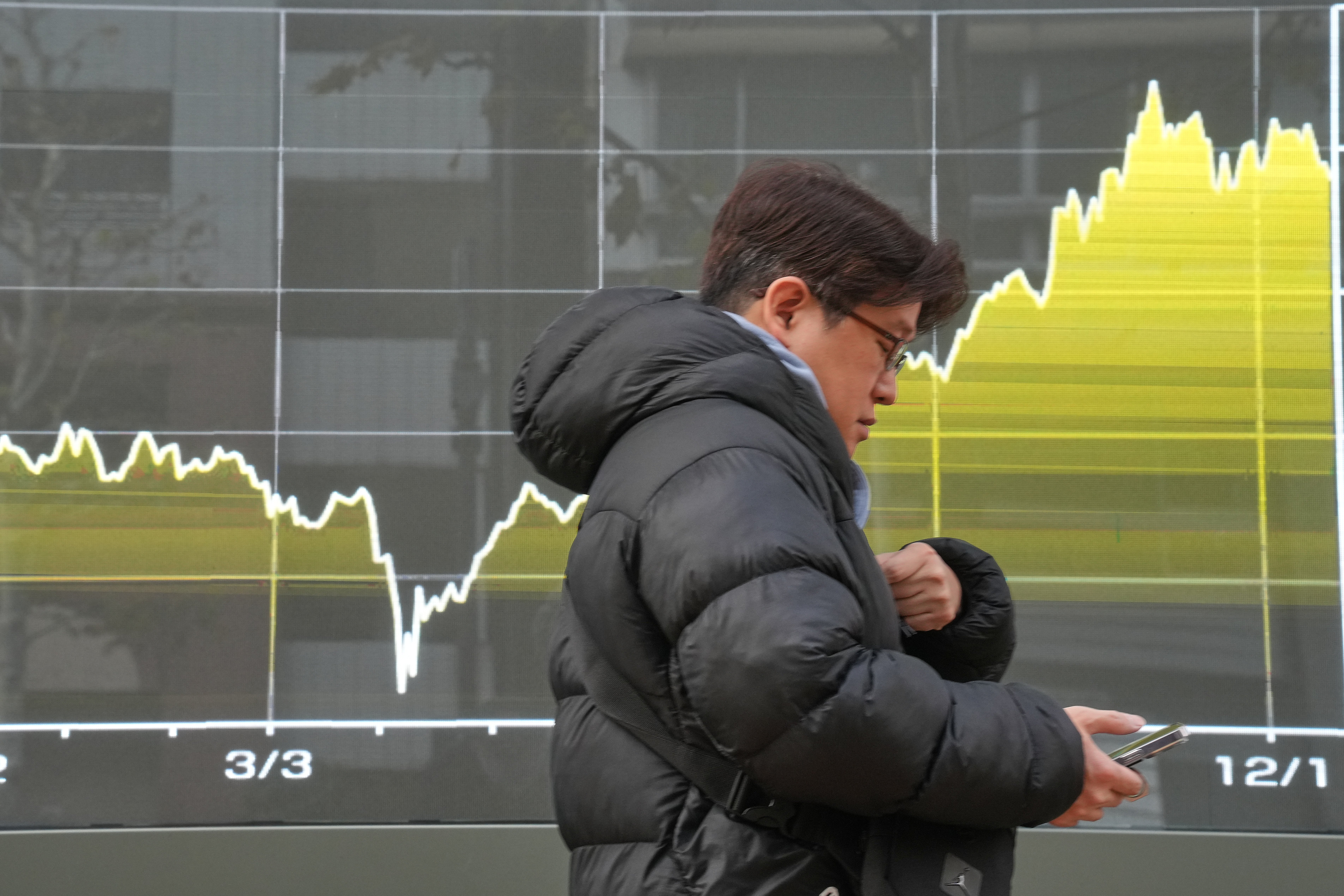
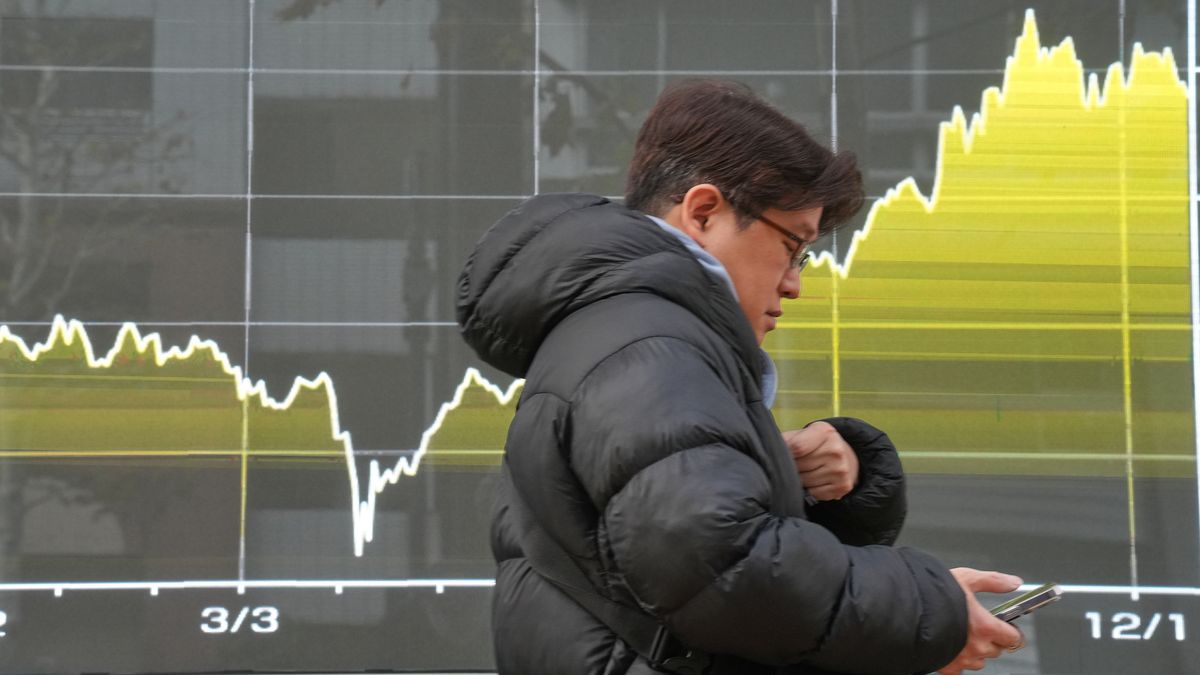
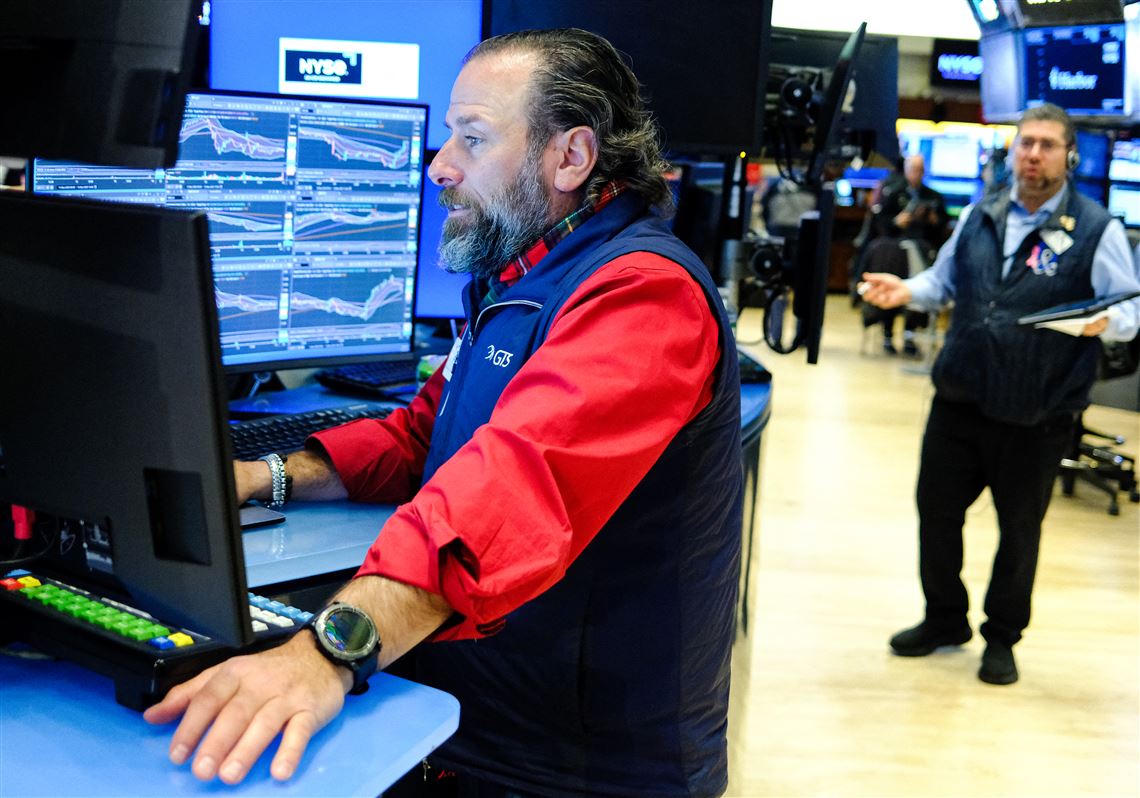
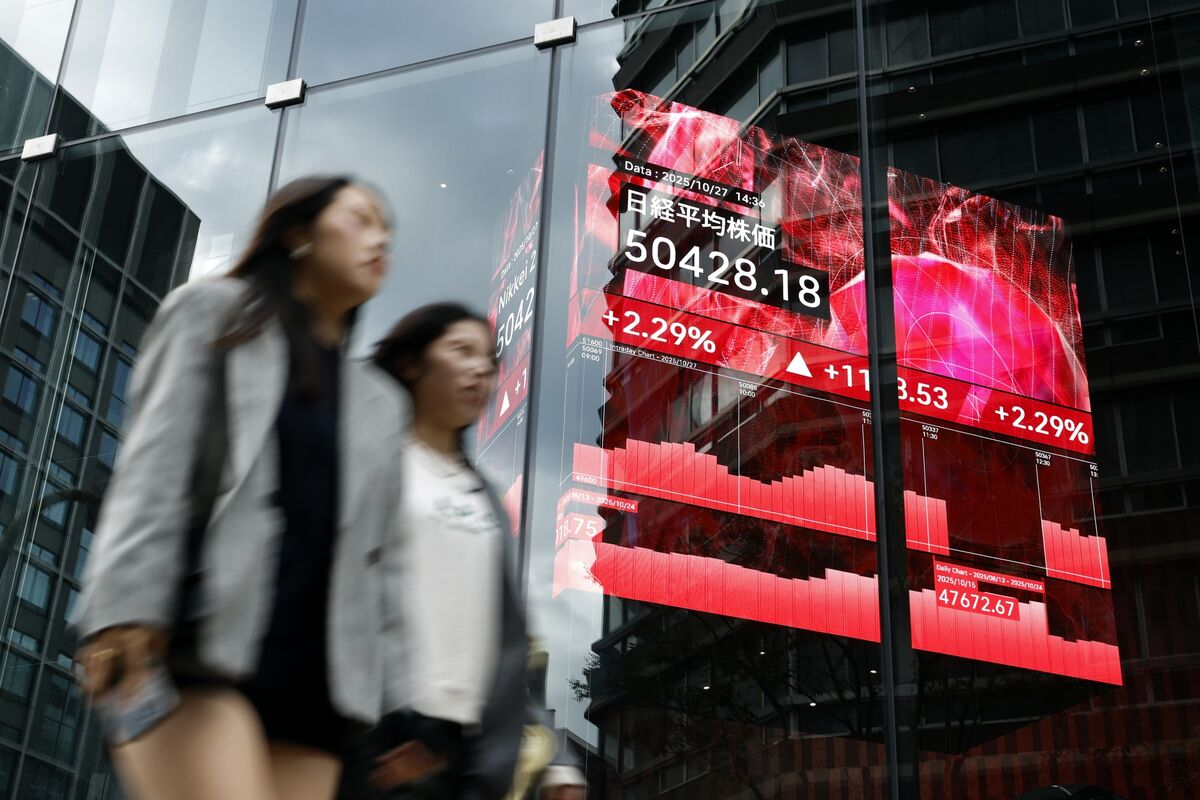
Market indicators paint a sophisticated picture of economic adaptation. The Federal Reserve's preferred inflation gauge climbed to 2.8%, signaling ongoing economic tension, while stock markets simultaneously reached record highs. This paradoxical environment suggests a K-shaped recovery, where higher-income segments continue to drive economic momentum while lower-income groups face more significant challenges.
The metals market emerges as a particularly intriguing indicator, with gold reaching an unprecedented $4,500 per ounce and silver experiencing a remarkable 150% surge. These movements signal deeper investor sentiments about economic uncertainty and potential safe-haven strategies. For cross-border e-commerce sellers, this translates into a critical imperative: maintaining financial flexibility and developing adaptive strategies.
Currency fluctuations present both risks and opportunities. The dollar's subtle variations against the yen and euro create potential arbitrage windows for sophisticated traders. Meanwhile, the minimal market volatility suggests a relatively predictable landscape for international commerce, albeit one requiring constant vigilance.
The broader economic context reveals a complex interplay of factors: AI technology discussions, potential Federal Reserve policy shifts, and ongoing geopolitical tensions. Successful businesses will be those capable of rapid strategic pivots, leveraging technology and maintaining robust financial infrastructure to navigate these intricate market conditions.
Questions 3
What opportunities exist for international traders given the current market conditions?
The metals market surge and subtle currency variations create potential arbitrage opportunities. Additionally, technology and AI-related sectors remain attractive, offering potential for strategic investments and market positioning.
What are the key financial risks in the current market environment?
Primary risks include the K-shaped recovery pattern, potential inflation pressures, and ongoing geopolitical tensions. Businesses must be prepared for uneven economic performance across different market segments and maintain robust risk management strategies.