


US-China Semiconductor Tariff Truce: A Strategic Pause in Technology Trade War
- Diplomatic delay reveals complex geopolitical maneuvering in global technology supply chains













Overview
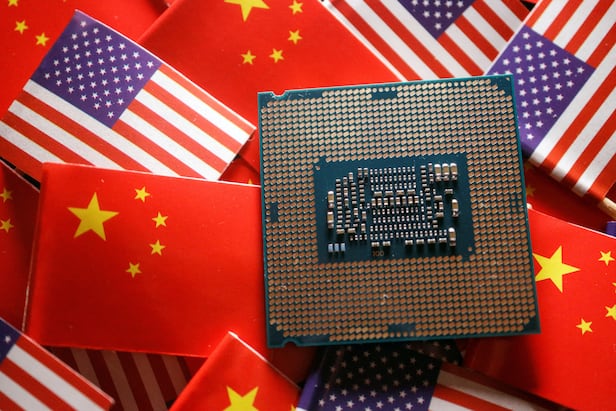
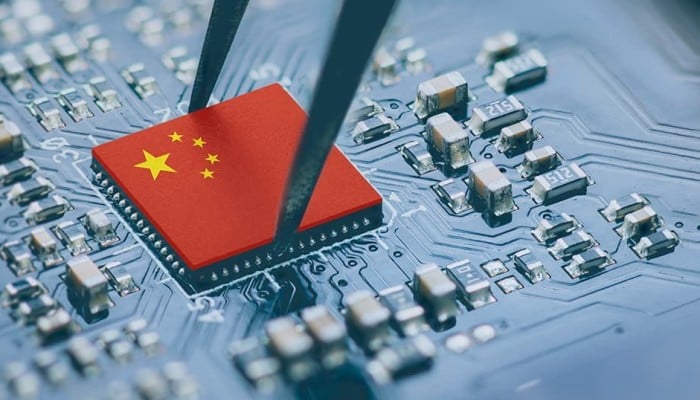
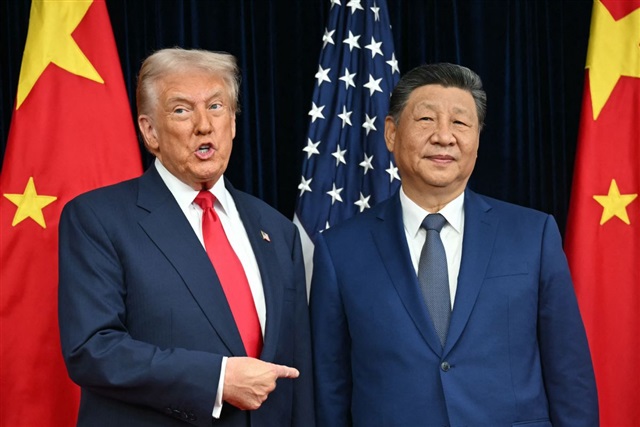
The United States has orchestrated a sophisticated diplomatic maneuver in the semiconductor trade landscape, effectively pressing pause on potential punitive tariffs against Chinese chip manufacturers until June 2027. This strategic delay represents far more than a simple postponement—it's a calculated geopolitical chess move that reveals the intricate dance of economic competition and diplomatic negotiation between the world's two largest economies.
Tariff Timing and Diplomatic Calculus emerge as the critical underlying dynamics. The U.S. Trade Representative's decision to delay tariff implementation signals a nuanced approach to technological competition. By maintaining a zero tariff rate for the initial 18 months and pushing the potential increase to June 2027, the U.S. is creating a complex negotiation window that allows for potential diplomatic resolution while maintaining economic pressure.
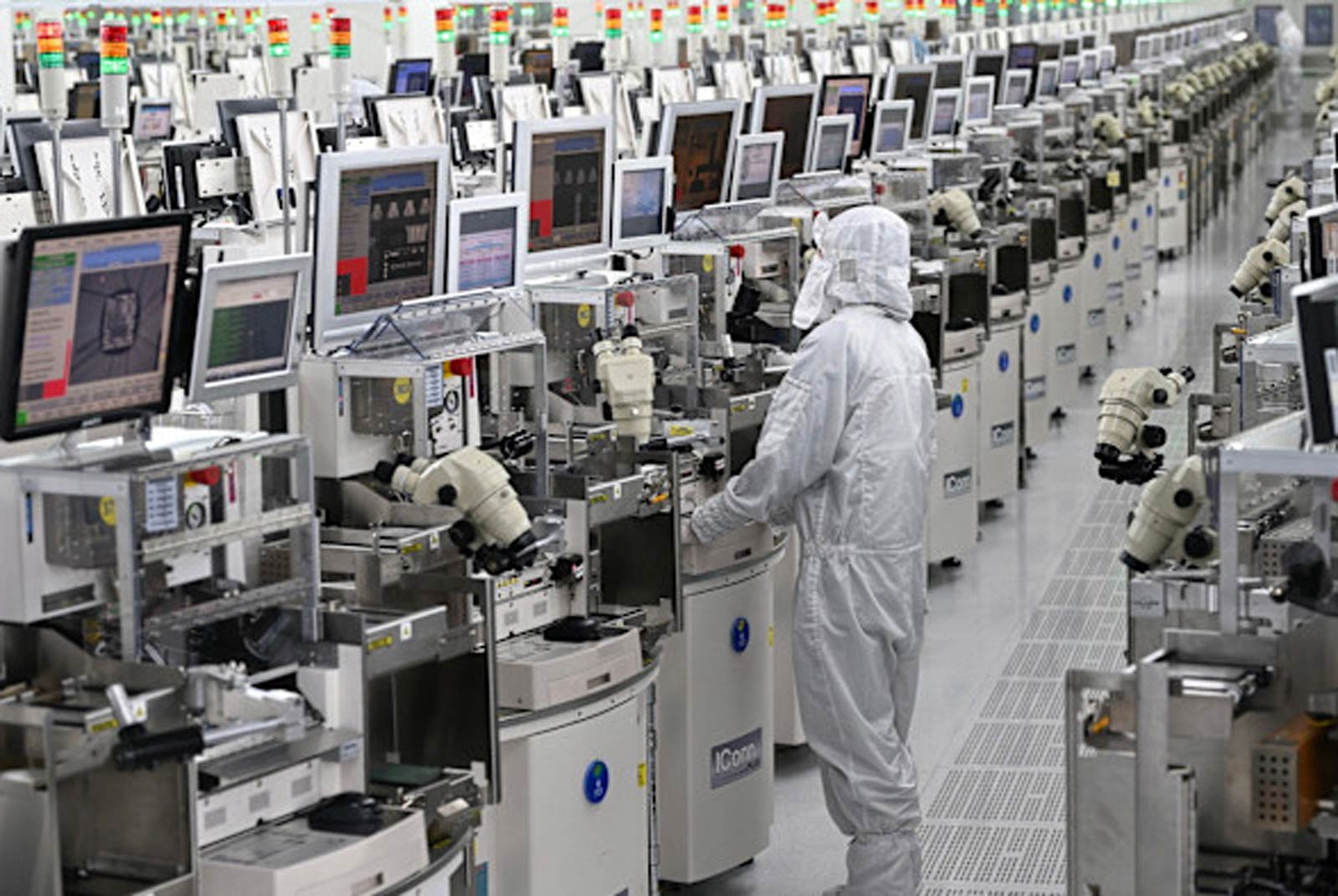
The investigation's findings expose systemic concerns about China's semiconductor industry practices. The USTR explicitly highlighted China's "aggressive non-market policies" aimed at dominating the sector. However, instead of immediate punitive action, the U.S. has chosen a measured diplomatic strategy that maintains economic pressure without triggering an immediate trade escalation.
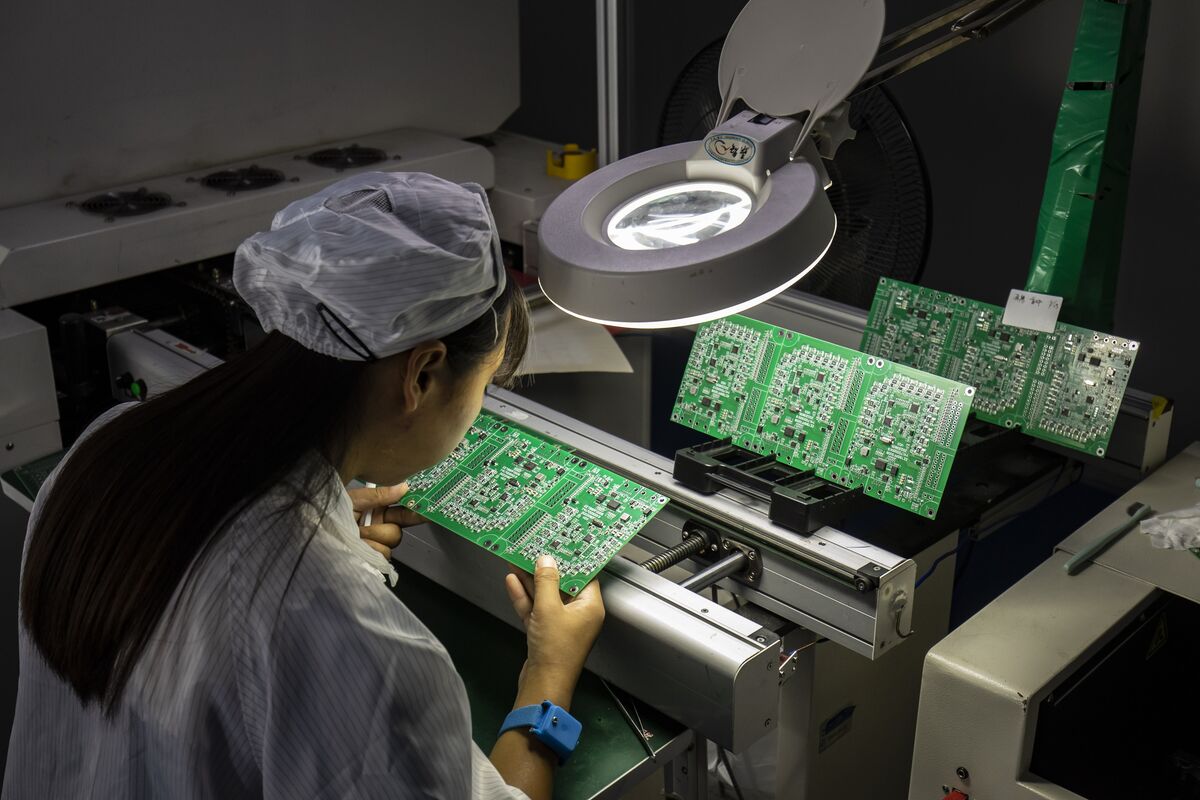
For cross-border technology sellers, this development presents a critical strategic opportunity. The delayed tariff implementation provides a temporary stabilization period for technology import regulations. Electronics and semiconductor component importers now have an 18-month buffer to diversify supply chains, adjust pricing strategies, and explore alternative sourcing options before potential tariff increases take effect.
The broader implications extend beyond immediate trade considerations. This approach represents a sophisticated diplomatic balancing act, where economic competition is managed through strategic timing and calculated restraint. The semiconductor sector remains a critical battleground of technological and economic strategic positioning, with this delay signaling a preference for negotiation over confrontation.
Ultimately, the tariff postponement reveals a complex geopolitical strategy: maintaining pressure while creating space for potential diplomatic resolution. Technology sellers and strategic observers must recognize this as a dynamic, evolving landscape where political negotiations and economic competition are increasingly intertwined.
Questions 4
How will this tariff delay impact cross-border technology sellers?
Technology sellers now have an 18-month buffer to diversify supply chains, adjust pricing strategies, and explore alternative sourcing options. The delay provides a temporary stabilization period for technology import regulations, giving businesses time to adapt before potential future tariff increases.
Why did the US delay semiconductor tariffs against China until 2027?
The US is employing a strategic diplomatic approach that maintains economic pressure while creating space for potential negotiations. By delaying tariffs, the US can continue to signal concerns about China's semiconductor practices without immediately triggering a full-scale trade confrontation, allowing for potential diplomatic resolutions.