





Samsung's TriFold Gambit Signals a Pivotal Shift in Premium Smartphone Competition as Chinese Rivals Close the Innovation Gap
- Marks a strategic inflection point where Samsung positions itself as the technology leader ahead of Apple's 2026 foldable entry, while intensifying competition from Huawei and Honor reshapes the entire premium device market






















































































Overview
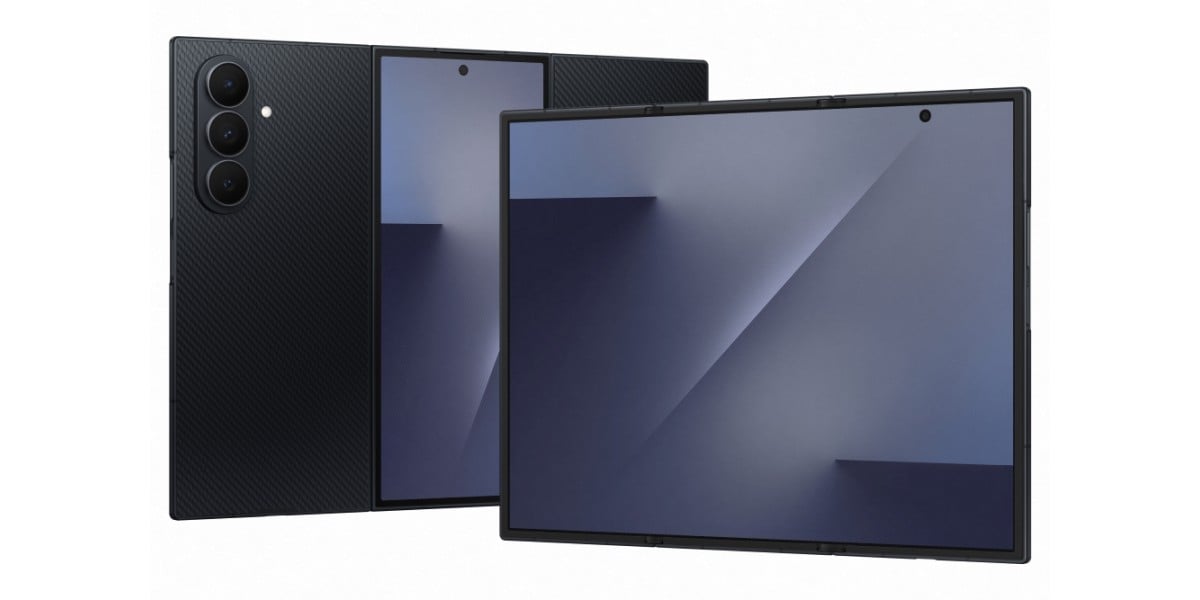
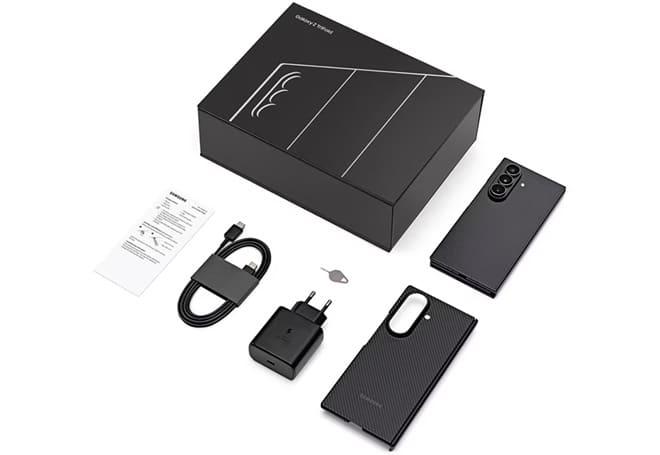
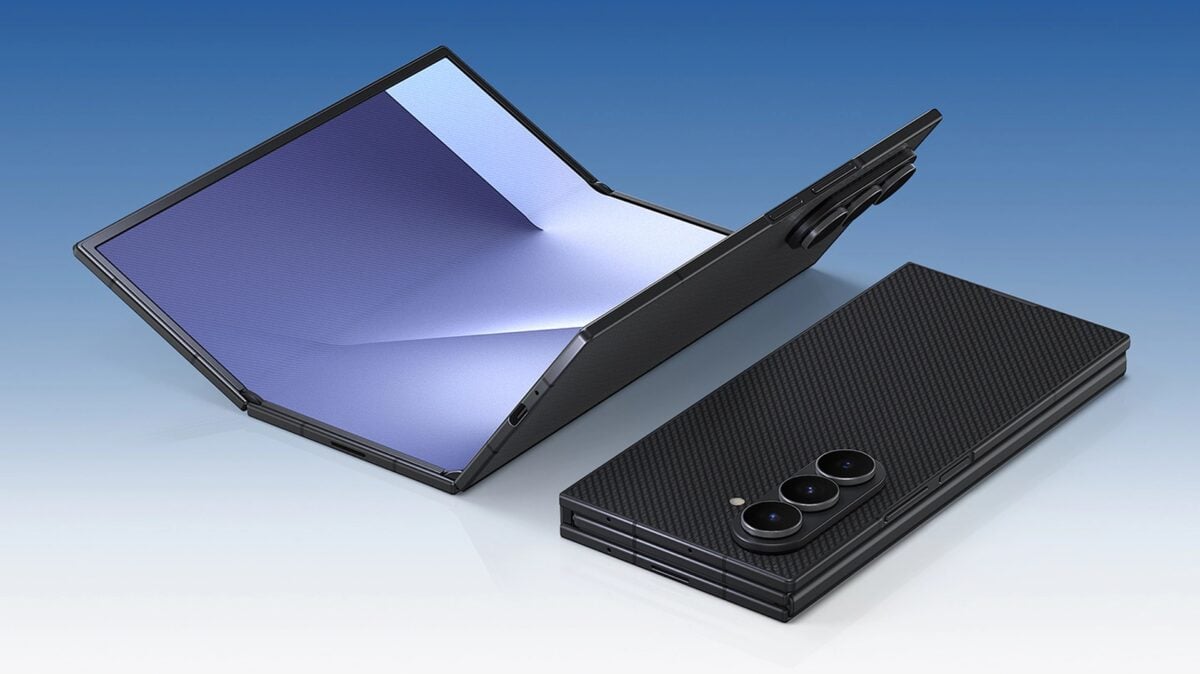
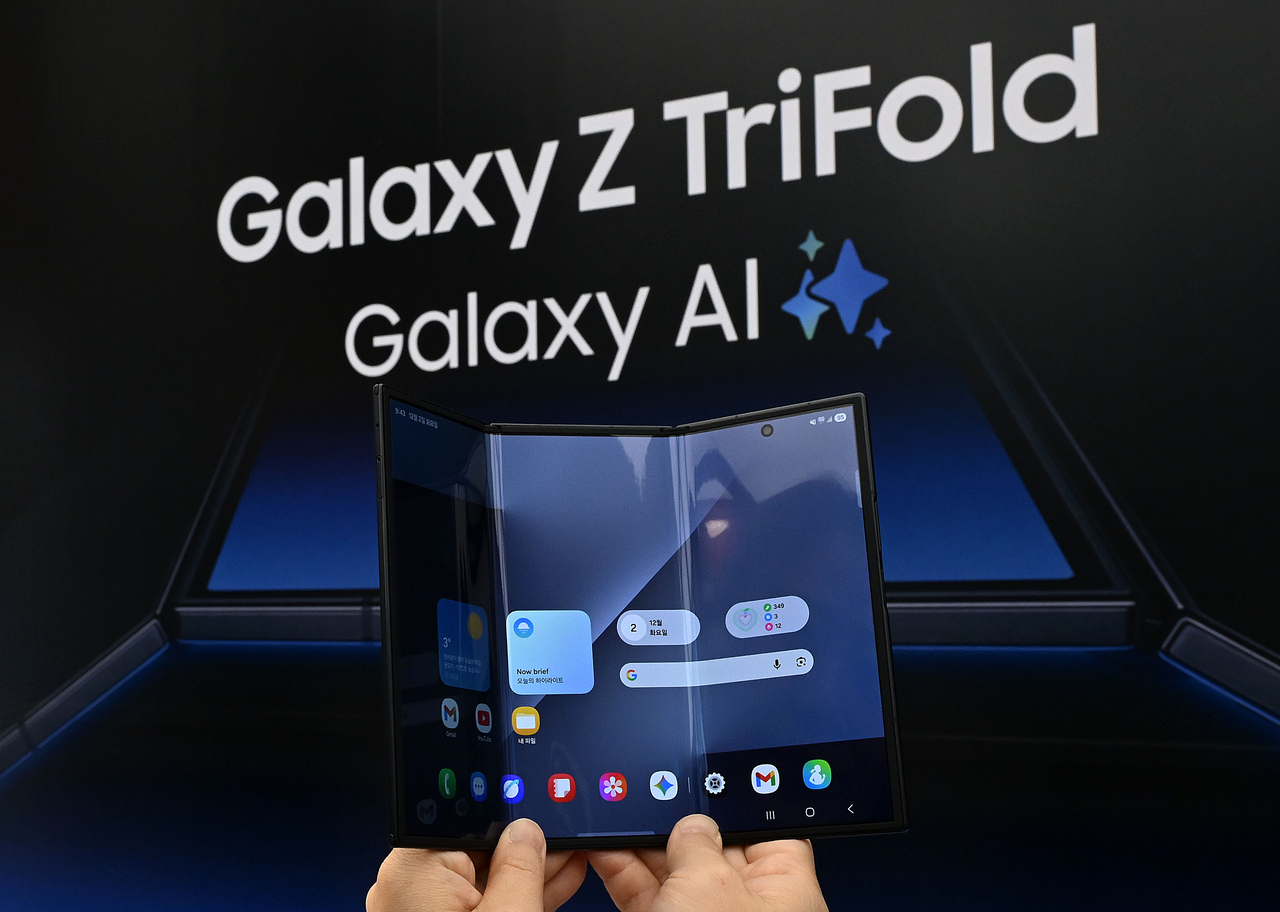
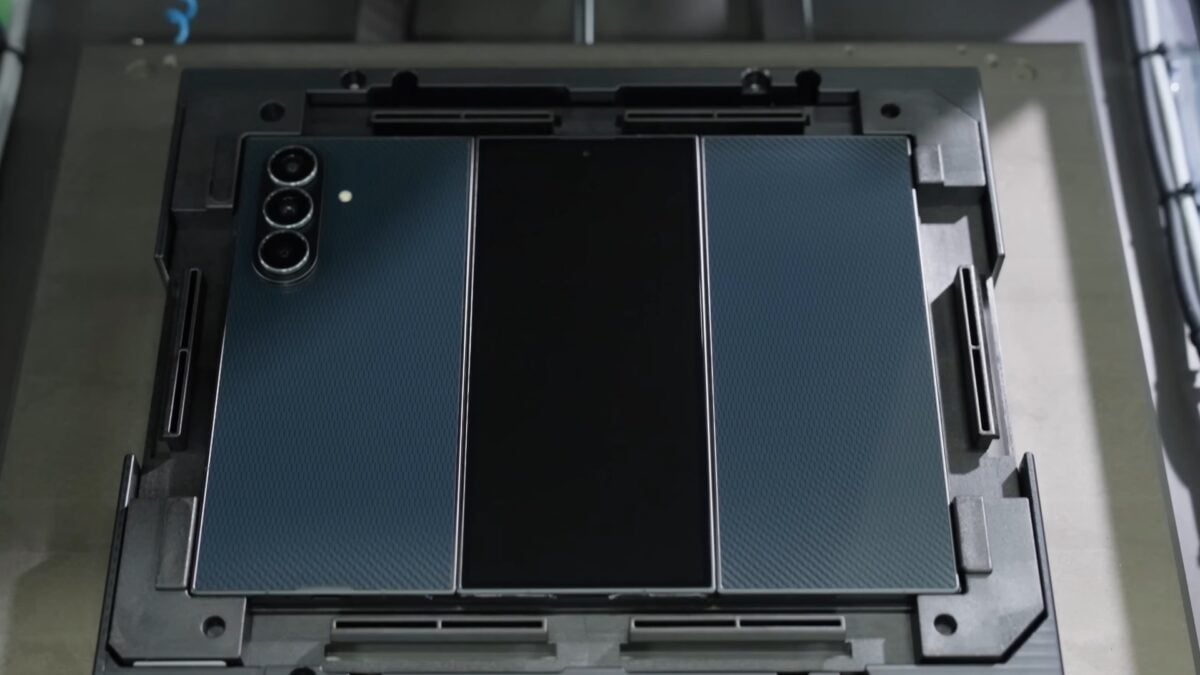
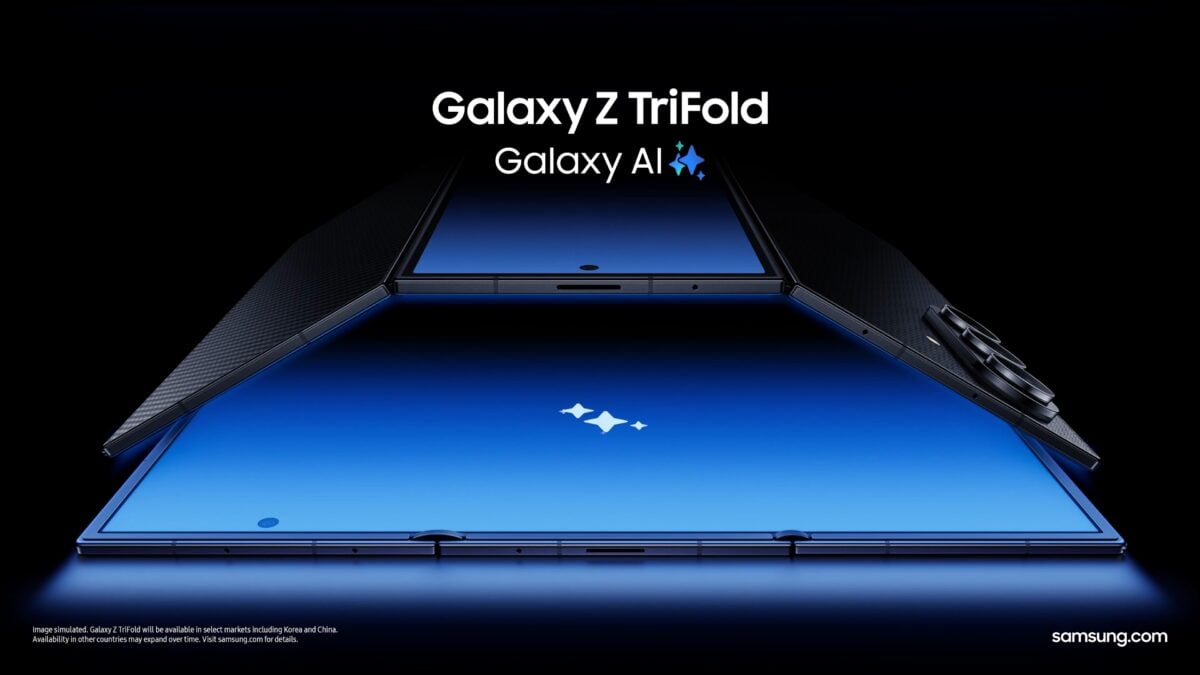
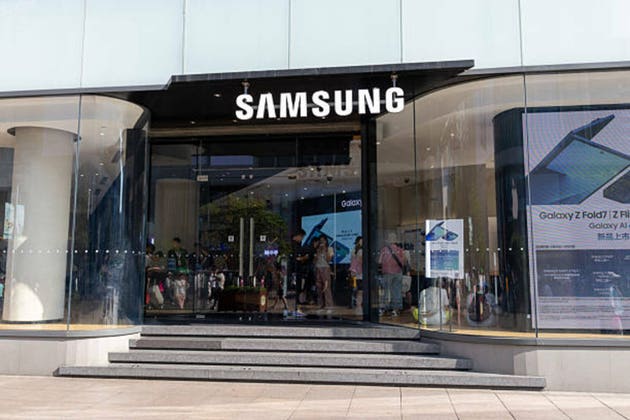
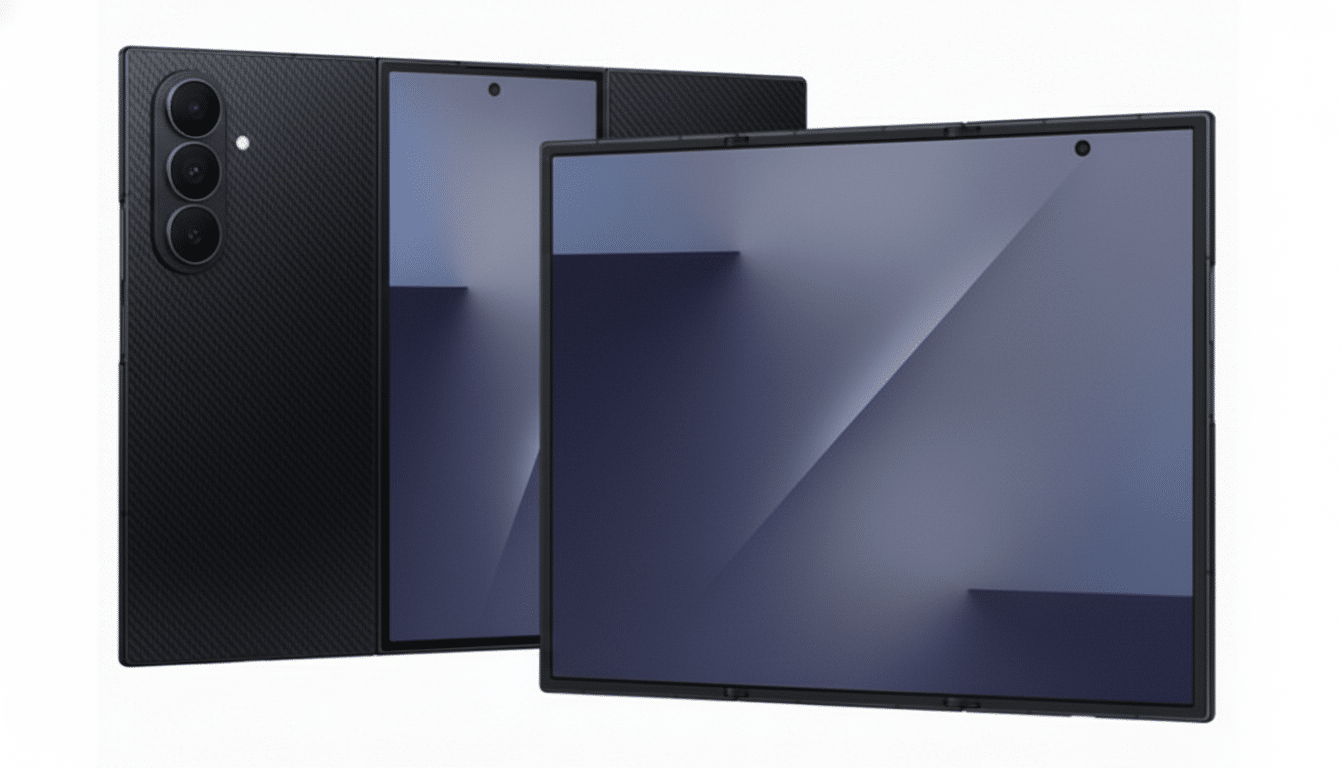
Samsung's December 2025 announcement of the Galaxy Z TriFold represents far more than a product launch—it signals a fundamental recalibration of competitive dynamics in the premium smartphone market. The device, featuring three foldable panels that expand into a 10-inch display, arrives at a critical juncture where Chinese manufacturers like Huawei and Honor have closed the innovation gap that once defined Samsung's foldable dominance. This timing is deliberate and strategic, revealing how Samsung views the next 12 months as decisive for establishing technological credibility before Apple's anticipated foldable entry in 2026.
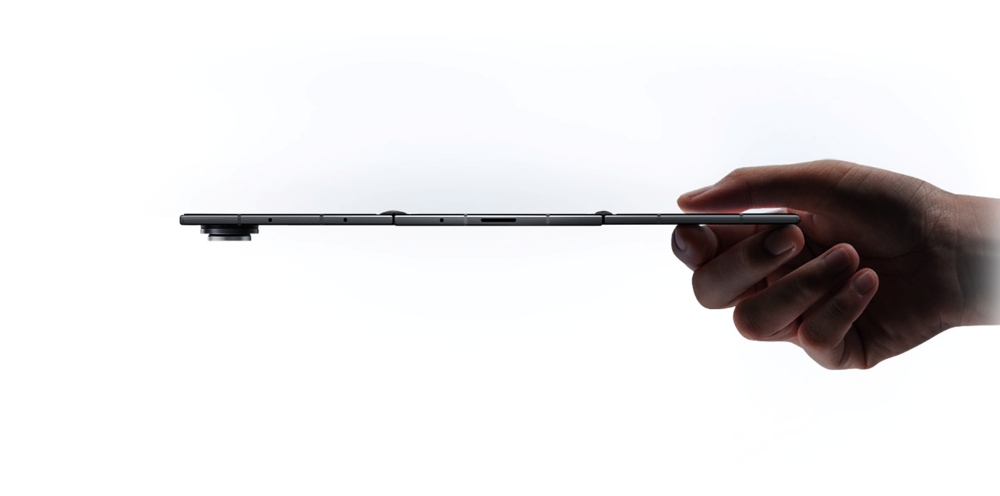
The underlying logic of Samsung's approach becomes clear when examining the company's deliberate constraint on volume and positioning. According to Counterpoint Research analyst Liz Lee, Samsung is intentionally shipping in limited quantities to position the TriFold as a technology pilot rather than a mass-market product. This signals a sophisticated understanding of market dynamics: by controlling supply and emphasizing innovation leadership, Samsung avoids cannibalizing its existing Galaxy Z Fold and Galaxy Z Flip lines while simultaneously establishing first-mover credibility in the multi-fold category. The device's specifications—a 10-inch 2160 x 1584 resolution display, 12.9mm thickness when folded, and Samsung's largest foldable battery capacity—represent incremental but meaningful engineering advances. The 50W super-fast charging reaching 50% in 30 minutes and IP48 water resistance rating (1.5 meters for 30 minutes) address real durability concerns that have plagued foldable adoption. What's particularly noteworthy is that Samsung is using this launch to gather real-world user insights on hinge design, software performance, and durability before wider commercialization—essentially treating the market as a testing ground for technology refinement.
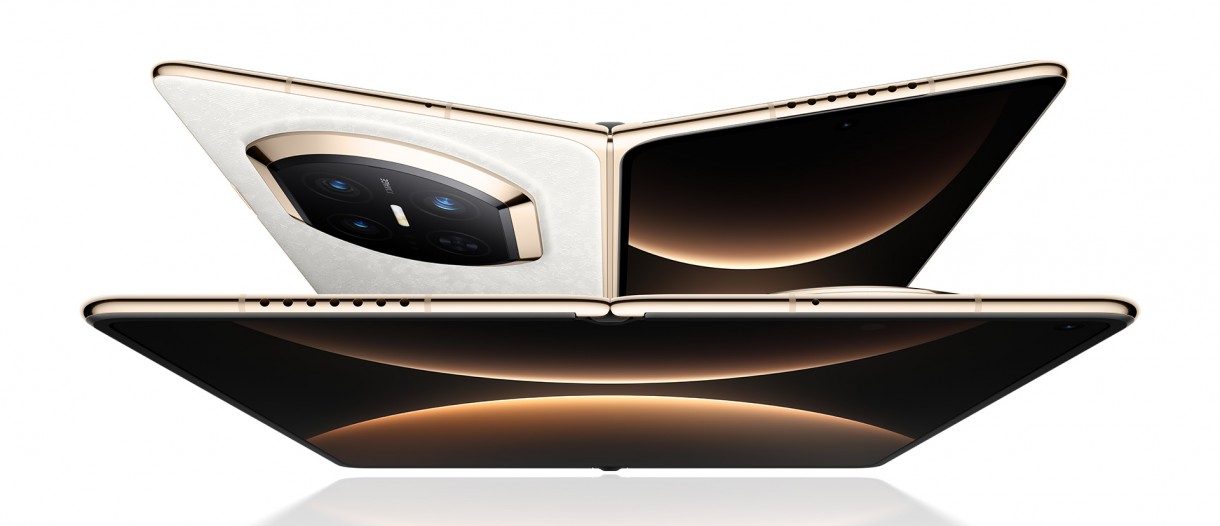
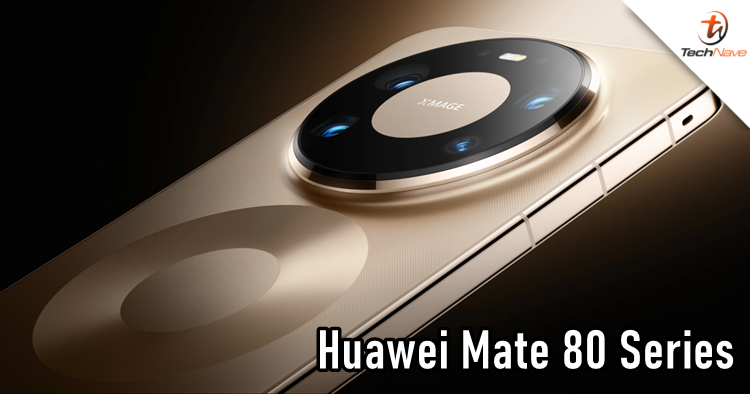
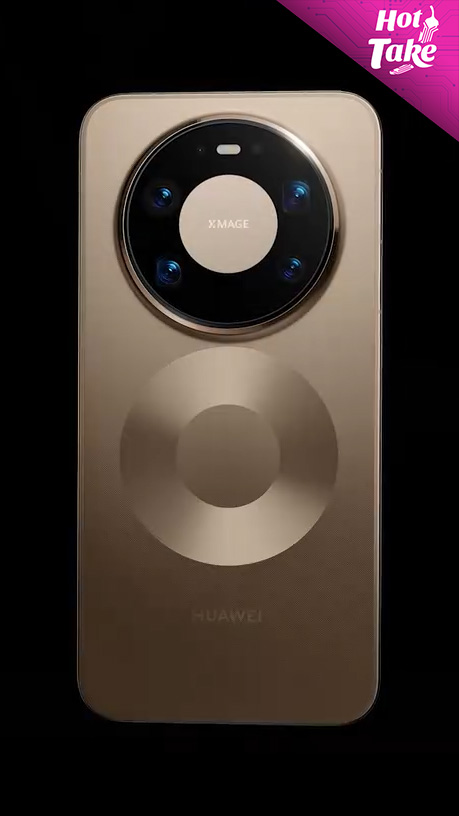
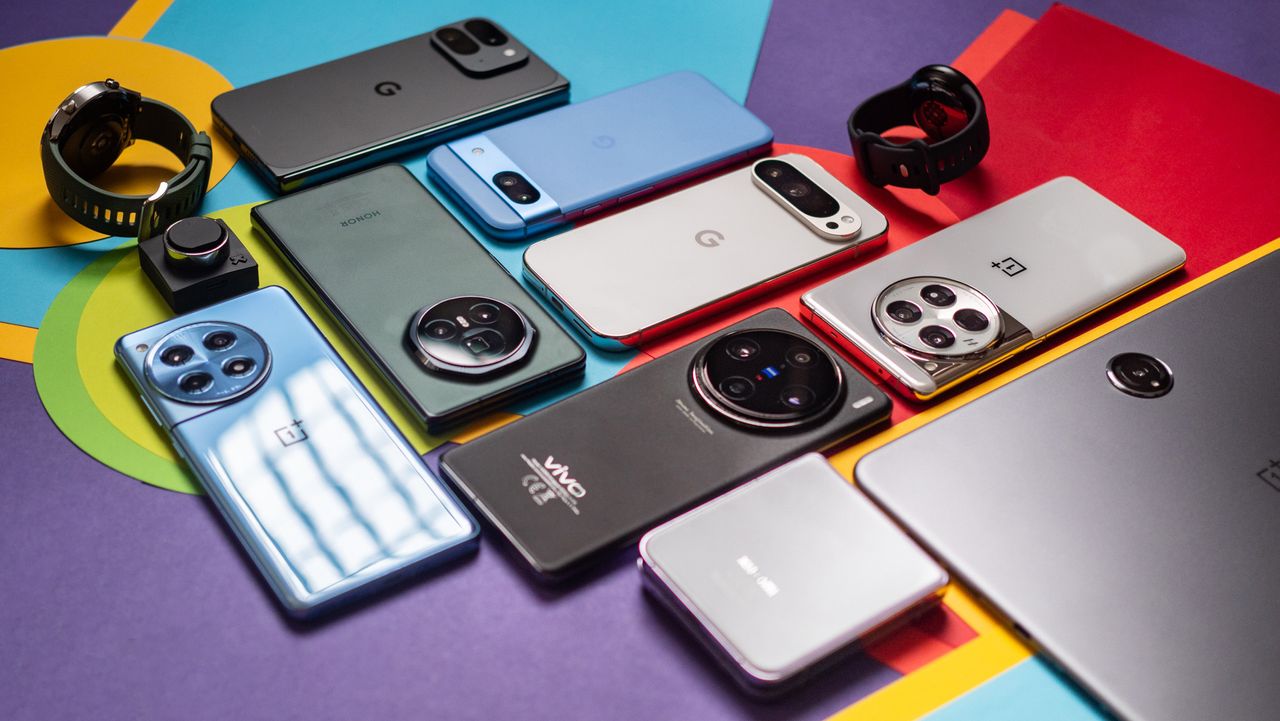
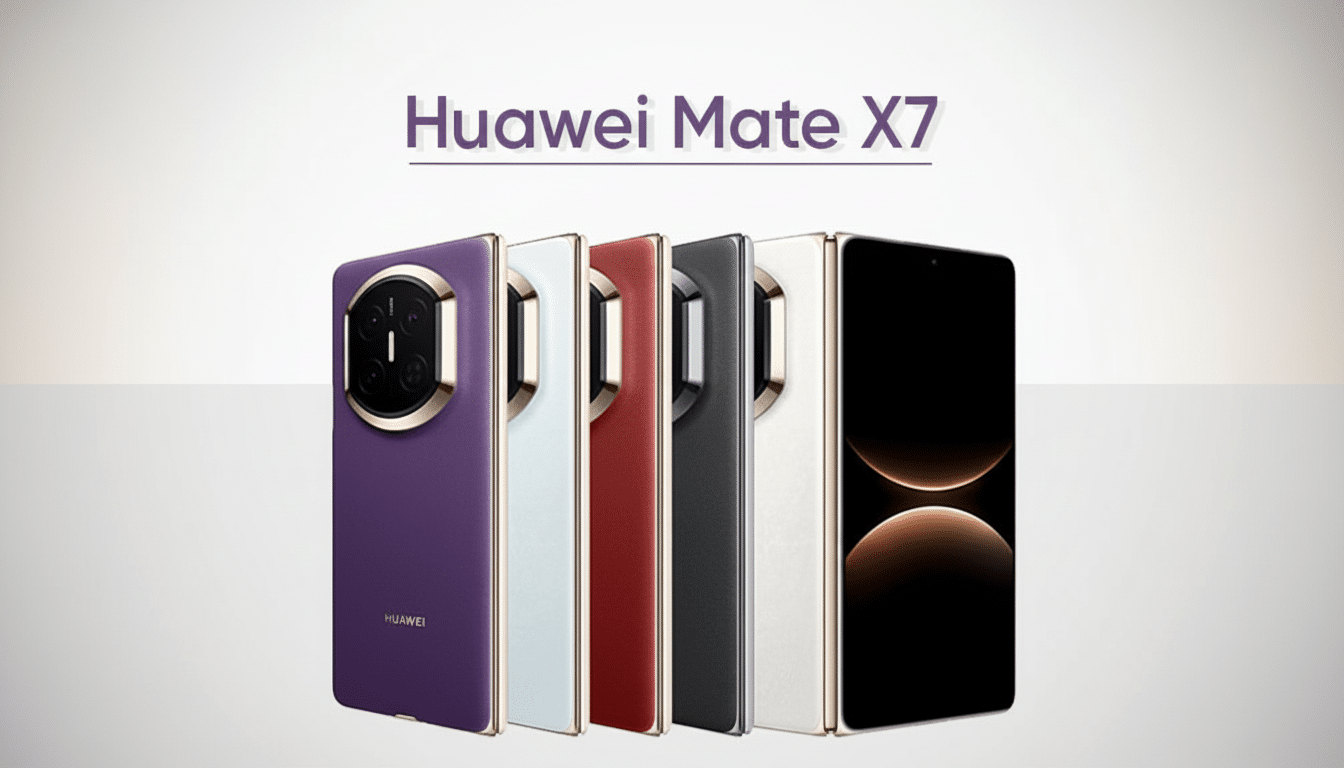
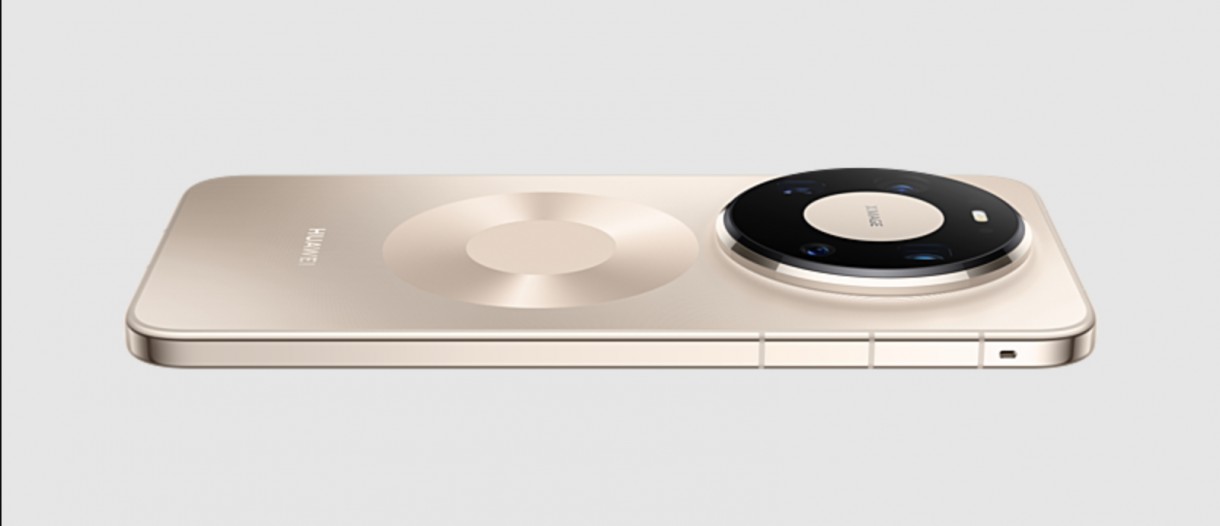
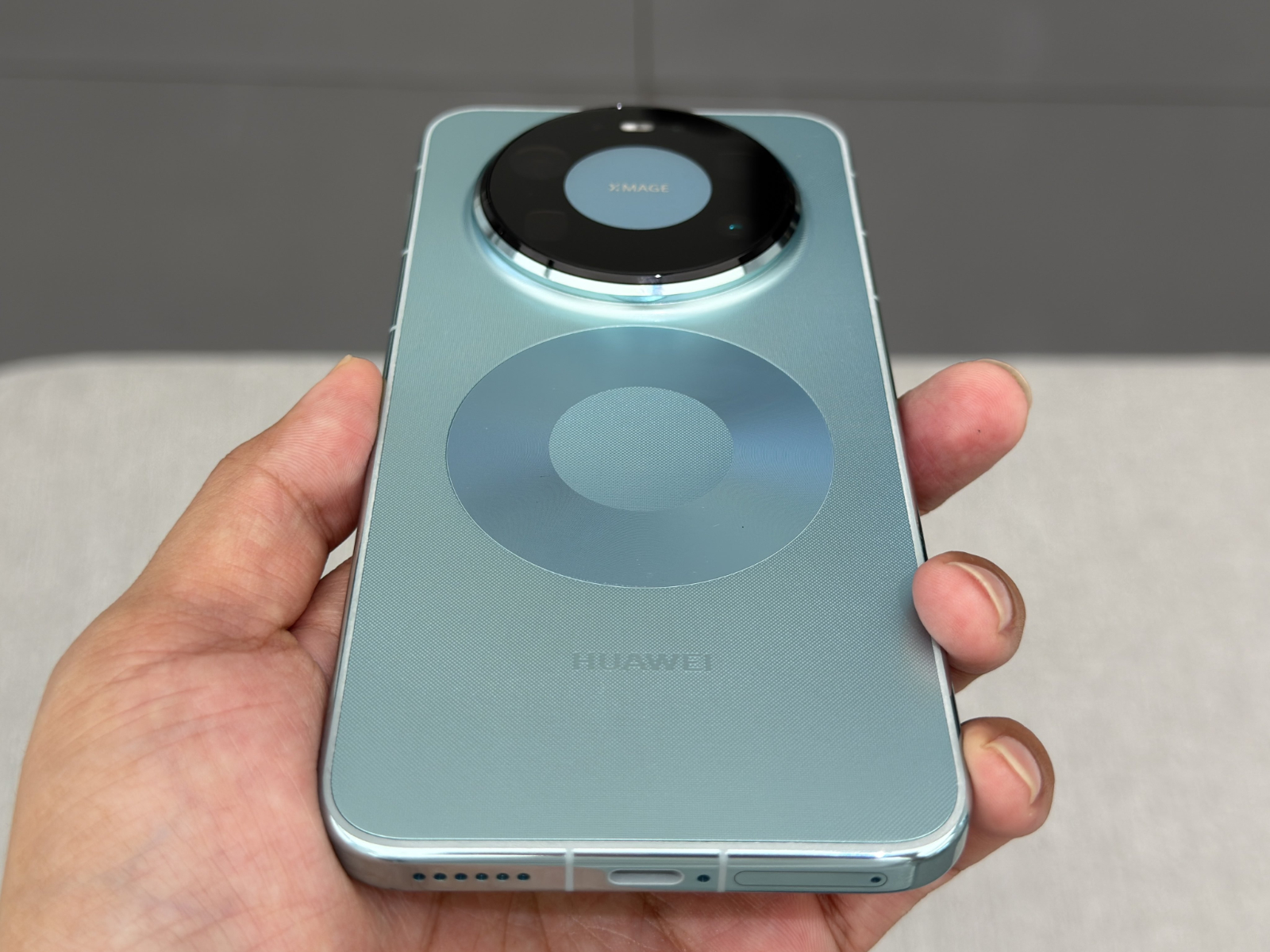
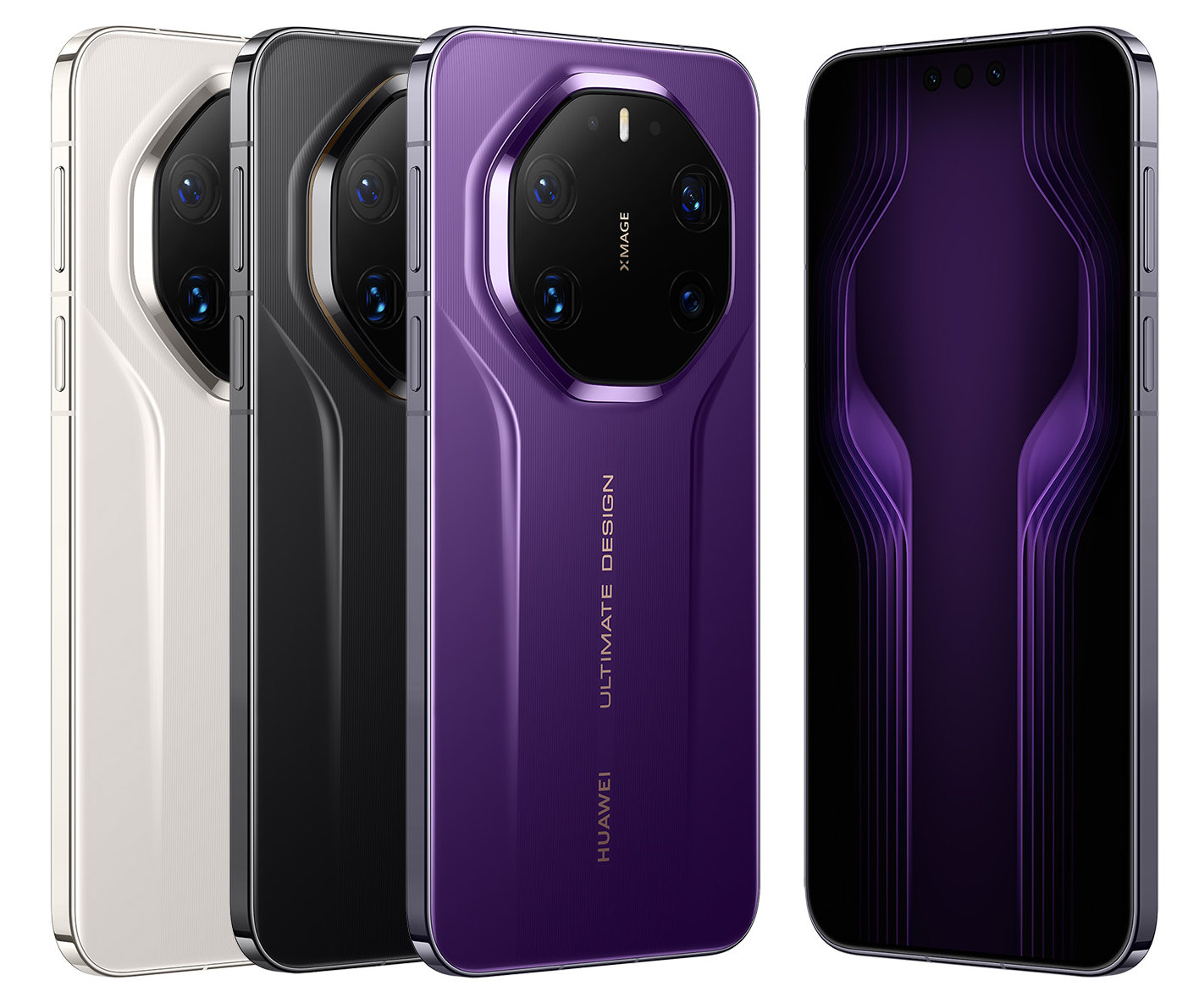
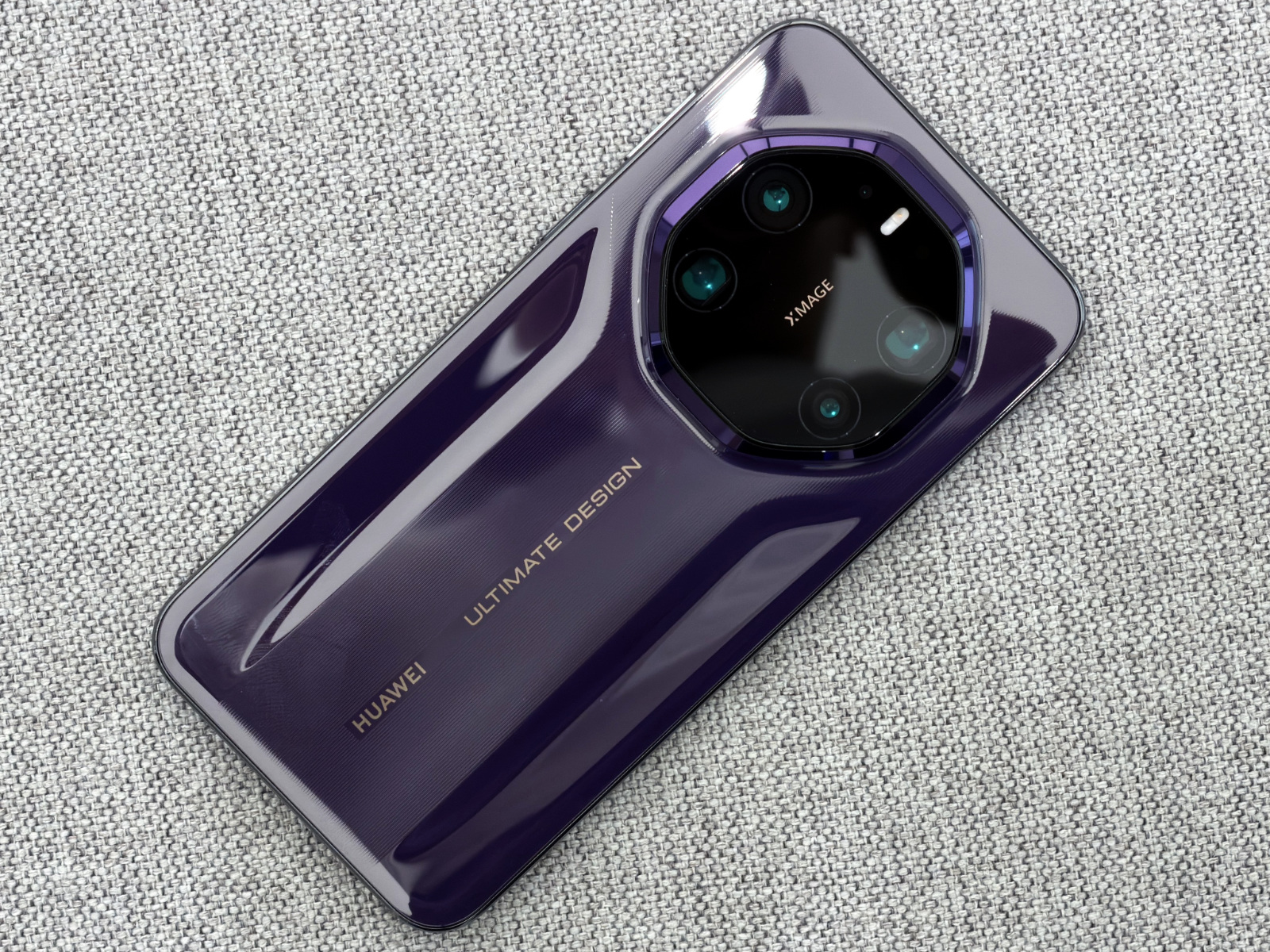
The competitive context reveals why Samsung must act now. Huawei's second-generation trifold phone, measuring just 12.8mm thick, has already demonstrated that Chinese manufacturers can match or exceed Samsung's engineering capabilities. Honor's international foldable expansion signals that the foldable market is transitioning from Samsung's exclusive domain to a contested battleground. The TriFold's global rollout strategy—launching in South Korea on December 12, 2025, followed by China, Taiwan, Singapore, UAE, and the United States during Q1 2026—reflects Samsung's recognition that it must defend its position simultaneously across multiple regions. The $2,449 USD price point positions the device as an ultra-premium offering, targeting early adopters and technology enthusiasts rather than mainstream consumers. This pricing strategy, combined with limited availability, creates artificial scarcity that reinforces the perception of exclusivity and technological leadership.
The broader implication for the smartphone industry is that the foldable category is maturing from experimental novelty into a legitimate premium segment where multiple players can compete credibly. Samsung's move from its 2019 first-generation foldable to the TriFold demonstrates how rapidly the technology is evolving, while simultaneously showing that Samsung no longer enjoys unchallenged dominance. The company's newly appointed co-CEO TM Roh's emphasis on balancing "portability, performance, and productivity" signals that Samsung is positioning foldables not as gimmicks but as genuine productivity tools that offer desktop-like functionality without requiring a separate display. This framing is crucial—it redefines the competitive set from "premium phones" to "portable computing devices," a narrative that could justify premium pricing and attract professionals and content creators.
For stakeholders across the ecosystem, this moment demands strategic clarity. Component suppliers should expect Samsung to demand accelerated innovation cycles and improved durability metrics as the company races to maintain technological leadership. Retailers and carriers must prepare for a bifurcated market where limited-volume flagship devices like the TriFold coexist with higher-volume, more affordable foldable options. App developers face pressure to optimize for multi-screen scenarios, as the TriFold's ability to run three apps vertically side-by-side creates new use cases that competitors will inevitably copy. Most critically, the 2026 competitive landscape will be defined not by Samsung's current lead but by how effectively it translates this pilot program into sustained innovation advantage before Apple enters the market with its own foldable device, potentially reshaping consumer expectations and category dynamics entirely.
Questions 5
What does Samsung's Q1 2026 global rollout strategy (South Korea, China, Taiwan, Singapore, UAE, US) signal about regional market priorities?
The staggered rollout prioritizes **technology leadership perception** in Samsung's home market (South Korea) before expanding to competitive battlegrounds (China) and premium markets (UAE, US). This sequencing allows Samsung to refine supply chains, gather early user feedback, and establish credibility narratives before facing direct competition from Huawei in China and preparing for Apple's anticipated 2026 foldable entry in the US. The inclusion of Taiwan and Singapore signals Samsung's commitment to Asia-Pacific as the primary growth region for premium foldables.
How will the TriFold's multi-screen capabilities reshape the competitive landscape for app developers?
The ability to run three apps vertically side-by-side creates new use cases for productivity, content creation, and multitasking that competitors will inevitably copy. **App developers** must now optimize for multi-screen scenarios and larger displays, fundamentally changing how software is designed for foldable devices. This technical requirement raises barriers to entry for smaller developers while creating opportunities for those who can deliver genuinely innovative multi-screen experiences that justify the premium device cost.