
Eurasian Logistics Transformation: China's Strategic Railway Corridor Reshapes Global Supply Networks
- Emerging transportation infrastructure creates new cross-border logistics opportunities for international sellers
Overview
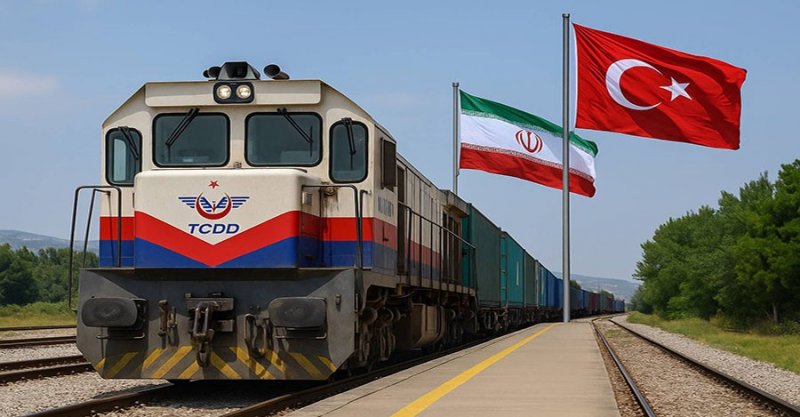
The Eurasian logistics landscape is experiencing a profound strategic reconfiguration through the Iran-Türkiye railway project, signaling a critical transformation in cross-border transportation networks. At the heart of this development lies a 200-kilometer railway corridor that promises to revolutionize how international sellers approach transcontinental logistics routing.
Geopolitical infrastructure investments are emerging as key determinants of supply chain resilience. The proposed railway represents more than a transportation project—it's a strategic chess move in global connectivity. With U.S. sanctions constraining Iran's financial access and Türkiye facing economic volatility, the project's viability hinges on external financing, particularly from China. This underscores a broader trend where infrastructure development becomes a geopolitical instrument for reshaping trade dynamics.
For cross-border sellers, this emerging corridor offers unprecedented logistics network flexibility. The railway could dramatically reduce transportation times between China, Iran, Azerbaijan, and Türkiye, creating alternative routing options that bypass traditional maritime and overland paths. By potentially integrating with the Belt and Road Initiative, this project transforms regional logistics from a challenge into a strategic opportunity. Sellers can now contemplate more diverse, redundant transportation strategies that mitigate risks associated with single-route dependencies.
The project's significance extends beyond immediate transportation benefits. It represents a structural shift in global supply chain architecture, where geopolitical cooperation and infrastructure investment become critical competitive advantages. China's potential role as a financier highlights how infrastructure projects are no longer just engineering challenges, but complex geopolitical negotiations that can reshape entire economic ecosystems.
Strategically positioned sellers should closely monitor this development, preparing to rapidly adapt their sourcing and logistics strategies. The emerging Eurasian corridor signals a future where transportation infrastructure becomes a key differentiator in global trade competitiveness.
Questions 3
What role is China playing in this infrastructure project?
China is emerging as a potential key financier, offering infrastructure funds that could provide long-term financing and political insulation. This involvement suggests China is strategically positioning itself to expand its Belt and Road Initiative and create new transcontinental trade networks.
What are the key challenges facing this railway project?
Major challenges include U.S. sanctions limiting Iran's financial access, Türkiye's economic constraints like inflation and exchange rate volatility, and the need for substantial external financing. The project's success depends on political stability and international cooperation.