




Premium Noise-Canceling Headphones Hit Record Lows During Cyber Monday, Reshaping Audio Category Pricing and Consumer Expectations
- Aggressive discounting on flagship Bose and Sony models signals margin compression in premium audio, creating both traffic arbitrage opportunities and long-term category devaluation risks for sellers































































































/ciol/media/media_files/2025/11/26/image-2025-11-26-11-29-46.png)




































/dq/media/media_files/QBEOG3vJjOPM9ctExRZa.jpg)














































































































/pcq/media/media_files/2025/11/26/amazon-black-friday-deals-2025-on-aaa-games-2025-11-26-13-54-03.jpg)












/pcq/media/media_files/2025/03/03/wQ0OSaTbkYZsrQJtThqD.png)
























Overview
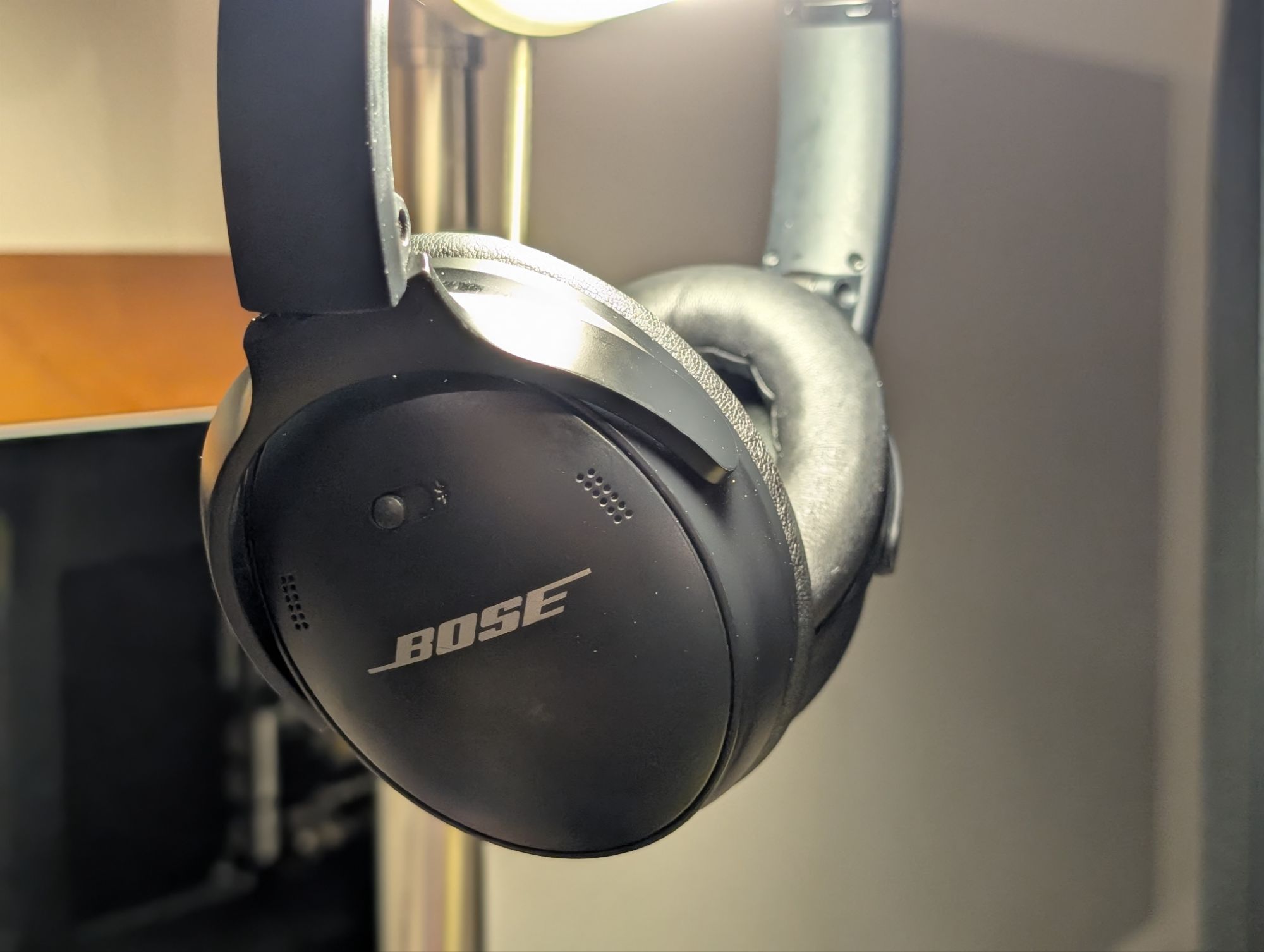
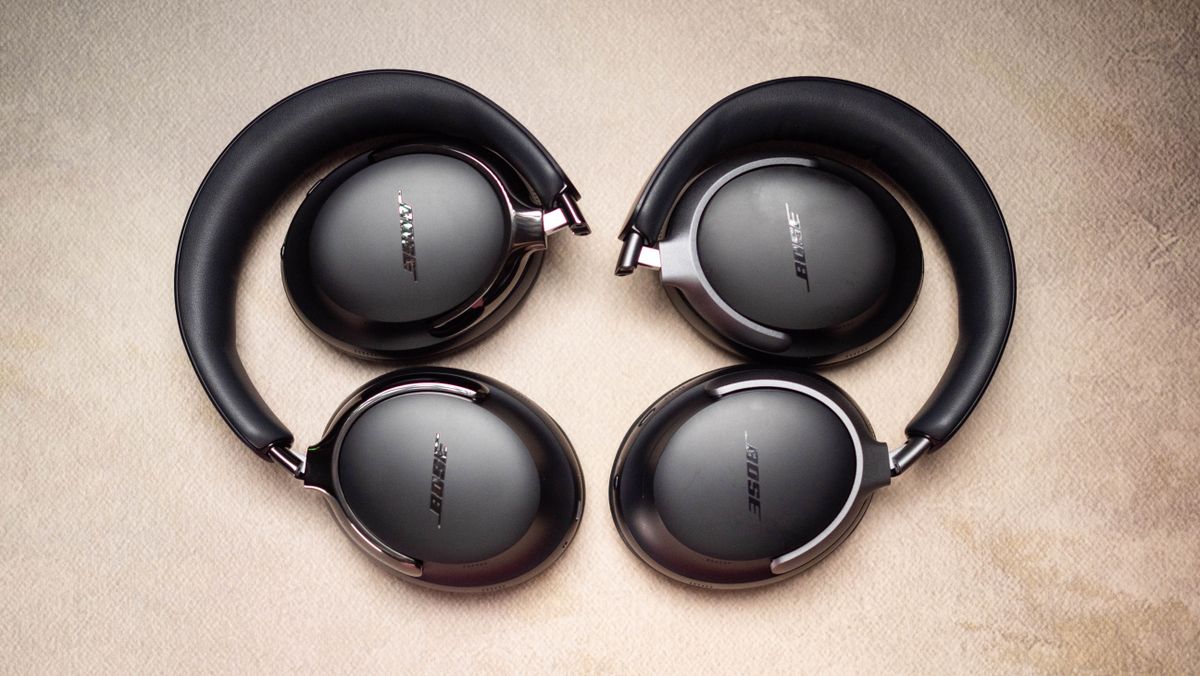
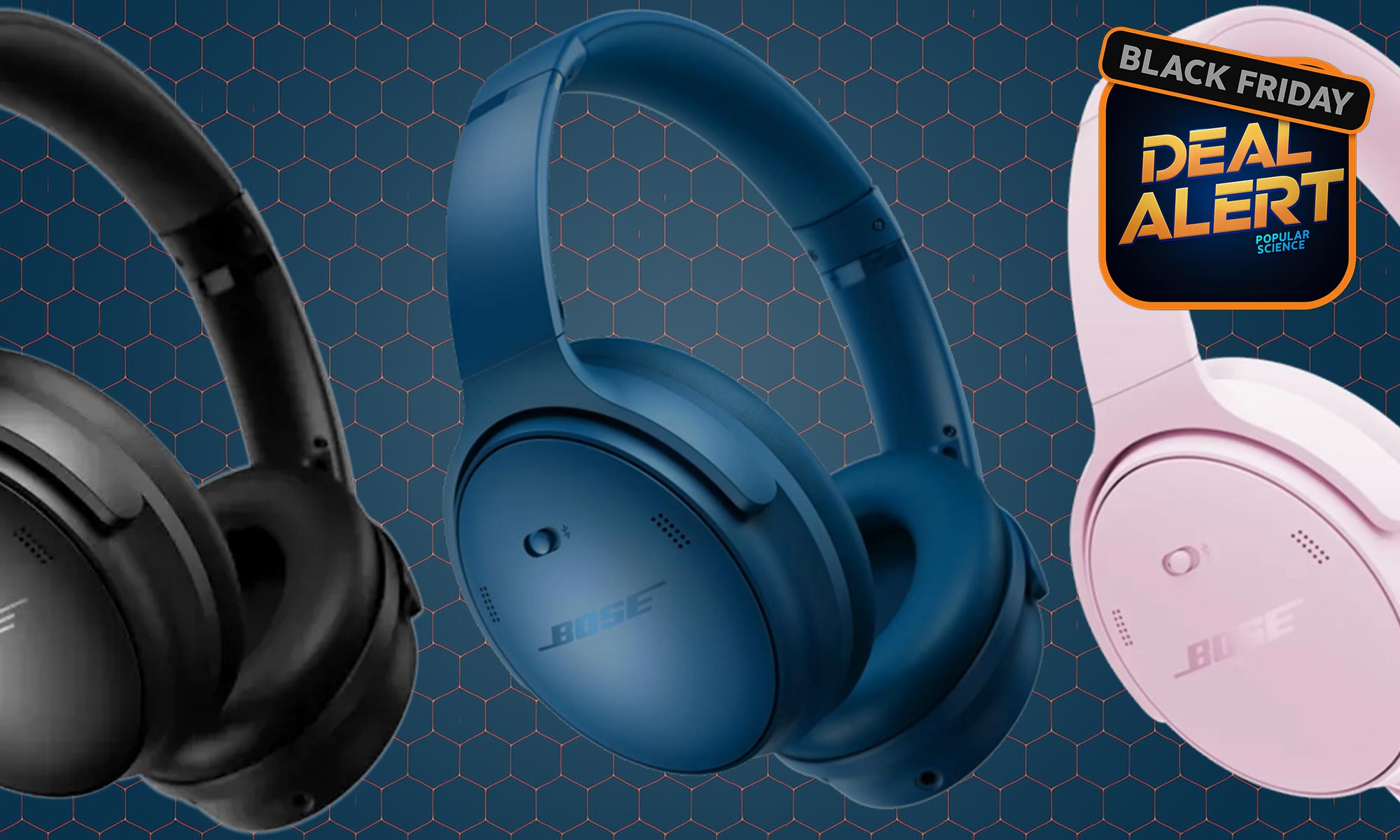
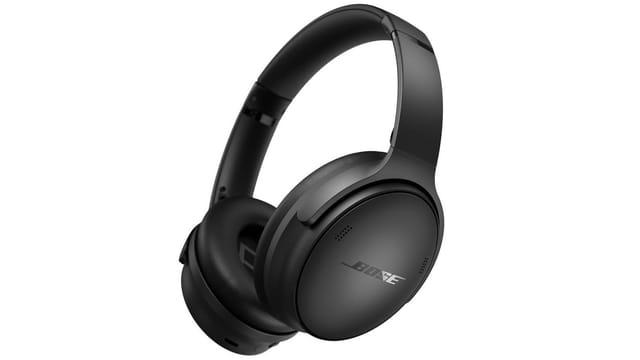
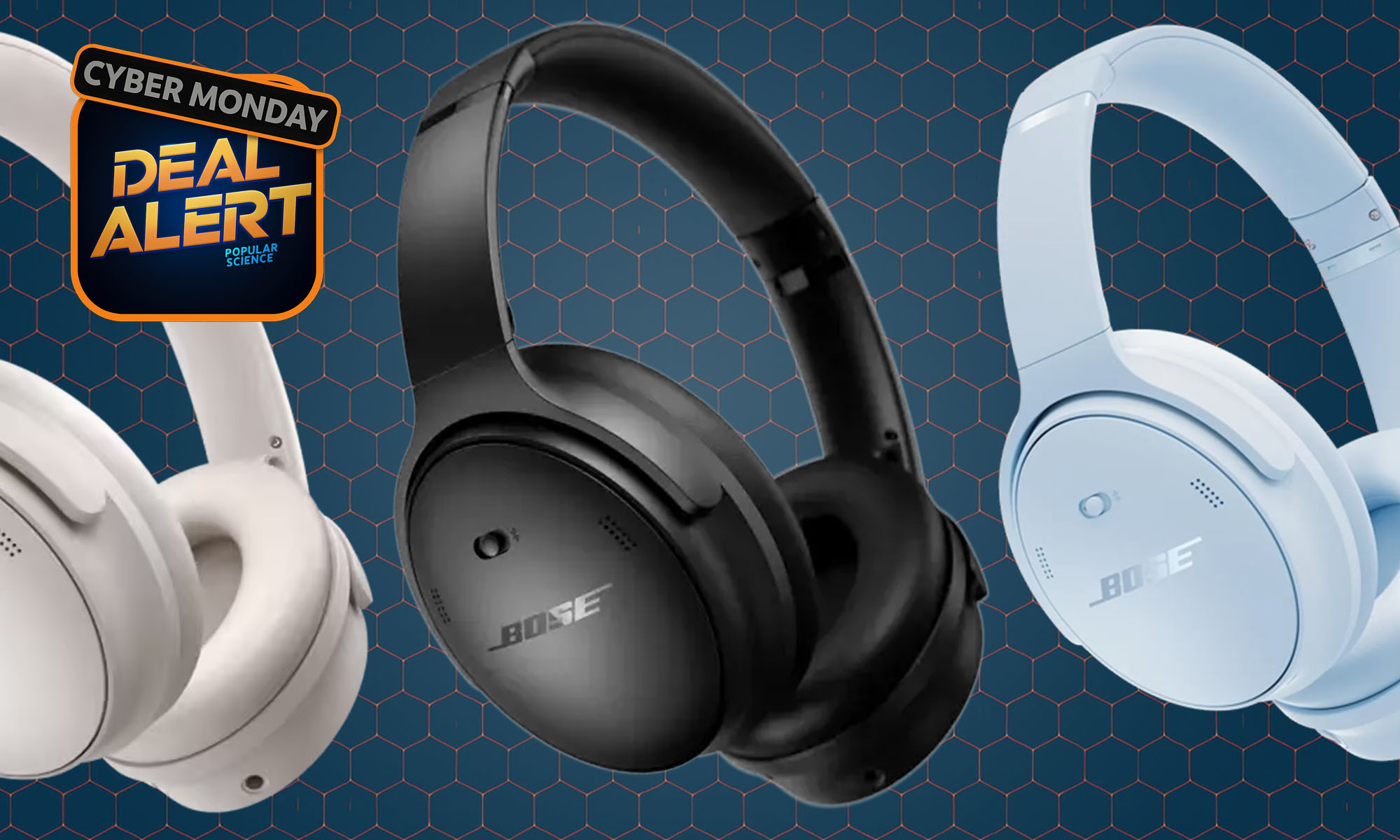
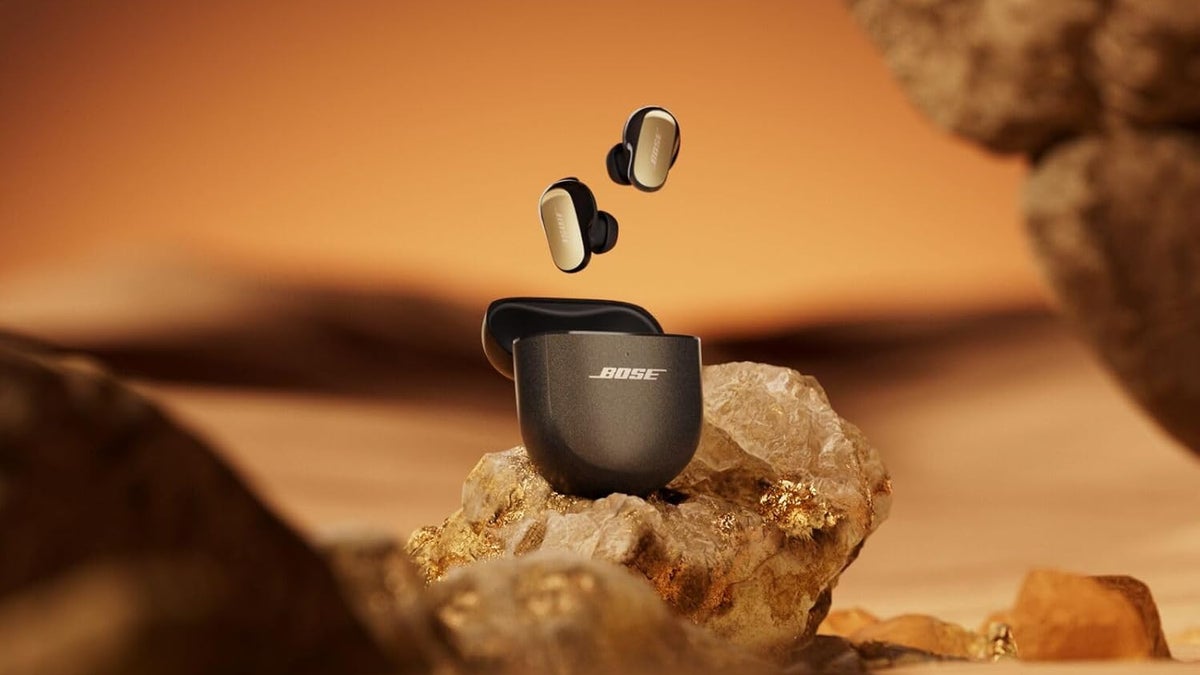
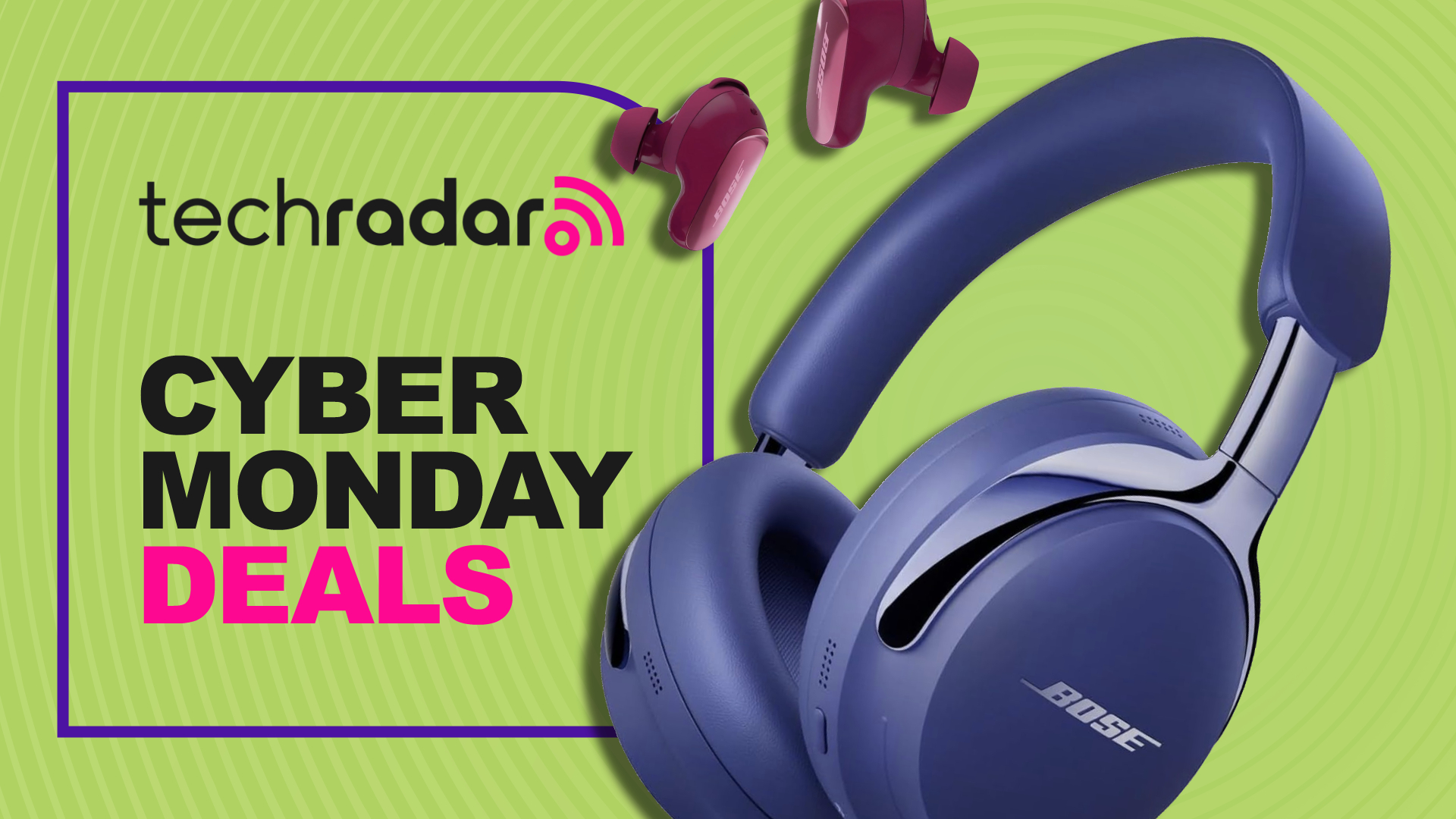
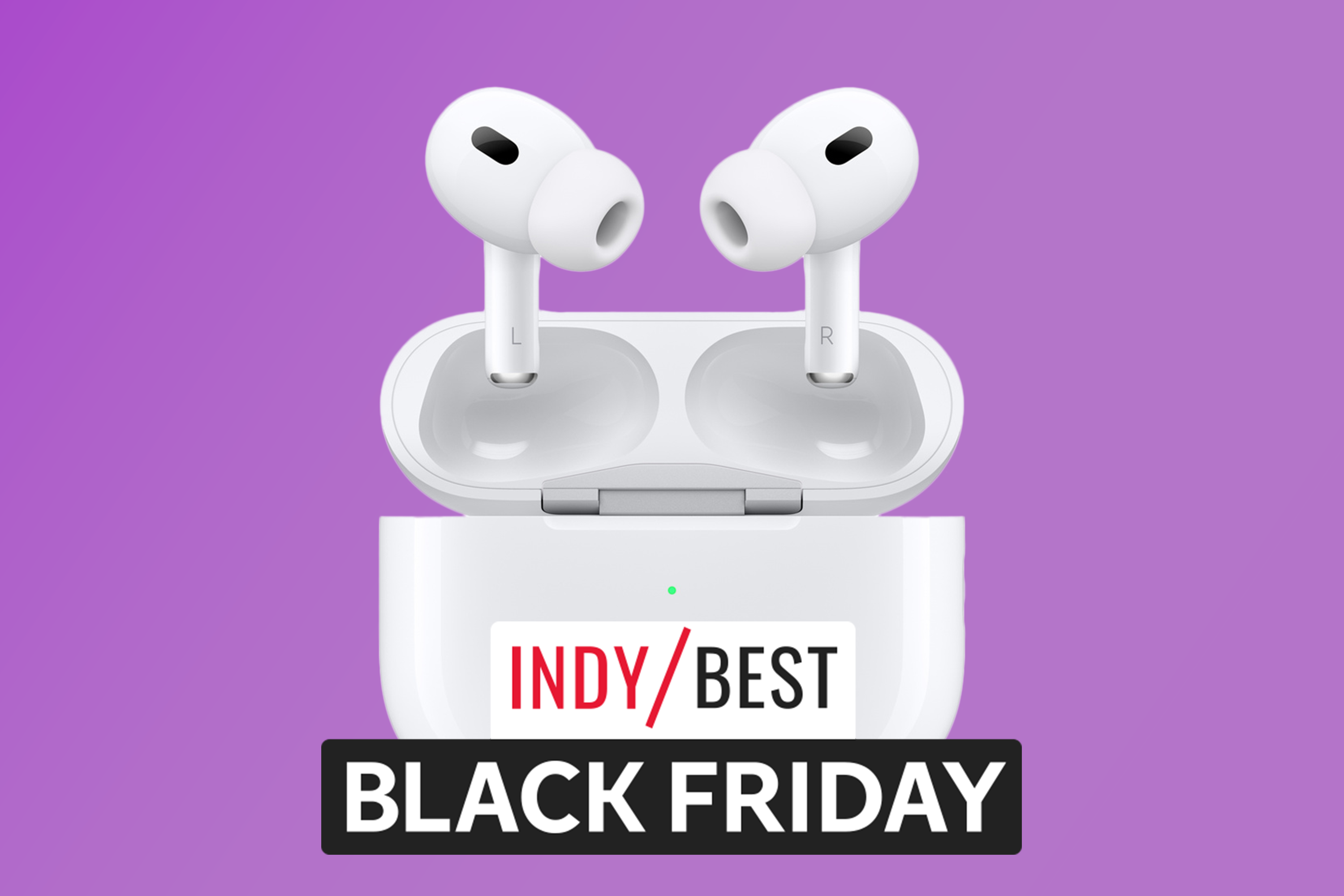
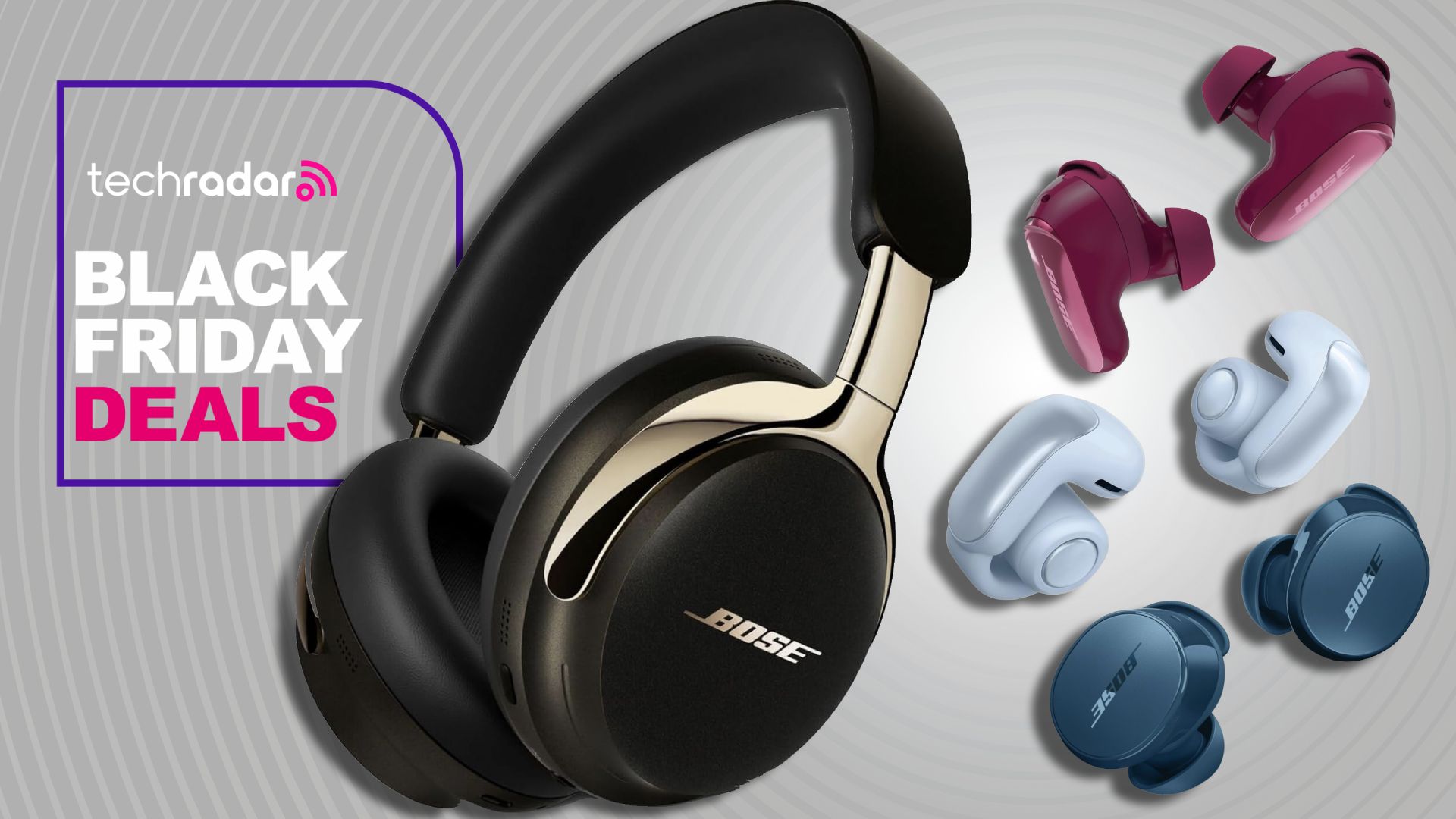
The Cyber Monday 2025 promotional cycle is delivering unprecedented price compression across premium noise-canceling headphones, with flagship models from Bose and Sony reaching all-time lows that fundamentally reshape how consumers perceive value in this category. The Bose QuietComfort Headphones have dropped to $160 (a $189 discount from the $349 regular price), while the Bose QuietComfort Ultra sits at $299 (30% off), and Sony's WH-1000XM5 is available at $248 (38% off). What makes this cycle particularly significant is the layering of promotional mechanics: beyond base price reductions, Amazon is enabling pay-with-points stacking through American Express, Citi, and Discover partnerships, allowing eligible customers to reduce the Bose QuietComfort to approximately $100—a 71% discount from MSRP. This multi-tiered promotional architecture reveals a critical shift in how premium audio brands and platforms approach demand generation during peak shopping periods.
The underlying driver appears to be inventory normalization post-holiday season combined with intensifying competition between Bose and Sony for market share in the work-from-home and travel segments. The news coverage emphasizes that these deals target remote workers, commuters, and travelers—segments that have shown sustained demand for active noise cancellation technology. However, the depth of discounting suggests manufacturers are prioritizing volume and market penetration over margin preservation. From a digital marketing perspective, this creates a distinct arbitrage opportunity: noise-canceling headphones keywords are experiencing elevated search volume during this promotional window, with cost-per-click rates likely depressed due to increased advertiser competition and Amazon's own promotional dominance. The Cyber Monday shopping event itself functions as a demand aggregator, concentrating consumer attention and purchase intent into a compressed timeframe where platform economics favor high-volume, low-margin transactions.
What's particularly noteworthy is the contrast between promotional depth and product positioning. News coverage from Headphones.com and consumer reviews emphasize that the Bose QC Ultra Gen 2 and Bose QuietComfort Ultra Earbuds 2nd Generation require significant app customization and user engagement to achieve optimal sound quality—yet these premium features are being marketed alongside aggressive price reductions. This creates a messaging tension: consumers are being incentivized to purchase based on price rather than feature differentiation, which erodes the perceived value of technical sophistication. The ActiveSense technology and CustomTune personalized EQ calibration that reviewers highlight as class-leading advantages become secondary selling points when the primary driver is "lowest price ever." This dynamic has long-term implications for brand positioning and customer lifetime value, as price-sensitive buyers acquired during Cyber Monday are less likely to repurchase at full MSRP or upgrade to newer models.
From a channel economics standpoint, the promotional stacking mechanism reveals Amazon's strategic leverage over payment networks and card issuers. By enabling American Express Membership Rewards redemption alongside base price reductions, Amazon effectively transfers acquisition cost burden to financial services partners while maintaining control over the customer relationship and transaction data. This creates a compounding effect: consumers see the headline price ($160 for Bose QuietComfort), then discover additional discounts through payment methods, creating a perception of exceptional value that drives conversion. However, this also establishes a dangerous precedent where consumers expect multi-layered discounting as the norm rather than exception. The fact that Dell is offering the same headphones at $199 (reducible to $49 for American Express Business Platinum cardholders) demonstrates that this promotional intensity is not isolated to Amazon but represents a category-wide shift in how premium audio is being distributed and priced during peak shopping events.
The competitive positioning between Bose and Sony during this cycle also signals market consolidation dynamics. Sony's WH-1000XM6 (priced at $398 with 13% discount) commands a smaller discount percentage than Bose's flagship models, suggesting either stronger brand loyalty, supply constraints, or deliberate pricing strategy to maintain perceived premium positioning. Conversely, Bose's aggressive discounting on the baseline QuietComfort model (43% off to $199) appears designed to drive volume and market share capture, potentially sacrificing near-term margin for long-term customer acquisition. This creates distinct content and targeting opportunities: budget-conscious consumers searching for "best noise-canceling headphones under $200" will encounter Bose prominently, while premium-focused searchers may still gravitate toward Sony's higher price point as a quality signal.
Looking at the broader implications for the audio category, this Cyber Monday cycle establishes new baseline expectations for pricing that will persist beyond the promotional window. Consumers who purchase at $100-$160 will resist paying $349 in subsequent months, creating pressure on full-price sales and potentially forcing manufacturers to maintain elevated discount levels throughout Q1 2025. For sellers and marketers, this means the customer acquisition cost for premium headphone buyers is being artificially depressed by manufacturer-level promotional intensity, creating a temporary window where traffic acquisition costs are favorable but long-term unit economics remain uncertain. The convergence of aggressive base pricing, payment network partnerships, and consumer review validation creates a powerful demand signal, but one built on promotional mechanics rather than organic category growth.
Questions 5
Which audience segments and demographic profiles are most responsive to these premium headphone promotions, and what are their likely customer acquisition costs?
Primary segments include remote workers (25-45 years old, household income $75K+), frequent business travelers, and tech-forward commuters—all of whom prioritize **active noise cancellation** for productivity and comfort. Secondary segments include gift-buyers seeking premium items at reduced prices. **Customer acquisition cost** for these segments is currently artificially depressed due to manufacturer-level promotional intensity, likely ranging from $15-$35 per acquisition during Cyber Monday, but expected to normalize to $40-$60 post-promotion. Importantly, price-sensitive buyers acquired at $100 price points show lower lifetime value and higher churn risk compared to full-price purchasers, suggesting the promotional cycle is trading long-term margin for short-term volume.
What specific keywords and search terms are driving the highest conversion rates during this Cyber Monday audio promotion cycle?
Search terms like 'best noise-canceling headphones under $200,' 'Bose QuietComfort deal,' and 'Sony WH-1000XM5 price' are experiencing elevated volume with depressed cost-per-click rates due to Amazon's promotional dominance and increased advertiser competition. Long-tail queries combining brand + price point (e.g., 'Bose QuietComfort $99 deal') show particularly high intent, as they indicate consumers are actively comparing promotional offers across platforms. The **pay-with-points stacking** mechanic creates secondary search behavior around 'American Express points Bose headphones,' representing an underutilized keyword opportunity for sellers targeting rewards program members.