



NFL Week 13 Momentum Builds as Bills and Steelers Clash in Pivotal Divisional Matchup
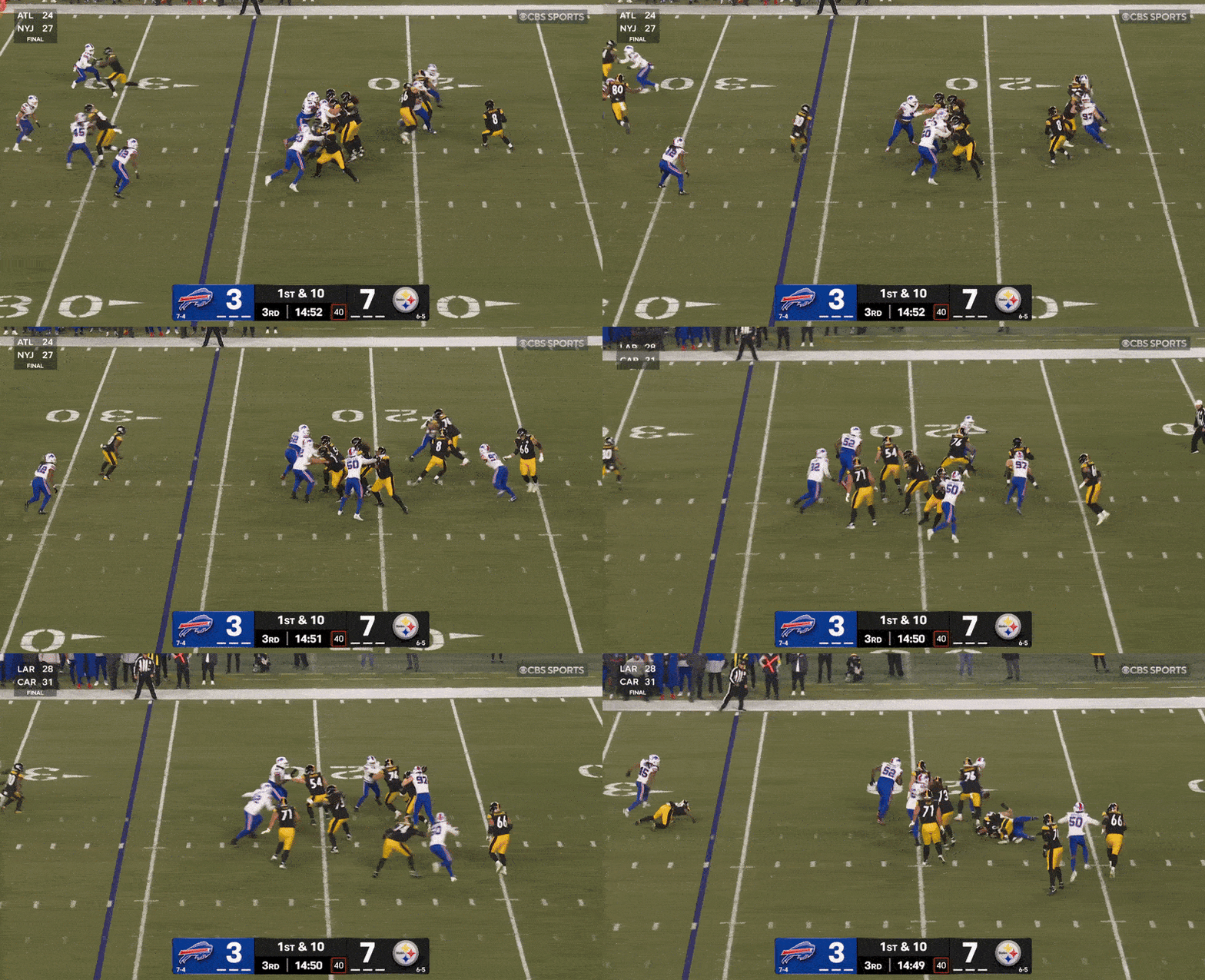
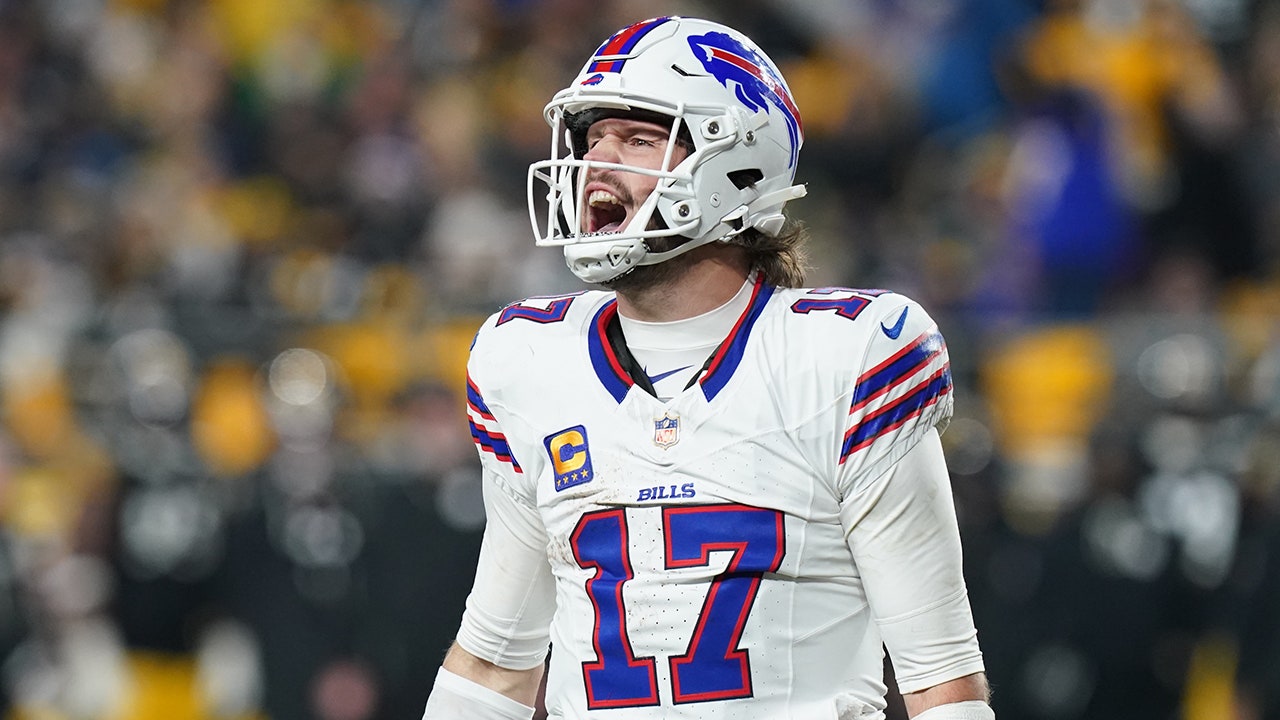
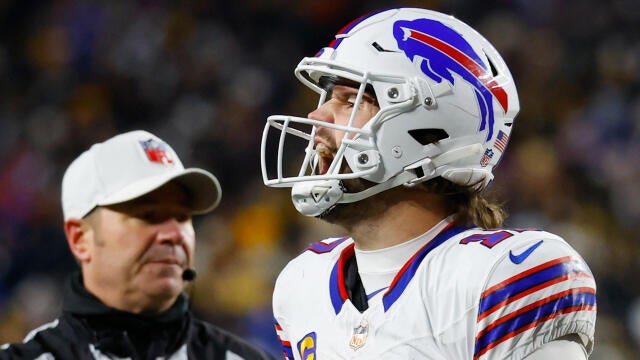
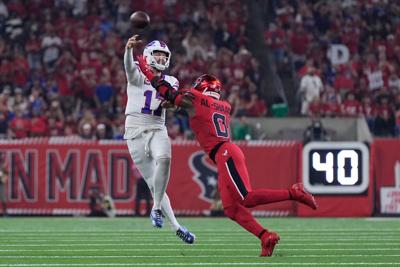
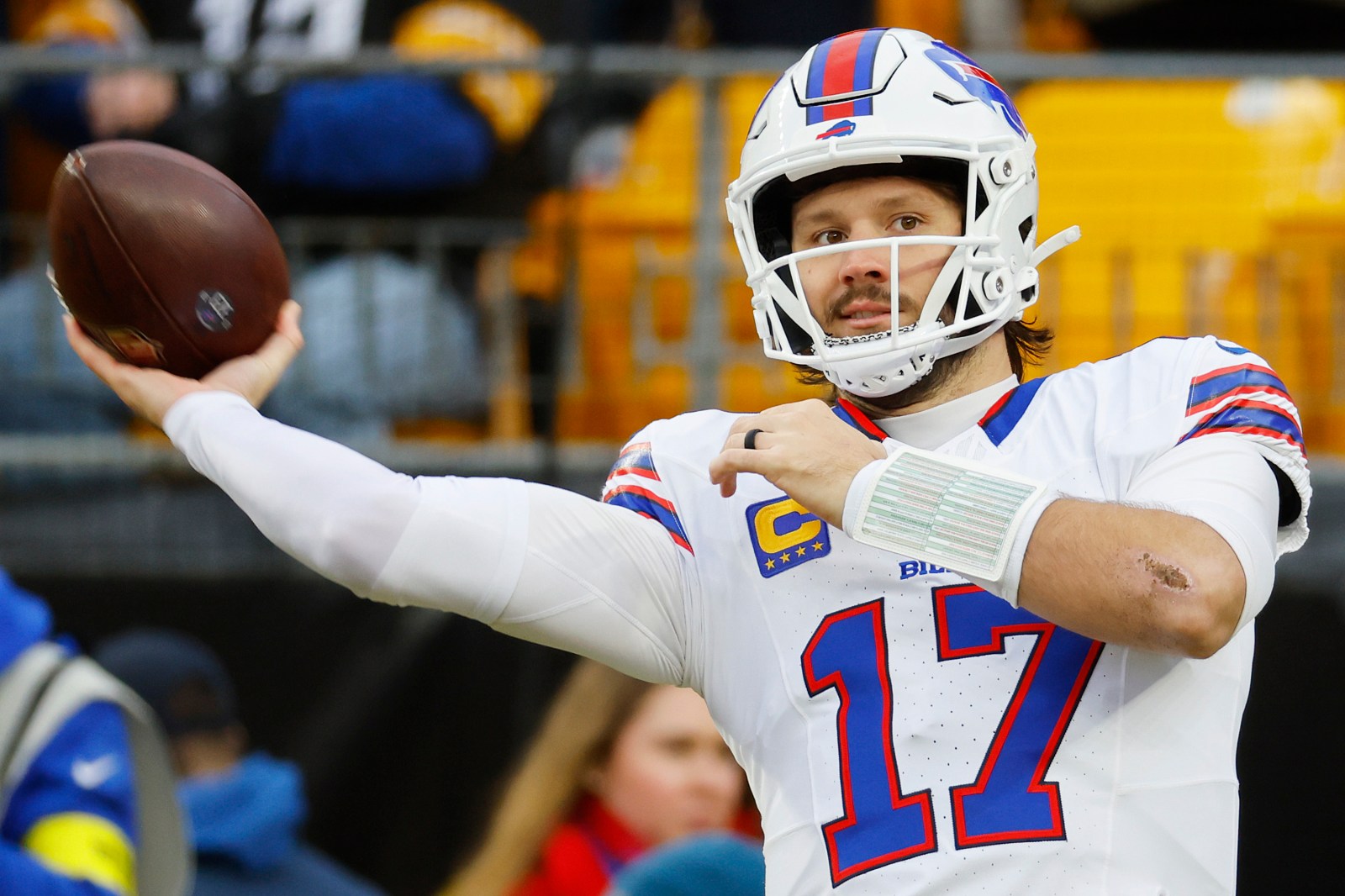
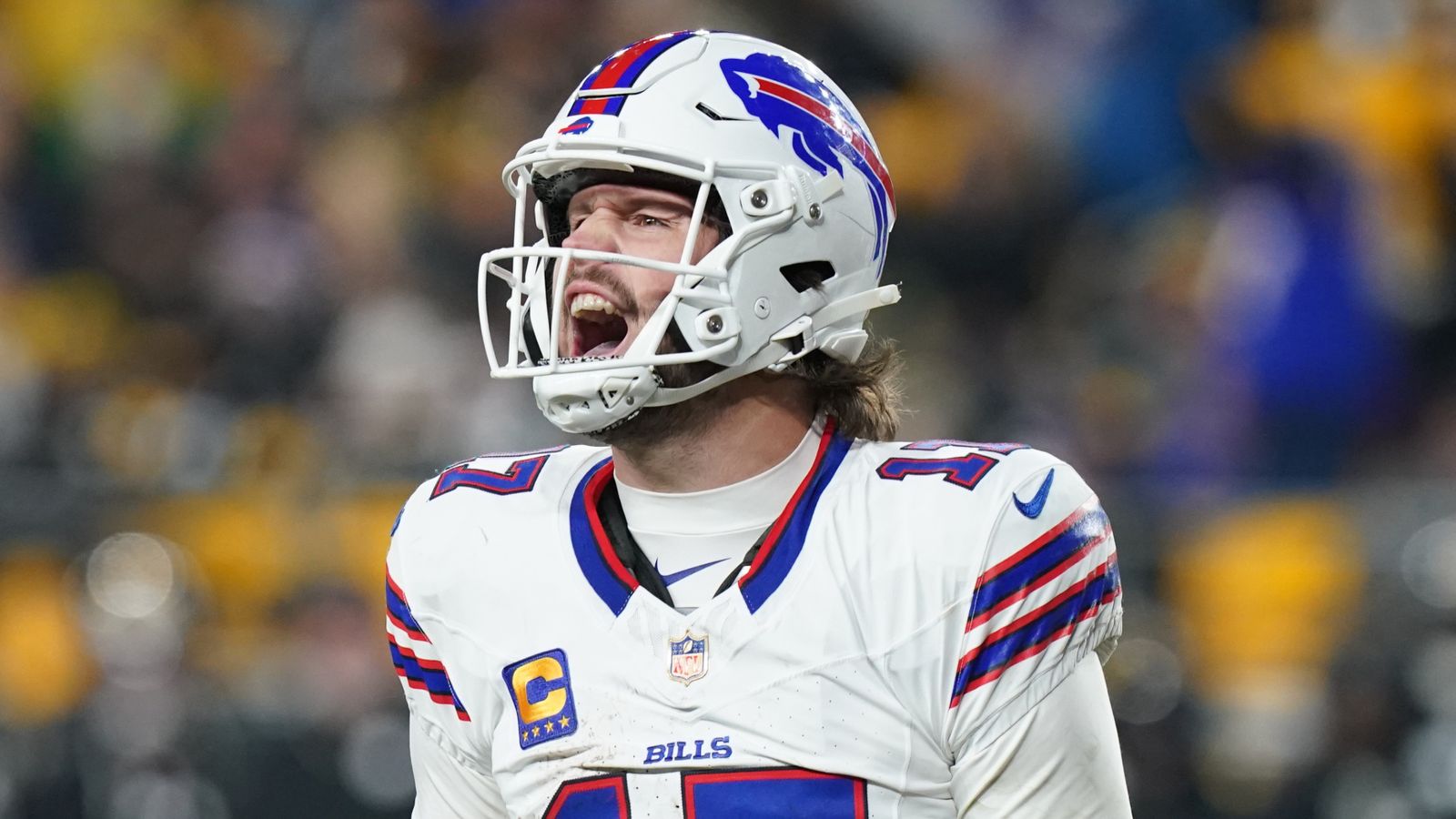
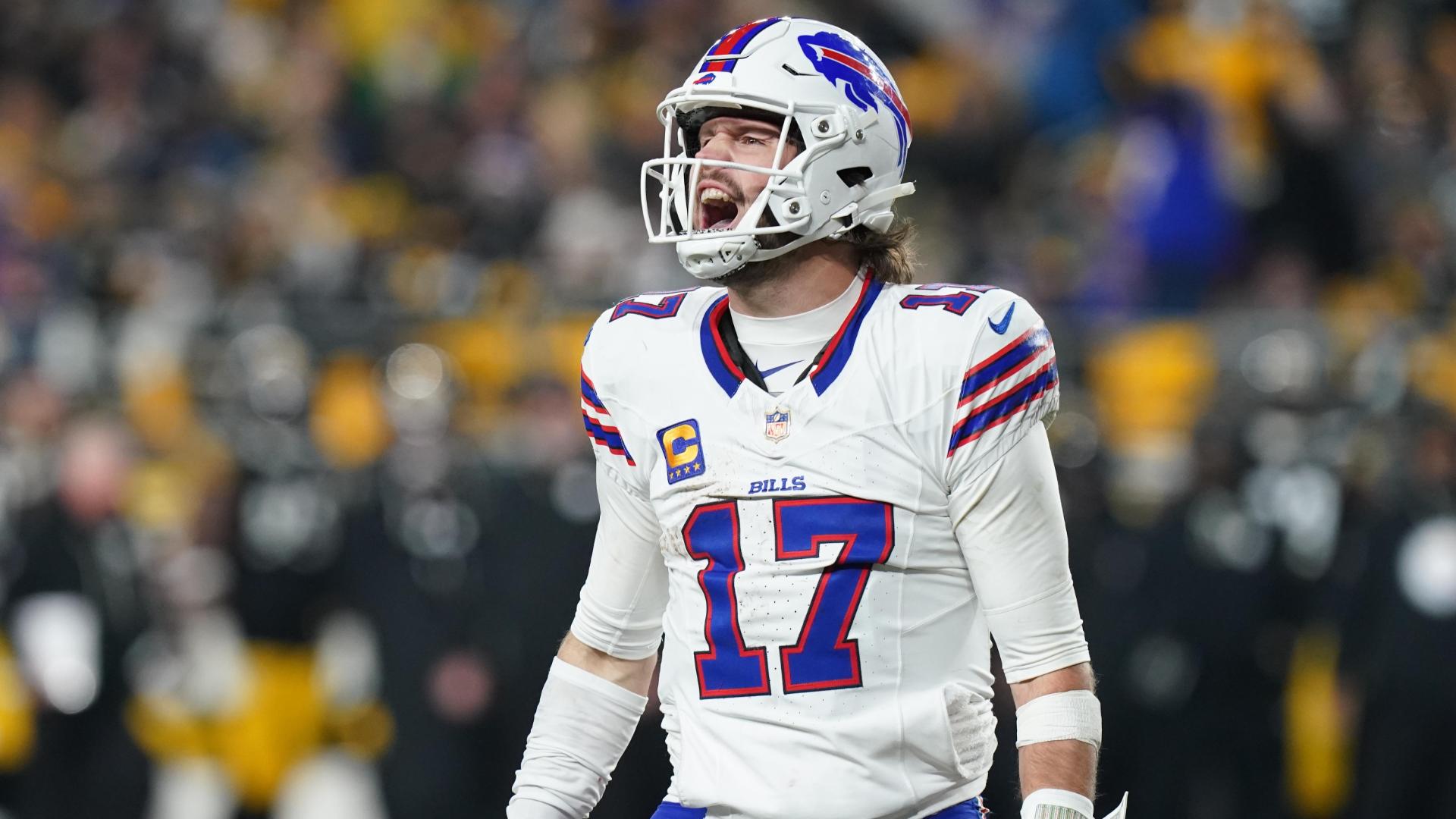
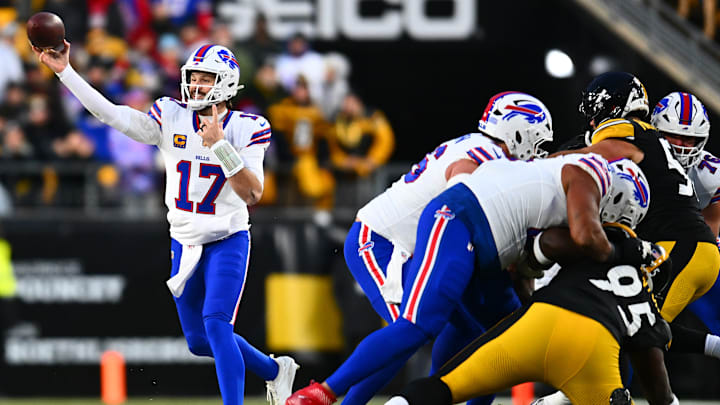
- Josh Allen's historic rushing touchdown record signals a fundamental shift in quarterback role evolution and offensive strategy across the league

































,xPosition=0.5,yPosition=0.5;Resize=(640))




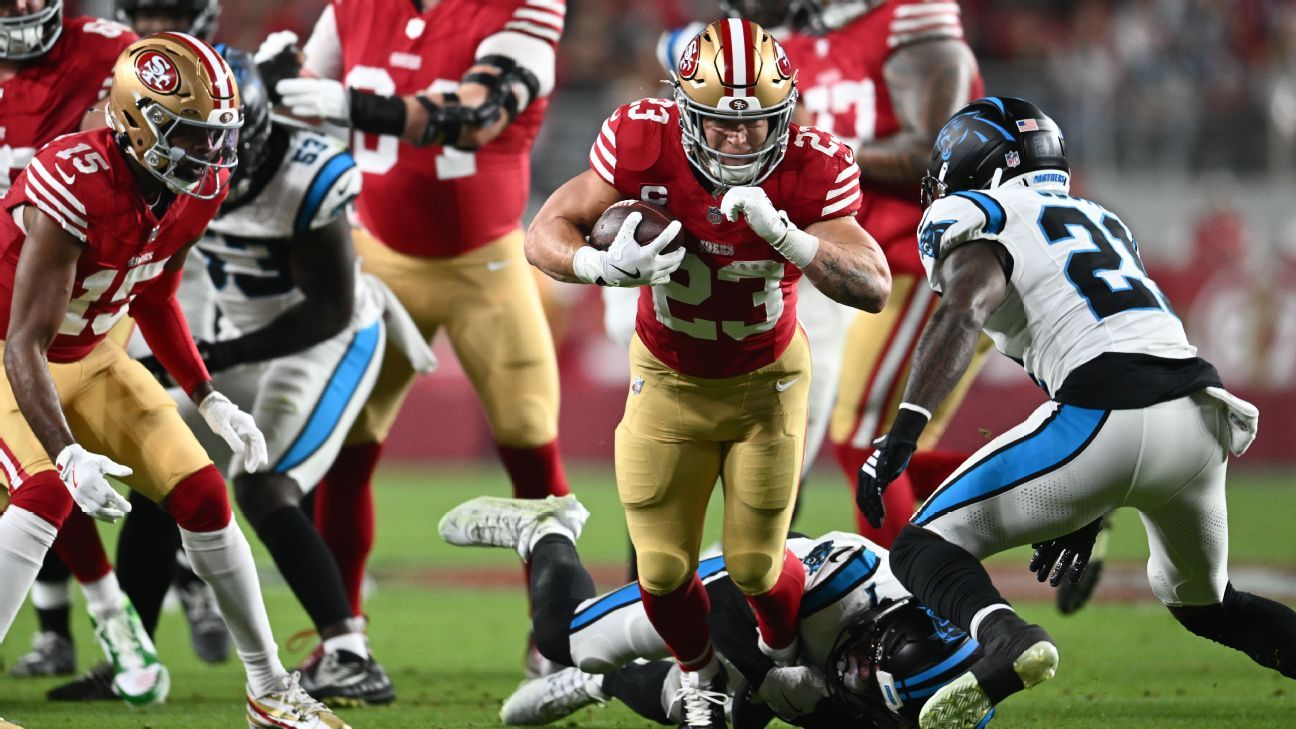
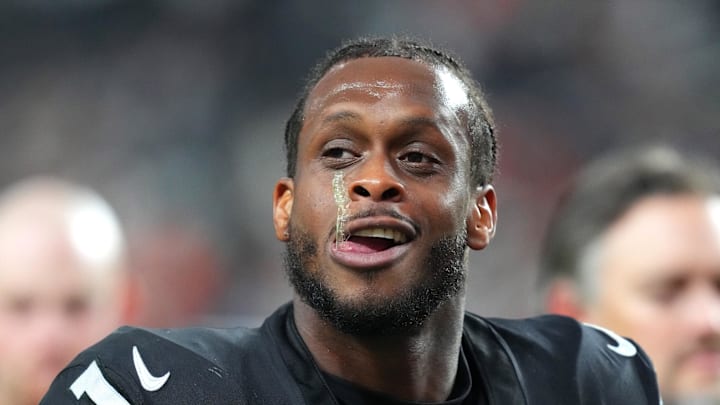
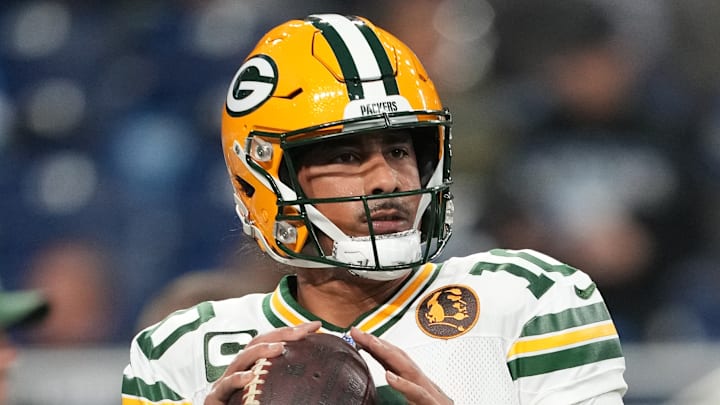

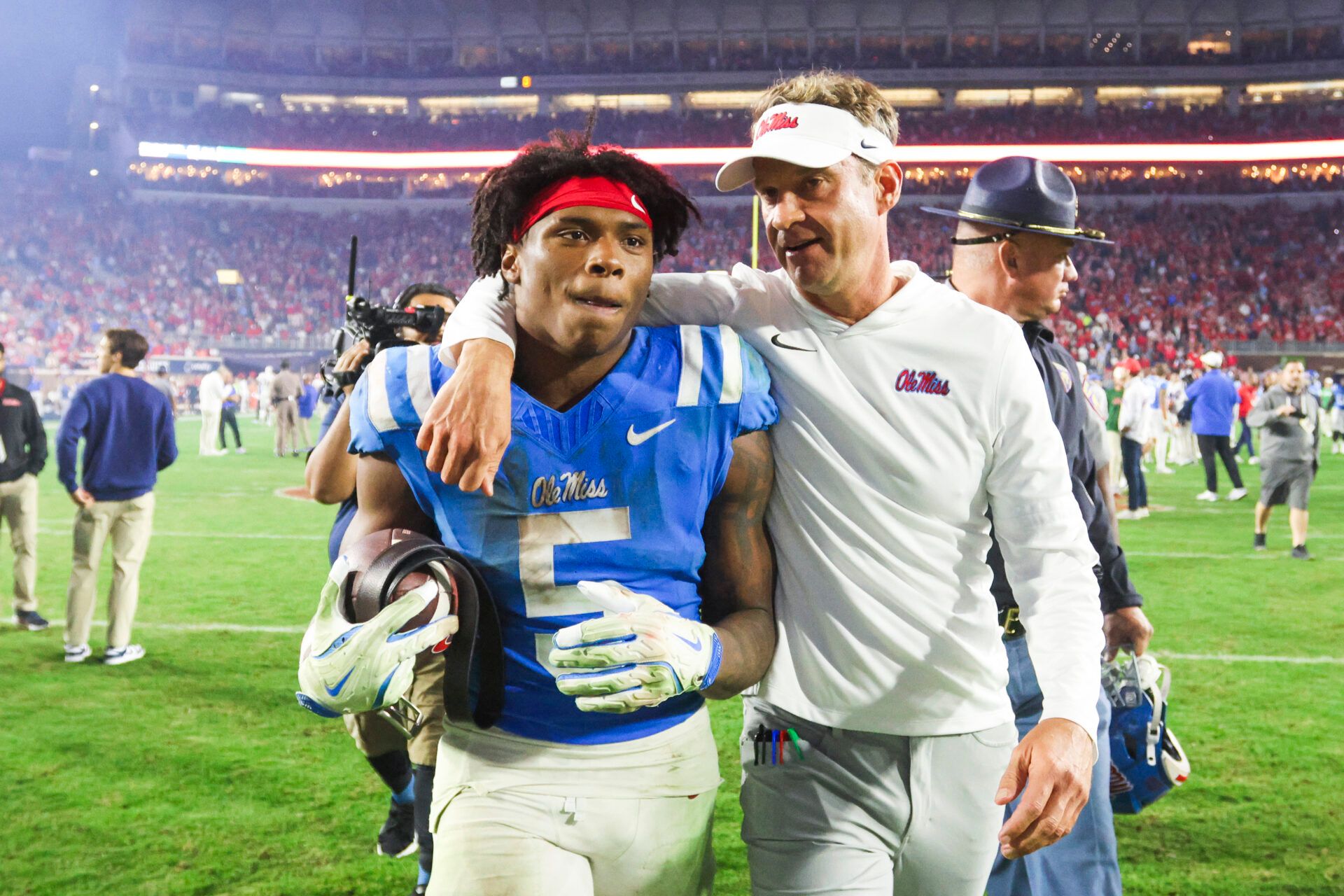


















.jpg)































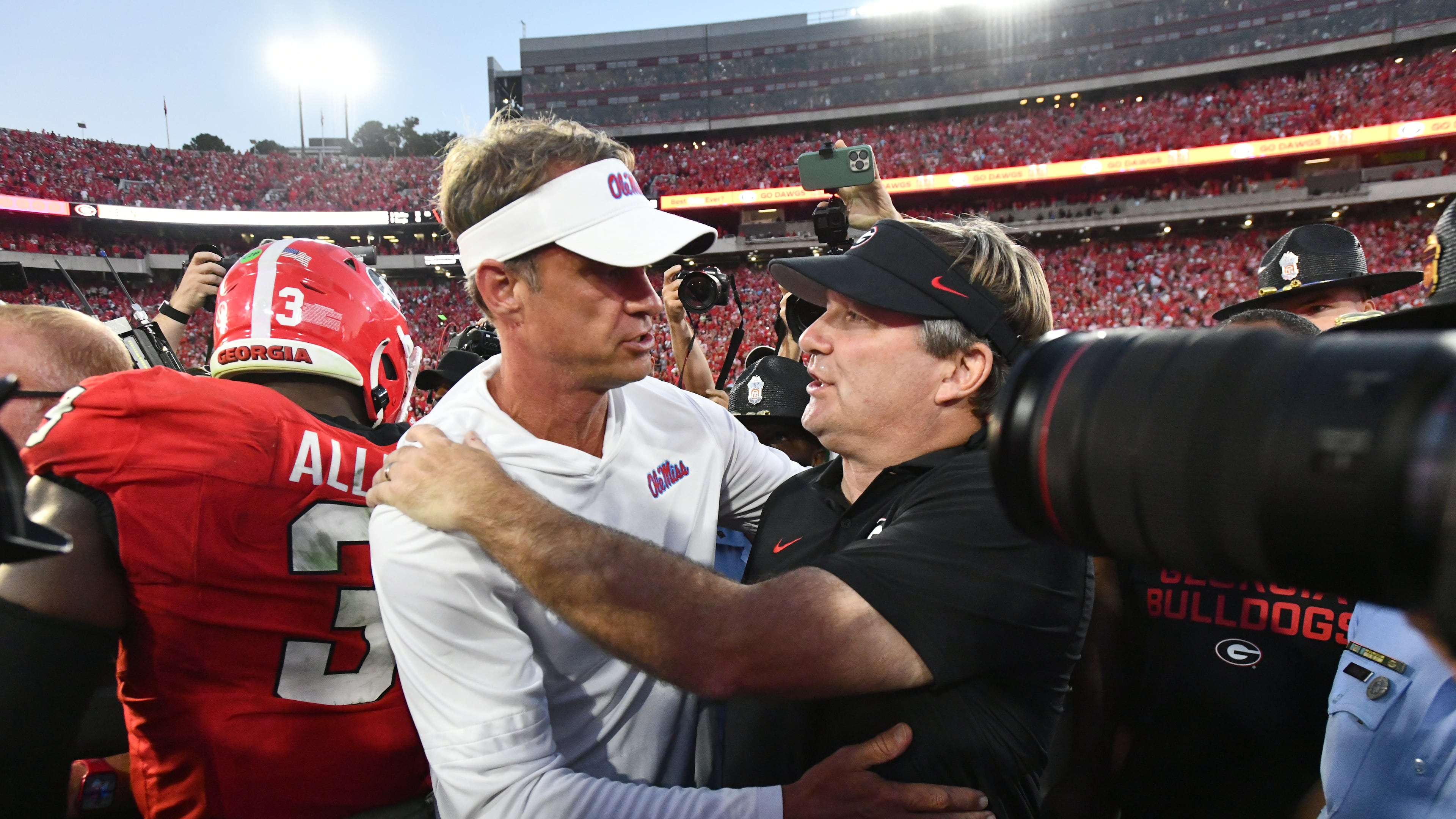


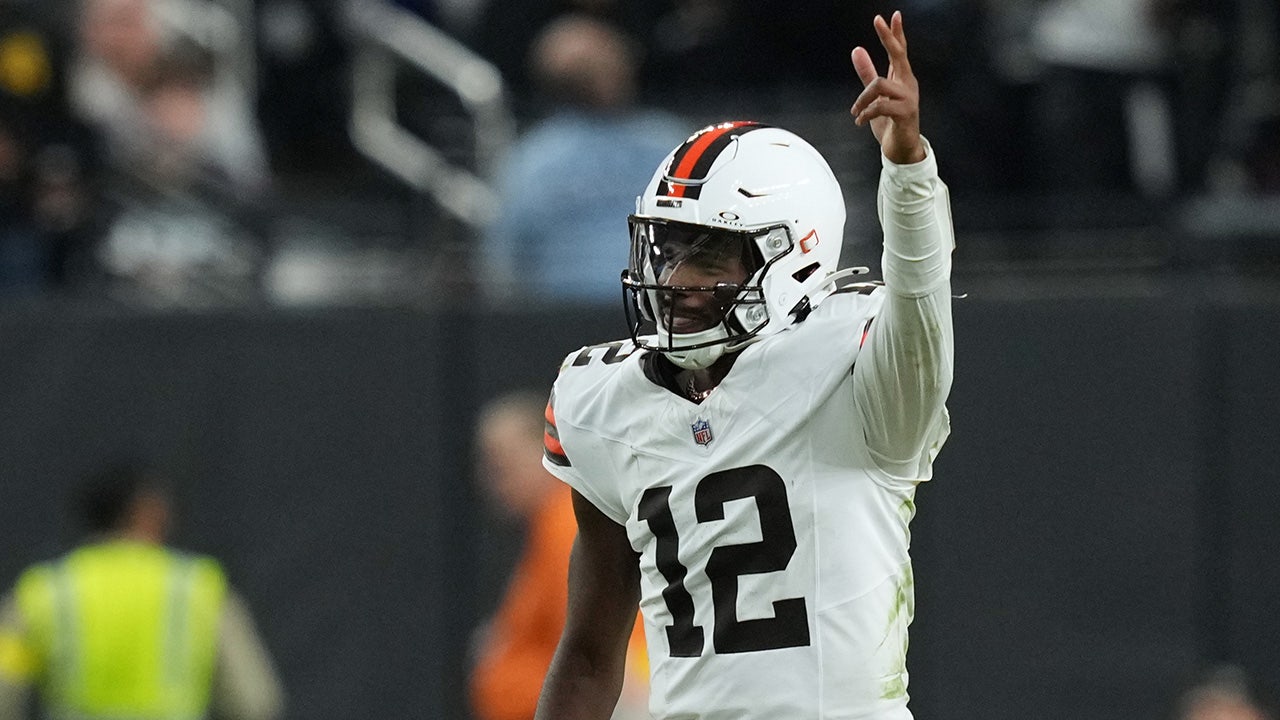




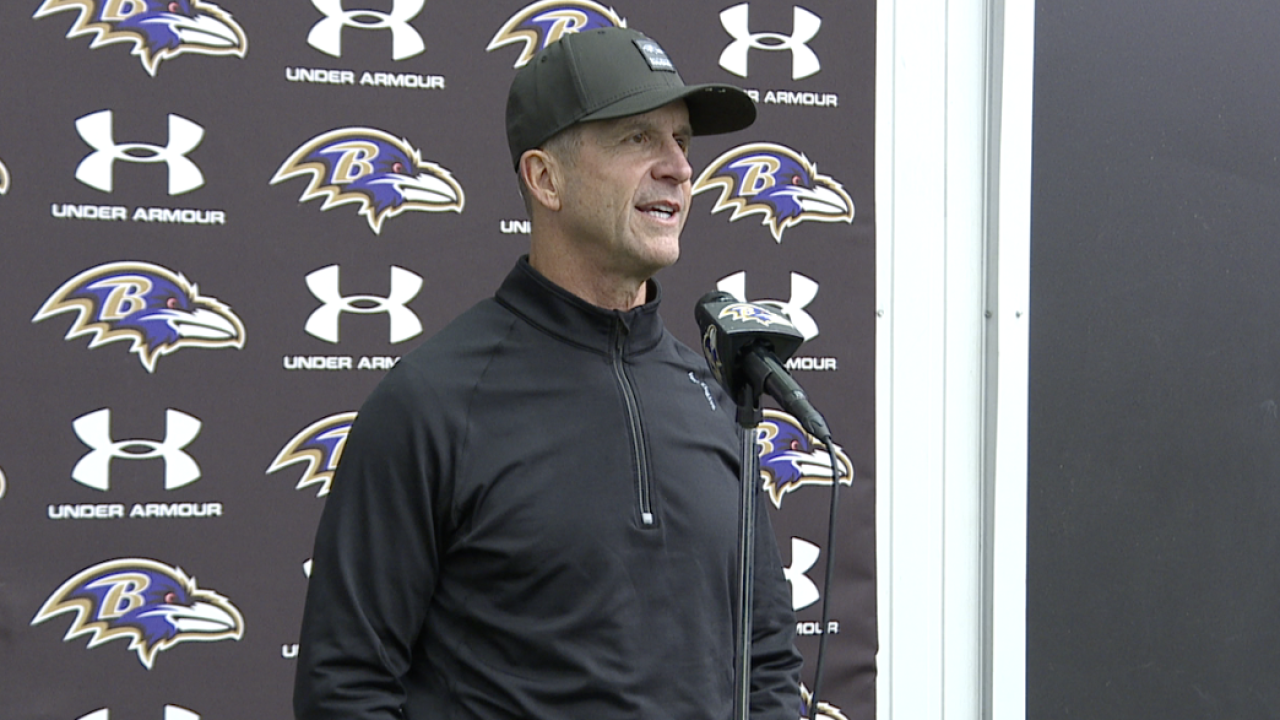
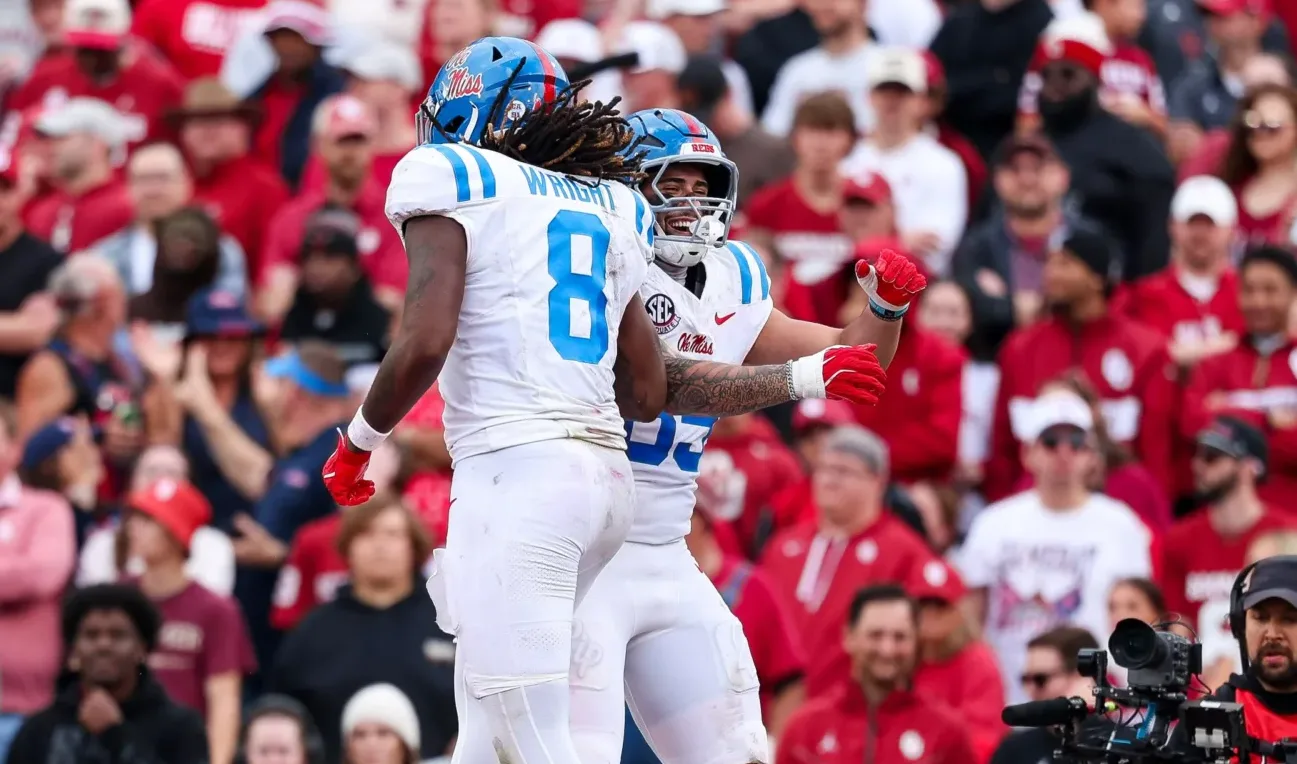
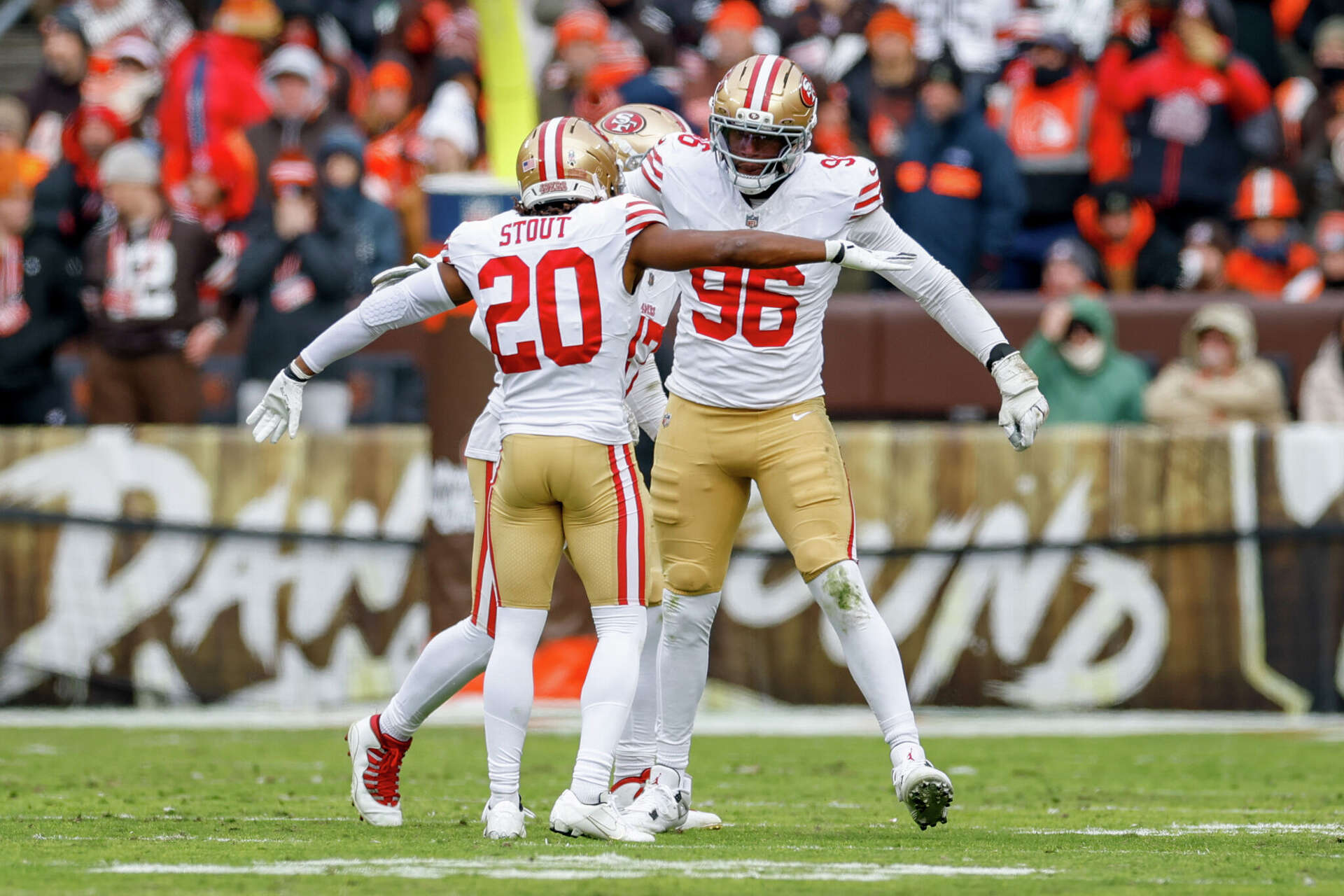


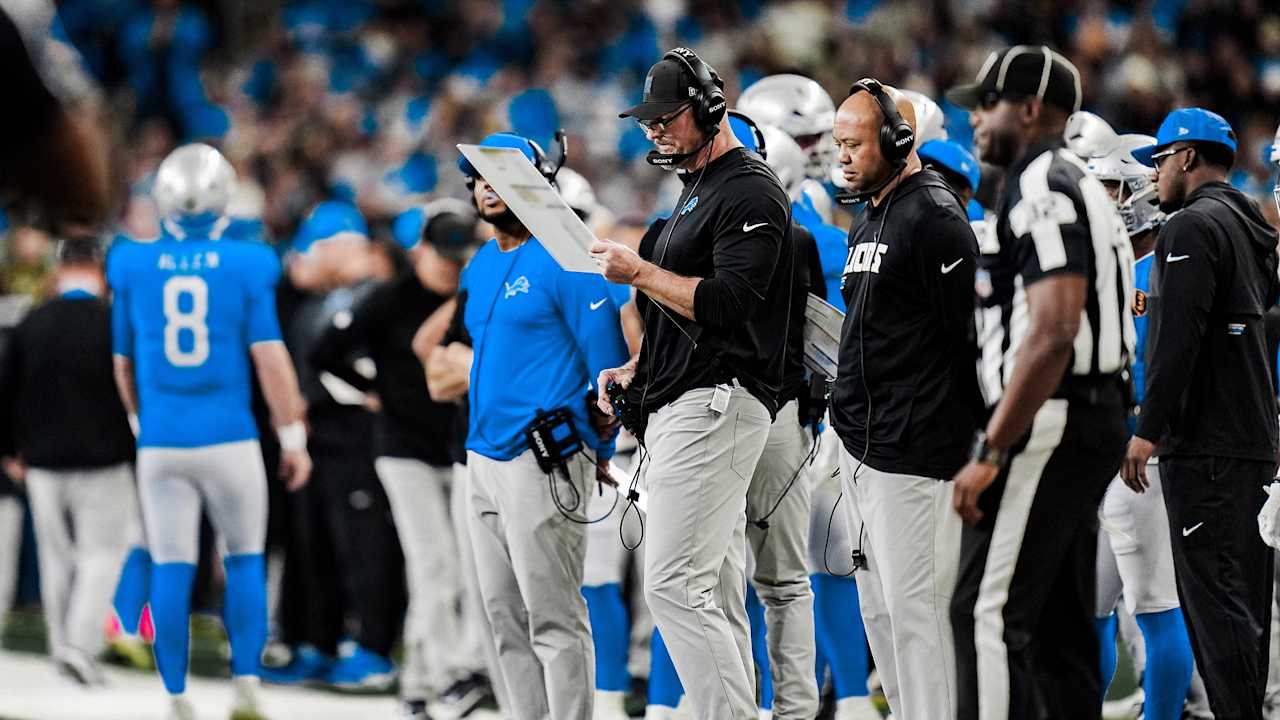













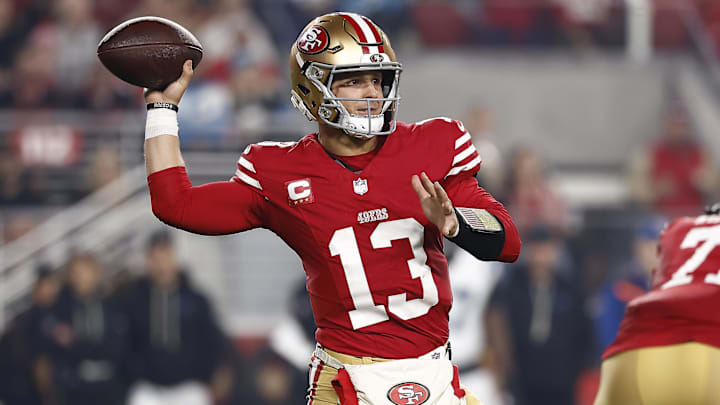






.jpg)


















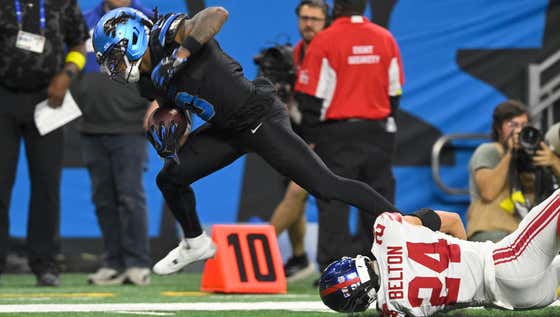


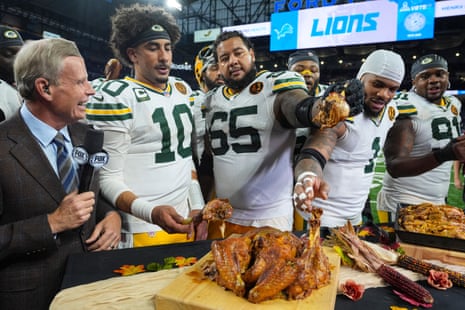



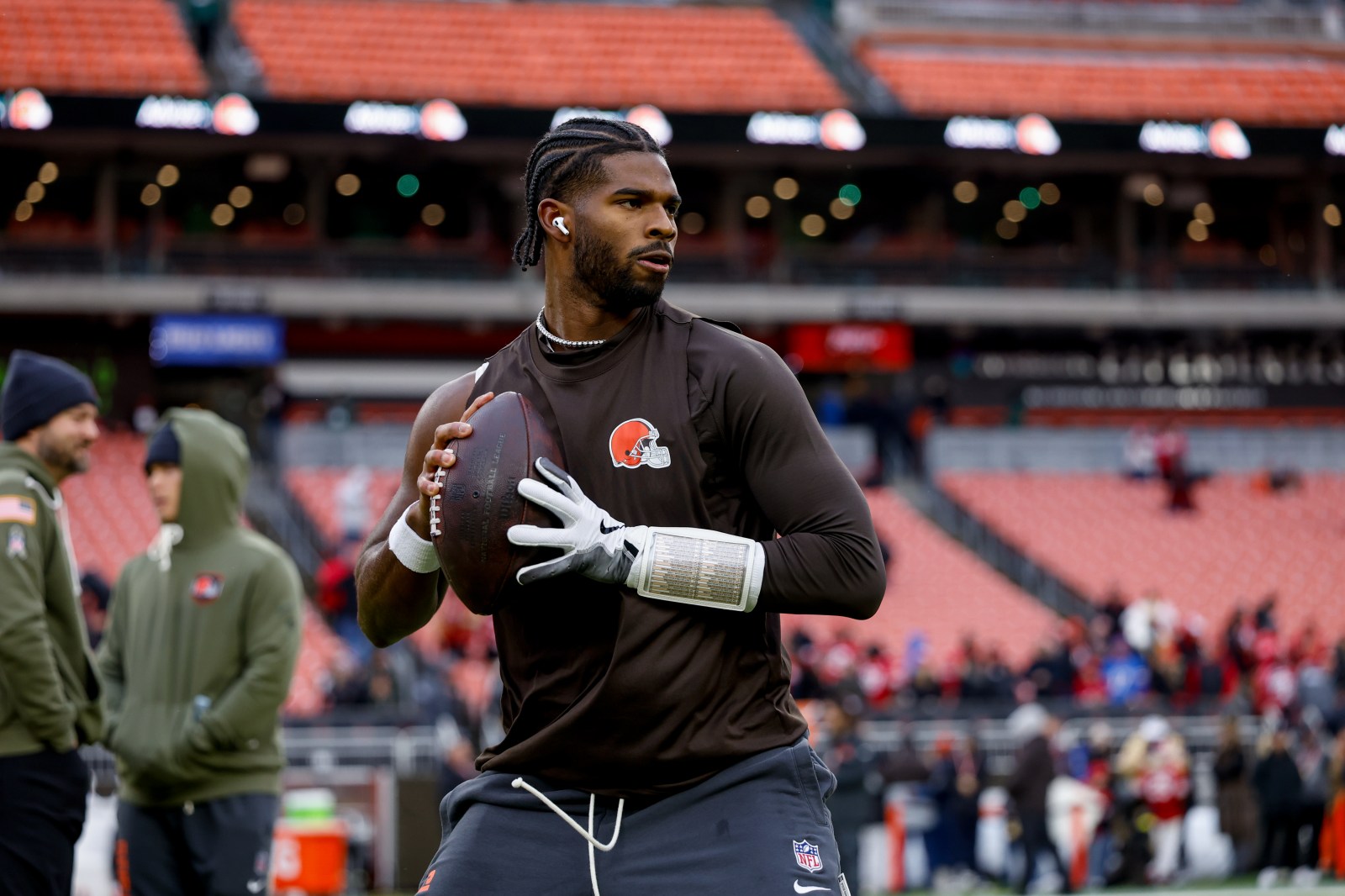
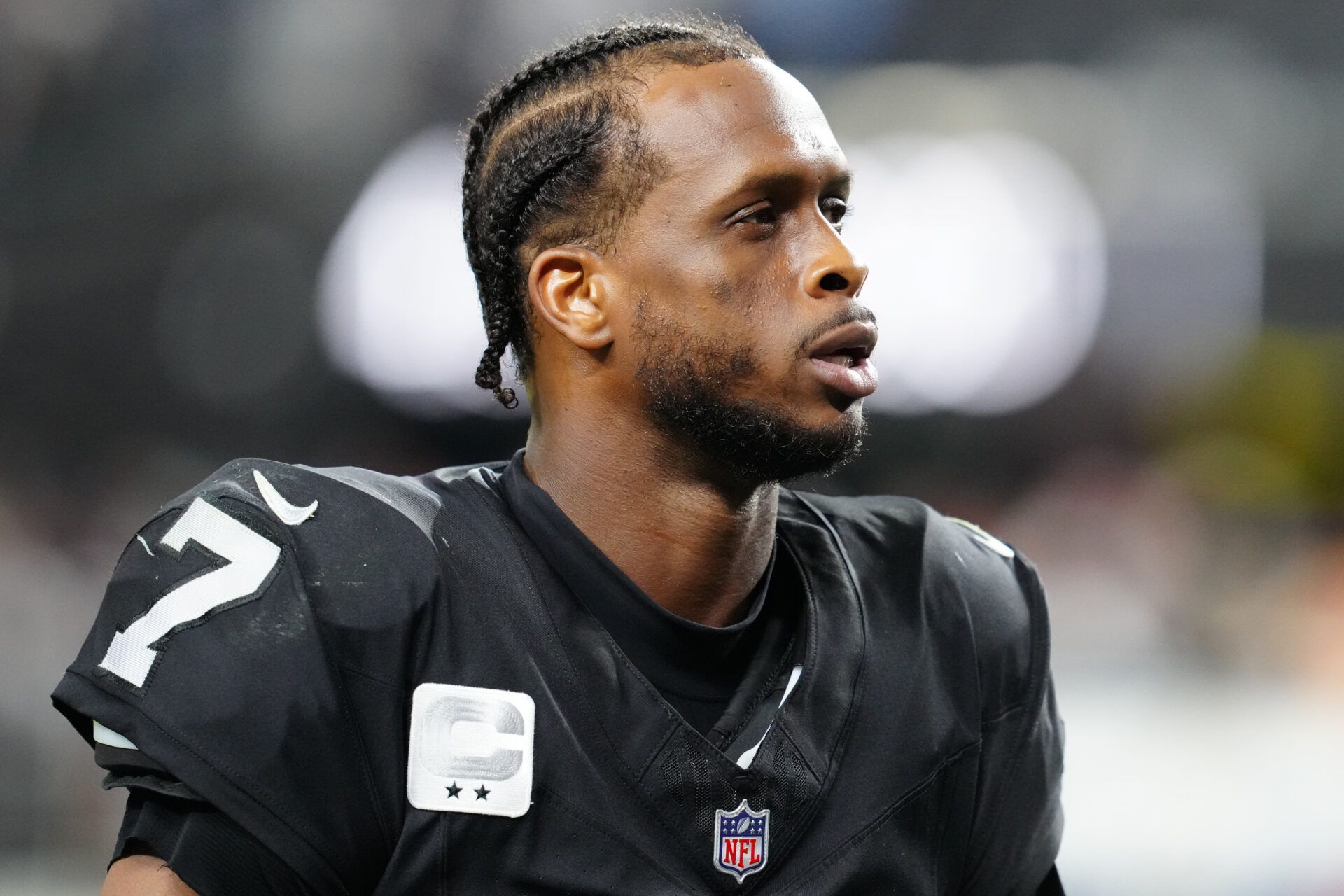

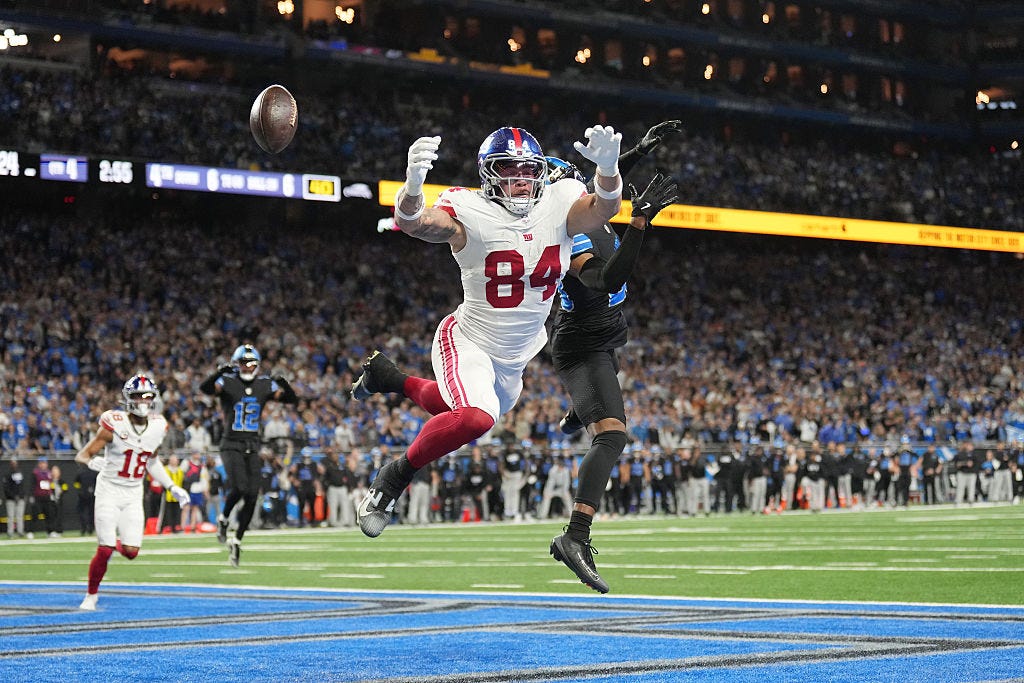
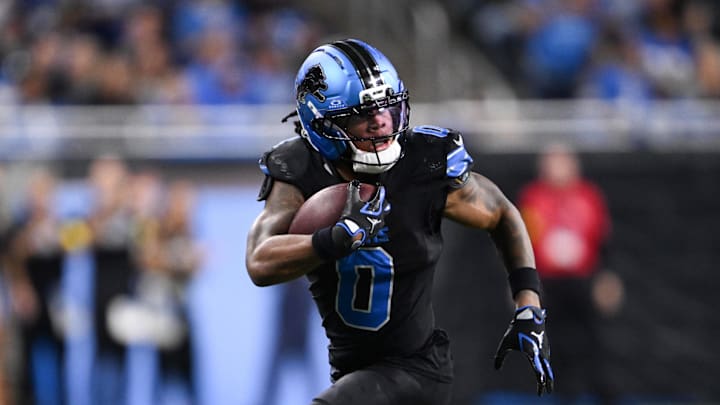


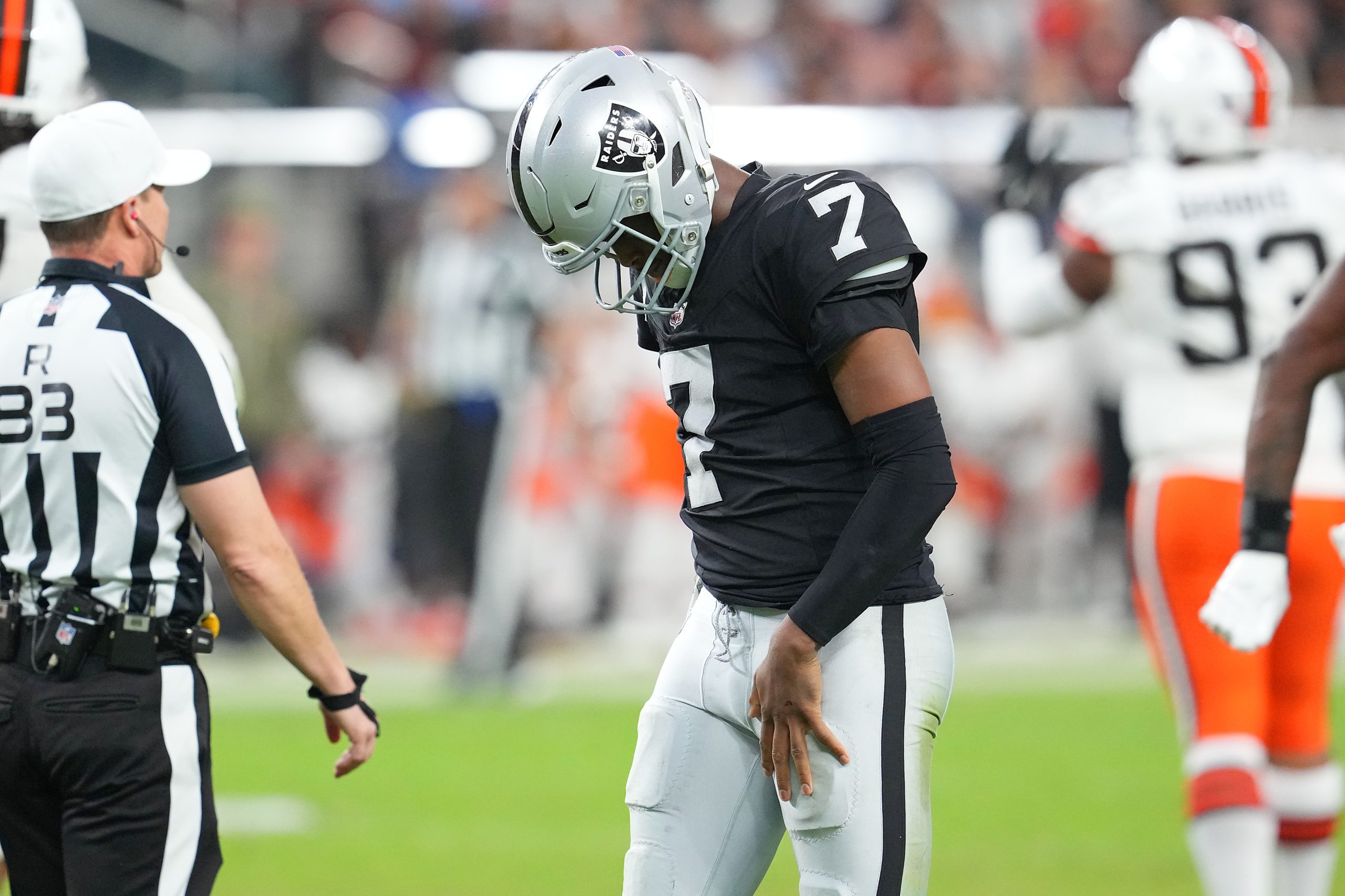


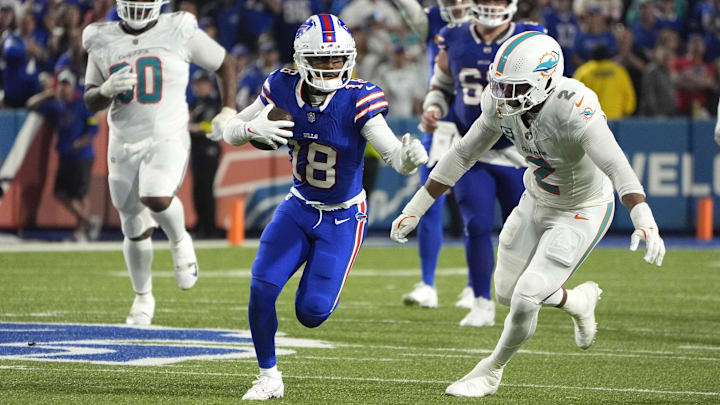
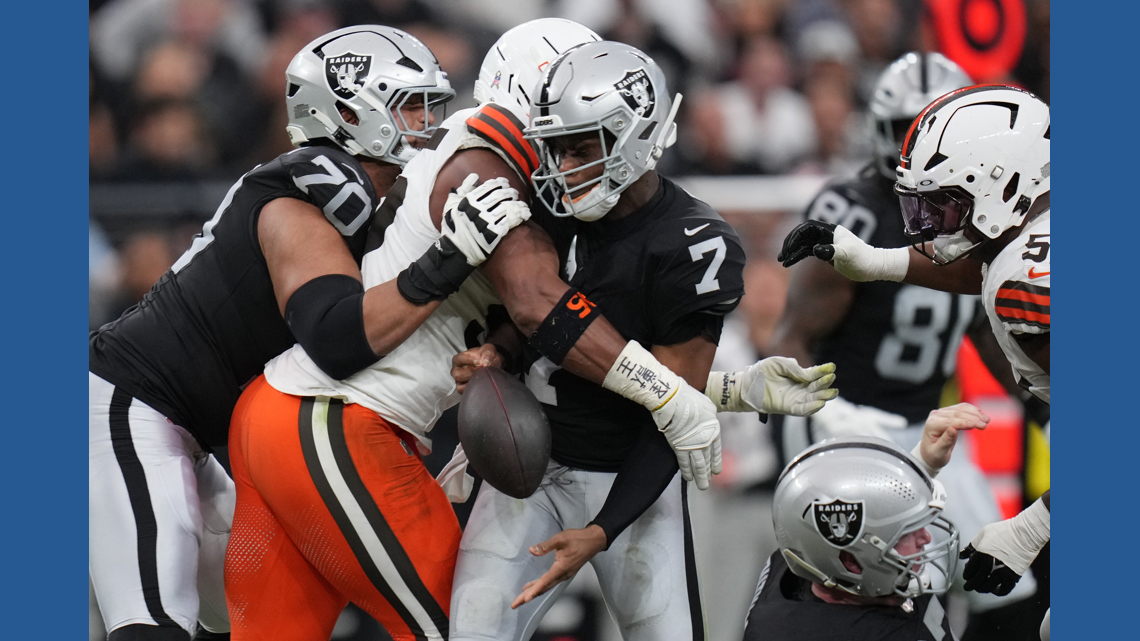
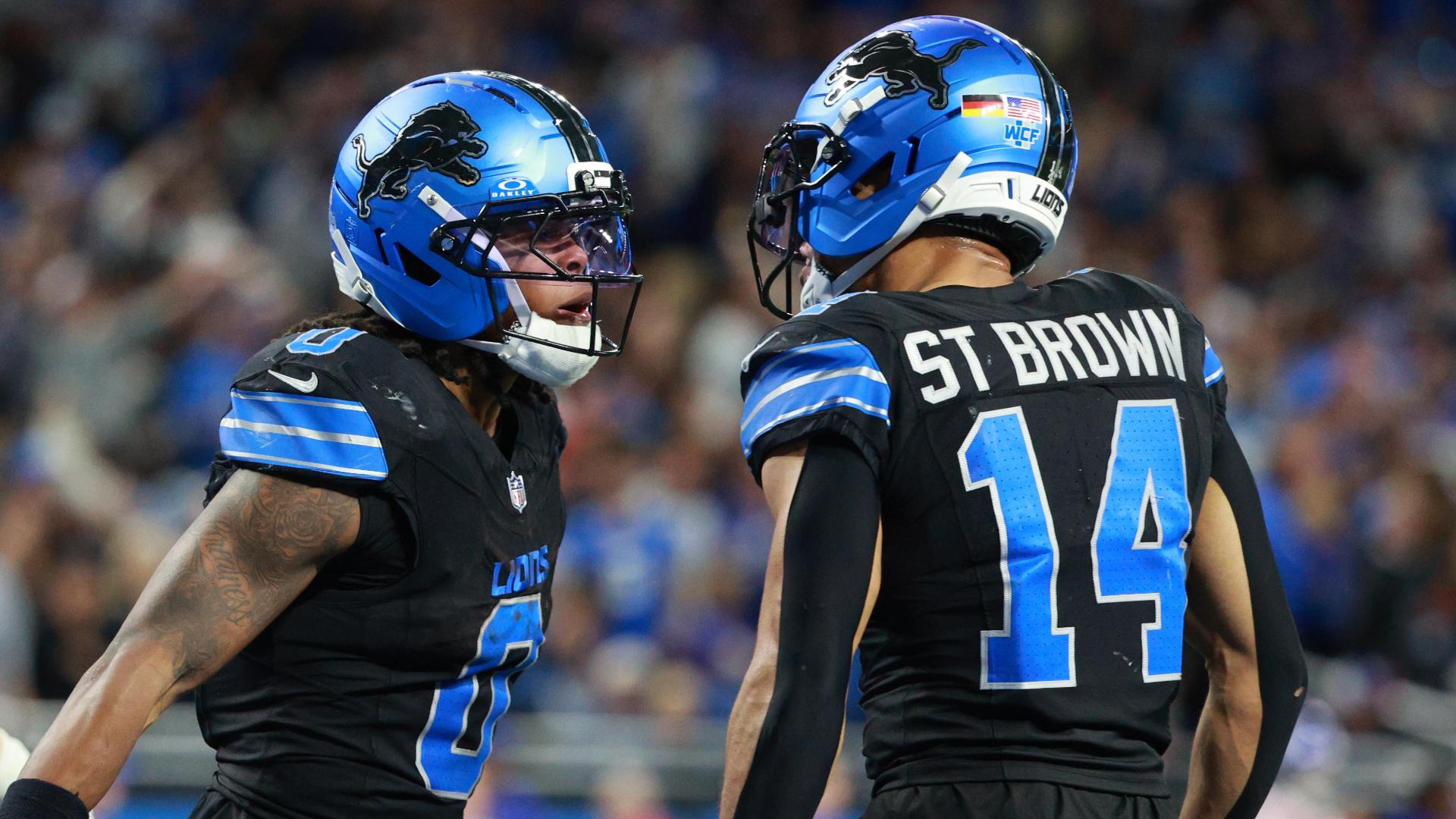







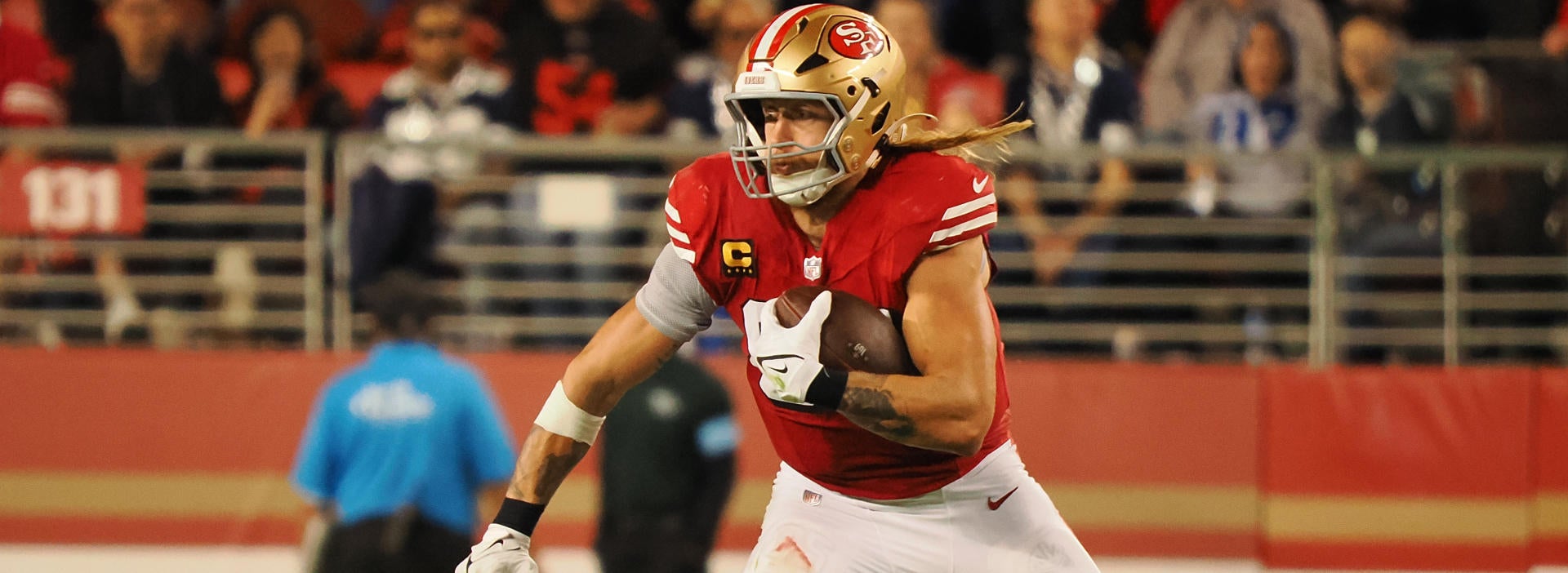

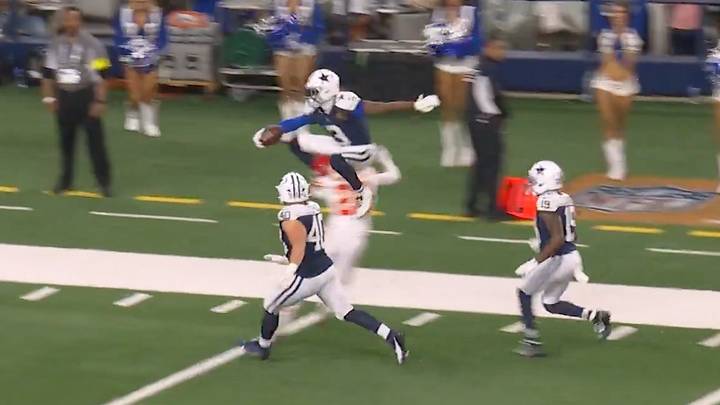

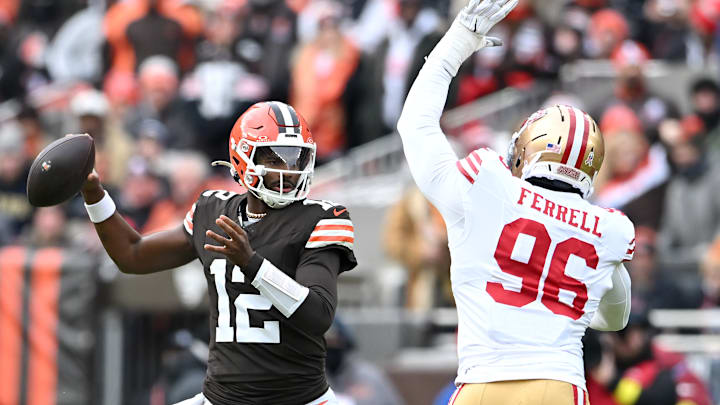


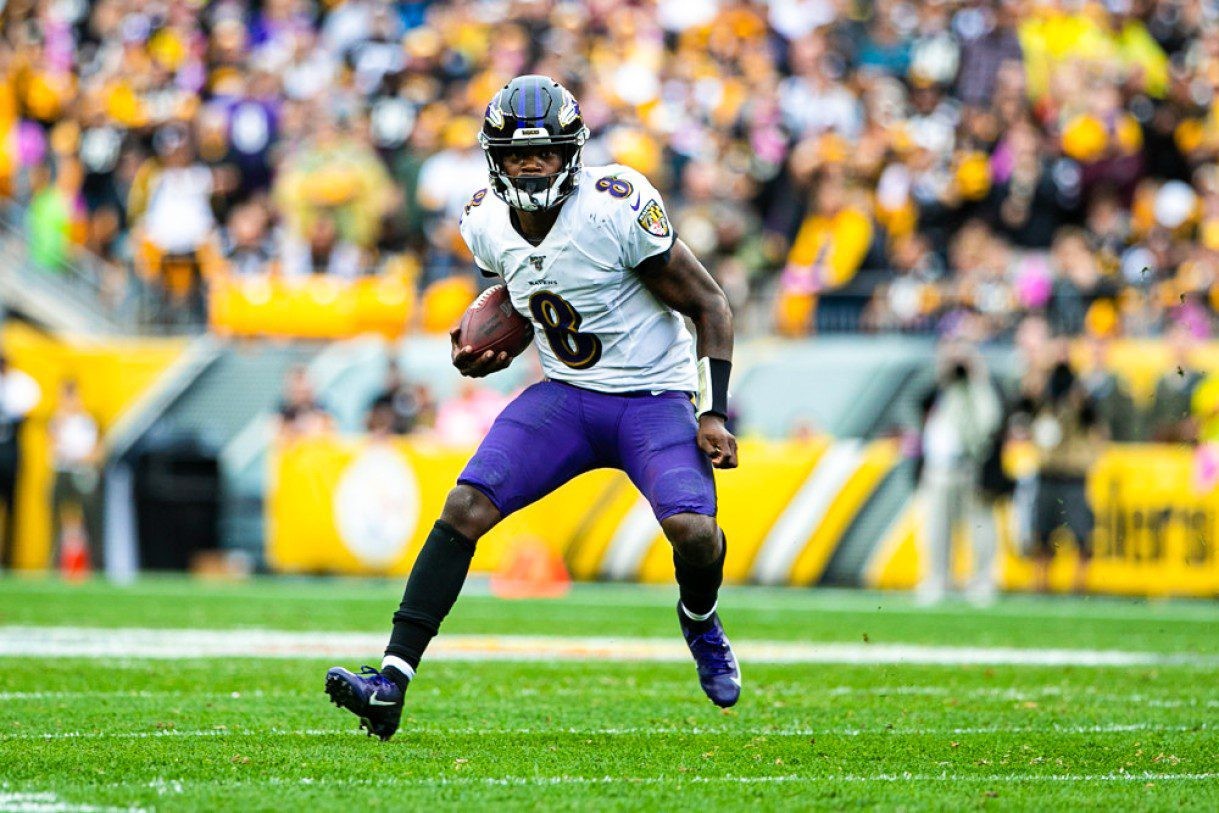
.jpg)





































Overview
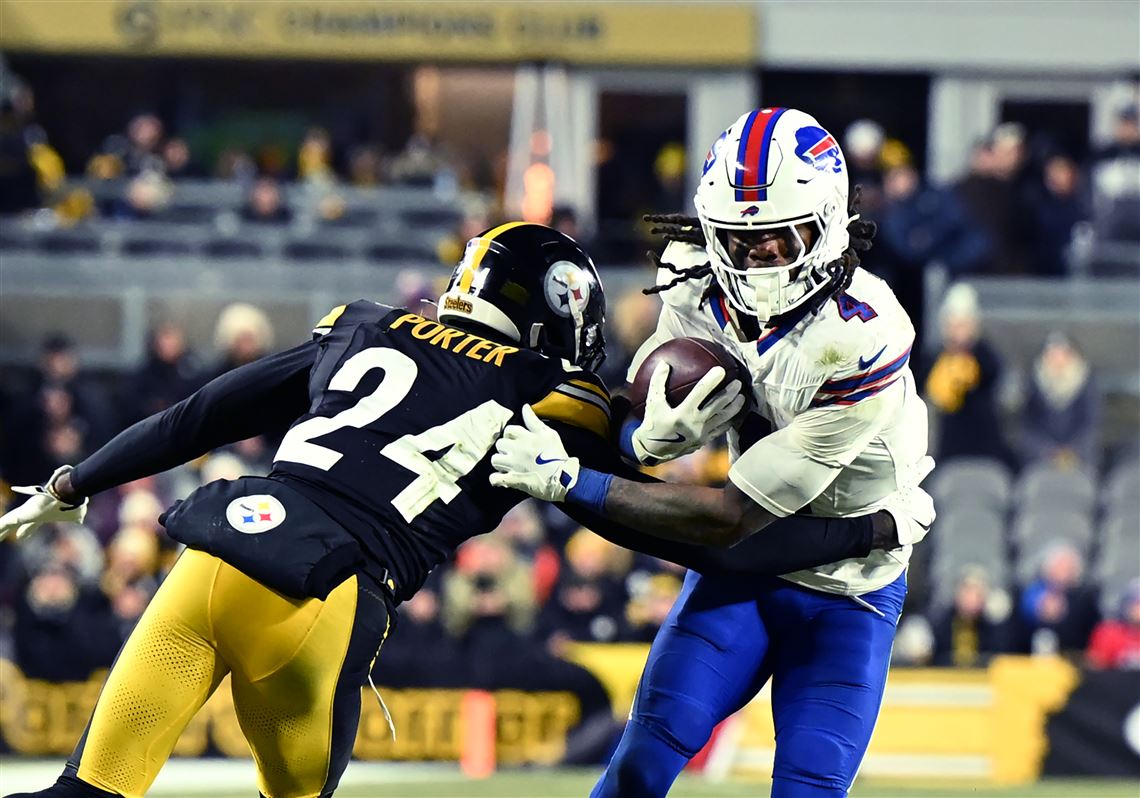
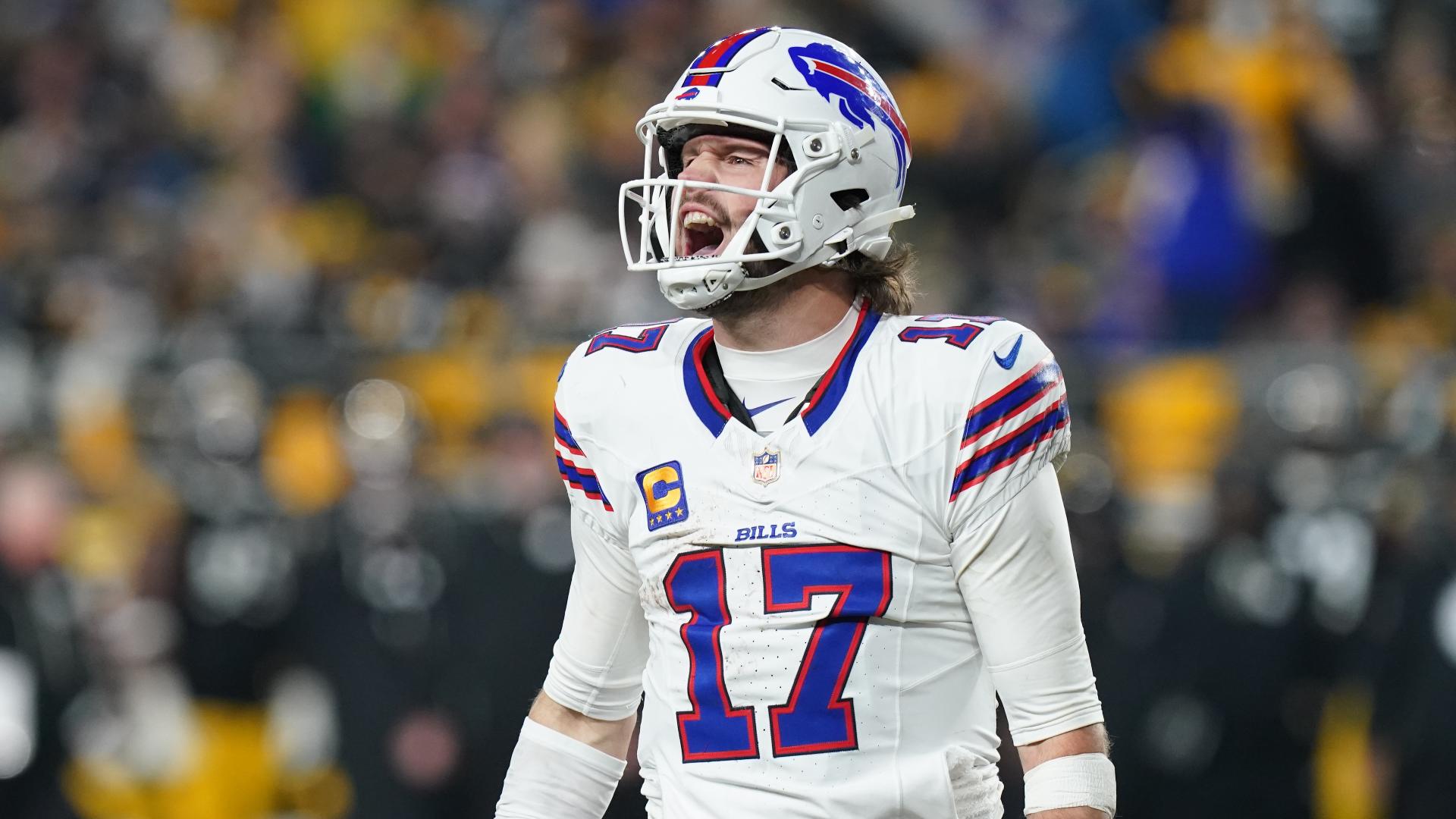
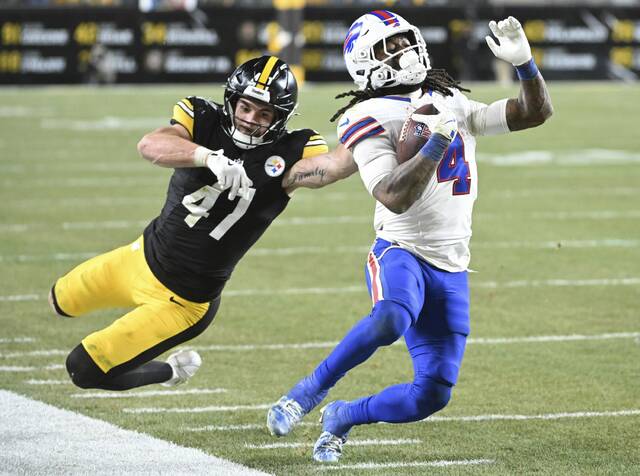
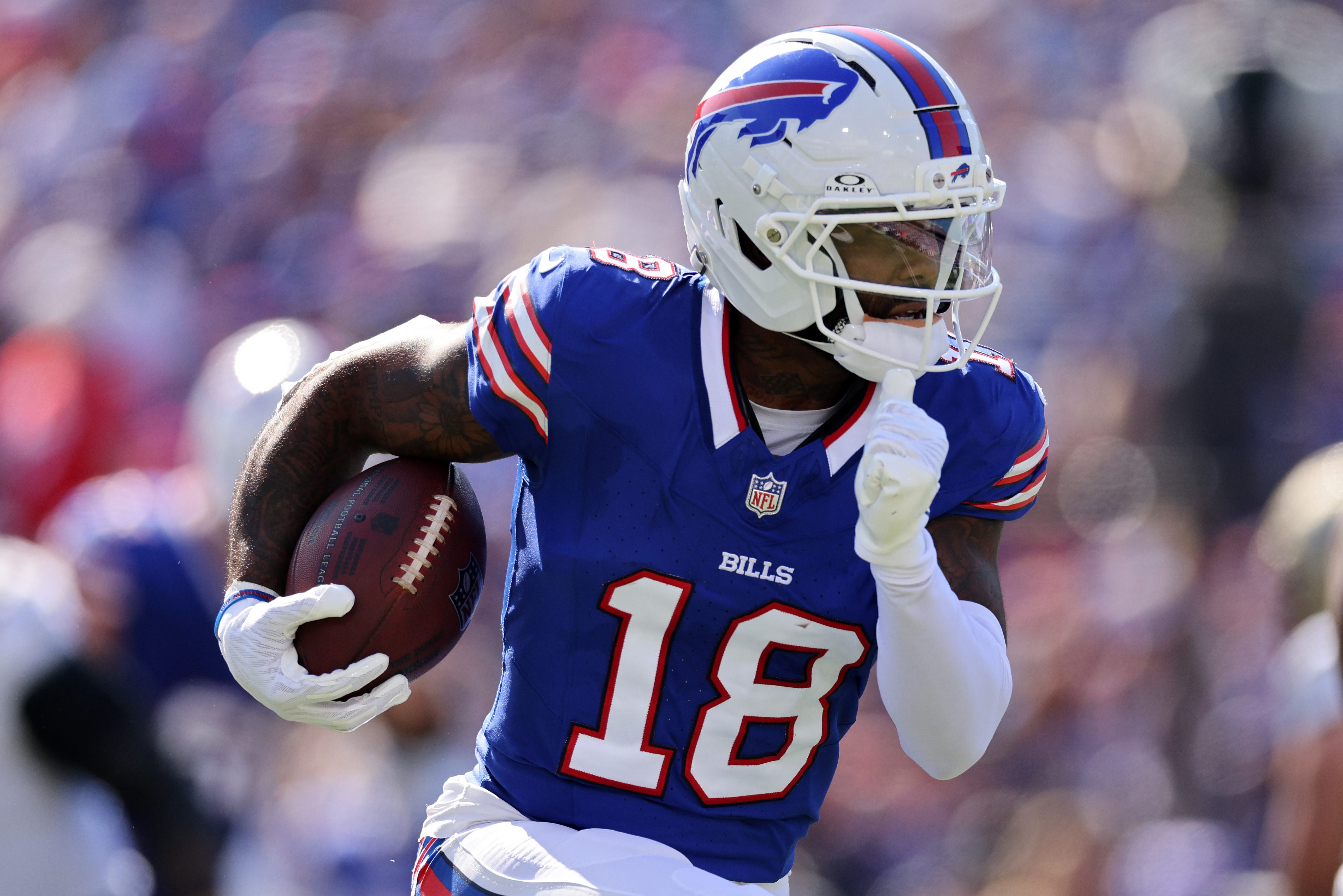
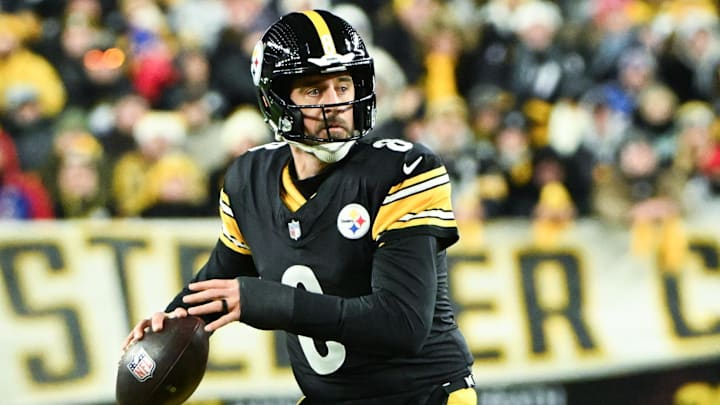
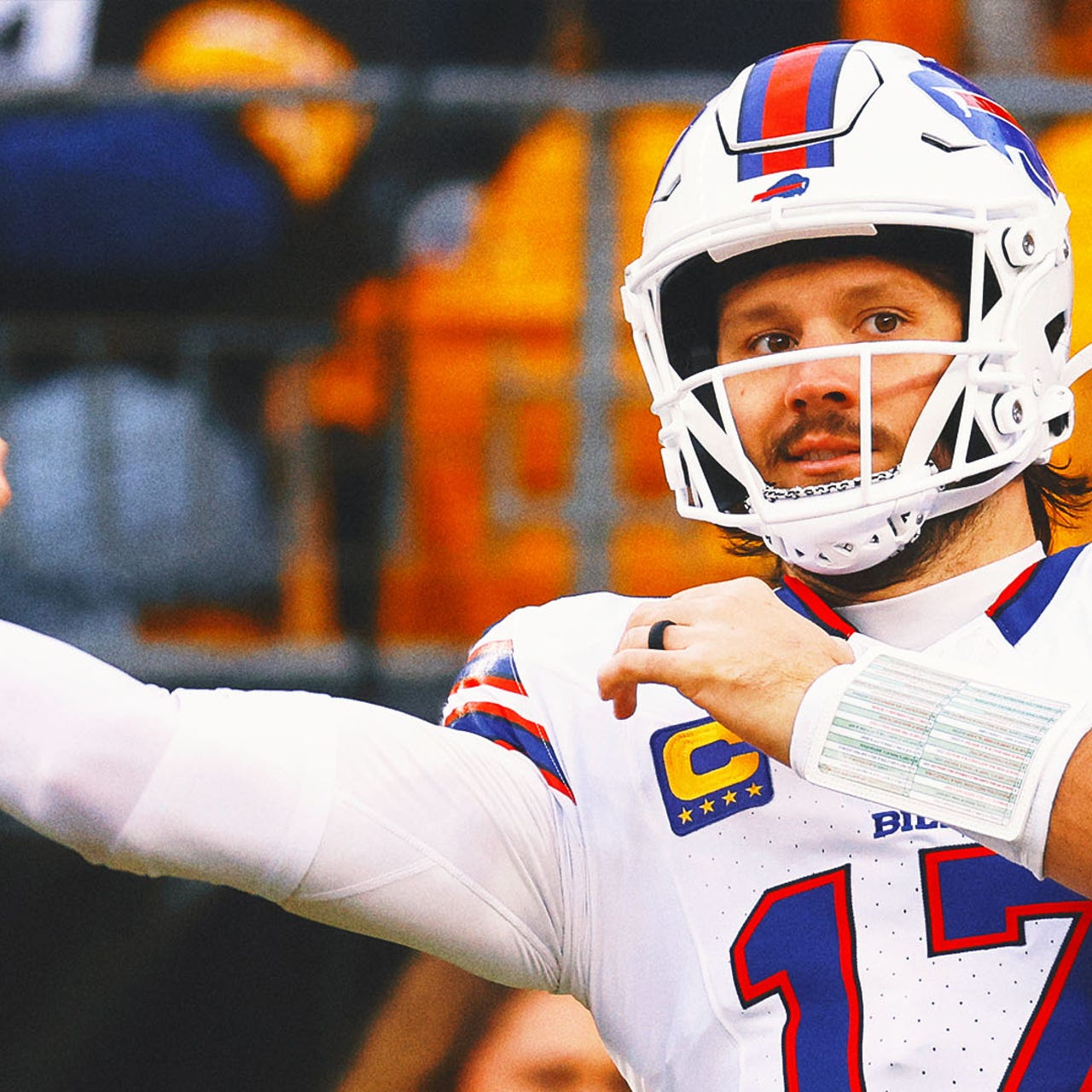
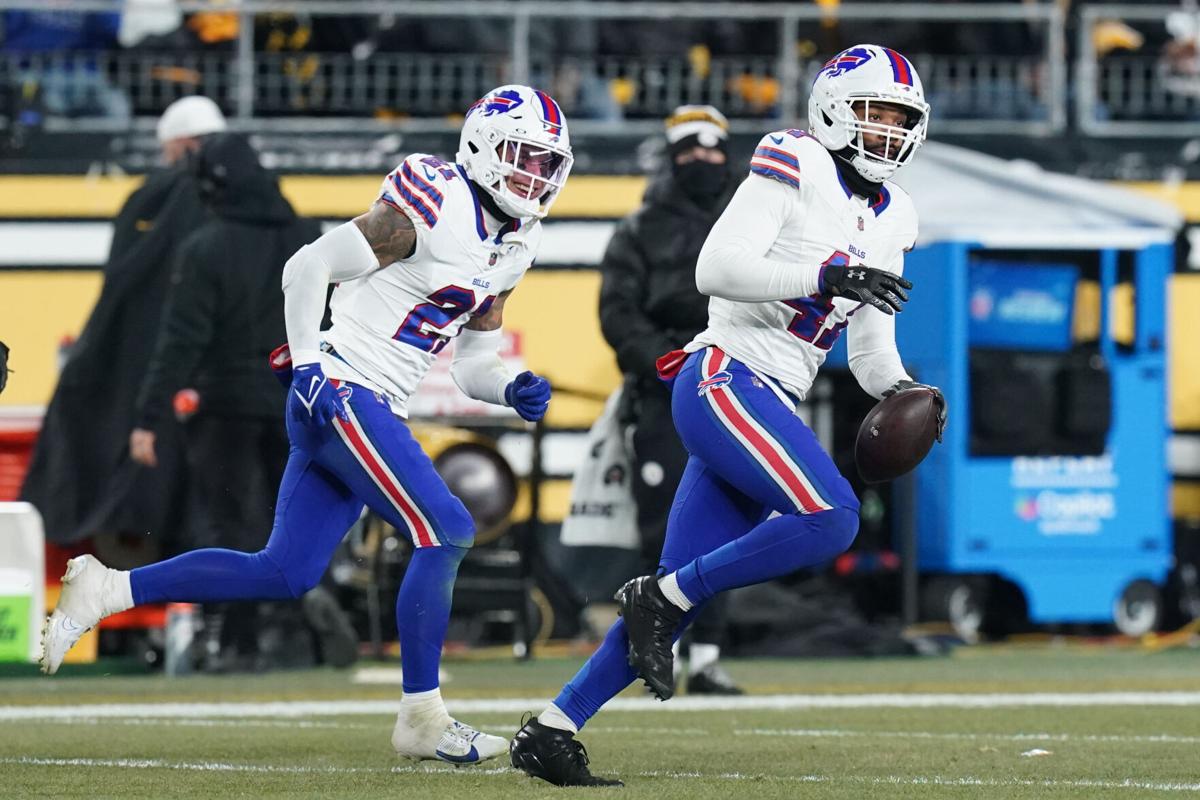
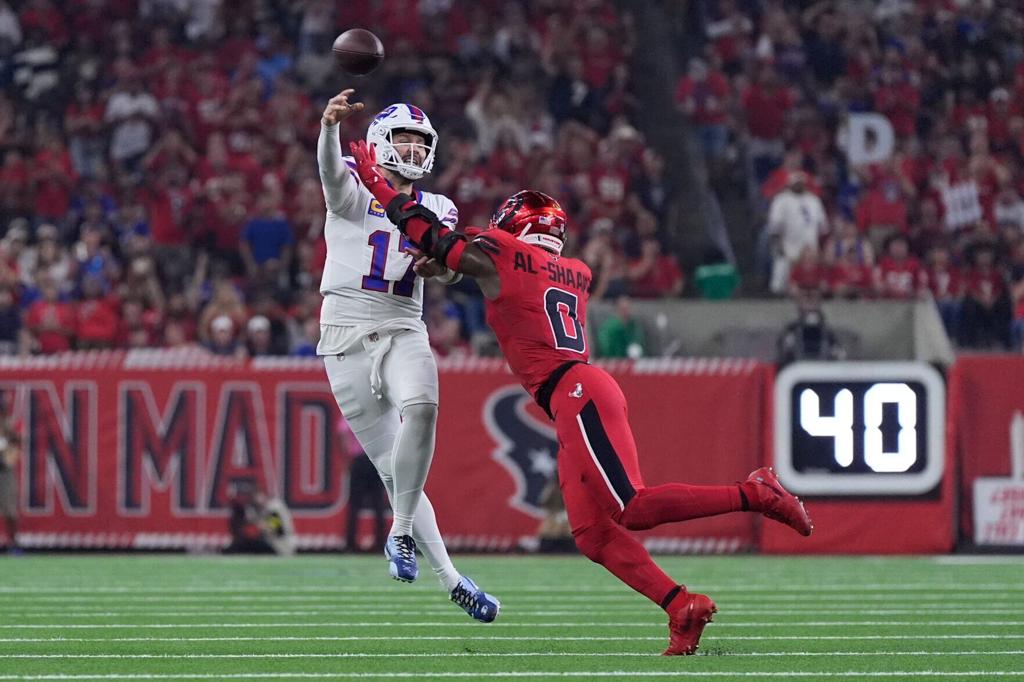
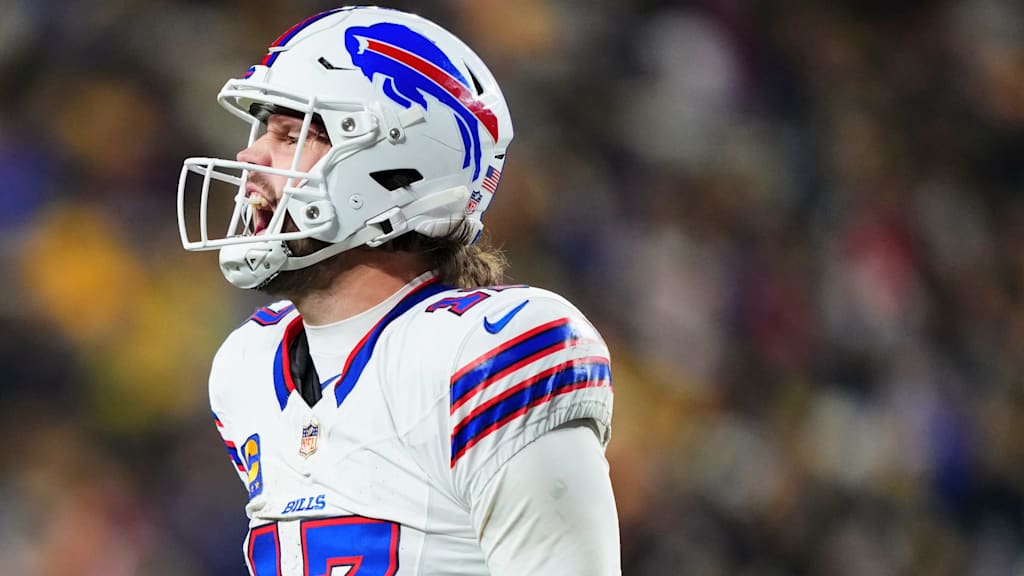
The Buffalo Bills' dominant performance against the Pittsburgh Steelers in Week 13 represents far more than a single game outcome—it reflects a broader transformation in how modern NFL offenses are constructed and executed. Josh Allen's record-setting rushing touchdown achievement marks a watershed moment in quarterback evolution, signaling that elite teams now view their signal-callers as dual-threat weapons rather than pocket passers confined to traditional roles. This shift has profound implications for team construction, defensive strategy, and the competitive balance across the league.
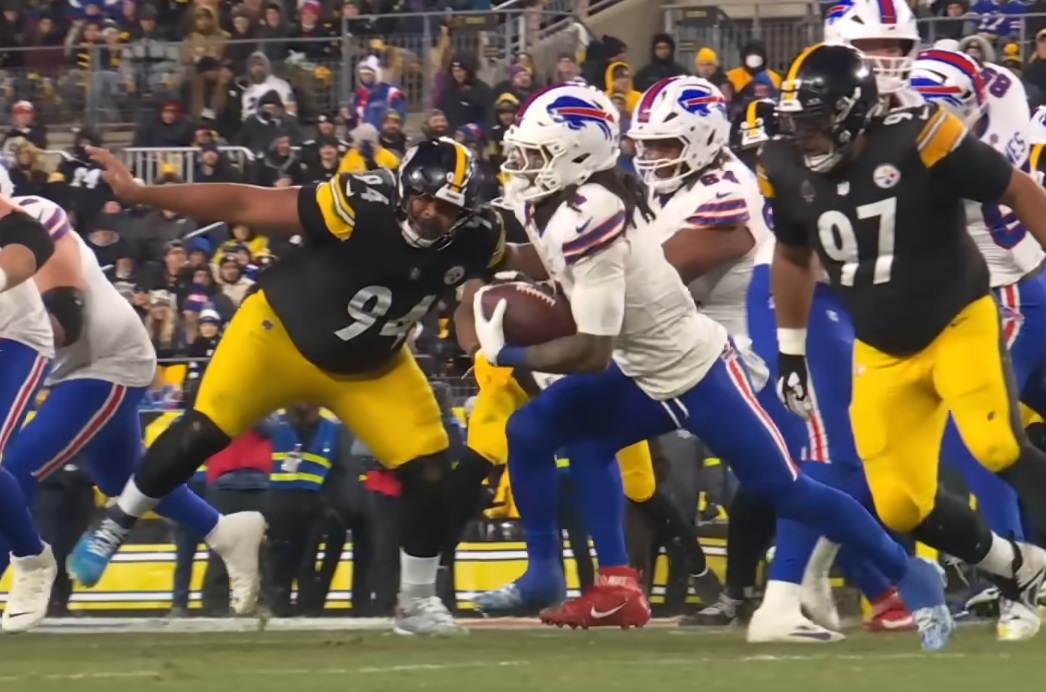
The convergence of offensive innovation and defensive vulnerability reveals structural weaknesses in traditional defensive schemes. The Steelers' historically poor rushing defense performance—their worst in 50 years—exposes a critical gap in how legacy defensive systems adapt to modern offensive demands. When a team like Pittsburgh, built on defensive tradition and run-stopping prowess, surrenders to this degree, it signals that the old playbook no longer suffices. The Bills' ability to exploit this weakness through both Allen's rushing and their ground game demonstrates how contemporary offenses have weaponized the quarterback position itself. This isn't merely about individual talent; it's about systematic architectural change. Teams that fail to evolve their defensive philosophy—particularly their gap integrity and linebacker positioning—face exponential vulnerability against offenses that treat the quarterback as a primary ball carrier.
The competitive implications extend beyond Week 13 into playoff positioning and long-term roster construction decisions. Allen's record-setting performance, combined with the Bills' dominant home victory, strengthens their positioning in the AFC playoff race while simultaneously raising questions about whether traditional defensive models can compete in the modern era. The Steelers' defensive collapse—their worst home rushing performance in half a century—isn't a one-game anomaly but rather a symptom of defensive philosophy misalignment. Looking at the broader context, this matchup crystallizes a fundamental divide in the NFL: teams that embrace offensive innovation and quarterback versatility are pulling away from those clinging to conventional wisdom. For organizations evaluating their defensive personnel and scheme investments, the message is clear: defensive evolution is no longer optional. The Bills' success demonstrates that when offensive creativity meets defensive stagnation, the outcome is predetermined. This trend will likely accelerate through the playoffs, as teams face mounting pressure to either adapt their defensive schemes or accept competitive disadvantage against elite offenses that have mastered the art of quarterback-centric playmaking.
Questions 5
Is this Bills-Steelers outcome indicative of a broader NFL trend or a one-game anomaly?
This matchup reflects a structural trend rather than an isolated occurrence. The convergence of Allen's record-setting performance with Pittsburgh's historic defensive failure signals that the NFL is experiencing a fundamental realignment in offensive-defensive balance. Teams that fail to adapt their defensive philosophy will face compounding competitive disadvantage, particularly in playoff scenarios where elite offenses face mounting pressure to execute at peak efficiency. This trend will likely accelerate through the remainder of the season and into the postseason.
What strategic adjustments should defensive-minded teams consider based on this Week 13 performance?
Teams must evolve their defensive schemes to account for quarterback-centric offensive strategies, particularly regarding gap integrity, linebacker positioning, and secondary coverage flexibility. The Steelers' collapse demonstrates that conventional run-stopping approaches are insufficient against modern offenses. Defensive coordinators should prioritize scheme adaptability and personnel versatility, ensuring their systems can respond to dual-threat quarterback threats without sacrificing coverage integrity or pass-rush effectiveness.