

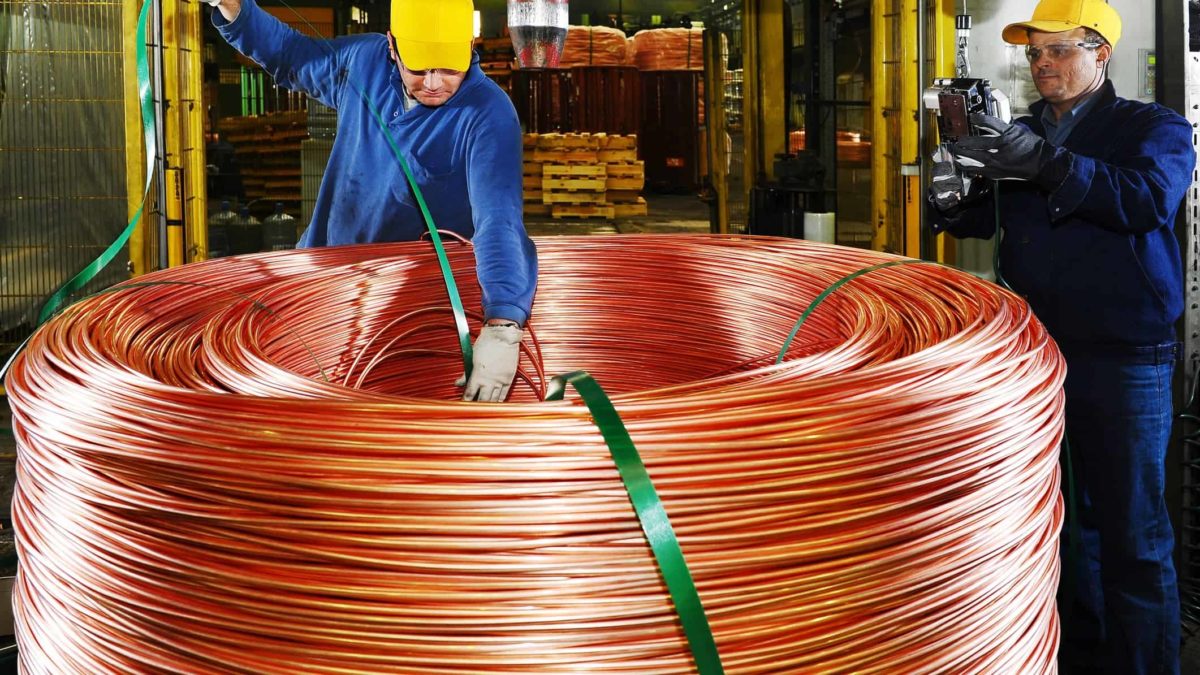

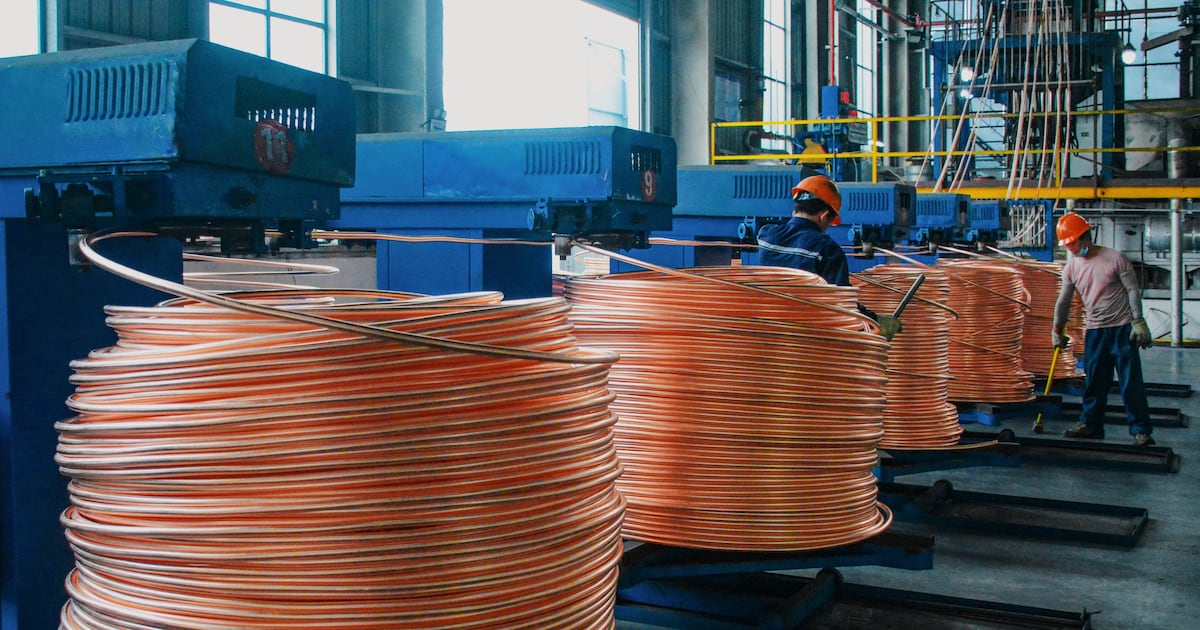
Global Copper Markets Surge: Investors Bet on Strategic Metal Transformation
- Unprecedented price rally signals major industrial recalibration for global traders and manufacturers
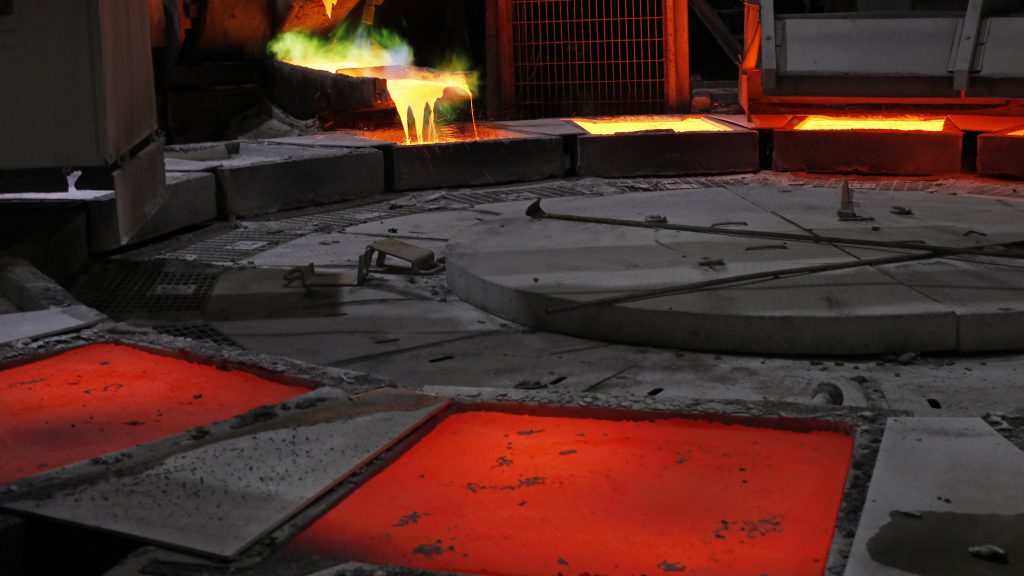
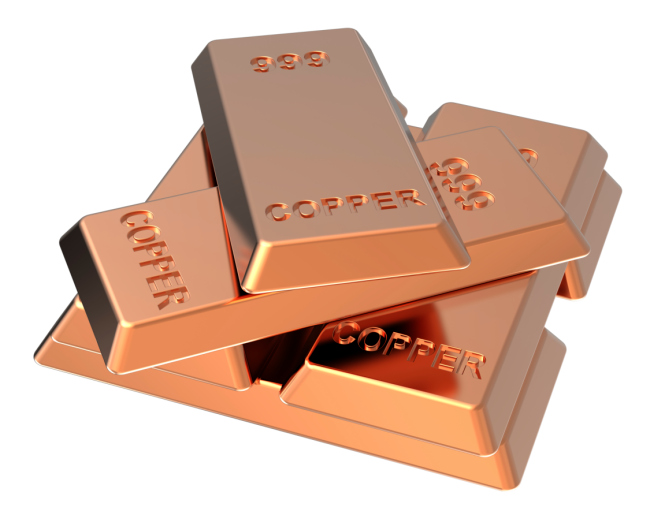














Overview
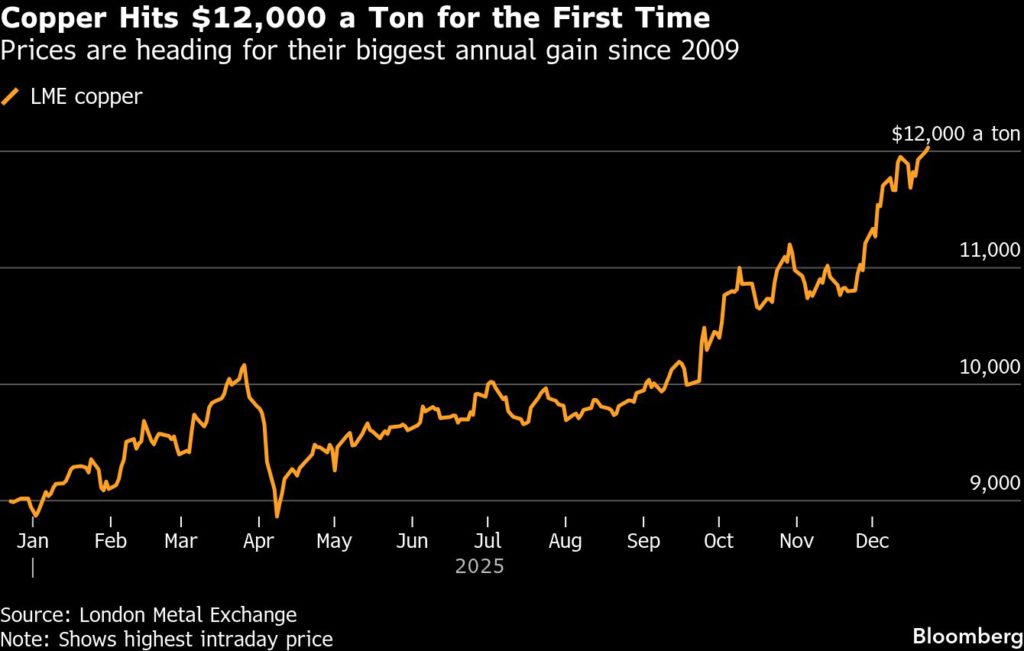
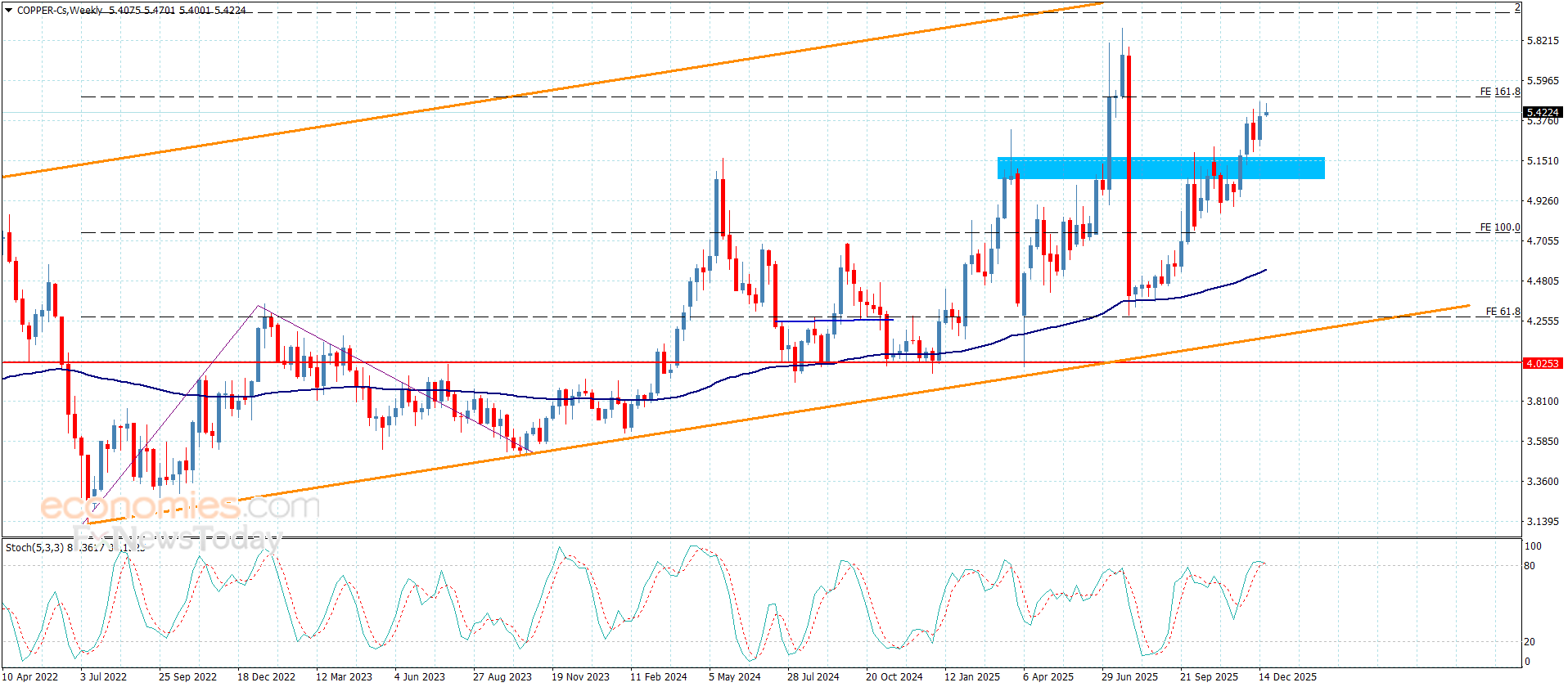
The global copper market is undergoing a transformative moment, with 2025 marking a pivotal turning point in strategic metal trading. Copper prices have surged dramatically, breaking through the 12,000 per ton barrier and positioning themselves for the most impressive performance since 2009, driven by complex geopolitical and industrial dynamics.
Strategic Market Repositioning: The London Metal Exchange's tracking of an approximately 40% annual gain reveals more than just price volatility—it signals a fundamental shift in global industrial expectations. Investors are aggressively positioning themselves ahead of anticipated market constraints, particularly focusing on potential import tariff scenarios in the United States. This strategic maneuvering suggests a deeper understanding that copper is no longer just a commodity, but a critical indicator of industrial recovery and infrastructure investment potential.
Sectoral Implications: The copper price surge carries profound consequences for multiple industries. Electronics, telecommunications, and renewable energy sectors face the most immediate impact, with potential production cost increases necessitating rapid adaptive procurement strategies. Cross-border e-commerce sellers must recalibrate their supply chain economics, recognizing that copper's price volatility is not merely a trading phenomenon but a structural market transformation.
The current market trend reflects broader global economic uncertainties, with copper serving as a sophisticated economic barometer. Analysts interpret this price movement as a potential harbinger of anticipated industrial recovery, suggesting a complex but potentially opportunistic landscape for global traders and manufacturers willing to navigate these intricate market dynamics.
Questions 3
Why are copper prices experiencing such a significant surge in 2025?
The surge is driven by anticipated market tightening, investor expectations of global supply constraints, and strategic positioning ahead of potential US import tariffs. The London Metal Exchange's 40% annual gain reflects broader expectations of industrial recovery and infrastructure investment.
What does the copper market trend suggest about the global economic landscape?
The copper price movement serves as a critical economic indicator, suggesting potential industrial recovery, infrastructure investment opportunities, and a complex but potentially opportunistic market environment for global traders and manufacturers.