


The Stadium Deal Revolution: How Sports Franchises Rewrite Public Financing Rules
- Unprecedented public-private partnerships reshape municipal economic development strategies








Overview
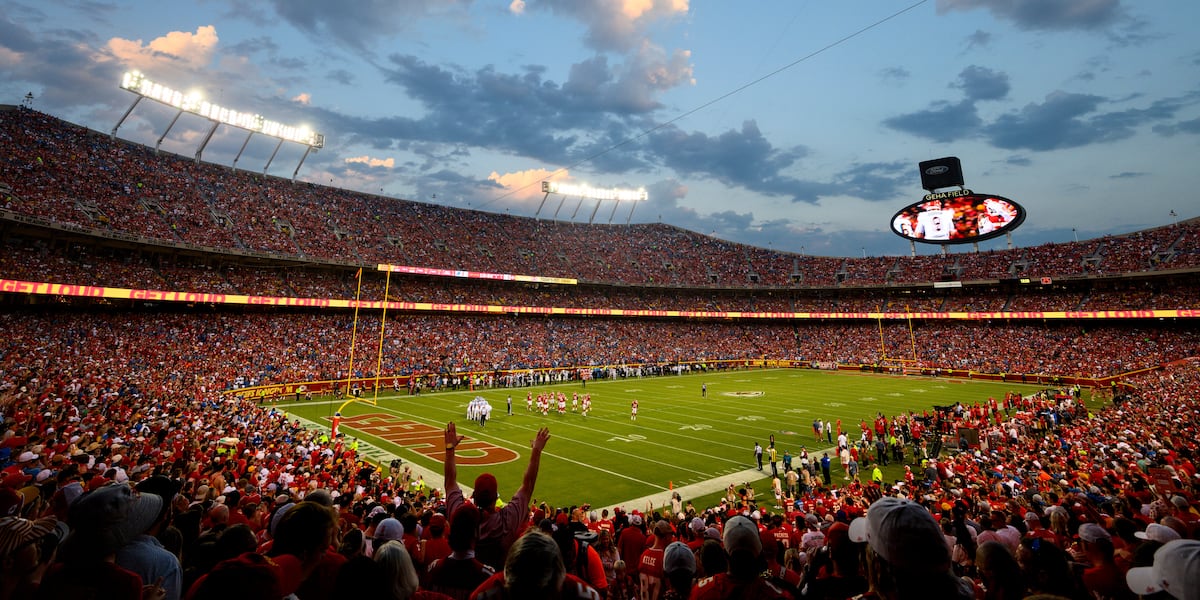
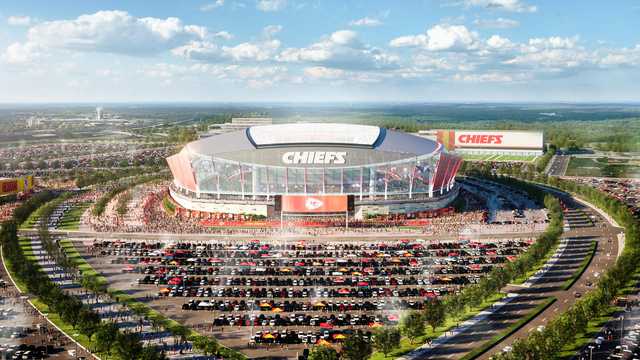
The Kansas City Chiefs' landmark stadium deal represents a pivotal moment in sports infrastructure financing, revealing a profound transformation in how municipalities engage with professional sports franchises. This $3 billion project, featuring an extraordinary $1.8 billion in public subsidies, signals a strategic shift from traditional stadium funding models toward more complex, revenue-optimized partnerships.
Public-Private Partnership Dynamics are fundamentally evolving. The Chiefs' agreement is remarkable not just for its scale, but for its innovative structure: the state owns the stadium while the team retains 100% of operational revenues, including tickets, concessions, naming rights, and sponsorships. This represents a radical departure from previous models where public investment typically came with more stringent revenue-sharing requirements. The deal's 30-year lease with six 5-year renewal options provides unprecedented long-term stability for both the franchise and the state.
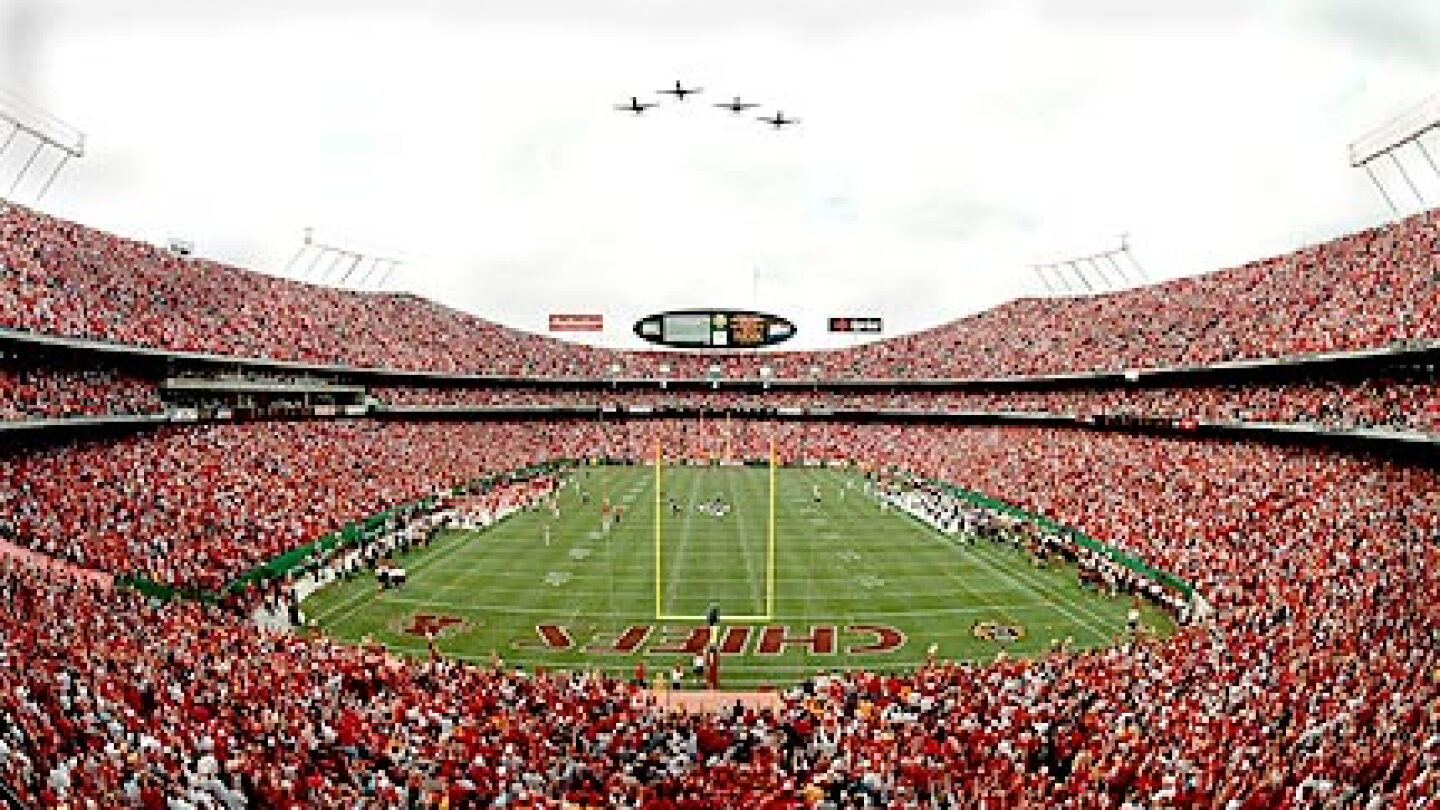
Municipal Economic Strategy is being reimagined through sports infrastructure. By reducing stadium capacity from 75,000 to 65,000 seats while emphasizing luxury experiences, the Chiefs are demonstrating how stadiums are transforming from mere sporting venues to comprehensive entertainment and economic development platforms. The initial $7 million annual rent, escalating with inflation, creates a predictable revenue stream for Kansas while allowing the team maximum financial flexibility.
The broader implications extend far beyond Kansas City. This deal establishes a new template for how high-profile sports franchises can negotiate with municipalities, leveraging their cultural and economic significance. It reveals a strategic landscape where teams are no longer simply asking for public funds, but proposing comprehensive economic development partnerships that promise broader regional benefits.
For municipal leaders and sports franchise executives, this represents a critical inflection point. The model suggests that future stadium deals will be less about direct subsidies and more about creating integrated economic ecosystems that generate sustained value for both the franchise and the community.
Questions 3
What economic benefits does Kansas expect from this stadium deal?
The state anticipates long-term economic development through a 30-year lease, predictable rental income starting at $7 million annually, and potential regional economic stimulation from a high-profile sports franchise. The deal transforms the stadium from a pure sporting venue to a comprehensive economic development platform.
How does this stadium deal differ from traditional public funding models?
Unlike previous models where public funds came with strict oversight, this deal allows the Chiefs to retain 100% of stadium revenues while the state owns the facility. The $1.8 billion public subsidy comes with unique flexibility, creating a more partnership-oriented approach to sports infrastructure financing.