


Hockey Rivalry Reveals Unexpected Strategic Insights
- Intense Competitive Dynamics Emerge from Unexpected Sports Narratives














Overview
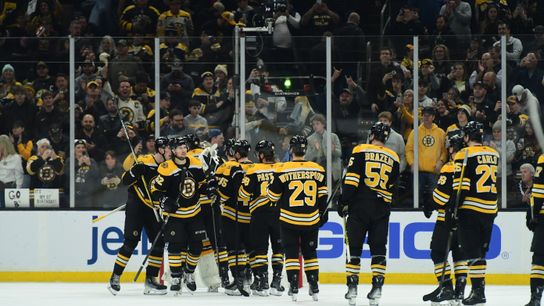
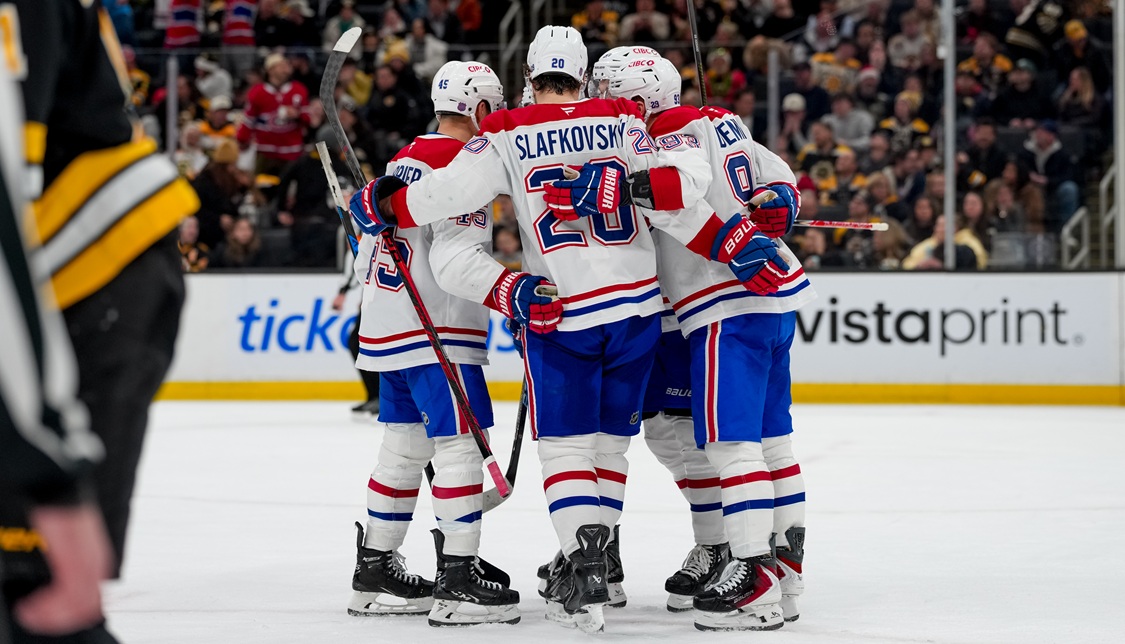
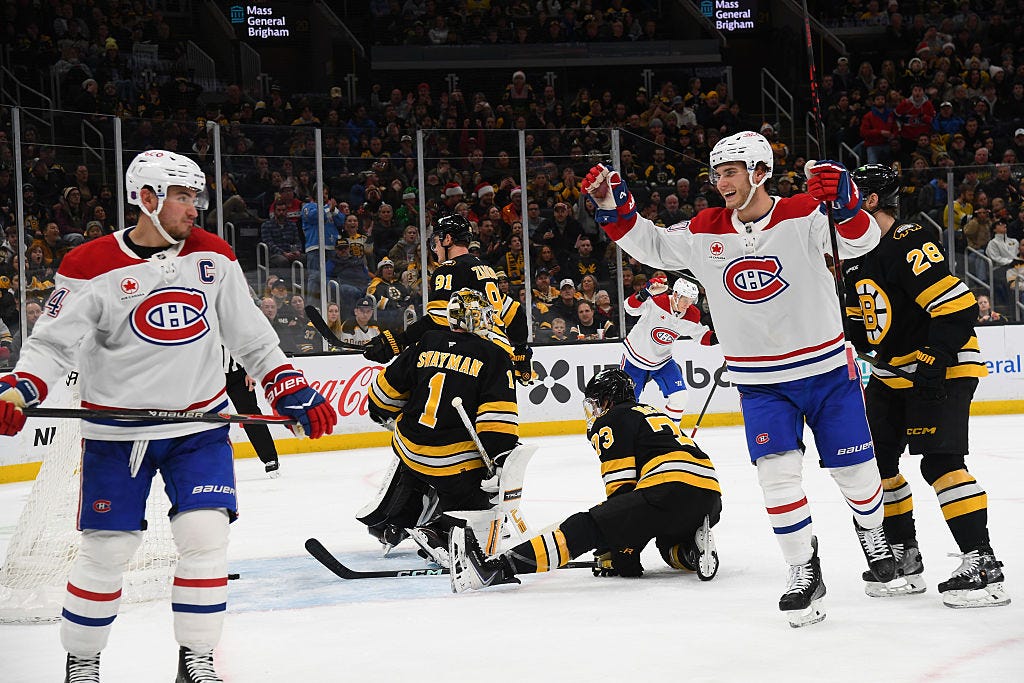
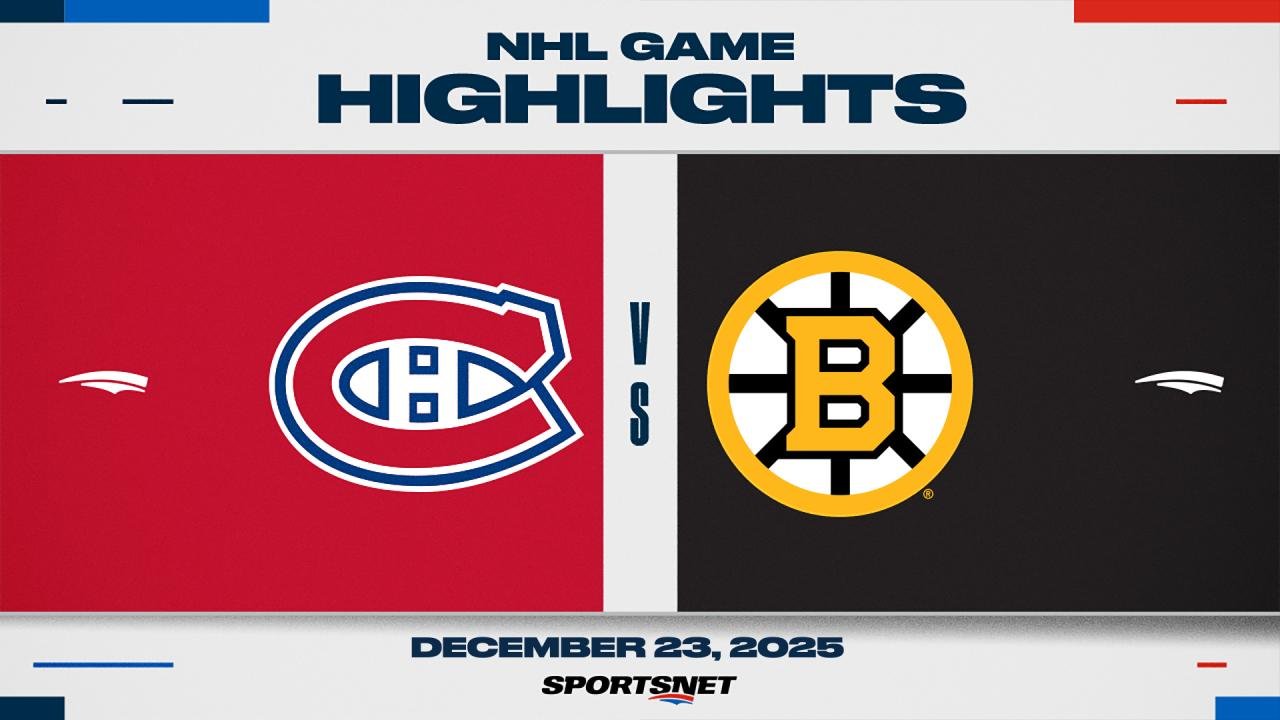
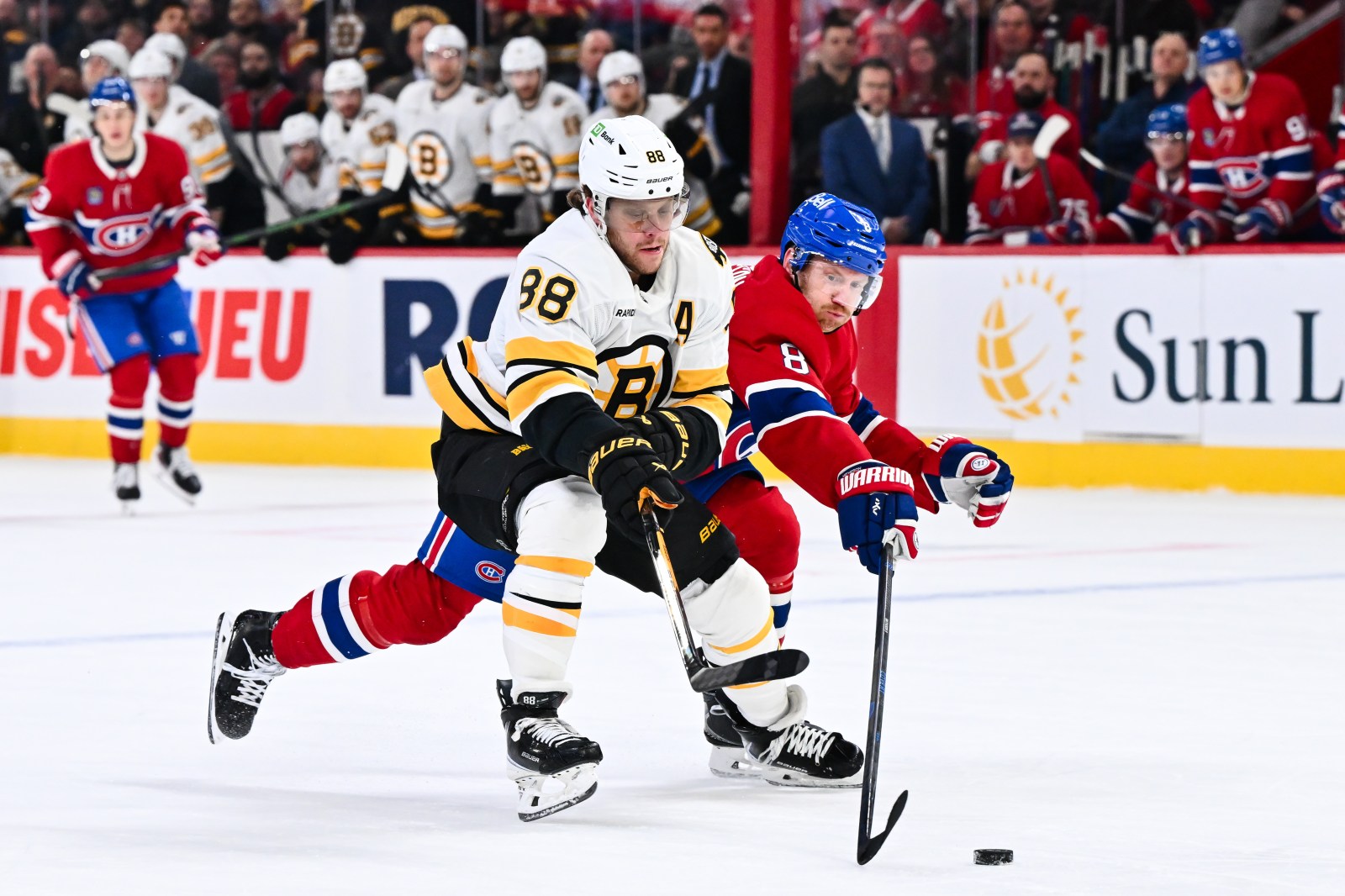
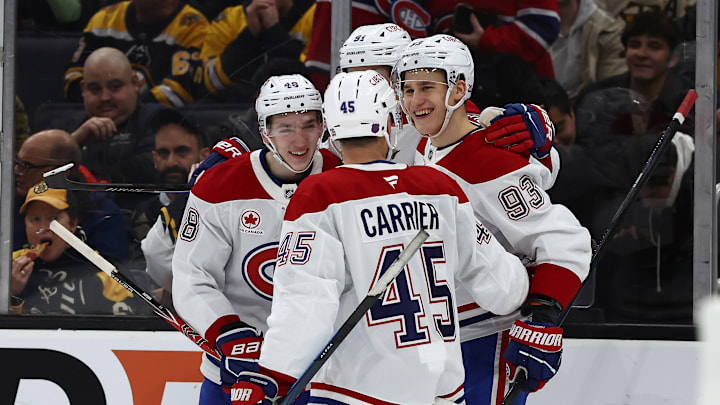
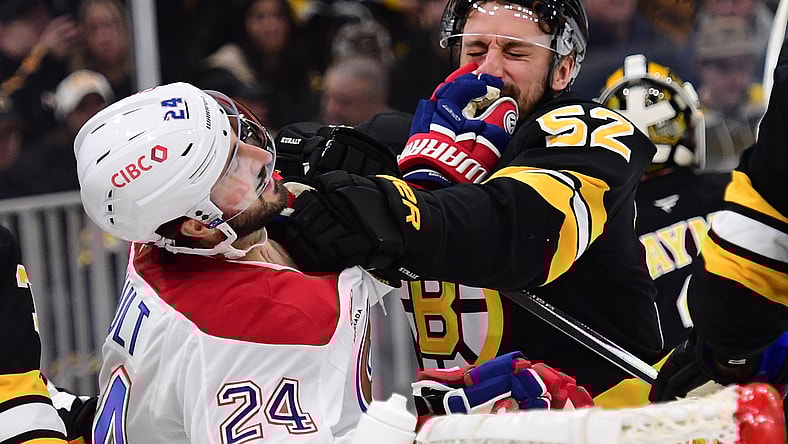
In an unexpected turn of analytical exploration, the seemingly routine hockey match between the Montreal Canadiens and Boston Bruins offers a fascinating lens into competitive dynamics that transcend sports. The game's intense 6-2 victory by Montreal, punctuated by multiple fights and aggressive play, serves as a metaphorical blueprint for understanding strategic confrontation.
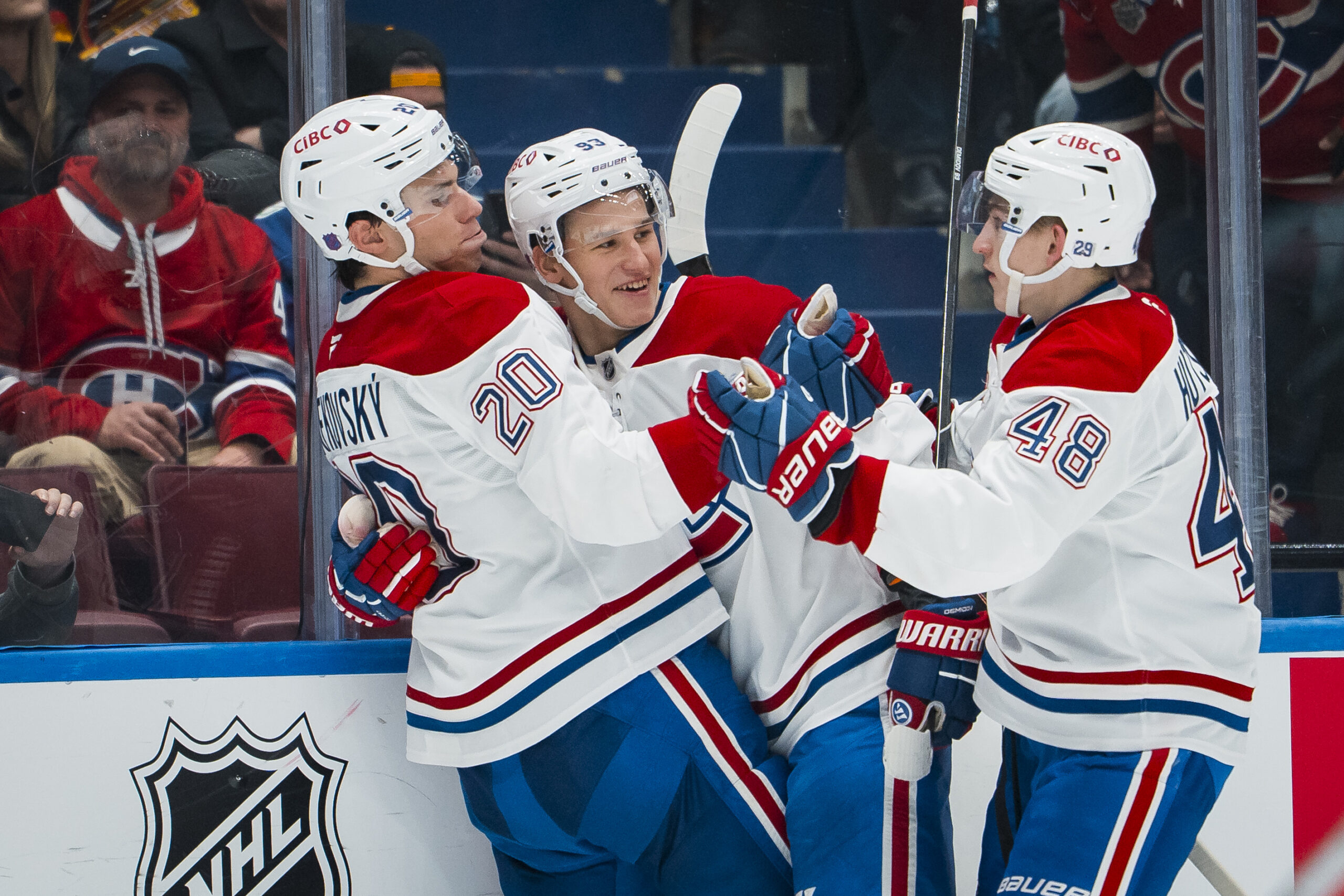
Competitive Resilience in Action: The Canadiens' performance, breaking a long-standing losing streak in Boston, demonstrates a critical organizational attribute: the ability to overcome historical limitations. Lane Hutson's three assists and Jacob Fowler's strong goaltending symbolize how individual performance can dramatically shift systemic outcomes. This mirrors broader strategic challenges in competitive landscapes, where breakthrough moments often emerge from persistent effort and tactical recalibration.
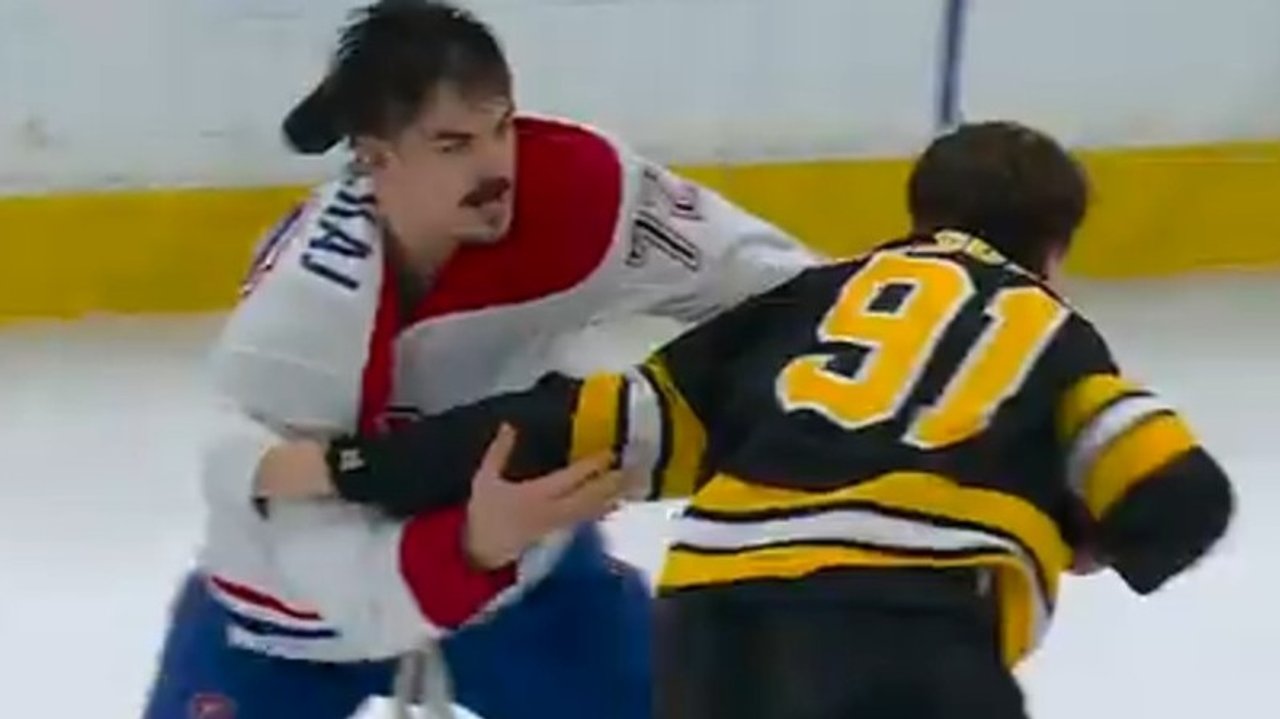
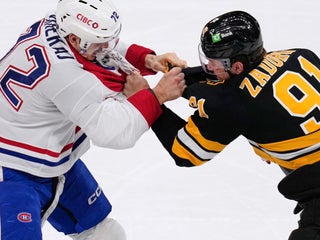
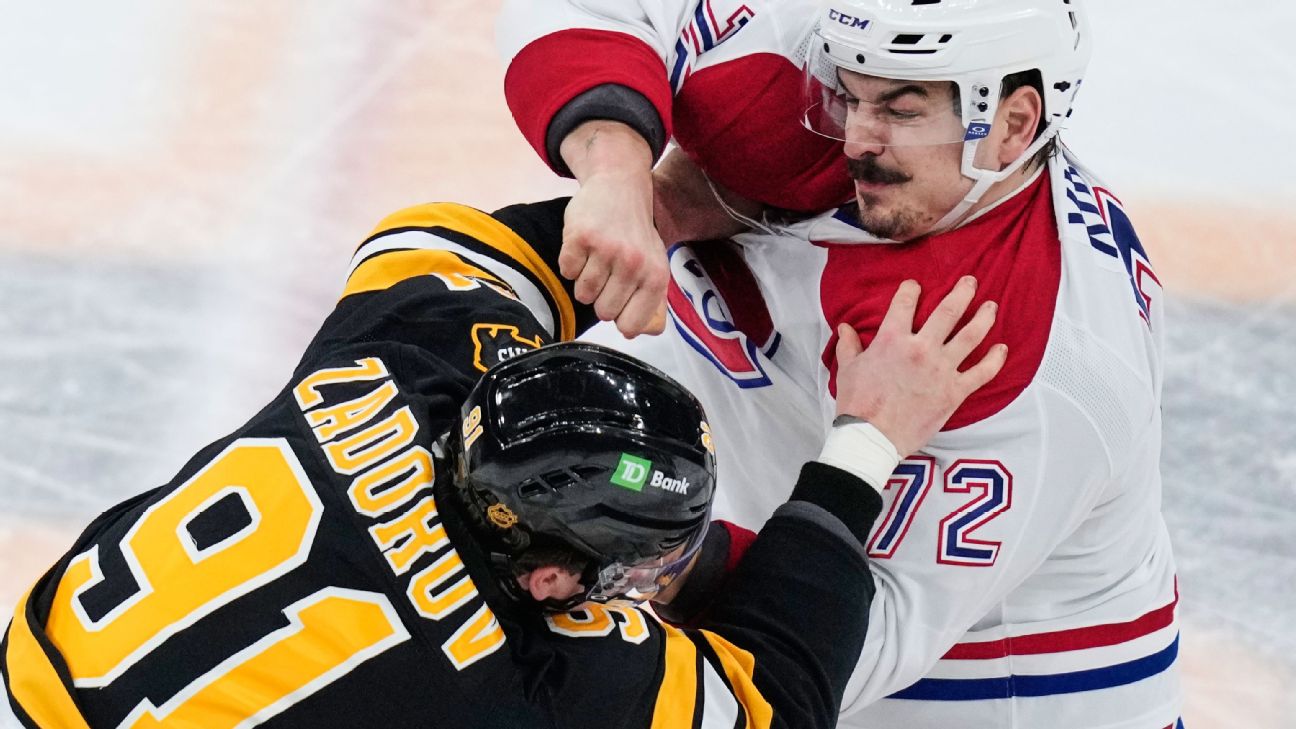
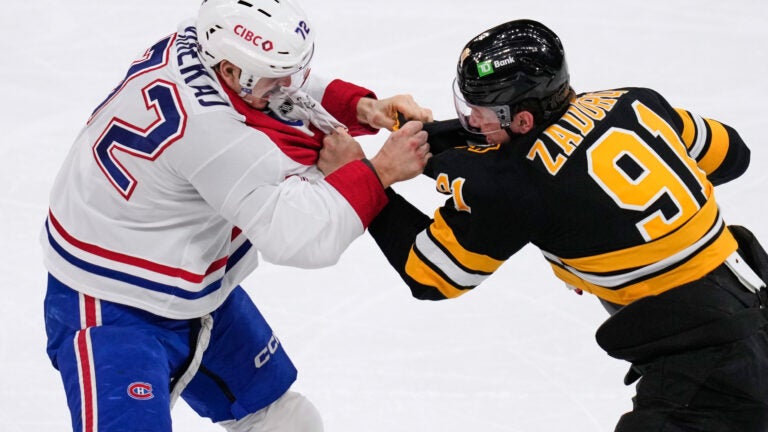
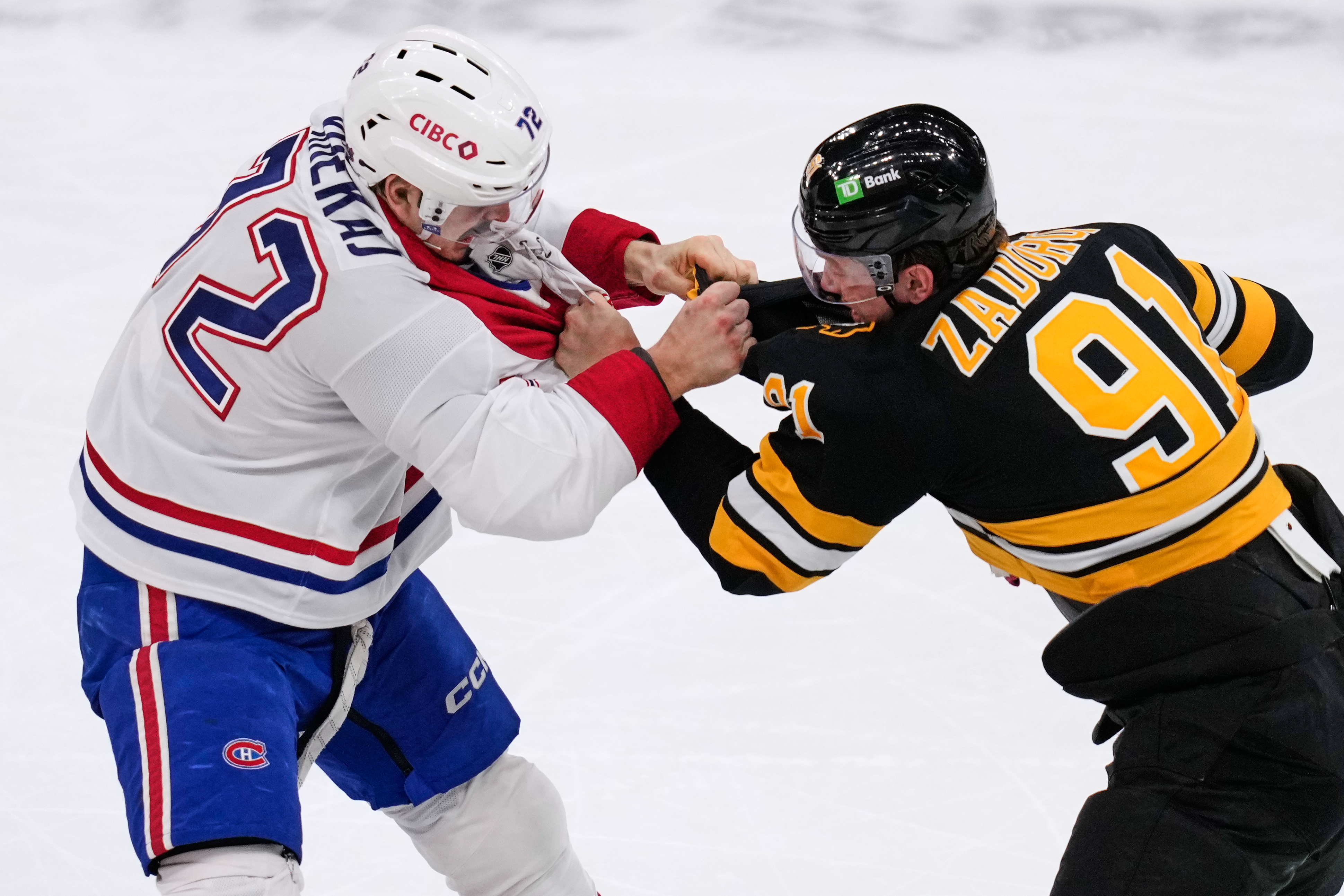
Rivalry as a Catalyst for Performance: The "Original 6 fight fest" between Tanner Jeannot and Josh Anderson at the opening faceoff reveals a deeper narrative about competitive engagement. Such intense confrontations are not merely about physical dominance but represent complex psychological warfare. The immediate fight signals a strategic reset, a declaration of intent that goes beyond traditional performance metrics. This microcosm of competitive interaction suggests that true strategic advantage often lies in psychological positioning and narrative control.
The match's dynamics provide a compelling metaphor for understanding competitive ecosystems: success is not predetermined by historical performance, but by adaptability, individual excellence, and the willingness to challenge established narratives. Organizations across domains can learn from this hockey encounter—that breakthrough moments often emerge from challenging entrenched expectations, maintaining tactical flexibility, and leveraging individual strengths within a collective framework.
Strategic takeaway: Embrace disruption, challenge historical limitations, and recognize that competitive advantage is a dynamic, multifaceted construct constantly reshaped by individual and collective actions.
Questions 3
What can organizations learn from this hockey game's dynamics?
Key insights include the importance of individual performance (like Lane Hutson's assists), psychological resilience in overcoming historical barriers, and the strategic value of challenging established expectations through decisive, high-energy interventions.
How do sports rivalries reflect broader competitive strategies?
The Canadiens-Bruins match demonstrates that rivalries are complex psychological interactions. The opening fight and subsequent performance show how competitive narratives are actively constructed through bold actions, challenging historical limitations, and maintaining psychological momentum.