






Will Stein's Move to Kentucky Signals Major Coaching Carousel in College Football as Six SEC Schools Overhaul Leadership
- Unprecedented wave of SEC coaching changes reflects competitive pressure and talent development priorities reshaping college football's power structure




































.webp)

































.webp)









































































































































































































































































Overview
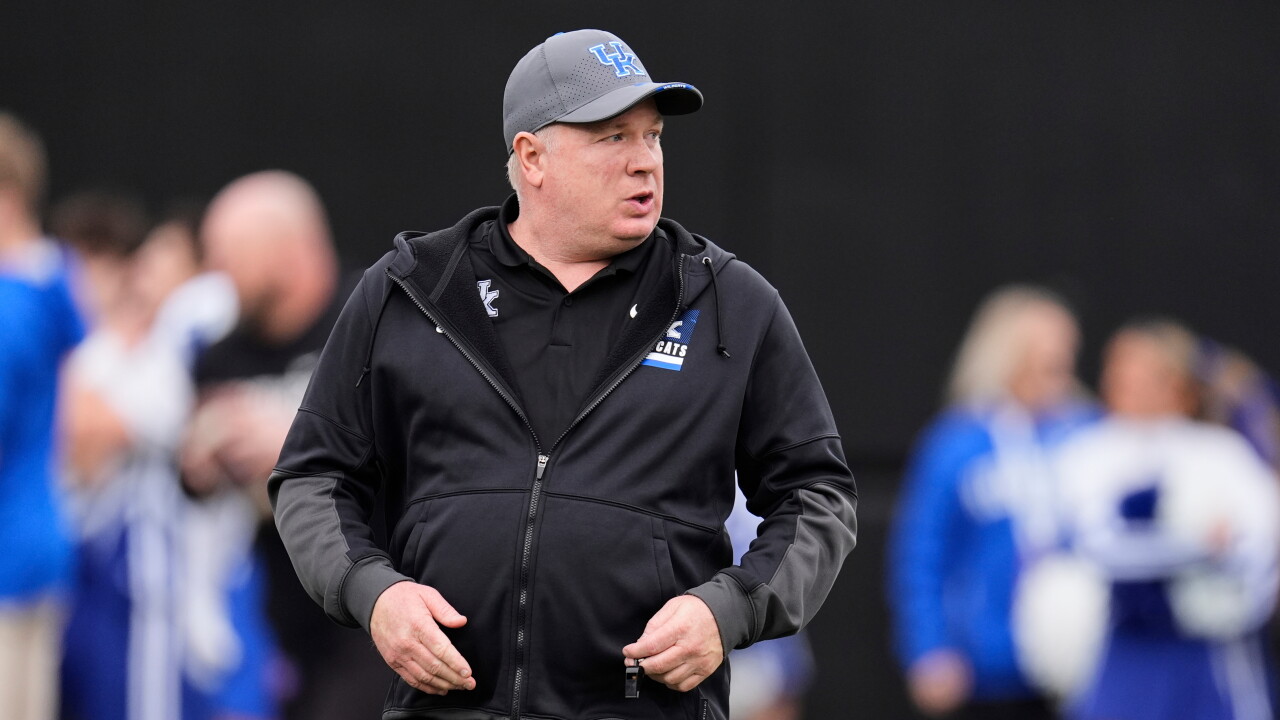
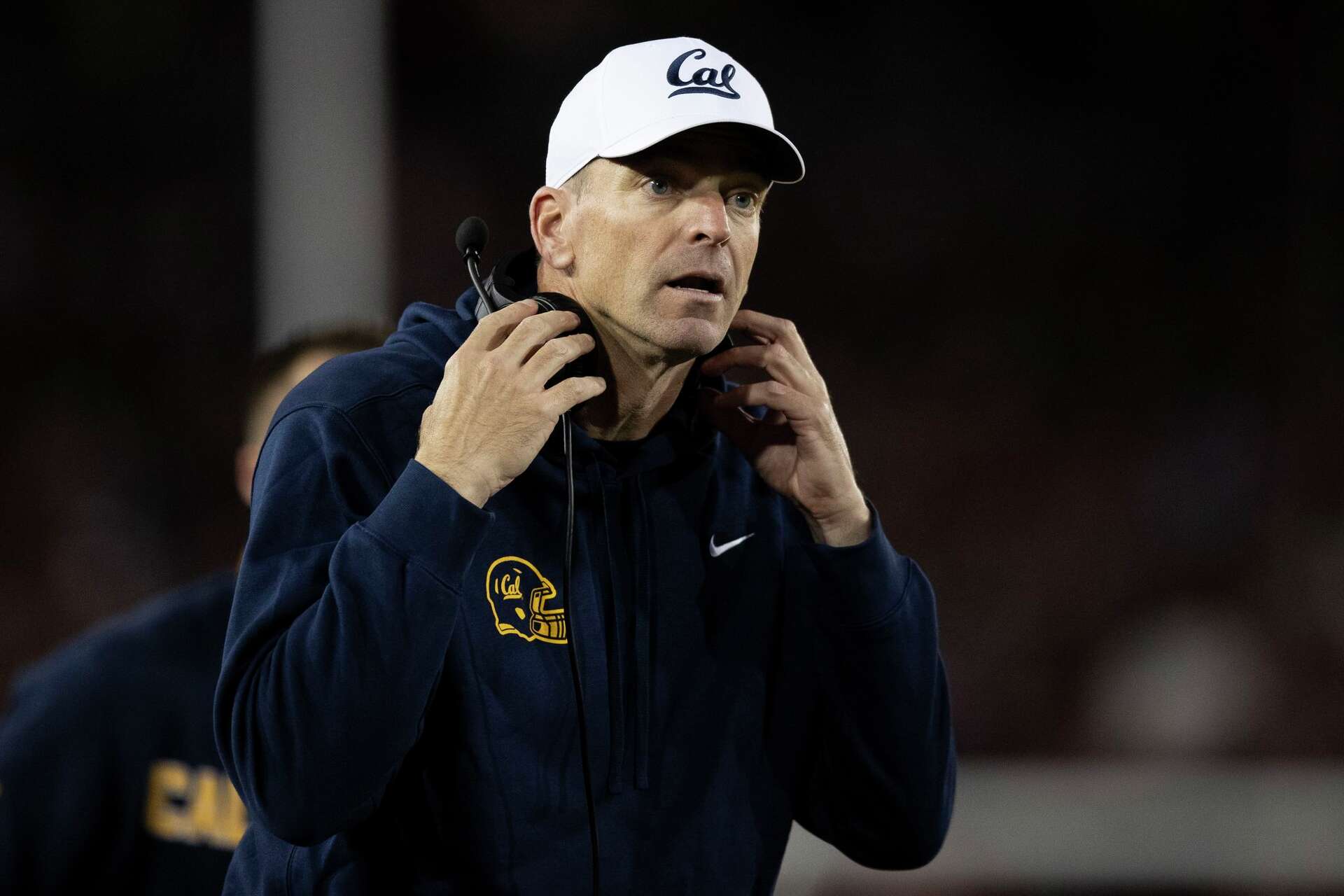
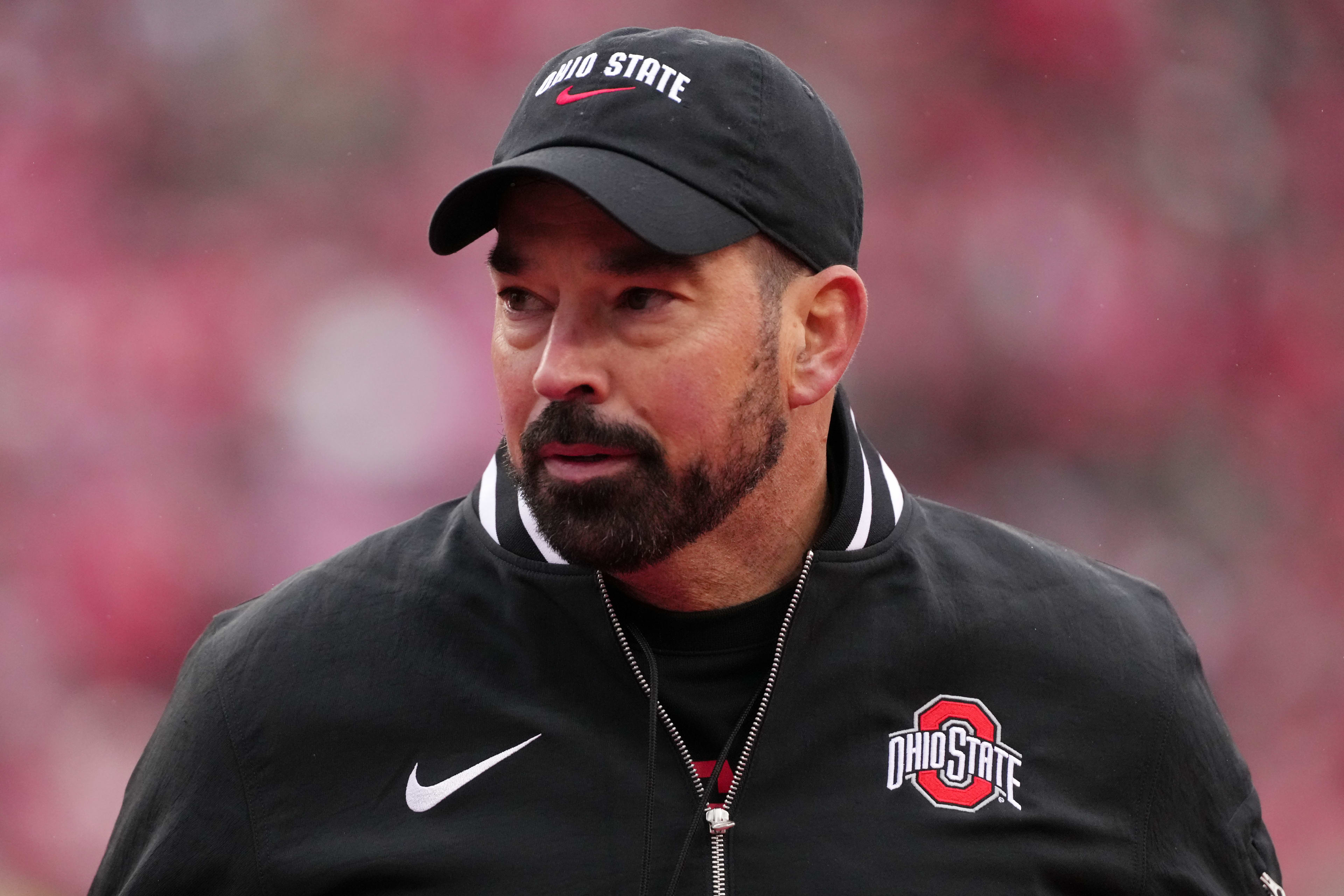
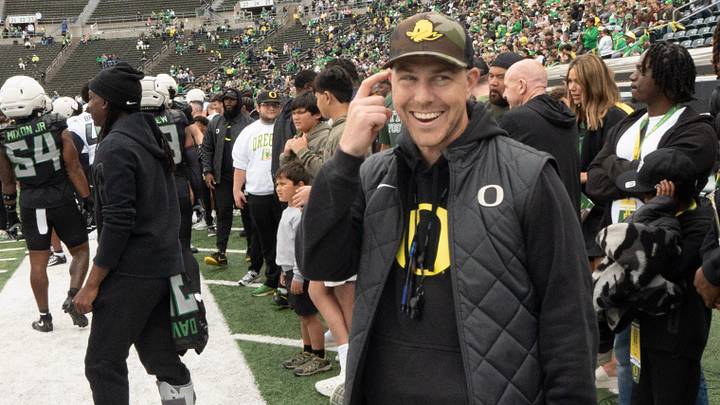
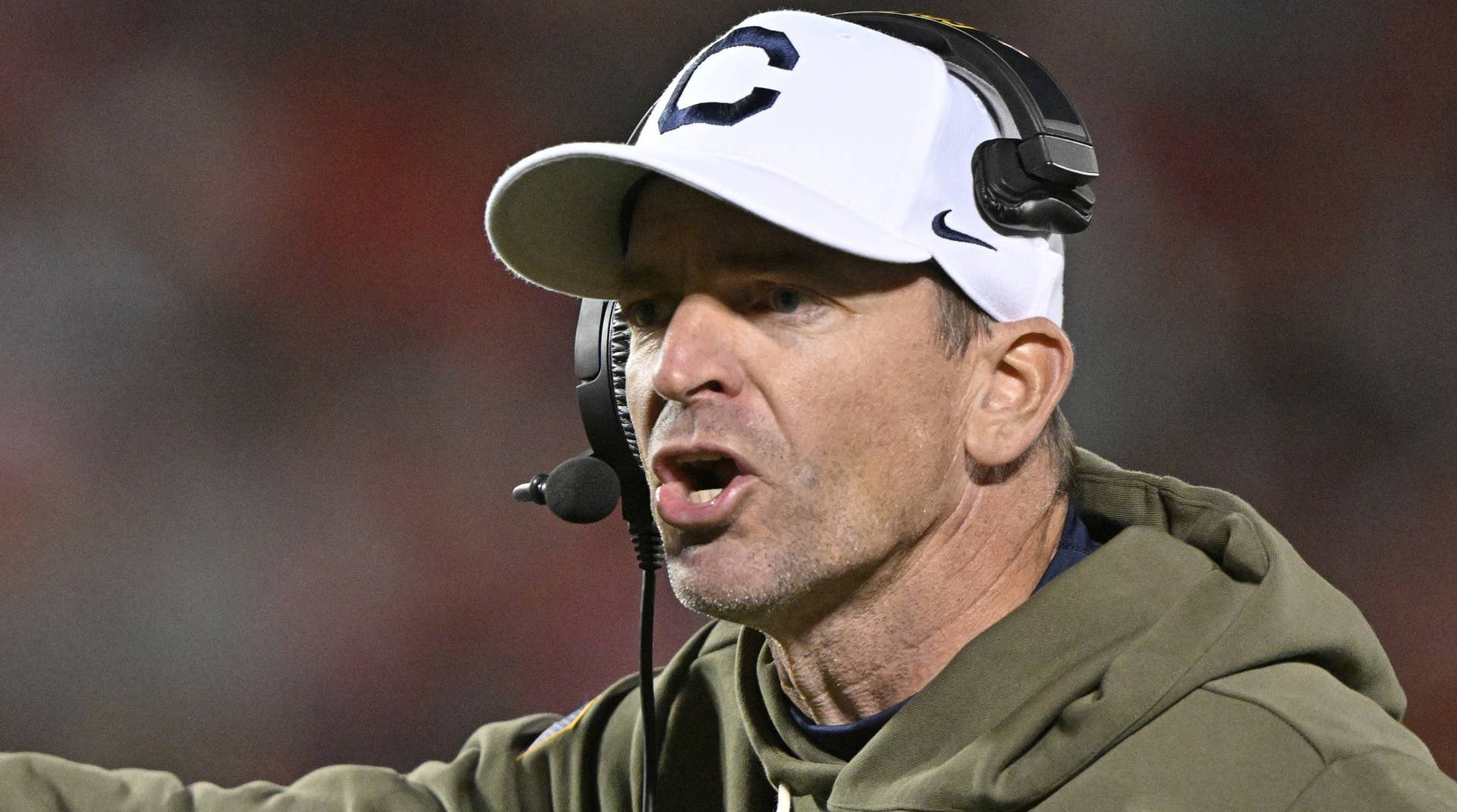
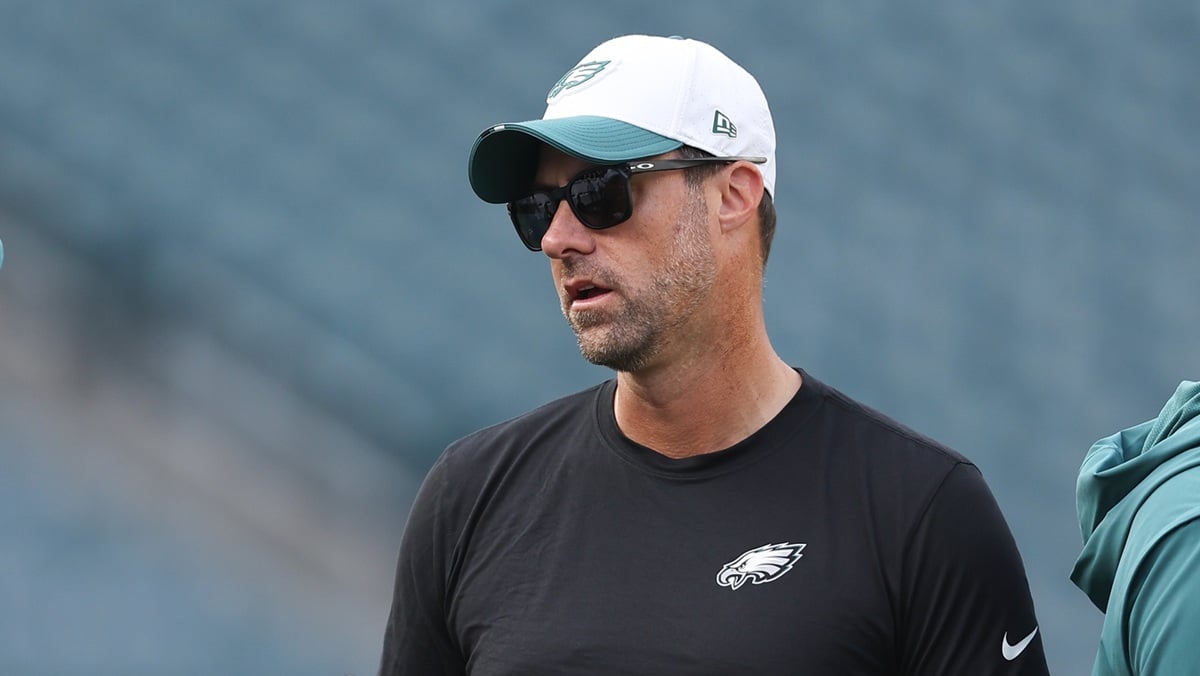
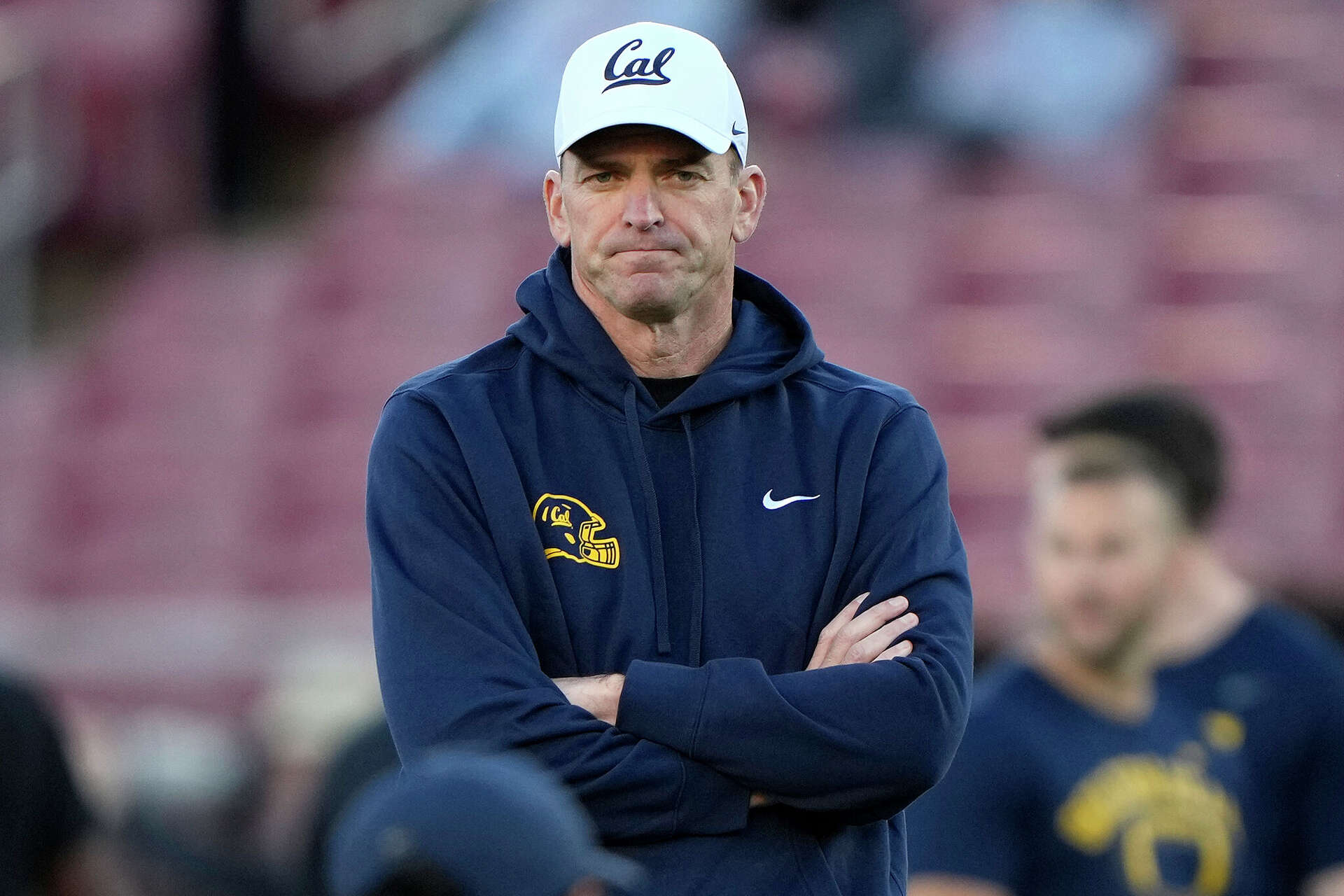
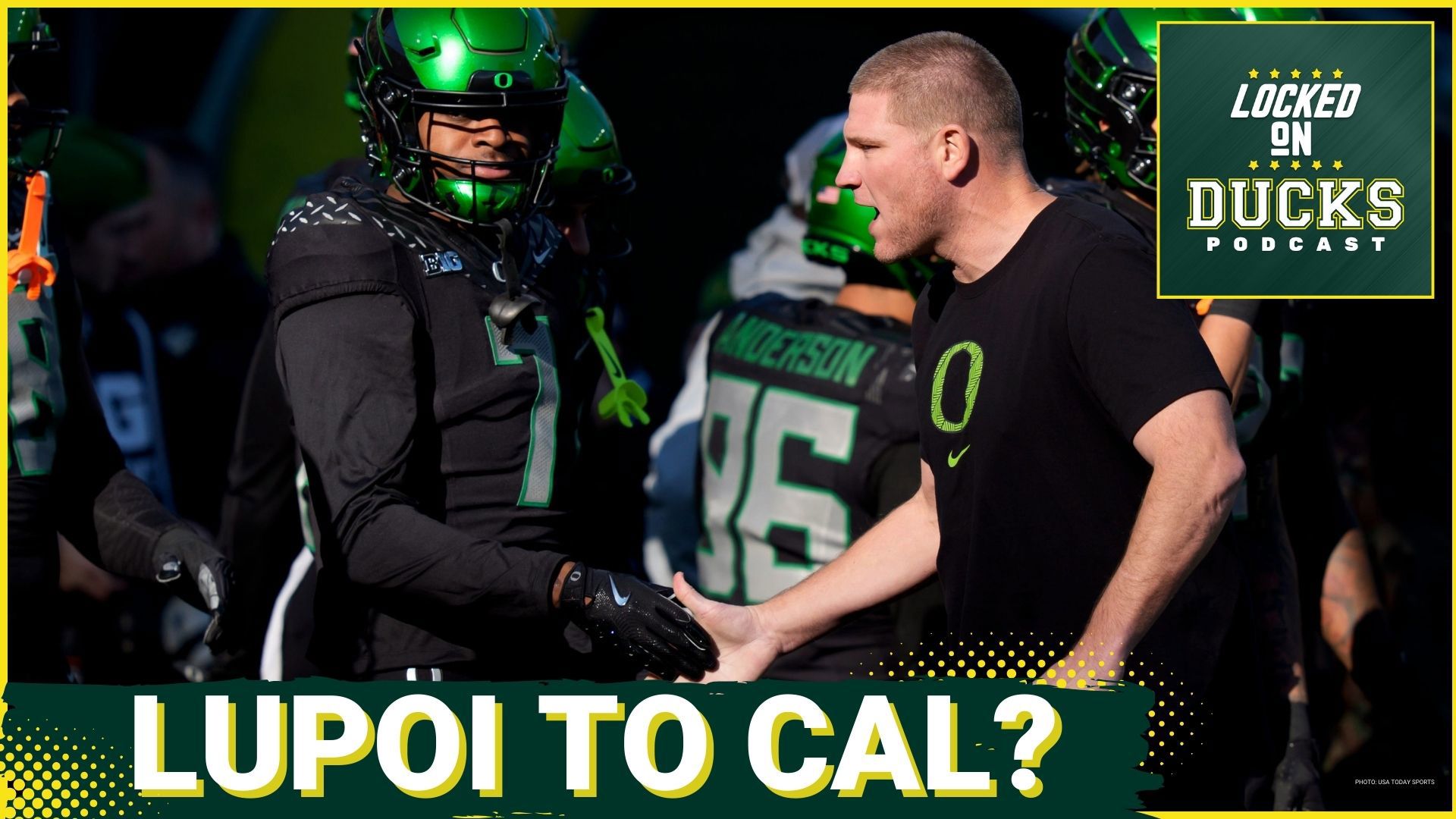
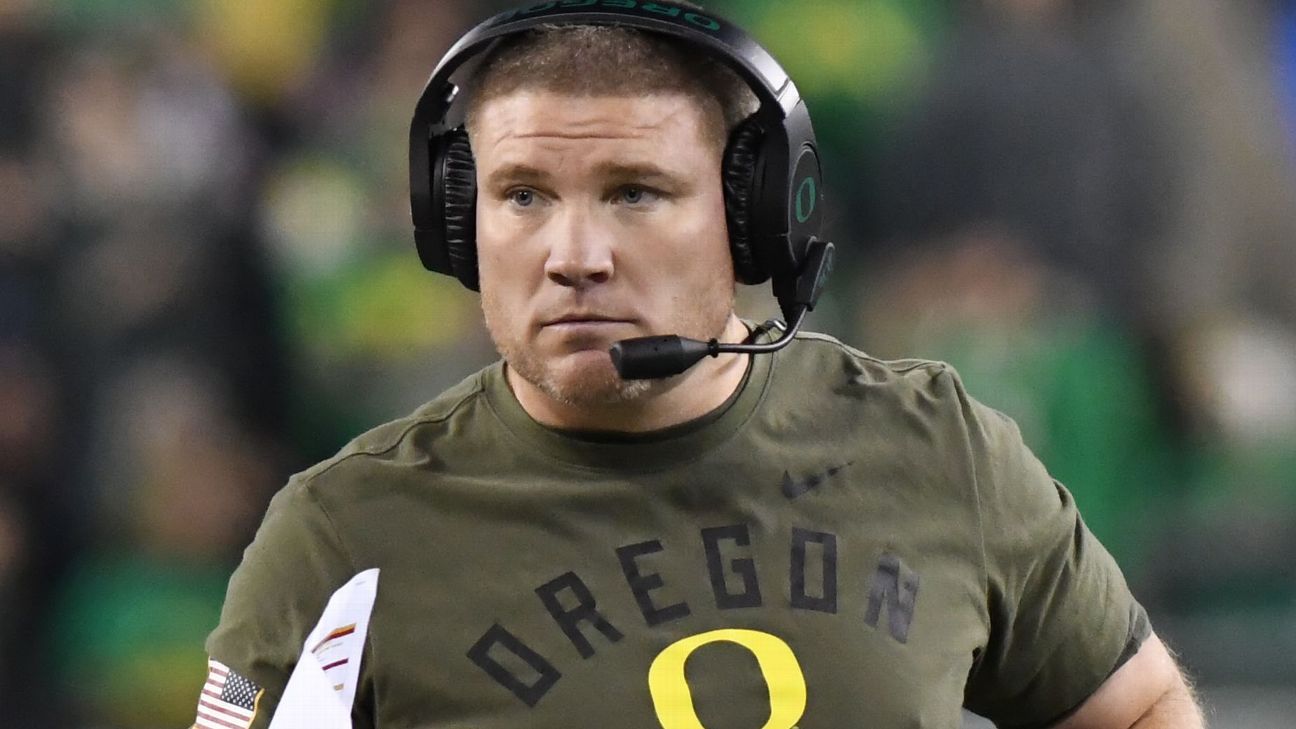
The college football landscape is experiencing a historic coaching realignment, with Will Stein's appointment as Kentucky's head coach marking the sixth SEC school to hire a new coach this season. This unprecedented wave—following similar moves by Arkansas, Florida, LSU, Auburn, and Ole Miss—signals a fundamental shift in how elite programs are evaluating leadership and offensive innovation. Stein's hiring from Oregon represents a calculated bet that proven quarterback development and offensive excellence can reverse Kentucky's trajectory after Mark Stoops' 13-year tenure ended with two consecutive losing seasons, including a devastating 41-0 loss to Louisville.
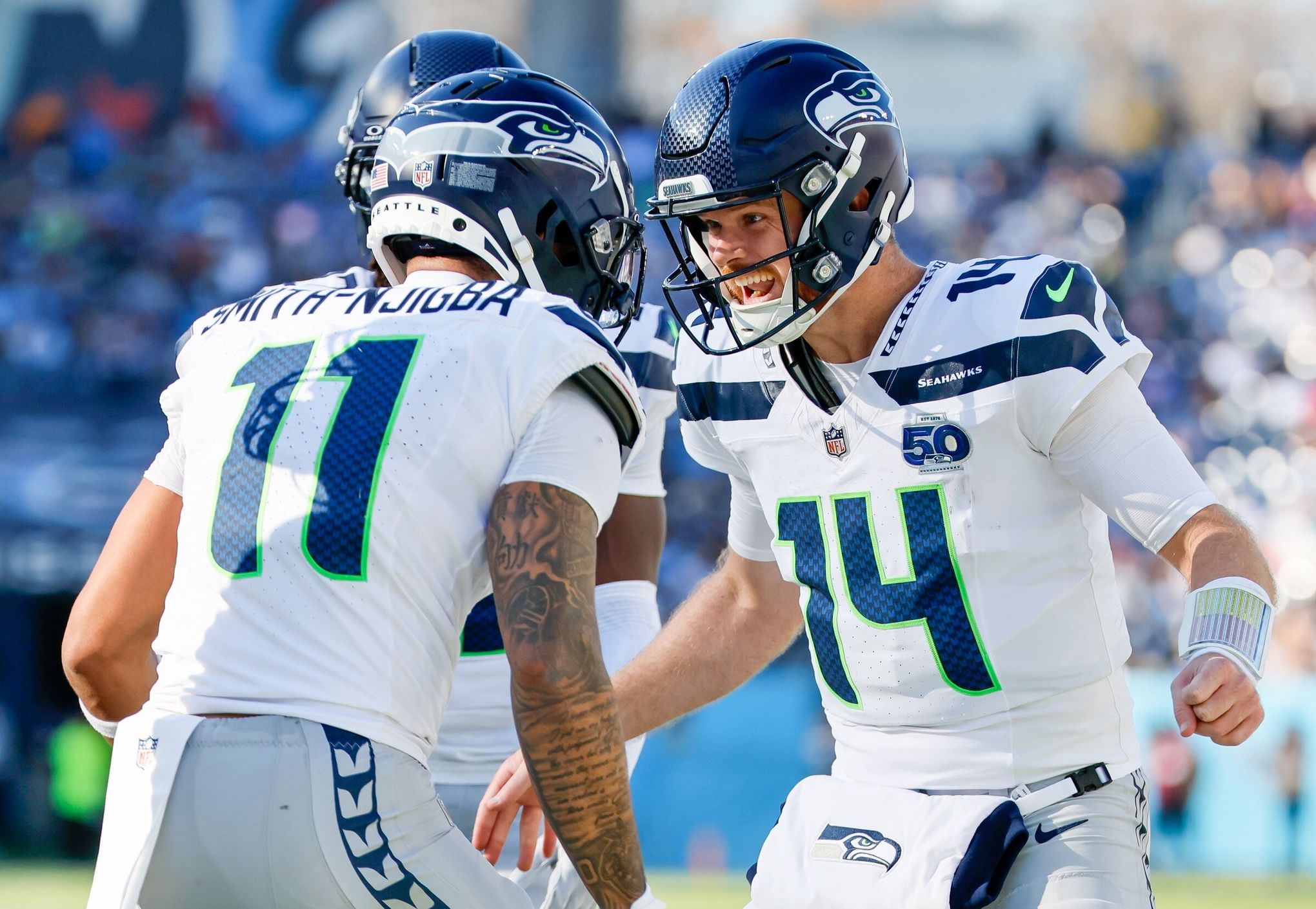
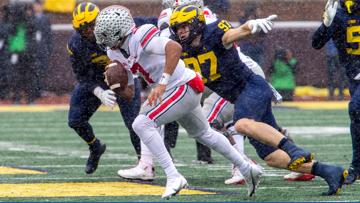
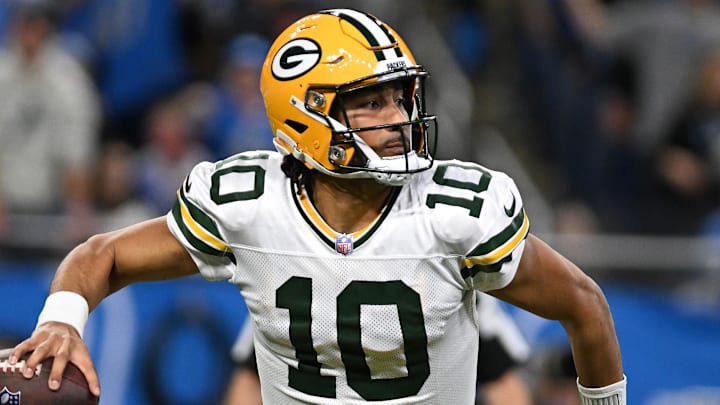
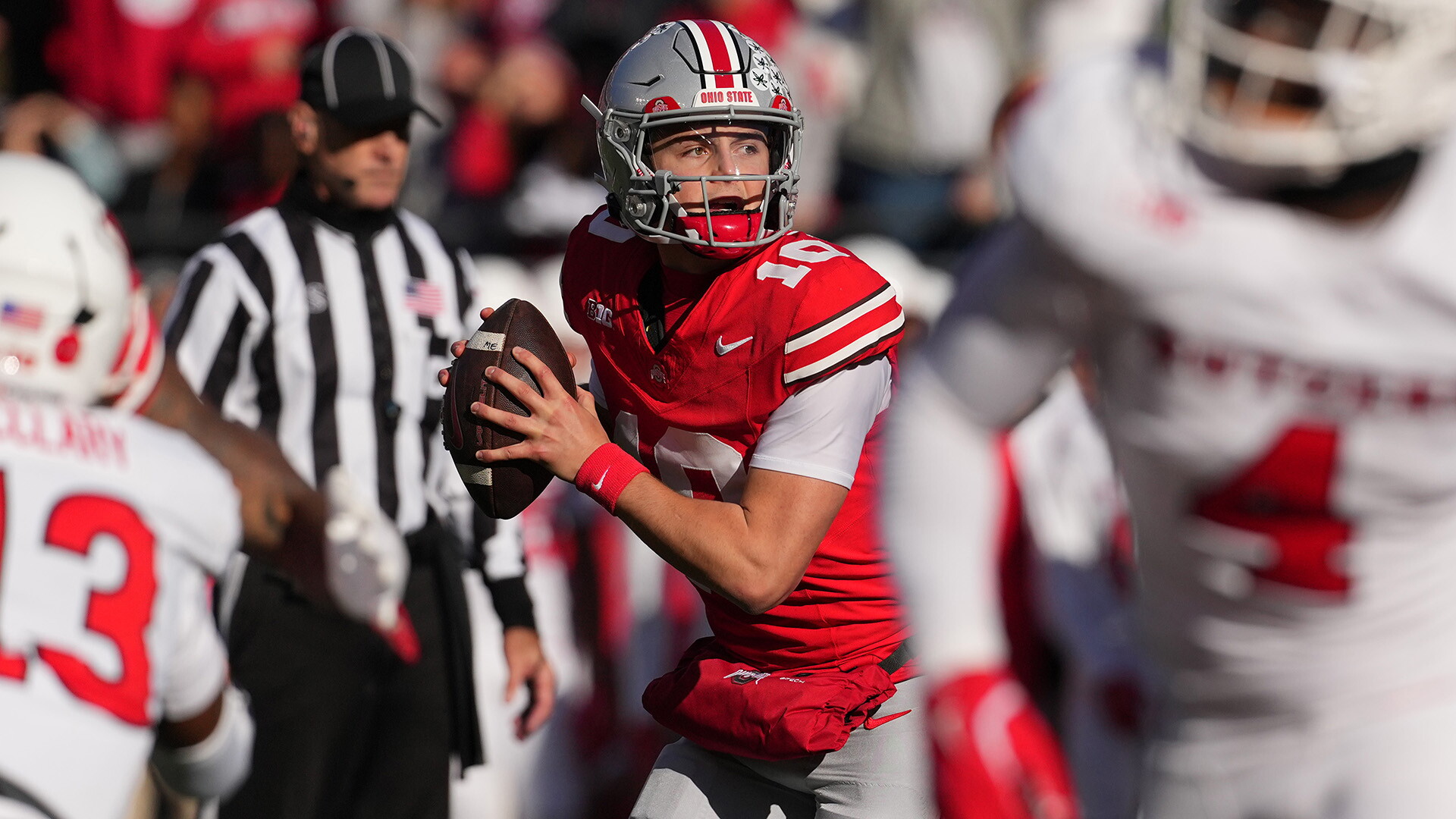
The underlying logic driving these changes becomes clear when examining Stein's track record. During his three seasons at Oregon (2023-2025), he developed two Heisman Trophy finalists—Bo Nix in 2023 and Dillon Gabriel in 2024—both of whom have already started multiple NFL games in their rookie seasons. This isn't coincidental success; it reflects a systematic approach to quarterback development that translates directly to on-field performance. In 2024 alone, Oregon went 13-1, won the Big Ten championship, and earned the No. 1 College Football Playoff seed, with Dillon Gabriel throwing for 3,857 yards and 30 touchdowns. The 2025 Oregon offense ranked 9th nationally in scoring at 38.2 points per game with a balanced attack averaging 218.4 rushing yards and 246.8 passing yards. This offensive consistency—not flash or one-year anomalies—is what's driving the SEC's coaching overhaul.
What's particularly noteworthy is the timing and concentration of these changes. Six SEC schools making simultaneous coaching changes within a single offseason is extraordinary and reflects a competitive arms race around offensive innovation and quarterback development. Programs recognize that in the modern college football landscape, elite quarterback play is non-negotiable for sustained success. Stein's appointment signals that Kentucky is willing to invest heavily in this philosophy, bringing in someone with proven ability to elevate quarterback performance at the highest level. His background—a Kentucky native whose father played for UK, combined with his MBA and sport administration degree—suggests the program is seeking both continuity and strategic sophistication.
The broader context matters here: Stein will coach Oregon through the College Football Playoff before transitioning to Kentucky, a decision that demonstrates his commitment to both programs and reflects the increasingly complex logistics of modern coaching transitions. This staggered approach has become standard practice, allowing outgoing coordinators to finish their current season while preparing for new roles. For Kentucky specifically, this means the program gains time to build infrastructure and messaging around the coaching change while Stein completes his Oregon obligations.
The competitive implications extend beyond Kentucky's borders. When six SEC schools simultaneously pursue new leadership, it creates a ripple effect across the entire conference and beyond. Programs must either accelerate their own coaching decisions or risk falling further behind in the talent development arms race. The SEC's historical dominance in college football has always rested on recruiting and player development; this coaching carousel suggests programs are doubling down on the offensive innovation component as a differentiator. For Stein, the challenge is clear: translate Oregon's offensive success into a program that has struggled to compete in the SEC's brutal conference schedule. His proven ability to develop elite quarterbacks provides a foundation, but Kentucky's recent performance—including that 41-0 loss to Louisville—indicates the program needs comprehensive rebuilding, not just offensive tweaks.
Questions 5
What are the key risk factors for Stein's success at Kentucky despite his Oregon track record?
While Stein's quarterback development credentials are exceptional, Kentucky's recent performance (41-0 loss to Louisville, two consecutive losing seasons) indicates systemic program challenges beyond offensive coordination. The SEC's defensive sophistication and recruiting depth differ significantly from the Big Ten environment where Stein succeeded. Additionally, Mark Stoops' $40 million remaining compensation obligation signals financial constraints that may limit Stein's ability to invest in comprehensive program rebuilding. Success will require not just offensive innovation, but also defensive improvement and cultural transformation across the entire program.
What's the strategic significance of Stein coaching Oregon through the College Football Playoff before joining Kentucky?
This staggered transition has become standard practice in modern college football, allowing Stein to complete his current obligations while giving Kentucky time to build infrastructure and messaging around the coaching change. It also demonstrates Stein's commitment to both programs and reflects the increasingly complex logistics of high-level coaching transitions. For Kentucky, the delay provides a runway to prepare the program for his arrival, though it also means the program operates in a transitional state during a critical recruiting period.