

Dak Prescott's Leadership Playbook: Turning Team Challenges into Strategic Resilience
- How Individual Commitment Transforms Organizational Performance in High-Stakes Environments












Overview
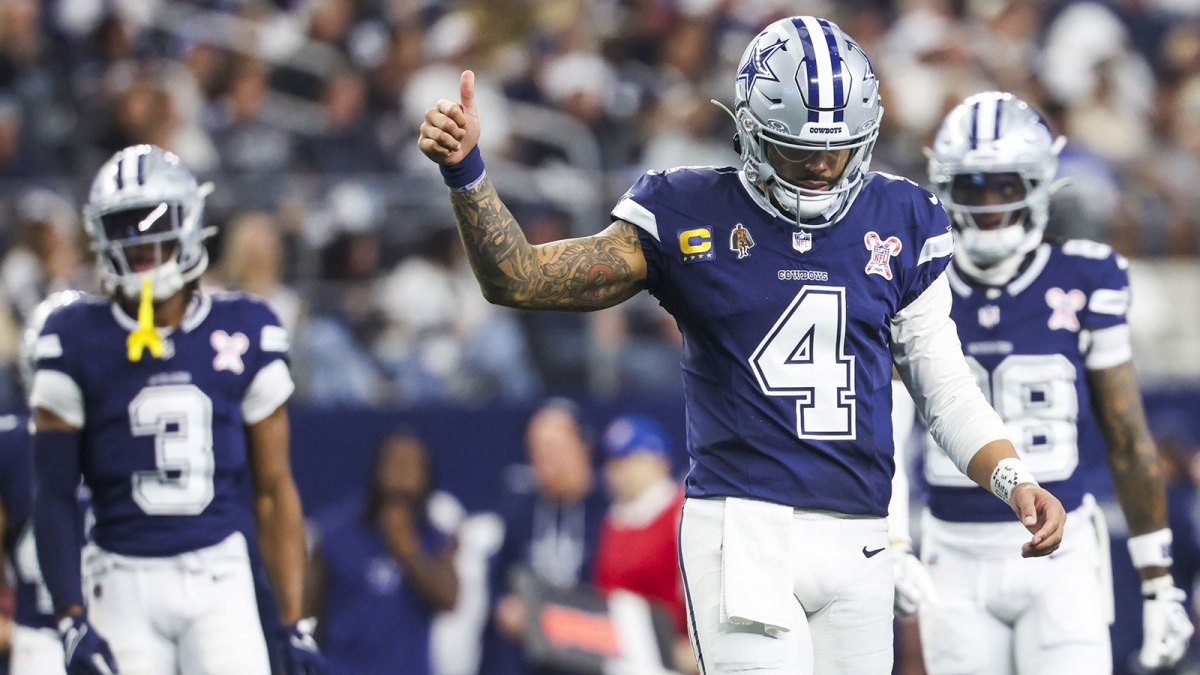
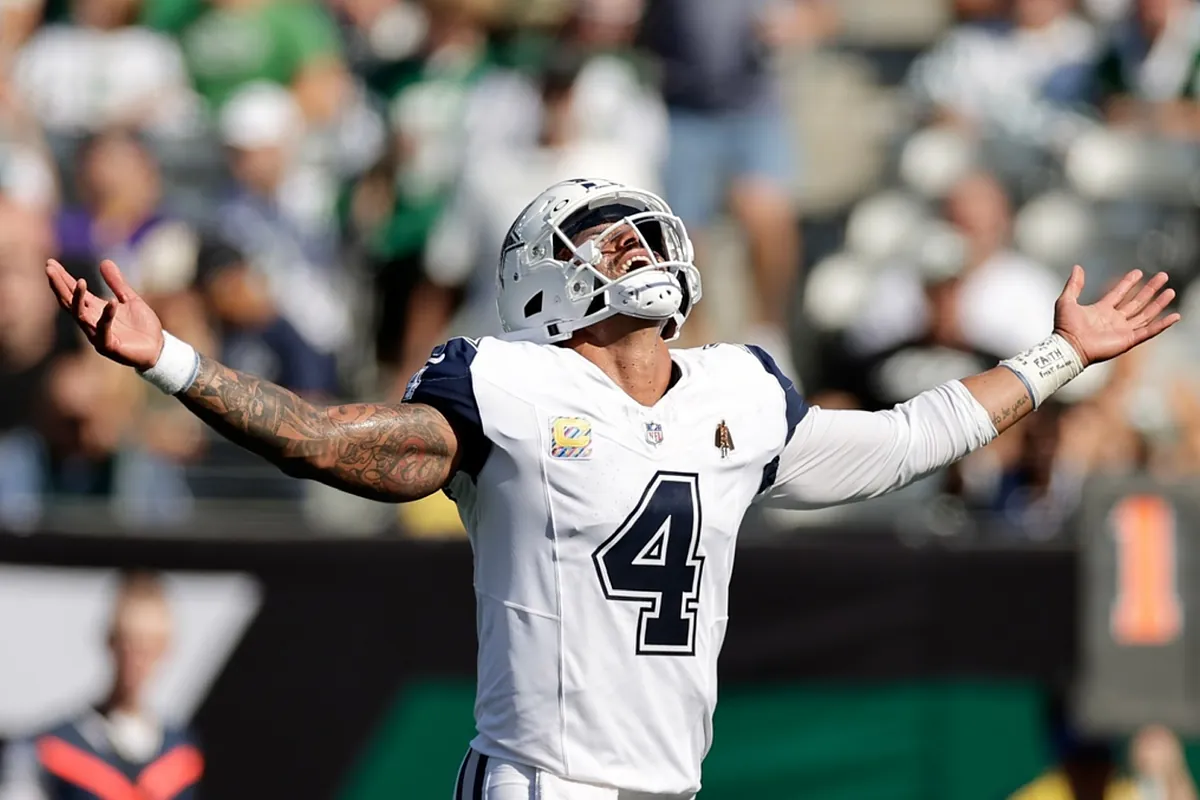
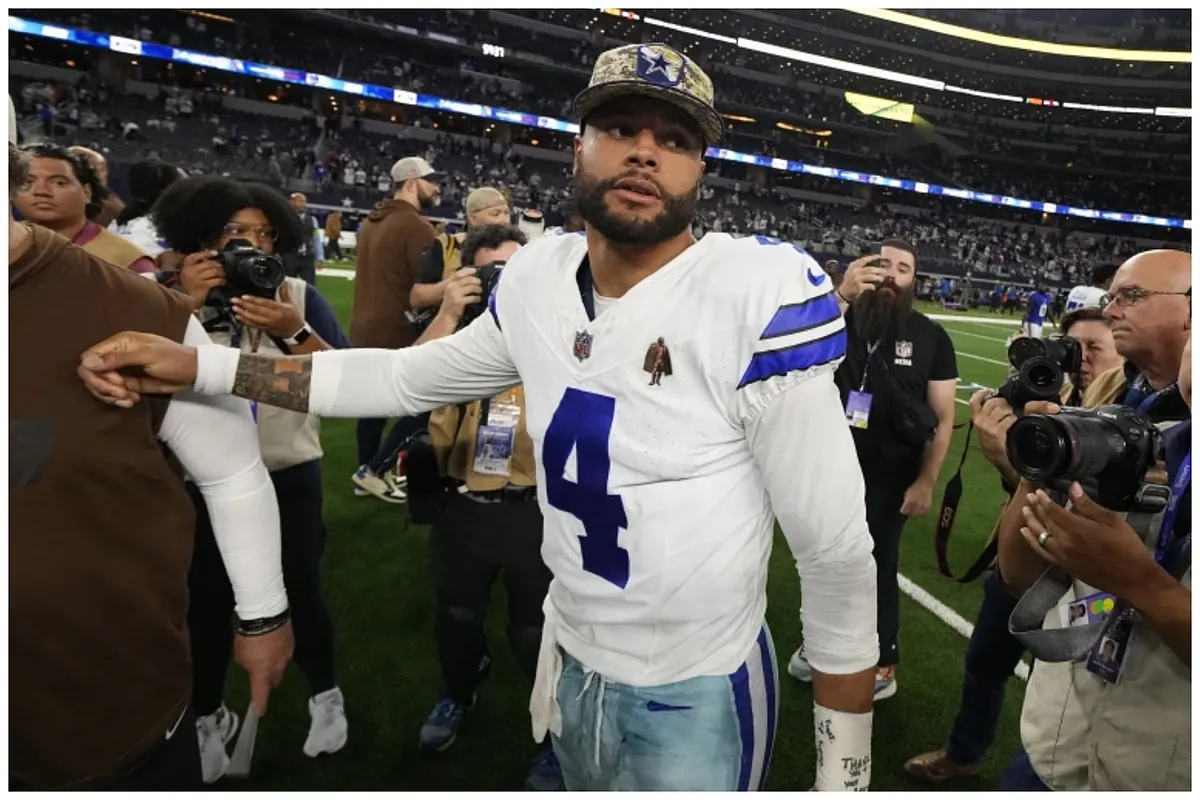
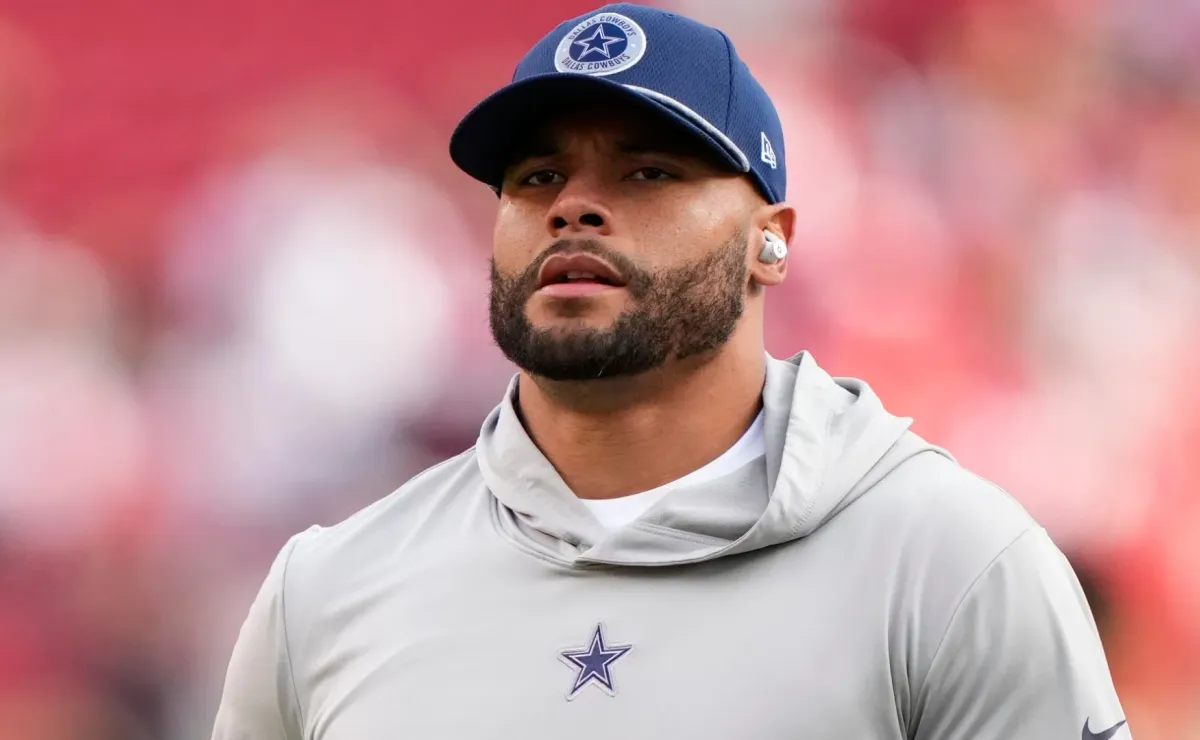
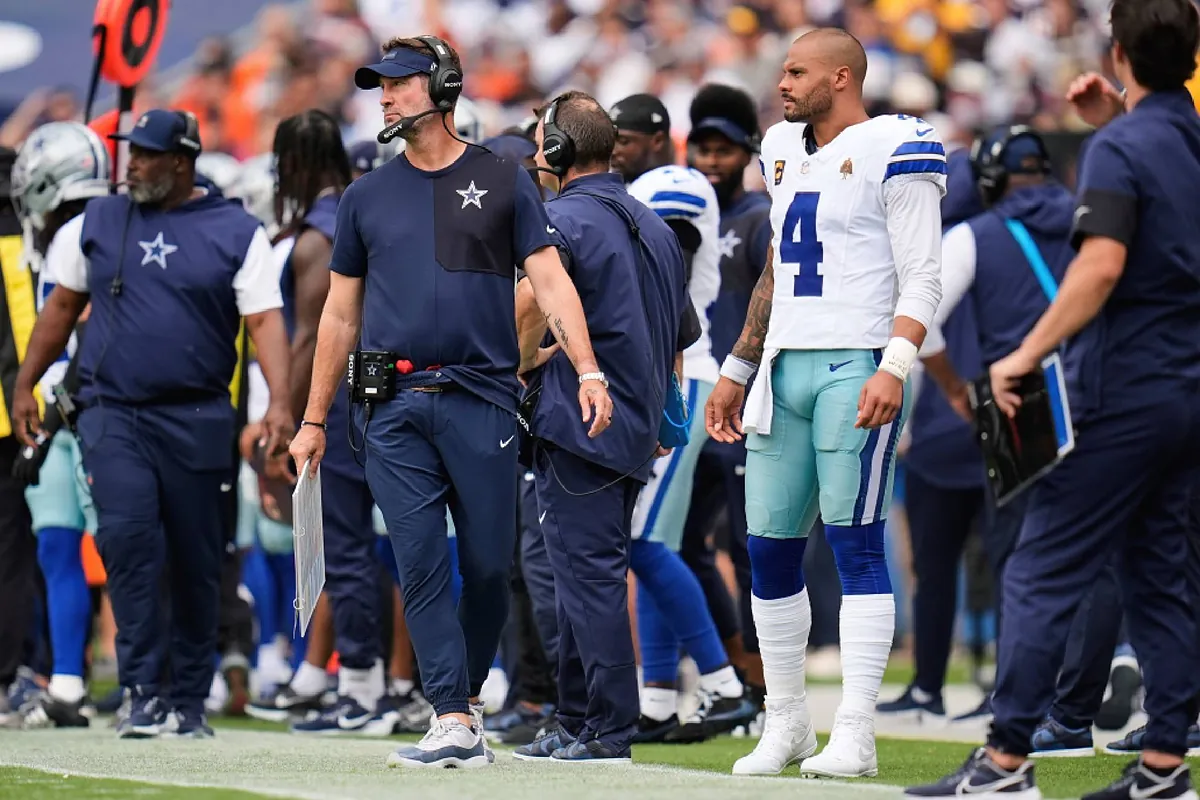
In the high-pressure world of professional sports, leadership resilience emerges as a critical differentiator between mere performance and transformative success. The Dallas Cowboys' current narrative, centered around quarterback Dak Prescott, offers a masterclass in navigating organizational challenges through personal accountability and strategic vision.
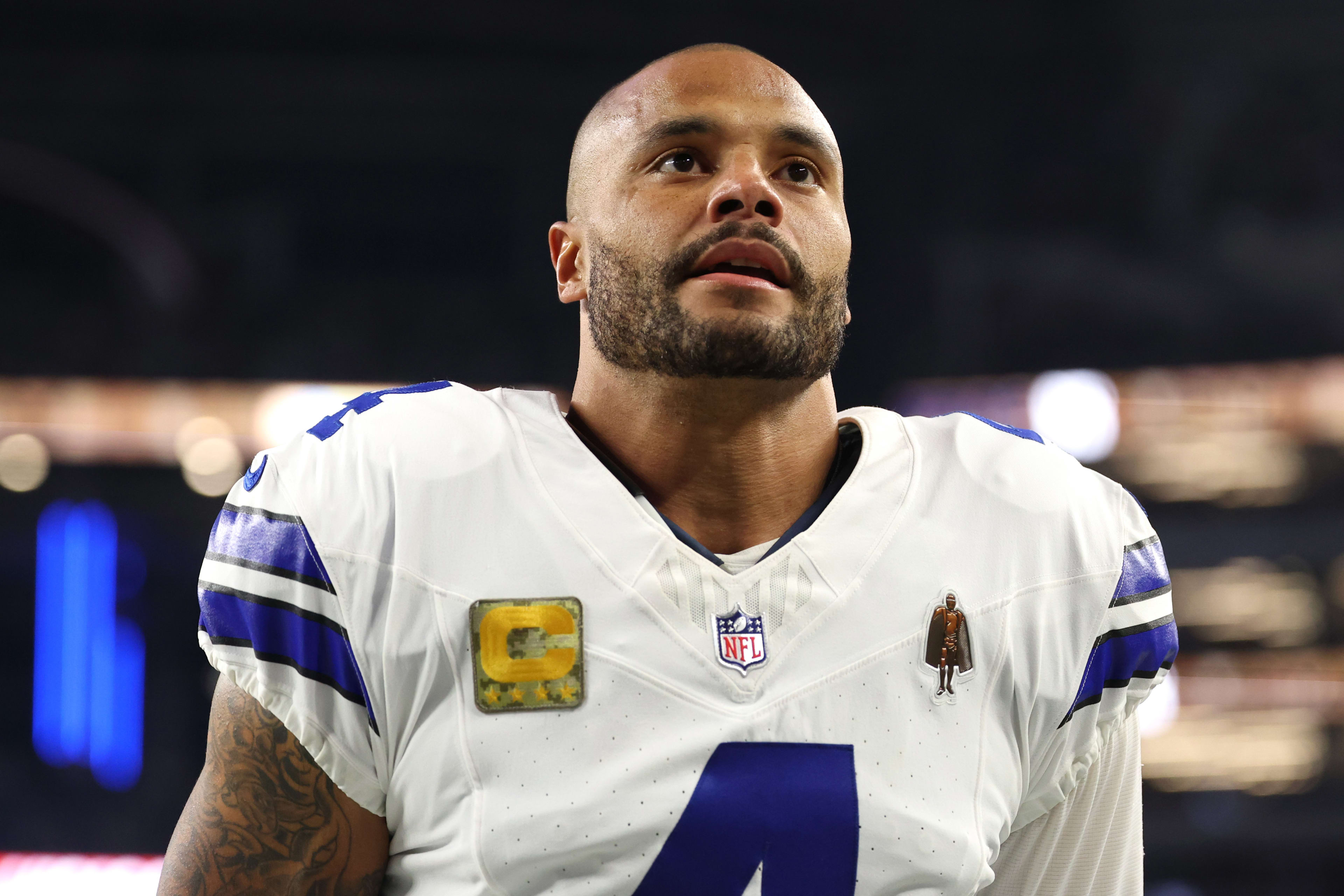
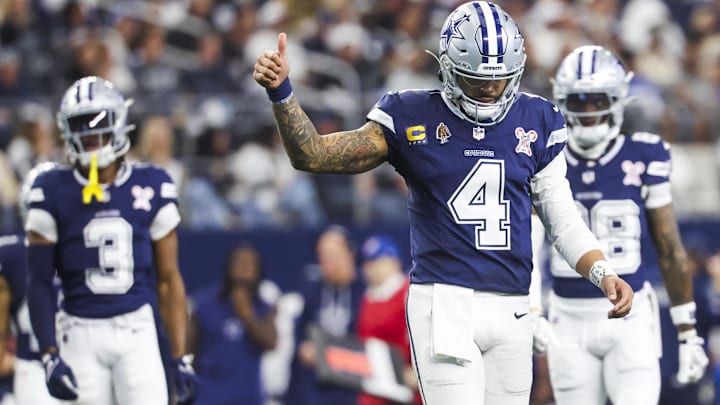
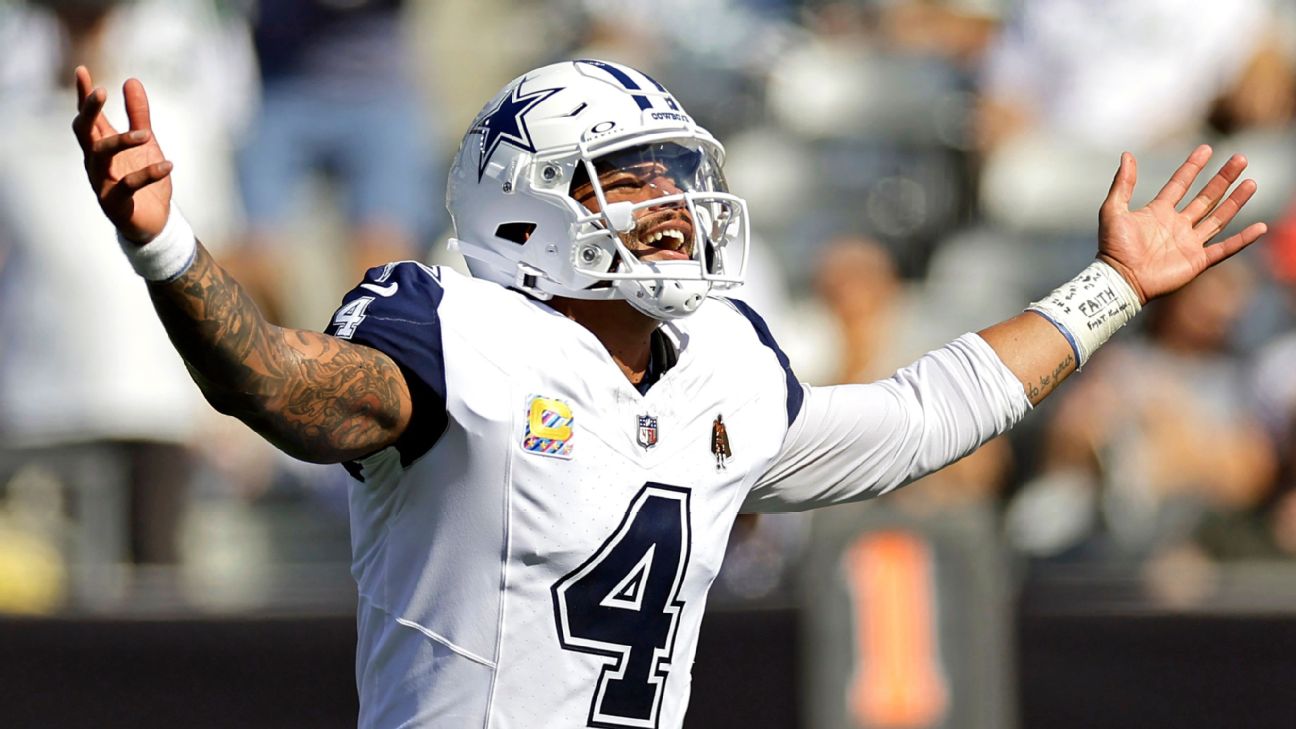
Despite facing a potentially devastating season with a 6-8-1 record and the risk of back-to-back losing seasons, Prescott has transformed potential defeat into a strategic opportunity for reinvention. His commitment goes beyond statistical performance—with 4,175 passing yards, 28 touchdowns, and a fourth Pro Bowl selection—and delves into the deeper realm of organizational culture reconstruction.
Prescott's approach reveals several critical leadership principles. First, he refuses to disengage during challenging periods, choosing to play all 17 games and maintain professional standards. This signals a fundamental leadership philosophy: commitment is most valuable precisely when circumstances are most difficult. By publicly guaranteeing a 2026 turnaround, he's not just making a prediction but establishing a psychological contract with his team and fans.
The Cowboys' situation mirrors broader business challenges: persistent underperformance requires more than tactical adjustments. It demands a holistic reimagining of team dynamics, individual roles, and collective potential. Prescott's strategy of taking a more active role in team strategy demonstrates how individual leadership can catalyze systemic transformation.
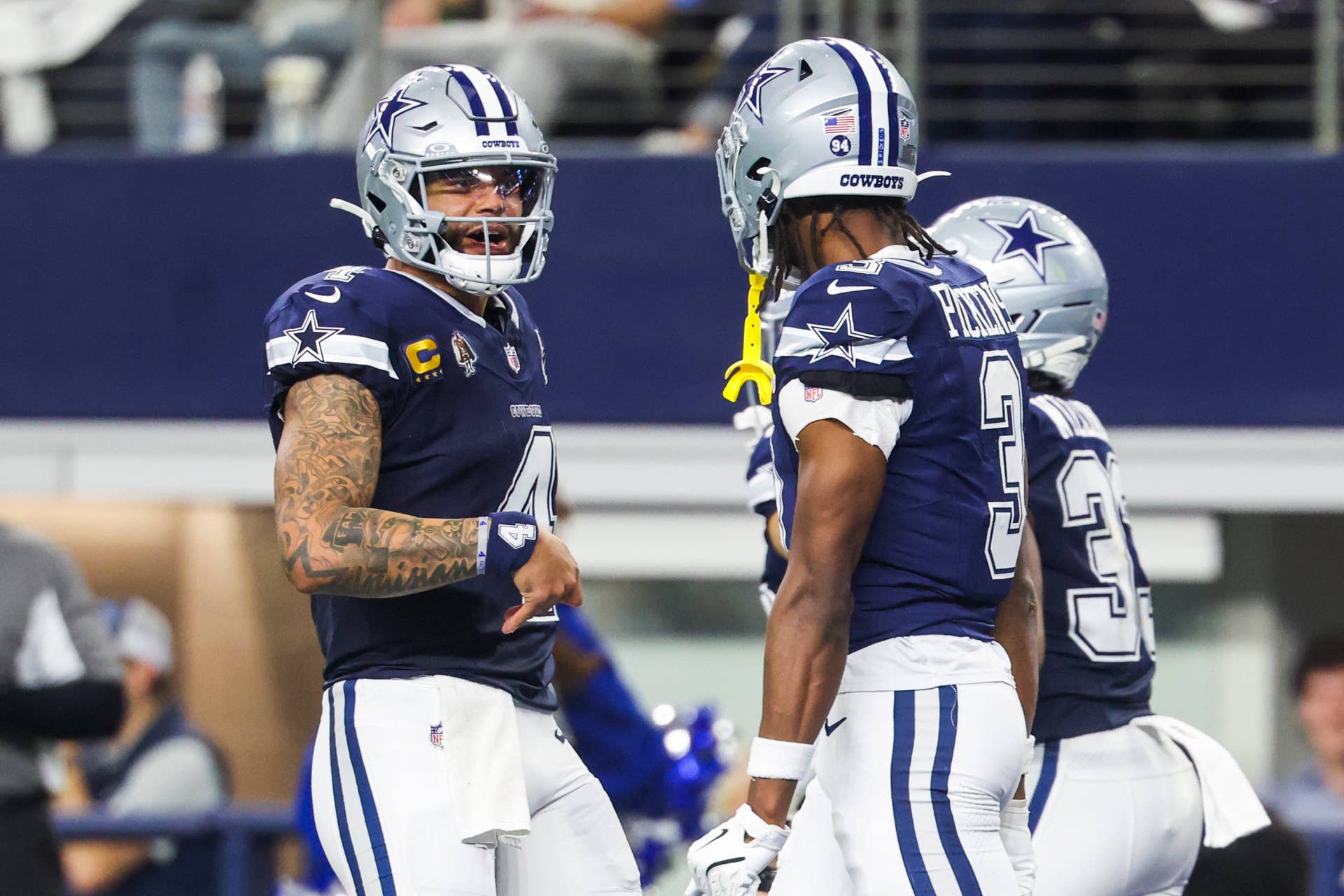
Critically, his approach balances individual excellence with collective accountability. While breaking Tony Romo's passing records, he consistently emphasizes team performance over personal accolades. This nuanced leadership style—celebrating individual achievements while maintaining focus on collective goals—provides a blueprint for navigating complex organizational landscapes.
For leaders across industries, Prescott's narrative offers a compelling case study: true resilience isn't about avoiding failure, but about maintaining commitment, vision, and strategic adaptability in its face.
Questions 3
What can business leaders learn from Prescott's strategy?
Prescott demonstrates that leadership during challenging times requires maintaining commitment, being transparent about challenges, and focusing on long-term vision. His approach shows how individual accountability can drive systemic organizational change.
How does Dak Prescott's leadership approach differ from traditional sports management?
Unlike traditional approaches that might focus solely on game performance, Prescott emphasizes holistic team transformation. He takes personal responsibility for strategic improvements, publicly commits to future success, and maintains professional standards even during challenging seasons.