





Phoenix Suns Dominate Lakers in Defensive Showcase as Western Conference Hierarchy Shifts
- Suns' 125-108 victory signals emerging competitive balance in the West, with depth and defensive intensity becoming the differentiator in playoff positioning
















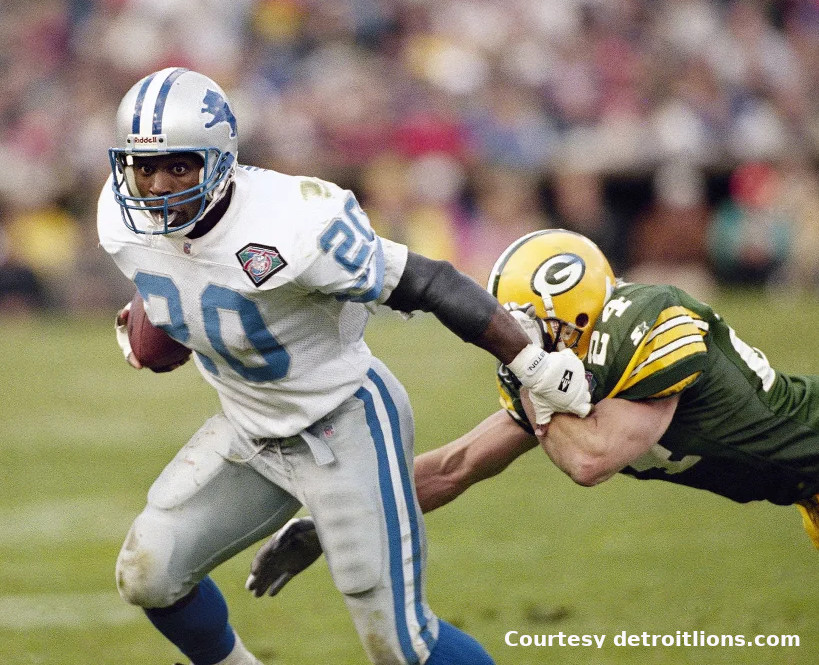
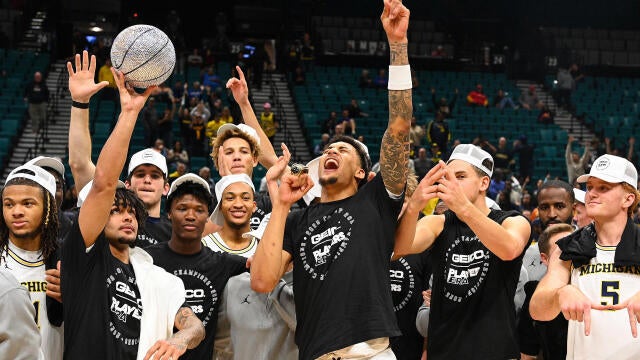





























.jpg?w=3800&h=2000)











































































.jpg)






























































.jpg?w=3800&h=2000)































































.jpg)




























Overview
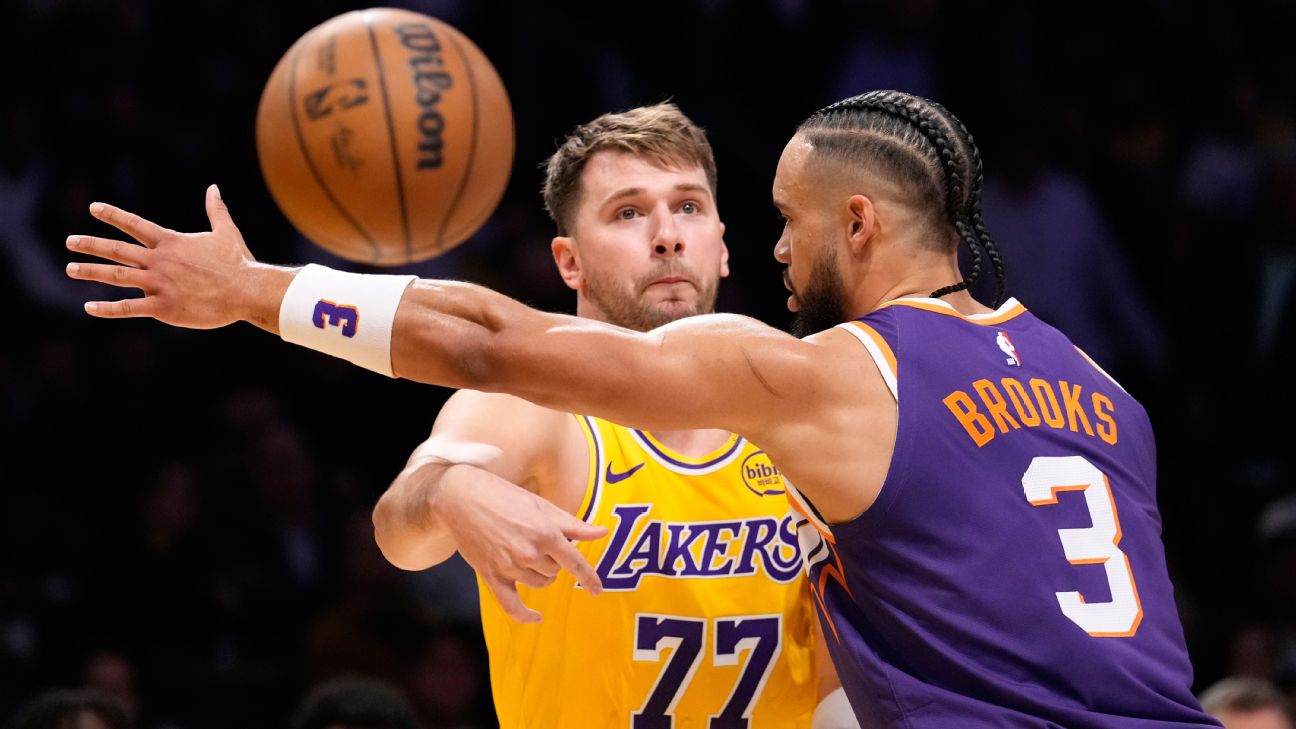
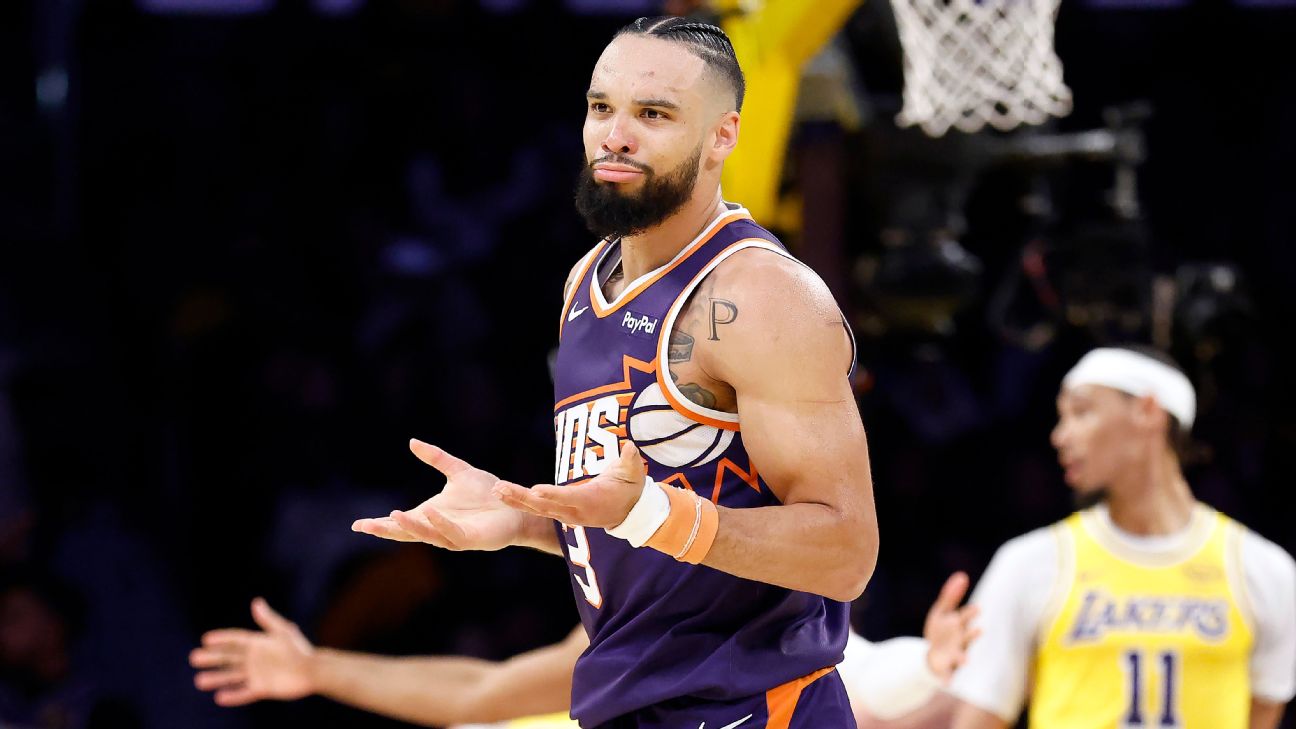
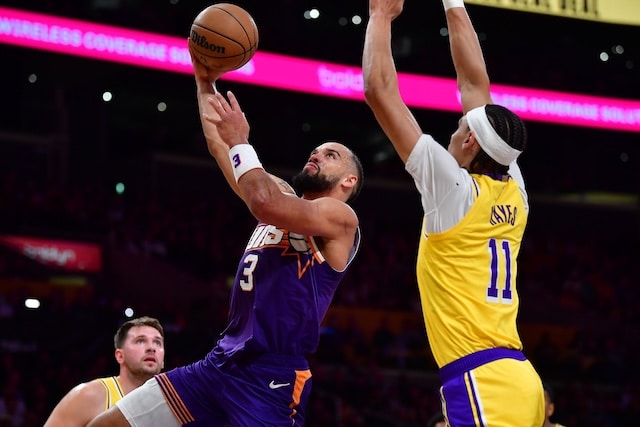
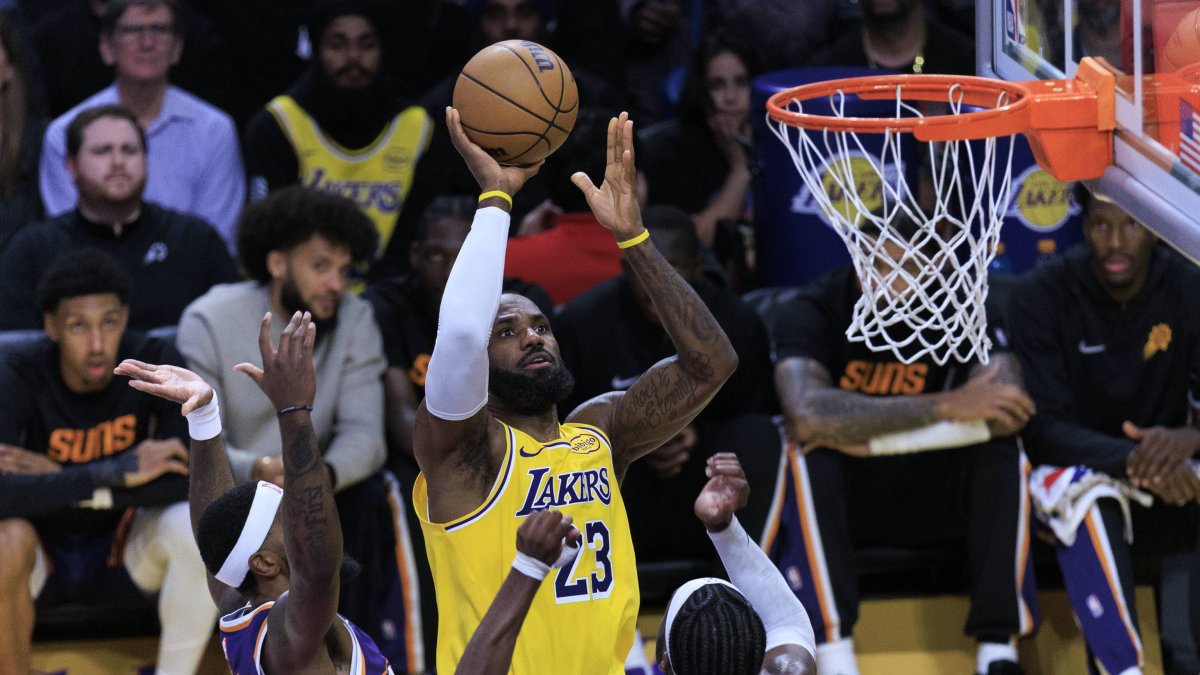
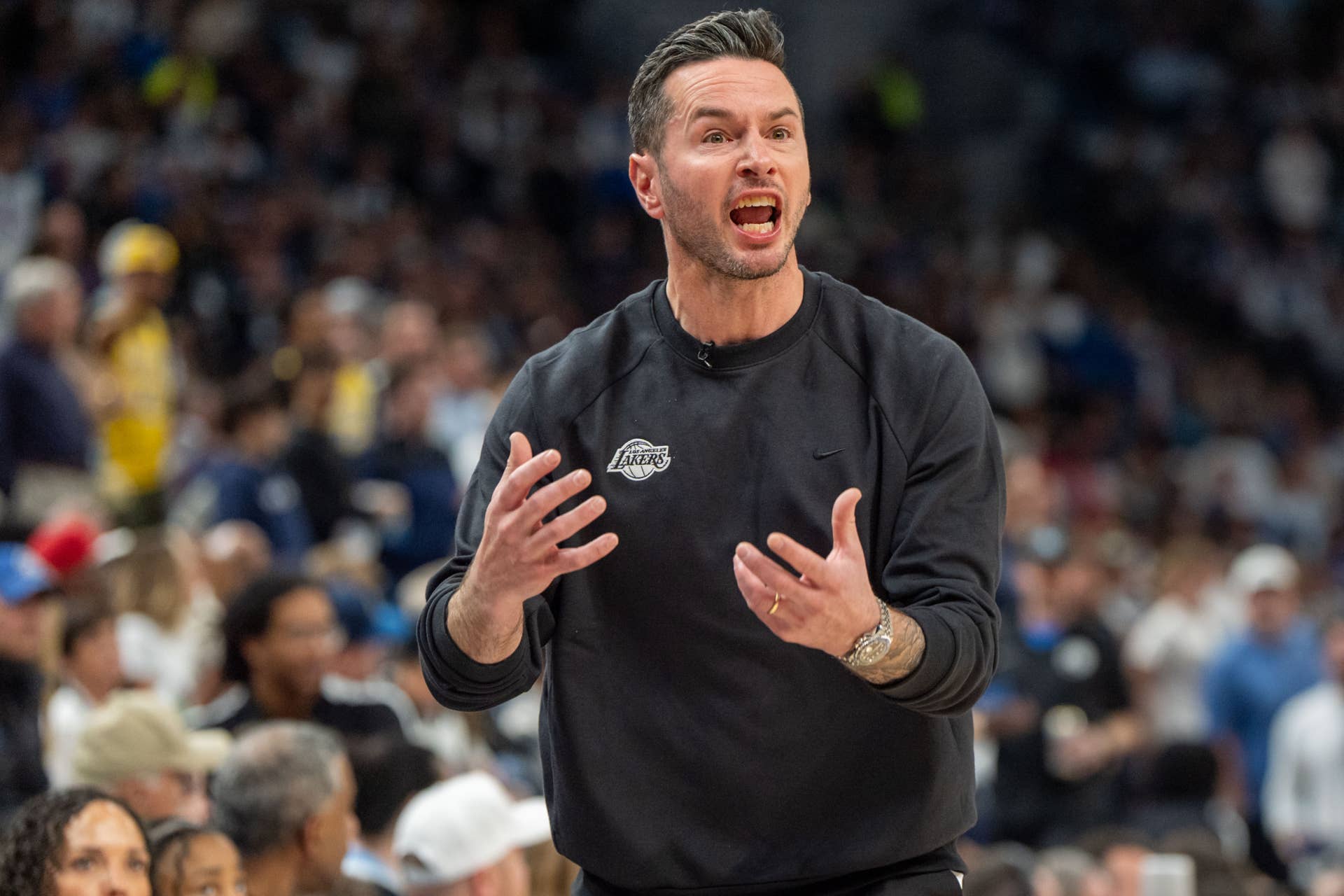
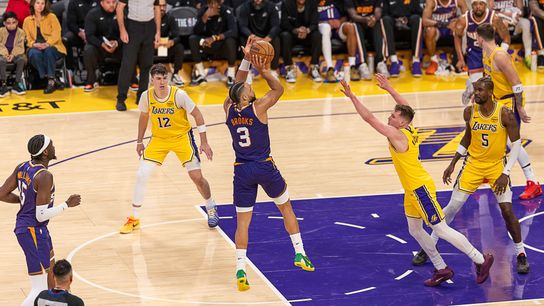
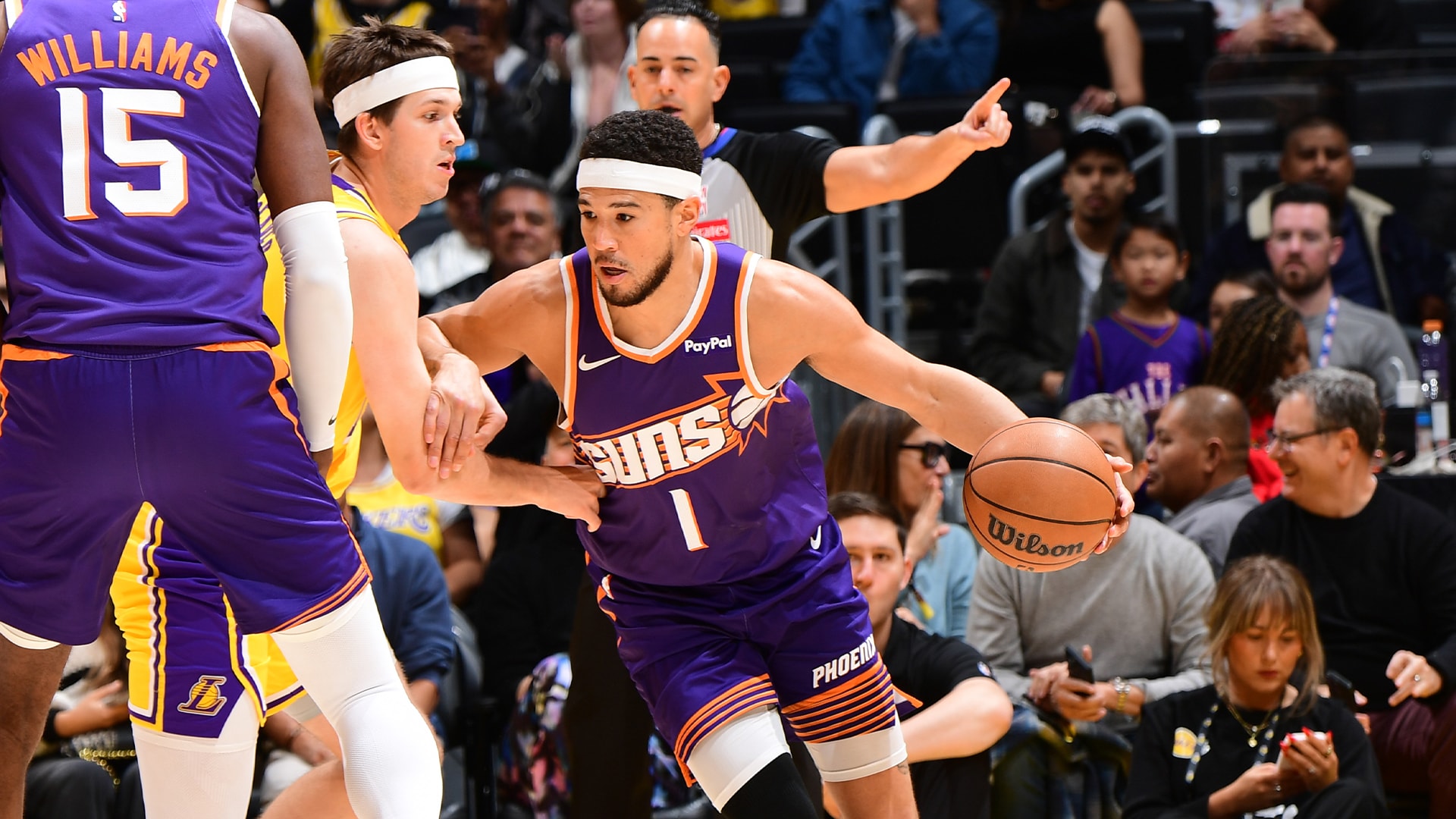
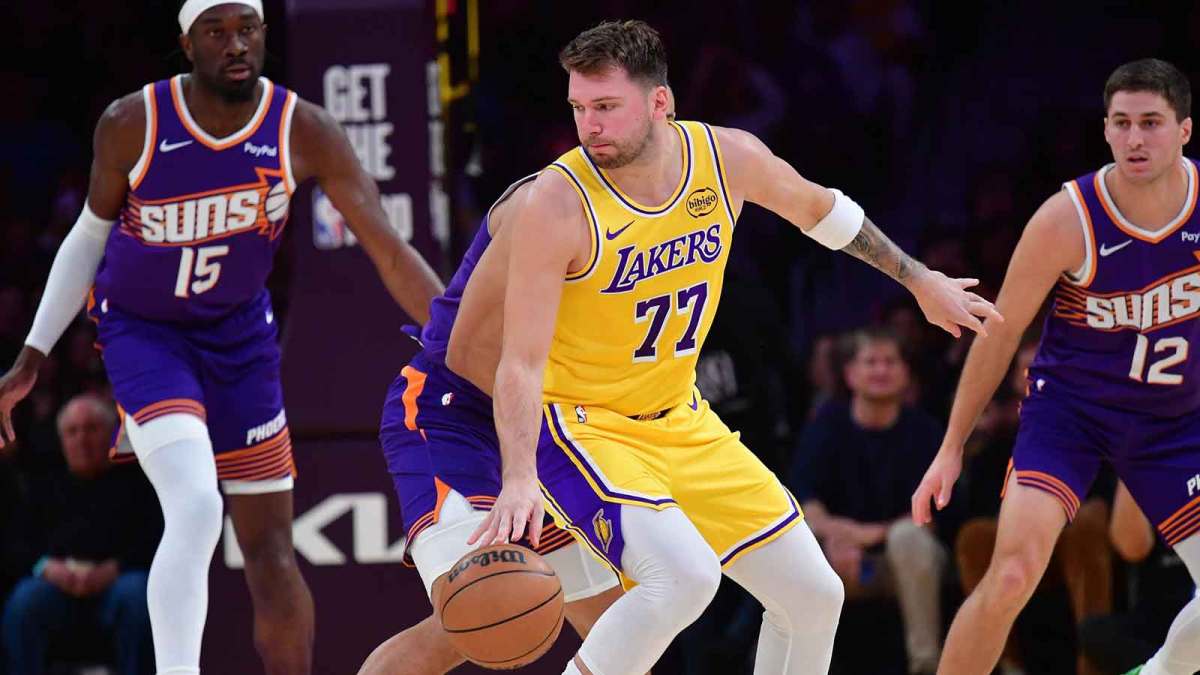
The Phoenix Suns' 125-108 victory over the Los Angeles Lakers on December 1st represents more than a single game result—it marks a critical inflection point in Western Conference dynamics where defensive execution and roster depth are reshaping competitive hierarchies. The Suns' dominant performance, powered by Dillon Brooks' 33-point explosion and balanced scoring contributions, exposed a fundamental vulnerability in the Lakers' current construction: their inability to maintain defensive intensity when key players face adversity.
Looking at the structural factors at play, the Suns' victory becomes particularly significant when contextualized against the Lakers' seven-game winning streak that preceded this loss. The Lakers entered the game as the conference's second-best team at 15-5, yet the Suns' methodical dismantling—building a commanding 66-52 halftime lead and maintaining a 19-point advantage entering the fourth quarter—suggests the gap between elite and contending teams is narrower than standings indicate. This is where the underlying competitive story emerges: the Lakers' loss wasn't due to a single dominant performance by one opponent, but rather the Suns' ability to execute a complete team game despite losing Devin Booker to a right groin injury in the first quarter. Booker's early exit forced Phoenix to lean on secondary scorers, yet the team still dominated. This reveals a critical insight about modern NBA competitiveness—roster depth and defensive schemes now matter more than star power alone. The Lakers, despite having LeBron James and strong supporting cast, managed only 10 points from James on 30% shooting, indicating that defensive pressure and systematic execution can neutralize even elite individual talent.
The timing of this shift carries strategic weight for the broader Western Conference playoff picture. The Suns' improvement to 13-9 and jump to sixth place, combined with their demonstrated ability to win without their second-best player, suggests they've crossed a threshold from "interesting experiment" to "legitimate threat." Meanwhile, the Lakers' drop to 15-5 while maintaining second place masks a concerning trend: their seven-game winning streak was built on favorable matchups and opponent injuries, not on the kind of defensive dominance the Suns displayed. The Oklahoma City Thunder remain the conference's top team, but the gap between second and sixth place is collapsing. This compression matters because it indicates the playoff seeding will be determined by consistency and depth rather than peak performance—a fundamental shift from previous seasons where star power alone could carry teams through the regular season.
From a competitive standpoint, what's particularly noteworthy is how the Suns' victory reflects a broader trend in elite NBA teams: defensive intensity and role-player execution are becoming the true differentiators. Brooks' 33-point performance wasn't a one-man show; it was enabled by the Suns' ability to generate open looks through ball movement and defensive stops. The Lakers, conversely, struggled to generate offensive rhythm precisely because they couldn't establish defensive stops. This suggests that as the season progresses, teams that can maintain defensive discipline across all four quarters—regardless of injury circumstances—will separate themselves from those relying on star-driven offense. The Suns' win without Booker for most of the game demonstrates this principle in action.
Questions 5
Which team is better positioned for a playoff run: the Lakers or Suns?
Based on this game, the **Suns appear better positioned** despite their lower seed. They demonstrated the ability to win without their second-best player, maintain defensive intensity for all four quarters, and execute a complete team game. The Lakers, while still strong, showed vulnerability when their primary star faced defensive pressure. In playoff basketball where defenses intensify and series extend to seven games, the Suns' depth and defensive discipline provide a more reliable foundation than the Lakers' star-dependent model.
What does Dillon Brooks' 33-point performance indicate about the Suns' offensive system?
Brooks' explosion wasn't a one-man show but rather the product of the Suns' **ball movement and defensive-to-offensive transition efficiency**. The Suns generated open looks through systematic execution, suggesting their offense is built on team play rather than isolation-heavy schemes. This approach is more sustainable in playoffs where defenses tighten, making the Suns' system more resilient than star-dependent offenses.