


NFL Quarterback Injury Crisis Reshapes Week 14 Playoff Implications and Roster Contingency Planning
- Justin Herbert's hand surgery and recovery timeline create uncertainty around the Chargers' playoff positioning and force teams to reassess backup quarterback depth across the league















































.jpg?w=3800&h=2000)












































.jpg?w=3800&h=2000)














































.jpg?w=3800&h=2000)






























Overview
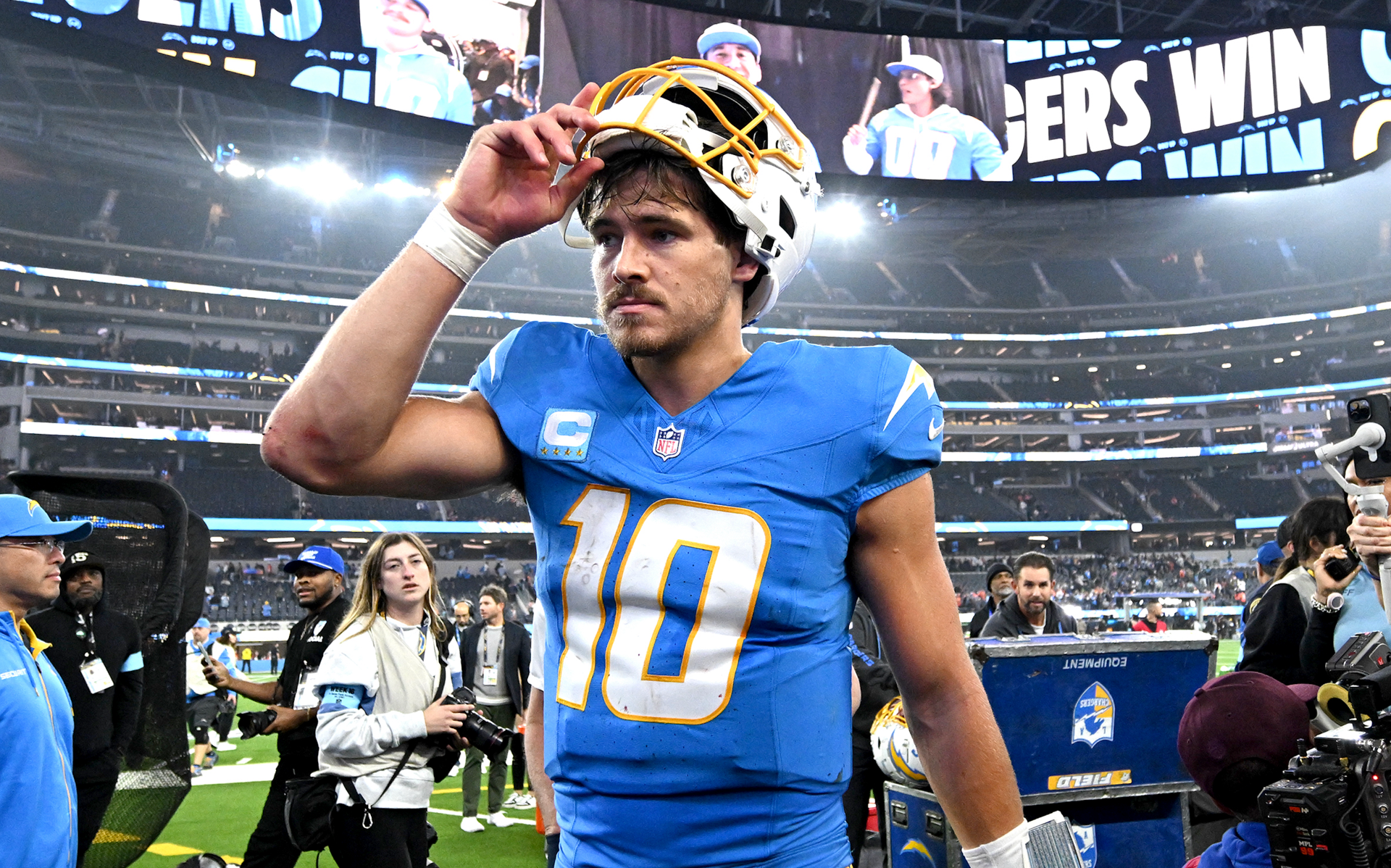
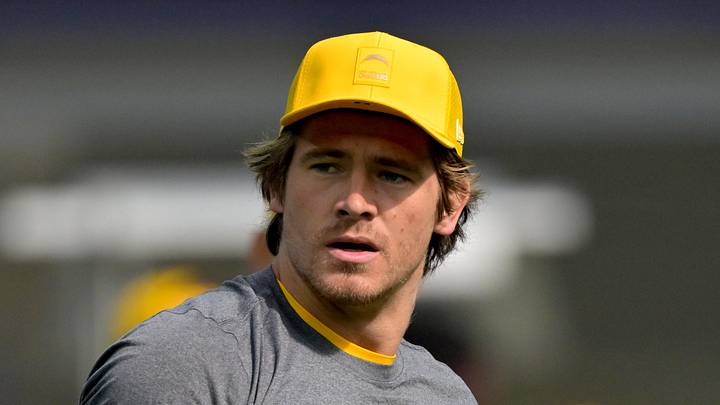
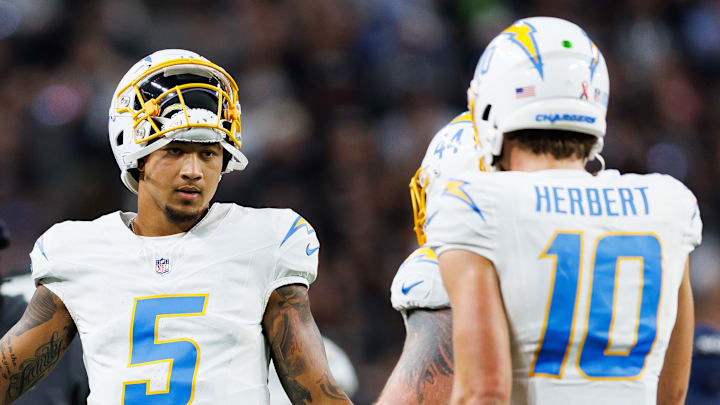
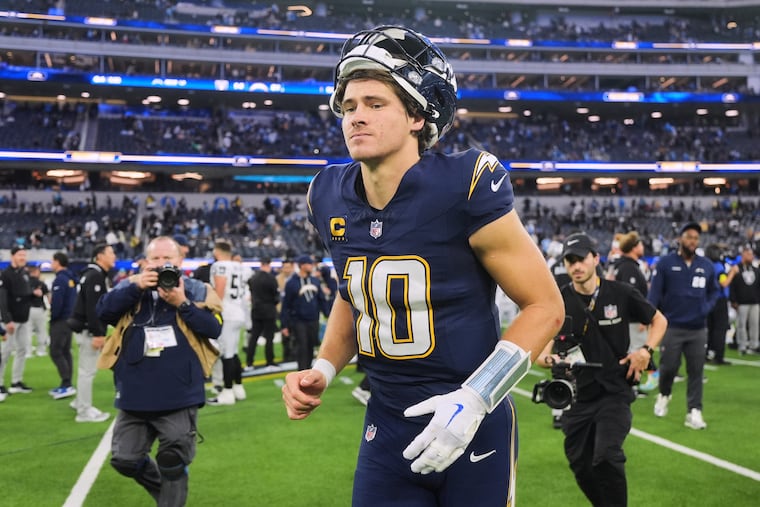
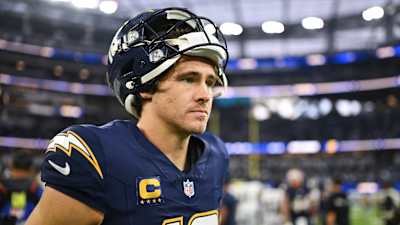
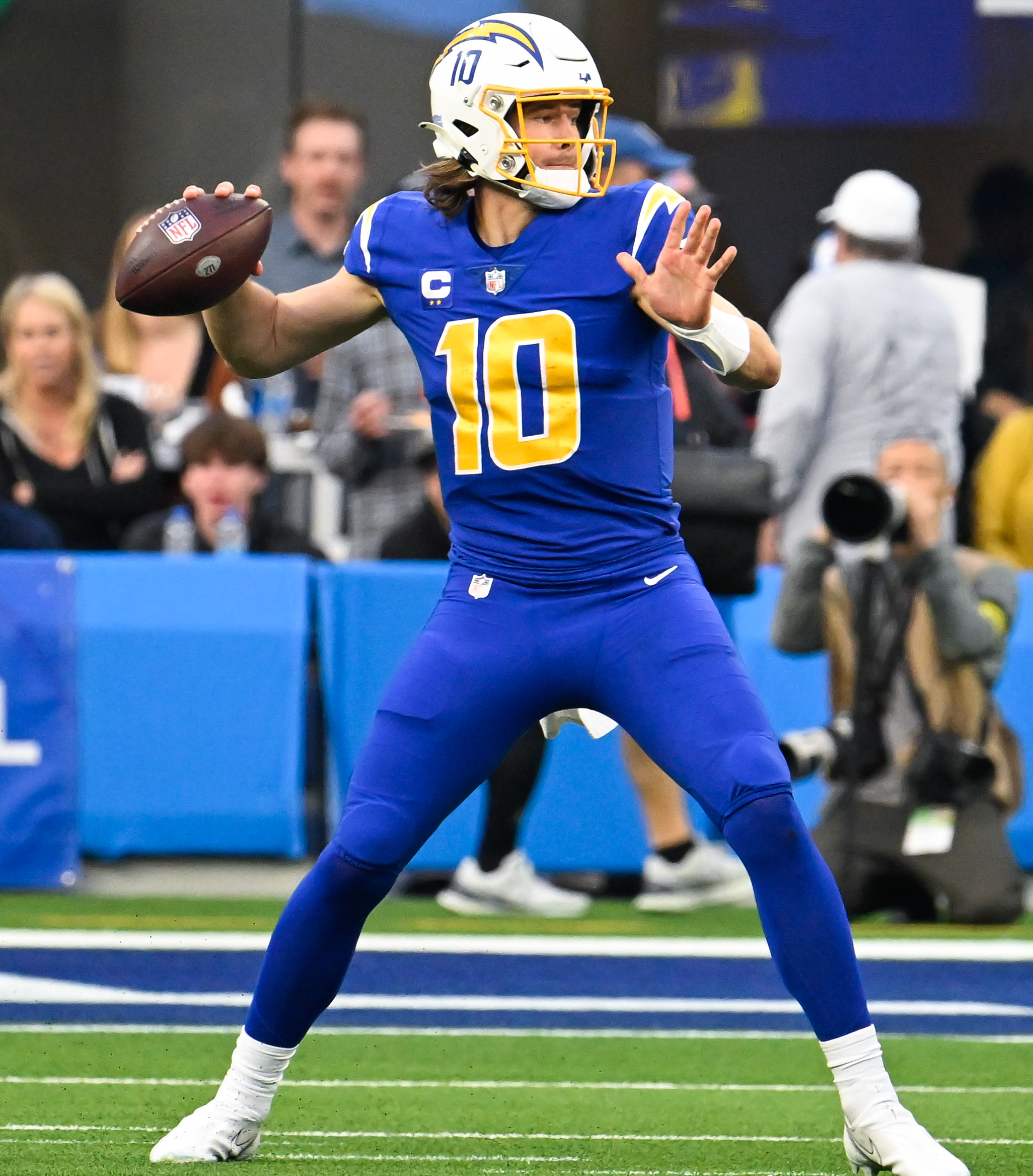
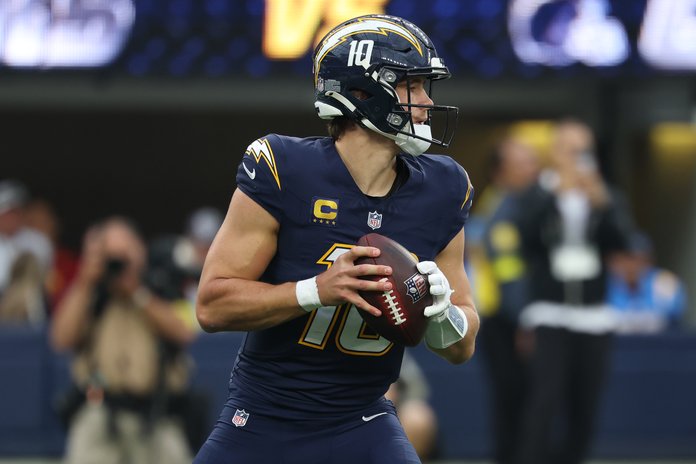
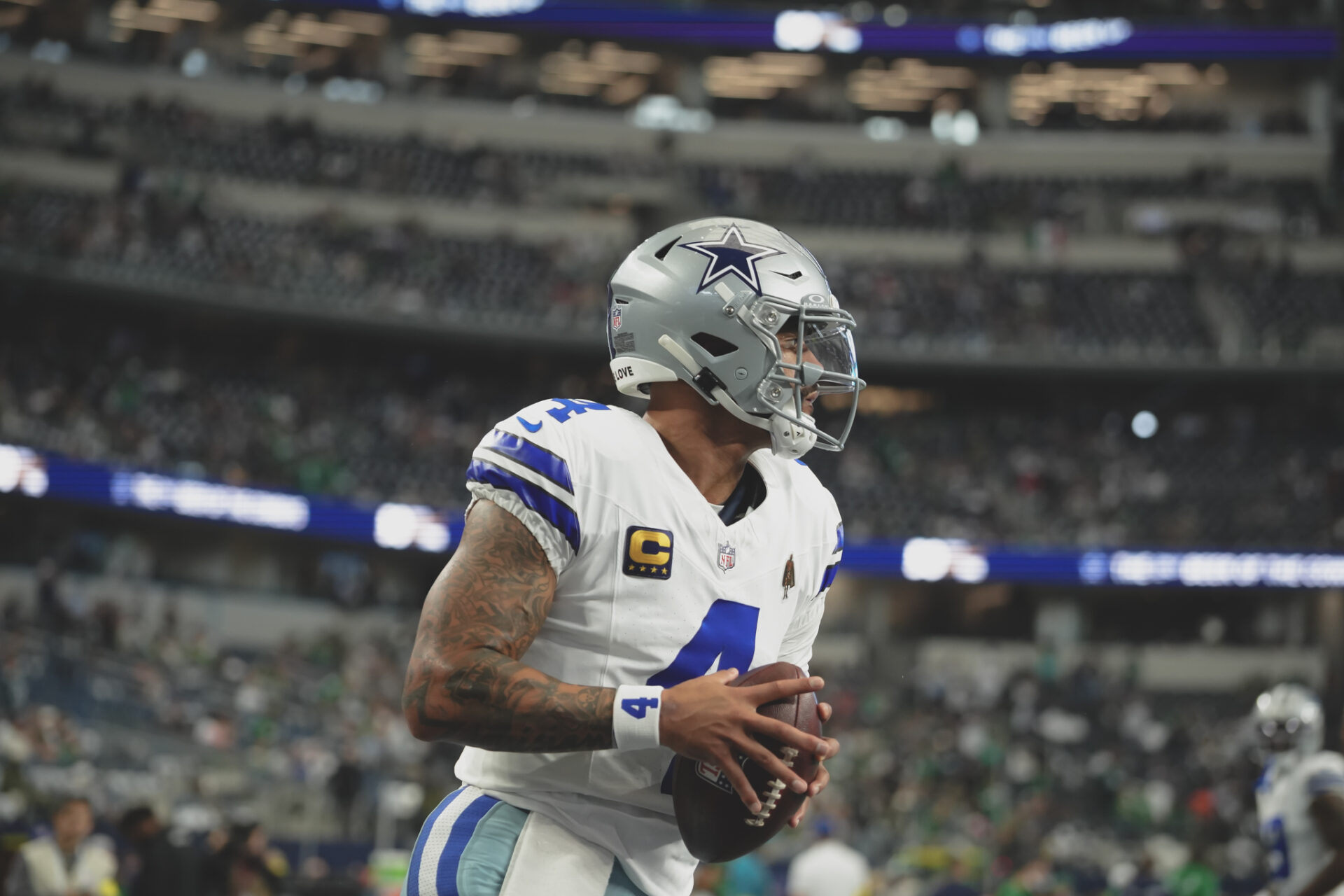
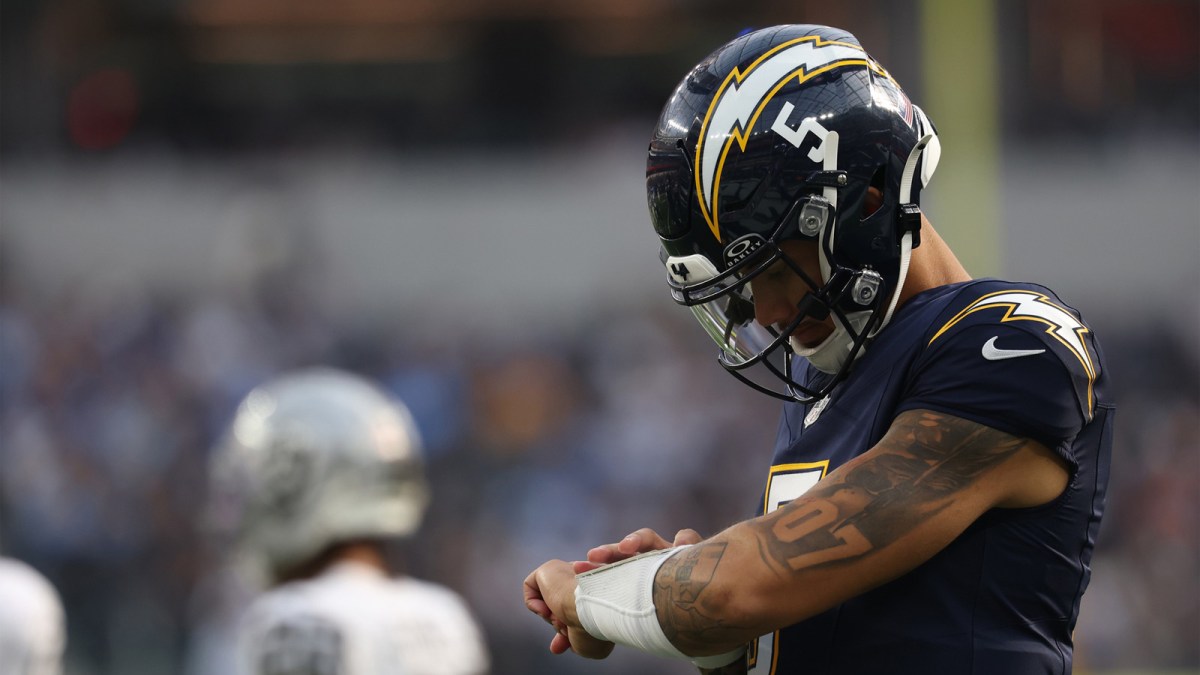
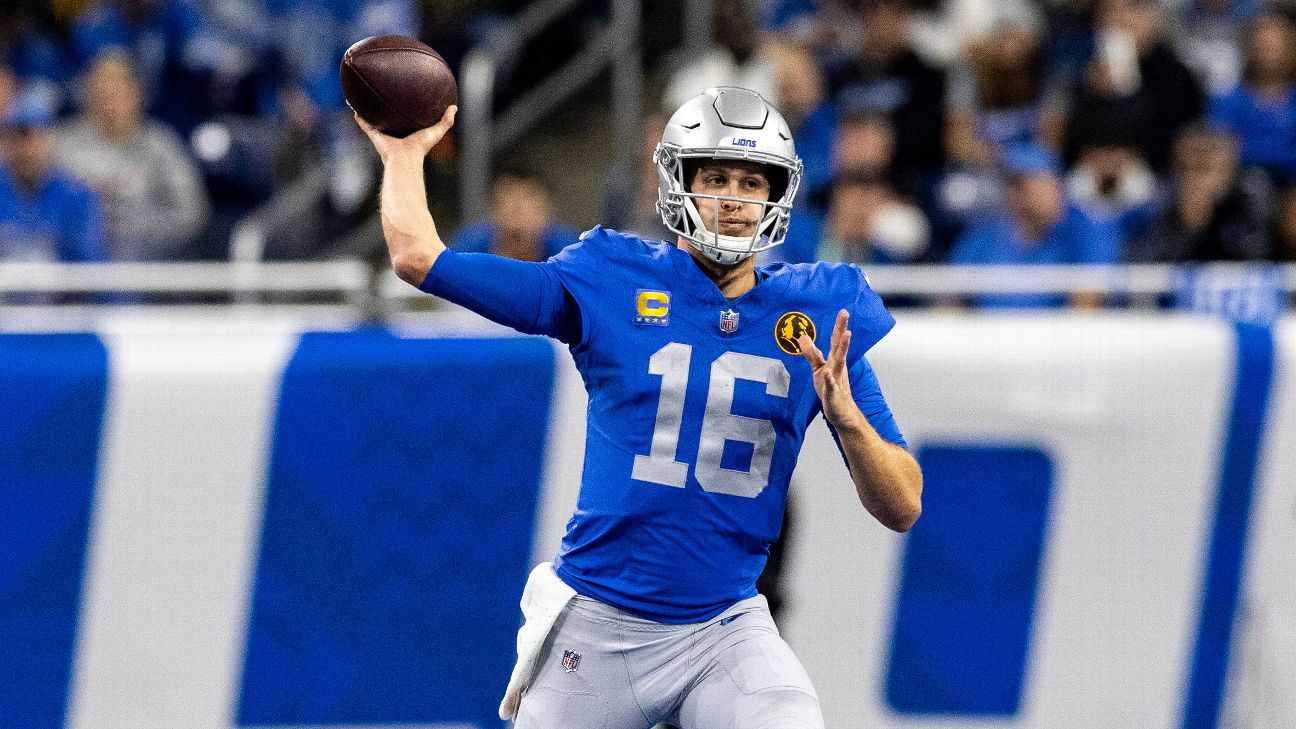
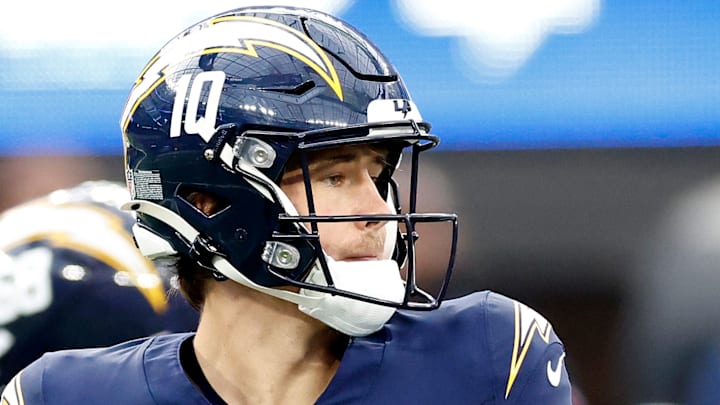
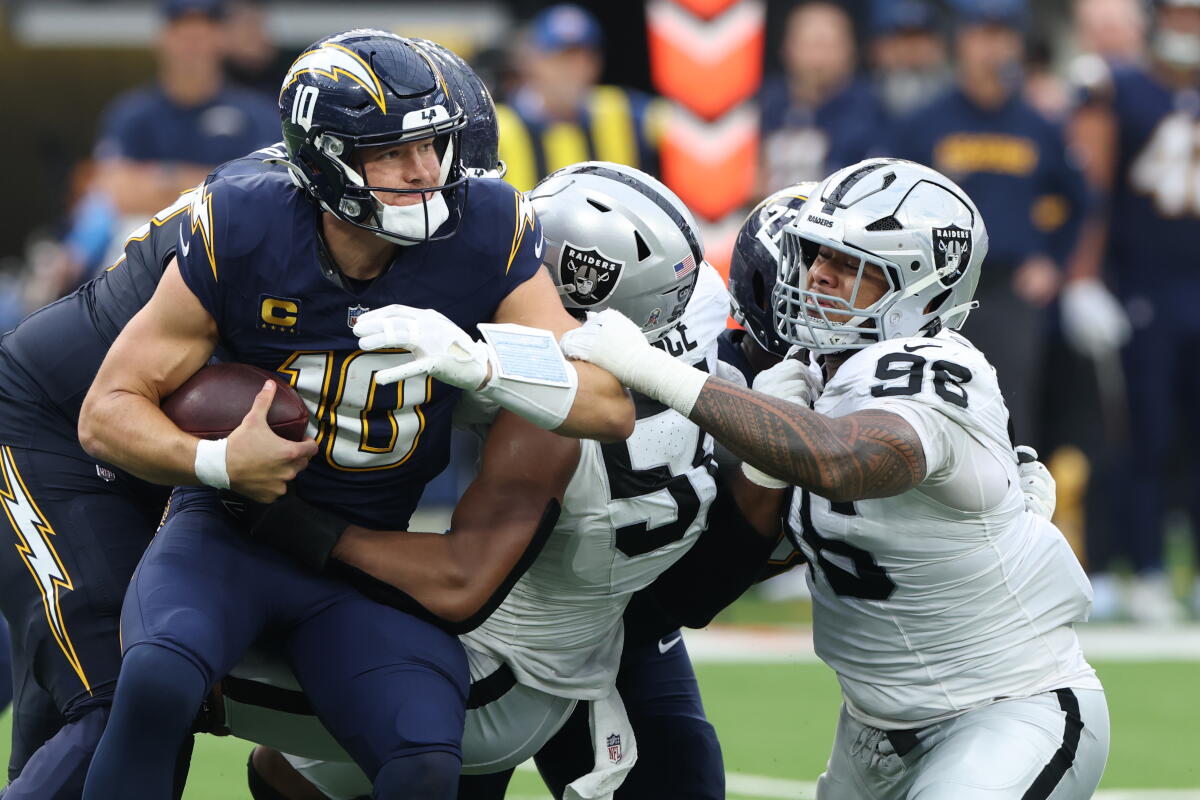
The NFL landscape entering Week 14 is being reshaped by a cascade of quarterback and key player injuries that extend far beyond individual roster moves. At the center of this disruption is Los Angeles Chargers quarterback Justin Herbert, who suffered a broken bone on the back of his left non-throwing hand during the team's dominant 31-14 victory over the Las Vegas Raiders on November 30, 2025. Herbert underwent surgery on Monday to repair the fracture, creating immediate uncertainty about his availability for the critical Week 14 matchup against the Philadelphia Eagles on Monday Night Football. This injury represents more than a single-game concern—it signals a broader vulnerability in the NFL's quarterback ecosystem during the most consequential stretch of the season.
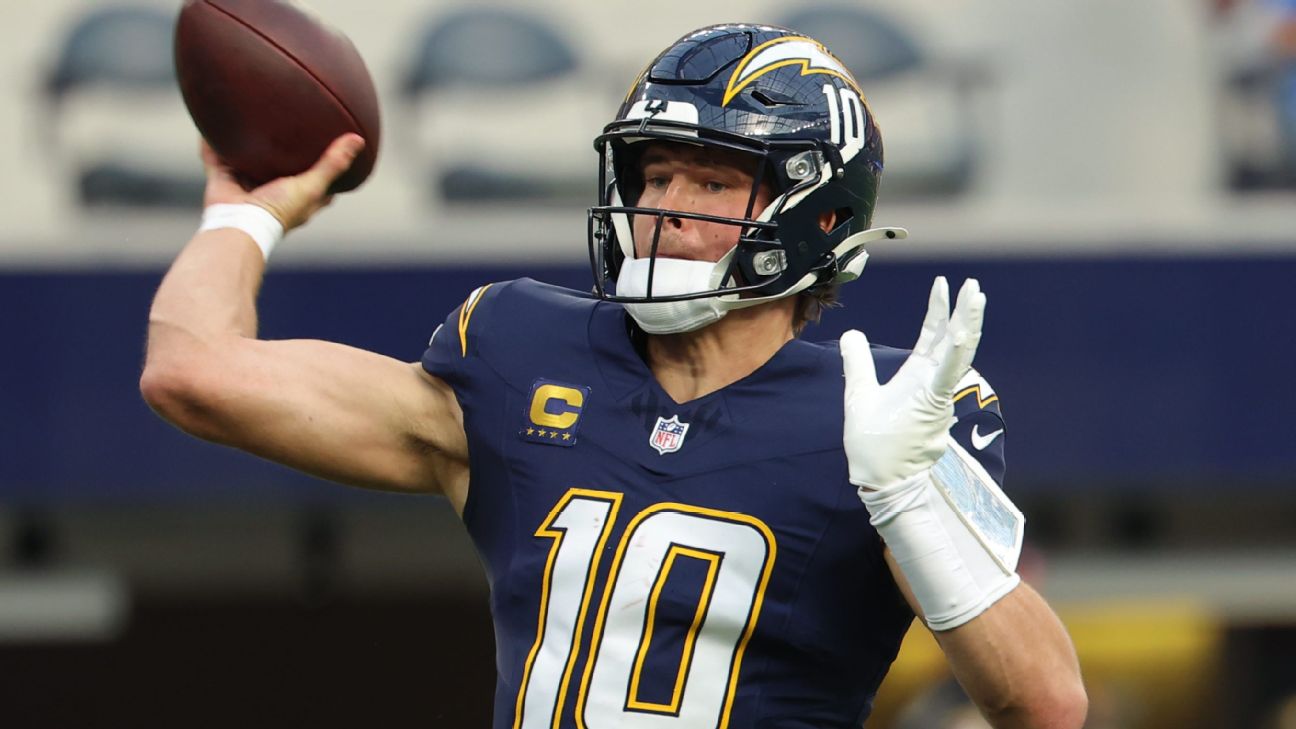
What makes Herbert's situation particularly significant is the operational adaptation it demands. Head coach Jim Harbaugh acknowledged the team's tactical limitations, noting that the Chargers operated exclusively out of shotgun formation during the Raiders game to accommodate Herbert's injury, deliberately avoiding difficult under-center plays. Despite these constraints, Herbert demonstrated remarkable resilience, completing 15 of 20 passes for 151 yards with two touchdowns and one interception, posting a 108.5 passer rating while wearing a white glove and splint on his middle fingers. His ability to convert 8 of 12 third-down passes for first downs suggests the injury, while serious, may not be career-threatening—a critical distinction for both the Chargers' immediate playoff hopes and Herbert's long-term value.
The broader context reveals a systemic injury crisis affecting multiple positions. Beyond Herbert's hand fracture, the news cycle reflects widespread player availability concerns across the league, including cornerback Sauce Gardner's possible calf strain and the Minnesota Vikings' roster adjustment with Adam Thielen's release. These cascading injuries force teams into contingency planning that extends beyond Week 14. The Chargers' ground game proved effective as a workaround, with running backs Kimani Vidal rushing for 126 yards and one touchdown, and Jaret Patterson contributing 54 yards and one touchdown. This suggests that teams facing quarterback limitations can temporarily compensate through offensive scheme adjustments and run-heavy approaches—a tactical insight that will likely influence play-calling across the league as other teams navigate their own injury situations.
The timing of Herbert's injury is particularly consequential for playoff positioning. The Chargers maintain an 8-4 record and remain perfect in AFC West play, but the uncertainty surrounding Herbert's Week 14 availability creates a critical decision point for the coaching staff. Herbert's own optimism—stating he is "treating it as if I'm playing on Monday"—suggests confidence in recovery, yet the medical evaluation process throughout the week will determine whether the team must activate contingency plans. For the broader NFL ecosystem, this injury underscores the fragility of quarterback depth during the playoff push. Teams that invested in quality backup quarterbacks or maintained flexible offensive schemes now possess a competitive advantage, while those dependent on single-quarterback performance face elevated risk. The Chargers' ability to adapt tactically in the Raiders game demonstrates that organizational resilience matters as much as individual player health during this critical juncture of the season.
Questions 4
What is the expected timeline for Herbert's return to full availability?
While Herbert expressed optimism about playing Monday against Philadelphia, the exact recovery timeline remains uncertain pending medical evaluations throughout the week. His ability to continue playing in the Raiders game with a splint and glove suggests the fracture may not require extended recovery, but hand injuries in quarterbacks can be unpredictable. The team will likely provide updates as the week progresses, with the Monday night game providing an extra day for recovery compared to a standard Sunday schedule.
How does this injury crisis affect the broader NFL landscape entering the playoffs?
The cascade of injuries affecting quarterbacks and key defensive players—including Sauce Gardner's calf strain and other roster moves—signals that teams with superior depth and contingency planning will have advantages in the final weeks. Herbert's situation exemplifies how even elite quarterbacks can face unexpected availability questions, making backup quarterback development and tactical flexibility essential components of playoff-ready rosters. Teams that invested in these areas now possess a meaningful edge over those dependent on single-player performance.