






Crypto Contagion and Fed Rate Cuts Create a Financing Window for Cross-Border Sellers Amid Supply Chain Headwinds
- Market volatility and regulatory pressure on digital assets clash with 87% probability of Fed rate cuts, creating a narrow window for sellers to refinance inventory and lock in lower borrowing costs before tariff pressures intensify

























































































































































































































































































































Overview
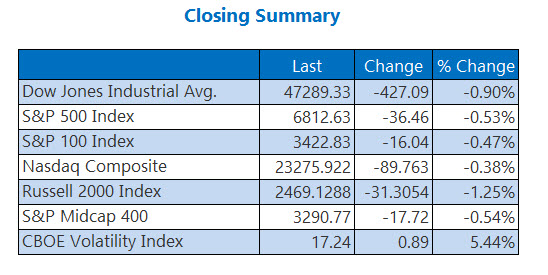
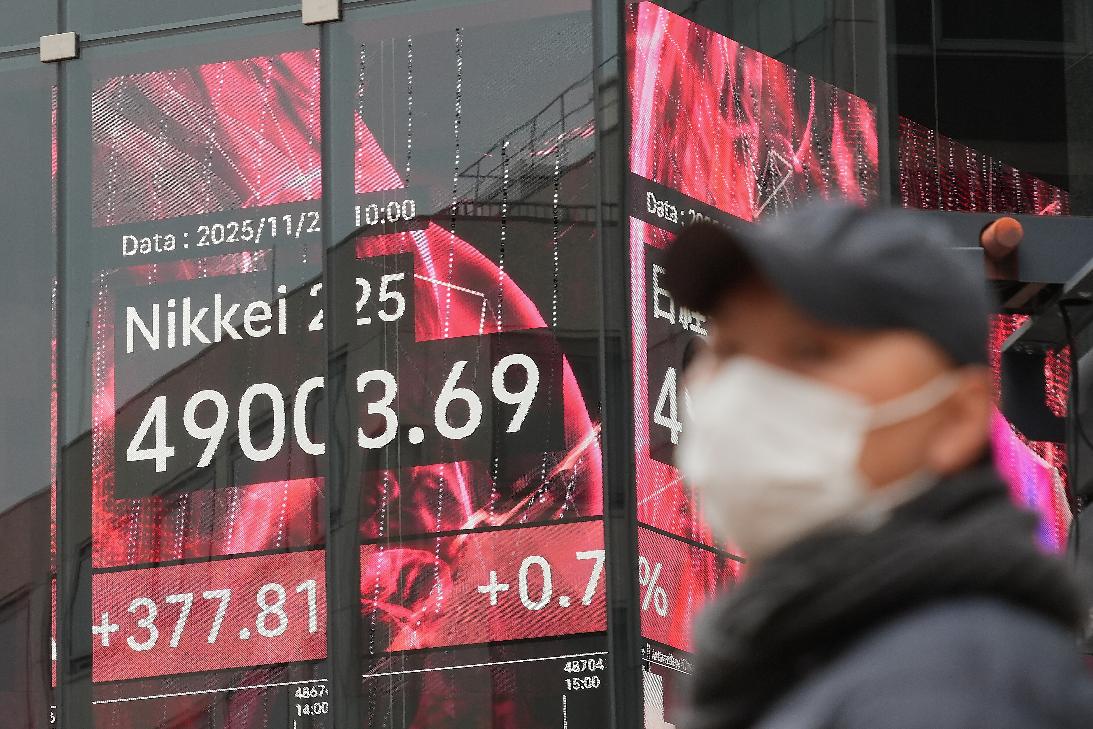
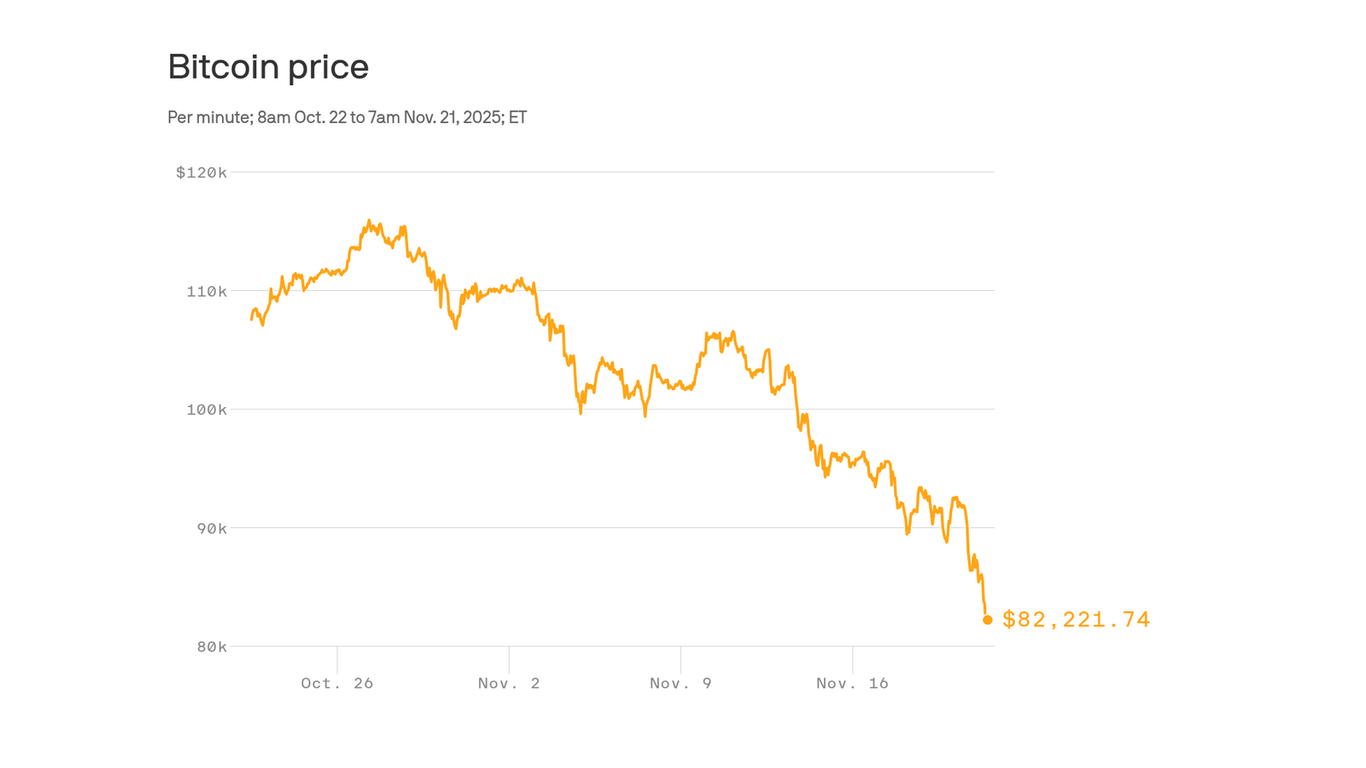
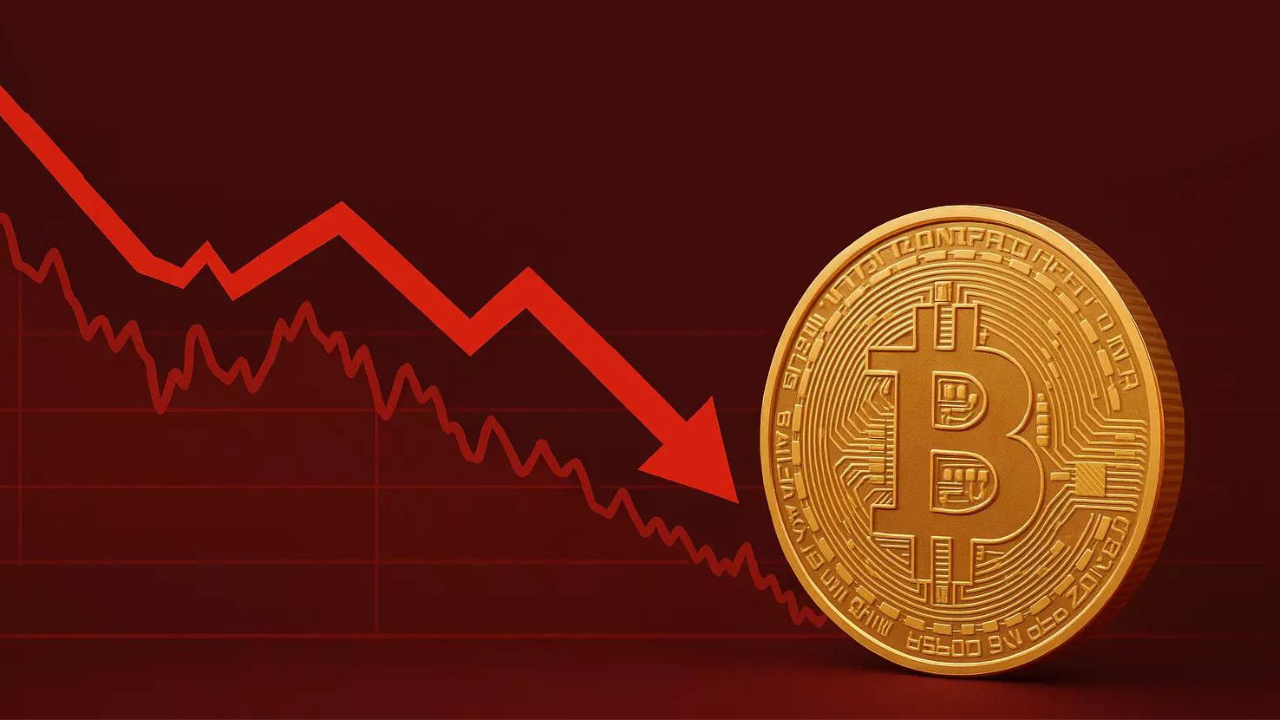
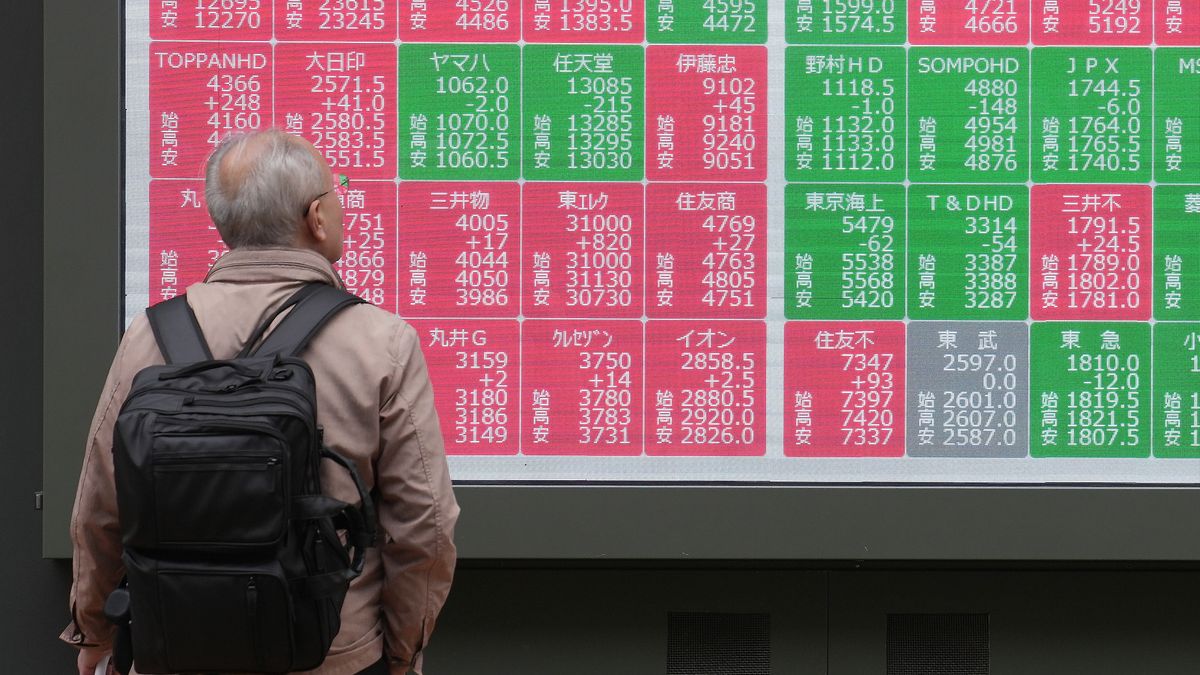
The December 1st market selloff reveals a critical inflection point for cross-border e-commerce sellers navigating competing financial pressures. Bitcoin's 7% plunge below $85,000—triggered by China's regulatory warning against illegal digital currency activities—has created immediate uncertainty for sellers relying on crypto-based payment rails and stablecoin settlement mechanisms. Yet this same risk-off sentiment has paradoxically strengthened the case for Federal Reserve rate cuts, with market pricing now reflecting an 87% probability of a quarter-point cut at next week's meeting, up sharply from below 40% just over a week prior. This divergence matters enormously for working capital strategy.
The underlying dynamics reveal a structural tension. Manufacturing data shows contraction for the ninth consecutive month, with the ISM Manufacturing PMI at 48.2 in November, reflecting ongoing tariff-related pressures that directly squeeze sellers sourcing from overseas. Import-dependent sectors face mounting cost pressures as Trump's tariff policies remain in flux, and uncertainty around Federal Reserve leadership adds unpredictability to monetary policy affecting business financing costs. For sellers already managing thin margins on sourced goods, this environment signals that input costs will likely remain elevated through Q1 2026. However, the strong probability of Fed rate cuts creates a time-sensitive financing opportunity.
The immediate financial optimization play centers on three interconnected moves. First, sellers should accelerate invoice financing and purchase order financing applications now, before rate cuts are priced into lending terms. Current APR rates for trade finance remain elevated at 8-12% for mid-market sellers, but once the Fed cuts rates, lenders will compress margins aggressively, and approval windows will tighten as competition intensifies. Sellers with strong receivables or confirmed PO pipelines should lock in 90-180 day financing at current rates before the December Fed decision. Second, the crypto selloff has created a payment method arbitrage opportunity. With Bitcoin and Ethereum under regulatory pressure, traditional cross-border payment corridors (ACH, SWIFT, local bank transfers) are experiencing reduced competition from crypto-based alternatives. Payment processors like Wise, Remitly, and regional fintech players are likely to maintain or even reduce fees on traditional corridors as they capture market share from crypto-displaced volume. Sellers should audit their payment routing now—shifting high-volume corridors (China-to-US, India-to-US, Vietnam-to-US) away from crypto settlement toward optimized traditional rails could yield 0.5-1.5% fee savings immediately.
Third, currency hedging strategies should shift tactically. Gold futures have surged above $4,270 per troy ounce with four consecutive months of gains, signaling persistent safe-haven demand. This suggests the USD may face downward pressure if risk sentiment improves post-Fed cut. Sellers with significant CNY, INR, or VND exposure should consider forward contracts locking in current USD strength for 90-180 day settlement windows, rather than waiting for post-cut volatility. The 60% year-to-date gold outperformance versus Bitcoin's 9% decline indicates institutional capital is rotating away from speculative assets into hard assets—a pattern that typically precedes currency weakness in developed markets.
The December seasonal pattern—historically a "Santa Claus rally"—appears unlikely to materialize in 2025 given tariff uncertainty and Fed leadership questions. This means sellers cannot rely on typical Q4 demand strength to improve cash flow organically. Instead, the financing window created by rate-cut expectations is the primary lever for working capital improvement. Sellers should act within the next 7-10 days, before the Fed decision crystallizes rate-cut expectations into actual lending term compression.
Questions 5
What is the optimal timing window for sellers to execute these financial optimization moves?
Sellers should act within the next 7-10 days, before the Fed decision crystallizes rate-cut expectations into actual lending term compression. The financing window is narrow because: (1) invoice financing rates will compress post-cut, reducing approval windows; (2) payment processor fee negotiations are most favorable now, before traditional corridors become commoditized; (3) currency hedging costs will rise once the Fed signals rate cuts, as volatility premiums increase. Waiting until after the Fed decision will result in higher borrowing costs, tighter credit terms, and reduced negotiating leverage with payment providers. The December seasonal pattern is unlikely to materialize, so organic cash flow improvement cannot be relied upon—financial optimization must happen immediately.
How should sellers adjust their currency hedging strategy given gold's 60% year-to-date outperformance?
Gold's surge above $4,270 per troy ounce with four consecutive months of gains signals persistent safe-haven demand and suggests the USD may face downward pressure if risk sentiment improves post-Fed cut. Sellers with significant CNY, INR, or VND exposure should lock in **forward contracts** at current USD strength for 90-180 day settlement windows, rather than waiting for post-cut volatility. This hedging move protects against a 2-5% USD depreciation that could erode margins on repatriated earnings. The 60% gold outperformance versus Bitcoin's 9% decline indicates institutional capital rotation away from speculative assets—a pattern that typically precedes currency weakness in developed markets.