



Media Consolidation Accelerates as Netflix, Paramount, and Comcast Compete for Warner Bros Discovery in Transformative Auction
- Binding acquisition bids signal the entertainment industry's structural shift toward streaming dominance, creating immediate cash flow and financing opportunities for content creators and production vendors























































































:format(webp)/images/2025/11/14/dave-ramsey-on-stage.jpg)
































































:format(webp)/images/2025/11/19/suze-orman-pointing.jpg)


























































































:upscale()/2025/11/24/304/n/49352476/641598c369254a15a98382.57197537_.png)



























Overview
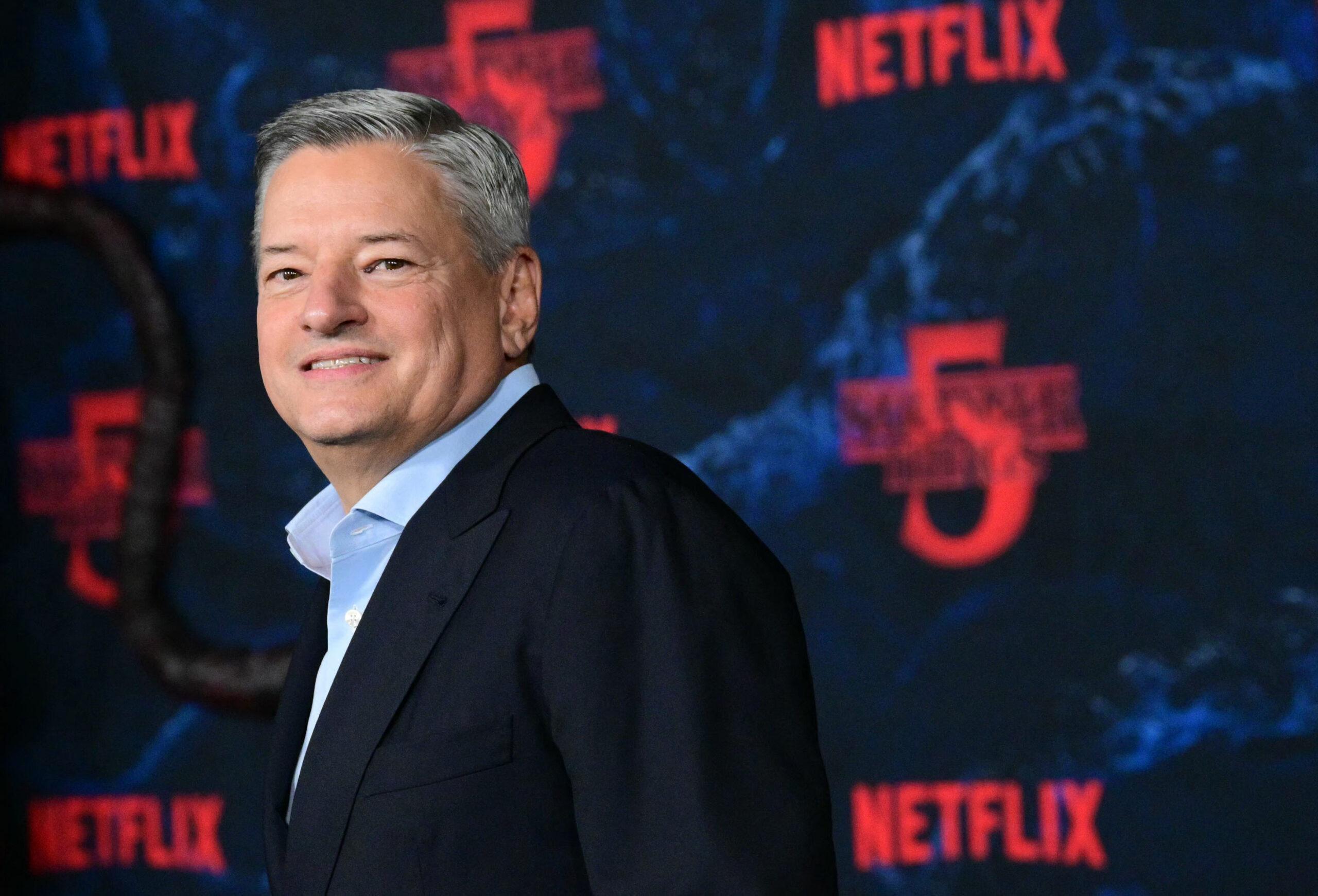
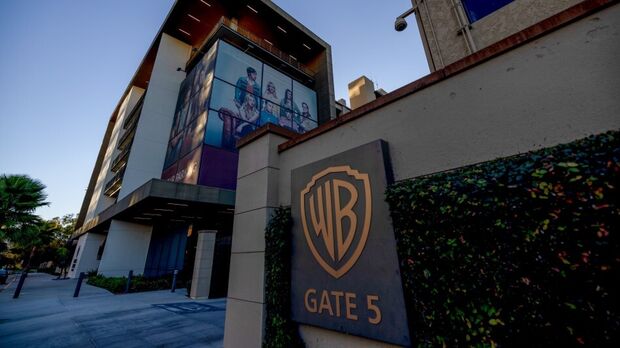
The entertainment industry is entering a critical consolidation phase as Warner Bros Discovery faces competing binding acquisition offers from Netflix, Paramount Skydance, and Comcast as of December 1, 2025. This auction represents far more than a single transaction—it signals the definitive end of the traditional media era and the acceleration of streaming-centric business models across the entire sector. Wall Street analysts value the studio and streaming assets at approximately $70 billion, compared to WBD's current market capitalization of $59 billion, indicating substantial asset revaluation potential embedded in this consolidation wave.
The underlying driver of this auction is structural: linear television assets (CNN, TNT, Discovery networks) have become financial drains, while streaming platforms and theatrical content franchises (Harry Potter, DC Comics) command premium valuations. This divergence explains why Netflix and Comcast are bidding exclusively for the studios-and-streamers division, while Paramount pursues the entire company. The market is essentially voting with capital that content production and streaming distribution are the only defensible long-term positions in entertainment. This creates immediate implications for the supply chain financing ecosystem: production vendors, post-production facilities, and talent agencies now face a buyer base consolidating around fewer, larger entities with stronger balance sheets and clearer strategic mandates.
From a cash flow optimization perspective, the auction's binding nature and expected December conclusion timeline creates a compressed decision window that favors sellers with immediate liquidity needs. Content production companies and vendors with outstanding invoices to WBD or its divisions should anticipate accelerated payment cycles as the acquirer (whichever entity prevails) seeks to establish operational control and clean up legacy obligations. Simultaneously, the $11 billion valuation gap between current market price and analyst estimates suggests significant working capital unlock potential for shareholders and stakeholders positioned to benefit from deal completion. For production finance providers, this consolidation wave opens opportunities in acquisition financing, bridge lending, and post-merger integration financing—particularly for vendors who need to refinance existing obligations under new ownership structures.
The broader context reveals why this consolidation is inevitable: theatrical box office performance remains volatile (as evidenced by declining US ticket sales despite Wicked and Zootopia 2 successes), while streaming subscriber economics have stabilized and become predictable. International competition is intensifying—Chinese films like Ne Zha 2 grossed $1.9 billion, demonstrating that content value is increasingly decoupled from traditional Hollywood distribution. This forces consolidators to achieve scale economies in content production and global distribution reach that only mega-mergers can deliver. The deal represents the fourth ownership change for much of WBD's empire in a decade, reflecting the industry's desperate search for a sustainable business model in a streaming-dominated world.
For financial service providers and vendors, the strategic imperative is clear: position for the winner's operational priorities. If Netflix prevails, expect aggressive cost rationalization and a focus on high-ROI content franchises. If Paramount wins, anticipate integration with existing Paramount+ infrastructure and potential consolidation of production facilities. Comcast's interest in studios-and-streamers suggests a hybrid play combining content production with distribution through its cable and broadband networks. Regardless of outcome, the consolidation will compress vendor margins through increased buyer concentration, making supply chain financing products and invoice acceleration services increasingly valuable for smaller production companies seeking to maintain cash flow in a consolidated buyer landscape.
Questions 5
What are the payment method and FX implications for international production vendors working with the consolidated entity?
Consolidation typically centralizes payment processing and treasury functions, which can accelerate settlement for vendors in major currencies (USD, EUR, GBP) but may delay or complicate payments in emerging market currencies. The winning acquirer will likely implement standardized payment terms across all vendors, potentially reducing negotiating leverage for smaller international suppliers. For vendors with multi-currency exposure, this creates hedging opportunities: lock in FX rates now before the acquirer implements centralized treasury policies that may restrict currency flexibility. Consider supply chain financing products that offer multi-currency settlement to maintain cash flow predictability across geographies.
Why are Netflix and Comcast bidding only for studios-and-streamers while Paramount pursues the entire company?
Netflix and Comcast recognize that linear television assets (CNN, TNT, Discovery networks) are value-destructive in a streaming-dominated market, so they're isolating the profitable studios and streaming operations. Paramount's full-company bid reflects its need to acquire scale and content franchises to compete with Netflix, accepting the linear TV drag as a necessary cost. This strategic divergence reveals that the market has bifurcated: streaming and theatrical content franchises command premium valuations, while traditional cable networks face structural decline. For vendors, this means the winning bidder's operational priorities will determine which production categories receive investment and which face consolidation or divestment.