
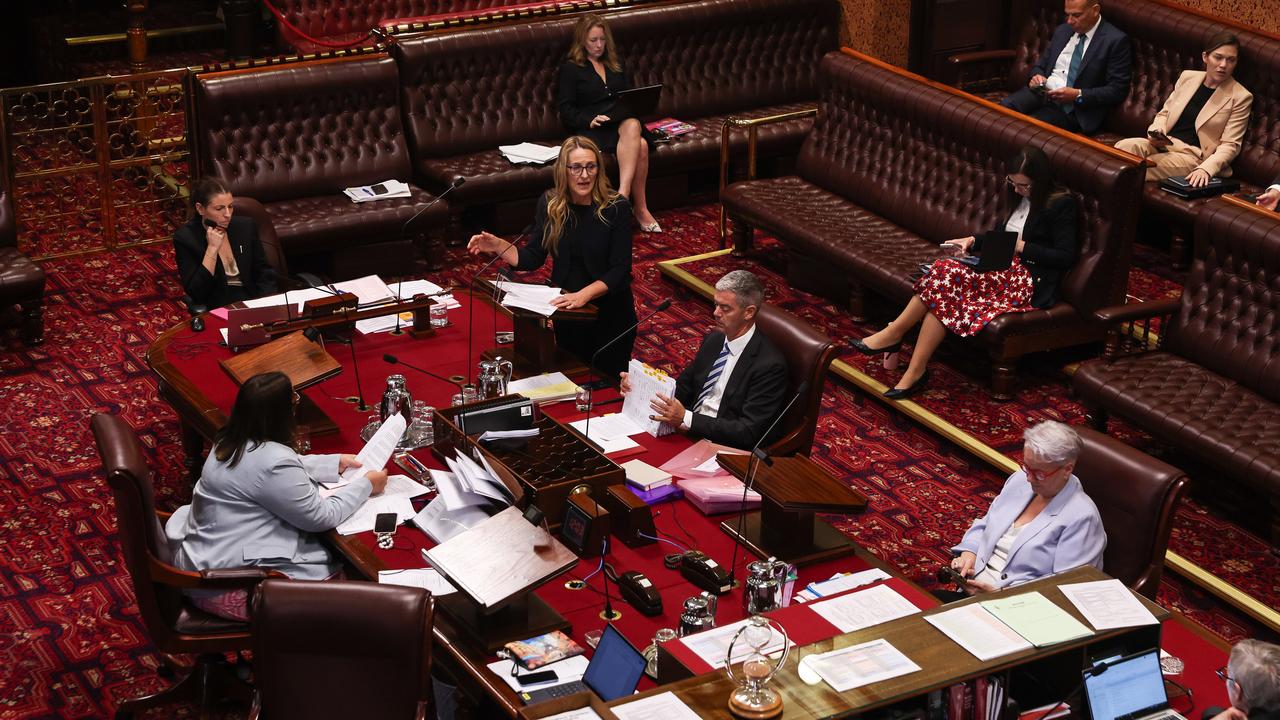


Democratic Freedoms Under Siege: Australia's Unprecedented Crackdown on Public Protest
- Landmark legislation reshapes civil liberties and political expression in response to national security concerns


Overview
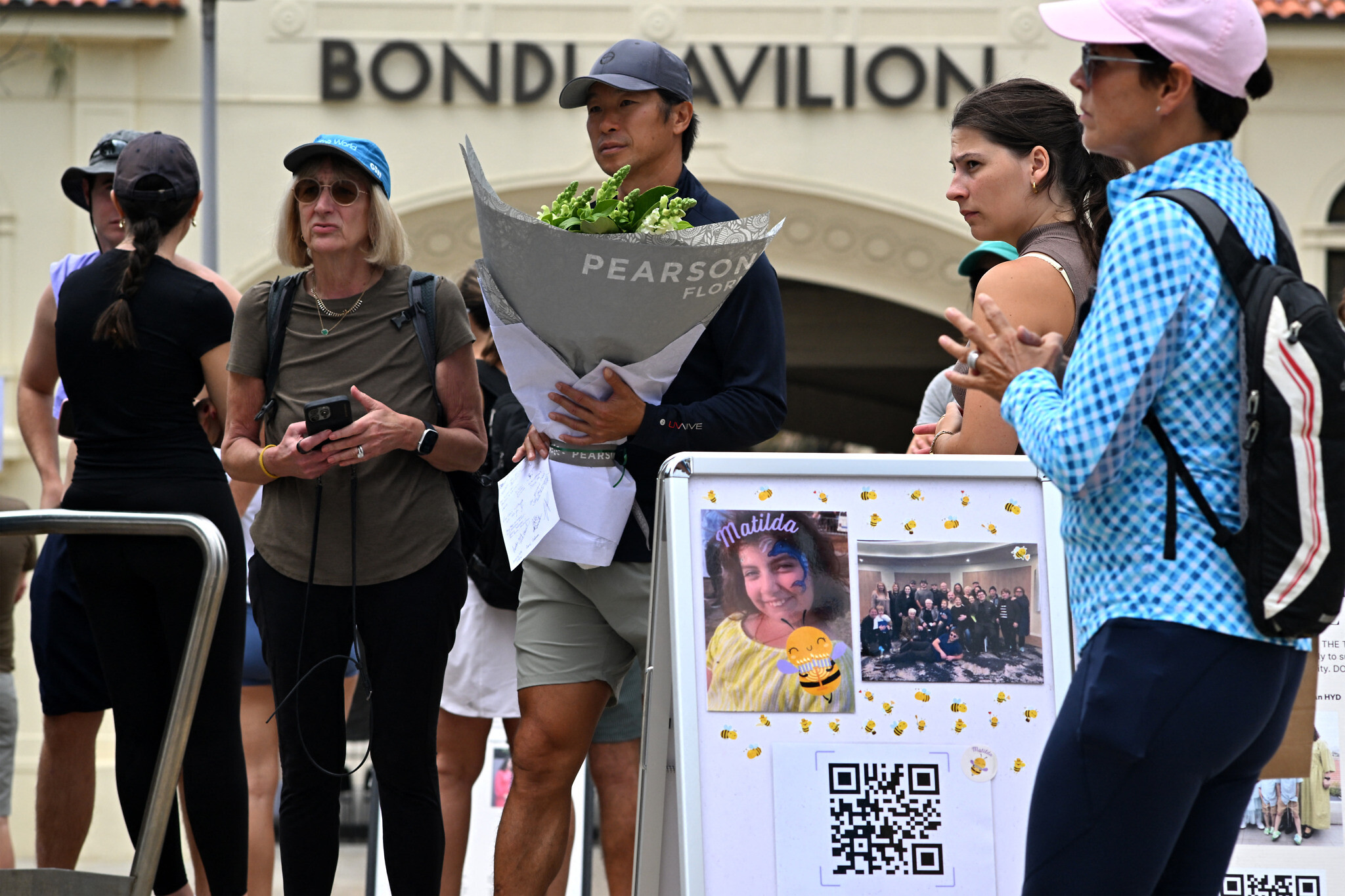
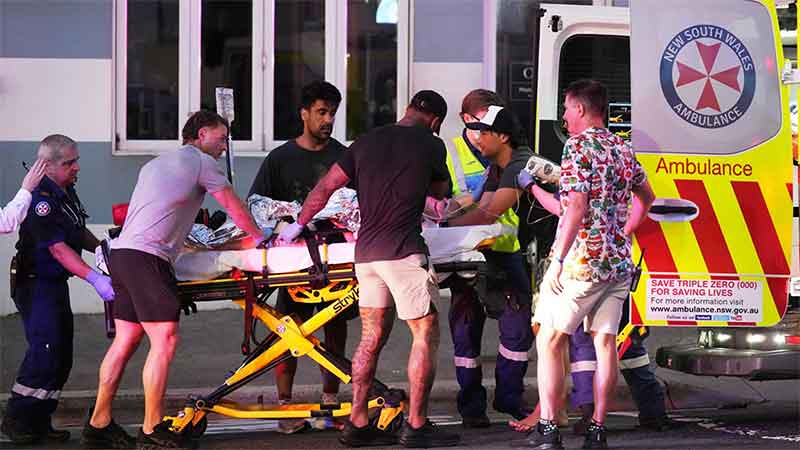
The passage of the Terrorism and Other Legislation Amendment Bill 2025 in New South Wales represents a pivotal moment in Australia's approach to civil liberties, signaling a dramatic recalibration of the balance between public safety and democratic freedoms. Following the Bondi Beach mass shooting that left 15 people dead, the legislation introduces unprecedented restrictions on public assembly and political speech, creating a complex regulatory landscape that challenges fundamental democratic principles.
Regulatory Compression of Civil Liberties: The new laws grant extraordinary powers to law enforcement, allowing police to restrict public protests for up to three months after a terrorism declaration. This represents more than a typical security measure—it's a structural transformation of public discourse. The legislation specifically targets political speech related to Palestinian solidarity, including banning phrases like 'globalize the Intifada', which demonstrates how security frameworks can be weaponized to control political narratives.
Strategic Implications for Civic Engagement: The laws create a chilling effect that extends far beyond immediate security concerns. By empowering police to disperse gatherings that "potentially cause fear or obstruct traffic", the legislation introduces subjective criteria that could be broadly interpreted. This regulatory approach effectively creates a compliance minefield for activists and political organizations. The immediate response—with three advocacy groups already preparing constitutional challenges—underscores the profound tension between security imperatives and democratic expression.
The broader context is equally significant. Australia's recent recognition of Palestinian statehood at the UN, combined with these restrictive laws, reveals a complex geopolitical negotiation. What emerges is not just a local legislative change, but a potential blueprint for how democratic societies might recalibrate public assembly rights in an era of heightened security consciousness.
Critically, this represents more than a legal modification—it's a systemic reconfiguration of civic participation. The laws signal a willingness to compress democratic spaces in the name of security, raising fundamental questions about the long-term sustainability of such approaches. For international observers, this becomes a critical case study in the delicate balance between protecting citizens and preserving the core principles of open, democratic societies.
Questions 3
What specific provisions make these new laws unprecedented?
The laws allow police to restrict public protests for up to three months after a terrorism declaration and ban specific political phrases, creating extraordinary limitations on public assembly and speech that go beyond traditional security measures.
What are the potential long-term constitutional implications?
The laws have already prompted constitutional challenges from multiple advocacy groups, suggesting potential judicial review that could test the boundaries between national security and fundamental democratic rights.