






Federal Energy Research Reorientation Signals Fundamental Shift Away From Renewable Technology Development
- The Trump administration's renaming of NREL reflects a strategic pivot in U.S. energy policy priorities that will reshape federal R&D funding flows and competitive dynamics in clean energy commercialization




























































































)



























































































































































































Overview
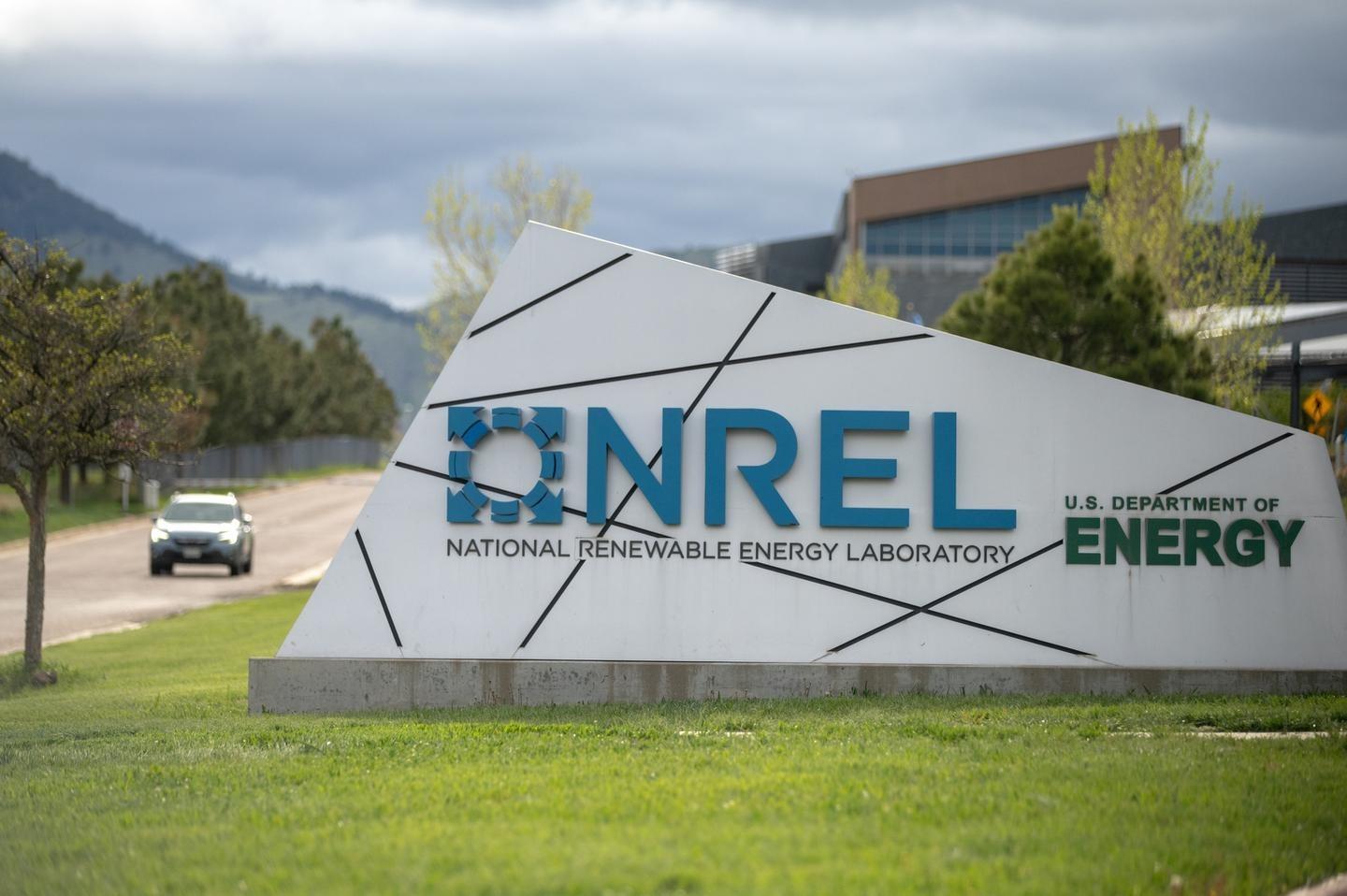
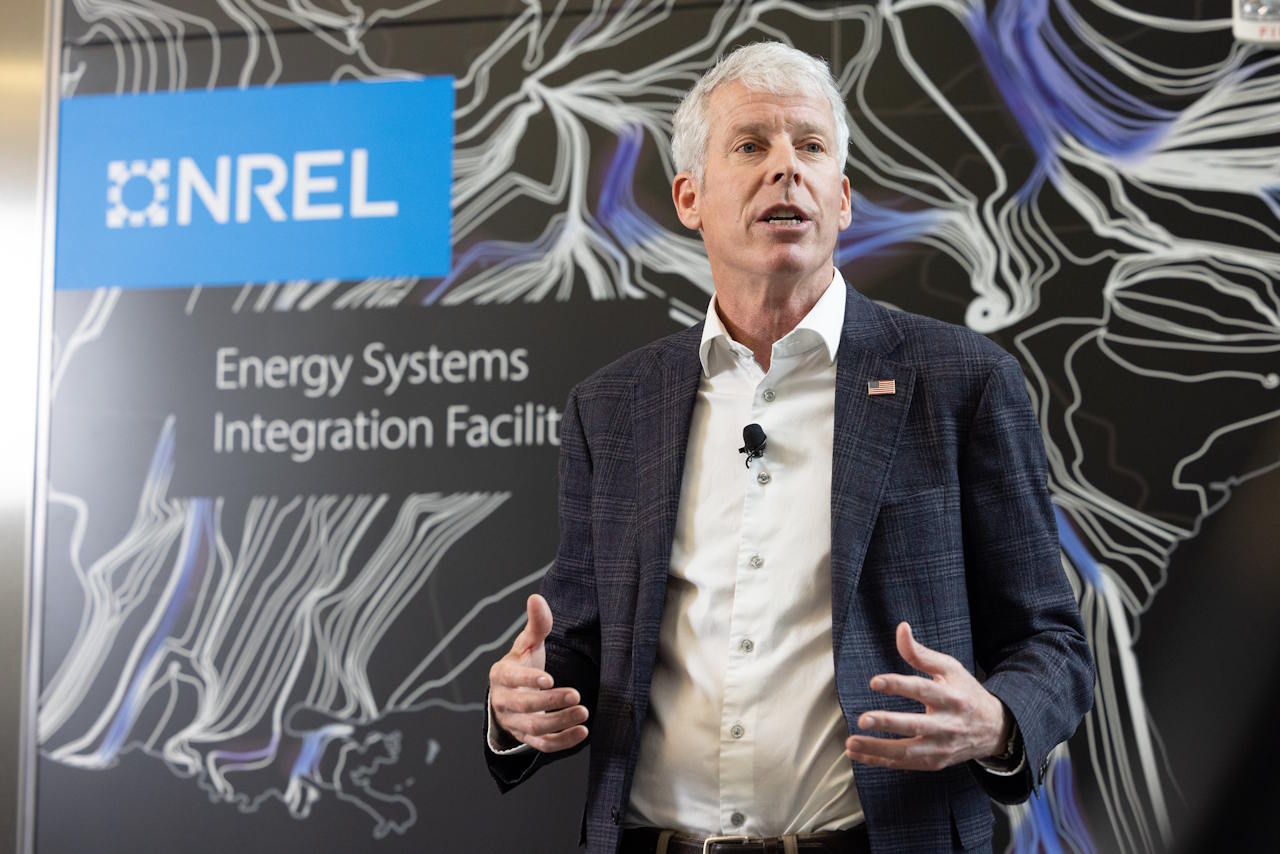
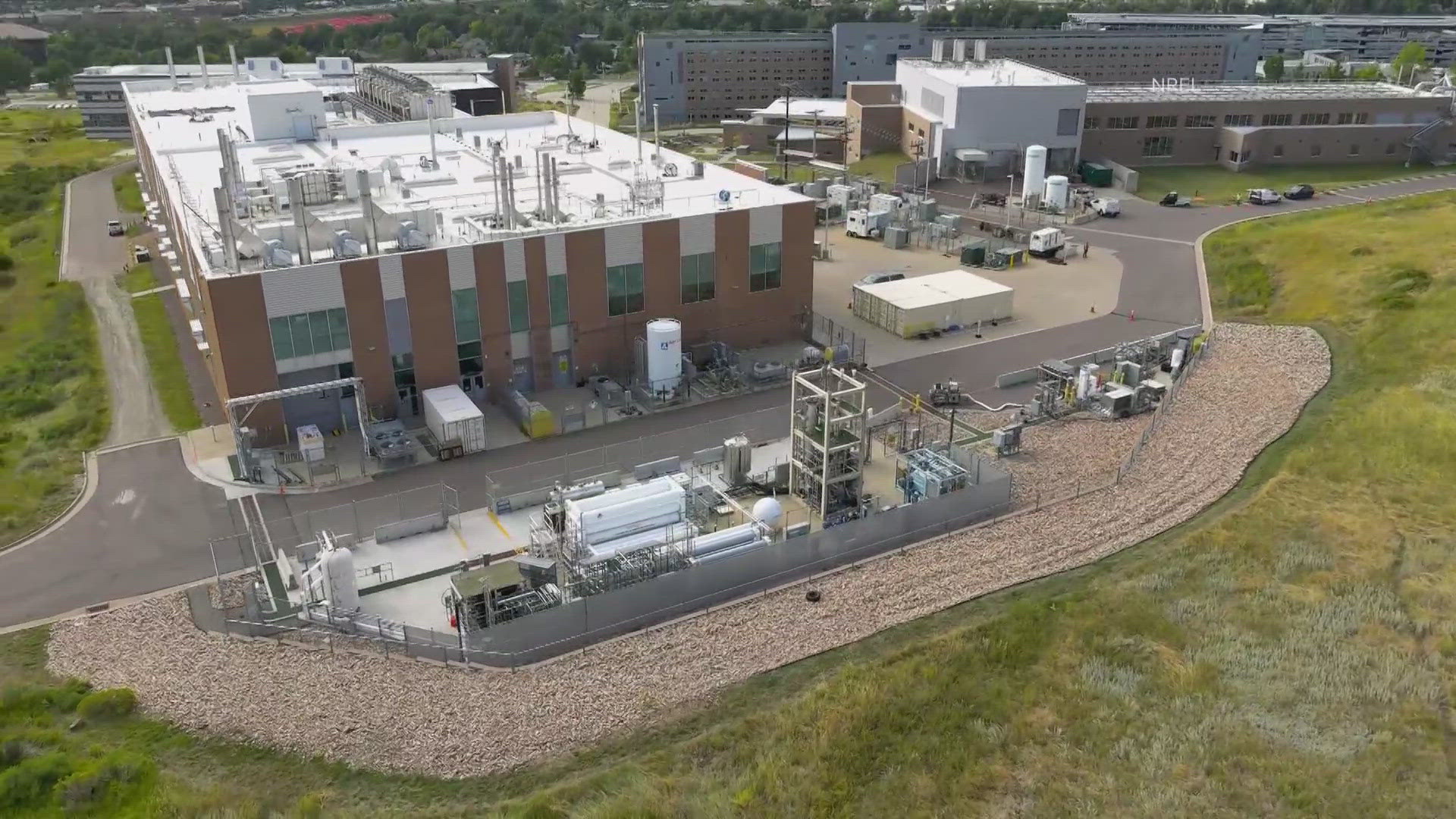
The Trump administration's December 1, 2025 decision to rename the National Renewable Energy Laboratory to the National Laboratory of the Rockies represents far more than symbolic rebranding—it signals a fundamental restructuring of federal energy research priorities that will have cascading effects on technology development timelines, commercialization pathways, and competitive positioning across energy sectors. The renaming follows a May 2025 workforce reduction of over 100 employees at NREL's Golden campus and reflects what Assistant Secretary of Energy Audrey Robertson explicitly framed as a shift away from "picking and choosing energy sources" toward a broader applied energy mission focused on manufacturing competitiveness and cost reduction. This language choice is strategically significant: by repositioning the lab's mission away from renewable energy specialization, the administration is signaling that federal R&D resources will no longer be concentrated on accelerating solar, wind, and energy efficiency technologies that have become economically dominant in many markets.
The underlying logic appears to be a reallocation of research capacity toward energy sources and manufacturing processes that lack comparable private-sector investment incentives. The lab's continued work on solar panel efficiency, wind turbine optimization, and rare earth metal sourcing suggests the administration isn't abandoning these technologies entirely, but rather deprioritizing them as federal research focuses. This distinction matters enormously for the competitive landscape: private companies have already captured the economic incentives in mature renewable technologies, meaning federal R&D withdrawal from these areas primarily affects early-stage innovation and next-generation efficiency gains. The timing is particularly revealing—this policy shift occurs precisely when solar and wind have achieved cost parity or superiority over fossil fuels in most U.S. markets, according to energy economists. By withdrawing federal research support at this inflection point, the administration is essentially ceding the innovation frontier in these sectors to private capital and international competitors, particularly China, which continues aggressive R&D investment in solar manufacturing and battery technology.
The policy's competitive implications extend beyond technology development to the broader energy research infrastructure. NREL's historical role as a commercialization bridge—translating basic research into deployable technologies—means its reorientation will slow the pace at which emerging renewable innovations reach market. This creates a window of opportunity for international competitors to establish technological leadership in next-generation areas like perovskite solar cells, advanced battery chemistries, and grid-scale energy storage. For U.S.-based energy companies, the policy effectively signals that federal support for renewable technology acceleration is ending, forcing a recalibration of R&D investment strategies. Companies previously relying on NREL partnerships for technology validation and cost reduction will need to either internalize these capabilities or seek alternative research partnerships, likely increasing commercialization timelines and capital requirements. The policy's four-year implementation window (until 2029) creates a defined period during which the competitive landscape will shift—companies that anticipate this transition and adjust their technology roadmaps accordingly will gain first-mover advantages in adapting to a less federally-supported renewable energy ecosystem.
Critics' arguments that the administration continues to "pick energy winners and losers" while targeting wind energy specifically reveal the policy's underlying tension: the rebranding claims neutrality toward energy sources while the funding cuts demonstrably favor fossil fuel research and infrastructure. This contradiction matters because it suggests the policy is ideologically driven rather than economically optimized, which creates both risks and opportunities. The risk is that federal research capacity in areas where private markets underinvest—like grid modernization, energy storage, and rare earth processing—may atrophy, ultimately harming long-term U.S. energy security. The opportunity lies in the clarity this provides: companies can now confidently plan around the assumption that federal renewable energy R&D support will remain constrained through 2029, allowing them to make strategic sourcing and technology decisions accordingly.
Questions 5
What does NREL's renaming reveal about the Trump administration's energy research priorities?
The renaming from National Renewable Energy Laboratory to National Laboratory of the Rockies signals a deliberate deprioritization of renewable energy as a federal research focus. Assistant Secretary Audrey Robertson explicitly stated the administration is 'no longer picking and choosing energy sources,' which in practice means withdrawing concentrated federal R&D support from solar, wind, and energy efficiency technologies. Combined with the May 2025 layoff of 100+ employees and cuts to clean energy grants, this indicates the administration views renewable technologies as sufficiently mature for private-sector investment and is redirecting federal research capacity toward areas with less commercial incentive, such as rare earth processing and advanced manufacturing.
What is the competitive window for companies to adapt to this policy shift?
The policy remains in effect until a new presidential administration takes office in 2029, creating a defined four-year window during which the competitive landscape will shift. Companies that anticipate this transition and adjust their technology roadmaps, sourcing strategies, and R&D partnerships within the next 12-18 months will gain significant advantages. The key is recognizing that federal support for renewable energy commercialization is ending, which means companies must either develop internal capabilities for technology validation and cost reduction or establish alternative research partnerships with universities, private labs, or international institutions.