




Extended Cyber Monday Creates Persistent Discount Environment That Reshapes Tech Retail Seasonality
- Retailers are stretching promotional windows beyond traditional shopping events, signaling a fundamental shift in how consumer electronics and digital services compete for budget-conscious buyers




























































































































































































































































Overview
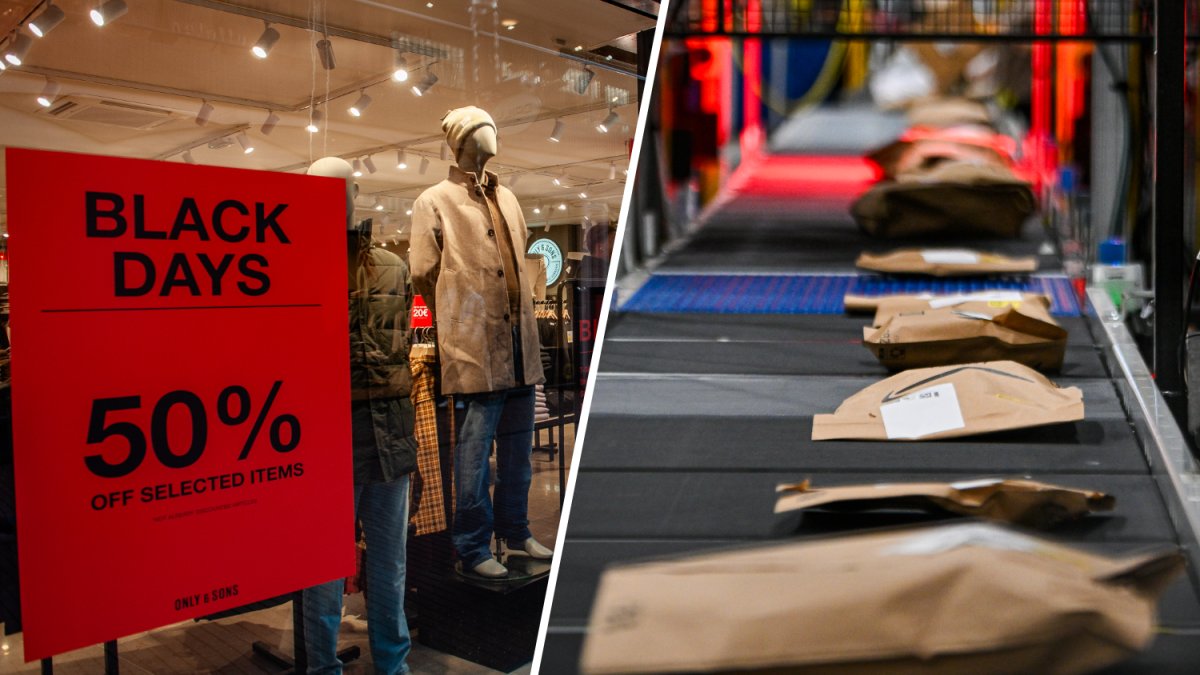
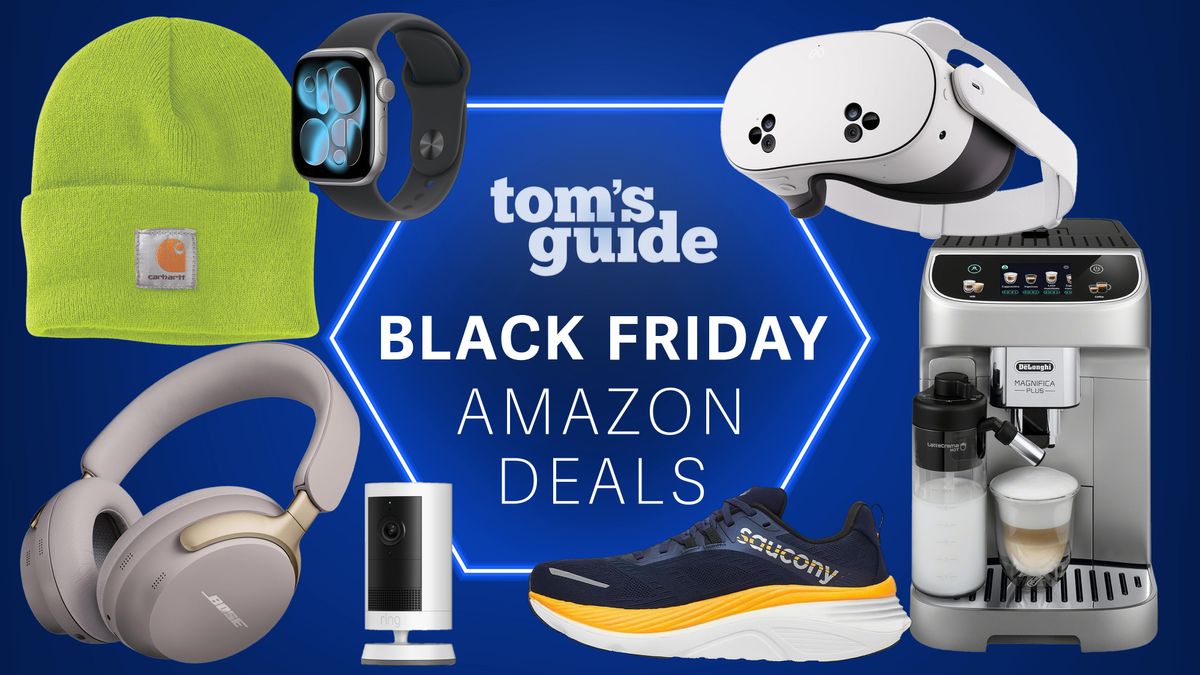
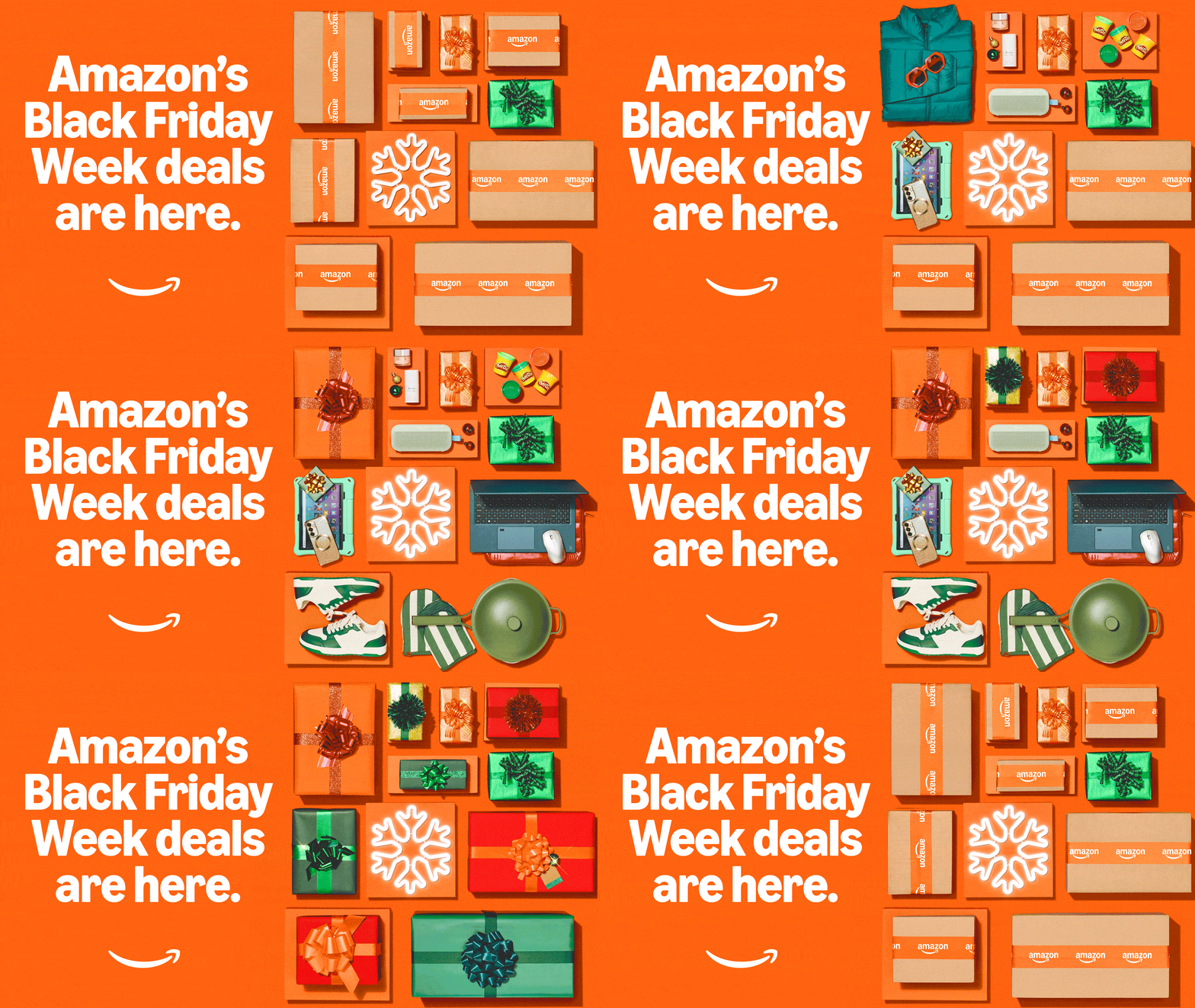
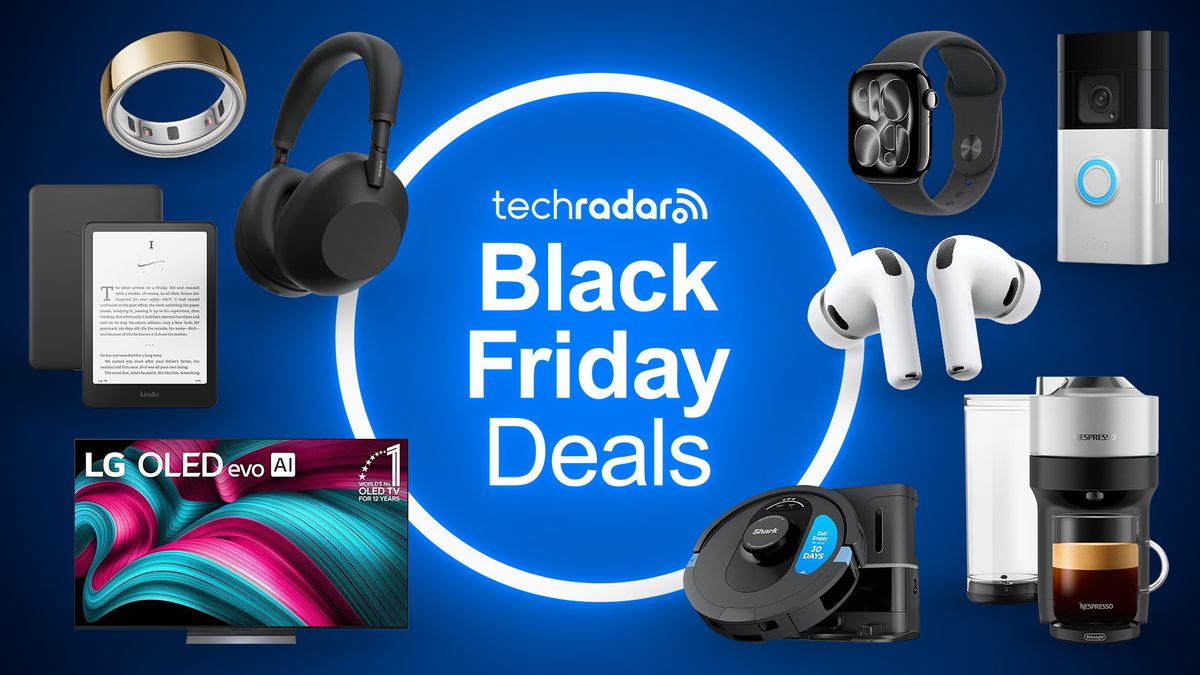
The traditional Cyber Monday event has fundamentally transformed into an extended promotional window that stretches across weeks rather than days, fundamentally reshaping how retailers approach seasonal discounting. Major retailers including Walmart, Amazon, Sony, and Apple are now sustaining discounts ranging from 20% to 75% across consumer electronics, streaming services, and tech accessories well beyond the official shopping event. This indicates a critical shift in retail strategy: promotional seasonality is no longer concentrated but distributed, forcing brands and sellers to rethink inventory management, pricing psychology, and customer acquisition timing.
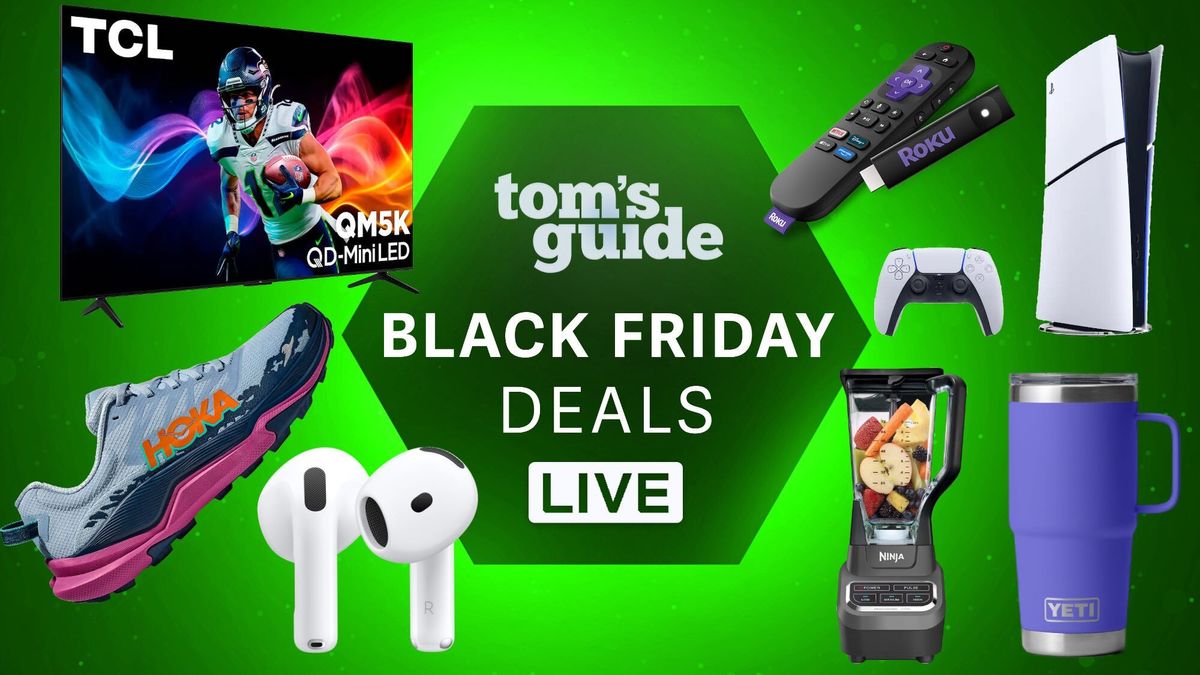
Extended promotional windows are becoming the new baseline for tech retail competition. The data reveals a clear pattern—gaming consoles like the Nintendo Switch 2 Mario Kart bundle ($449 with $50 off) and PlayStation 5 standard edition ($449 with $100 off) remain discounted weeks after Cyber Monday, while streaming services have become particularly aggressive with bundled offers (Apple TV 6 months for $36, HBO Max one year for $36, Starz one year for $12). What's particularly noteworthy is that retailers are now requiring specific purchase conditions—Walmart account logins for Switch 2 discounts, direct Apple subscriptions for TV+ deals—suggesting they're using extended promotions not just for volume but for customer data capture and subscription lock-in. This represents a strategic pivot from simple price competition toward building recurring revenue streams and first-party data relationships.
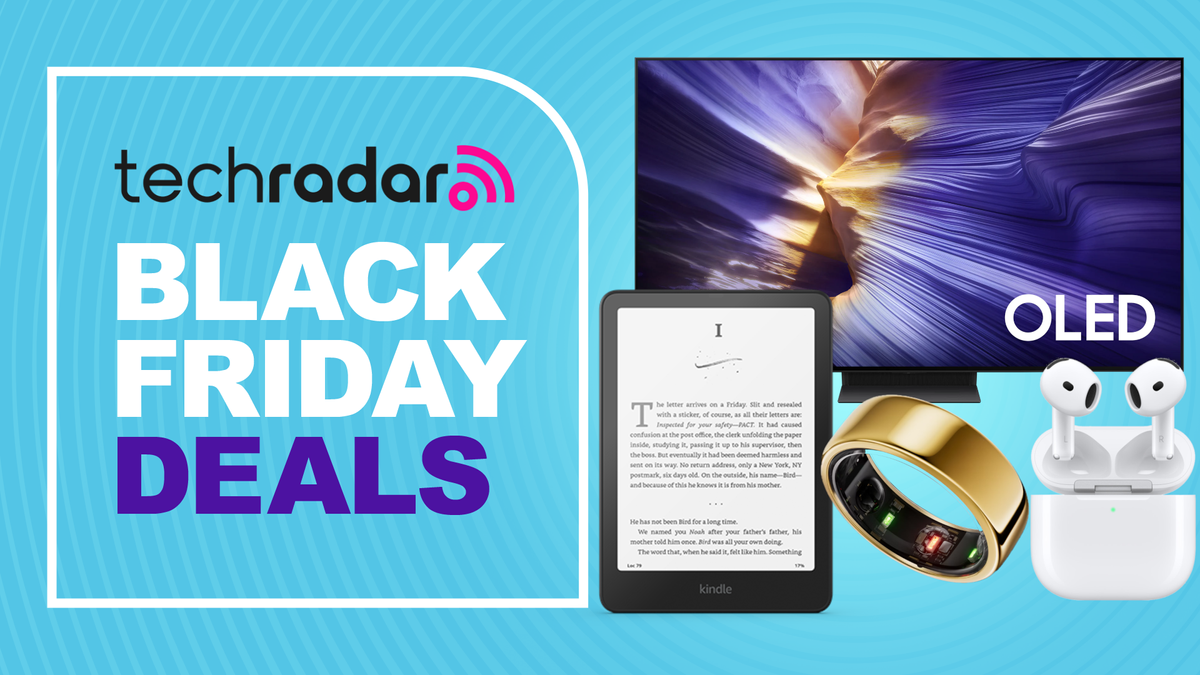
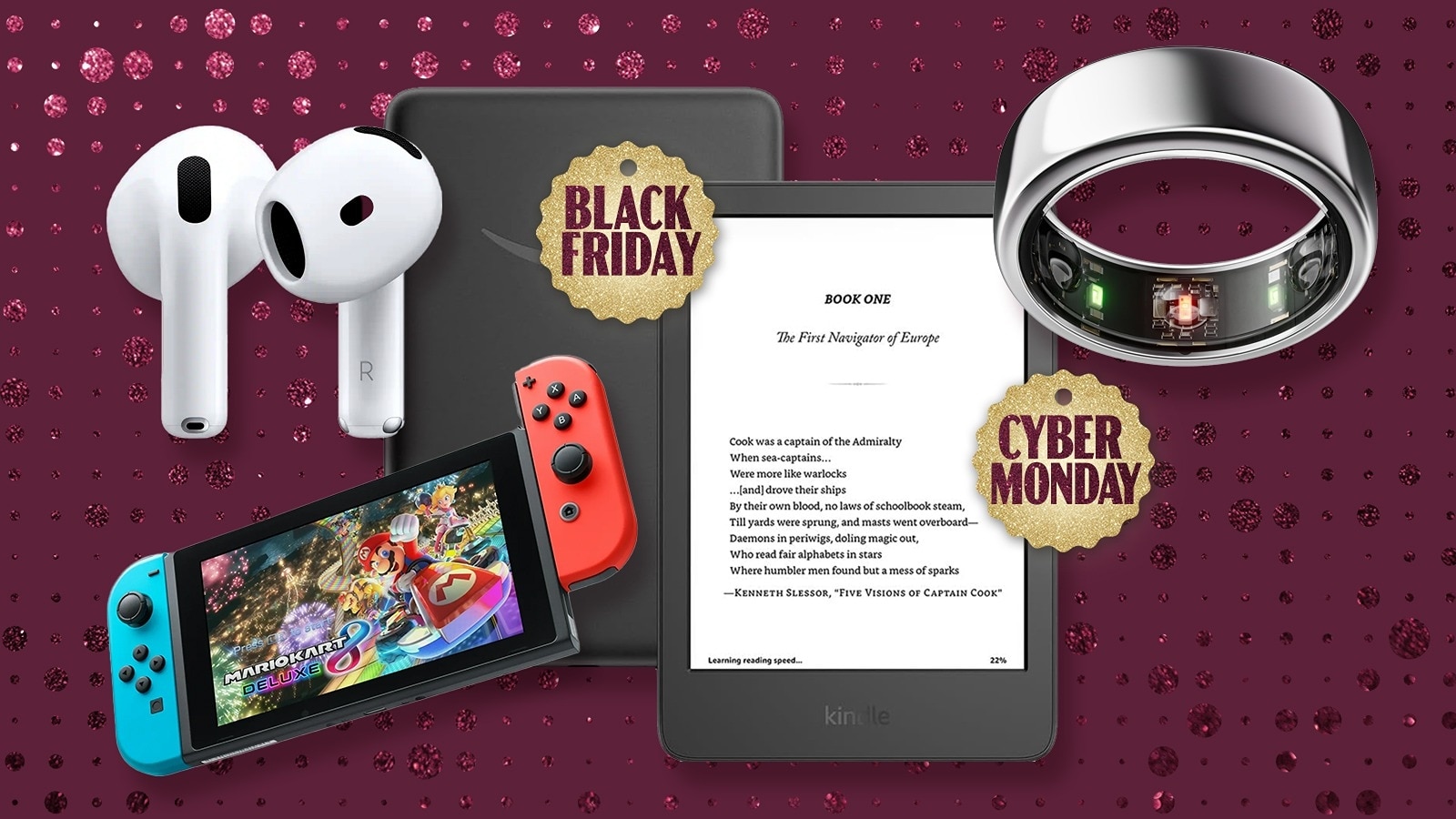
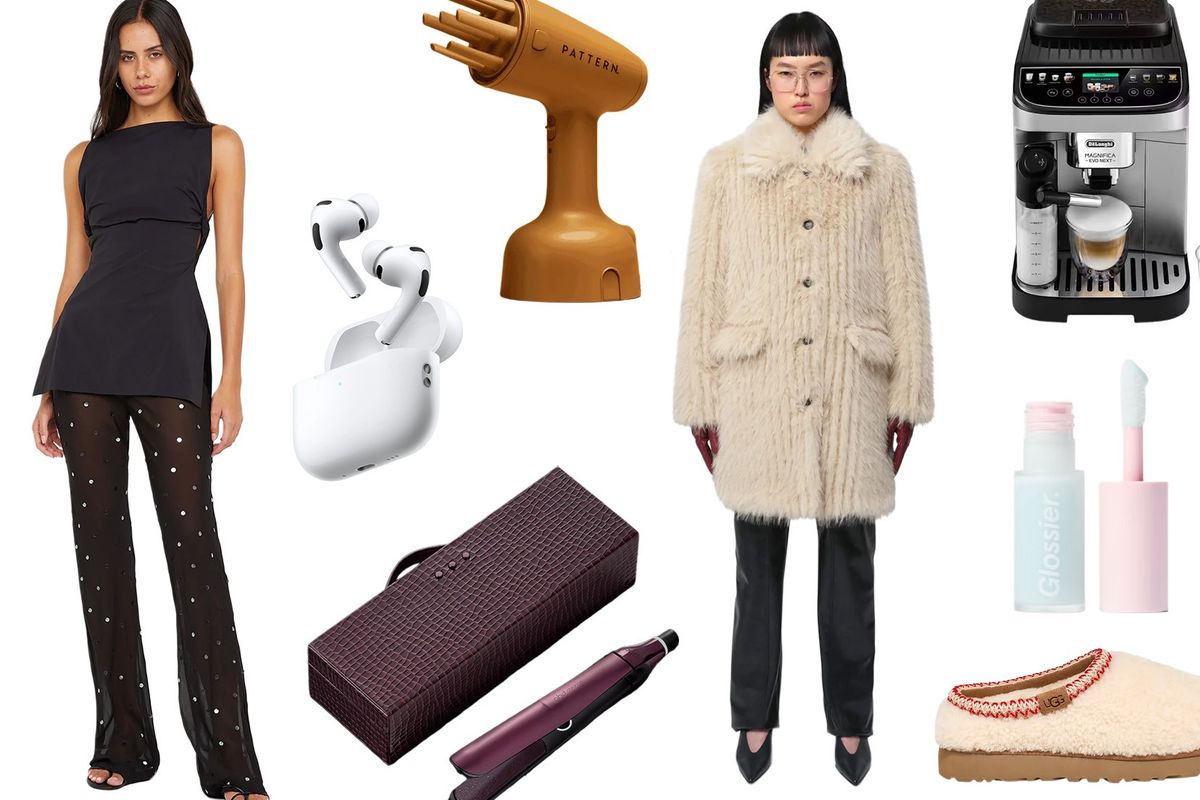
The extension of discounting into January signals inventory pressure and demand uncertainty in the tech sector. Stock availability concerns, particularly for PlayStation 5 Digital Edition with recommendations to "check back periodically," reveal that retailers are managing excess inventory through sustained discounting rather than traditional clearance events. This creates a challenging environment for sellers: the traditional post-holiday price recovery window has compressed significantly. Where sellers once expected to normalize pricing in early January, they now face persistent competitive pressure from major retailers maintaining aggressive discounts. The presence of verified media recommendations from outlets like The Verge—featuring products at "up to 60 percent off" across audio devices (AirPods Pro 3 at $220), gaming accessories (GuliKit ES Pro controller at $24), and smart home devices (Google TV Streamer at $75)—amplifies this pressure by continuously refreshing consumer awareness of available deals.
For sellers and brands, this environment demands a fundamental recalibration of pricing strategy and margin expectations. The data suggests that promotional elasticity has shifted—consumers now expect extended discounting as the norm rather than exception, which compresses margins across the entire product lifecycle. Sellers must recognize that the traditional Q4 peak-pricing window has been replaced by a prolonged competitive discount phase that extends into Q1. This creates both risk and opportunity: brands that can sustain lower margins through operational efficiency or higher volume will capture market share, while those dependent on seasonal price premiums face margin compression. The strategic implication is clear—inventory velocity and customer lifetime value now matter more than single-transaction margins. Sellers should prioritize building subscription relationships (like the streaming service bundling observed here) and leveraging extended promotional periods to acquire customers at scale, then monetize through recurring revenue or higher-margin complementary products.
Questions 5
What role do media recommendations (like The Verge's gift guides) play in sustaining the extended discount environment?
Media recommendations continuously refresh consumer awareness of available deals, creating a feedback loop that sustains competitive pressure on pricing. By featuring products at 'up to 60 percent off' across multiple categories, outlets like The Verge amplify retailer promotions and signal to consumers that extended discounting is normal. This creates a **perception of perpetual sales**, which makes it harder for sellers to normalize pricing in January. For sellers, this means media coverage of discounts becomes a competitive liability—being featured in gift guides at steep discounts can train consumers to expect those price points, making future price recovery difficult.
Which product categories show the strongest discounting persistence, and what does this indicate?
Gaming consoles (Nintendo Switch 2, PlayStation 5) and streaming services show the most aggressive sustained discounting, indicating these categories face the highest inventory pressure and competitive intensity. Audio devices (AirPods Pro 3, DJI Mic Mini) and smart home products also maintain steep discounts. This pattern suggests that **high-volume, consumer-awareness categories** are being used as traffic drivers to acquire customers who then purchase higher-margin accessories or services. Sellers in these categories should expect margin compression to persist and should focus on bundling strategies and customer data capture rather than defending price points.