





Year-End Music Rankings Become a Viral Cultural Moment as Audiences Demand Voice in Album Canon
- Major publications pivot from critic-only gatekeeping to crowdsourced curation, signaling a fundamental shift in how cultural authority is being democratized and monetized
























































































-1764142480430.webp)



















































































































Overview
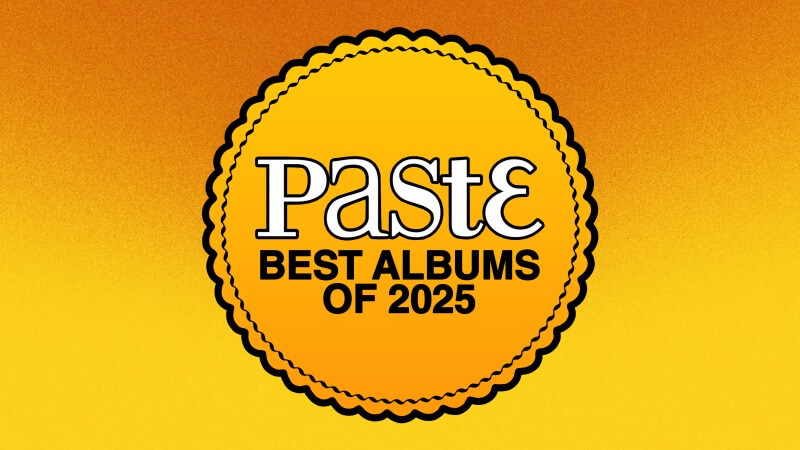
The music industry's year-end ranking season of 2025 reveals a striking transformation in how cultural authority is being constructed and distributed. Rather than critics alone determining the "best albums," major publications—The Guardian, NPR, The New Yorker, and Pitchfork—are simultaneously publishing their own curated lists while actively soliciting reader submissions and audience votes. This dual-track approach signals something deeper than simple engagement tactics: it reflects a recognition that audience participation has become both a legitimacy marker and a revenue driver in an era where cultural consensus is fragmented across streaming platforms and social media.
The mechanics of this shift are evident across the coverage. The Guardian explicitly invites readers to nominate favorite albums through an online form, emphasizing data security and anonymity to lower participation friction. NPR's "All Songs Considered" year-in-review episode (57 minutes, published December 2, 2025) frames its critical picks as one perspective among many, explicitly inviting listeners to vote for their own favorites across multiple platforms—Apple Podcasts, Spotify, Amazon Music, iHeart Radio, and YouTube Music. This multi-platform distribution strategy is crucial: by making voting available on the same services where audiences consume music, publications are embedding curation directly into listening behavior rather than asking audiences to visit separate websites.
What's particularly revealing is the underlying tension that The New Yorker's critic articulates: music critics have become "less critical and more agreeable in recent years," a shift attributed to economic pressures on media and cultural fatigue. This candid observation suggests that traditional gatekeeping—where critics wielded authority through contrarian taste—has become economically unsustainable. Instead, publications are adopting a consensus-building model where critical picks and audience votes are presented as complementary rather than competing perspectives. The New Yorker's emphasis on music that feels "wounded, carnal, unfamiliar, tactile, and askew" rather than polished AI-generated content reveals critics are now positioning themselves as taste guides within a broader democratic process, not as final arbiters.
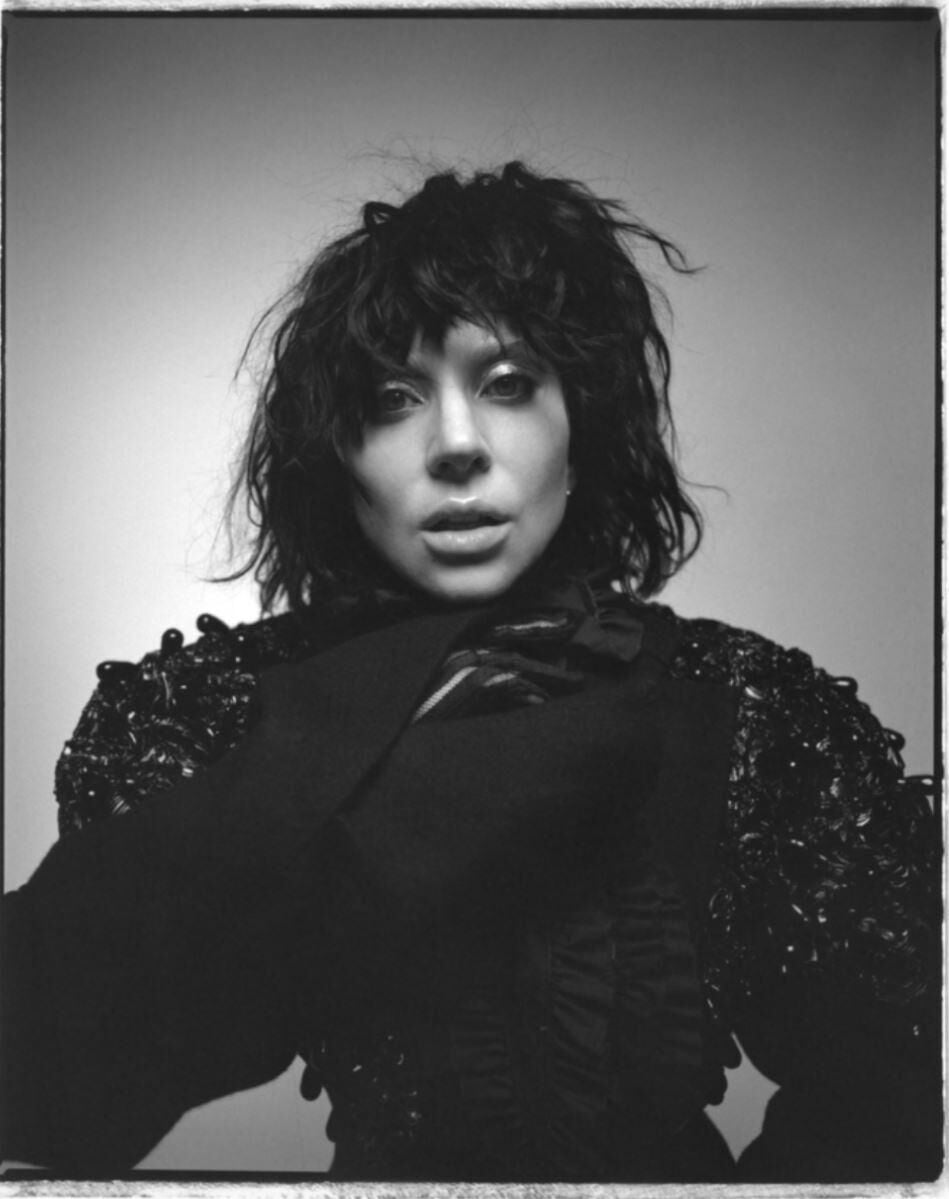
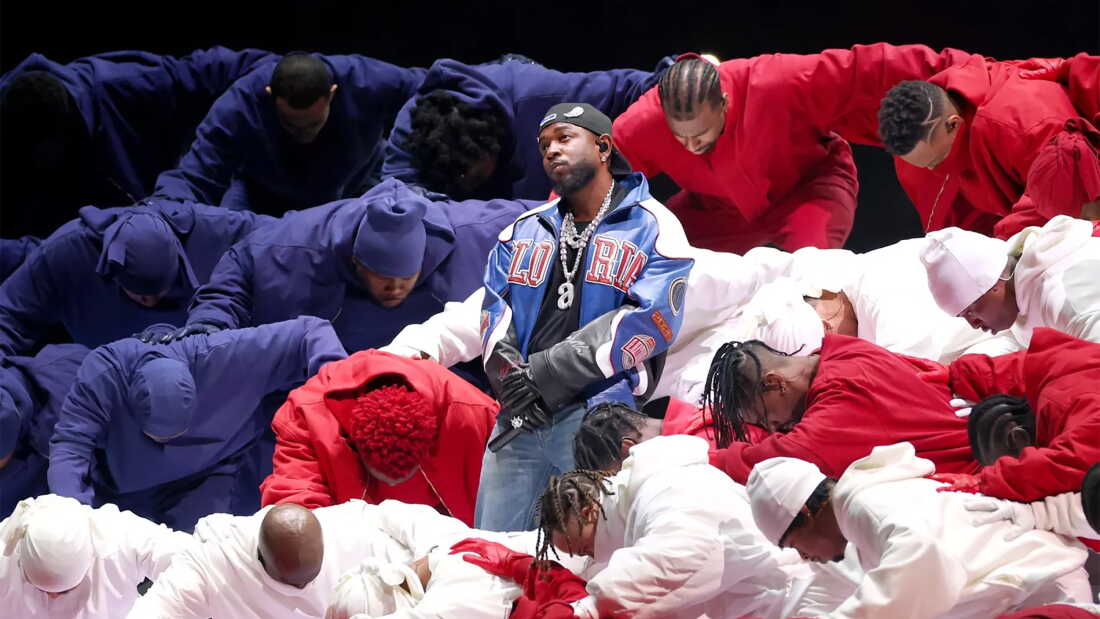
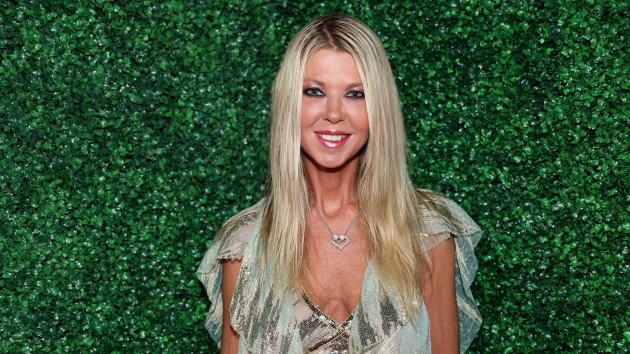
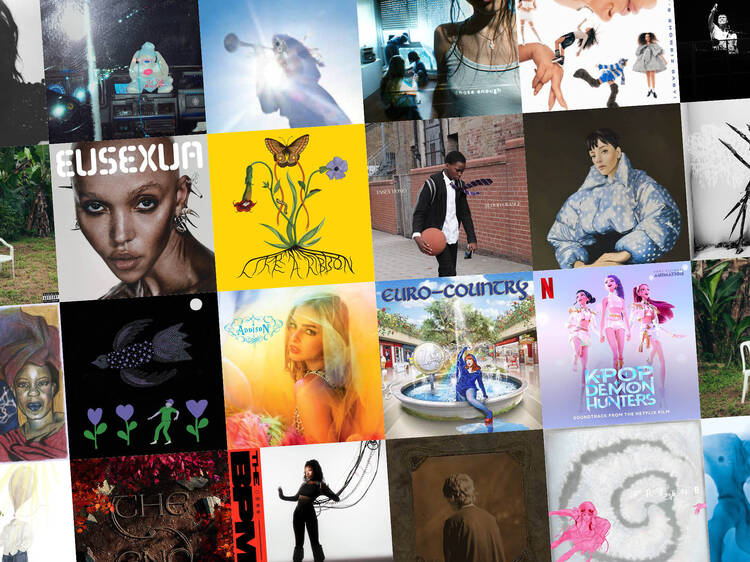
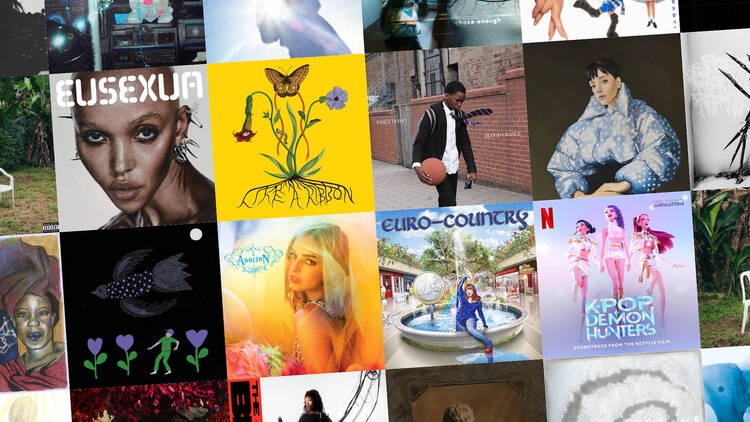
The data points reinforce this pattern: Kendrick Lamar's "Luther" featuring SZA dominated 2025 with 13 weeks at the top of the Hot 100 chart, making it the longest-running No. 1 hit of the year. Yet this commercial dominance doesn't automatically translate to critical consensus—multiple publications are featuring diverse album selections (Addison Rae's debut, Bon Iver's "SABLE, fABLE," Wednesday's "Bleeds," Lady Gaga's "Mayhem") suggesting that critical taste and commercial success have decoupled. This fragmentation is precisely why audience participation has become valuable: it allows publications to claim representativeness across multiple taste communities simultaneously.
The timing matters enormously. These year-end rankings are publishing in early December 2025, a period when streaming platforms are also running their own "Wrapped" campaigns and year-in-review features. By positioning reader submissions and votes as central to their editorial process, publications are competing directly with algorithmic curation for cultural narrative authority. The Guardian's emphasis on data privacy and anonymity, for instance, is a direct counter to platform surveillance—it's saying "we value your voice without monetizing your data," a positioning that resonates in an era of growing privacy concerns and media trust erosion.
The broader implication is that cultural authority is becoming a collaborative construct rather than a top-down pronouncement. Publications that successfully aggregate both critical judgment and audience voice will likely capture more engagement, subscription value, and advertiser interest than those relying on critic-only lists. This represents a fundamental shift in how media organizations monetize cultural commentary: not through exclusive expertise, but through orchestrating consensus across multiple stakeholder groups.
Questions 5
Why are major publications like The Guardian and NPR suddenly emphasizing reader submissions and votes alongside their own critical picks?
Publications are responding to two pressures: economic (media outlets need engagement and subscription revenue) and cultural (audiences no longer accept critic-only gatekeeping). By aggregating both critical judgment and audience voice, they can claim representativeness across fragmented taste communities while competing with algorithmic curation from Spotify and Apple Music. The Guardian's emphasis on data privacy and anonymity is a direct positioning against platform surveillance, signaling 'we value your voice without monetizing your data.'
What does the decoupling of commercial success from critical consensus tell us about 2025 music culture?
Kendrick Lamar's 13-week chart dominance with 'Luther' featuring SZA doesn't automatically translate to critical consensus—publications are featuring diverse albums (Addison Rae, Bon Iver, Wednesday, Lady Gaga) suggesting taste communities have fragmented. This means **critical authority can no longer rely on commercial metrics alone**. Instead, critics are repositioning as taste guides within a democratic process rather than final arbiters, which explains why The New Yorker's critic explicitly acknowledges that critics have become 'less critical and more agreeable' due to economic pressures.