



Reality TV Star Whitney Leavitt Secures Broadway Role as Celebrity Guest-Starring Becomes Industry Growth Strategy
- Signals a structural shift in Broadway's casting model as productions increasingly leverage social media followings and reality TV visibility to drive ticket sales and audience engagement













































































































































































































)











































Overview
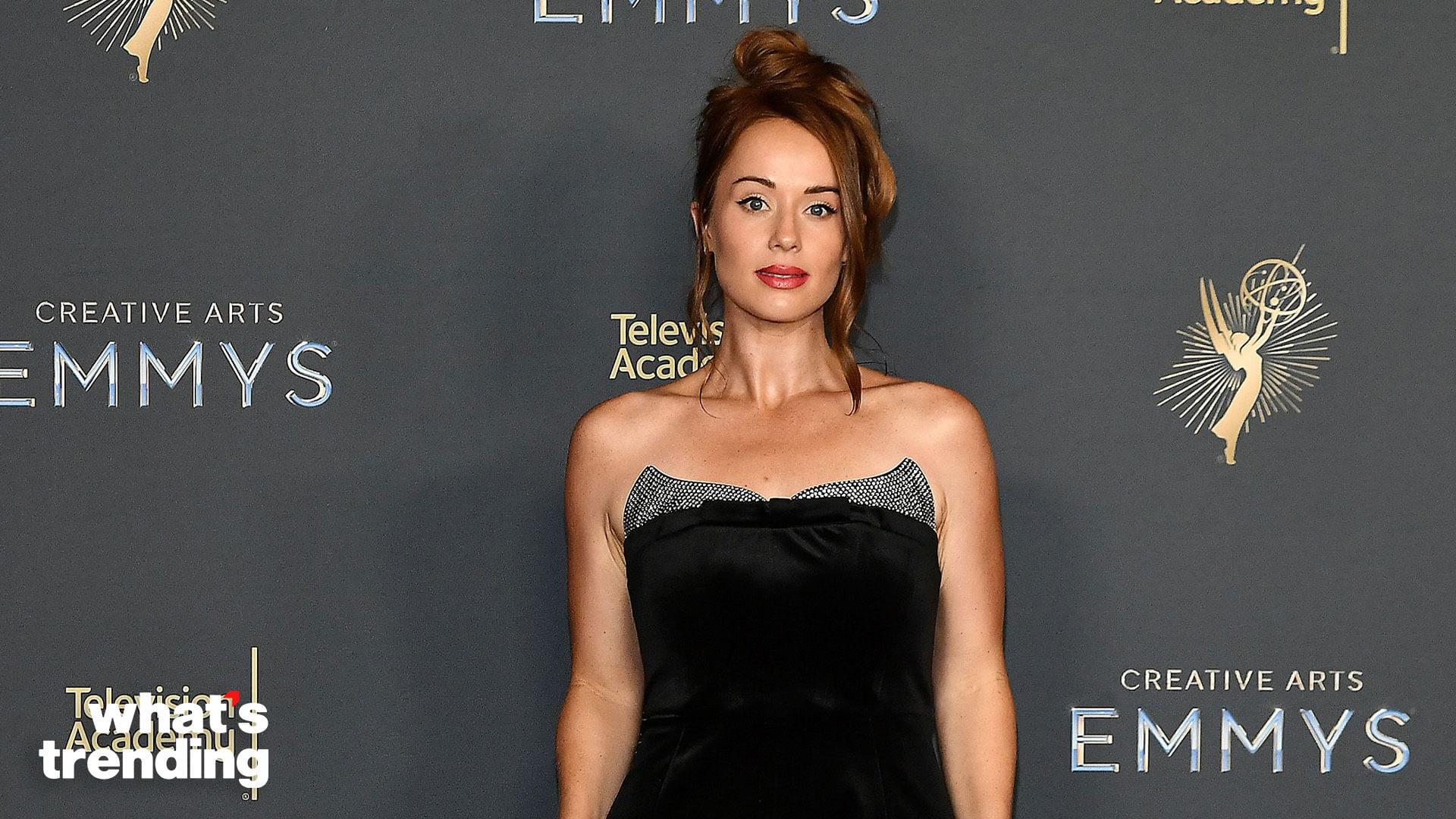
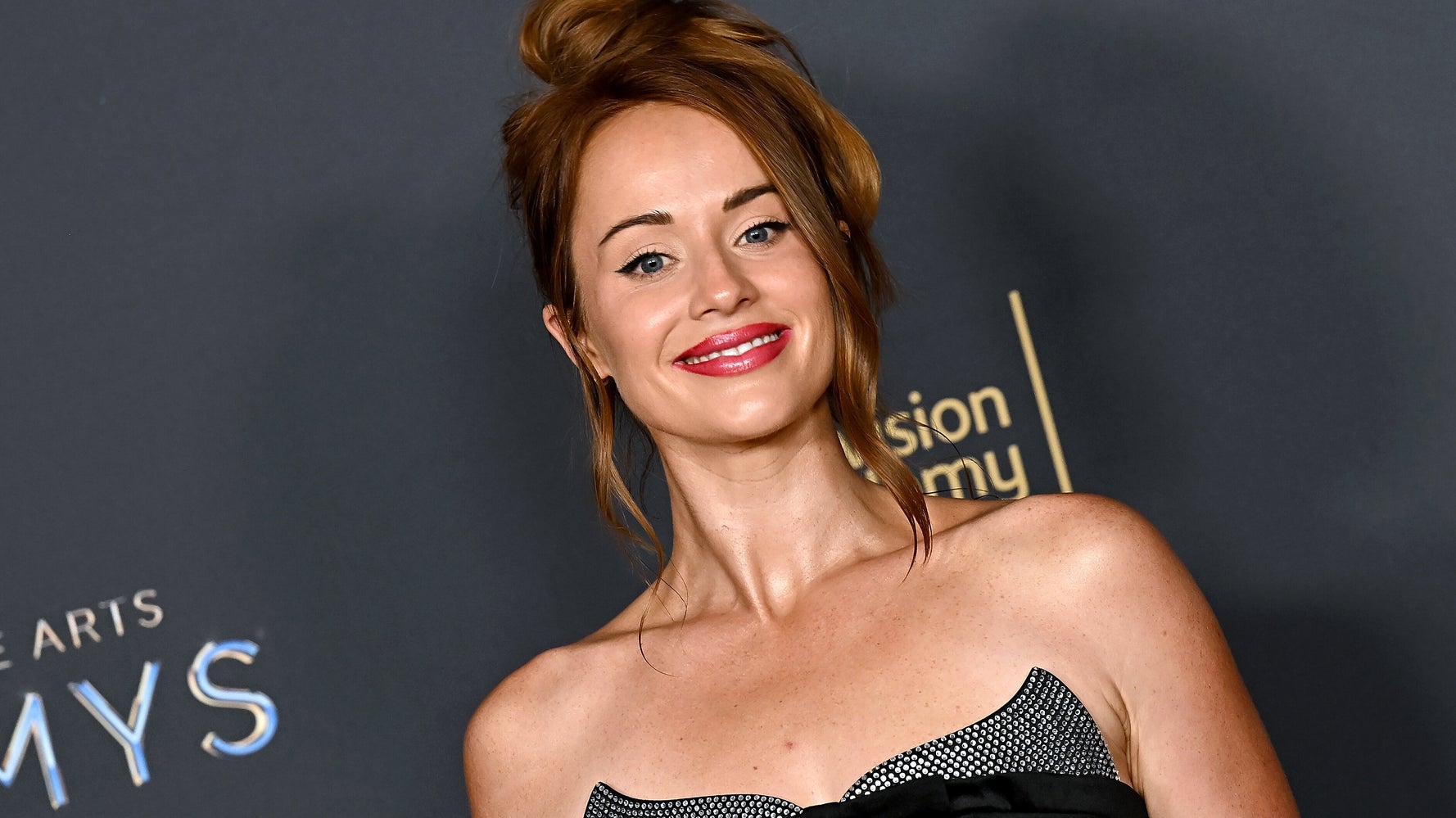
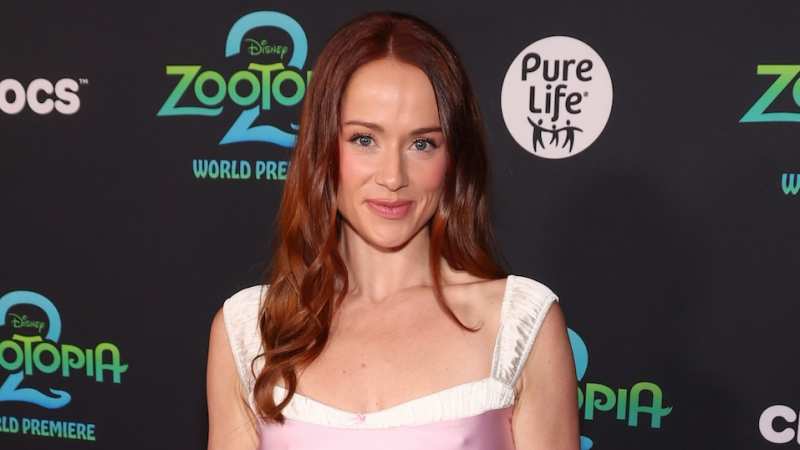
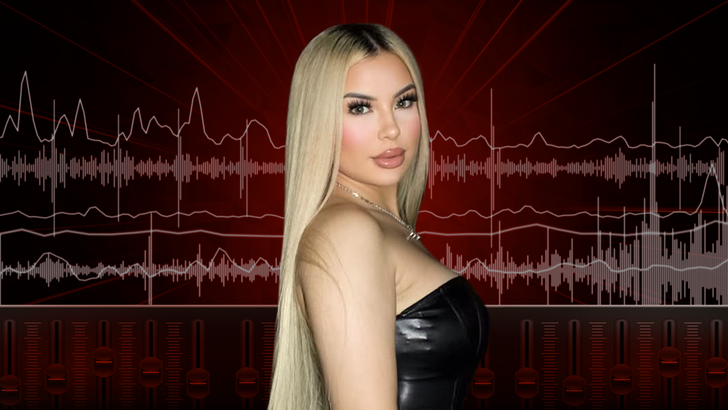
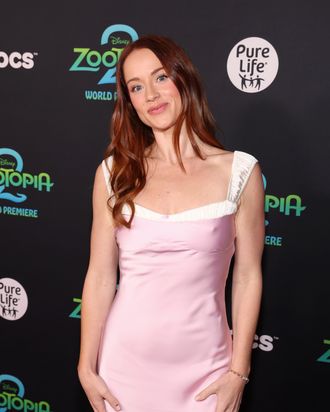
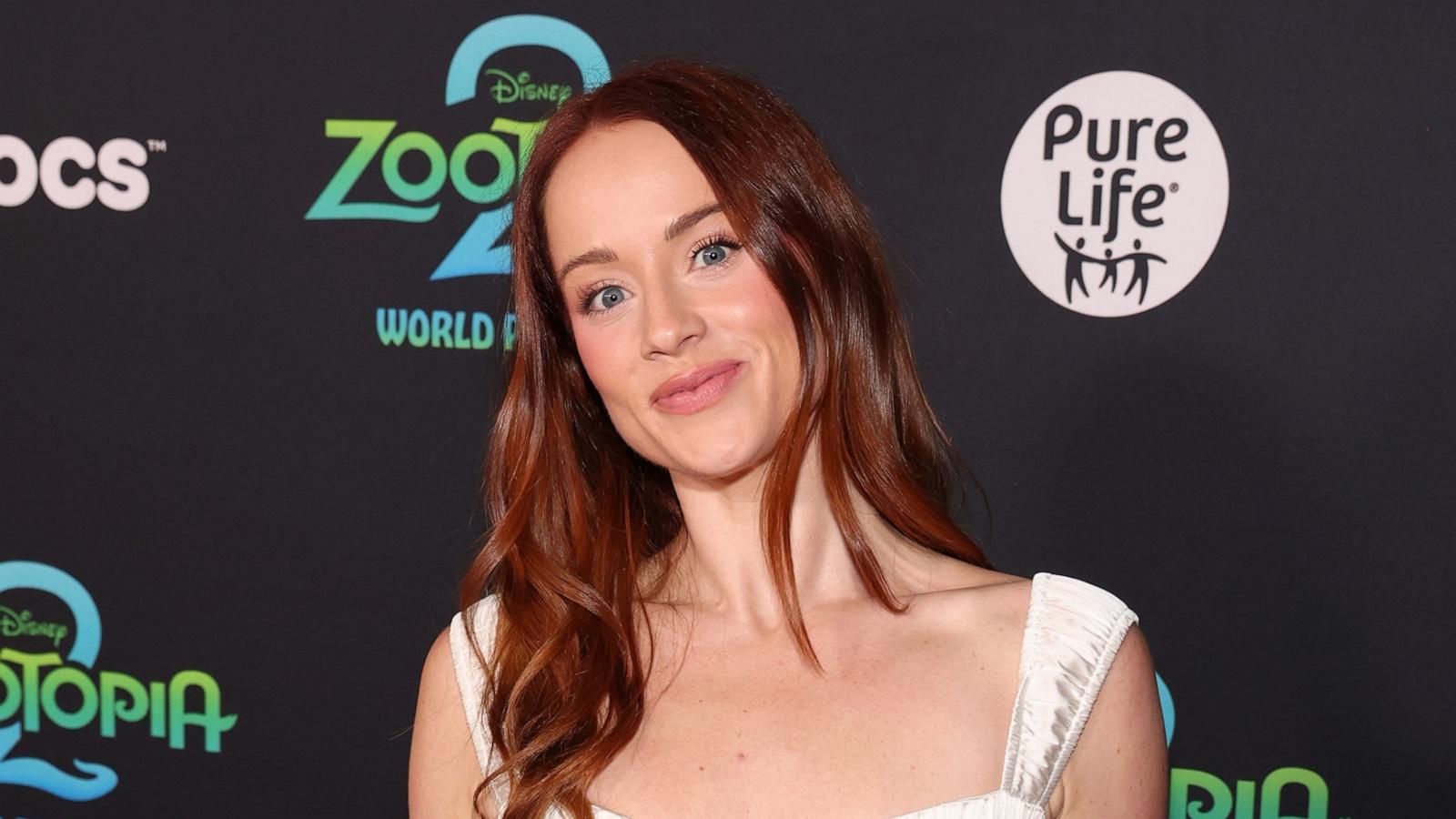
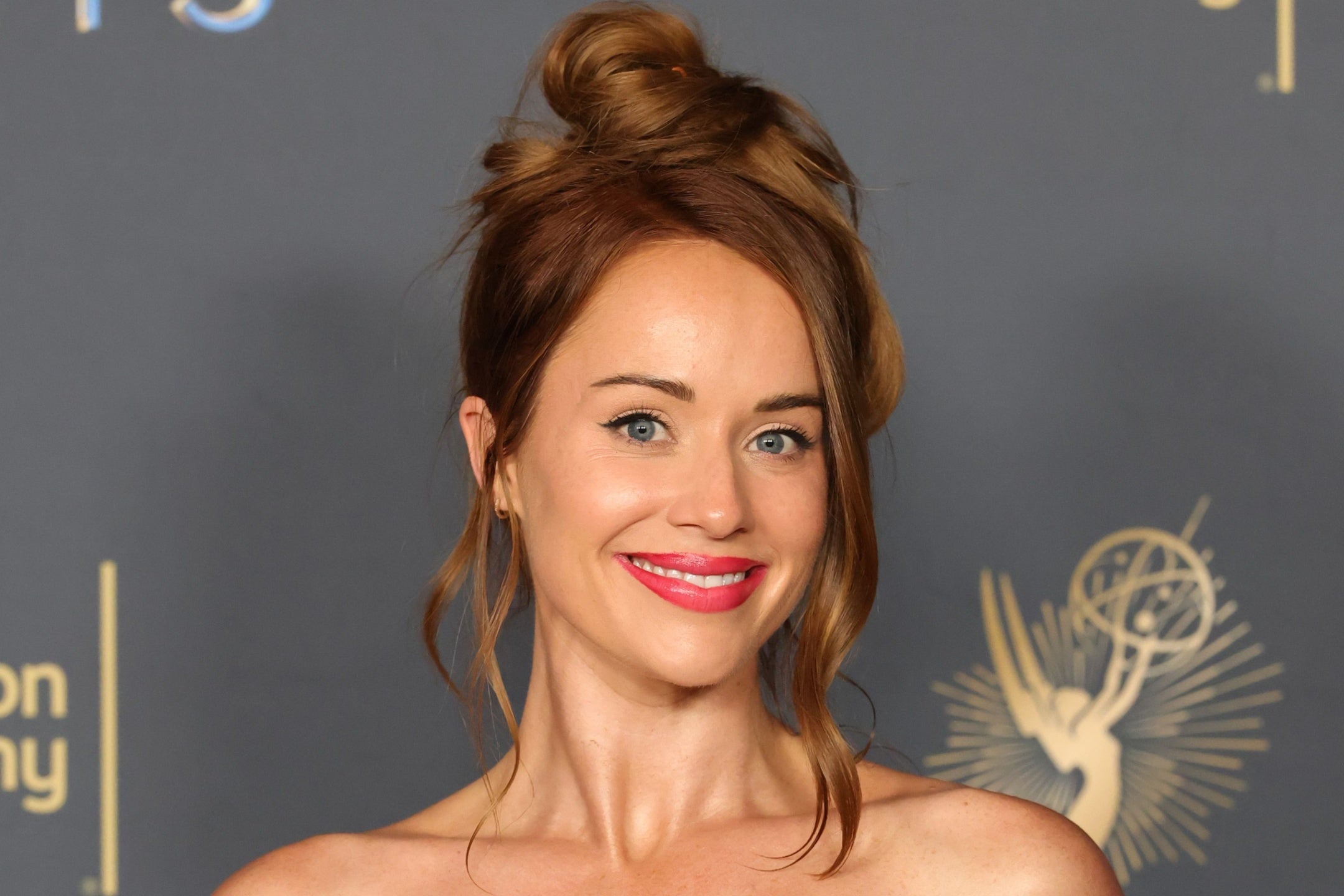
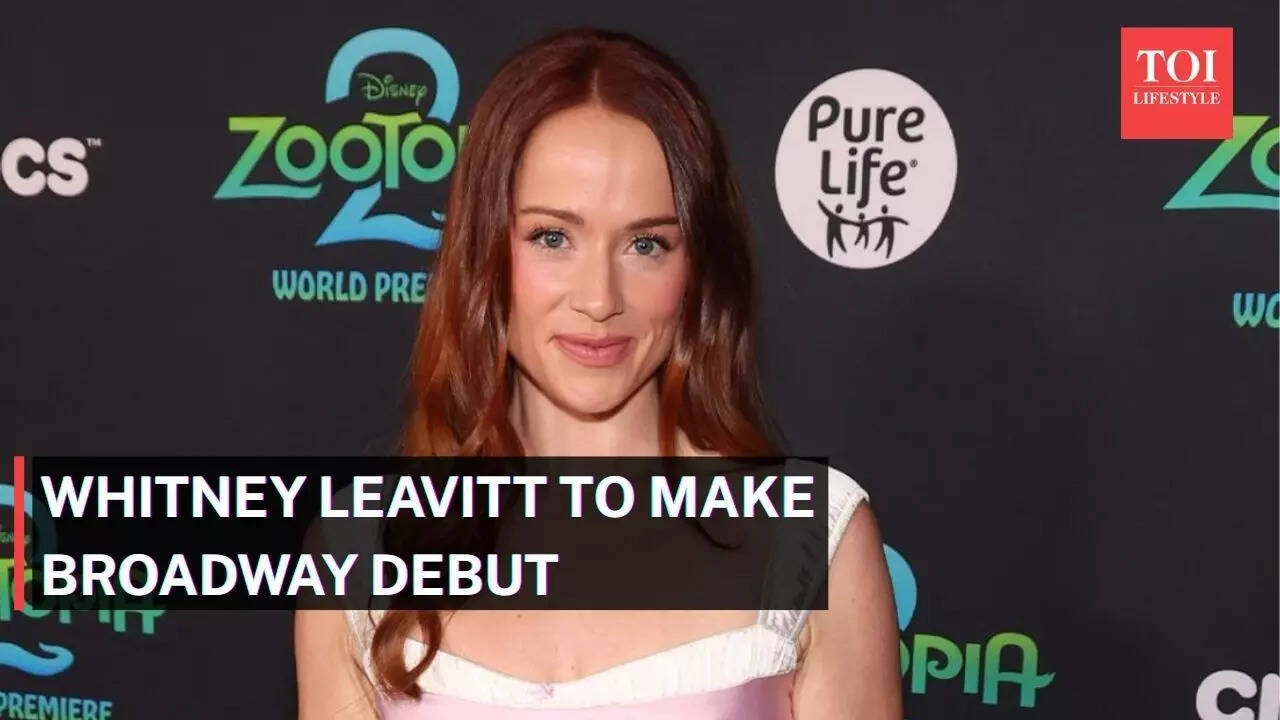
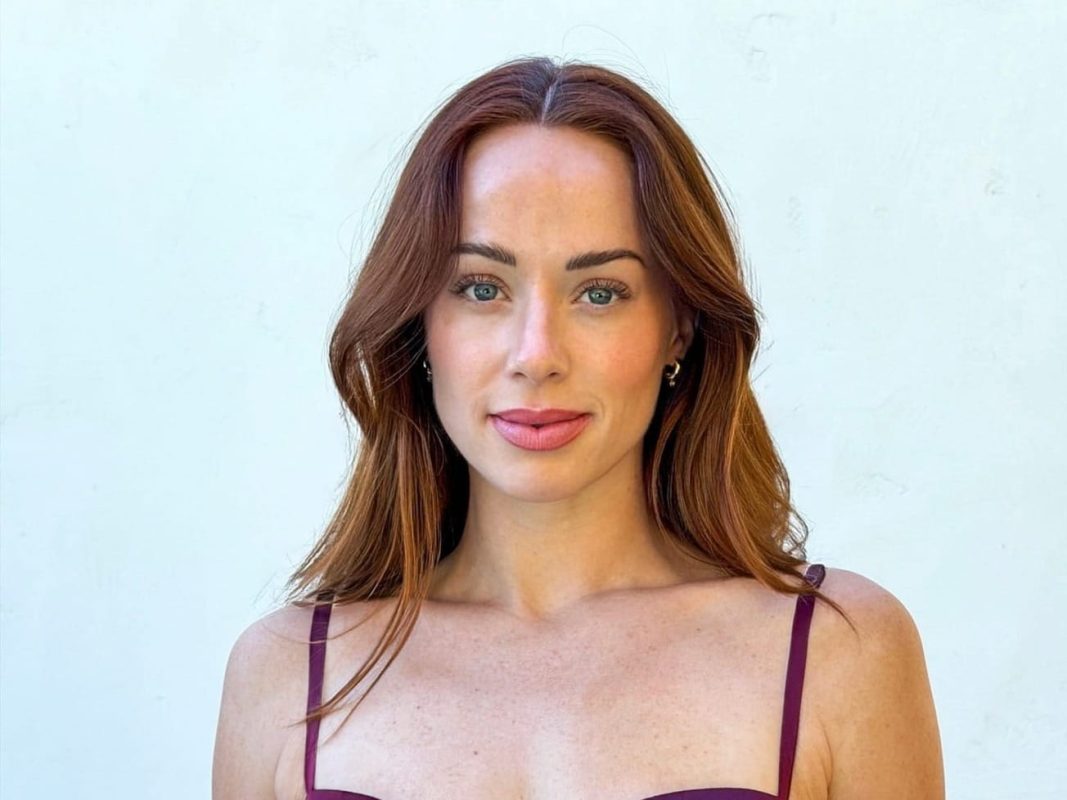
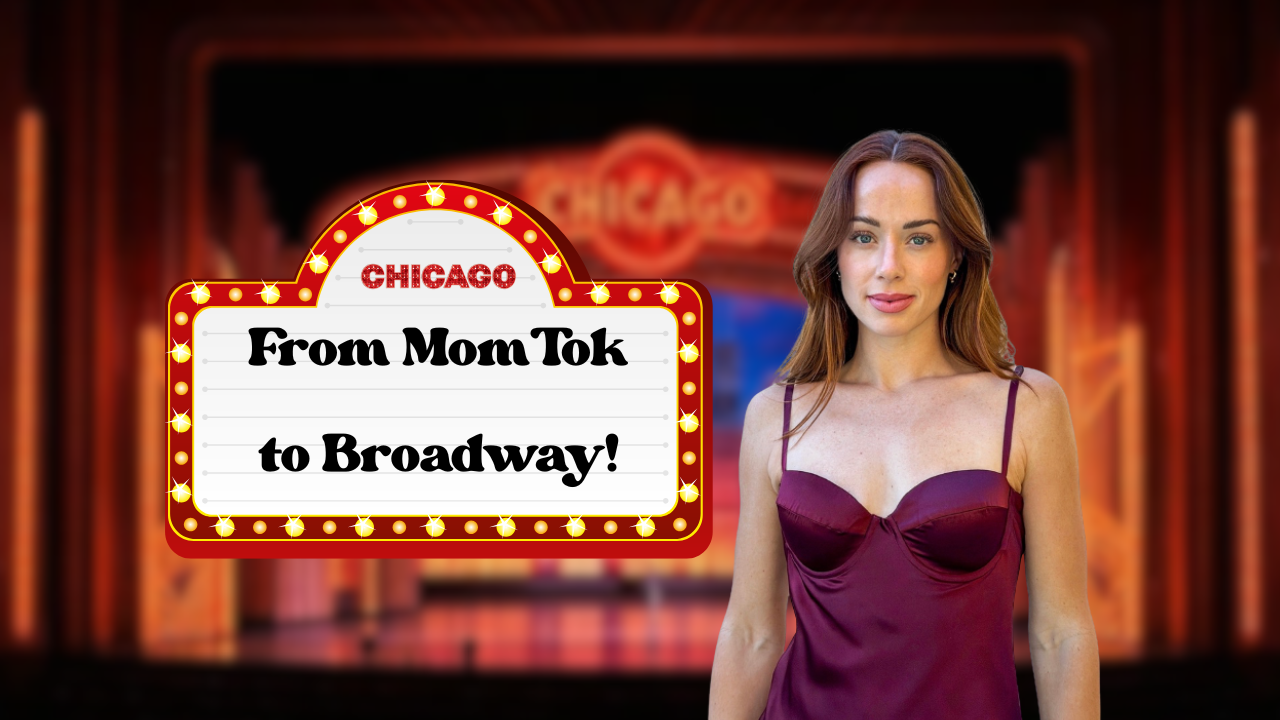
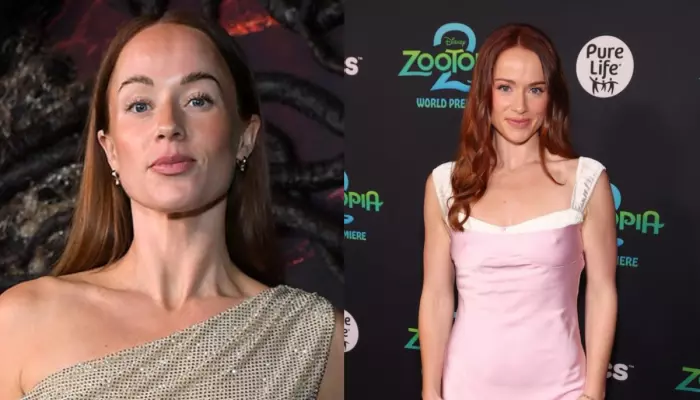
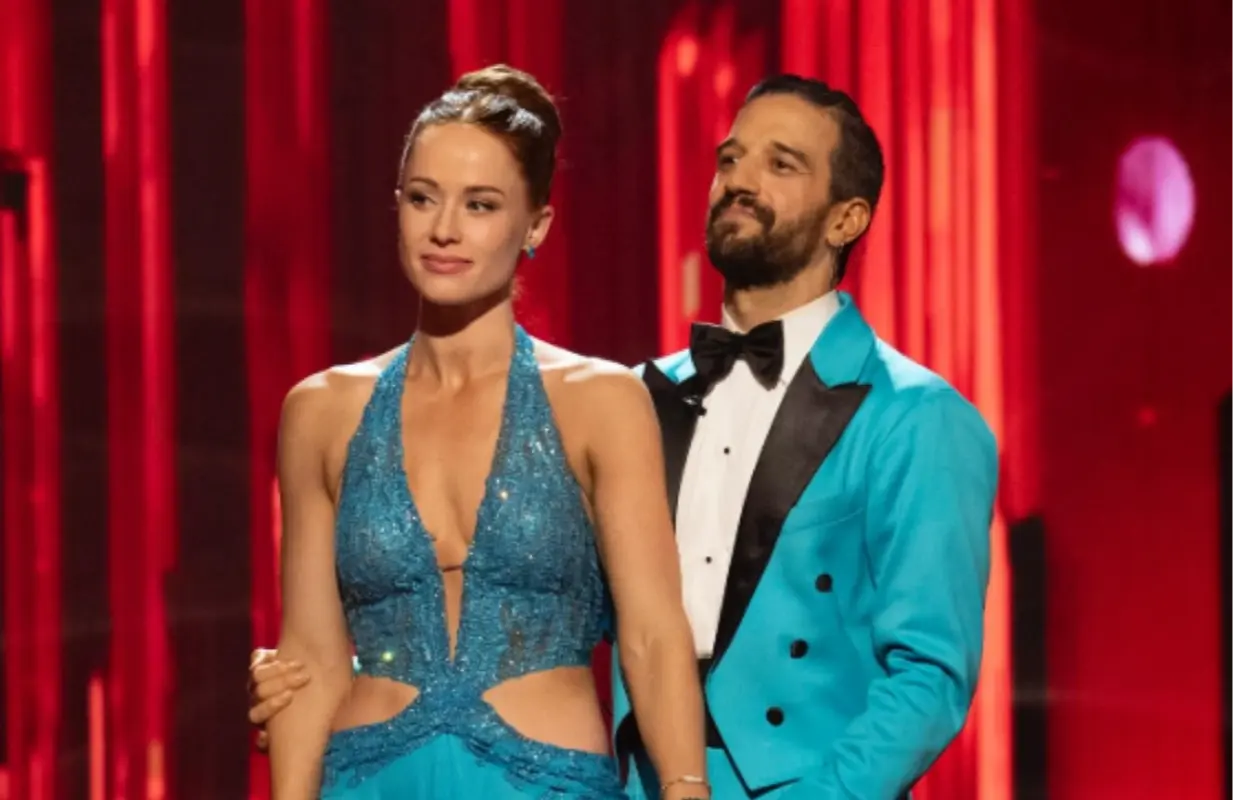
Whitney Leavitt's casting as Roxie Hart in Broadway's revival of "Chicago" represents more than a single career milestone—it exemplifies a fundamental transformation in how Broadway productions now approach talent acquisition and audience development. The 32-year-old reality television personality from Hulu's "The Secret Lives of Mormon Wives" announced her six-week engagement (February 2 through March 15, 2026) at the Ambassador Theatre following her semifinal elimination from Season 34 of "Dancing with the Stars," where she earned a perfect score in week nine. This trajectory reveals a deliberate strategy: Broadway is increasingly capitalizing on the media visibility generated by reality television and competitive entertainment platforms to fill marquee roles traditionally reserved for trained theatrical performers.
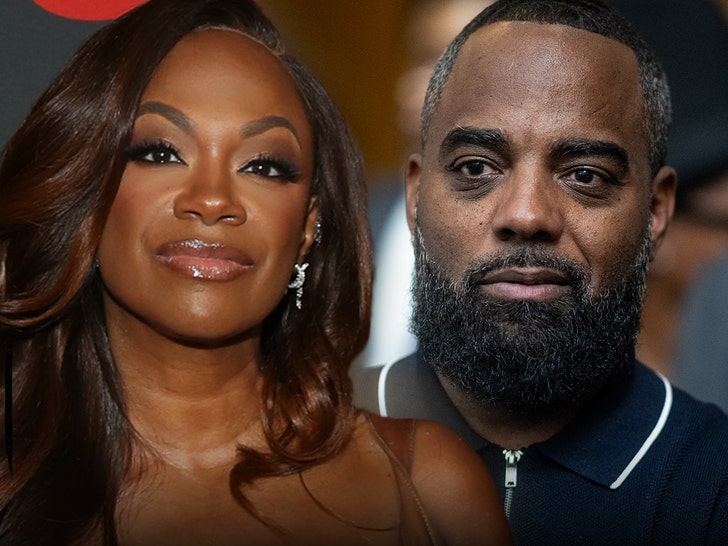
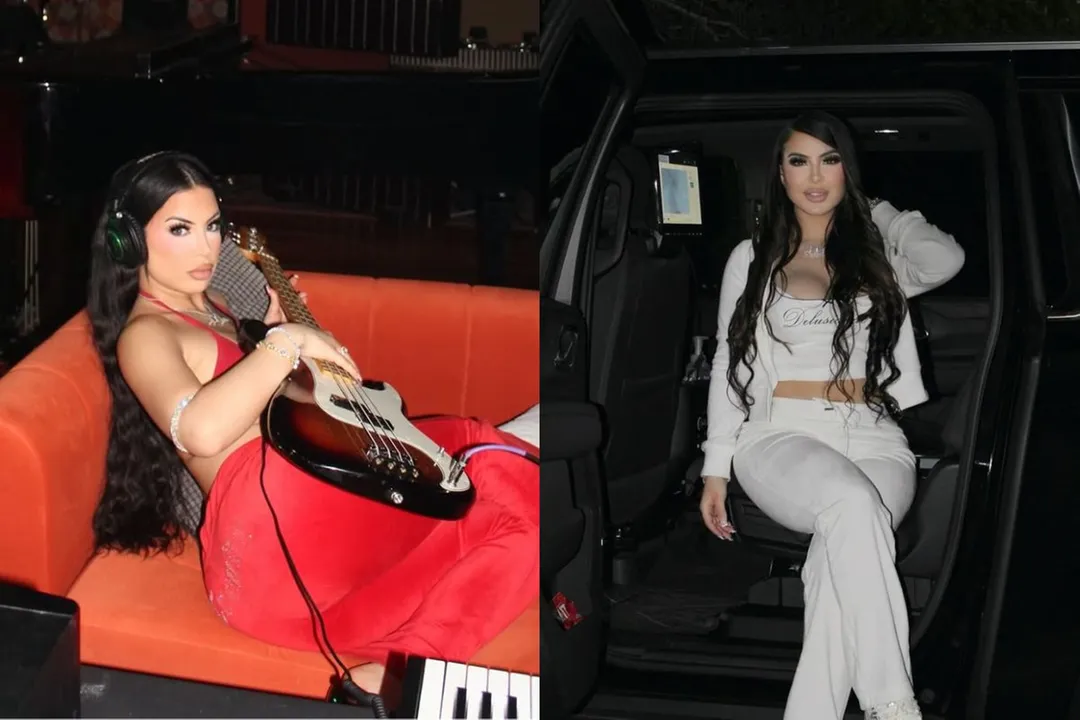
The Celebrity Guest-Starring Model is Now Broadway's Primary Growth Engine. Leavitt joins a growing cohort of reality television personalities—including Ariana Maddix, Erika Jayne, and Lisa Rinna—who have played the same Roxie Hart role in recent years. This pattern is not coincidental; it reflects a conscious industry pivot. Broadway has historically relied on established theatrical talent and trained performers to anchor productions. However, the economics of modern theater have shifted dramatically. With ticket prices climbing and younger audiences increasingly fragmented across streaming platforms, Broadway productions now view celebrity guest-starring as a proven mechanism to generate media coverage, social media buzz, and audience acquisition. Leavitt's four million social media followers represent a direct marketing asset that traditional theatrical casting cannot replicate. Her DWTS appearance created additional momentum: during the competition, she performed an Argentine Tango to "Cell Block Tango," the iconic musical number from "Chicago," creating a thematic bridge that amplified her Broadway announcement when it dropped on December 1st via Instagram. This is not organic career progression—it is calculated audience capture.
The Virality Coefficient of Reality TV Visibility Now Outweighs Traditional Theatrical Credentials. What makes this trend particularly significant is the implicit message it sends about casting priorities. Leavitt's Broadway debut marks her first professional theatrical role, yet she secured a lead position in a Tony Award-winning revival (six Tony Awards including Best Musical Revival, plus a Grammy for Best Musical Cast Recording). The production features established performers like Kate Baldwin and Sophie Carmen-Jones, but Leavitt's casting signals that social media reach and entertainment platform visibility now carry equivalent or greater weight than theatrical training in Broadway's talent calculus. This has profound implications for the industry's talent pipeline. Traditional theater training—conservatory degrees, regional theater apprenticeships, years of understudy work—is being systematically deprioritized in favor of pre-existing audience capture mechanisms. The six-week limited engagement structure further reinforces this model: Broadway is essentially treating celebrity guest-starring as a finite, high-velocity revenue event rather than a long-term artistic commitment. Leavitt's run is explicitly time-bound, designed to generate concentrated ticket demand and media attention before rotating in the next celebrity talent.
The Structural Shift Reflects Deeper Economics in Live Entertainment. Understanding why this is happening requires examining the financial pressures on Broadway productions. Theater ticket prices have increased 40-50% over the past decade, while attendance among younger demographics has declined. Productions face mounting pressure to fill seats and generate ancillary revenue (merchandise, premium seating, VIP experiences). A celebrity with four million social media followers represents a direct channel to audience acquisition that traditional marketing cannot achieve at comparable cost. When Leavitt announces her Broadway role to her followers, she is essentially providing free, credible marketing to the production. The DWTS connection amplifies this further: her semifinal appearance and perfect score generated significant media coverage, which then transferred directly to her Broadway announcement. This is earned media at scale—something Broadway productions increasingly cannot afford to ignore. The timing of her casting (announced immediately after DWTS elimination) is strategically deliberate, designed to capitalize on peak media attention and audience interest while her name is still trending. This represents a fundamental departure from how Broadway traditionally managed talent and audience development, where casting decisions were made months or years in advance based on artistic vision rather than real-time media momentum.
Looking forward, this trend will likely accelerate. As streaming platforms continue fragmenting entertainment consumption and traditional theater attendance remains under pressure, Broadway productions will increasingly view celebrity guest-starring as a core business strategy rather than an occasional novelty. The implication is that Broadway is essentially becoming a celebrity platform—a venue where established entertainment personalities can transition into theatrical roles, leveraging their existing audiences rather than building new ones through traditional theatrical pathways. For emerging theatrical talent without significant social media presence, this creates a structural headwind: the most visible, highest-profile roles are increasingly reserved for celebrities with pre-existing audience capture mechanisms. The industry is optimizing for ticket sales and media coverage rather than artistic development or theatrical merit. This shift will reshape Broadway's talent ecosystem, audience composition, and the economic model underlying live theatrical production for years to come.
Questions 5
What does Whitney Leavitt's casting reveal about how Broadway now measures success?
Her selection signals that Broadway is optimizing for ticket sales, media coverage, and audience reach rather than artistic development or theatrical credentials. Leavitt's six-week limited engagement is explicitly designed as a high-velocity revenue event—concentrated ticket demand around a celebrity name rather than a long-term artistic commitment. The timing of her announcement (immediately after DWTS elimination, when media attention peaked) demonstrates that productions now view casting decisions through a real-time media momentum lens rather than traditional theatrical planning cycles.
How does the celebrity guest-starring model affect emerging theatrical talent without social media presence?
It creates a structural disadvantage. The most visible, highest-profile Broadway roles are increasingly reserved for celebrities with pre-existing audience capture mechanisms rather than talented performers building careers through traditional theatrical pathways. This means emerging actors without significant social media followings face reduced access to the marquee roles that historically served as career-building opportunities. The industry is essentially deprioritizing traditional talent development in favor of immediate audience acquisition.