




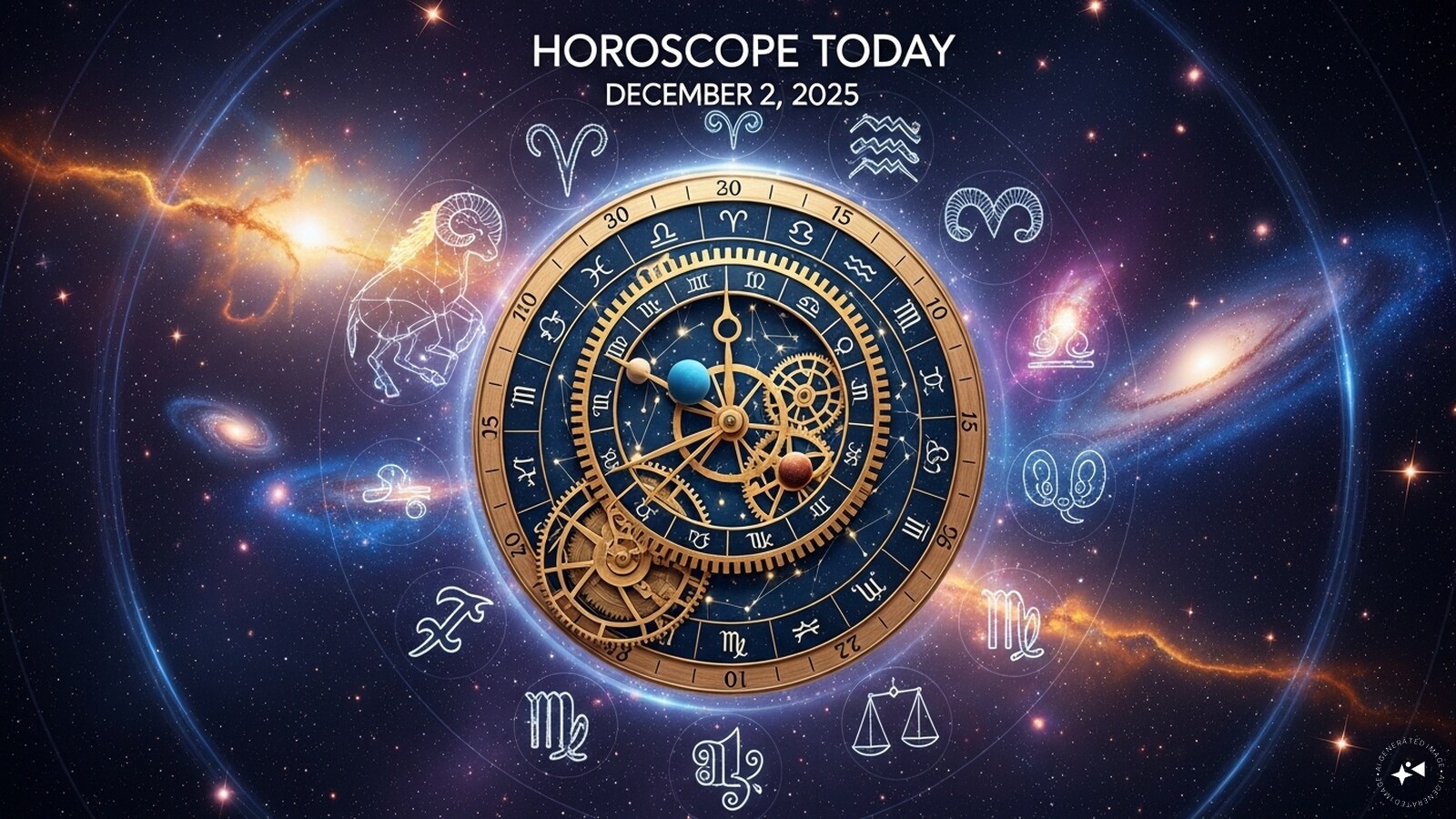
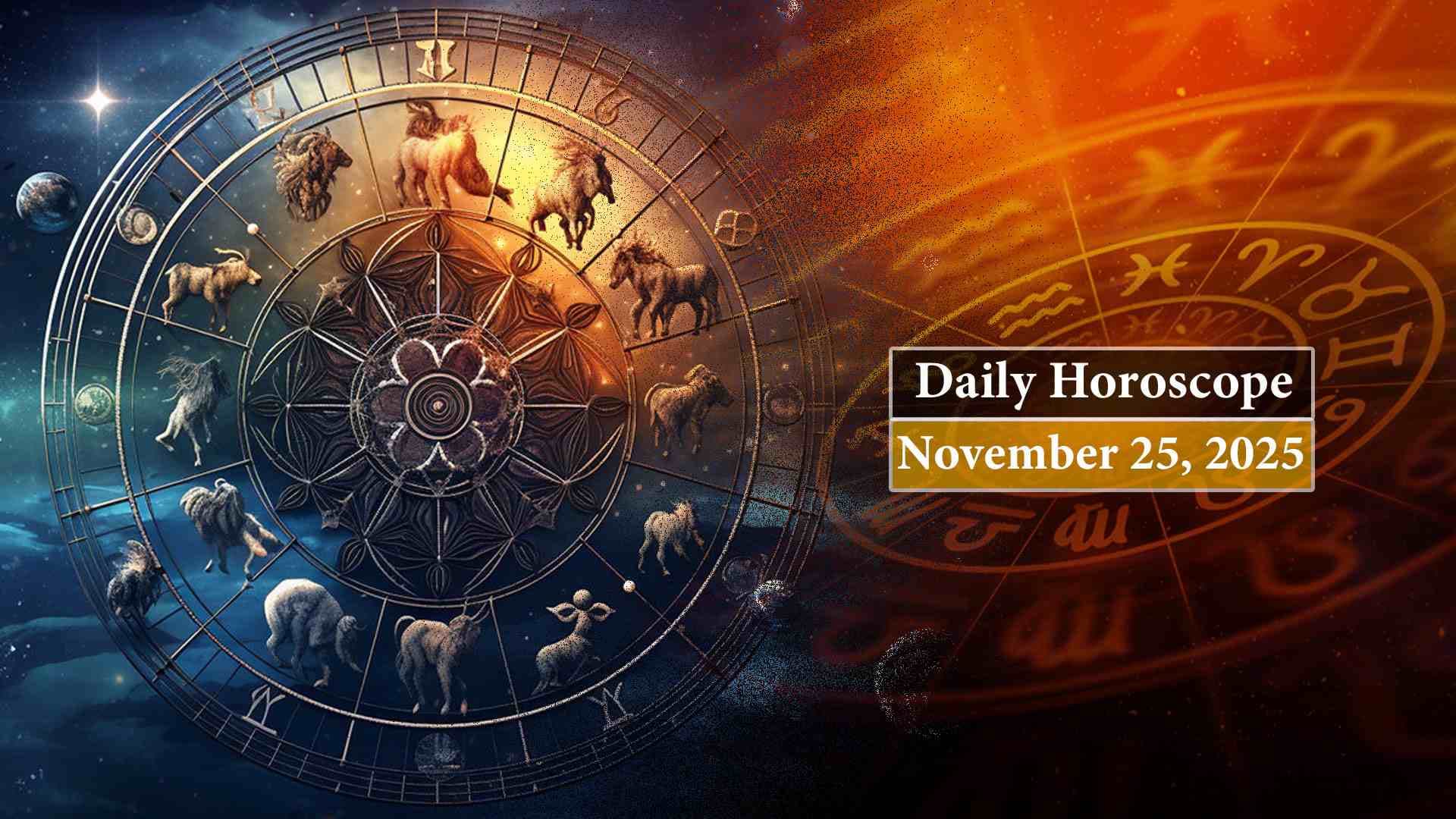
Daily Horoscope Content Dominates Major News Outlets on December 2, 2025
- Entertainment-focused astrology predictions drive significant media coverage across USA Today, Yahoo, and Chicago Sun-Times, signaling sustained consumer appetite for daily lifestyle content










)

































)
















-1764591138309.webp)














.jpg?crop=1525,800.6,x0,y108.2&width=1200&height=630)






























































































.jpg)











-1763729524072.webp)



)





























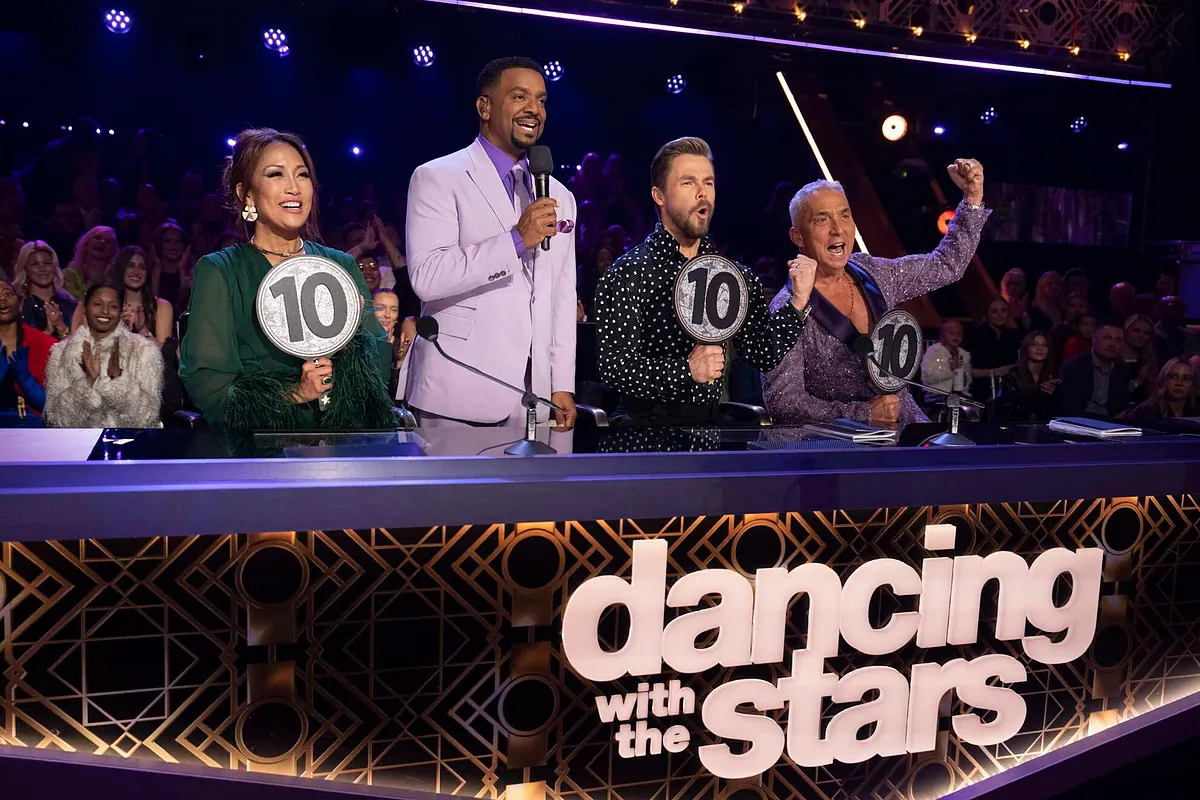



































Overview
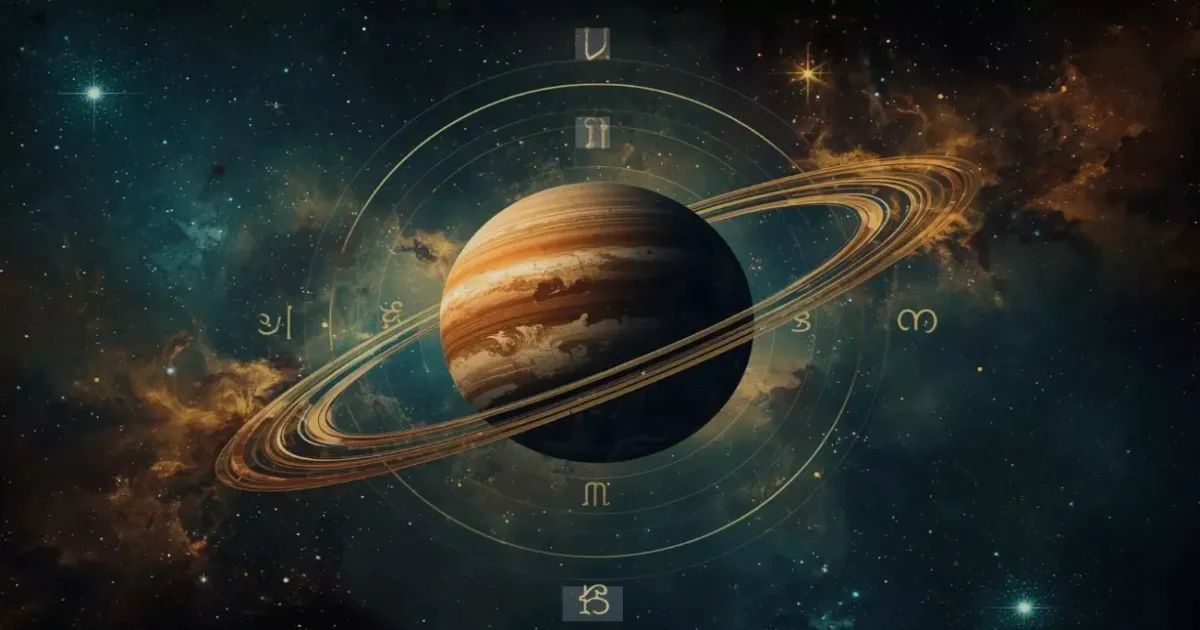
The proliferation of daily horoscope content across major news platforms on December 2, 2025 reveals a persistent and widespread consumer demand for astrological entertainment that transcends traditional media boundaries. USA Today, Yahoo.com, and the Chicago Sun-Times all published horoscope columns on the same date, each featuring predictions for all 12 zodiac signs tied to planetary alignments—specifically a Venus-Pluto alignment highlighted in the USA Today piece. This synchronized coverage across multiple authoritative news sources indicates that daily horoscope content has become a standard editorial fixture rather than a niche offering, suggesting both editorial confidence in audience engagement and measurable traffic performance metrics that justify consistent publication.
The structural consistency across these publications is particularly noteworthy. Each outlet frames horoscope content with personality-based forecasts and generic lifestyle advice covering relationships, emotional dynamics, financial discussions, and work opportunities. USA Today's version explicitly links to extended horoscope readings and cross-promotes unrelated lifestyle content (DIY projects, Pilates, real estate), a pattern that reveals the monetization strategy underlying horoscope publishing—using astrological content as a traffic driver to adjacent consumer verticals. Yahoo's teen-focused variant ("TeenScope") demonstrates demographic segmentation within the horoscope category, suggesting publishers have identified distinct audience cohorts with differentiated content needs. The Chicago Sun-Times approach, which emphasizes daily forecast ratings ("positive" to "average" days), adds a predictive confidence layer that may enhance perceived utility for readers seeking decision-making guidance.
What's particularly significant is the timing and scale of this coverage. Three major news organizations publishing horoscope content on the same date, each with substantial editorial resources and audience reach, indicates this content category has achieved mainstream legitimacy within news organizations. The fact that these pieces appear alongside navigation elements, advertisements, and cross-promotional links suggests horoscope content functions as a high-traffic, low-production-cost editorial offering that drives engagement metrics and supports advertising inventory. The Venus-Pluto alignment mentioned in USA Today's piece appears to have served as a news peg—a planetary event that justified simultaneous publication across outlets, much like how weather events or celebrity news can trigger coordinated coverage. This suggests astrological events now function as legitimate news triggers within editorial calendars.
The broader implication is that daily horoscope content has evolved from a niche entertainment feature into a standardized media product with predictable audience demand. The consistency of format, timing, and distribution across competing outlets suggests this content category has achieved a form of editorial equilibrium where publishers view horoscope columns as essential lifestyle offerings. The inclusion of links to extended readings and premium astrology services indicates a monetization funnel where free daily horoscopes serve as entry points to paid astrological content. For media organizations, this represents a reliable engagement driver with minimal production overhead—a single astrologer or syndicated content can serve multiple outlets simultaneously. The sustained presence of this content across major platforms suggests consumer appetite for daily astrological guidance remains robust, even as digital media consumption patterns continue to evolve.
Questions 5
Why are major news outlets publishing horoscope content simultaneously on the same date?
The synchronized publication of horoscope content across USA Today, Yahoo, and Chicago Sun-Times on December 2, 2025 reflects both editorial confidence in audience demand and the use of planetary events (like the Venus-Pluto alignment) as news pegs that justify coordinated coverage. This pattern indicates horoscope content has achieved mainstream legitimacy within news organizations as a reliable traffic driver with predictable engagement metrics.
What monetization strategy underlies daily horoscope publishing?
Publishers use free daily horoscopes as entry points to a monetization funnel that includes links to extended readings, premium astrology services, and cross-promotional content for adjacent lifestyle verticals (DIY, fitness, real estate). The low production cost combined with high traffic potential makes horoscope content an efficient way to drive advertising inventory and premium content conversions.