



Zoo Tragedy Sparks Viral Debate on Mental Health, Animal Welfare, and Institutional Responsibility in Brazil
- A tragic incident at a Brazilian zoo reveals tensions between mental health crisis intervention, animal protection ethics, and public safety protocols that resonate across social media and news cycles











































































)





















































































































































































































































Overview
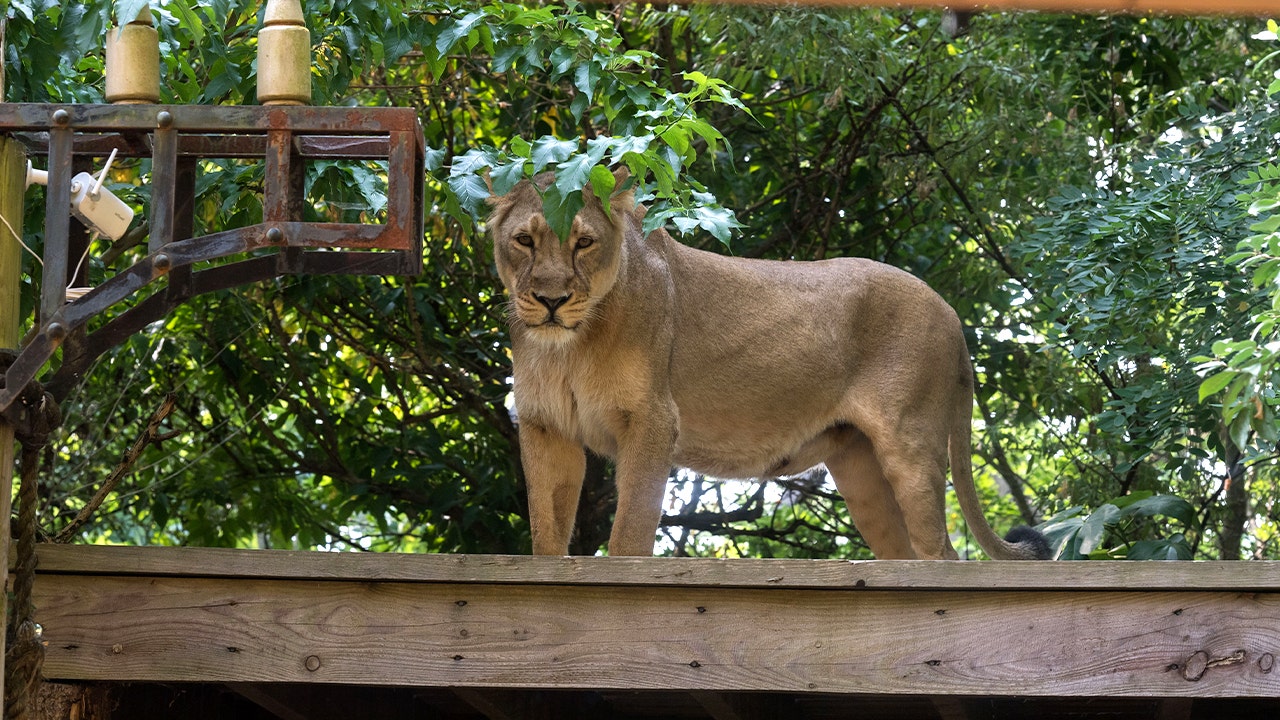
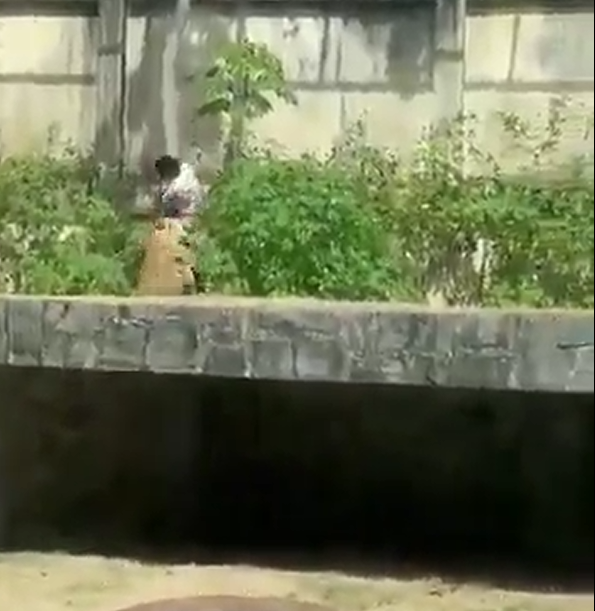
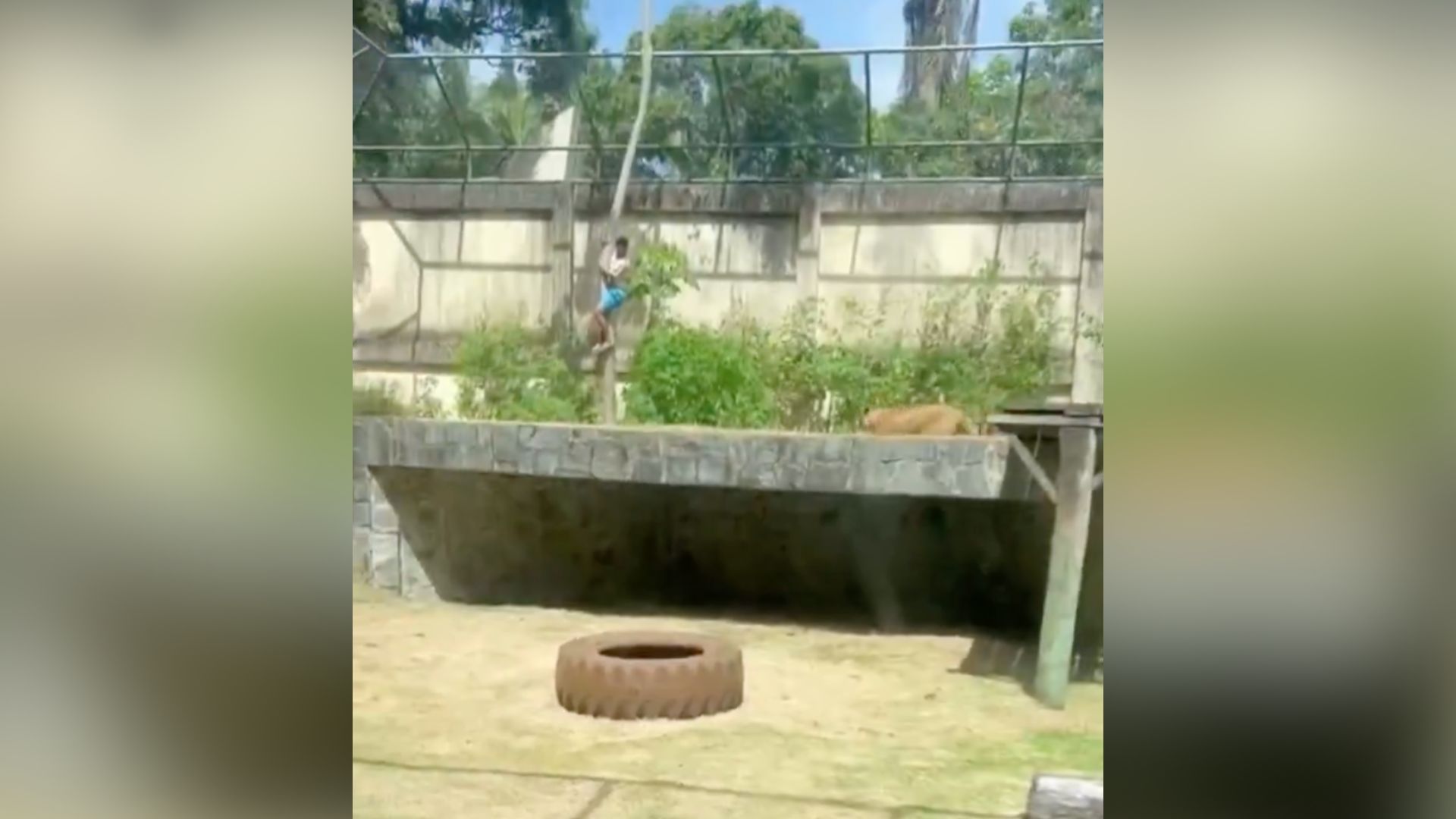
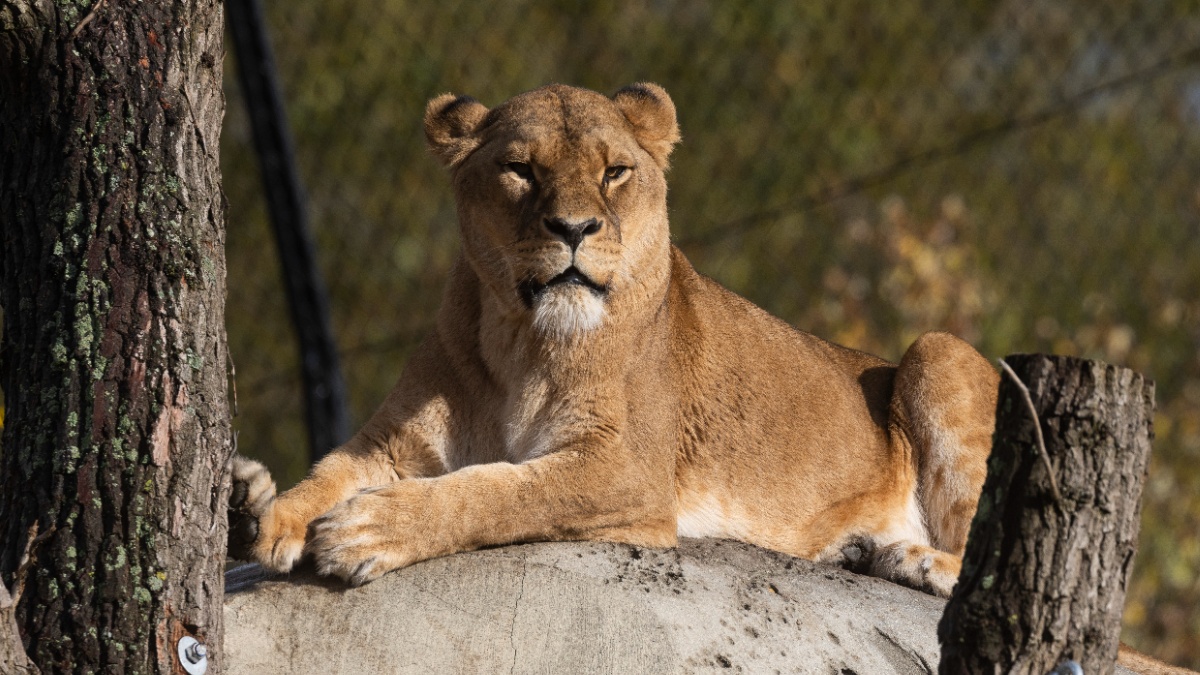
A fatal incident at Arruda Câmara Zoobotanical Park in João Pessoa, Brazil on November 30, 2025, has triggered significant viral engagement and sparked broader conversations about mental health crisis intervention, animal welfare ethics, and institutional accountability. The incident—in which 19-year-old Gerson de Melo Machado deliberately scaled a 26-foot fence to enter a lioness enclosure and was fatally mauled—has circulated widely on social media through viral video footage, creating a complex narrative that extends far beyond a simple animal attack story.
What makes this tragedy particularly resonant is the layered human context. Machado had a documented history of schizophrenia and multiple psychiatric hospitalizations, yet reportedly harbored dreams of becoming a lion tamer in Africa. This combination of mental health vulnerability and aspirational motivation creates an emotionally charged narrative that audiences find simultaneously tragic and thought-provoking. The viral video documentation of the incident—showing Machado's deliberate climb and the lioness's attack—has amplified emotional engagement across platforms, transforming a local news story into a global conversation point about institutional safeguards and individual agency.
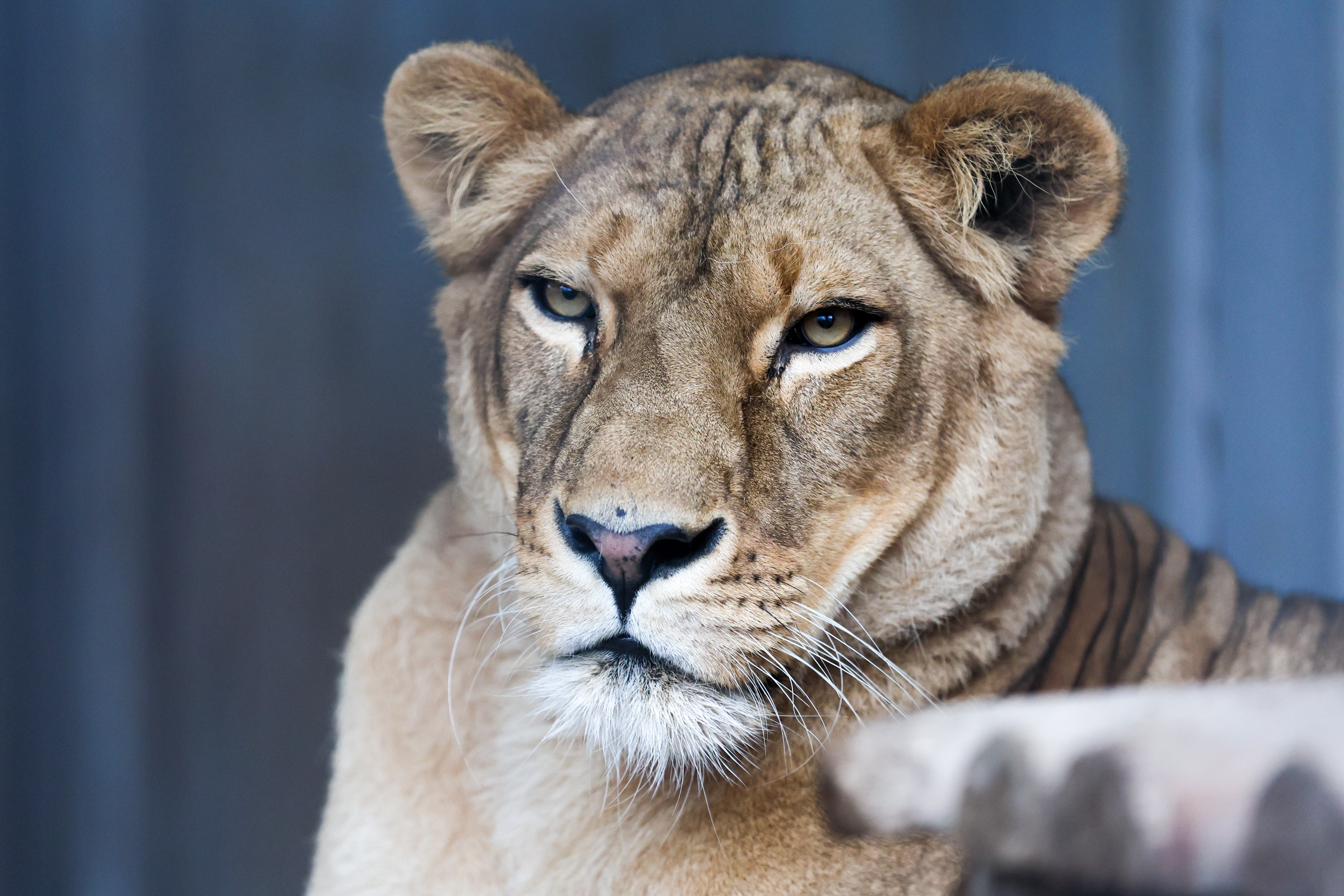
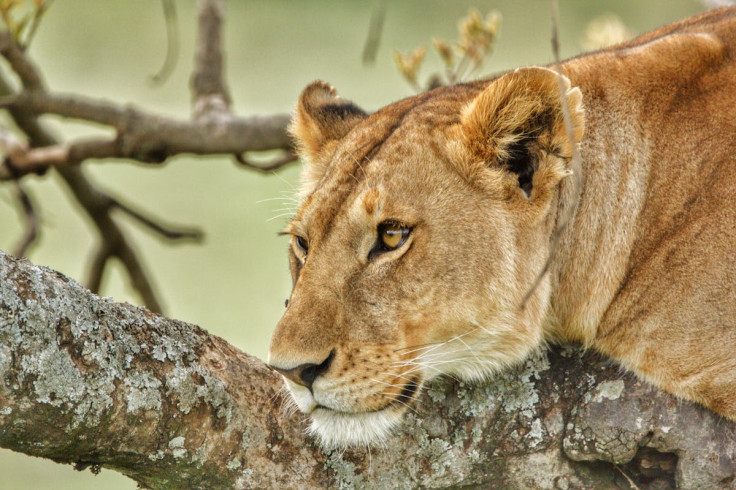
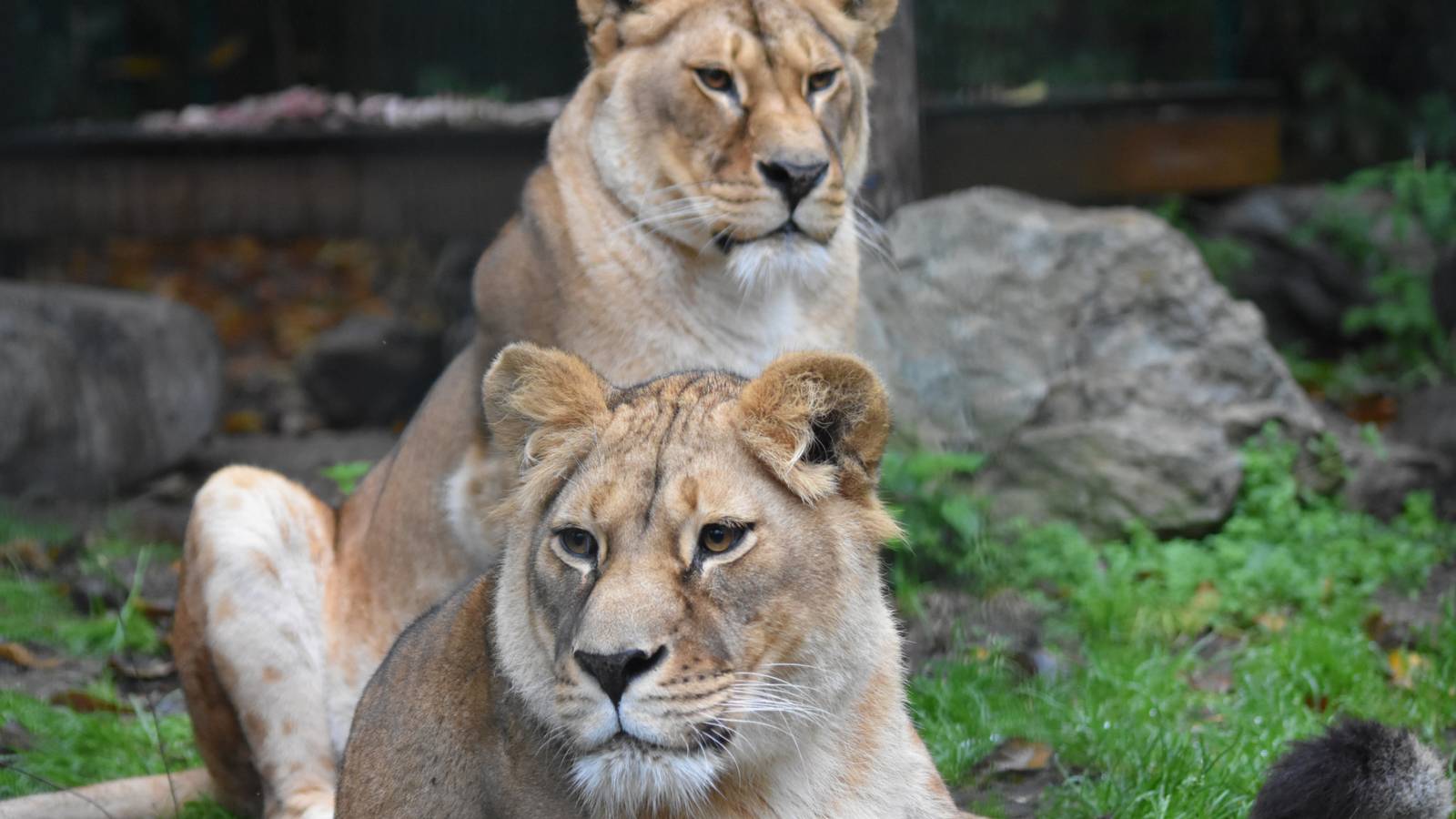
The zoo's institutional response has become a secondary focal point driving continued discussion. By announcing that Leona, the lioness, will not be euthanized despite the fatal attack, zoo officials have positioned themselves as defenders of animal welfare while simultaneously raising questions about human responsibility. This decision signals a clear prioritization: the animal is deemed blameless because it was defending its territory from an intrusion, while the human tragedy is framed as a consequence of individual choice and mental health crisis. The zoo's statement that Leona "has never displayed aggressive behavior outside this incident" and remains "healthy but endured extreme stress" reframes the narrative from animal culpability to environmental violation—a nuanced position that resonates with audiences increasingly concerned about animal rights and institutional ethics.
From a trend perspective, this incident has activated multiple overlapping conversations simultaneously. Mental health advocates are discussing the gaps in crisis intervention and the visibility of psychiatric vulnerability in public spaces. Animal welfare communities are celebrating the zoo's decision not to euthanize, while simultaneously questioning enclosure security and visitor safety protocols. Media outlets ranging from NBC News to Brazilian regional press have amplified the story, each adding interpretive layers that extend its reach and relevance. The incident's timing—occurring in late November 2025—coincides with broader global conversations about mental health awareness and institutional responsibility, creating a cultural moment where the story feels both locally specific and universally relevant.
The sustainability of this trend hinges on several factors. The viral video documentation ensures continued recirculation and emotional resonance, particularly as mental health and animal welfare communities continue to extract meaning from the incident. Ongoing investigation updates from the zoo could reignite coverage cycles. However, the tragic finality of the outcome—a death has occurred—may limit the trend's evolution toward actionable policy discussions or institutional reforms, potentially causing engagement to plateau as the narrative becomes fixed rather than developing. What remains clear is that this incident has transcended simple news reporting to become a cultural touchstone for conversations about vulnerability, institutional safeguards, and the ethics of human-animal interaction in controlled environments.
Questions 5
Why has this tragic incident become so viral when similar zoo incidents occur regularly?
The combination of documented **mental health vulnerability**, aspirational narrative (dreams of becoming a lion tamer), and clear video documentation creates multiple emotional entry points for audiences. Unlike routine animal attacks, this incident activates conversations about **mental health crisis intervention**, **institutional safeguards**, and **animal welfare ethics** simultaneously. The zoo's decision not to euthanize the lioness adds a counterintuitive ethical dimension that challenges viewers to reconsider blame and responsibility, making the story more complex and shareable than typical tragedy coverage.
What does the zoo's decision not to euthanize the lioness signal about institutional priorities?
By protecting Leona despite the fatal attack, the zoo has explicitly prioritized **animal welfare ethics** and positioned the incident as a human security failure rather than an animal behavior problem. This decision reflects growing global sentiment that animals in captivity should not be punished for defending their territory from human intrusion. The statement that Leona 'has never displayed aggressive behavior outside this incident' reframes the narrative from animal culpability to environmental violation, signaling that institutional accountability lies with human safety protocols, not animal management.