


WWE Raw December 1 2025 Marks Peak Entertainment Momentum as Streaming Platforms Reshape Live Sports Distribution
- Netflix's integration of premium wrestling content signals a fundamental shift in how live entertainment reaches global audiences and monetizes fan engagement
























.jpg)




















































































/odishatv/media/media_files/uploadimage/library/16_9/16_9_0/Aries_1671772781.webp)














































































-1764226998638.webp)




























/odishatv/media/media_files/uploadimage/library/16_9/16_9_0/Astrospeak_1747725063-972826.webp)

















.jpg?width=1200&auto=webp&trim=0%2C0%2C0%2C0)















.jpg?crop=1468.5,771,x0.3,y104&width=1200&height=630)






















Overview
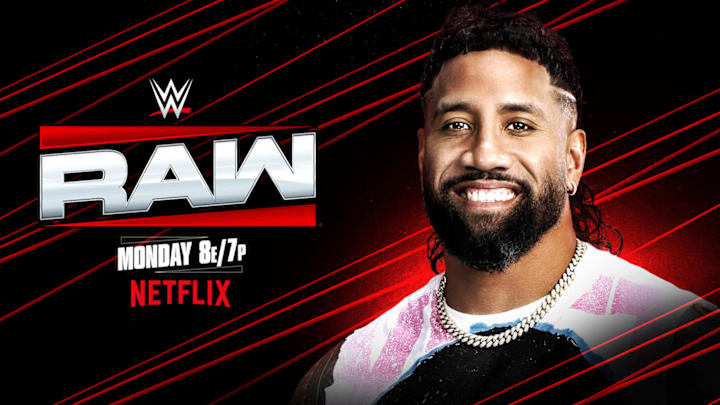
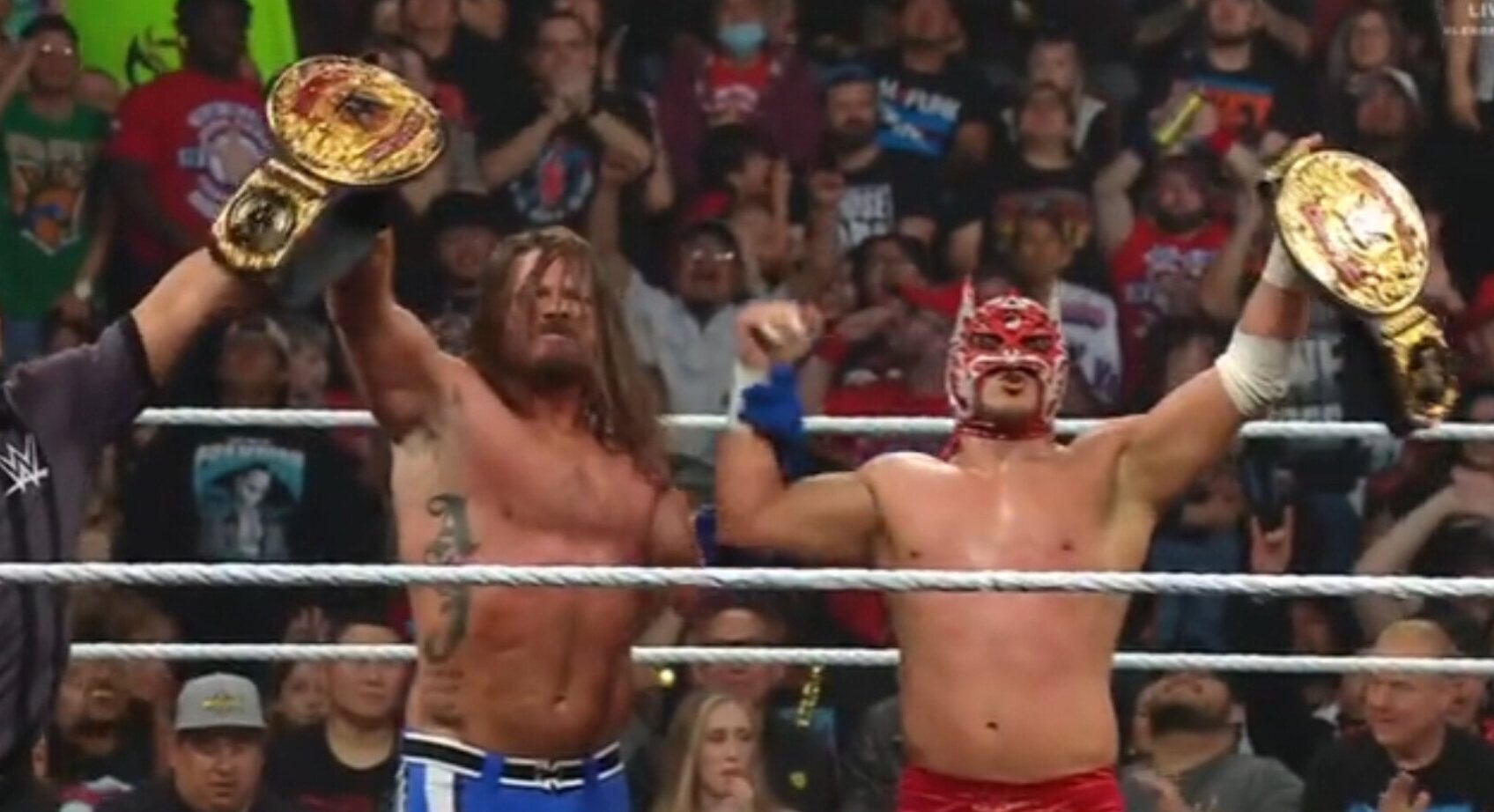
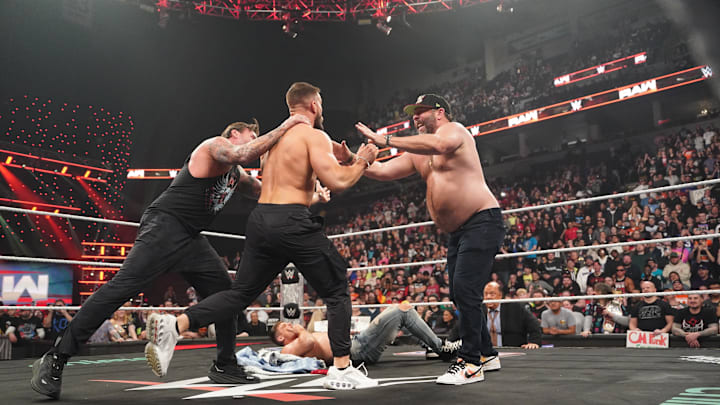
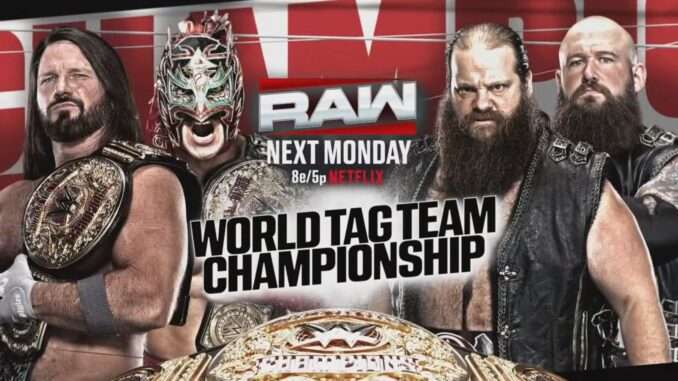
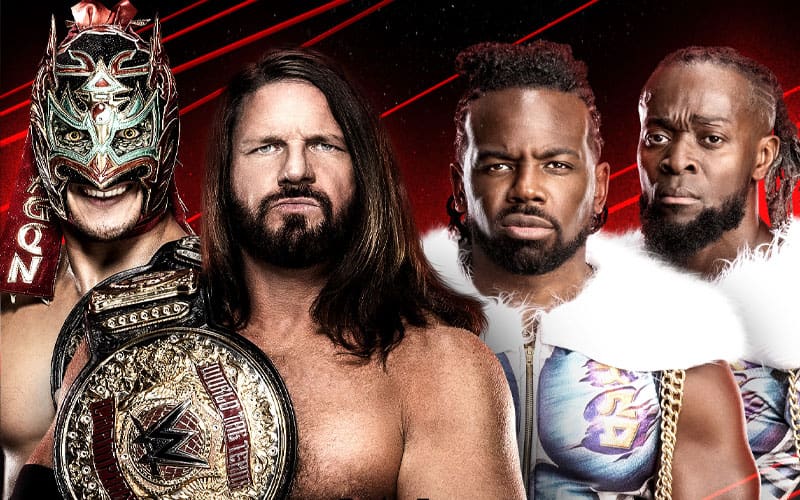
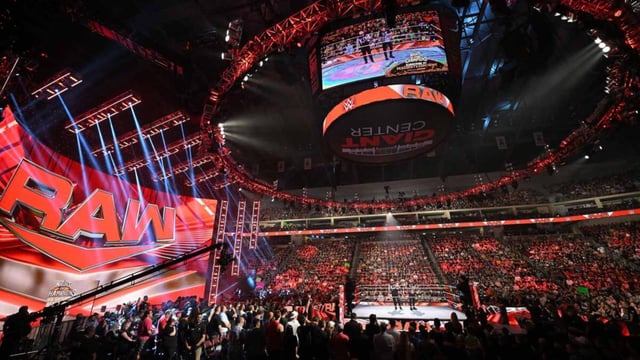
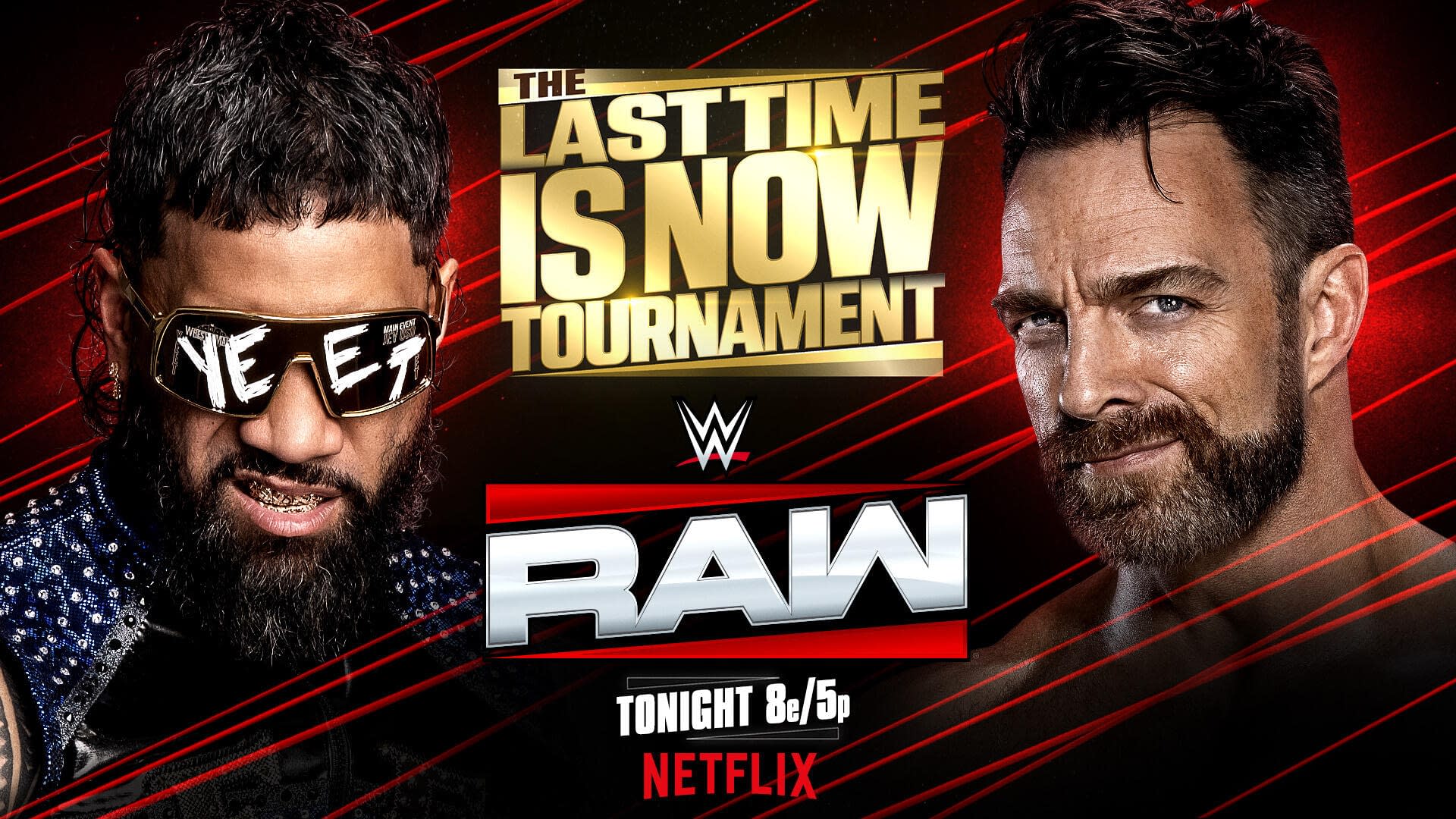
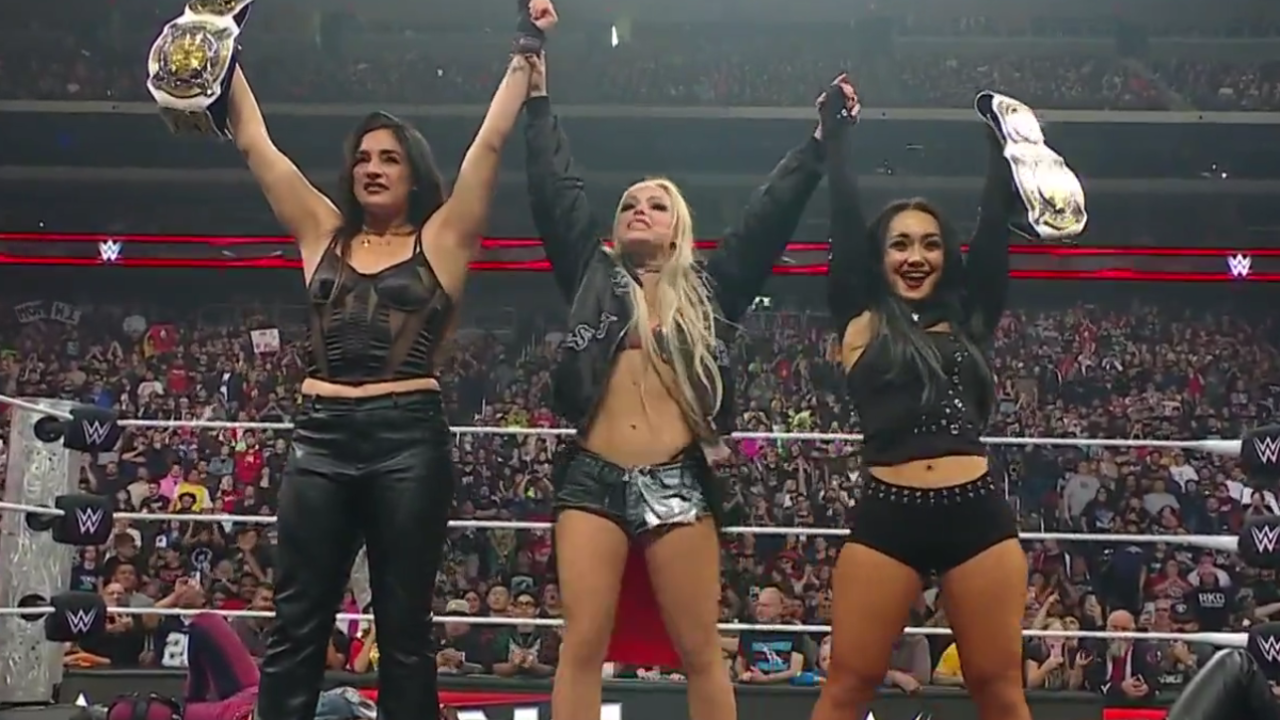
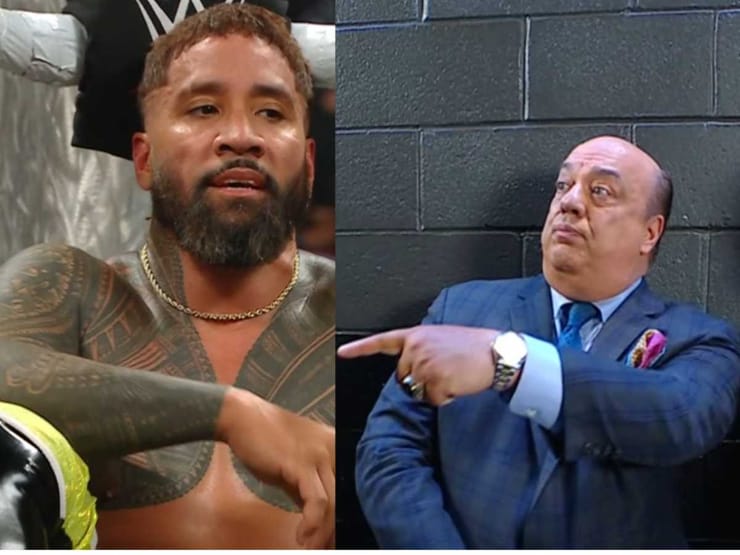
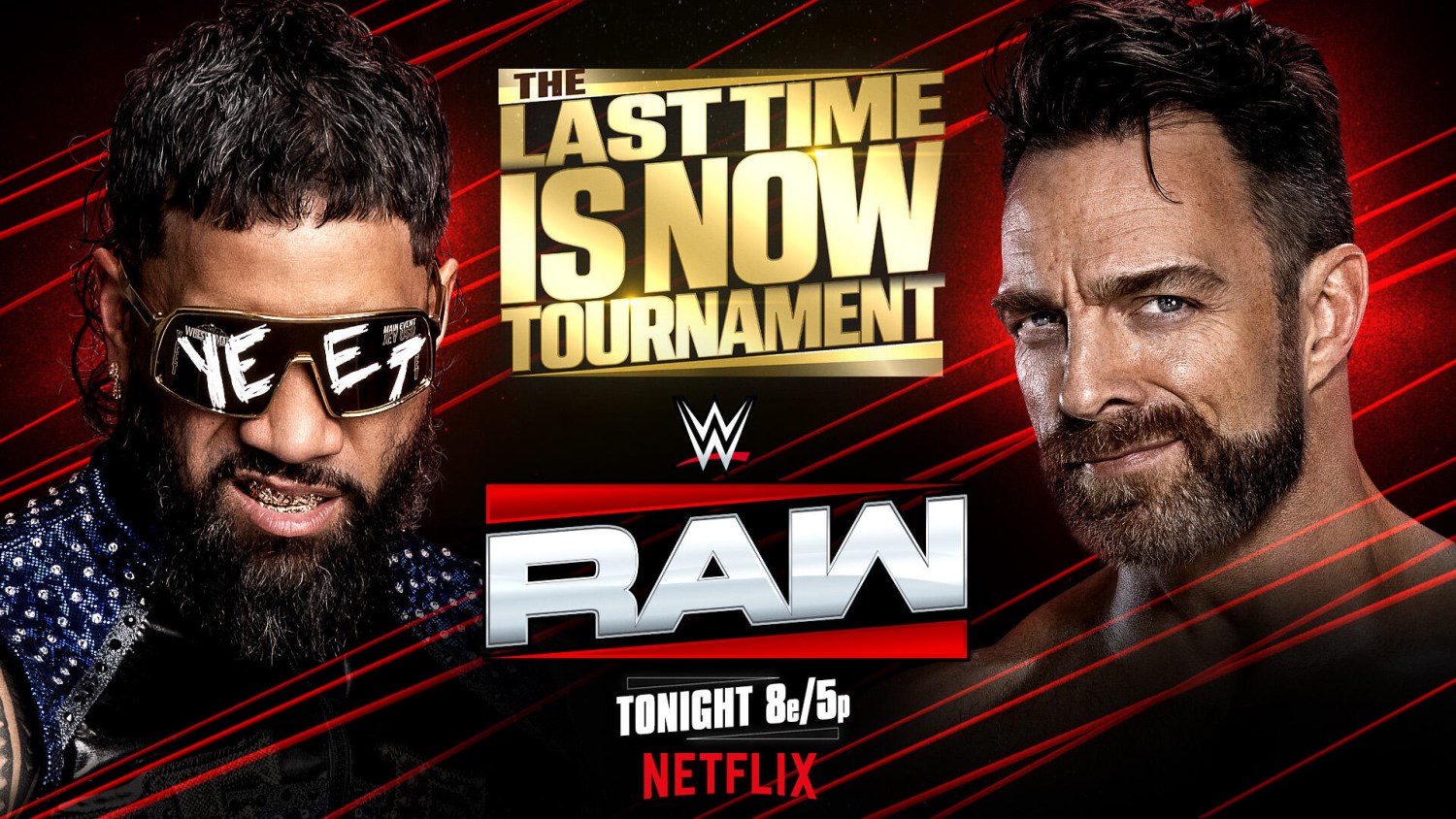
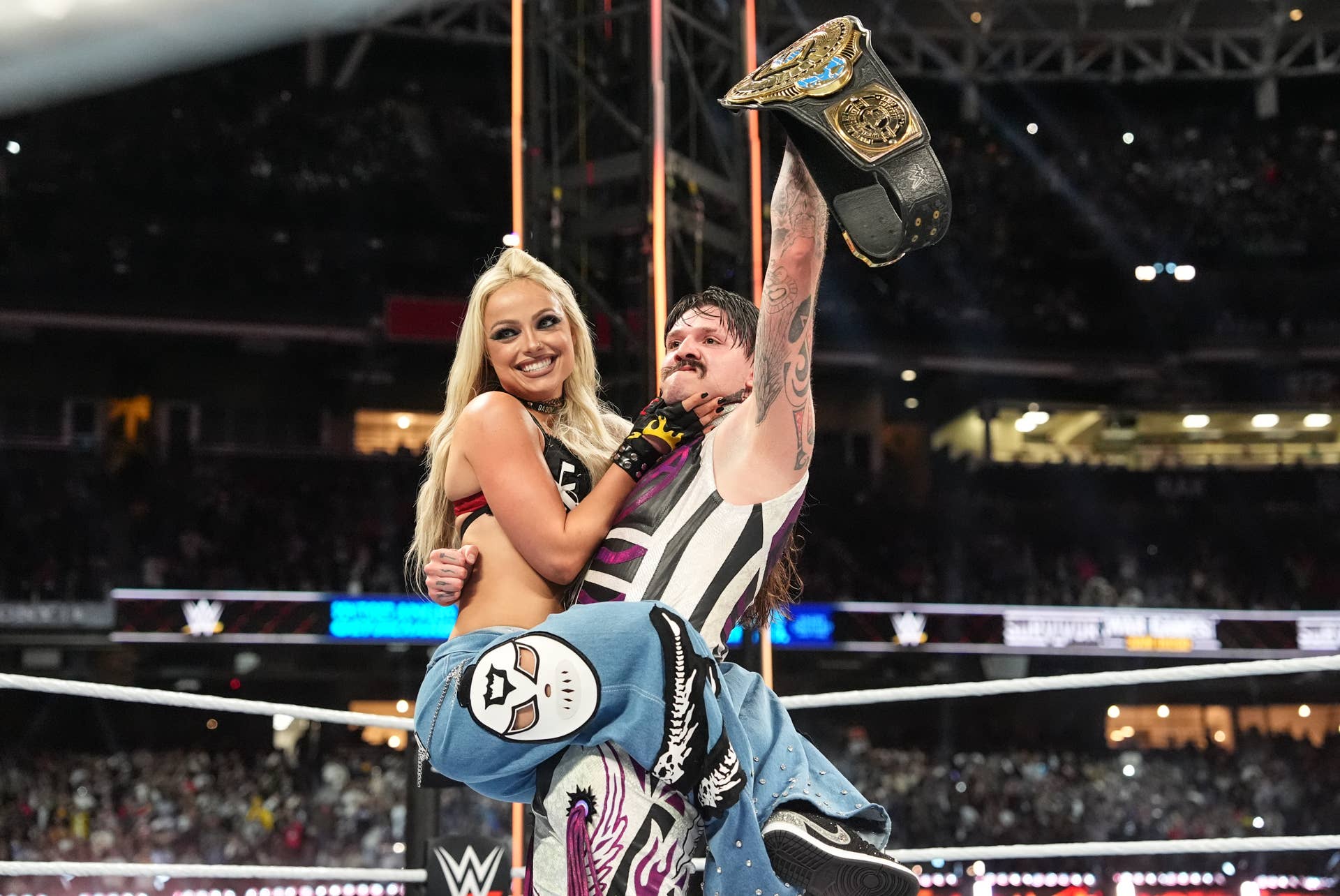
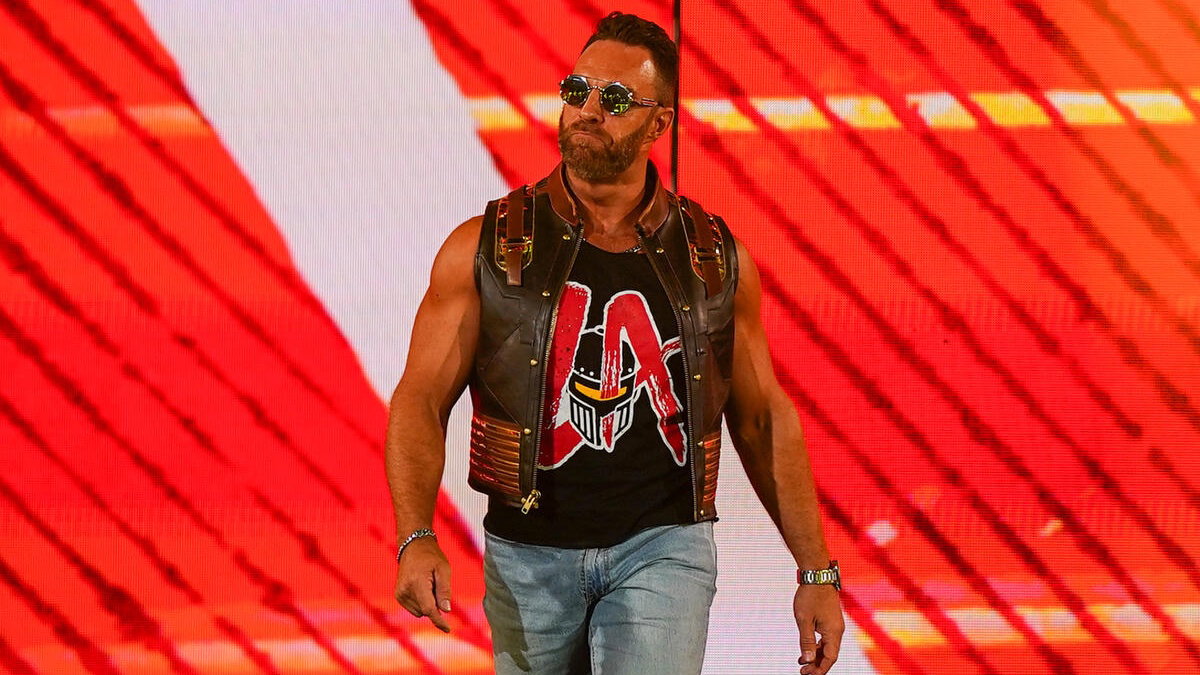
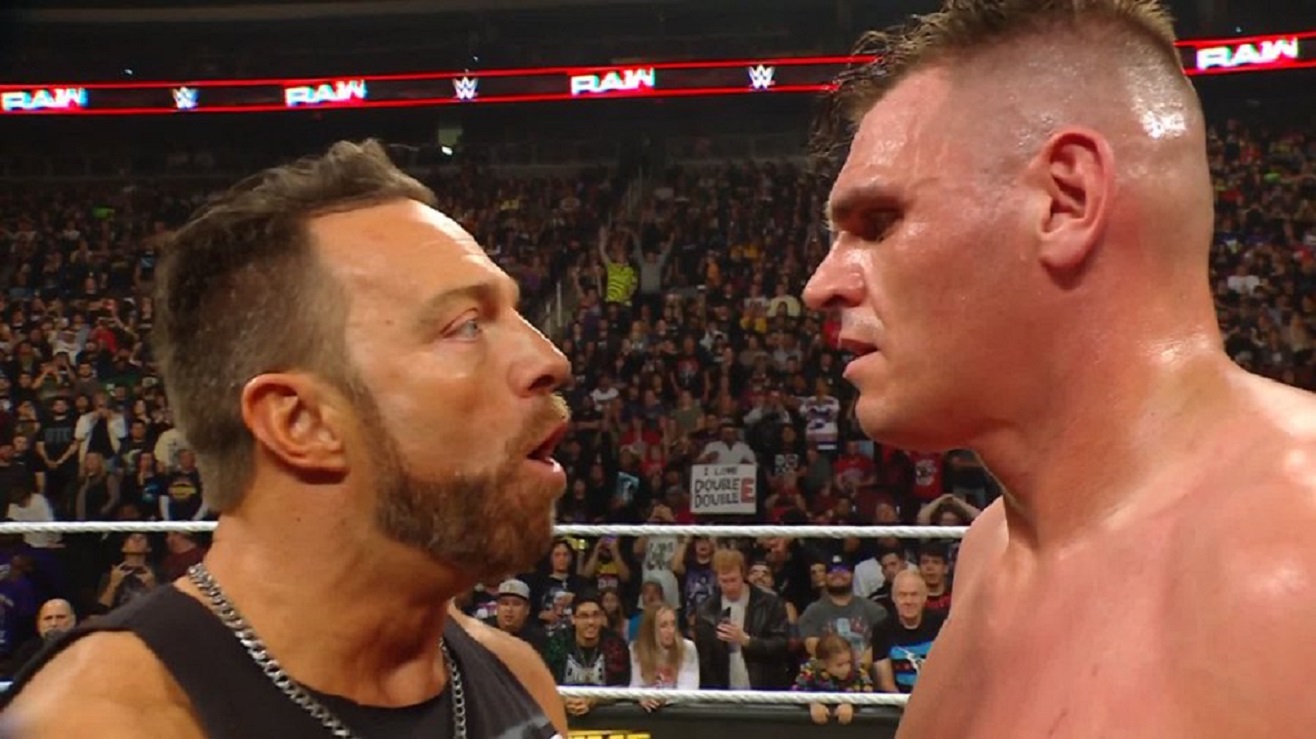
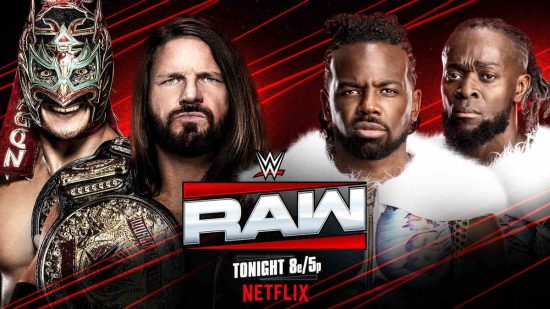
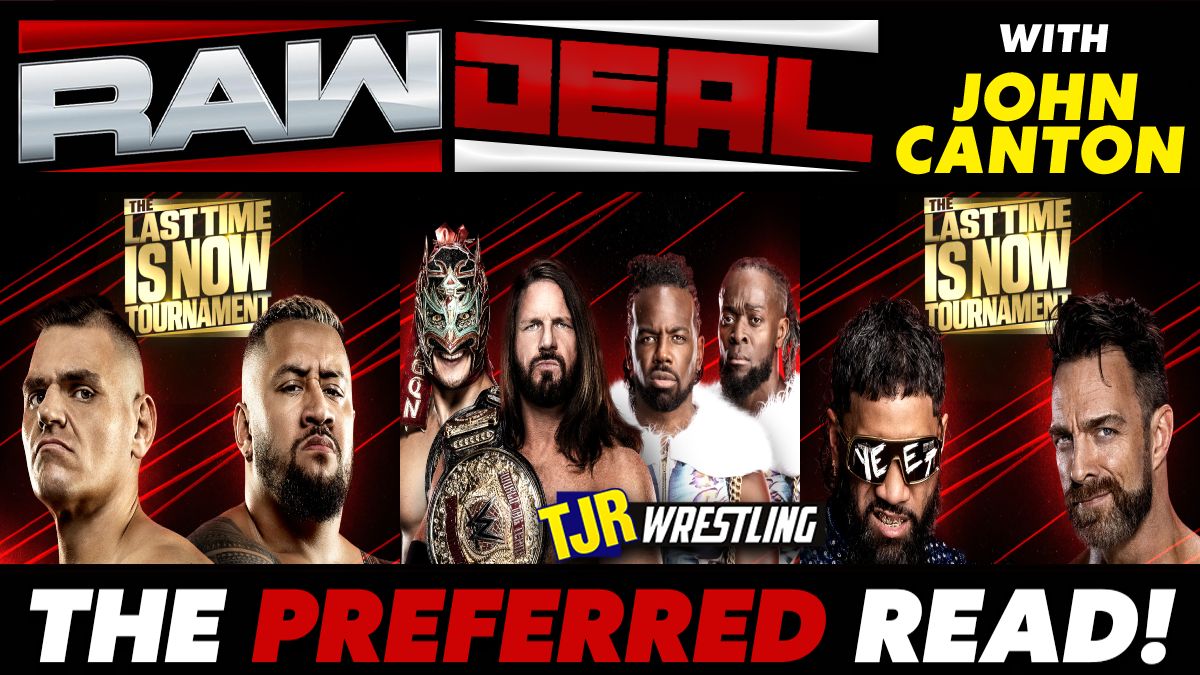
The December 1, 2025 WWE Raw episode represents a critical inflection point in entertainment media distribution, where traditional wrestling programming intersects with streaming platform dominance and evolving audience consumption patterns. Broadcast from Desert Diamond Arena in Glendale, Arizona to approximately 9,235 distributed tickets across a 19,000-capacity venue, the event showcased The Last Time Is Now tournament featuring high-stakes matchups including Jey Uso vs. L.A. Knight in the semi-finals, alongside championship-level competition between AJ Styles & Dragon Lee versus New Day, and Gunther facing Solo Sikoa. What distinguishes this particular broadcast is not merely the wrestling spectacle itself, but rather the underlying infrastructure shift it represents: Netflix streaming integration has fundamentally altered how WWE monetizes live content and reaches audiences beyond traditional cable television.
The attendance metrics reveal a nuanced market dynamic. With 9,235 tickets distributed for a 19,000-capacity arena, the event achieved approximately 49% capacity utilization—a figure that appears modest on its surface but becomes strategically significant when contextualized within streaming economics. This indicates that WWE's revenue model has shifted from maximizing gate receipts toward optimizing streaming subscriber value and engagement metrics. The tournament structure itself—featuring The Last Time Is Now semi-finals with wrestlers like Dominik Mysterio and Rhea Ripley driving narrative momentum—demonstrates how WWE constructs episodic storytelling designed for streaming platform algorithms that reward consistent viewership and social media amplification. The post-show podcast promotion mentioned in coverage further illustrates the multi-platform content ecosystem WWE now operates within, where a single live event generates revenue across broadcast, streaming, merchandise, and digital content channels simultaneously.
The broader significance of this December 1 broadcast lies in what it signals about entertainment media consolidation. Netflix's acquisition of premium wrestling rights represents a $5 billion strategic bet that live sports entertainment can drive subscriber growth and retention at scale. By hosting WWE Raw on its platform, Netflix gains exclusive access to a passionate, demographically valuable audience (primarily 18-49 year-old males with high engagement intensity) while WWE gains access to Netflix's 250+ million global subscribers. This creates a virtuous cycle: Netflix's distribution reach amplifies WWE's audience potential beyond traditional cable markets, particularly in international territories where streaming penetration exceeds cable adoption. The timing of this integration—occurring during a period when traditional cable viewership continues declining—suggests WWE recognized that streaming platforms now represent the primary growth vector for entertainment consumption. The tournament format, celebrity wrestler appearances, and storyline continuity all serve to create "must-watch" moments designed to drive streaming engagement metrics that Netflix uses to justify content investment and subscriber acquisition costs.
For stakeholders across the entertainment ecosystem, this shift carries profound implications. Content creators must now optimize for streaming platform algorithms rather than traditional Nielsen ratings, fundamentally changing how they structure narratives, pacing, and commercial breaks. Advertisers face a fragmented landscape where traditional 30-second spots yield to product placement and sponsored content integration within streaming platforms. Talent like Gunther, Solo Sikoa, and Jey Uso now compete for attention in a global marketplace where streaming reach matters more than regional cable penetration. The December 1 Raw episode, therefore, functions as a microcosm of entertainment's structural transformation: a live event designed for simultaneous global consumption, optimized for algorithmic distribution, and monetized through subscription economics rather than traditional advertising models. This marks not a temporary trend but a permanent recalibration of how premium live entertainment reaches audiences and generates revenue in the streaming era.
Questions 5
Why does WWE's shift to Netflix streaming represent a fundamental change in entertainment economics?
WWE's move from cable-dependent revenue to Netflix streaming reflects a strategic pivot toward global subscriber monetization over regional advertising. With Netflix's 250+ million subscribers providing distribution reach that traditional cable cannot match, WWE gains access to international markets where streaming penetration exceeds cable adoption. The December 1 Raw broadcast, reaching approximately 9,235 in-arena attendees while simultaneously streaming globally, demonstrates how live event economics now prioritize streaming engagement metrics and subscriber retention over maximizing gate receipts. This shift signals that entertainment companies now view streaming platforms as the primary growth vector rather than supplementary distribution channels.
How does the tournament format of The Last Time Is Now serve streaming platform objectives?
The tournament structure creates episodic narrative momentum designed to drive recurring viewership across multiple streaming sessions. By featuring semi-finals like Jey Uso vs. L.A. Knight and championship matches with wrestlers like Gunther and Solo Sikoa, WWE constructs 'must-watch' moments that encourage subscribers to return for subsequent episodes. This format optimizes for streaming algorithms that reward consistent engagement and social media amplification, as fans discuss tournament outcomes across digital platforms. The post-show podcast promotion further extends content consumption beyond the live broadcast, creating multiple touchpoints for subscriber engagement within Netflix's ecosystem.