




Hong Kong's Construction Sector Faces Sweeping Regulatory Overhaul Following Deadly Fire and Systemic Safety Violations
- Catastrophic building fire exposes endemic contractor fraud and inspection gaps, triggering mandatory compliance audits and stricter material certification standards across Hong Kong's construction supply chain








































































































































































)




















































Overview
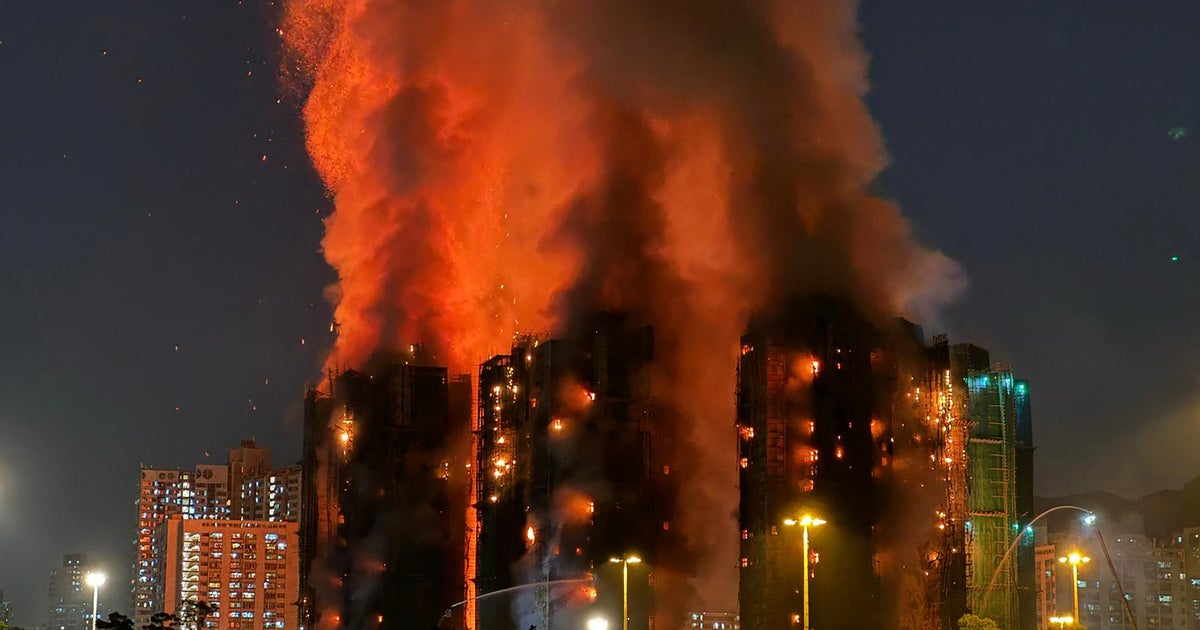
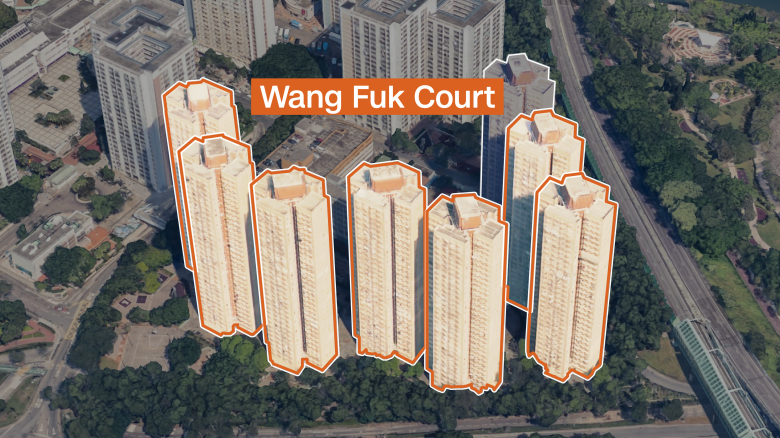
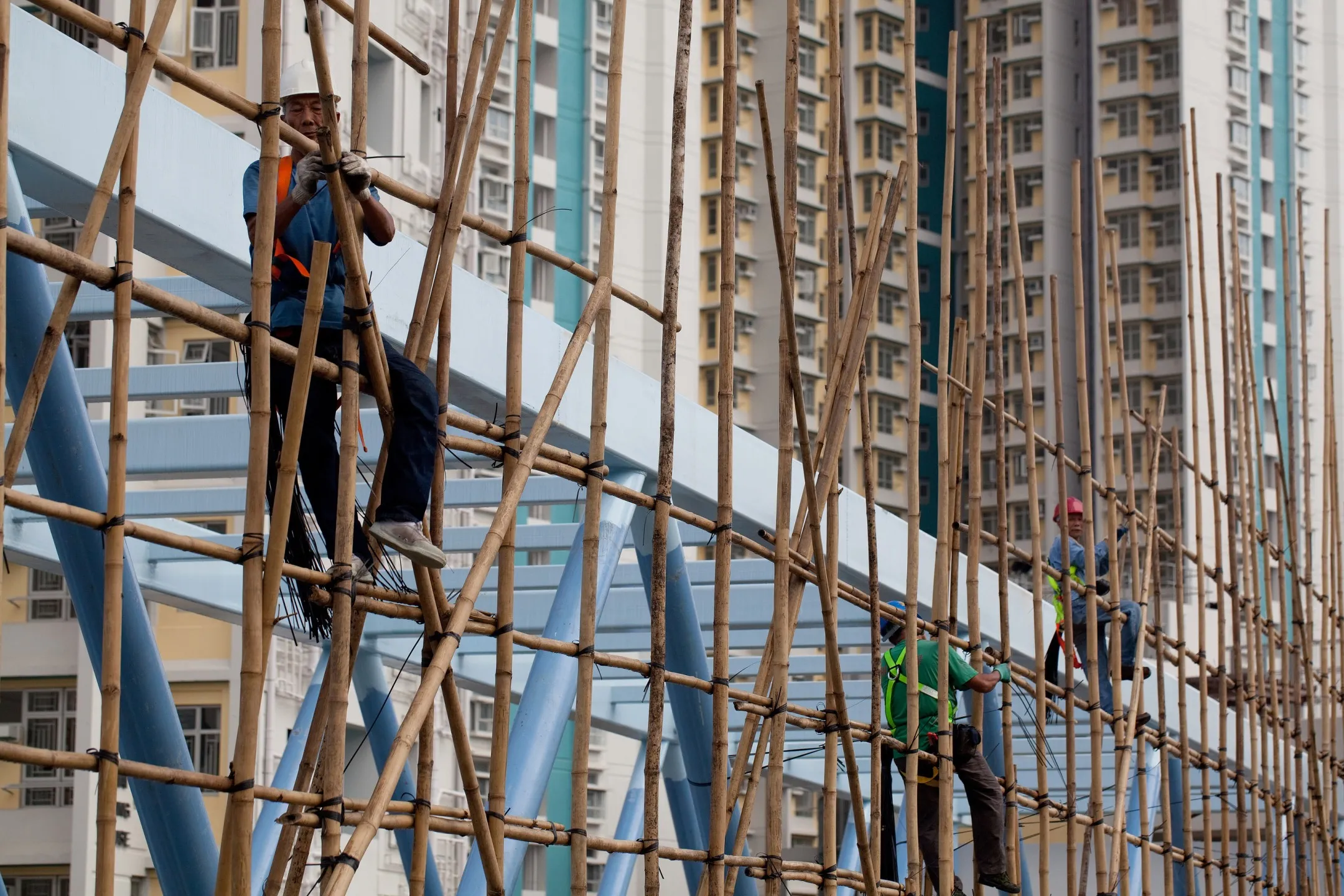
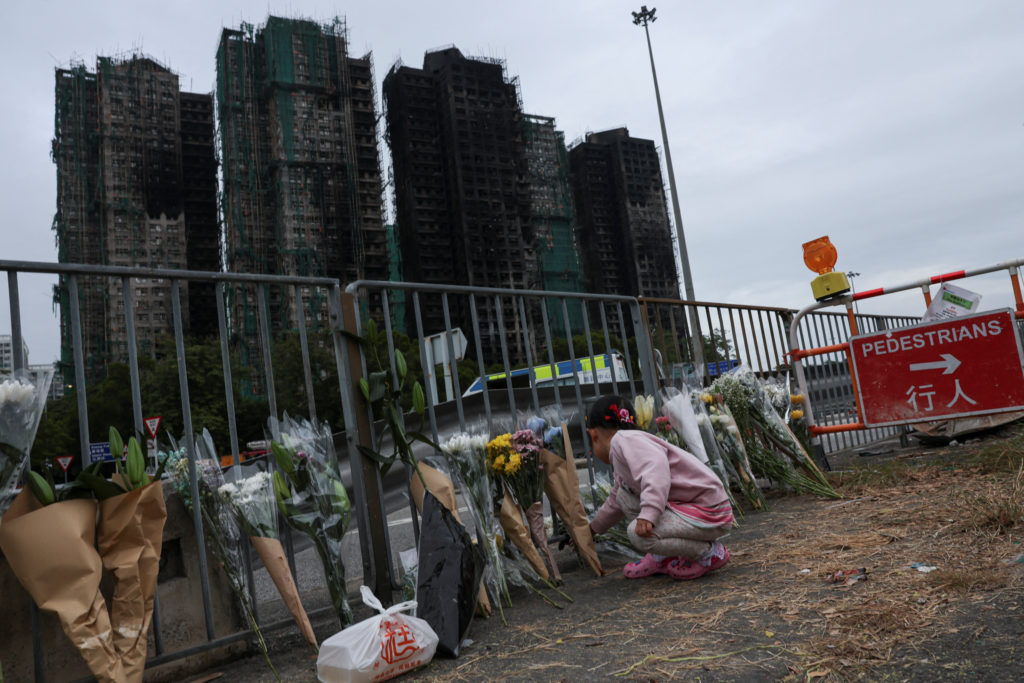
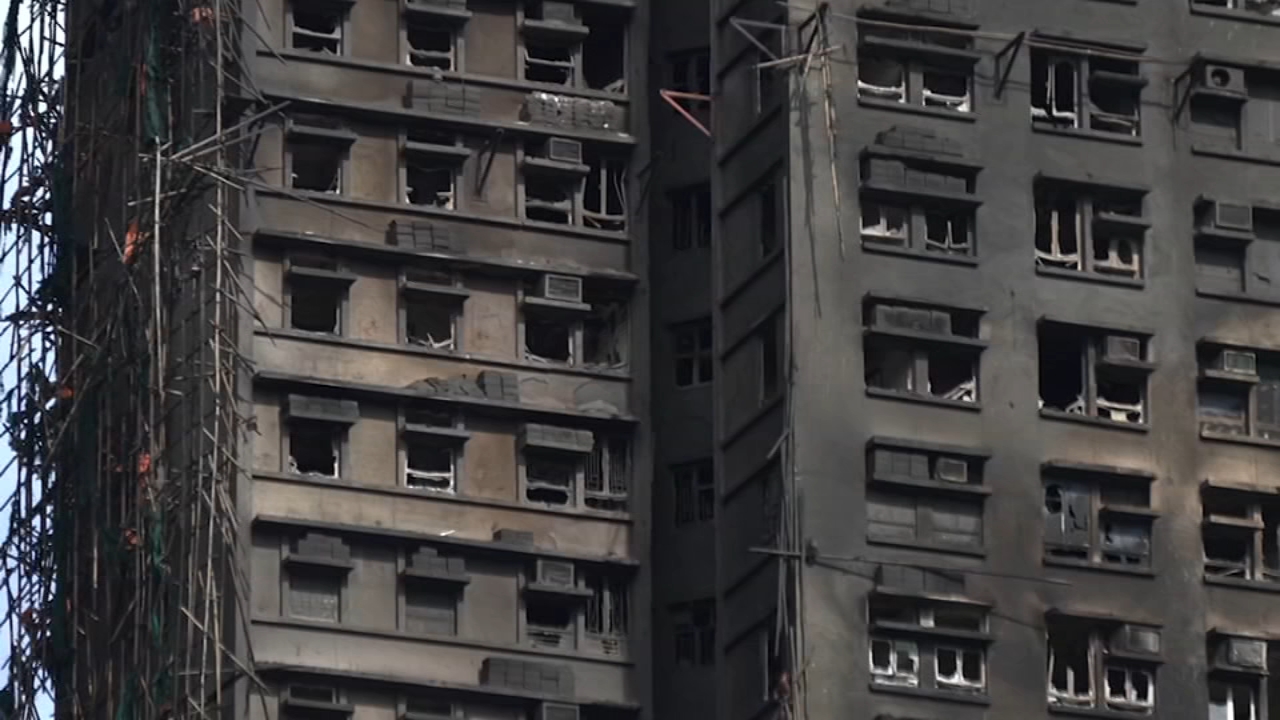
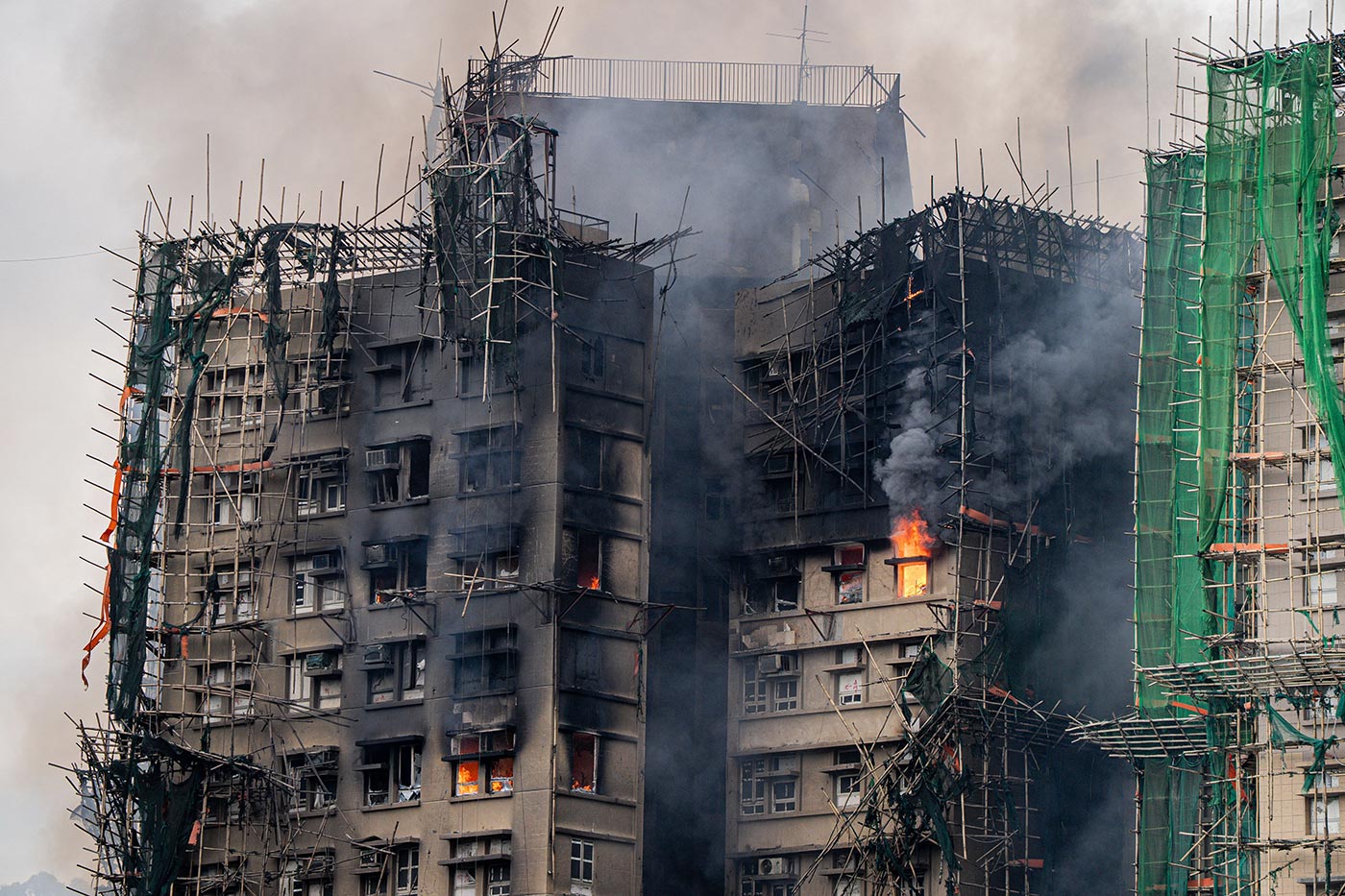
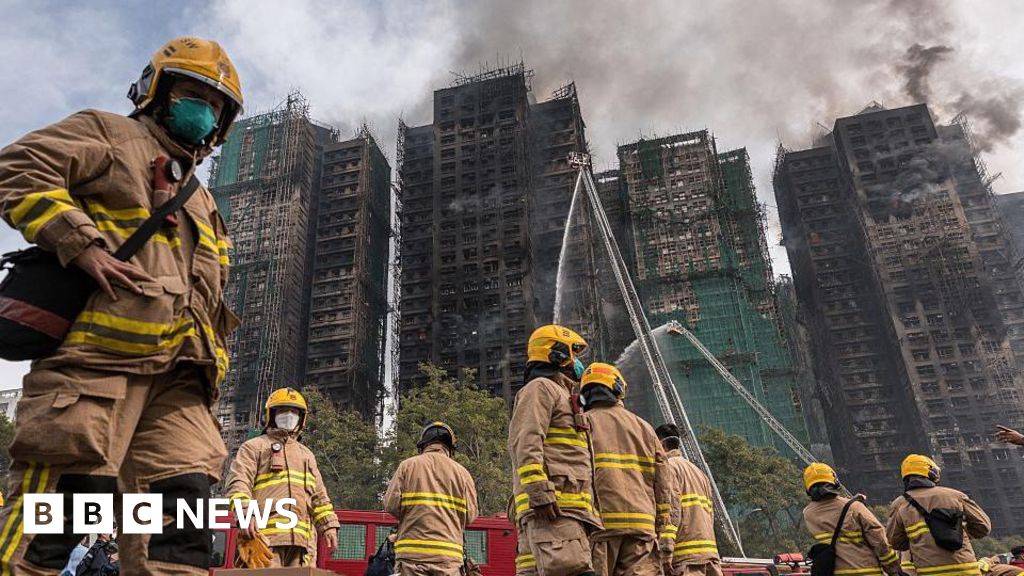
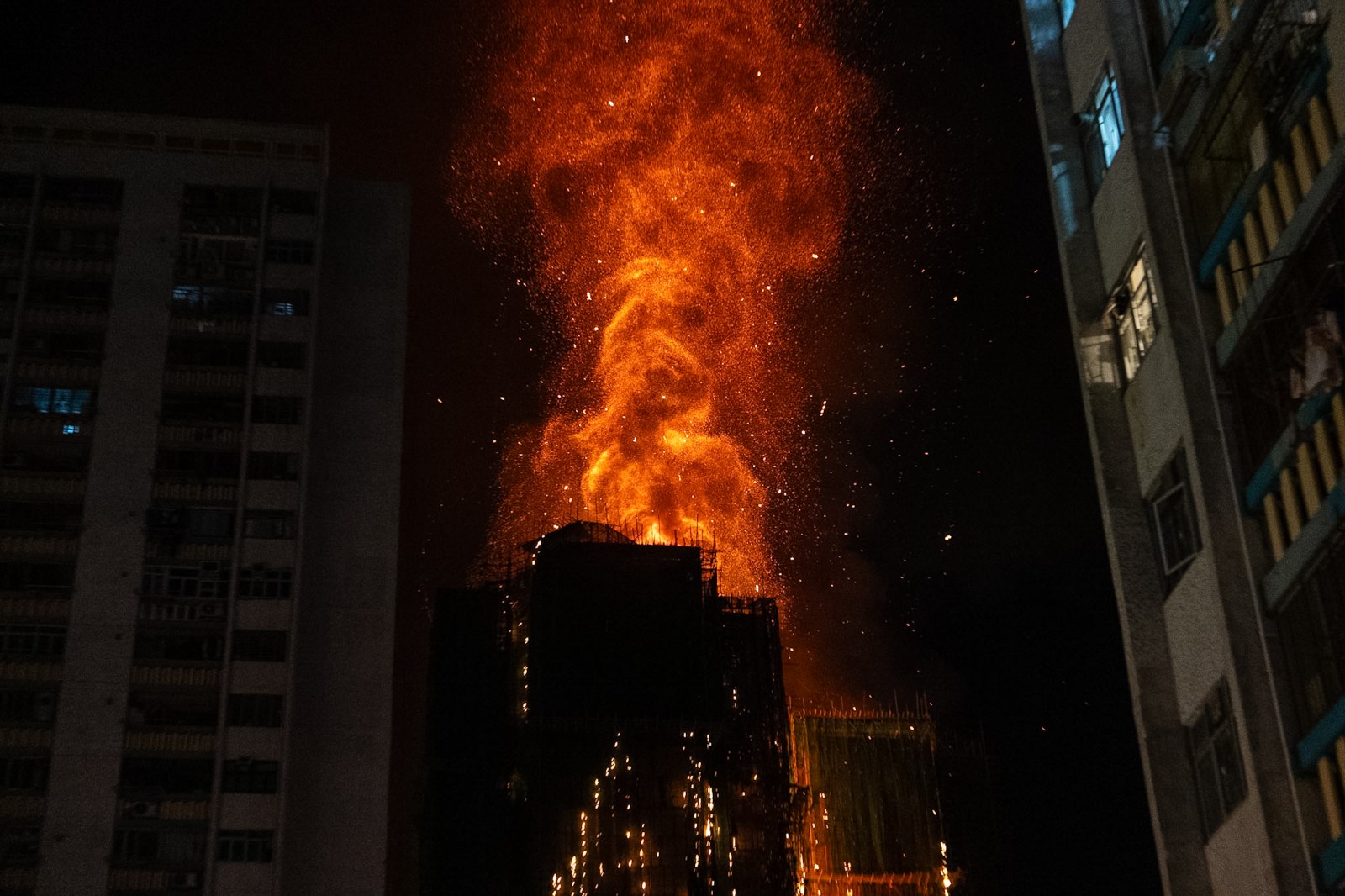
The Wang Fuk Court fire that killed 156 people represents far more than a tragic accident—it signals a fundamental breakdown in Hong Kong's construction oversight mechanisms and contractor accountability systems. What emerges from the investigation is a deliberate pattern of regulatory evasion: contractors purchased 2,300 rolls of non-compliant scaffolding netting at $7 USD per roll, then strategically installed compliant netting at inspection points while concealing substandard materials in hard-to-reach areas. This dual-material strategy reveals systemic corruption within the construction supply chain, not isolated cost-cutting by individual contractors.
The economic incentive structure is stark. Compliant fire-retardant netting costs approximately $13 USD per roll—nearly double the non-compliant alternative. When multiplied across renovation projects affecting hundreds of buildings, this cost differential creates powerful motivation for contractors to circumvent safety standards. The fact that residents complained about fire hazards in September 2024, yet the Labour Department assured them of "relatively low fire risks," demonstrates how inadequate inspection mechanisms allow dangerous materials to bypass regulatory scrutiny entirely. Testing later revealed that 7 of 20 samples from Wang Fuk Court failed fire-safety standards, suggesting the problem extends well beyond this single complex.
What's particularly significant for Hong Kong's construction market is the government's immediate response: the Buildings Department ordered all 359 buildings under review to submit safety reports within seven days, with mandatory inspections already underway. This represents a dramatic tightening of compliance enforcement that will reshape contractor economics across the sector. Renovation projects will face increased timelines and documentation requirements, while material certification standards are expected to become substantially stricter. For contractors operating in Hong Kong, this means higher compliance costs, mandatory safety audits, and potential criminal liability for violations—a structural shift that will disadvantage smaller operators lacking sophisticated compliance infrastructure.
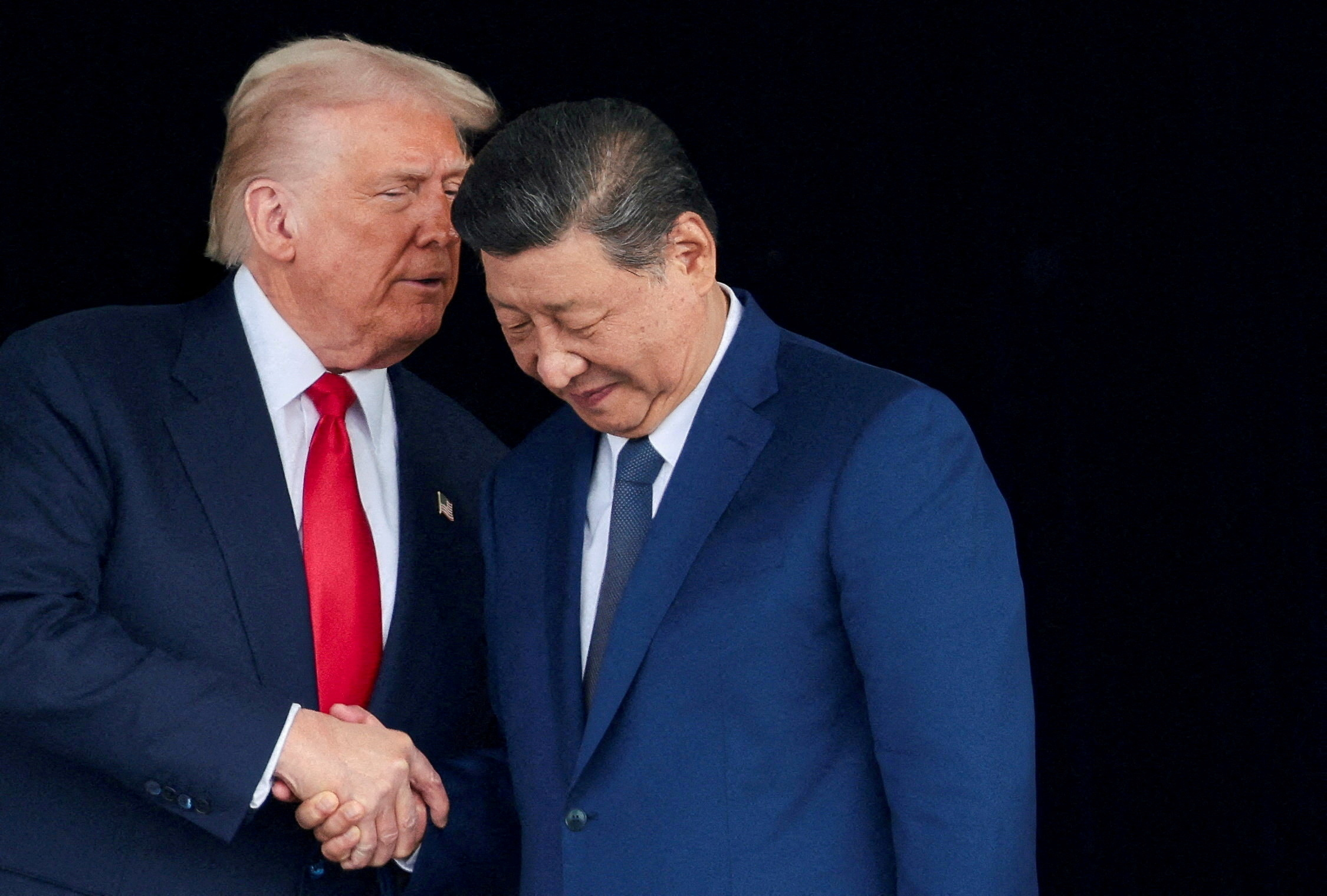
The political dimension adds another layer of complexity. Hong Kong authorities announced a judge-led independent inquiry into the fire, a practice that would be impossible in mainland China where the judiciary is controlled by the Communist Party. However, the government simultaneously warned against "exploiting the tragedy," with activists detained and investigated for possible sedition. This tension between institutional accountability and political suppression reflects Hong Kong's narrowing institutional differences from mainland China. The timing is critical: the investigation's findings will likely influence future building safety regulations and contractor licensing requirements, potentially creating new barriers to entry for smaller construction firms while consolidating market share among larger, better-capitalized operators with established compliance systems.
For suppliers of construction materials—particularly scaffolding netting, insulation foam, and fire-retardant products—this crisis creates both risk and opportunity. The immediate risk is that contractors may attempt to shift compliance costs onto suppliers through renegotiation or default. The opportunity lies in providing certified, compliant materials with transparent documentation that helps contractors navigate the new regulatory environment. Suppliers who can offer integrated compliance solutions, including material certification, testing documentation, and inspector-ready packaging, will gain competitive advantage as the sector transitions to stricter standards.
Questions 5
What is the timeline for implementation of new building safety standards in Hong Kong?
The immediate timeline is aggressive: the Buildings Department ordered safety reports within seven days, with inspections of 359 buildings already underway. The judge-led independent inquiry will likely take several months to complete, with findings expected to influence future building safety regulations and contractor licensing requirements. However, the government has already signaled its intent to implement stricter material certification standards and enhanced oversight mechanisms. For contractors and suppliers, the practical implication is that compliance requirements are tightening immediately, even before formal regulatory changes are finalized. Organizations should assume that current inspection protocols will become baseline requirements, with additional standards likely to follow within 6-12 months.
What specific compliance costs will Hong Kong contractors face following this regulatory crackdown?
Contractors must now submit comprehensive safety reports within seven days and undergo mandatory inspections across 359 buildings. Beyond immediate documentation costs, they face stricter material certification requirements—compliant fire-retardant netting costs approximately $13 USD per roll versus $7 USD for non-compliant alternatives. Long-term, expect increased inspector training requirements, enhanced oversight mechanisms, and potential criminal liability for violations. For renovation projects, this translates to higher project timelines, more rigorous material sourcing, and mandatory compliance audits that will disproportionately burden smaller operators lacking sophisticated compliance infrastructure.