




UK Fiscal Watchdog Leadership Collapse Signals Deeper Institutional Vulnerability and Policy Uncertainty
- Richard Hughes's resignation over repeated budget leaks exposes systemic governance failures that threaten UK economic credibility and market stability for international traders and investors












































































)





















)





















)









)



































































































)










)












































































Overview
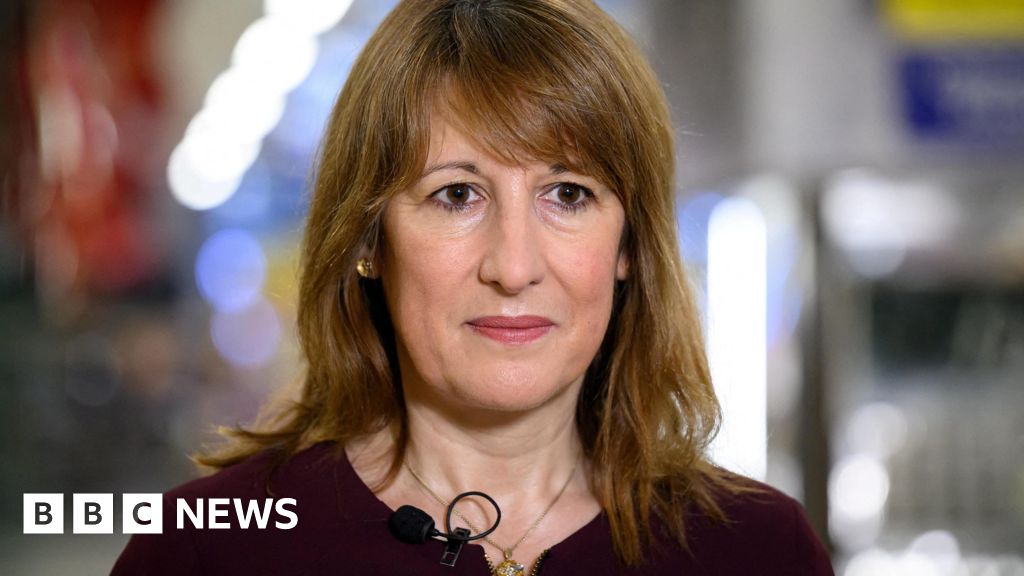
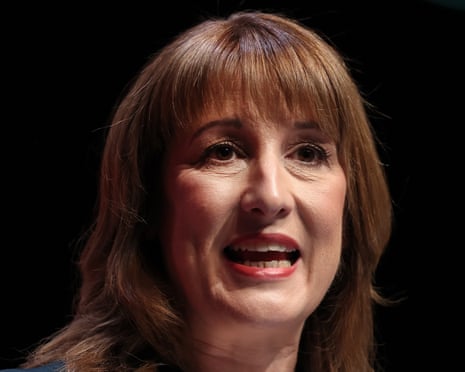
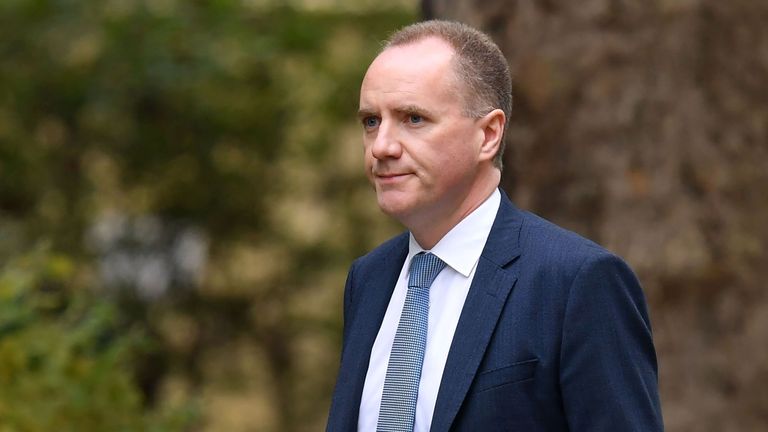
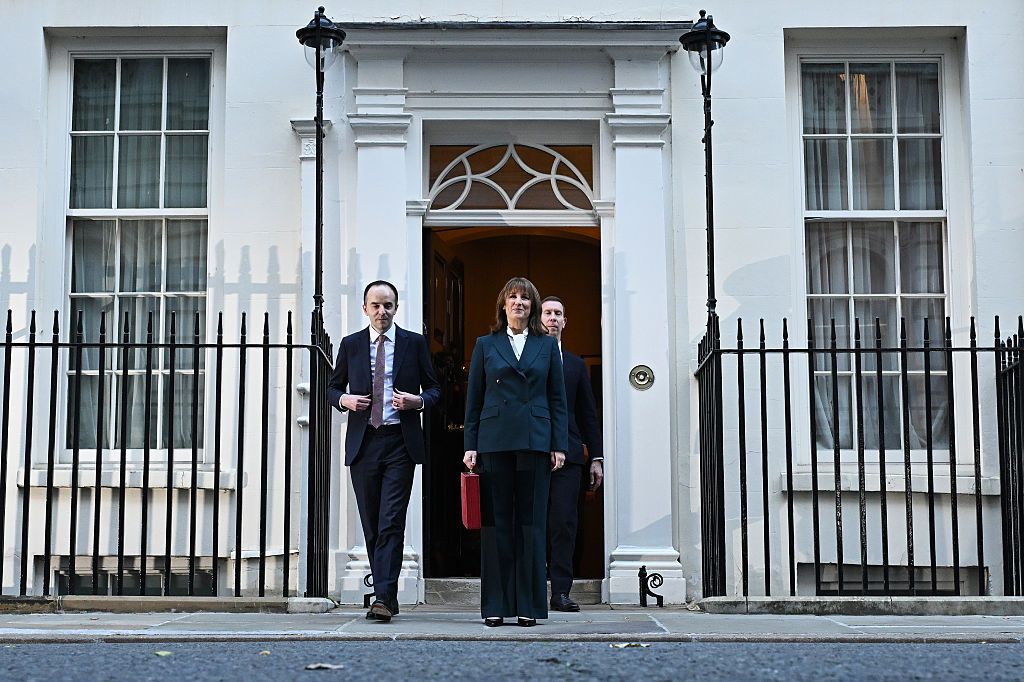
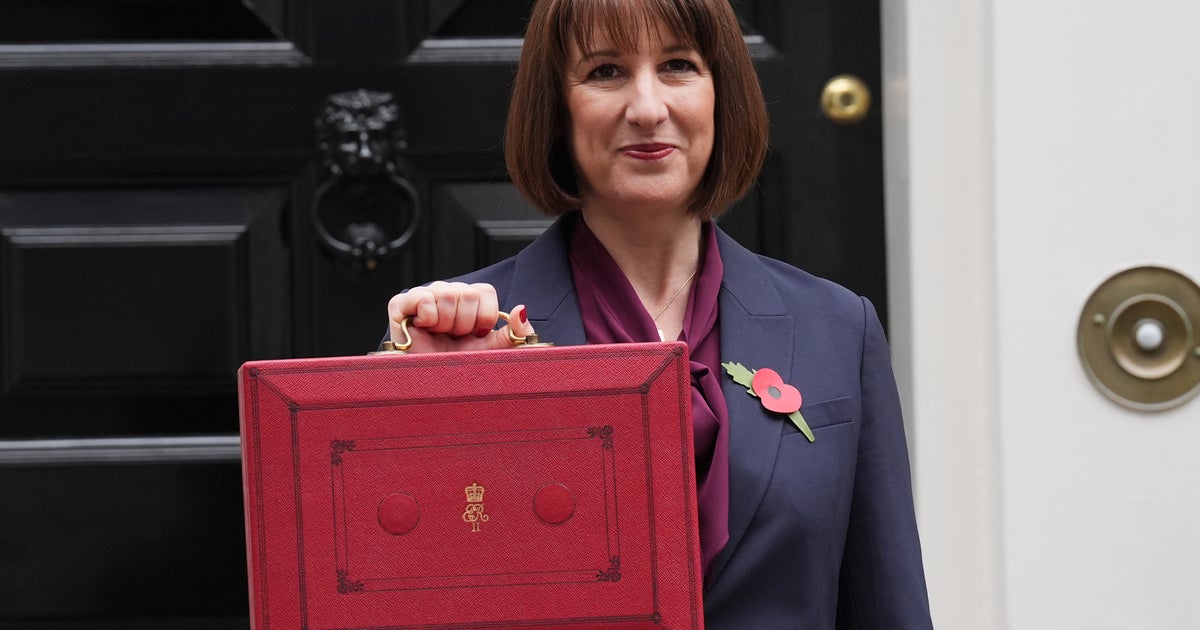
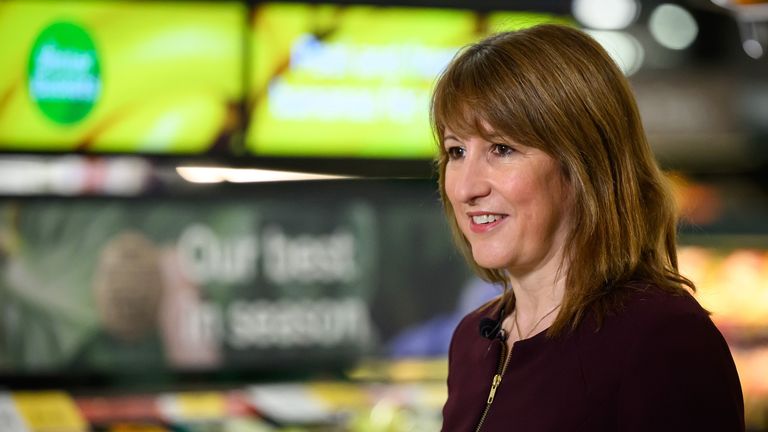
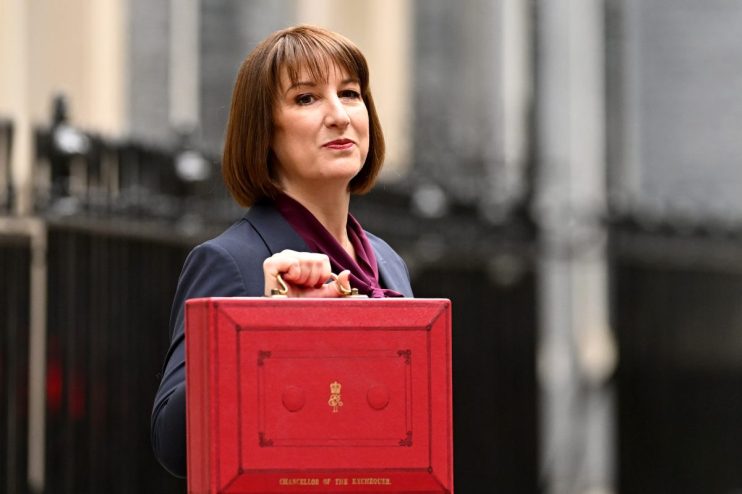
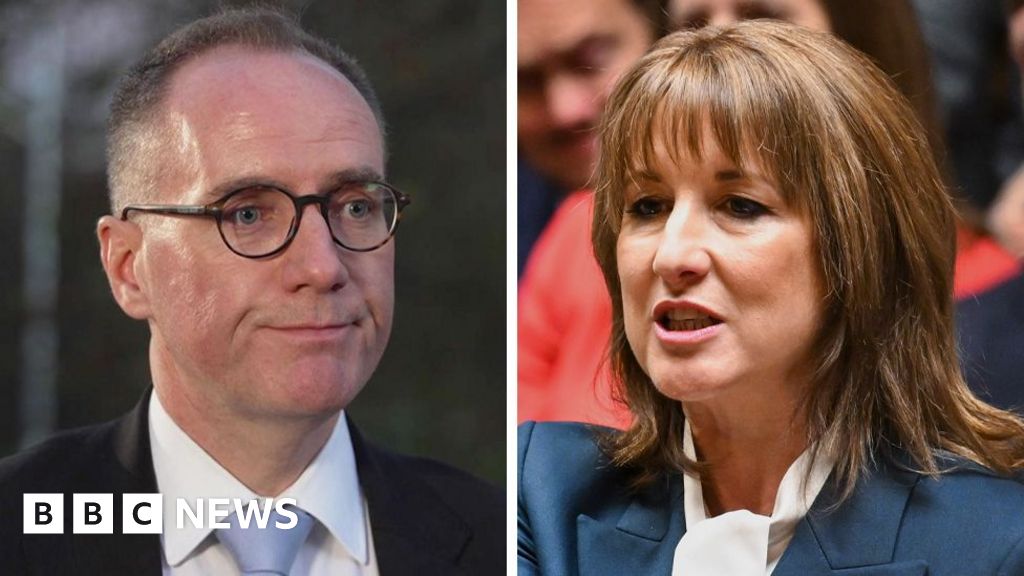
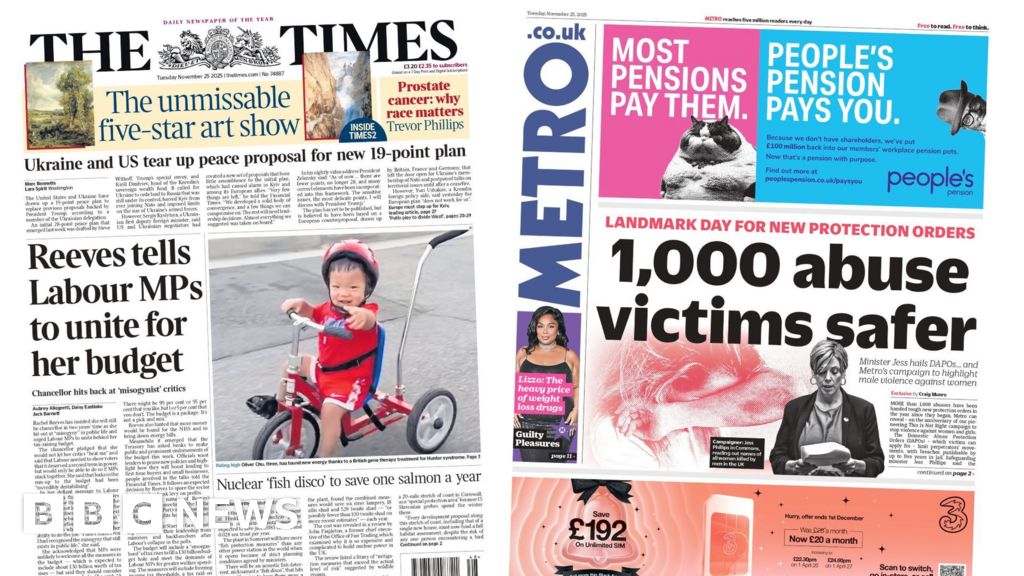
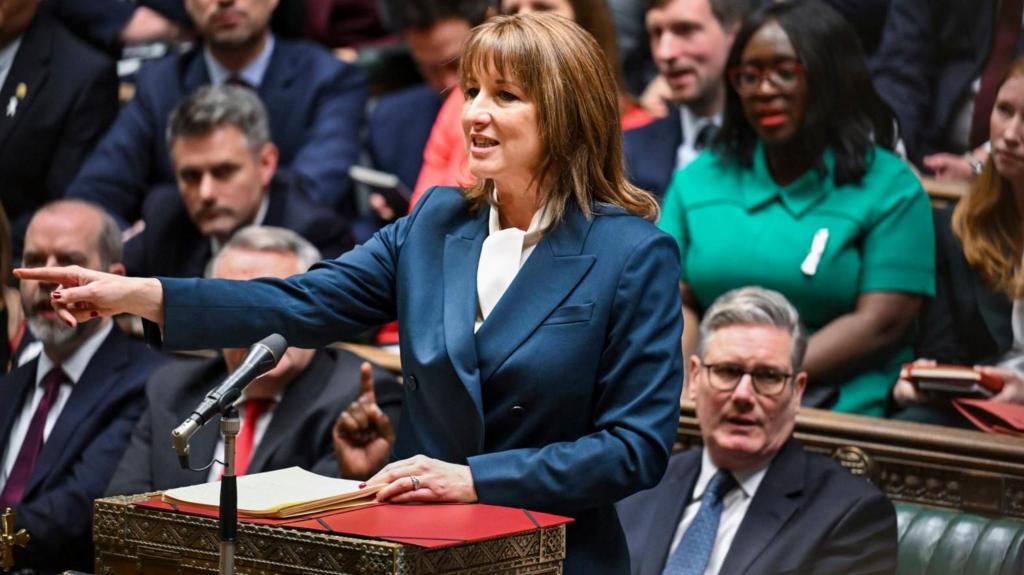
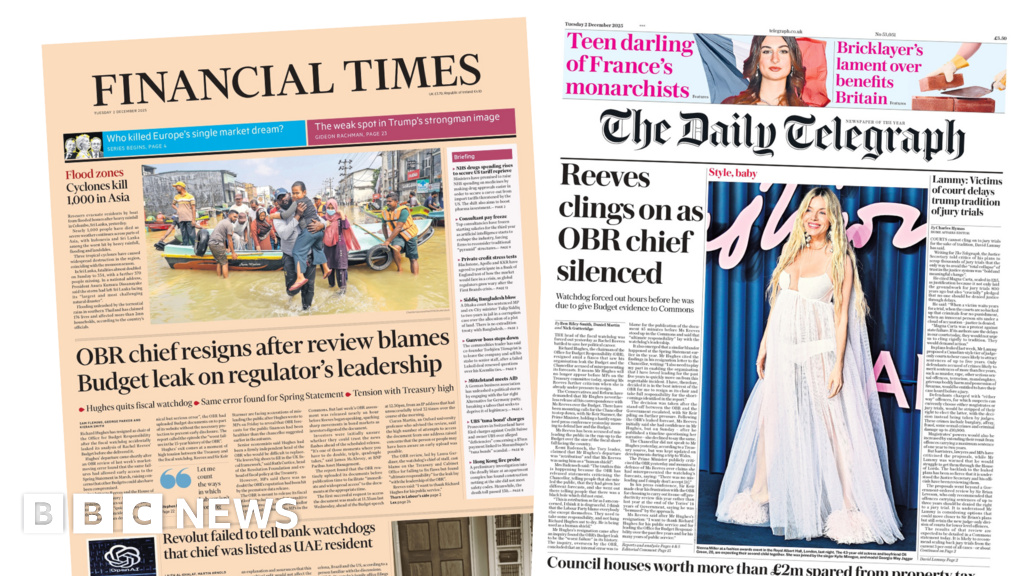
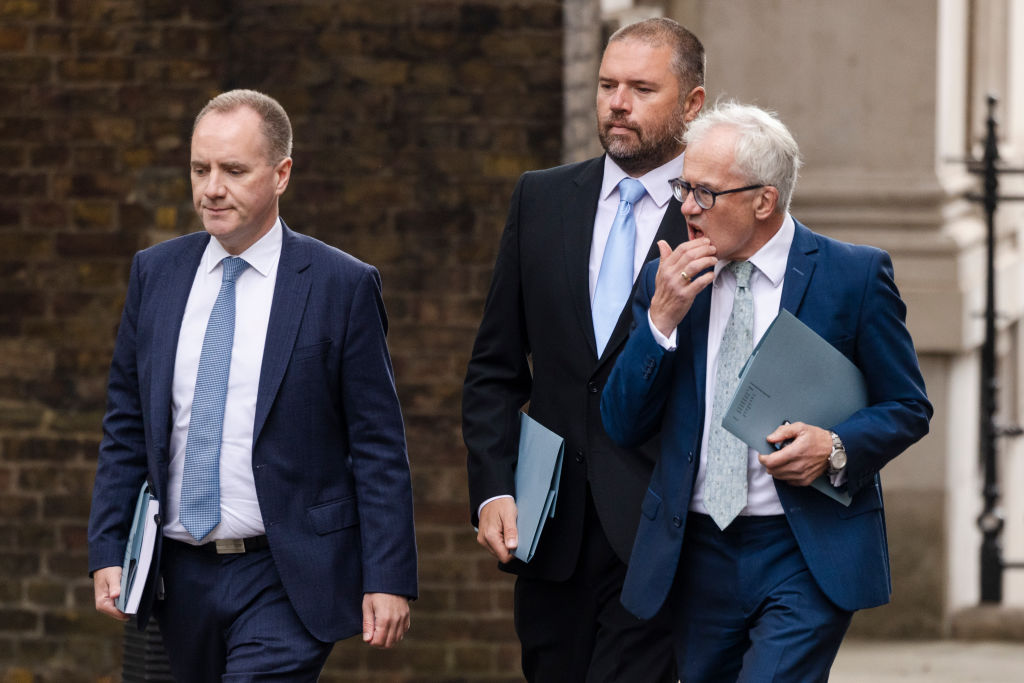
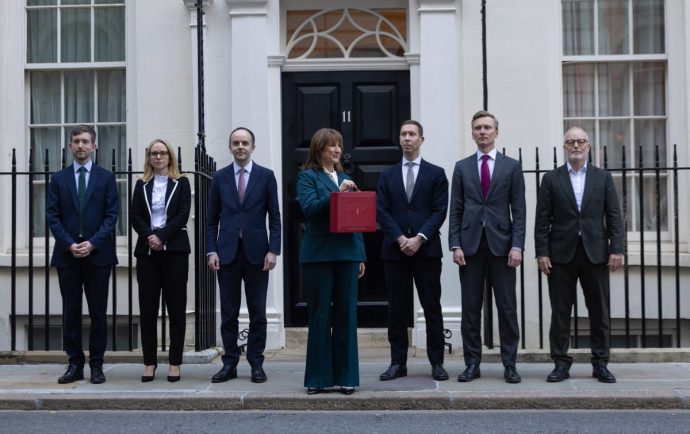
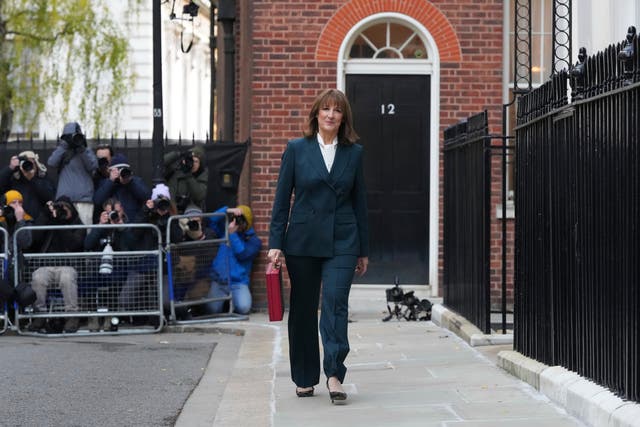
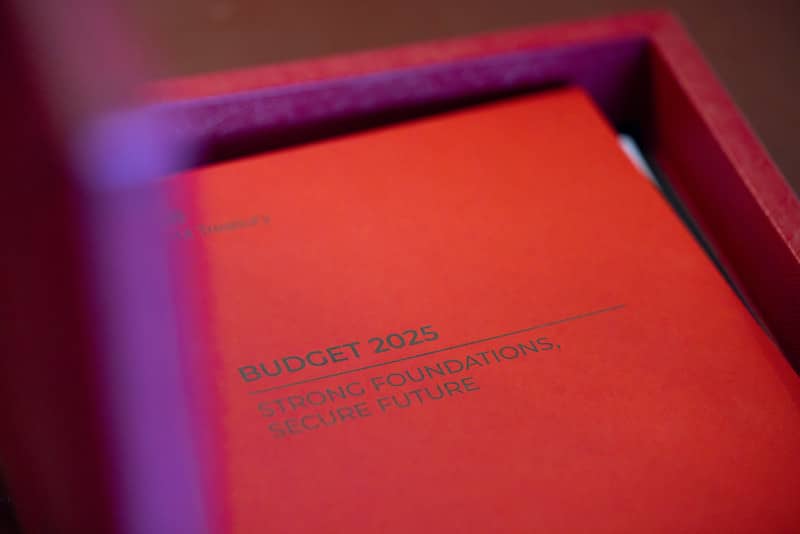
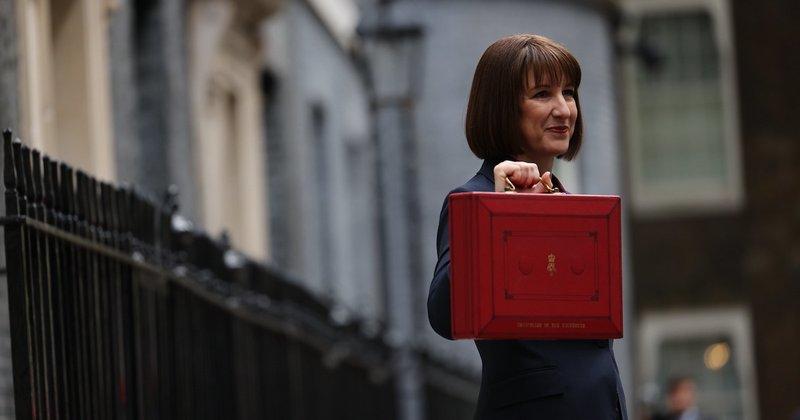
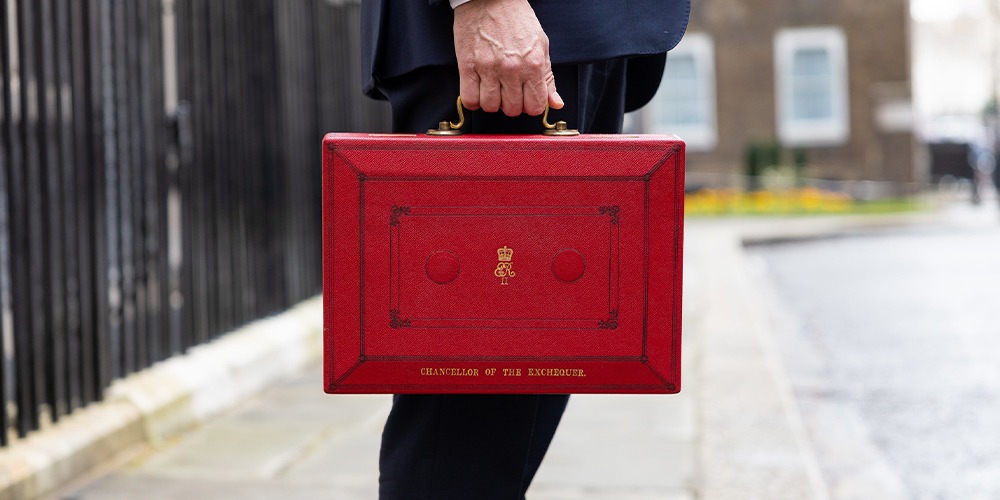
The resignation of Richard Hughes, chairman of the UK's Office for Budget Responsibility (OBR), on December 1, 2025, represents far more than a personnel change—it signals a fundamental breakdown in institutional governance and market confidence mechanisms that underpin UK economic policy. The immediate trigger was the inadvertent early release of Chancellor Rachel Reeves' budget details on November 26, 2025, when the OBR's Economic and Fiscal Outlook report became publicly accessible approximately one hour before the parliamentary announcement. Reuters discovered the unprotected link at 11:30 GMT and published the details containing £26 billion in tax increases before Reeves' 12:30 GMT speech, causing immediate market volatility in British government debt yields. What makes this crisis particularly acute is that this was not an isolated failure—an identical breach occurred during the March 2025 budget update, when Reuters again accessed and published the report 25 minutes early. The investigation revealed pre-existing IT vulnerabilities as the root cause, with reports uploaded to unprotected URLs using predictable naming conventions, compounded by leadership failures in identifying and addressing these weaknesses. The OBR's own non-executive directors characterized this as "the worst failure in the 15-year history of the OBR," noting that the organization's publishing process was "well-planned but significantly underpowered."
The deeper institutional crisis extends beyond technical failures to fundamental tensions over fiscal independence and government control. Hughes's resignation came amid strained relations with Chancellor Reeves, including disputes over fiscal forecasts and public finance disclosures. Relations between the OBR and Treasury had reached "all-time low" status, with sources indicating the pair were "barely on speaking terms" before his exit. Critically, Reeves had already announced structural changes to the OBR's operational model: the government will now only respond to OBR forecasts once annually rather than twice yearly, with spring forecasts serving merely as "health checks" without mandatory policy responses. This represents a significant reduction in the OBR's institutional leverage and independence. Hughes consistently defended the OBR's independence across five chancellors, emphasizing that Parliament granted the OBR its powers through legislation, yet chancellors retain control over 1.5 trillion pounds in revenue and 1.5 trillion pounds in spending. The political pressure on the OBR's independence reflects broader tensions around institutional autonomy, with criticism from both left and right regarding restrictions on government freedom.
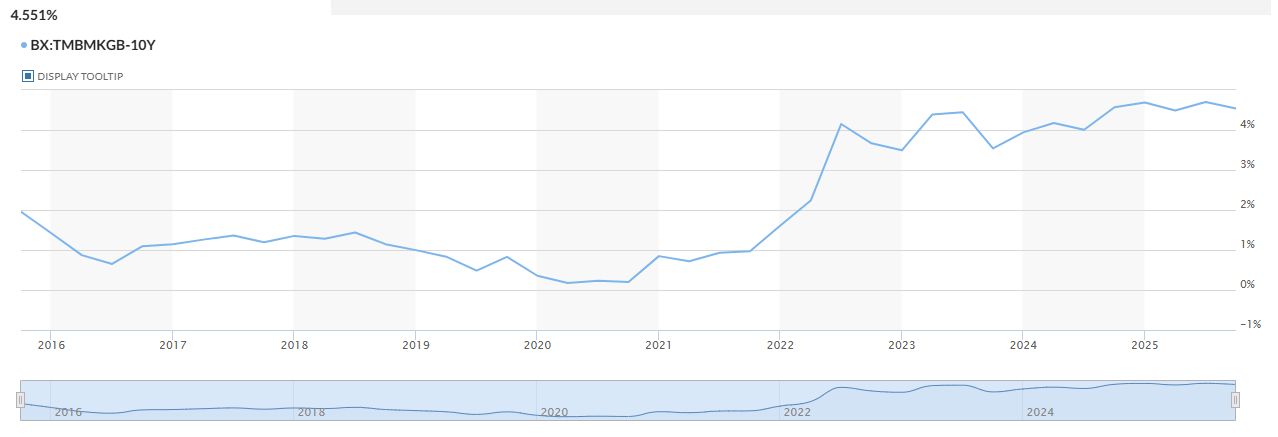
For international traders and cross-border sellers, this institutional breakdown creates measurable policy uncertainty affecting UK market conditions. The incident caused immediate market movements, with pound sterling and British government bond prices rising following Reuters' alerts—a clear signal that market participants view the governance failure as material to UK economic credibility. The appointment of Hughes's replacement will be closely watched by markets for any departure from independence standards, potentially affecting UK borrowing costs and economic predictability. Changes to government fiscal forecasting and policy responsiveness could affect UK economic stability, consumer spending patterns, and business investment—factors directly influencing e-commerce demand and currency stability. The Treasury and Cabinet Office share responsibility for addressing systemic vulnerabilities in the publishing infrastructure, yet the political tensions suggest remediation may be slow or incomplete. Monitor the successor appointment closely for signals of institutional independence restoration. Sellers should prepare for potential GBP volatility and interest rate uncertainty as markets reassess UK fiscal credibility. The reduced frequency of OBR forecasts and mandatory policy responses creates a structural information vacuum that could amplify market swings during economic transitions.
Questions 5
What should sellers monitor regarding the OBR successor appointment?
The new OBR chair's appointment will be a critical market signal. If the successor is perceived as politically aligned or lacking independence, UK borrowing costs could rise and market confidence could deteriorate further. Conversely, appointing a respected, independent figure could restore credibility. Sellers should track this appointment closely and adjust their UK market exposure based on whether the new leadership demonstrates genuine institutional autonomy from the Treasury.
How does this crisis compare to other fiscal governance failures globally?
The OBR's 15-year history makes this breach particularly damaging—it suggests even established institutions can suffer catastrophic governance failures. The repeated nature of the leaks (March and November 2025) indicates systemic rather than isolated problems. For international traders, this underscores the importance of diversifying UK exposure and maintaining hedges against GBP volatility, as institutional credibility recovery typically takes years.