



India's Mandatory App Mandate Creates a Compliance Chasm Between Android Manufacturers and Apple
- A 90-day regulatory deadline forces smartphone makers to choose between market access and corporate policy, reshaping India's 1.2 billion-user device market and signaling a global shift toward government-mandated software control



/socialsamosa/media/media_files/2025/11/24/meta-insta-snap-sued-2025-11-24-12-14-58.png)






































































































































































)

















































































































































































Overview
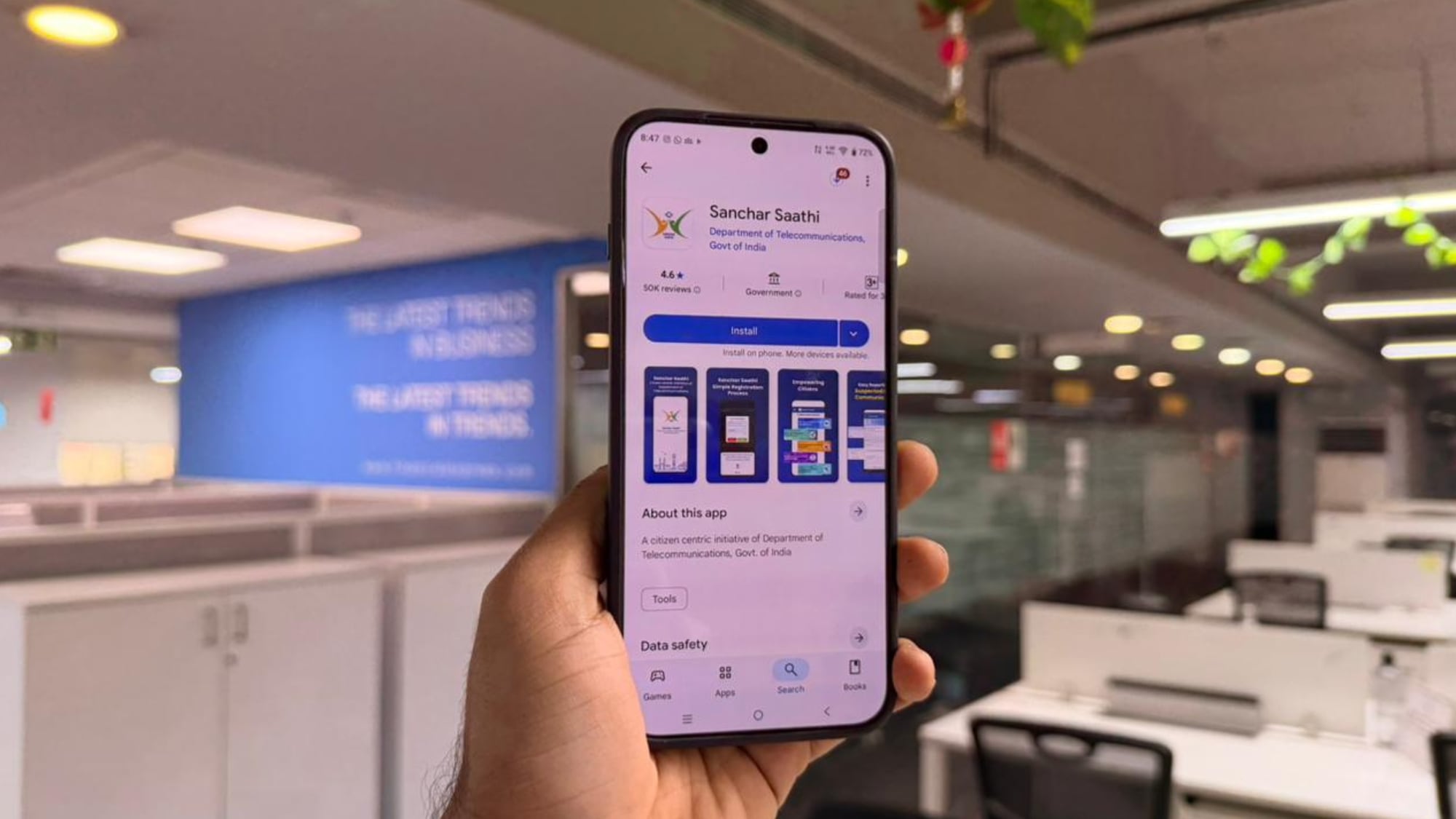
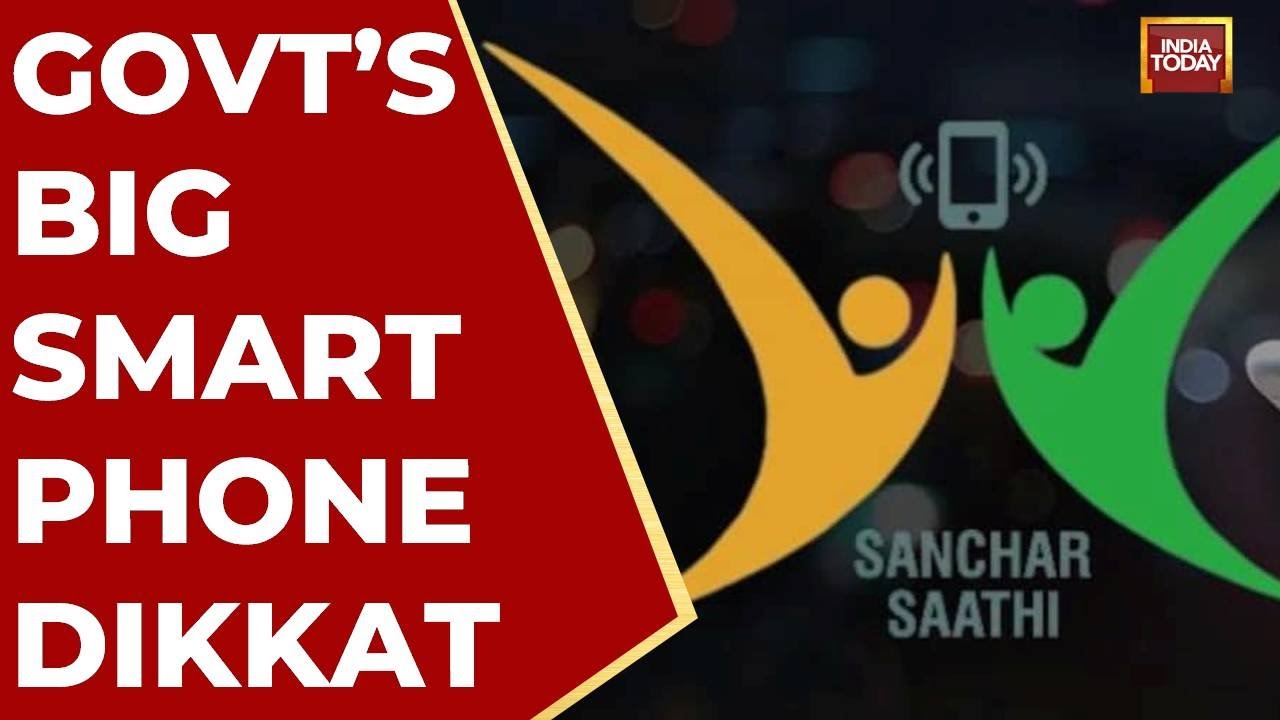
India's December 2, 2025 mandate requiring pre-installation of the Sanchar Saathi cybersecurity app on all smartphones represents a watershed moment in regulatory compliance strategy—one that exposes fundamental fractures between device manufacturers' operational policies and government authority. The order, with a 90-day compliance deadline, affects India's 1.2 billion smartphone users and creates an immediate compliance barrier that will likely eliminate entire product categories from the market while simultaneously creating new service opportunities for manufacturers willing to adapt.
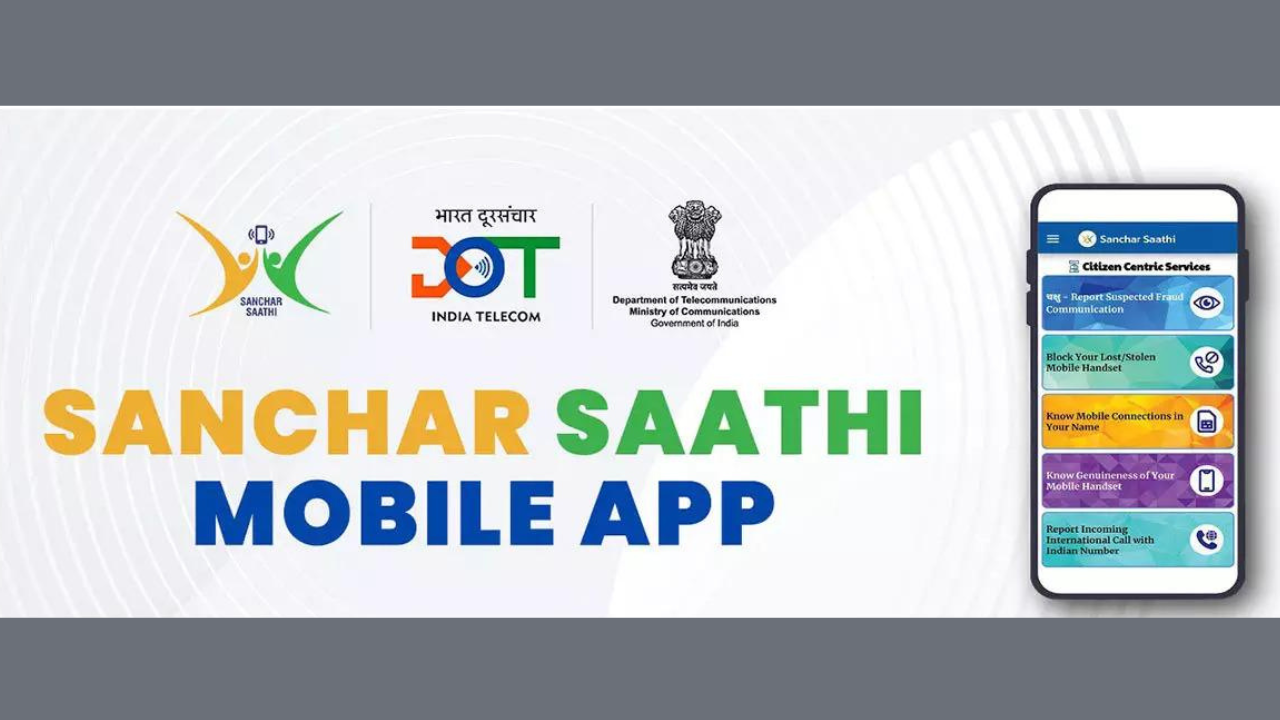
The regulatory logic appears sound on its surface. The government justified the mandate by citing concerns about spoofed IMEI numbers and stolen devices being resold in India's massive second-hand market. The Sanchar Saathi app, launched in January 2025, has already recovered over 700,000 lost devices and achieved 5 million downloads, demonstrating genuine utility. However, the mandate's technical requirements—that the app's functionalities "cannot be disabled or restricted"—combined with its broad permissions (access to call logs, messages, photos, camera, and file systems) reveal a compliance architecture that goes far beyond device recovery. This is where the regulatory moat becomes apparent: manufacturers must choose between maintaining their global policy frameworks or accepting market exclusion from India's 735 million smartphone user base.
Apple's stated refusal to comply exposes the compliance cost asymmetry. Apple's internal policies explicitly prohibit pre-installing third-party or government apps on devices, a principle that has defined its competitive positioning around user control and privacy. With only 4.5 million devices in India (0.6% market share), Apple can afford this stance—the compliance cost of modifying its global OS architecture outweighs the revenue from India's premium segment. However, this creates a critical market dynamic: Android manufacturers, who control 99.4% of India's smartphone market (730.5 million devices), face a binary choice with no middle ground. They must either comply within 90 days or lose access to the world's largest smartphone market by volume. The compliance timeline is deliberately compressed—120 days for manufacturers to file compliance reports—leaving minimal time for technical integration, testing, or policy negotiation.
The compliance cost structure reveals why this mandate functions as a market winnowing mechanism. Manufacturers must integrate the app into their firmware, ensure it's "readily visible and accessible" during device setup, and prevent users from disabling it (despite contradictory government statements about deletion rights). For Android OEMs like Samsung, Xiaomi, and Vivo, this requires firmware modifications, security testing, and ongoing compliance monitoring. The real cost isn't the technical integration—it's the precedent. Once India establishes that mandatory government app pre-installation is enforceable, other markets will follow. Russia's August 2024 mandate requiring pre-installation of the MAX messaging service demonstrates this pattern is already global. Manufacturers that comply in India face pressure to accept similar mandates in Russia, China, and potentially the EU, fragmenting their global product architecture and creating compliance service opportunities for firms specializing in regional OS customization.
The service gap emerging from this mandate is substantial and underserved. Manufacturers need compliance consulting firms that can navigate the technical, legal, and policy dimensions of government app mandates across multiple jurisdictions. They need security auditing services to ensure mandatory apps don't create vulnerabilities. They need legal expertise to challenge or negotiate mandate terms. They need firmware customization platforms that can efficiently manage regional variations without fragmenting their core OS. The firms that build these capabilities—whether compliance consultancies, security auditors, or OS customization platforms—will capture significant value as government-mandated software becomes a permanent feature of smartphone markets in emerging economies.
Questions 5
How does the 90-day compliance deadline create a market elimination effect?
The compressed timeline forces Android manufacturers to choose between rapid compliance or market exit—there's no negotiation window. Smaller OEMs and regional brands lack the engineering resources to integrate, test, and deploy firmware changes in 90 days, effectively eliminating them from India's market. This consolidates market share toward larger manufacturers (Samsung, Xiaomi, Vivo) who have the compliance infrastructure, creating a winnowing effect that reduces competition.
What does India's mandate reveal about the future of smartphone markets in emerging economies?
It signals that government-mandated software is becoming a permanent feature of device markets in emerging economies. Russia's MAX messenger mandate (August 2024) demonstrates this is a coordinated global trend, not an isolated Indian policy. Manufacturers must now assume that any market with >100 million users will eventually require pre-installed government apps, forcing them to build compliance capabilities into their core product strategy rather than treating it as a regional exception.