





Humanitarian Supply Chain Collapse Exposes Critical Gaps in Regional Disaster Relief Logistics
- Social media transparency and expired inventory mismanagement reveal systemic failures in cross-border emergency supply chains affecting disaster response effectiveness in South Asia



























)





































/Passle/5d9604688cb6230bac62c2d0/SearchServiceImages/2025-11-26-10-01-17-478-6926cfed446e417878724df1.jpg)




































































)




















































































































)












































)






)






Overview
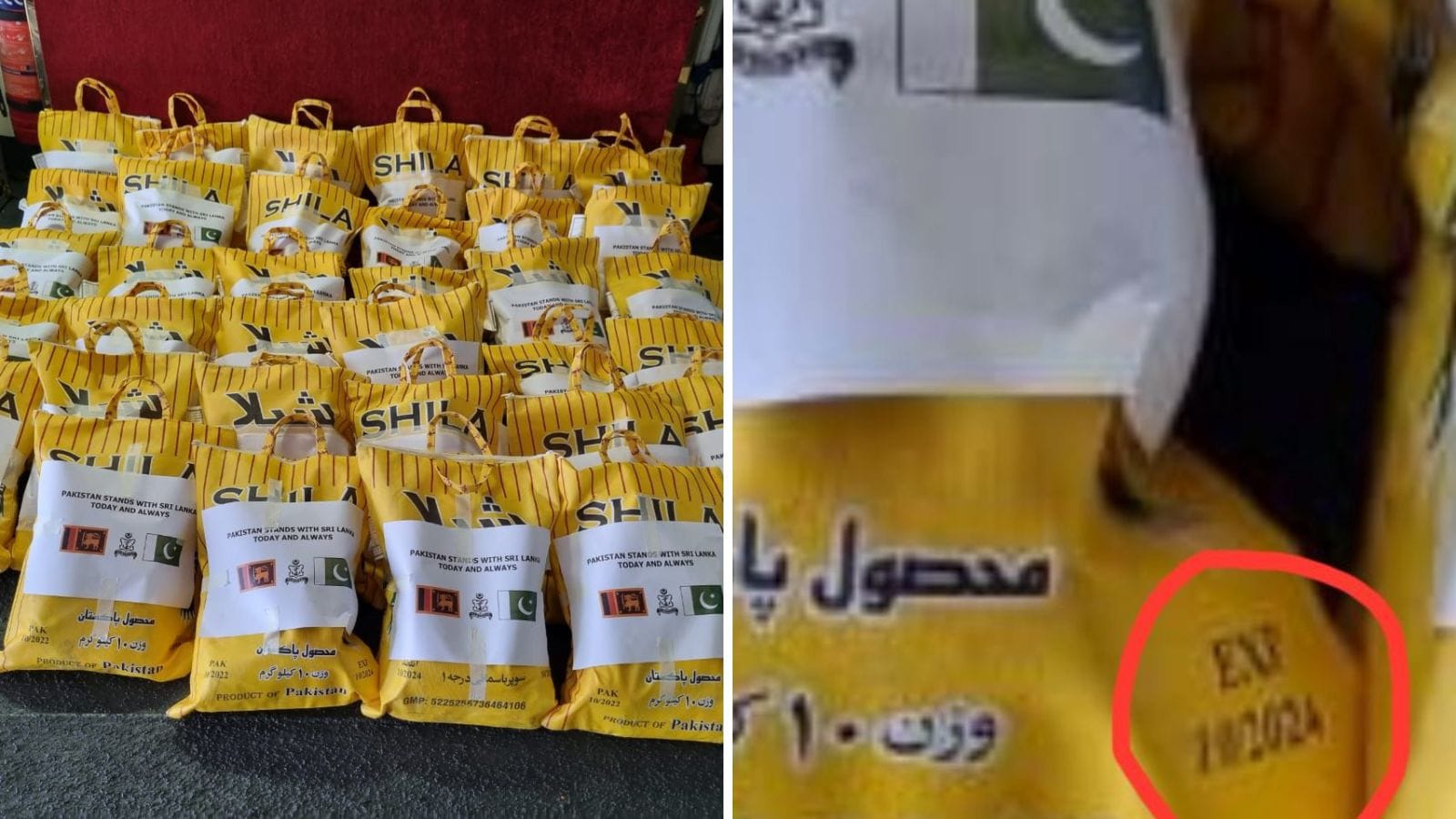
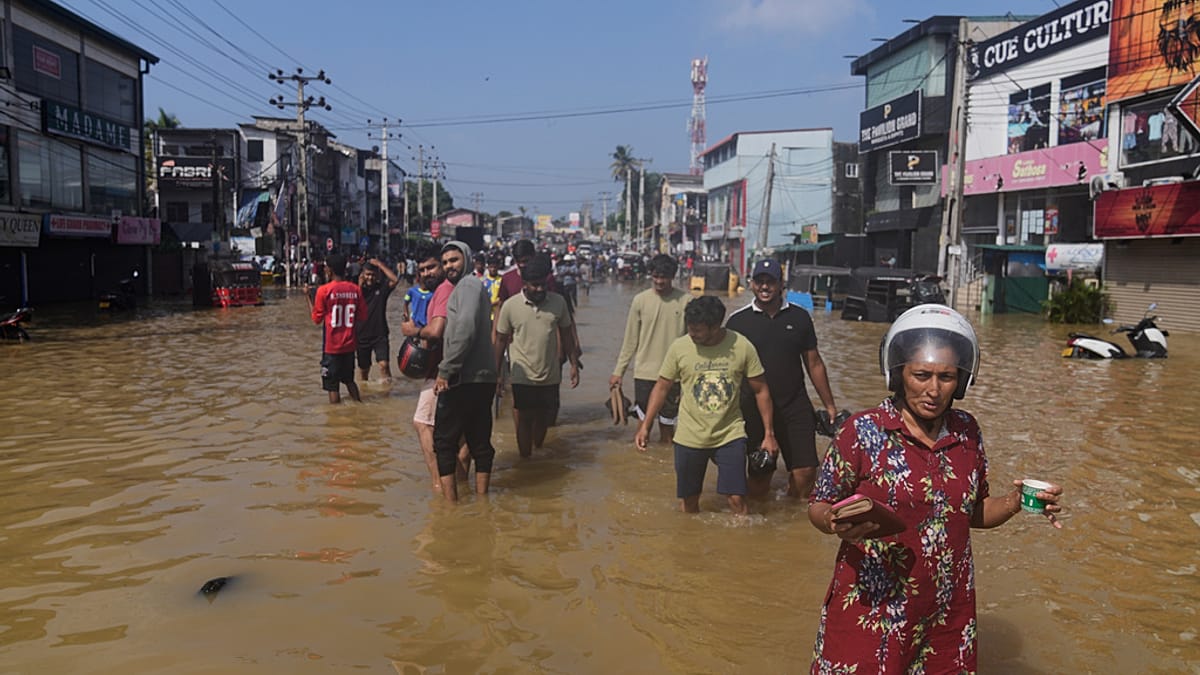
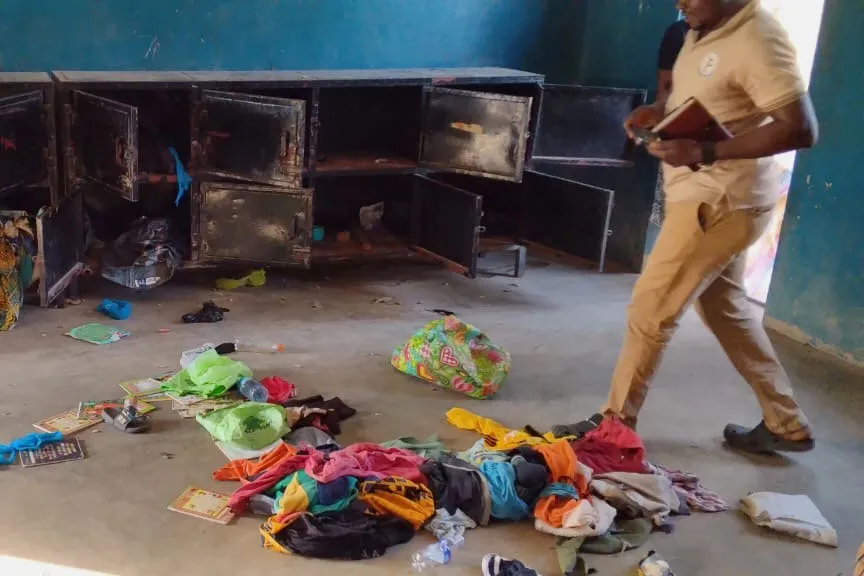
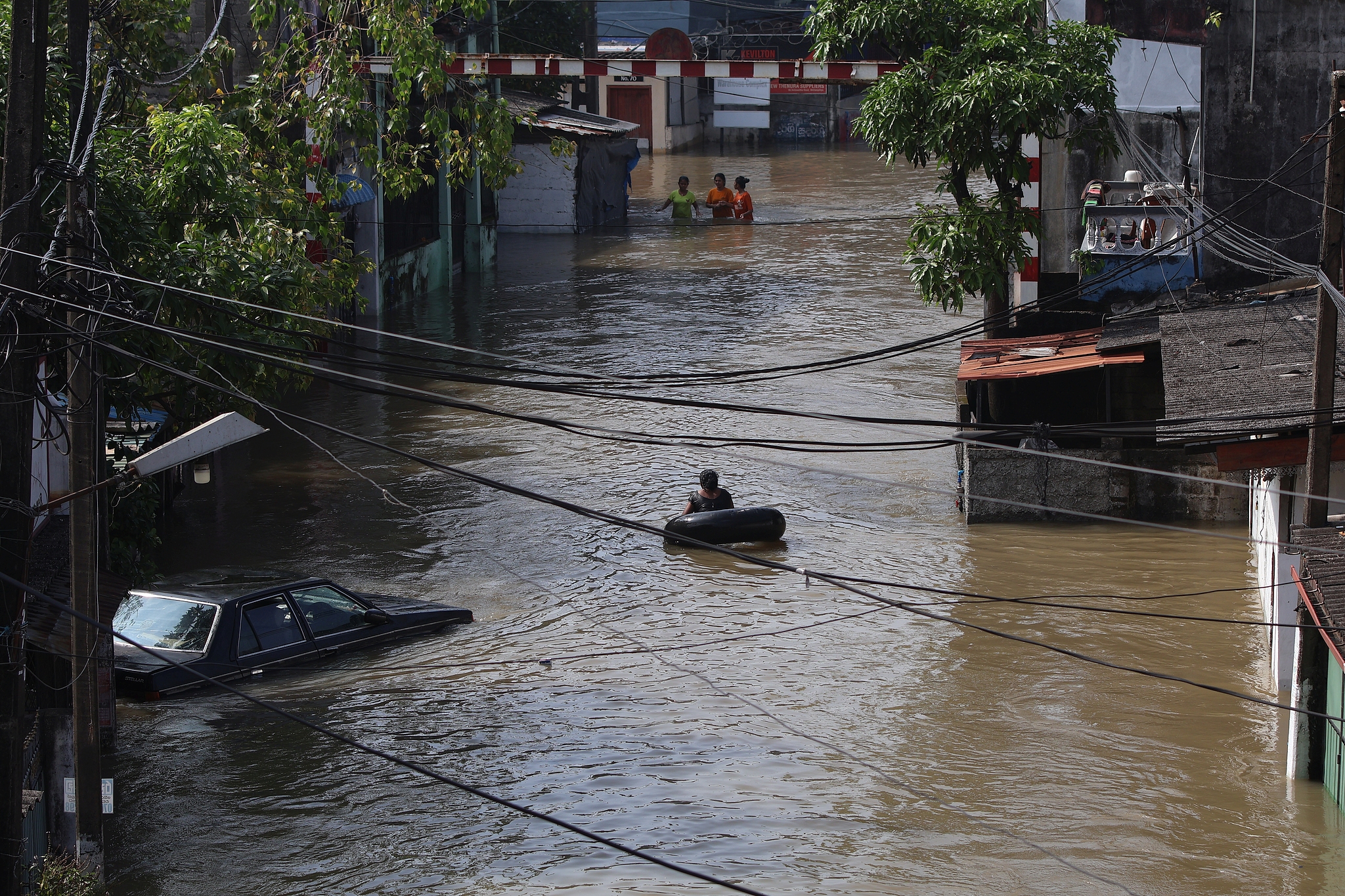
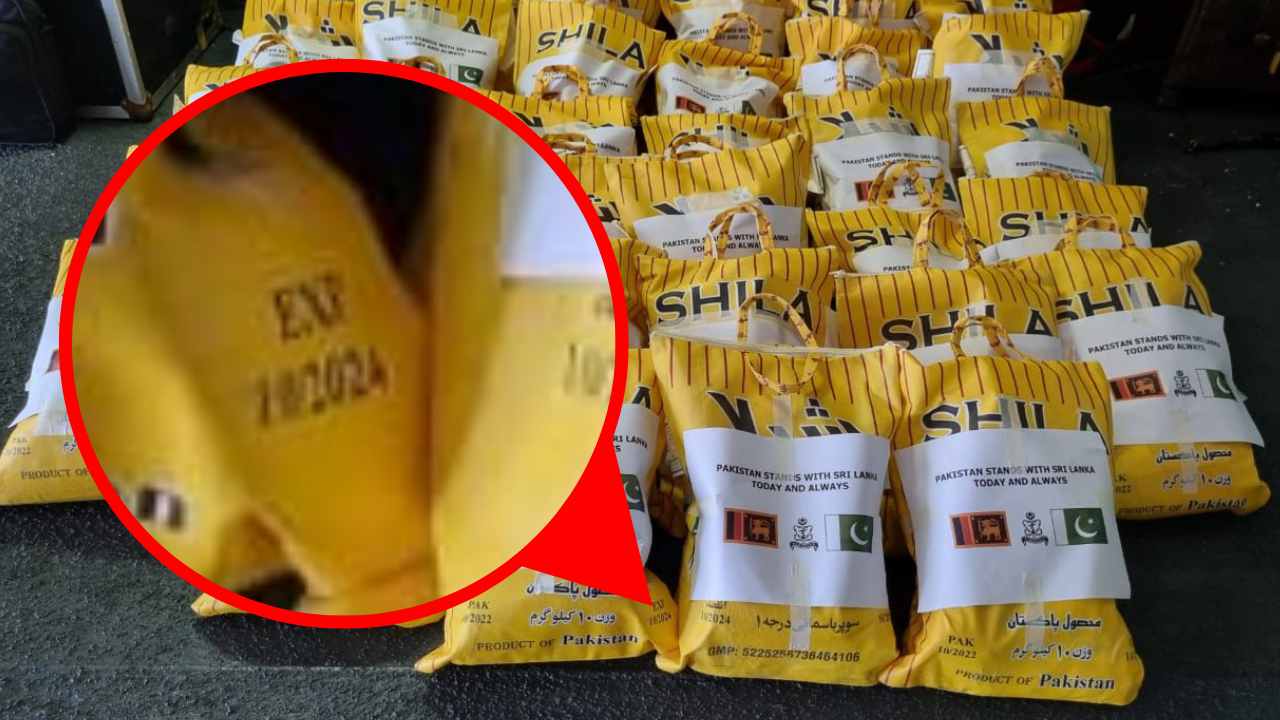
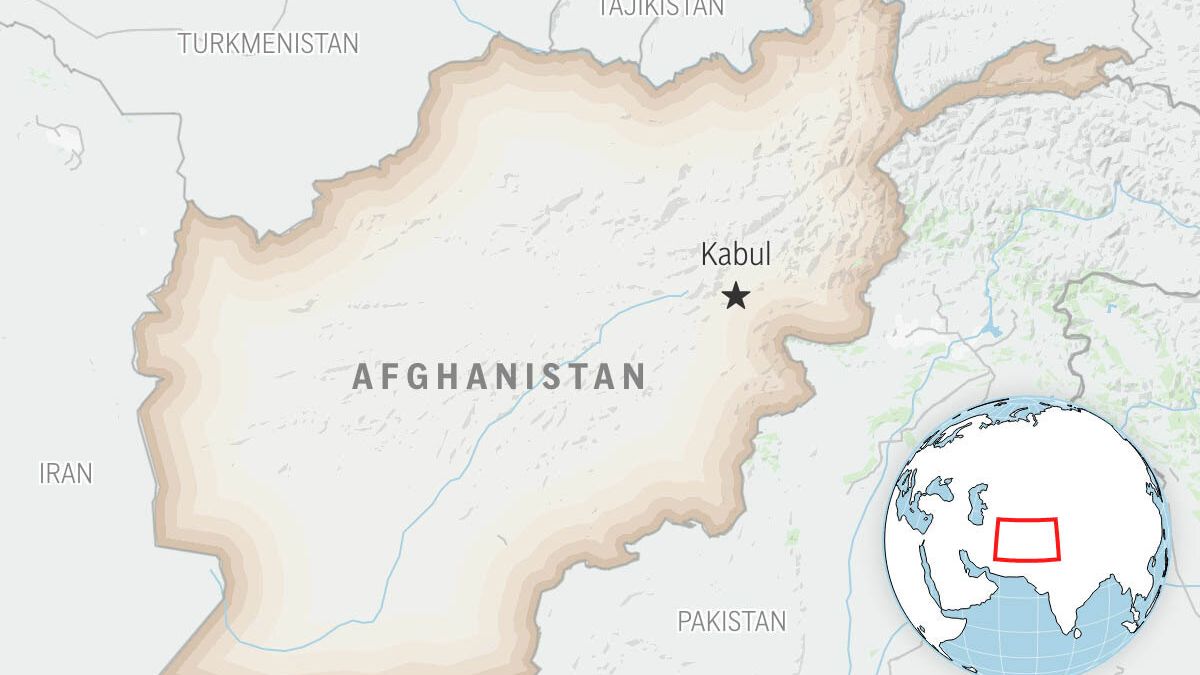
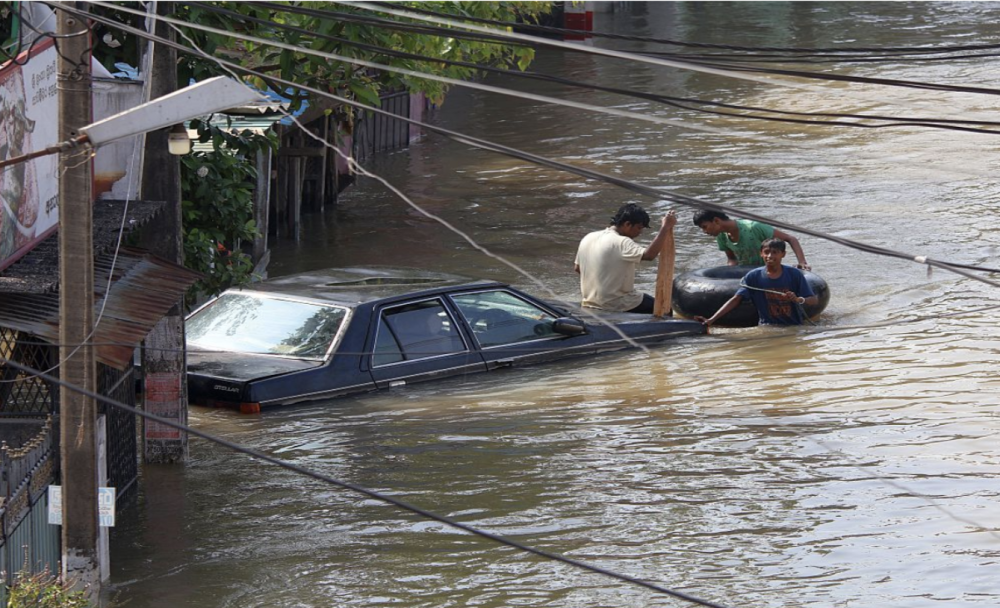
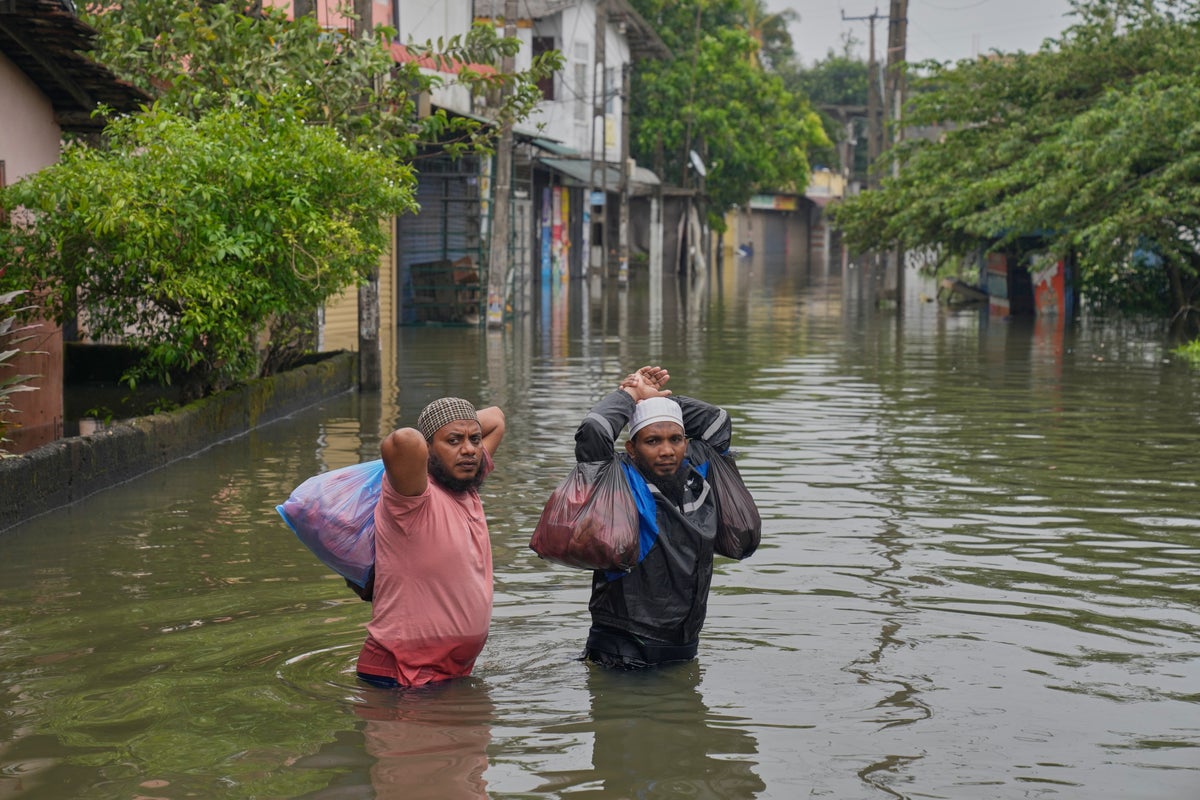
The Pakistan-Sri Lanka aid controversy reveals a fundamental breakdown in humanitarian supply chain management during crisis response. When Pakistan's High Commission posted relief material photos showing packages with October 2024 expiry dates amid Sri Lanka's catastrophic monsoon flooding (over 1,000 deaths reported), social media users immediately identified the expired inventory—and worse, discovered the biscuits were Sri Lankan-made products, suggesting local sourcing rather than genuine cross-border aid. This incident exposes how poor inventory control, lack of supply chain transparency, and inadequate quality assurance protocols undermine disaster relief credibility precisely when it matters most.
The underlying logistics failure here is instructive for understanding regional supply chain vulnerabilities. Humanitarian organizations typically operate under extreme time pressure, which creates incentives to move inventory quickly rather than verify expiry dates or product authenticity. However, this case suggests something more systemic: expired inventory disposal masquerading as aid. The fact that visible packages bore October 2024 dates (already expired at time of shipment) indicates either negligent warehouse management or deliberate offloading of surplus stock. From a supply chain perspective, this represents a critical breakdown in first-mile inventory management—the organization failed to audit its own warehouses before committing to shipment. The secondary revelation that products were locally sourced rather than genuinely from Pakistan compounds the credibility damage and suggests supply chain opacity at multiple levels: procurement decisions weren't transparent, sourcing wasn't verified, and quality checks were absent.
What's particularly revealing is how social media verification has become a de facto quality control mechanism for humanitarian logistics. In traditional supply chains, such failures would be caught by internal audits or third-party inspections. Here, the public discovered the problem through visual inspection of posted photos—a humbling reminder that digital transparency now functions as an accountability layer. This has direct implications for how humanitarian organizations must now operate: every shipment is potentially subject to crowdsourced verification, meaning supply chain integrity is no longer optional. The diplomatic dimension adds another layer: India's rapid approval of Pakistan's overflight request (within 4.5 hours) shows that cross-border logistics coordination can work efficiently when political will exists, yet the aid itself failed because of internal supply chain mismanagement, not regulatory barriers.
For logistics operators and humanitarian organizations, this incident signals an urgent need to strengthen inventory management protocols, implement real-time expiry tracking systems, and establish third-party verification standards for disaster relief shipments. The reputational cost of expired aid is substantial—it undermines donor confidence, damages diplomatic relationships, and most critically, diverts resources from actual disaster victims. Organizations must recognize that in the age of social media, supply chain failures are instantly visible and globally amplified. The strategic imperative is clear: invest in warehouse automation, blockchain-based inventory tracking, and pre-shipment quality audits to prevent future incidents. Without these changes, humanitarian logistics will continue to suffer credibility crises that have nothing to do with political will or regulatory approval, but everything to do with operational discipline.
Questions 5
Why does expired inventory in humanitarian aid represent a critical supply chain failure rather than just a quality issue?
Expired inventory in disaster relief signals systemic breakdown across multiple supply chain functions: warehouse auditing failed to catch outdated stock, procurement didn't verify product freshness before commitment, and quality assurance protocols were absent. This isn't a single-point failure—it's evidence of organizational dysfunction in **inventory management** and **first-mile logistics**. When Pakistan's High Commission shipped packages with October 2024 expiry dates during an active crisis, it revealed that speed-to-delivery overrode basic quality checks, a pattern that undermines the entire humanitarian supply chain model.
How does social media verification change the risk profile for humanitarian organizations' supply chain operations?
Social media has become an involuntary quality control mechanism. The Pakistan-Sri Lanka incident shows that every shipment is now subject to crowdsourced inspection and instant global amplification of failures. This transforms **supply chain transparency** from a best practice into an operational necessity. Organizations can no longer rely on opacity or time delays to obscure logistics failures—reputational damage occurs in real-time. The strategic implication: invest in **blockchain-based inventory tracking** and **pre-shipment audits**, because the cost of social media exposure now exceeds the cost of prevention.