
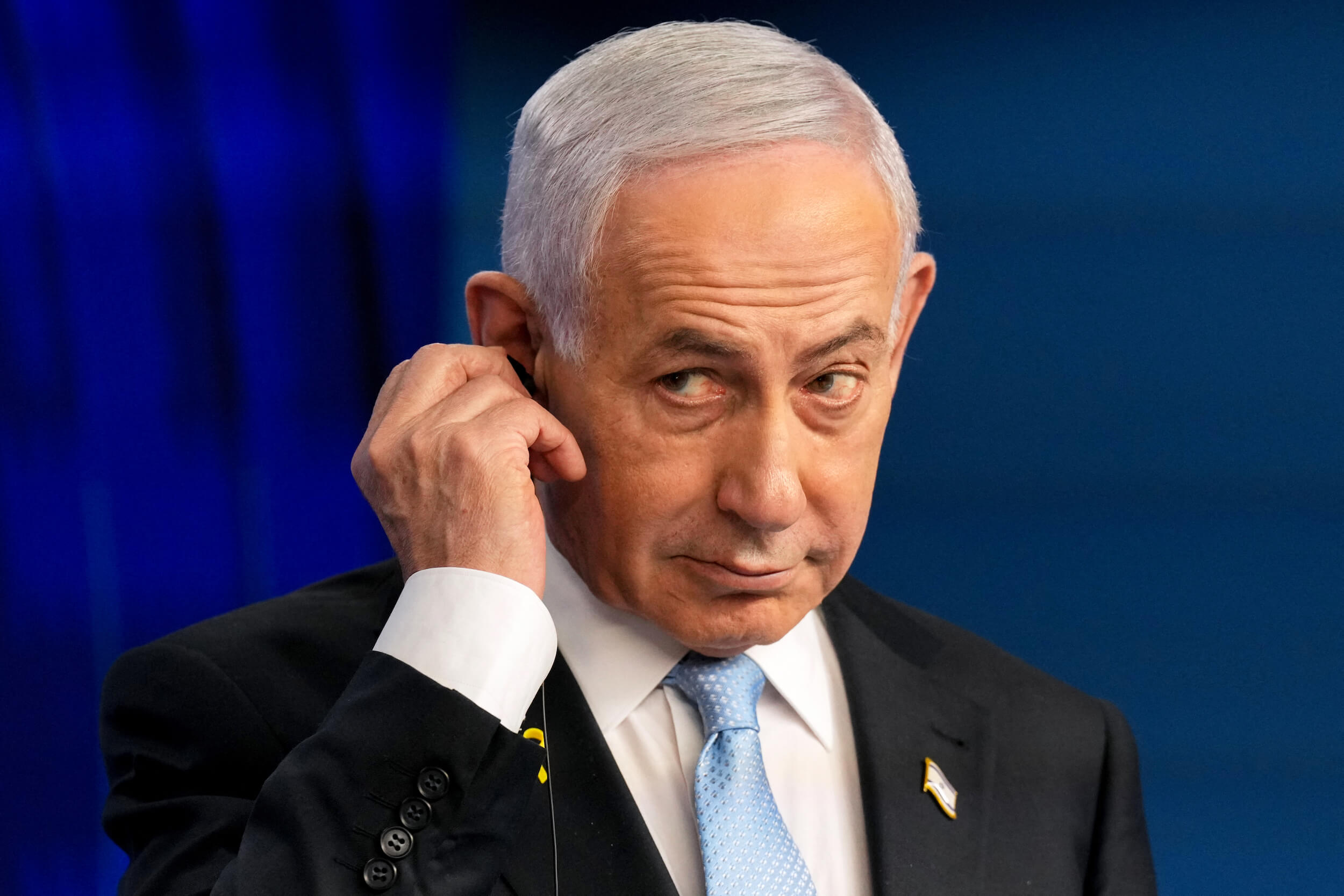
Netanyahu's Media Crackdown Threatens Israel's Democratic Foundations
- Strategic dismantling of independent media signals dangerous institutional erosion
Overview
The closure of Army Radio represents a critical inflection point in Israel's democratic trajectory, exposing the fragile infrastructure of media independence under Prime Minister Benjamin Netanyahu's increasingly authoritarian governance. With a unanimous cabinet vote targeting a 70-year-old national broadcaster reaching 900,000 daily listeners, the government is executing a calculated strategy to centralize information control and suppress critical voices.
Media Landscape Transformation: The planned shutdown of Army Radio is more than a simple administrative decision—it's a calculated move to reduce institutional diversity and independent reporting. As one of only two national radio stations providing comprehensive news coverage, its elimination leaves Israel's media ecosystem dramatically more vulnerable. The station's unique composition—staffed by conscripts from diverse backgrounds and known for challenging government narratives—made it a critical check on political power.
Institutional Erosion Pattern: This action mirrors broader authoritarian playbooks observed in countries like Russia, Hungary, and Turkey, where media independence is systematically dismantled. The strategic logic is clear: by reducing alternative information channels, the government can more effectively control public narrative and minimize accountability. The closure signals a profound shift from Israel's historical commitment to robust, diverse public discourse toward a more tightly controlled information environment.
The implications extend far beyond media. This move represents a fundamental challenge to liberal democratic principles, suggesting that institutional checks and balances are being methodically weakened. For international observers and Israeli citizens alike, Army Radio's potential closure is a stark warning about the incremental nature of democratic backsliding—where each seemingly isolated action contributes to a broader pattern of power consolidation.
Stakeholders must recognize that this is not an isolated incident but part of a calculated strategy to reshape Israel's institutional landscape. The risk is not just to media freedom, but to the fundamental mechanisms of democratic accountability and transparent governance.
Questions 3
What are the potential long-term consequences of this media landscape transformation?
The closure risks accelerating democratic backsliding by reducing critical voices, limiting public discourse, and creating an information environment more easily manipulated by the current government. It signals a dangerous trend of institutional erosion.
Why is the closure of Army Radio significant for Israeli democracy?
Army Radio has been a unique institution providing independent, critically-minded journalism for 70 years. Its closure reduces media diversity, leaving only one vulnerable national radio station and potentially enabling greater government control over public information narratives.