
Federal Reserve Chair Selection: A High-Stakes Economic Pivot Point
- Trump's Fed Chair Search Signals Aggressive Monetary Policy Reshaping Global Financial Dynamics








Overview
The Federal Reserve chair selection represents a pivotal moment in US monetary policy, with profound implications for global financial markets and cross-border economic strategies. President Trump's imminent nomination signals a potentially transformative approach to monetary policy, characterized by an aggressive stance on interest rate reductions and economic stimulation.
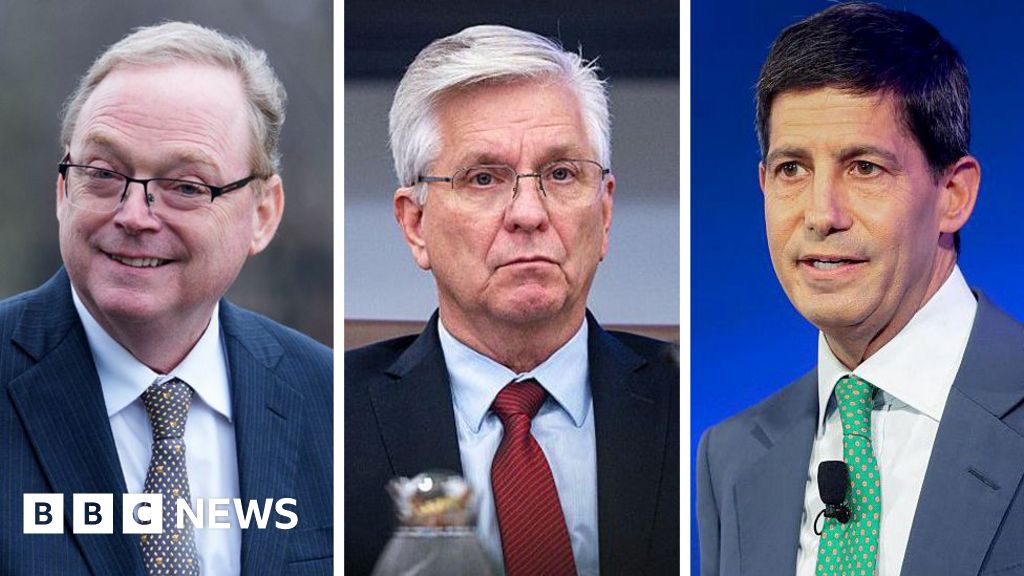
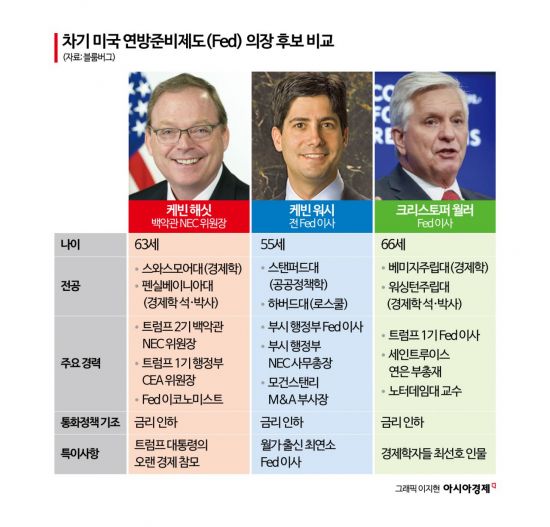
Strategic Monetary Recalibration: The search for a new Fed chair involves three primary candidates—Kevin Hassett, Kevin Warsh, and Christopher Waller—each representing a nuanced approach to economic management. Trump's explicit preference for candidates willing to pursue lower interest rates suggests a strategic pivot away from traditional monetary conservatism. The current benchmark rate of 3.5 to 3.75% could potentially be dramatically reduced, with Trump advocating rates as low as 1% or even lower.
Cross-Border Economic Implications: For international e-commerce and global financial players, this leadership transition presents both opportunities and challenges. Potential interest rate cuts could significantly impact currency exchange rates, reducing transaction costs and potentially stimulating cross-border trade. Smaller and medium-sized online sellers might particularly benefit from reduced borrowing expenses, creating a more accessible financial landscape for international commerce.
The selection process reveals a complex interplay between political preferences and institutional independence. Trump's emphasis on finding a chair aligned with his economic vision—prioritizing growth and reduced borrowing costs—suggests a potentially more interventionist approach to monetary policy. This could fundamentally reshape investment strategies, trade dynamics, and financial risk assessments for global economic actors.
Critically, the incoming Fed chair will navigate a delicate balance: maintaining economic momentum while managing potential inflationary pressures. The chosen leader must synthesize political expectations with the Federal Reserve's traditional mandate of long-term economic stability, making this selection far more than a routine leadership transition.
Questions 3
How might the new Fed chair impact cross-border e-commerce sellers?
Lower interest rates could reduce borrowing costs, making international trade more accessible. Currency exchange rate fluctuations might create arbitrage opportunities, while reduced transaction expenses could improve profit margins for global online sellers.
What are the key considerations in selecting the next Federal Reserve chair?
The ideal candidate must balance political expectations of economic stimulation with maintaining institutional independence. They need expertise in managing inflation, understanding complex global economic dynamics, and implementing strategic monetary policies that support sustainable growth.