

Billion-Dollar Dreams: The Financial Anatomy of America's Largest Lottery Jackpot
- Record-breaking $1.7B Powerball Prize Reveals Complex Consumer Financial Psychology










Overview
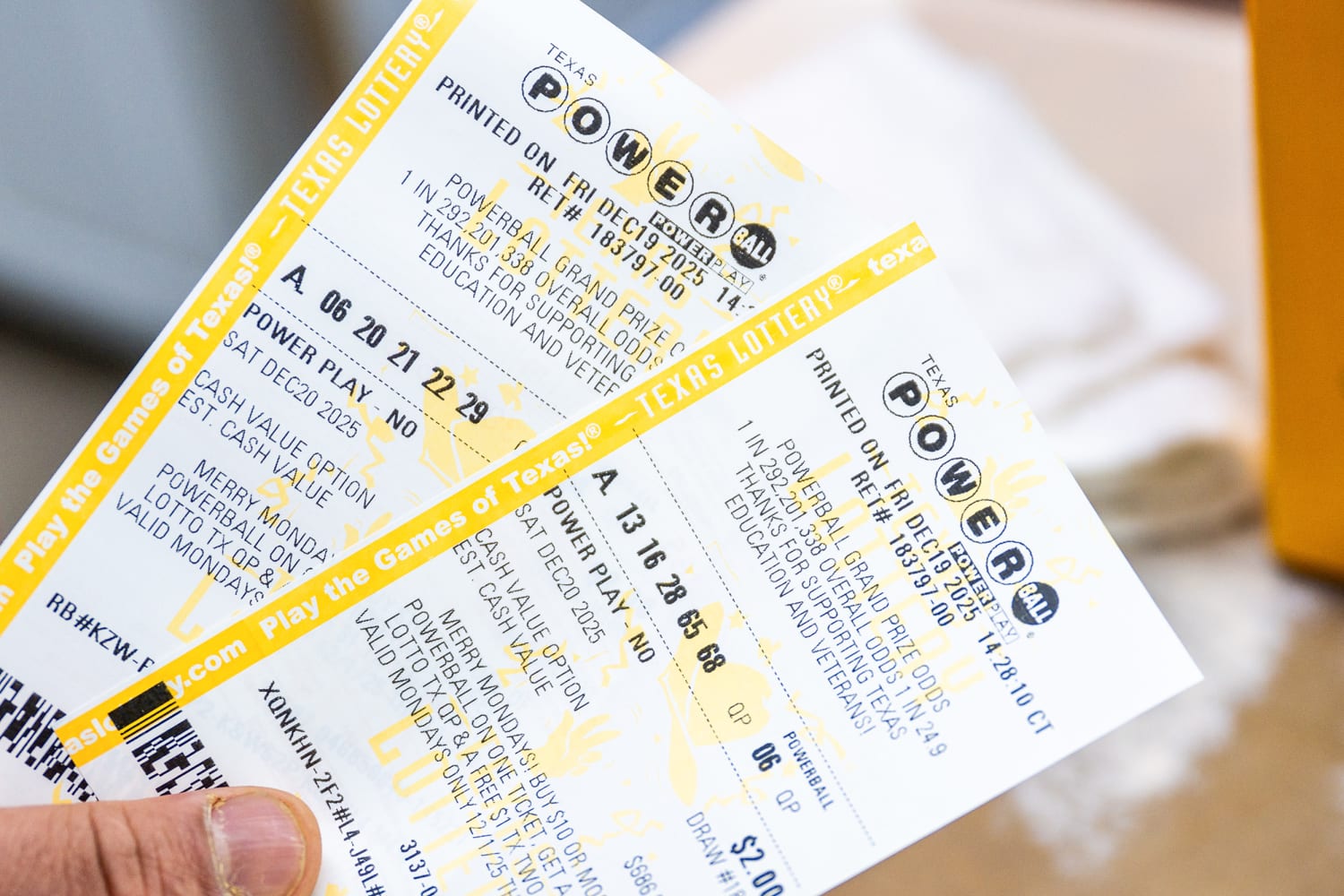
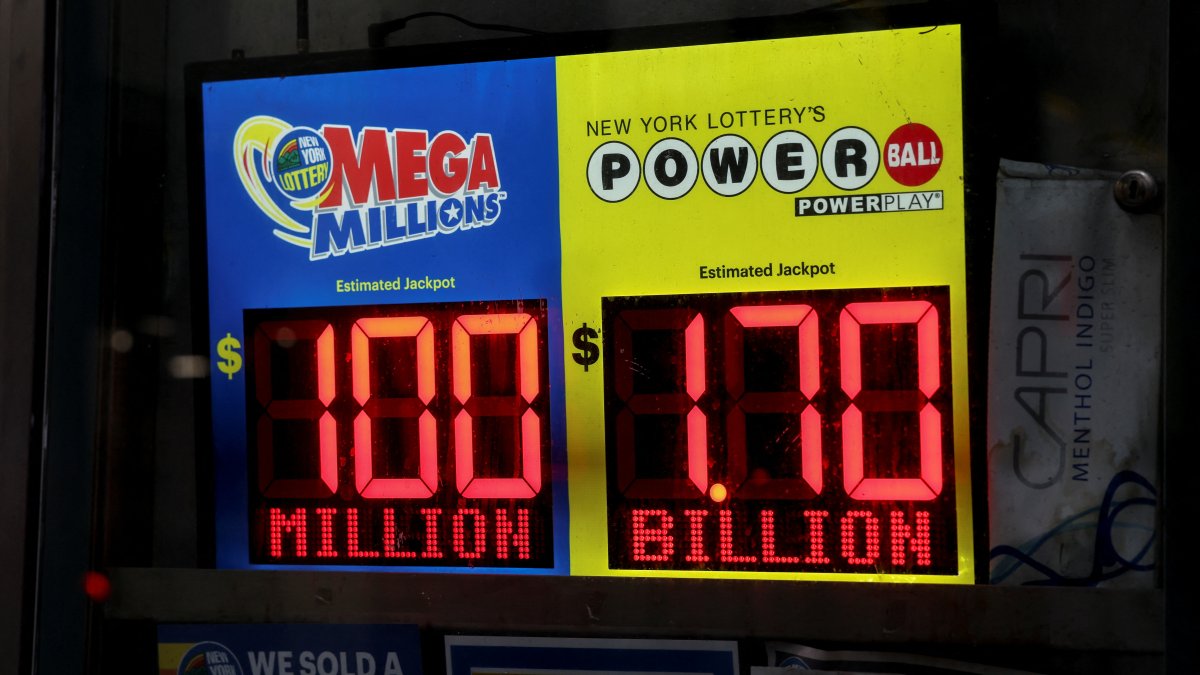
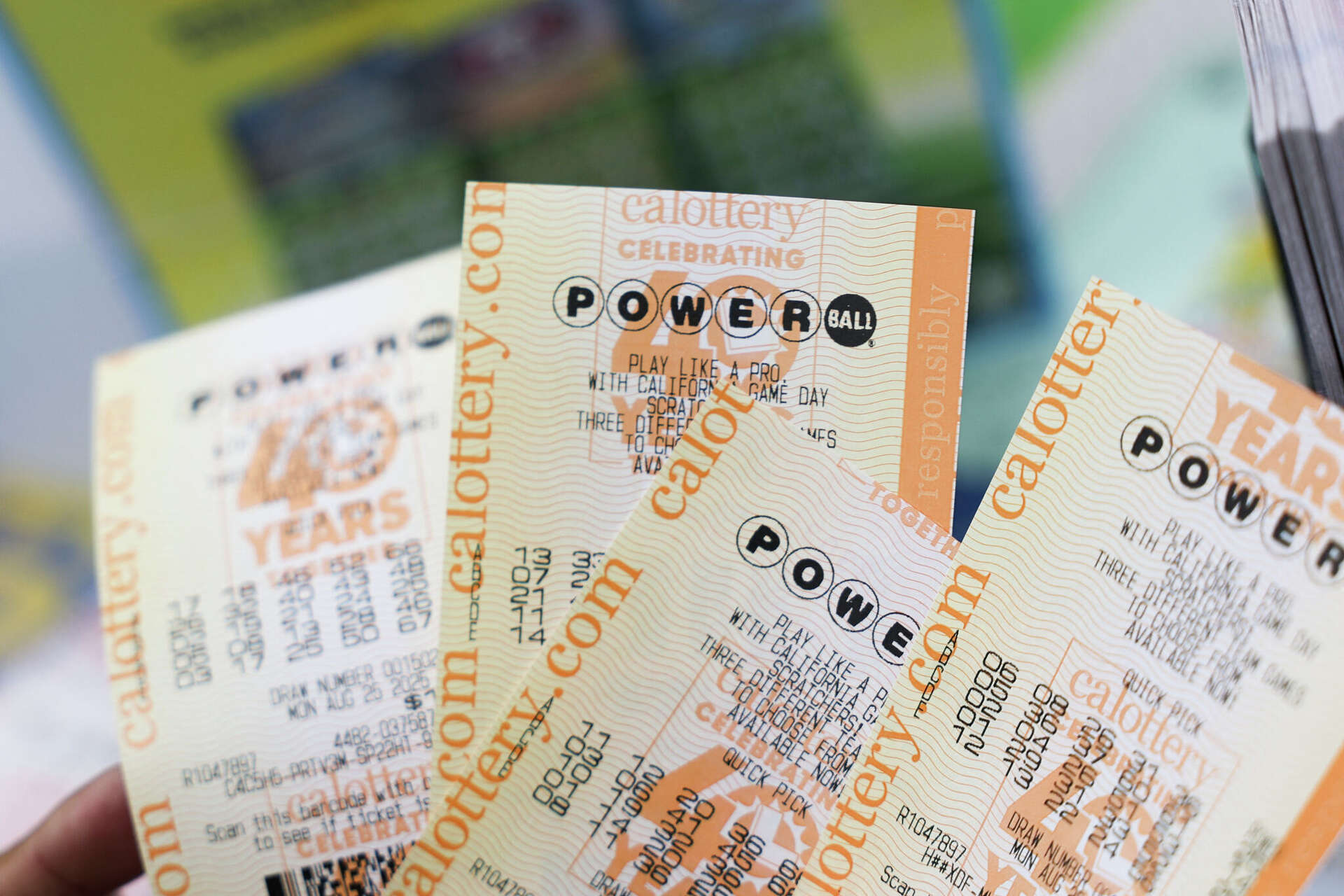
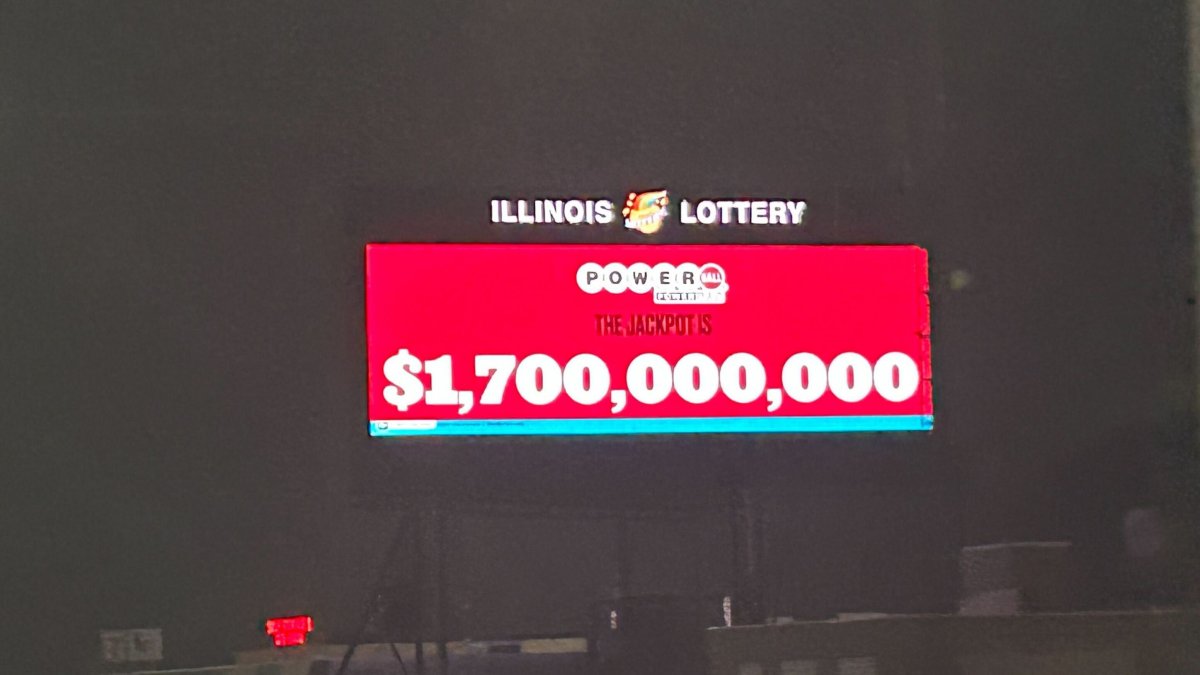
The $1.7 billion Powerball jackpot represents more than just a massive prize—it's a profound window into American financial aspirations and economic psychology. As the fourth-largest lottery prize in history, this Christmas Eve drawing captures a unique moment where collective hope intersects with statistical improbability.
The jackpot's structure reveals intricate financial decision-making dynamics. Players face two primary payout options: a 29-year annuitized plan or an immediate $781.3 million lump sum. This choice mirrors broader investment strategies—steady, predictable income versus immediate capital access. The astronomical 1 in 292.2 million odds underscore the lottery's role as a psychological product, not just a financial instrument.
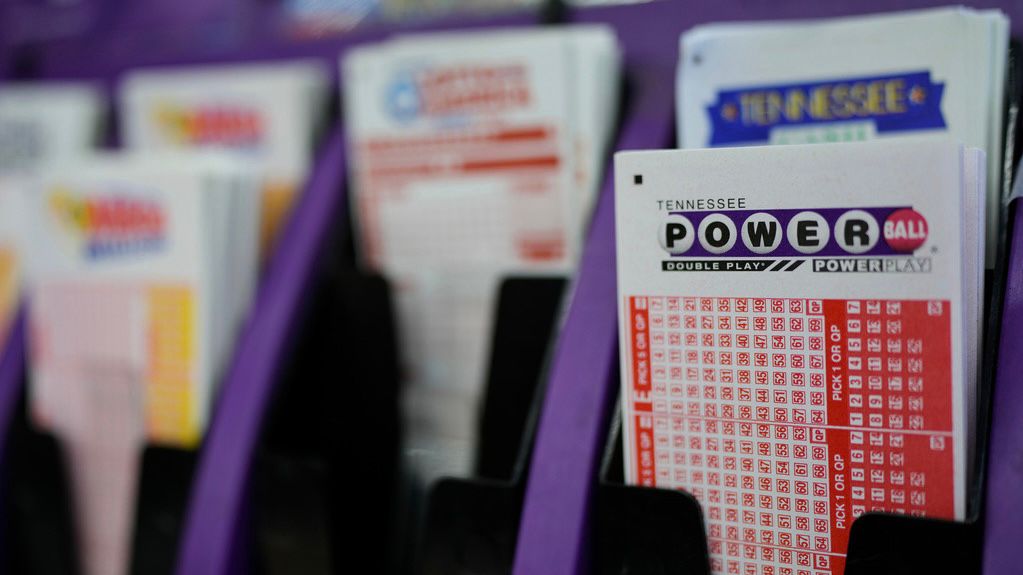
Critically, this jackpot reflects emerging trends in consumer financial thinking. The consistent emergence of billion-dollar prizes suggests growing public fascination with transformative financial opportunities. Nine states produced $1 million secondary prize winners, demonstrating the lottery's widespread economic engagement. The Power Play option, allowing potential 2X-10X prize multiplications, further illustrates the complex risk-reward calculations consumers are willing to entertain.
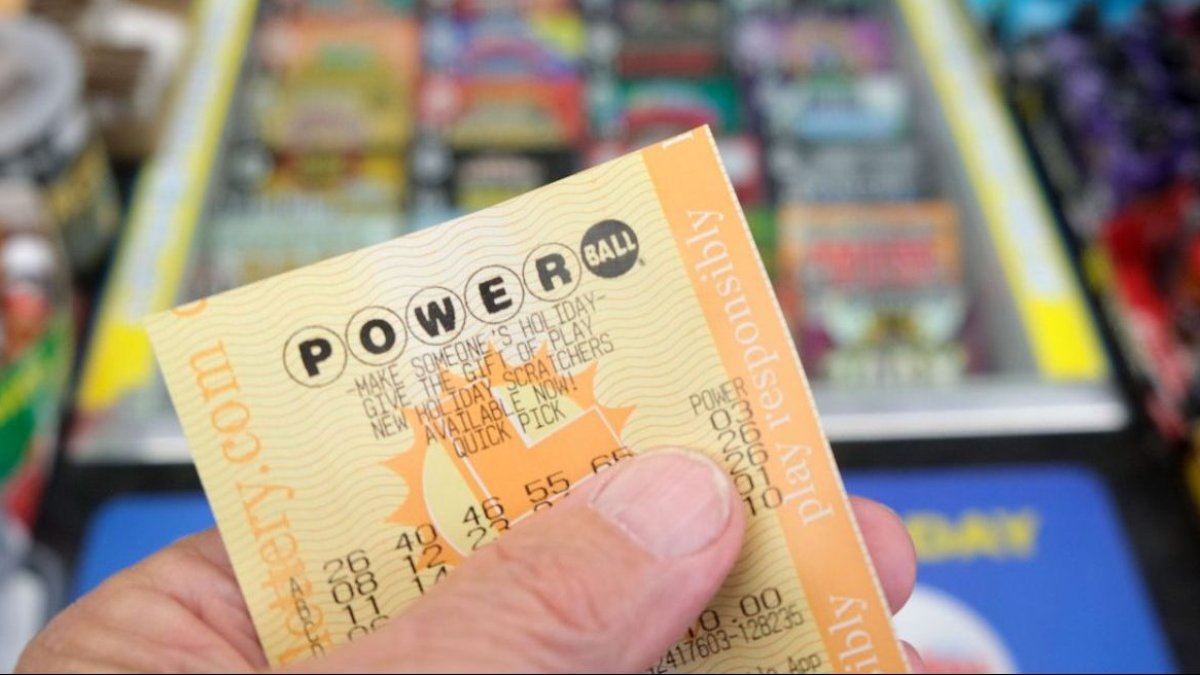
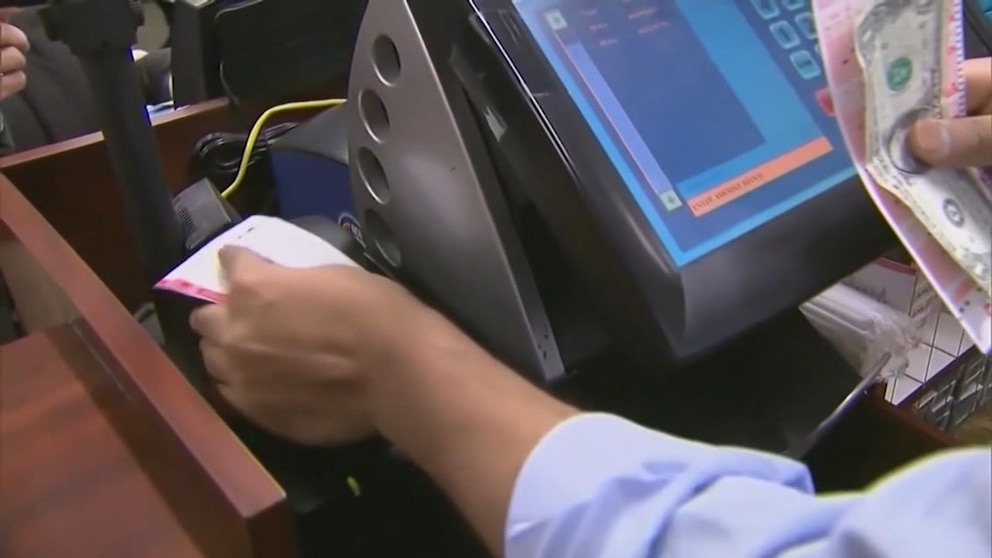
The drawing's timing—Christmas Eve 2025—adds a layer of emotional and aspirational significance. Potential winners discussed using hypothetical winnings for personal expenses, travel, and community support, revealing deeper narratives about financial security and social mobility. This goes beyond mere gambling; it's a collective ritual of imagining radical life transformation through a $2 ticket.
From a financial perspective, the lottery represents a unique market phenomenon. It demonstrates consumers' willingness to invest minimal capital for potentially extraordinary returns, reflecting broader trends of high-risk, high-reward financial thinking prevalent in contemporary economic landscapes.
Questions 3
What makes this $1.7 billion Powerball jackpot unique?
This is the fourth-largest lottery prize in history, occurring on Christmas Eve 2025 after 46 consecutive drawings without a winner. Its massive scale and timing create a rare confluence of financial opportunity and cultural anticipation, with astronomical 1 in 292.2 million odds.
What financial choices do lottery winners face?
Winners can choose between a 29-year annuitized payment plan or a lump sum of $781.3 million. Most historically opt for the lump sum, which provides immediate funds but at a reduced total amount. Tax implications vary by state, with some offering tax-free lottery winnings.