





Gold's Global Economic Revolution Reshapes Investment Strategies
- Unprecedented Price Surge Signals Massive Shift in Global Financial Dynamics















Overview
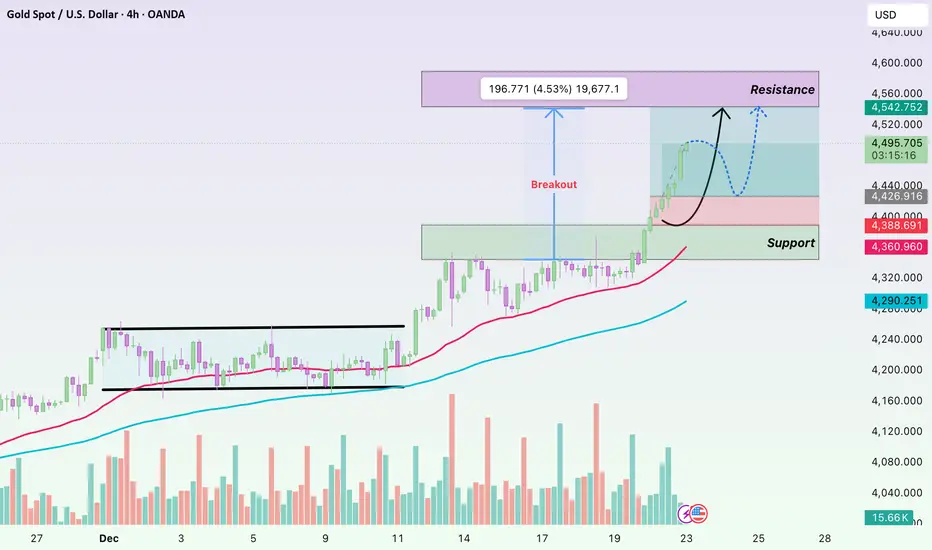
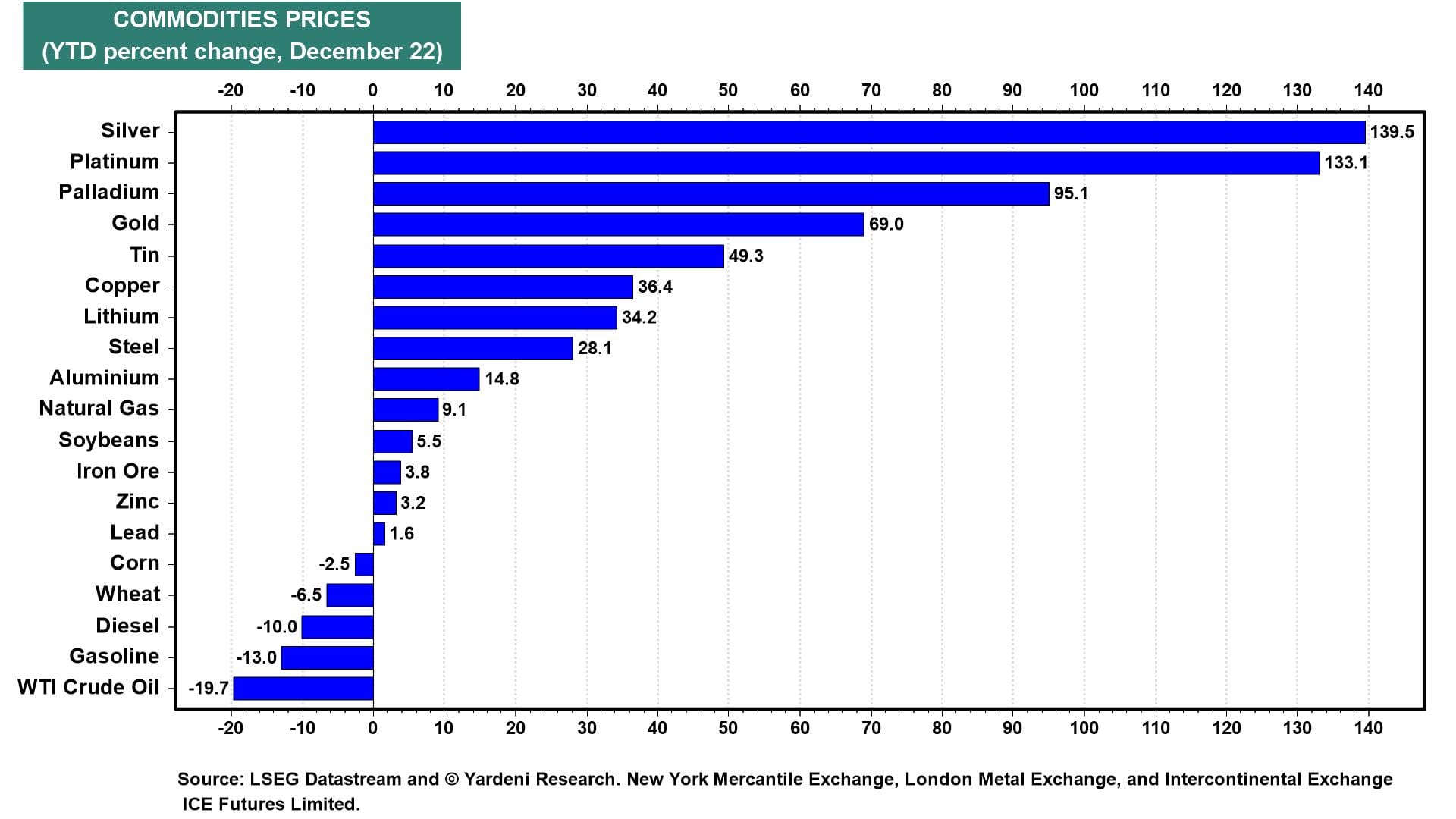
The global financial landscape is experiencing a transformative moment as gold prices surge to unprecedented heights, signaling a profound restructuring of investment and economic strategies. In 2024, gold has achieved its most remarkable rally since 1979, with prices climbing from $2,640 to over $4,500 per troy ounce—a staggering 71% annual gain that transcends traditional market expectations.
This extraordinary movement is not merely a price fluctuation but a complex signal of deeper global economic tensions. Geopolitical uncertainties, including conflicts in Ukraine and the Middle East, combined with anticipated Federal Reserve monetary policy shifts, have propelled gold into a critical safe-haven asset. Central banks, particularly China, are strategically reducing dependence on US dollar assets, further amplifying gold's strategic importance.
For cross-border financial professionals, this represents a watershed moment demanding immediate strategic recalibration. Payment corridors, currency hedging mechanisms, and international trade financing must now incorporate gold's volatility as a core consideration. JPMorgan Chase analysts predict gold could exceed $5,000 by 2026, suggesting this is not a temporary trend but a fundamental market transformation.
The implications extend far beyond traditional investment paradigms. E-commerce sellers, international traders, and financial risk managers must develop sophisticated strategies that account for gold's newfound centrality. This includes exploring gold-linked pricing models, developing more robust currency hedging techniques, and reimagining working capital management in an environment where traditional monetary instruments are increasingly uncertain.
Critically, this gold surge reflects a broader narrative of global economic recalibration—a moment where trust in traditional currency systems is eroding, and alternative stores of value are gaining unprecedented prominence. The message is clear: adaptability and strategic foresight are no longer optional but essential for survival in the emerging global financial ecosystem.
Questions 3
How should cross-border e-commerce sellers adapt to this gold price volatility?
Sellers should develop sophisticated currency hedging strategies, explore gold-linked pricing models, and reassess international transaction cost structures. This might include using gold as a reference point for pricing, implementing more dynamic currency conversion mechanisms, and building more flexible financial risk management approaches.
What long-term implications does this gold price trend have for global finance?
This trend signals a potential fundamental transformation in global monetary systems, with traditional currency instruments losing trust. Central banks are strategically diversifying away from US dollar assets, and investors are seeking more stable, tangible stores of value. This could accelerate the development of alternative financial instruments and risk management strategies.