






Winter Wellness Drives Consumer Interest in Immune-Boosting Foods as Expert Guidance Shapes Dietary Choices
- Expert-backed nutritional recommendations are creating a sustained consumer focus on seasonal health optimization, signaling growing demand for functional foods and wellness content across health platforms









































































































.jpg)










































































Overview
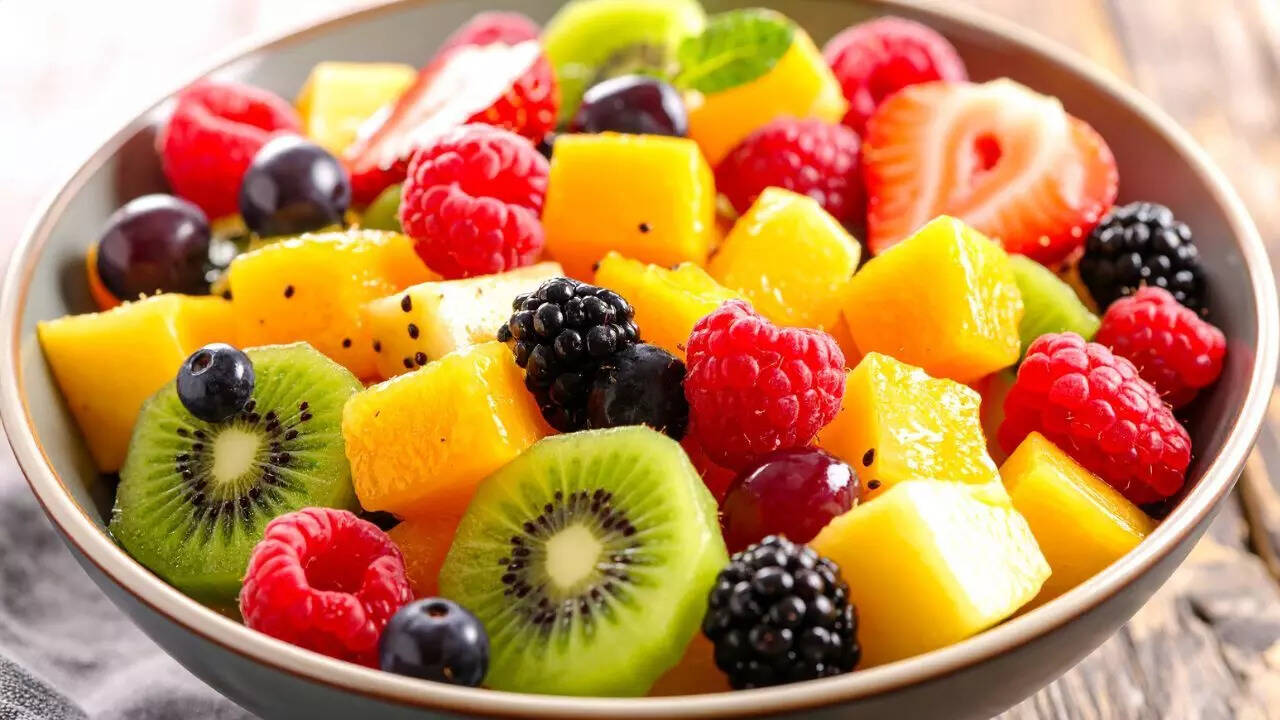
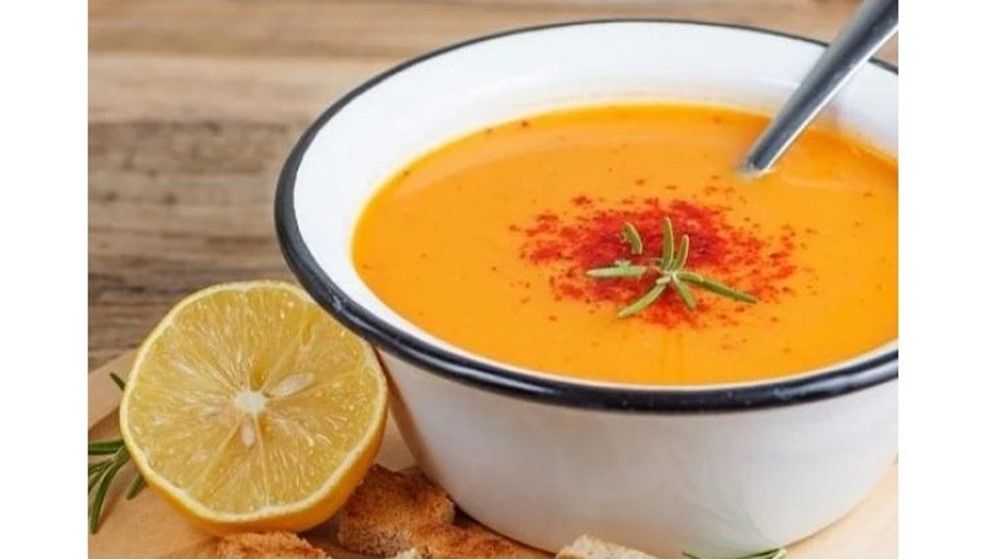
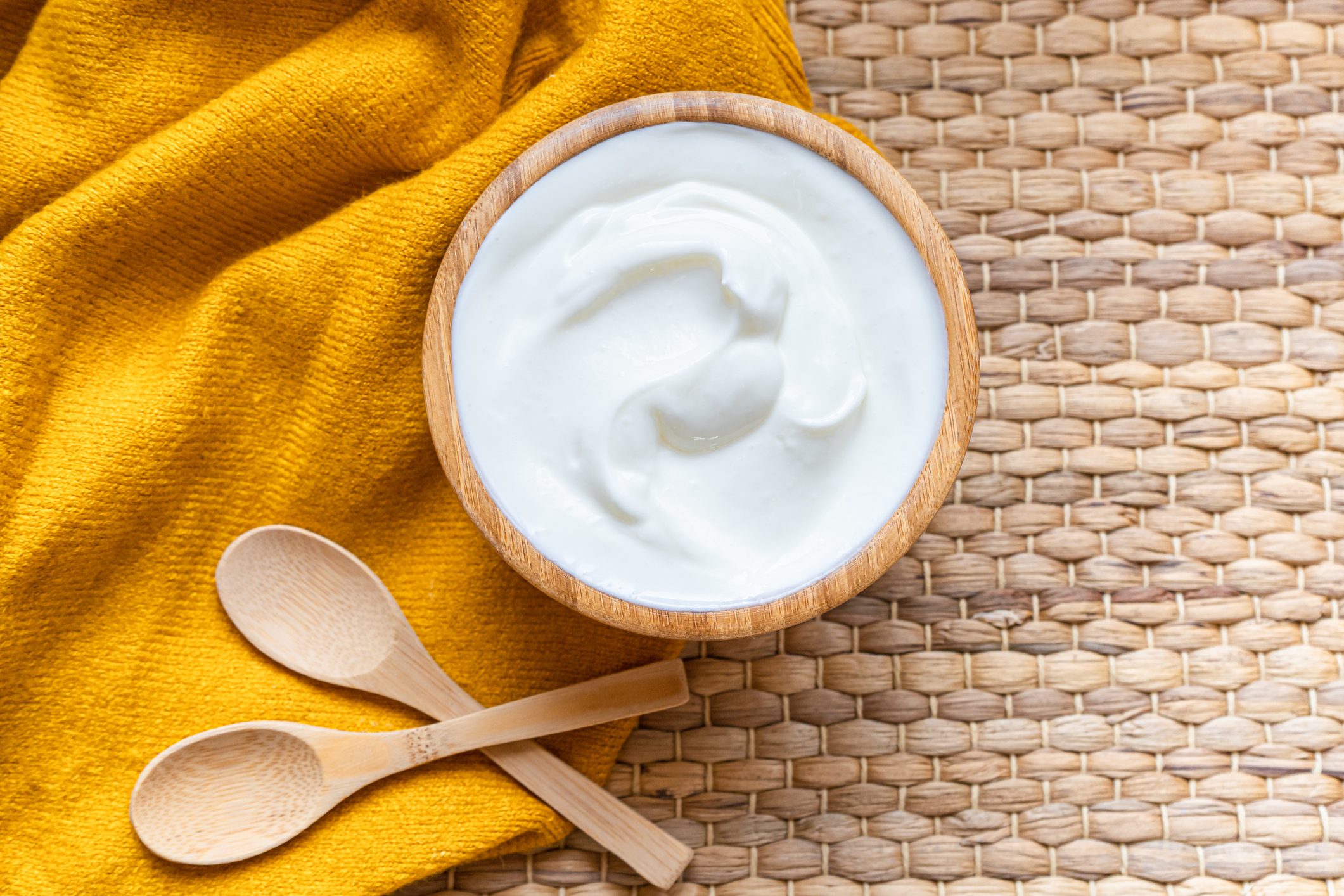
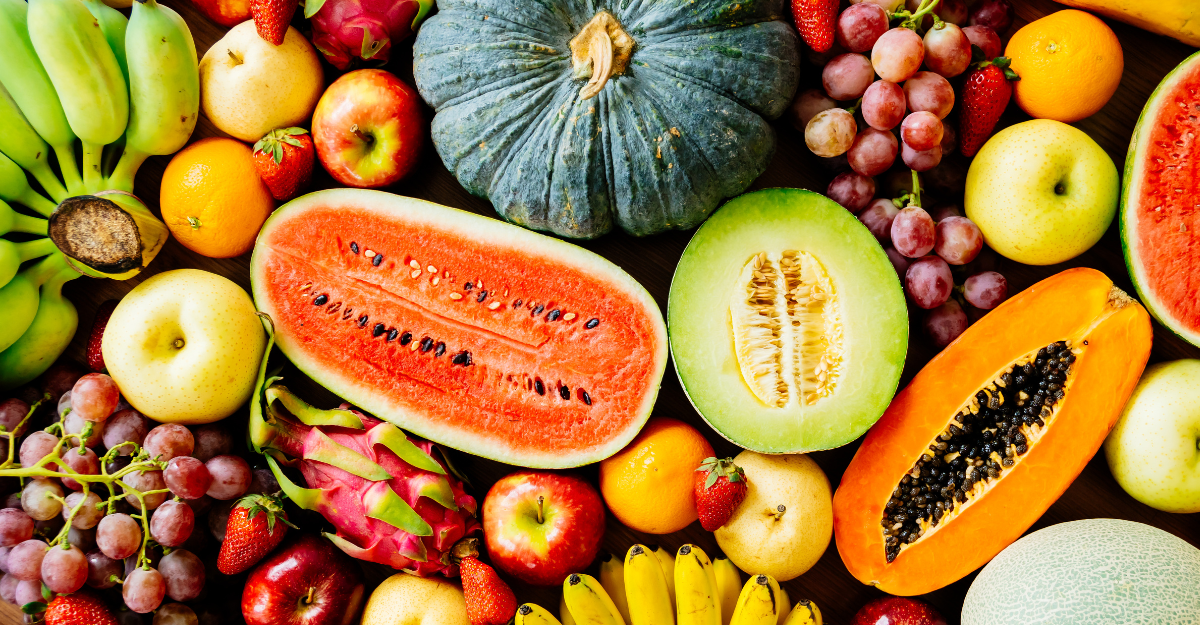
The convergence of multiple expert-backed nutritional recommendations around immune support during winter months reveals a significant and sustained consumer trend toward preventive health through diet. Across major health platforms and media outlets, a consistent narrative has emerged: specific foods—particularly fatty fish, yogurt, citrus fruits, and traditional superfoods like turmeric and amla—are being positioned as accessible, evidence-based tools for strengthening immune function during high-risk seasons. This isn't a fleeting wellness fad; it represents a structural shift in how consumers approach seasonal health management.
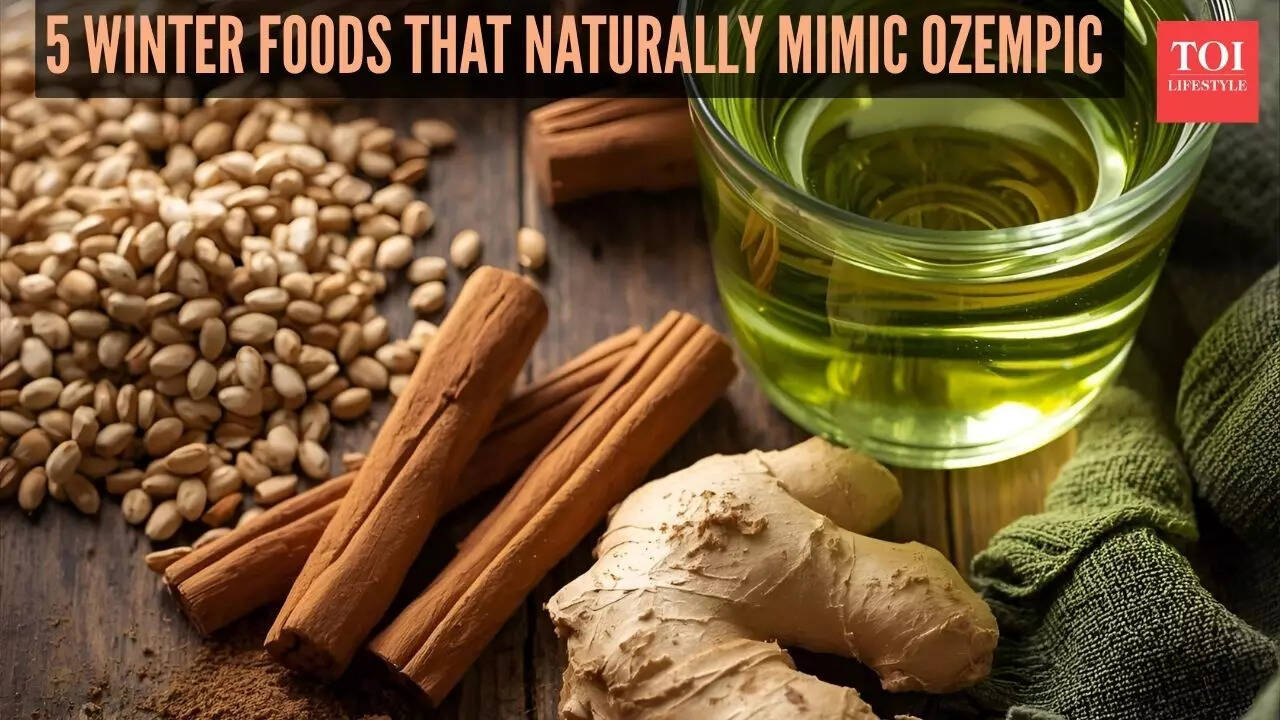
The underlying driver is straightforward but powerful: as cold and flu seasons create genuine health anxiety, consumers actively seek actionable guidance they can implement immediately. Cleveland Clinic dietitian Teresa Eury's framework—emphasizing omega-3 fatty acids, probiotics, and vitamin C as the core immune-supporting nutrients—provides a clear, science-backed template that resonates across demographics. Simultaneously, traditional nutritional wisdom from sources like The Times of India (highlighting mustard greens, gond, sesame seeds, and fresh turmeric) validates that immune support isn't limited to Western superfoods; it's culturally embedded and accessible through everyday ingredients. This dual validation—modern clinical expertise plus traditional knowledge—amplifies consumer confidence and broadens the addressable market for immune-focused products.
What's particularly noteworthy is the emphasis on consistency and balance rather than silver-bullet solutions. Eury's guidance that "no diet guarantees complete protection" but that "nourishing oneself with balanced meals can help reduce the likelihood of seasonal illnesses" sets realistic expectations while maintaining engagement. This messaging is crucial because it positions immune support as an ongoing lifestyle practice, not a temporary intervention. The corollary—identifying ultra-processed foods and heavy alcohol consumption as immune suppressants—creates a clear negative reinforcement that drives consumers toward whole foods and functional ingredients. The National Institute on Alcohol Abuse and Alcoholism's finding that heavy drinking slows infection-fighting ability for up to 24 hours provides quantifiable urgency.
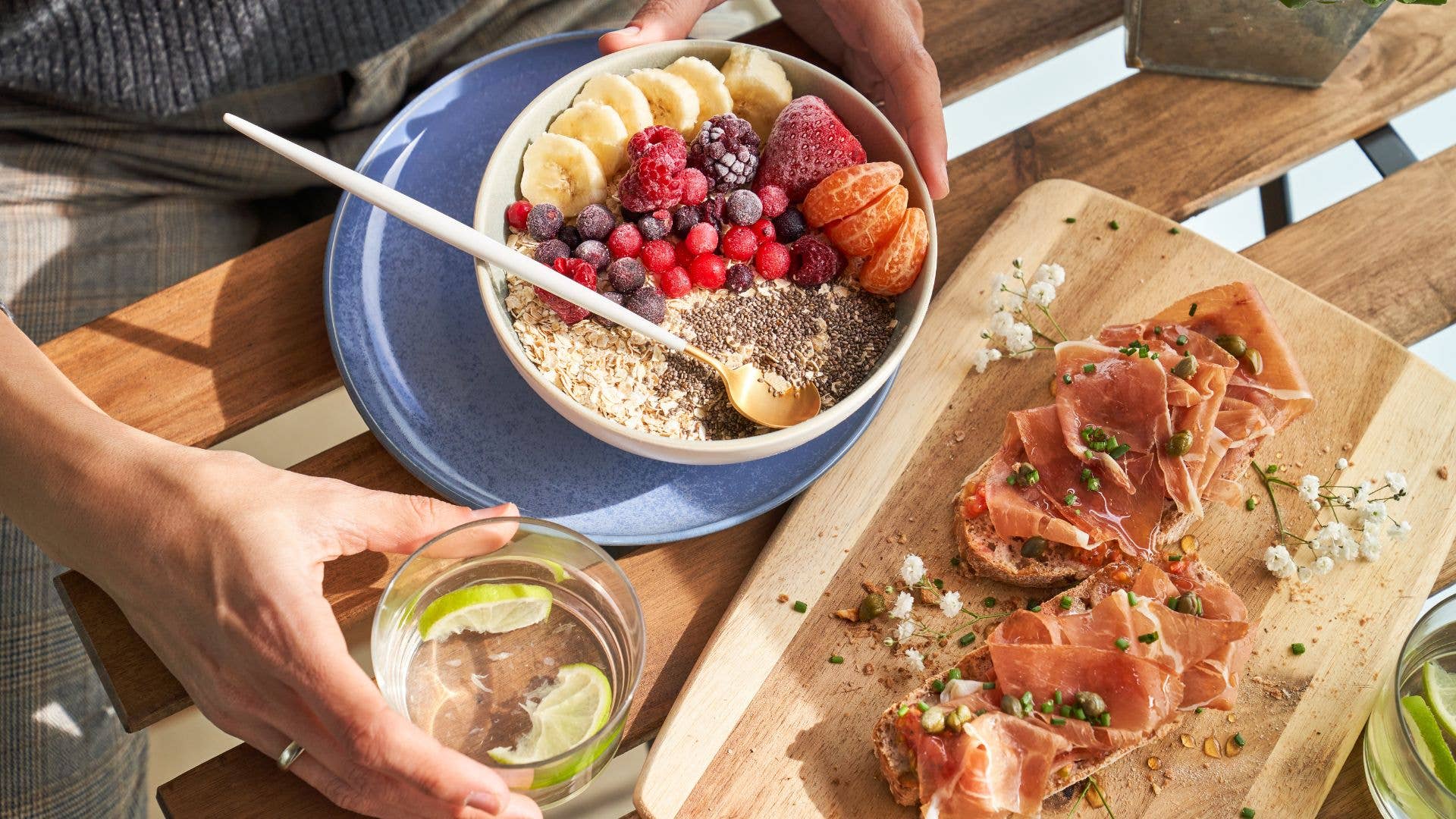
From a trend perspective, this moment captures a critical inflection point. Consumer search behavior around "immune-boosting foods" spikes predictably during winter months, but the consistency of expert messaging across platforms (mainstream media, clinical institutions, traditional health sources) suggests the trend is maturing beyond seasonal noise into a durable consumer behavior pattern. The fact that multiple authoritative sources are converging on similar recommendations—fatty fish, yogurt, citrus, and whole grains as the core immune-supporting foods—indicates this isn't fragmented wellness marketing but rather a genuine scientific consensus filtering into mainstream consciousness.
The strategic implication is clear: functional foods and immune-support categories are experiencing sustained demand elevation, not just during peak winter months but increasingly year-round as consumers internalize preventive health as a personal responsibility. This creates opportunities for brands that can credibly position products within this framework—whether through transparent sourcing of immune-supporting ingredients, educational content that reinforces expert guidance, or product innovation that makes these foods more convenient and appealing. The window for capturing this trend is open but narrowing; as the market matures, differentiation will shift from simply offering immune-supporting foods to offering them with compelling narratives, convenience factors, or price-to-benefit ratios that justify premium positioning.
Questions 5
Which foods are emerging as the core immune-support category?
**Fatty fish (salmon), yogurt, citrus fruits, and whole grains** form the clinical consensus, while traditional sources add **turmeric, amla (Indian gooseberries), sesame seeds, and mustard greens**. This dual validation—modern clinical expertise plus traditional knowledge—creates a broad, accessible product portfolio that appeals to both Western and culturally-rooted consumer segments, expanding market opportunity.
How long is this trend likely to sustain beyond the winter season?
While search volume spikes predictably during winter months, the consistency of expert messaging across platforms suggests the trend is maturing into a durable consumer behavior pattern. As consumers internalize preventive health as a personal responsibility, demand for functional foods and immune-support categories is likely to remain elevated year-round, though with seasonal intensity peaks during cold and flu season.