


Space Launch Leadership Transformation Signals Deeper Industry Disruption
- Emerging private space sector dynamics reshape traditional aerospace competitive landscapes
















Overview
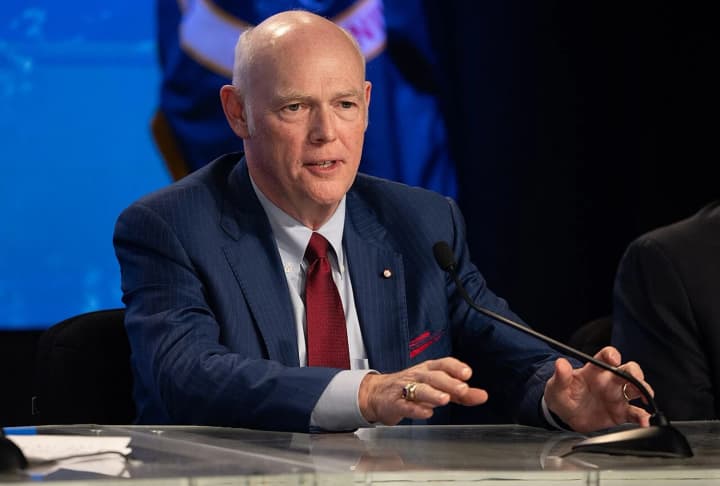
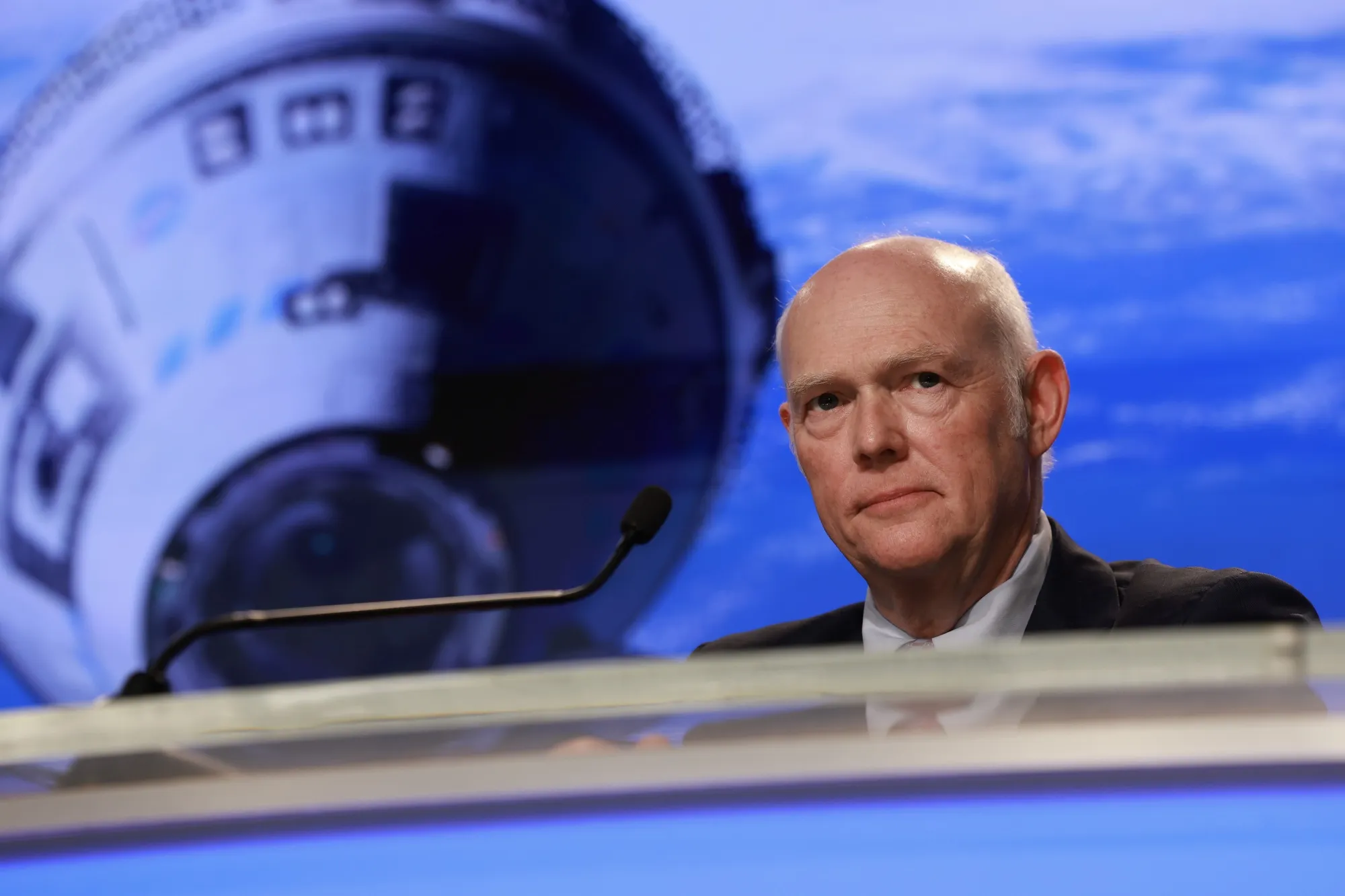
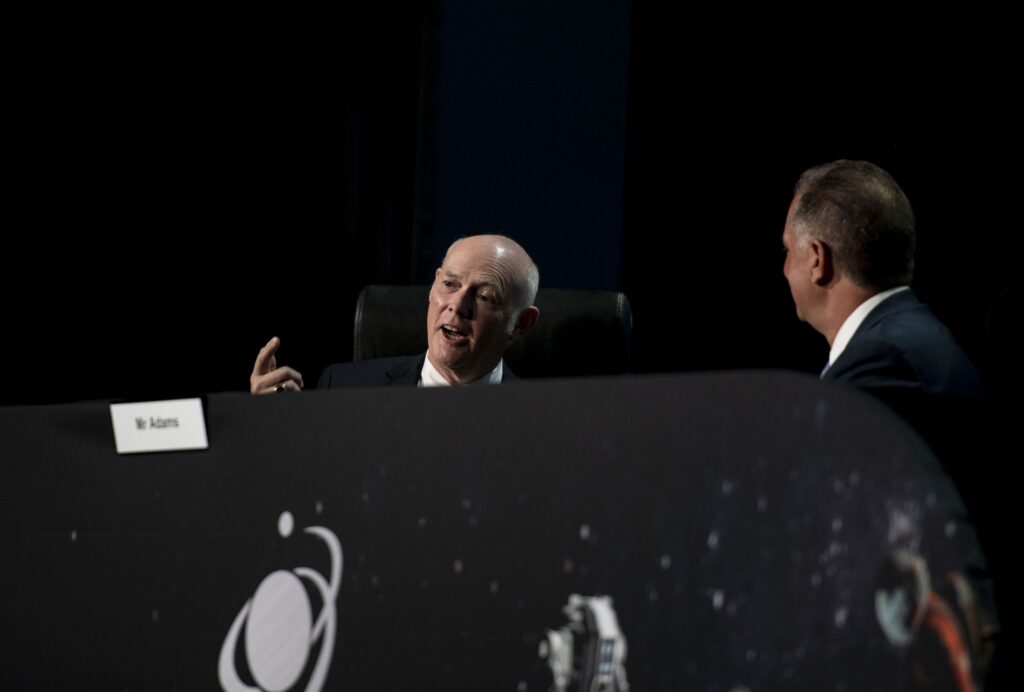
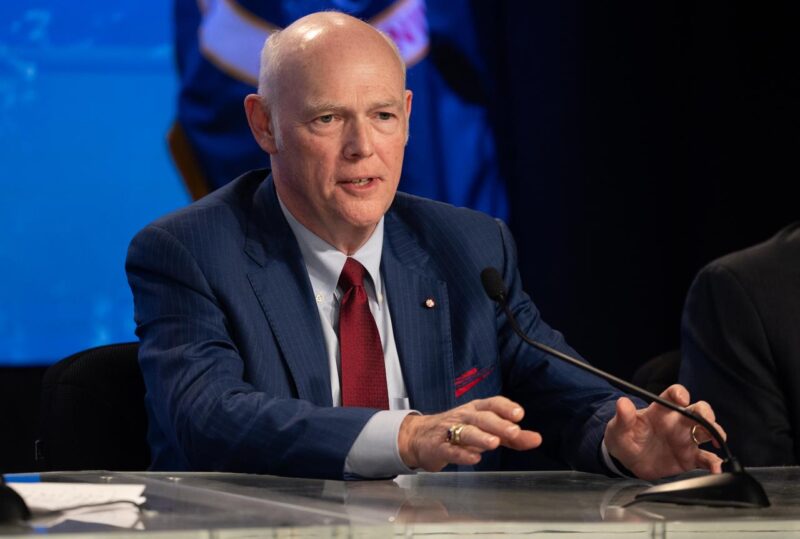
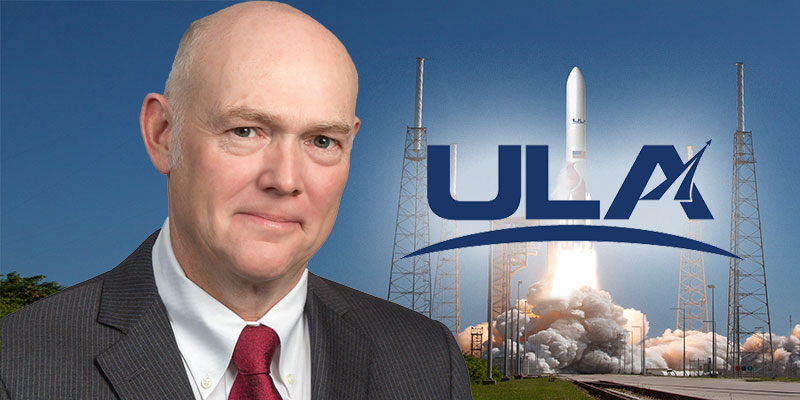
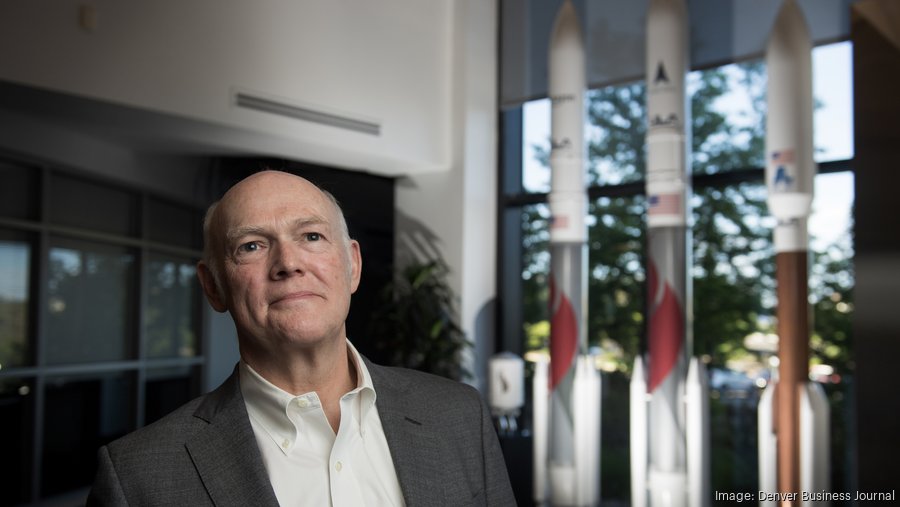
The aerospace industry stands at a critical inflection point, with leadership transitions at United Launch Alliance (ULA) revealing profound structural shifts in space exploration and commercial satellite deployment. Tory Bruno's resignation after 12 years marks more than a routine executive change—it symbolizes the broader transformation of a sector increasingly defined by technological innovation and private sector dynamism.
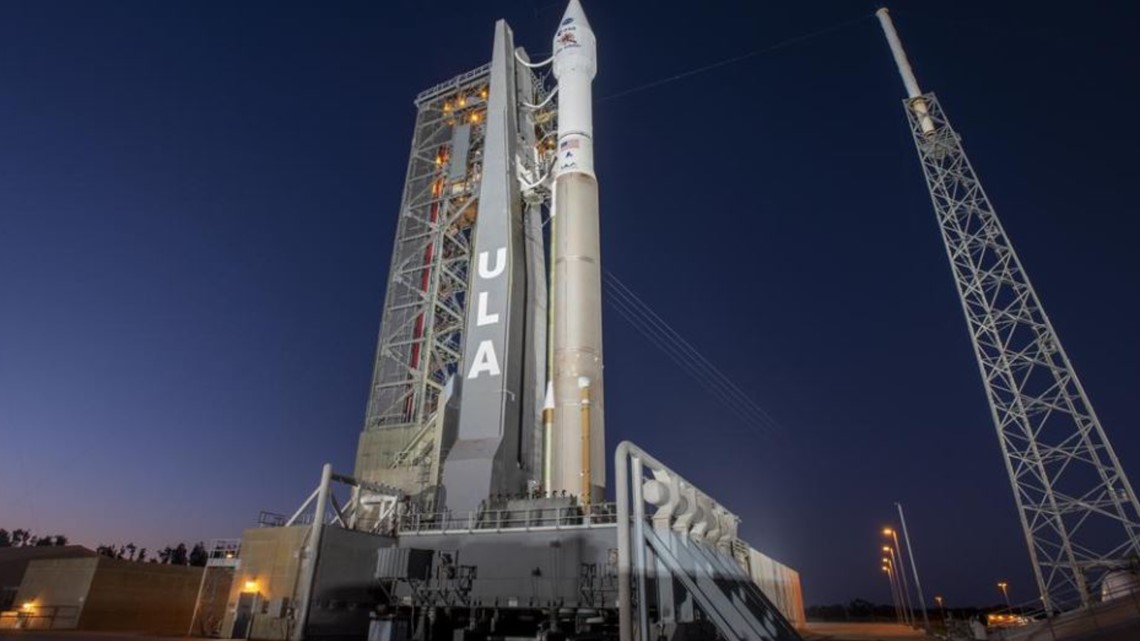
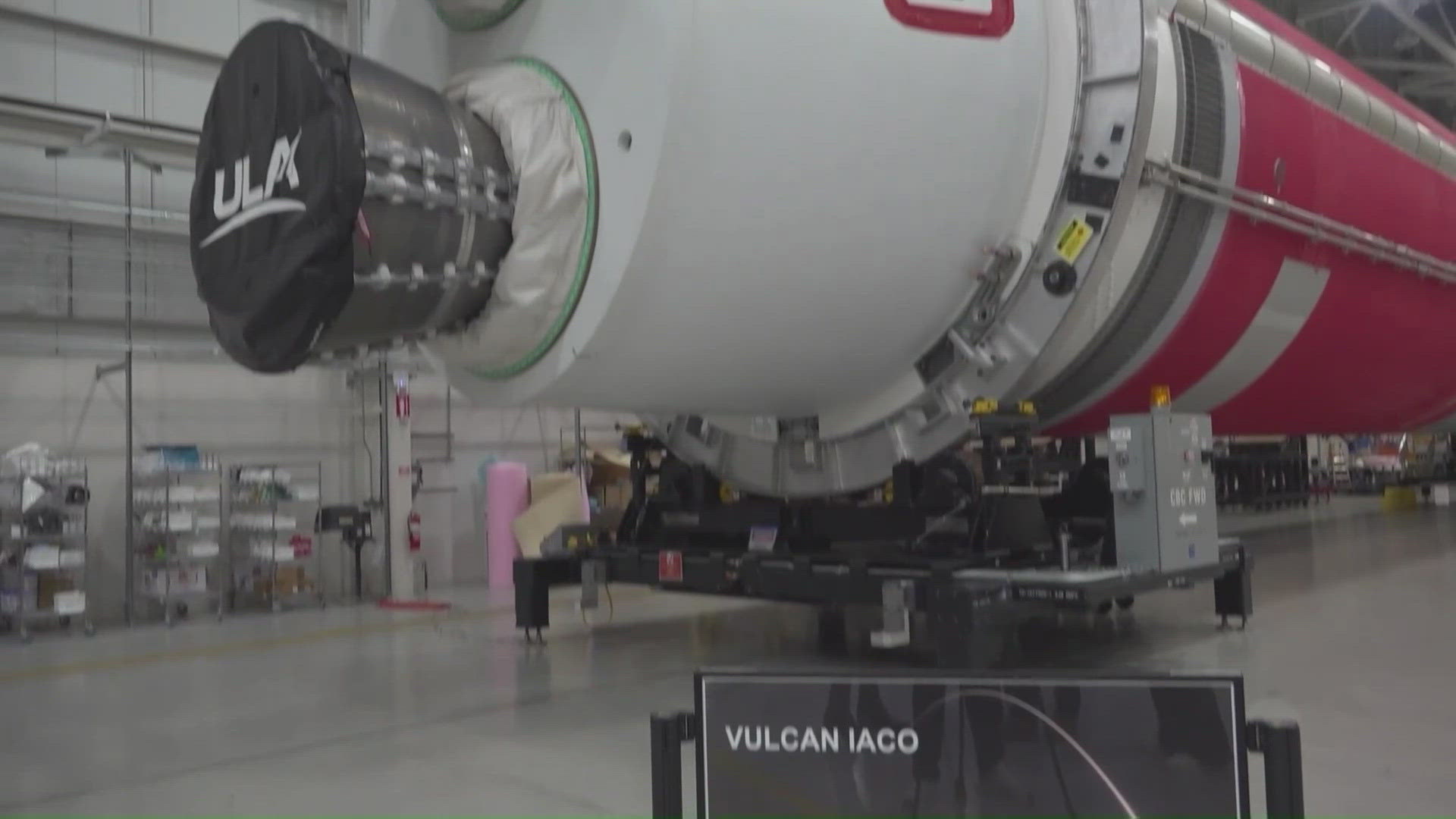
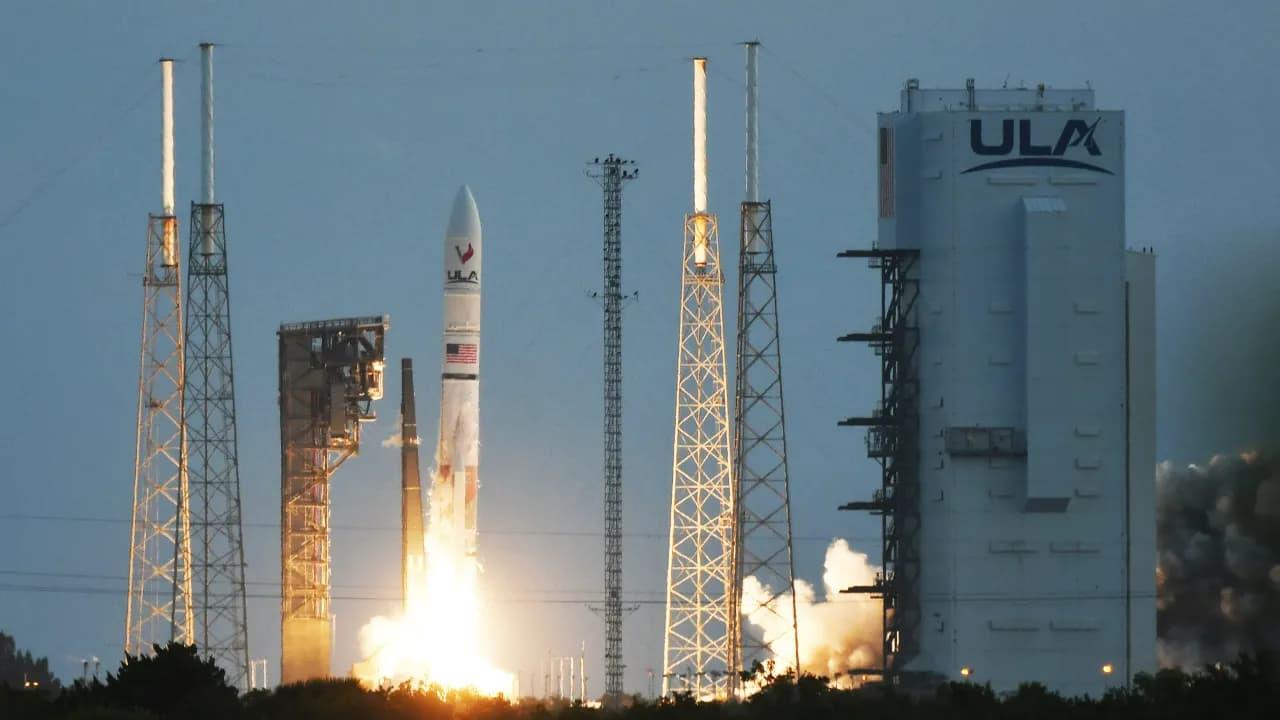
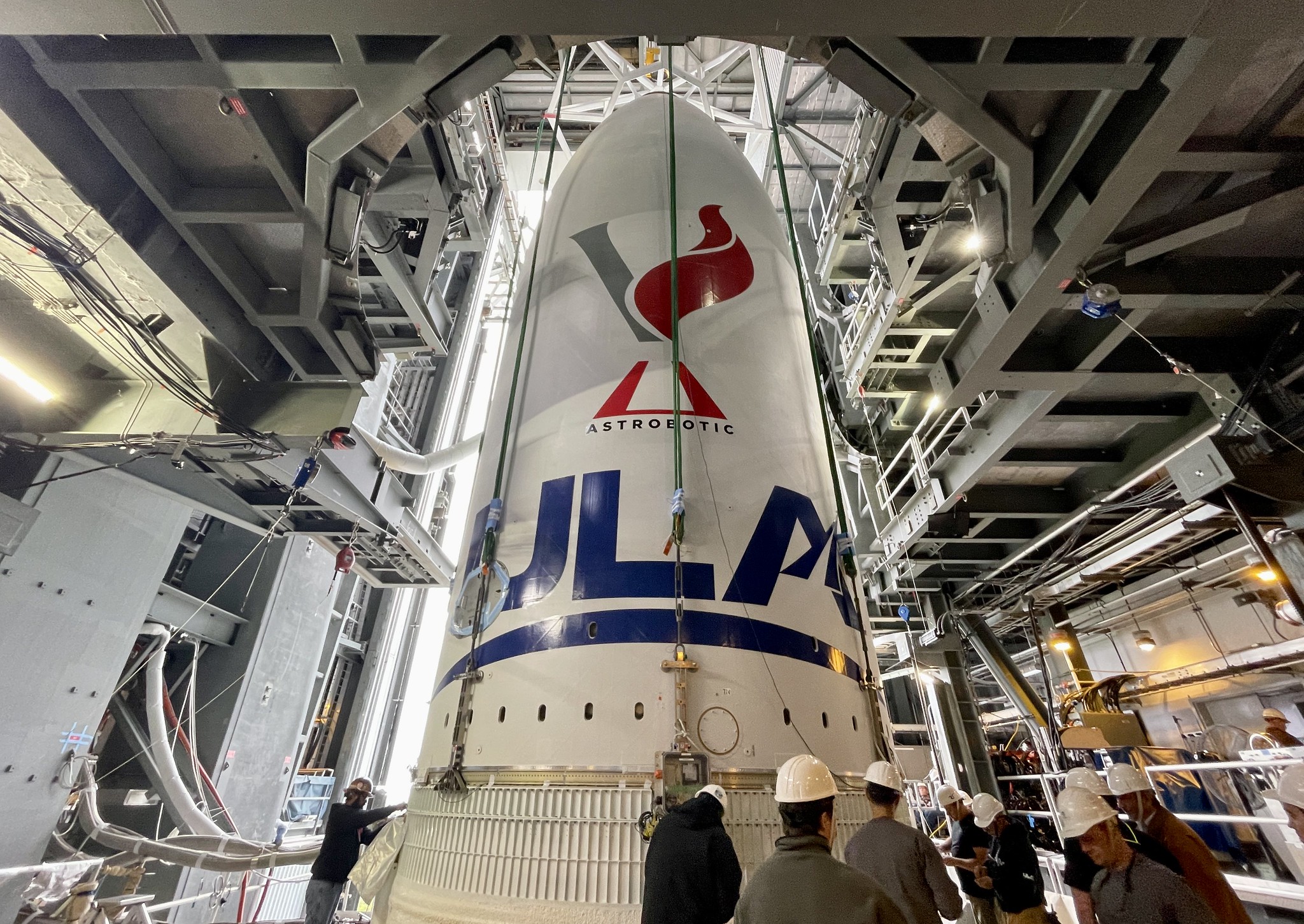
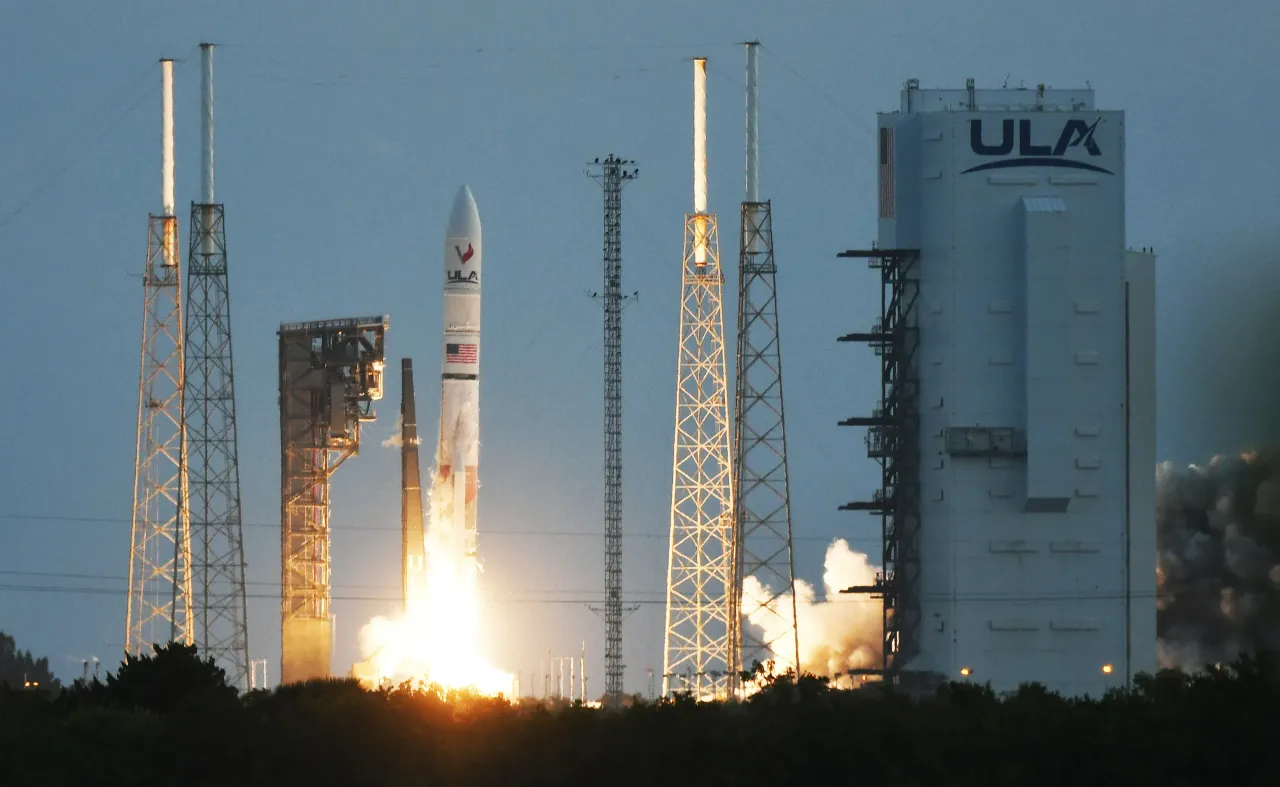
Strategic Reconfiguration Signals emerge clearly from Bruno's tenure. During his leadership, ULA navigated complex challenges, most notably reducing U.S. dependence on Russian rockets while developing the Vulcan rocket project. This strategic pivot represents a microcosm of larger geopolitical and technological trends reshaping space infrastructure. The company's ability to secure customers like Amazon for Leo internet satellites demonstrates how traditional aerospace players must continuously reinvent themselves to remain competitive.
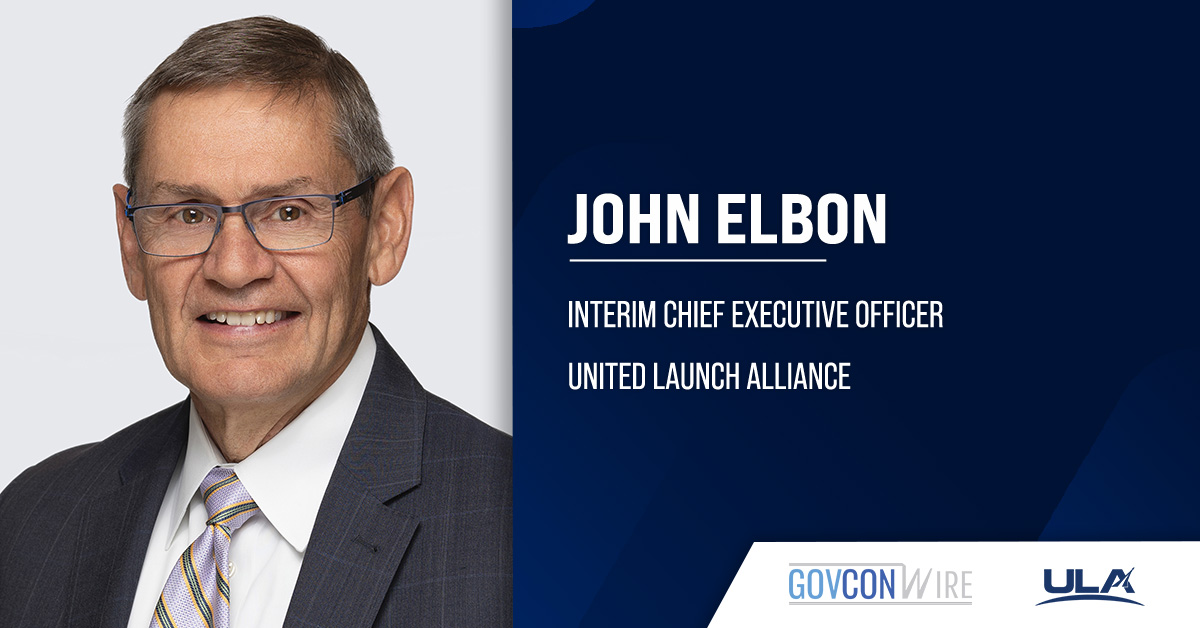
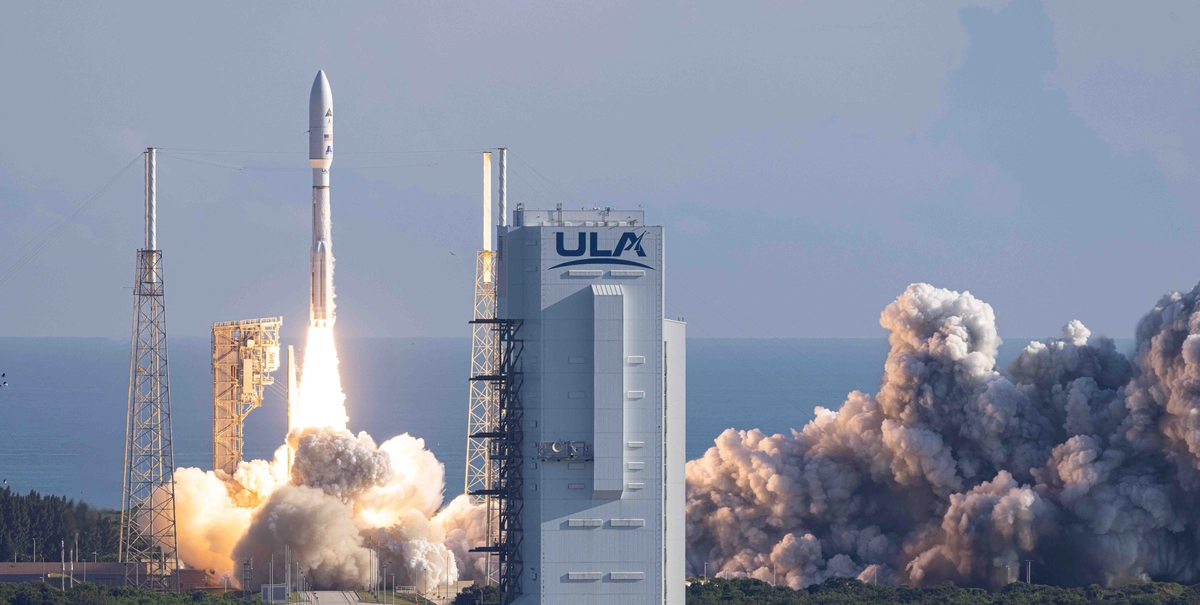
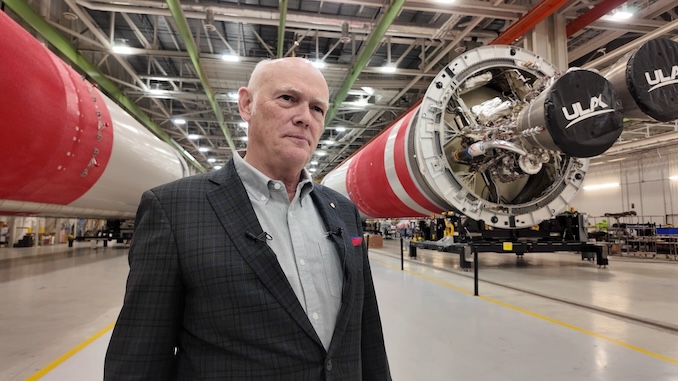
The competitive landscape is fundamentally changing. With private spaceflight companies like SpaceX and Blue Origin dramatically transforming market dynamics, traditional providers are forced to innovate rapidly. Bruno's leadership saw ULA complete 83 orbital launches and transition from legacy rocket systems, positioning the company at a critical juncture. The emergence of John Elbon as interim CEO signals a potential continuation of transformation strategies, suggesting the company recognizes the need for sustained technological adaptation.
For technology sellers and strategic observers, this leadership transition offers critical insights. Companies must now reassess partnership strategies, technological capabilities, and procurement approaches in an increasingly dynamic space ecosystem. The satellite deployment market is no longer just about launch capabilities, but about integrated technological ecosystems that can rapidly iterate and respond to emerging commercial and governmental needs.
Ultimately, ULA's current moment encapsulates a broader narrative of industrial evolution—where traditional infrastructure meets entrepreneurial innovation, creating new paradigms of technological and commercial possibility.
Questions 3
What opportunities exist for technology sellers in the evolving space launch market?
Technology sellers should focus on integrated solutions that support satellite deployment, advanced rocket technologies, and flexible infrastructure. The market now rewards providers who can offer rapid prototyping, cost-effective innovations, and adaptable technological ecosystems that meet the dynamic needs of commercial and governmental space programs.
What does Tory Bruno's resignation mean for the space launch industry?
Bruno's departure signals a critical transition period for ULA, reflecting broader industry shifts towards more agile, innovation-driven aerospace strategies. His 12-year tenure saw significant technological transformations, including reducing dependence on Russian rockets and developing the Vulcan rocket, positioning the company at a pivotal moment of technological and strategic recalibration.