




2026 Gaming Landscape Reshapes Digital Entertainment Ecosystem
- Strategic Convergence and Genre Evolution Signal Major Market Transformation for Content Creators







Overview
The digital entertainment market is undergoing a profound metamorphosis in 2026, characterized by unprecedented platform convergence and strategic genre reinvention. Grand Theft Auto 6's delayed launch symbolizes a broader industry trend of heightened production complexity and market expectations, where blockbuster titles are becoming increasingly sophisticated technological and narrative experiences.
Platform dynamics are experiencing a radical transformation, with traditional boundaries between console, PC, and mobile gaming dissolving. Analysts forecast a modest but strategic growth trajectory, driven by emerging technologies and adaptive content strategies. The market is witnessing a nuanced shift where AI integration, cross-platform compatibility, and narrative-focused gameplay are becoming critical differentiators.
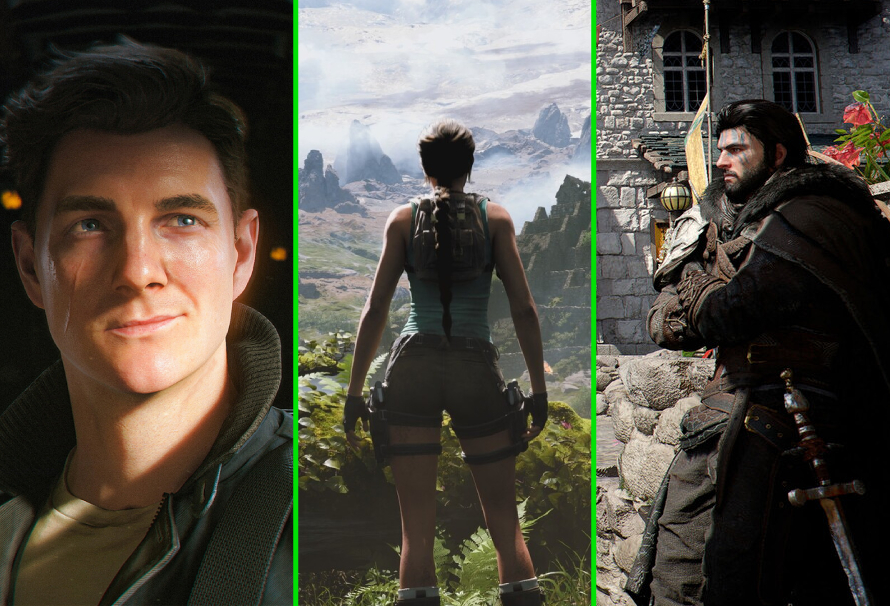
The emergence of six major game releases in early 2026—including titles like MENACE, Norse: Oath of Blood, and Dead in Antares—demonstrates the industry's commitment to innovative storytelling and complex gameplay mechanics. These releases signal a maturation beyond mere entertainment, positioning video games as sophisticated interactive narratives that bridge technological innovation and creative expression.
Competitive pressures are intensifying, with platforms like Nintendo's potential Switch 2 and Valve's speculative Steam Machine launch facing significant challenges from emerging handheld PC platforms. The landscape suggests that successful developers must adopt adaptive strategies, focusing on high-production value content, exploring novel genre opportunities, and preparing for increasingly complex technological ecosystems.
For content creators and digital entertainment stakeholders, the 2026 gaming landscape represents both a challenge and an opportunity. The market demands not just technical excellence, but also deep narrative engagement, cross-platform compatibility, and an understanding of evolving consumer expectations in interactive digital experiences.
Questions 3
How are gaming platforms evolving in 2026?
The gaming industry is experiencing significant platform convergence, with traditional boundaries between console, PC, and mobile gaming becoming increasingly blurred. Emerging technologies like handheld PC platforms are challenging established players like Nintendo and Valve, forcing a more integrated and flexible approach to game development and distribution.
What trends are shaping game development strategies?
Game developers are prioritizing high-production value content, complex narrative experiences, and cross-platform compatibility. The focus is shifting from pure entertainment to creating sophisticated interactive narratives that leverage AI, innovative storytelling techniques, and advanced gameplay mechanics.