



Professional Golf's Tectonic Shift: Brooks Koepka's Strategic Exodus Reveals League Transformation
- Emerging player mobility signals fundamental restructuring of competitive golf ecosystems















Overview
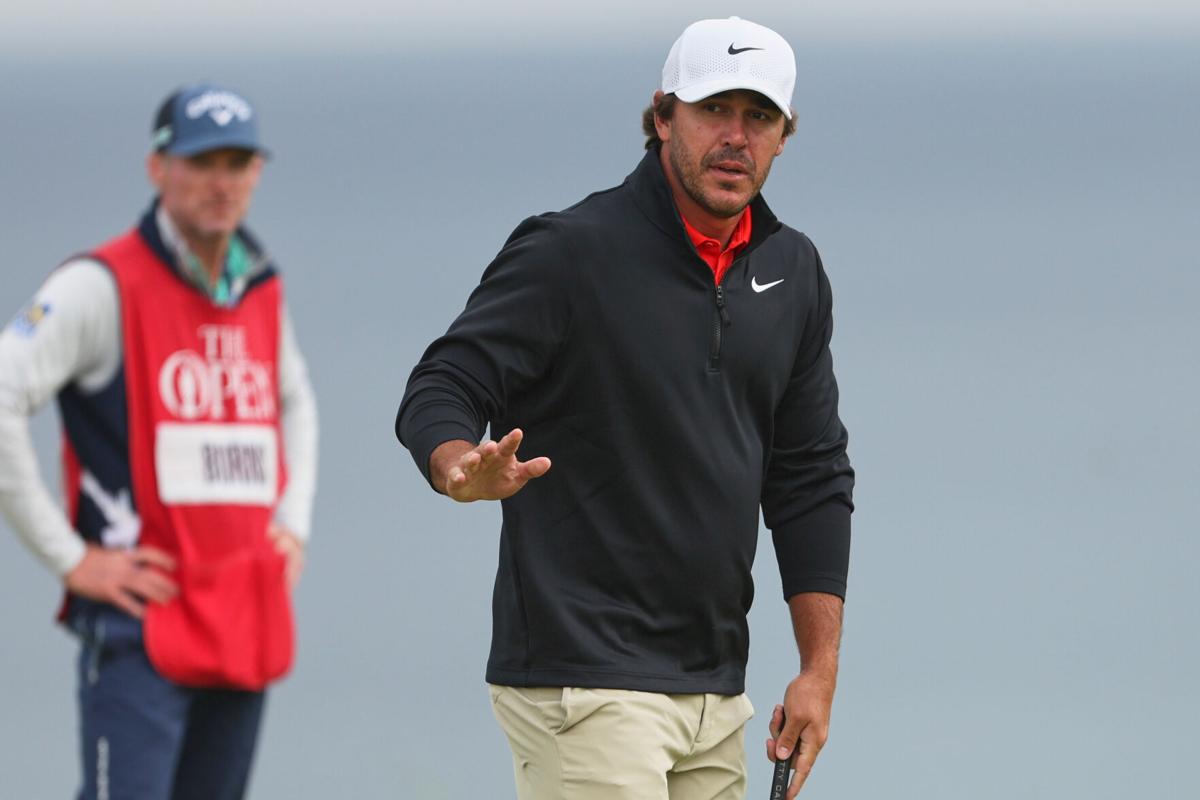
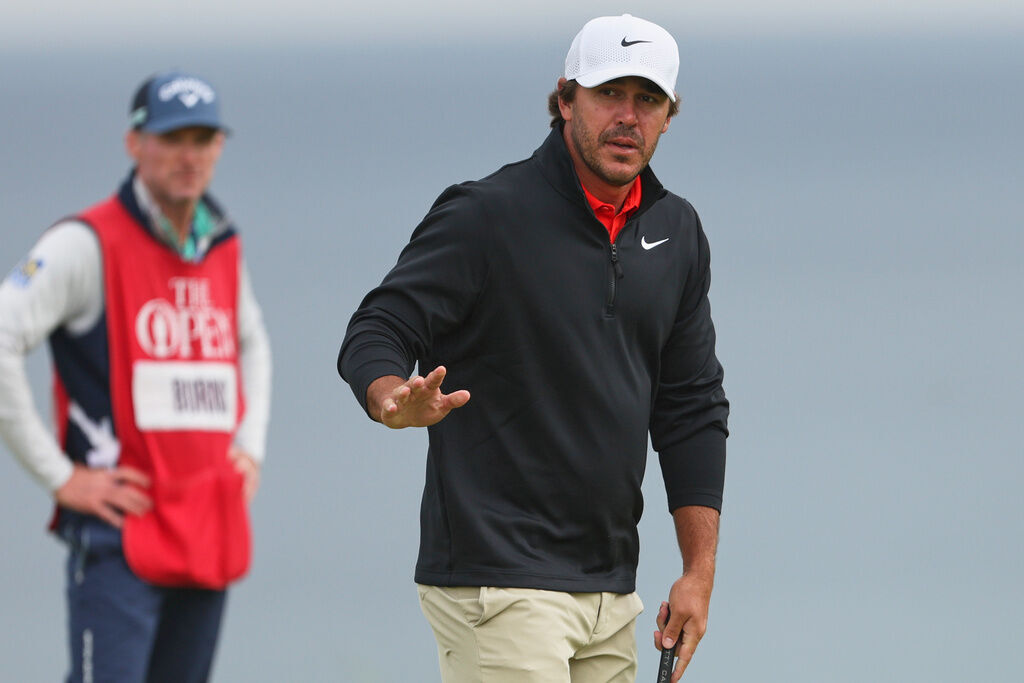
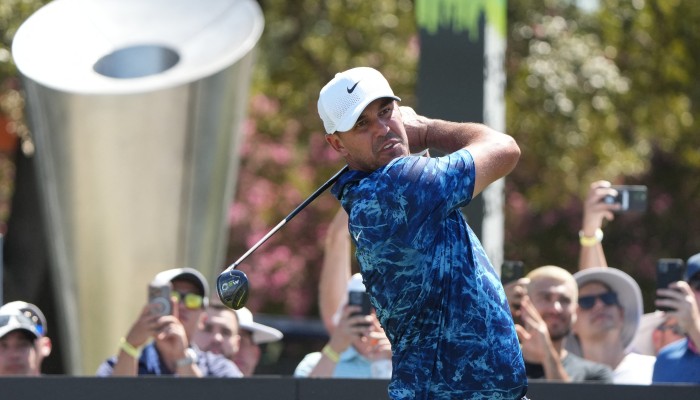
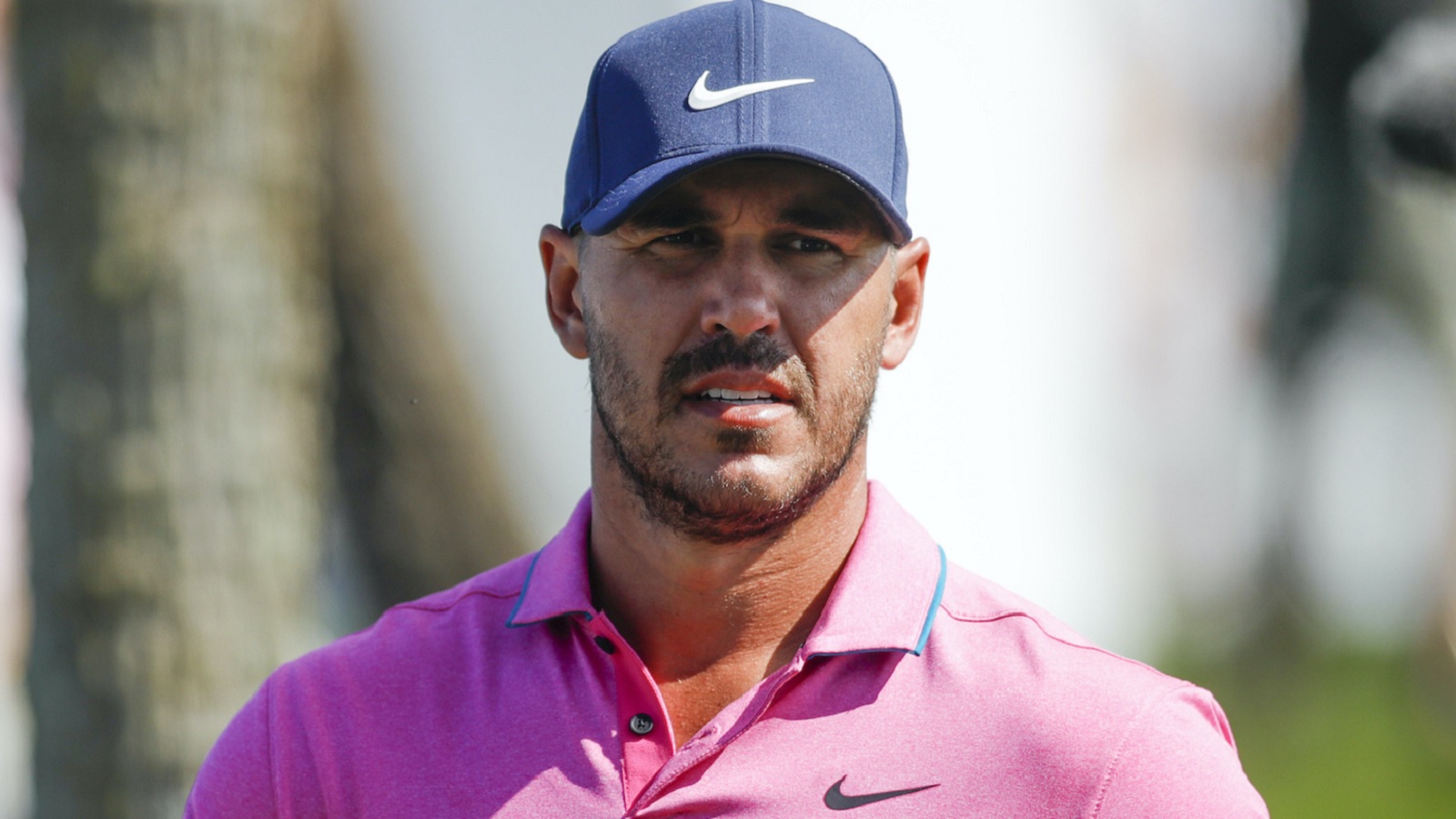
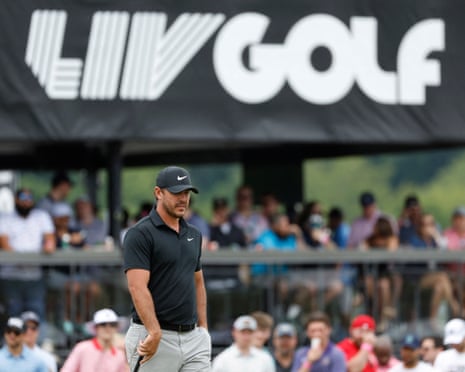
Professional golf stands at a critical inflection point, with Brooks Koepka's departure from LIV Golf representing far more than a simple player transfer. This strategic move unveils deeper structural tensions within the sport's competitive landscape, signaling a profound transformation in how professional athletes navigate league affiliations and career opportunities.
Koepka's exit marks a watershed moment in the ongoing conflict between traditional PGA Tour structures and the disruptive LIV Golf model. By citing family reasons and mutually agreeing to part ways, he has strategically positioned himself at the center of a complex negotiation ecosystem. The five-time major champion's move suggests that player autonomy is becoming increasingly paramount, with personal priorities and long-term career strategies trumping short-term financial incentives.
The broader implications are significant. LIV Golf's inability to retain a marquee player hints at potential instability within the Saudi-backed league, while the PGA Tour's cautious reintegration protocols reveal a calculated approach to managing player movements. Tiger Woods' newly formed competition committee is likely monitoring these dynamics closely, potentially developing frameworks that balance competitive integrity with player flexibility.
What emerges is a dynamic, fluid professional sports environment where traditional boundaries are rapidly dissolving. Players like Koepka are no longer passive participants but active architects of their competitive journeys. The golf world is witnessing a fundamental reimagining of league structures, player contracts, and career trajectories—a transformation that extends far beyond a single player's decision.
Questions 4
Why did Brooks Koepka leave LIV Golf?
Koepka cited family reasons and mutually agreed to part ways with LIV Golf. This suggests a strategic decision balancing personal priorities with professional opportunities, potentially indicating deeper tensions within the league's structure.
What are the implications of Koepka's departure for professional golf?
His exit signals increasing player autonomy, potential instability in LIV Golf, and a more fluid competitive landscape where athletes can strategically negotiate their career paths across different leagues and tours.