




The Hidden Metabolic Trigger in America's Most Common Cooking Oil Reshapes Food Industry Strategy
- UC Riverside research reveals soybean oil drives obesity through oxylipin production, signaling major reformulation opportunities and regulatory risks for food manufacturers and alternative oil sellers














































































Overview
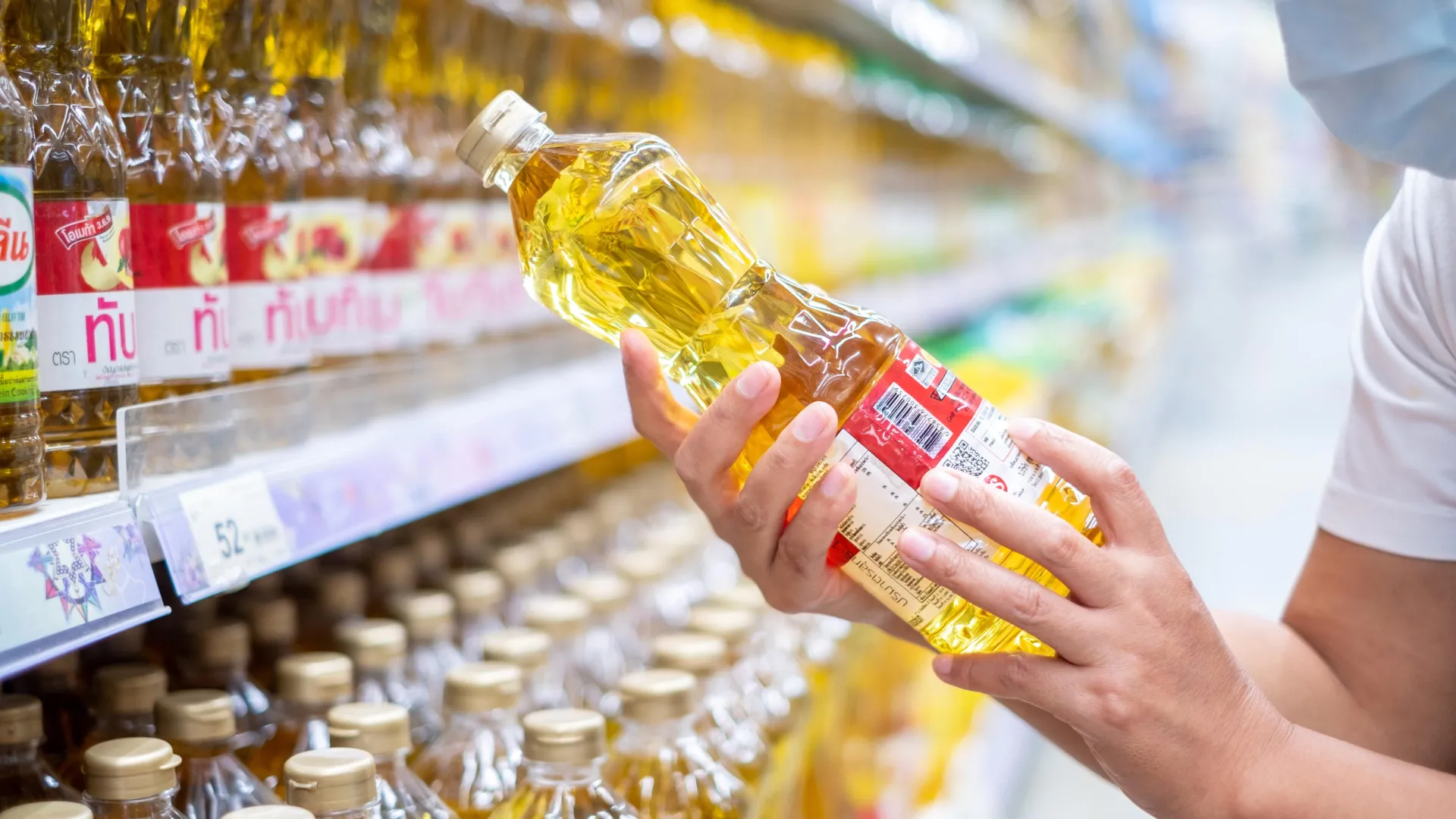
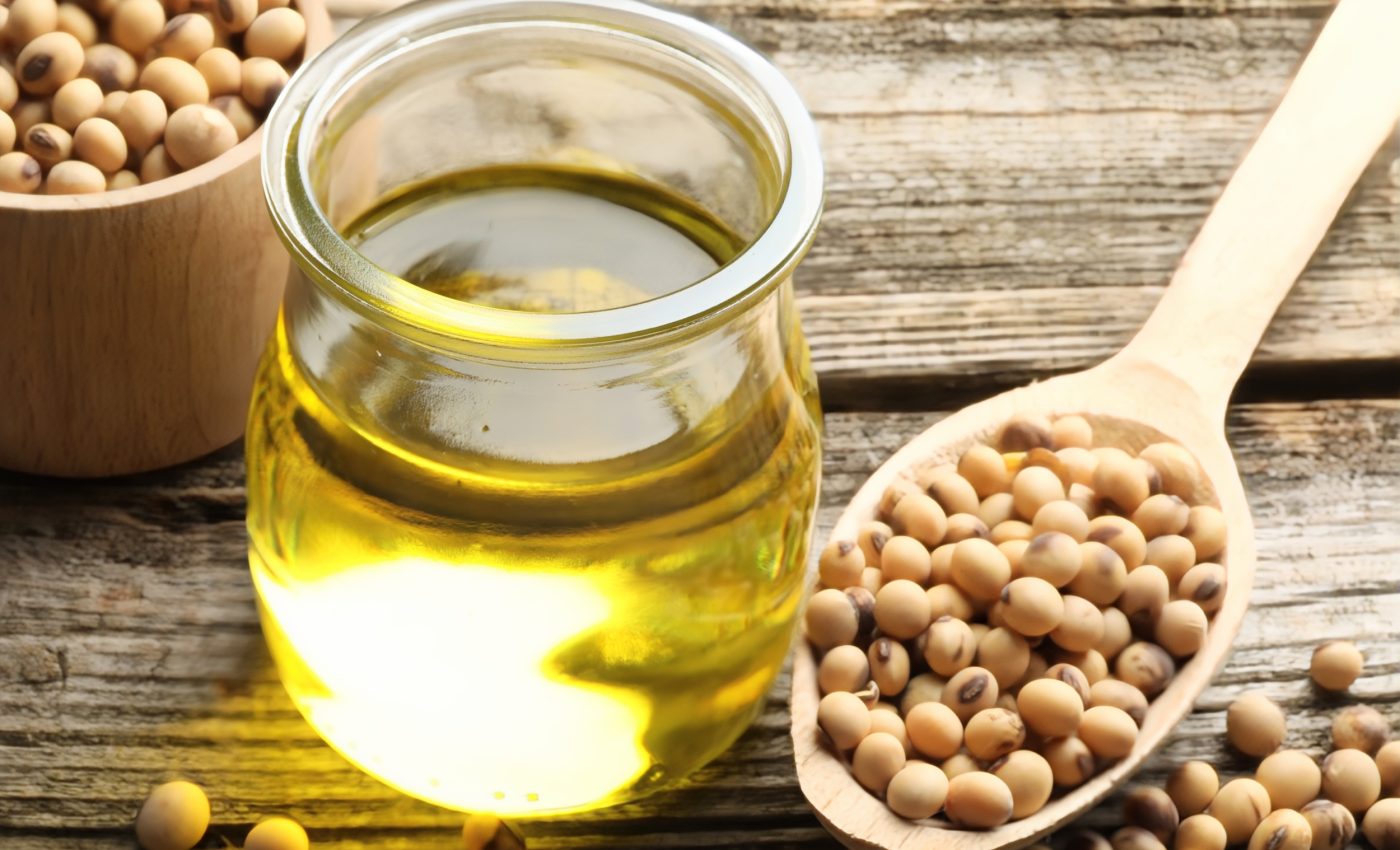
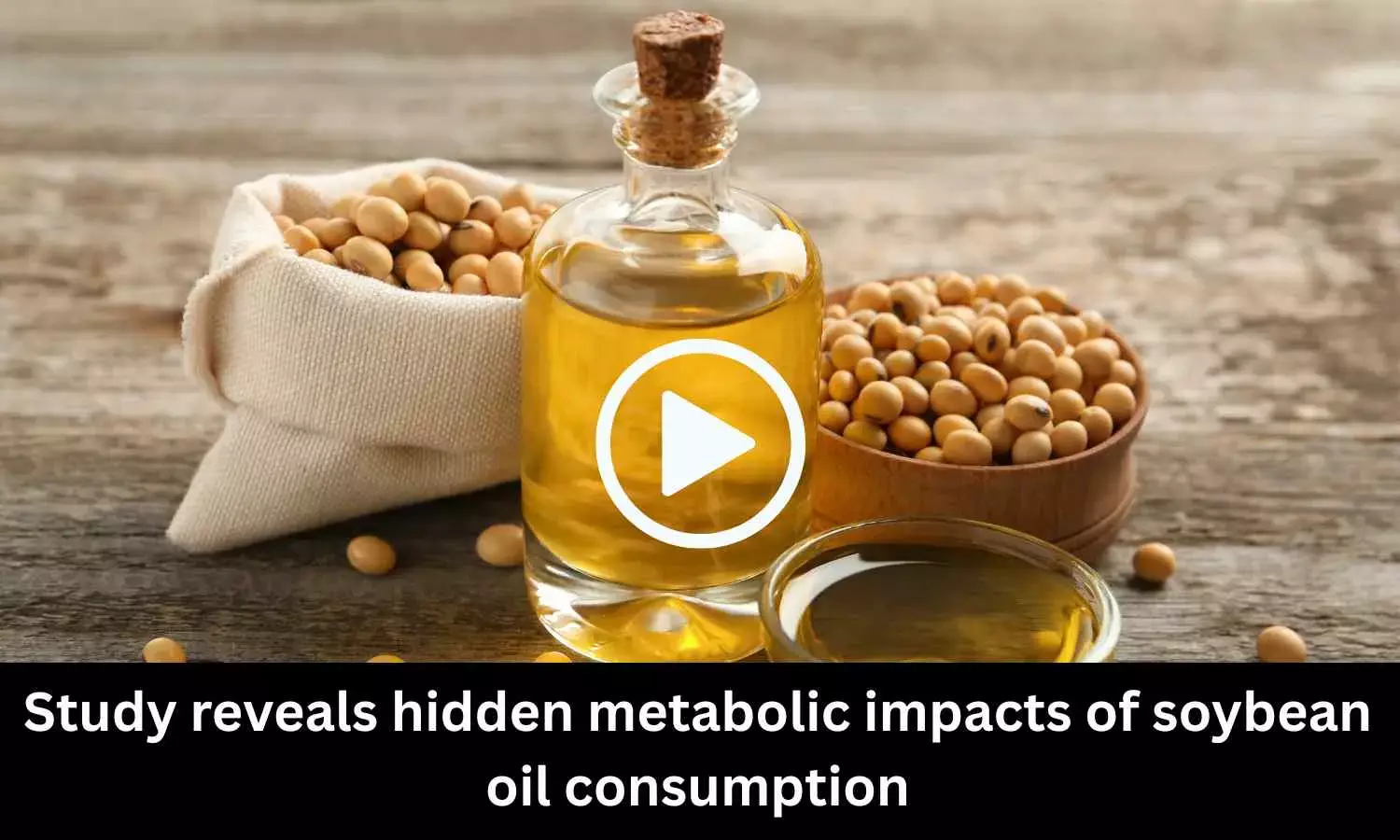
A landmark study from UC Riverside published in the Journal of Lipid Research has identified a specific biochemical mechanism linking soybean oil—America's most widely consumed cooking oil—to obesity, fundamentally shifting how the food industry must think about ingredient selection and consumer health claims. The research reveals that the problem isn't the oil itself or even its caloric content, but rather how the human body metabolizes linoleic acid, a primary component of soybean oil, into compounds called oxylipins that trigger inflammation and fat accumulation. This distinction matters enormously because it moves the obesity conversation from simple calorie counting to metabolic pathway dysfunction.
The study's methodology was rigorous and revealing. Researchers fed mice diets rich in soybean oil while tracking metabolic changes, then compared results with genetically engineered mice that produced an altered liver protein (HNF4α) reducing oxylipin production. The unmodified mice gained significant weight despite identical diets, while the transgenic mice resisted weight gain and maintained healthier livers with enhanced mitochondrial function. This genetic comparison proved causation: it's not the oil itself triggering obesity, but the body's conversion of linoleic acid into specific oxylipins. Critically, oxylipin levels in liver tissue—not circulating blood—correlated with body weight, suggesting standard medical tests may miss early metabolic damage. The research also found that mice consuming soybean oil developed elevated cholesterol despite the oil containing no cholesterol, indicating systemic metabolic disruption beyond simple fat accumulation.
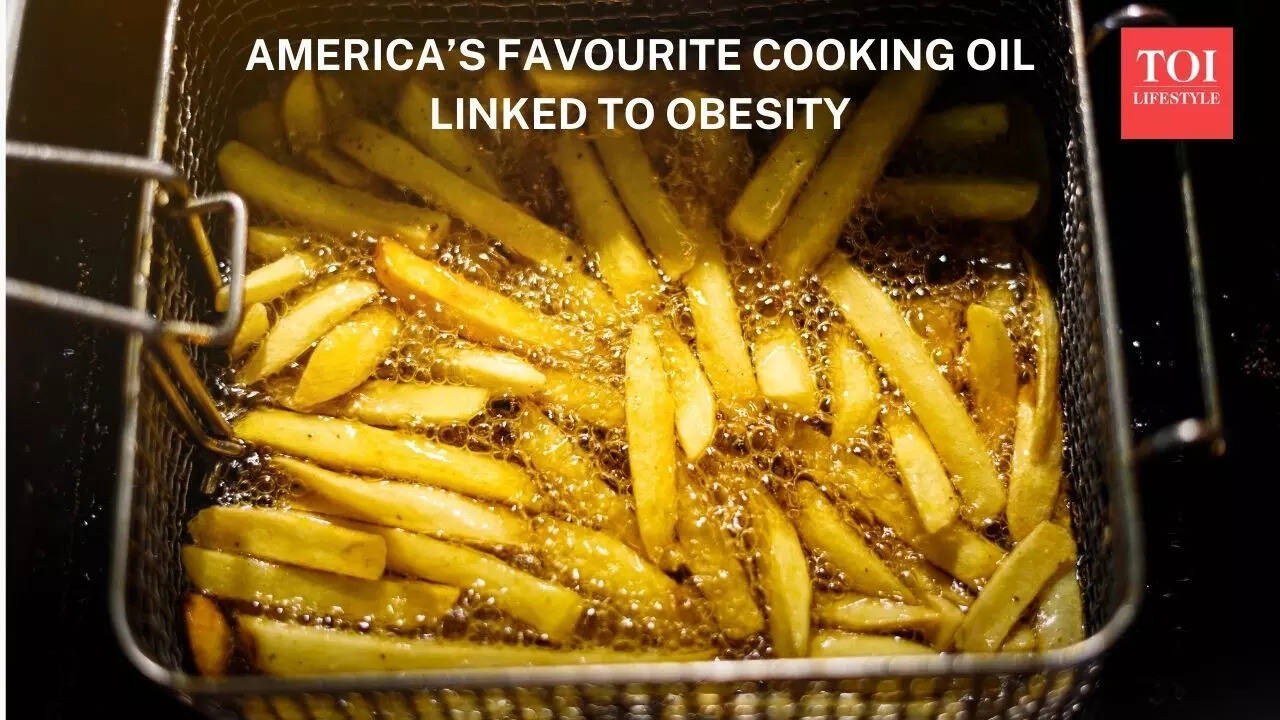
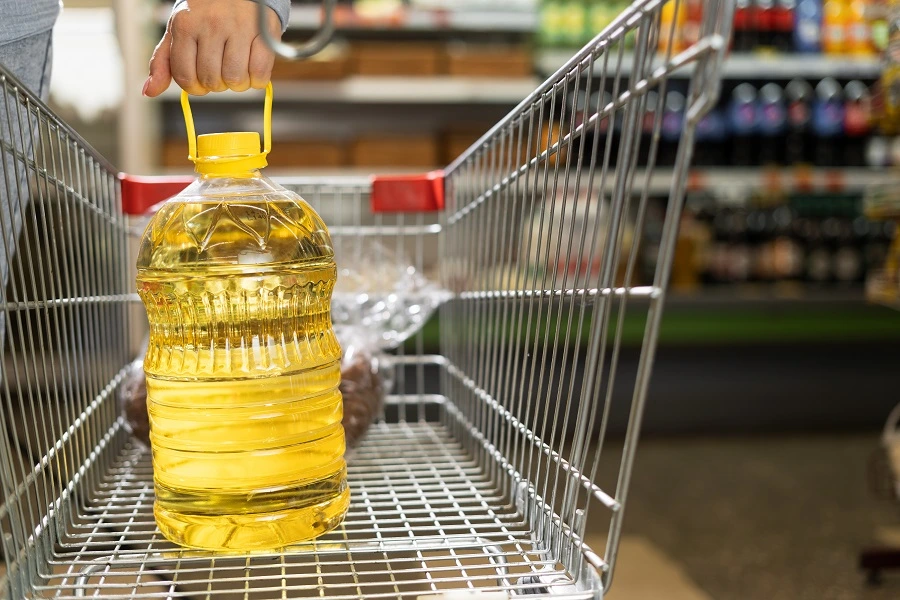
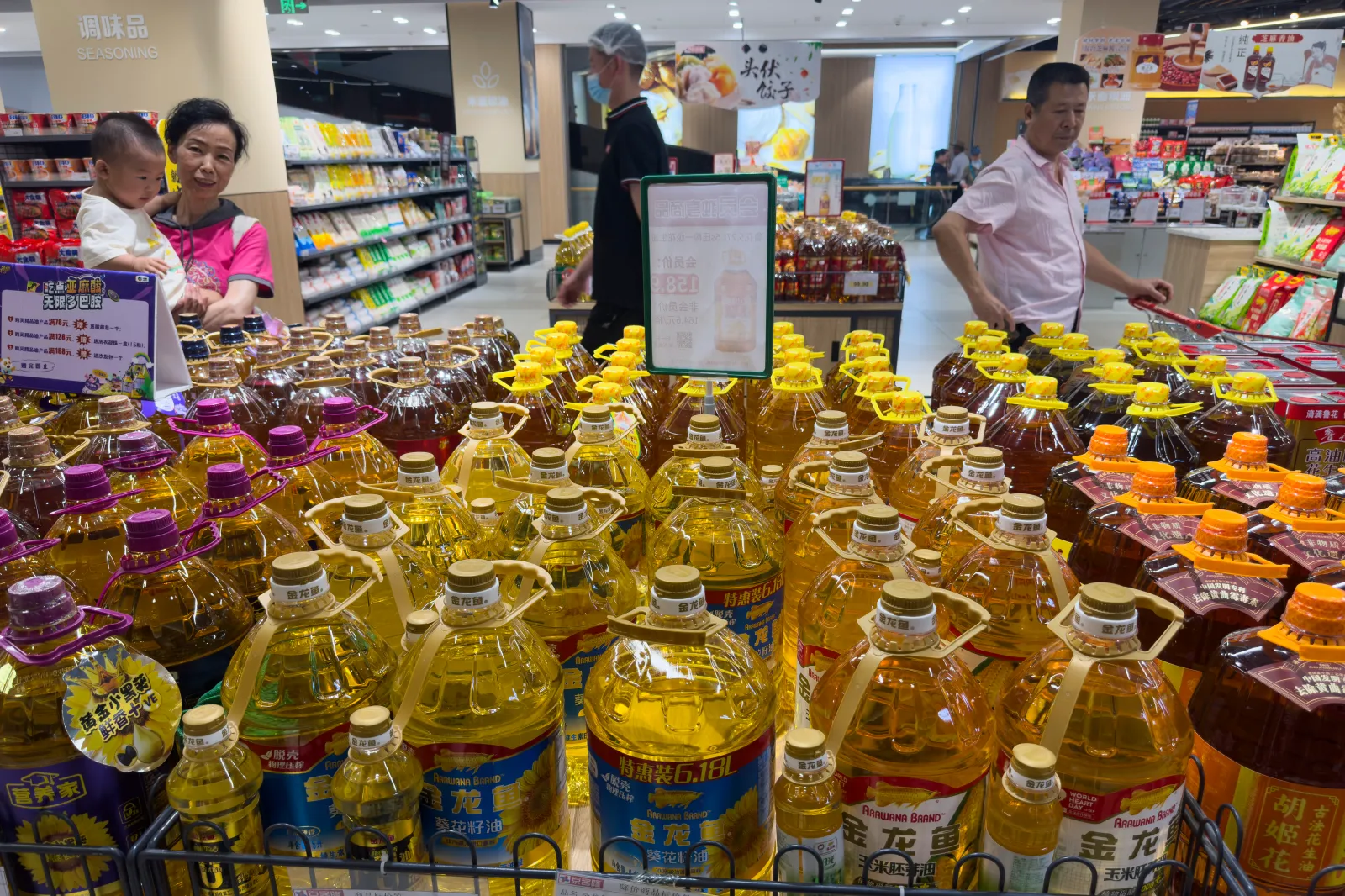
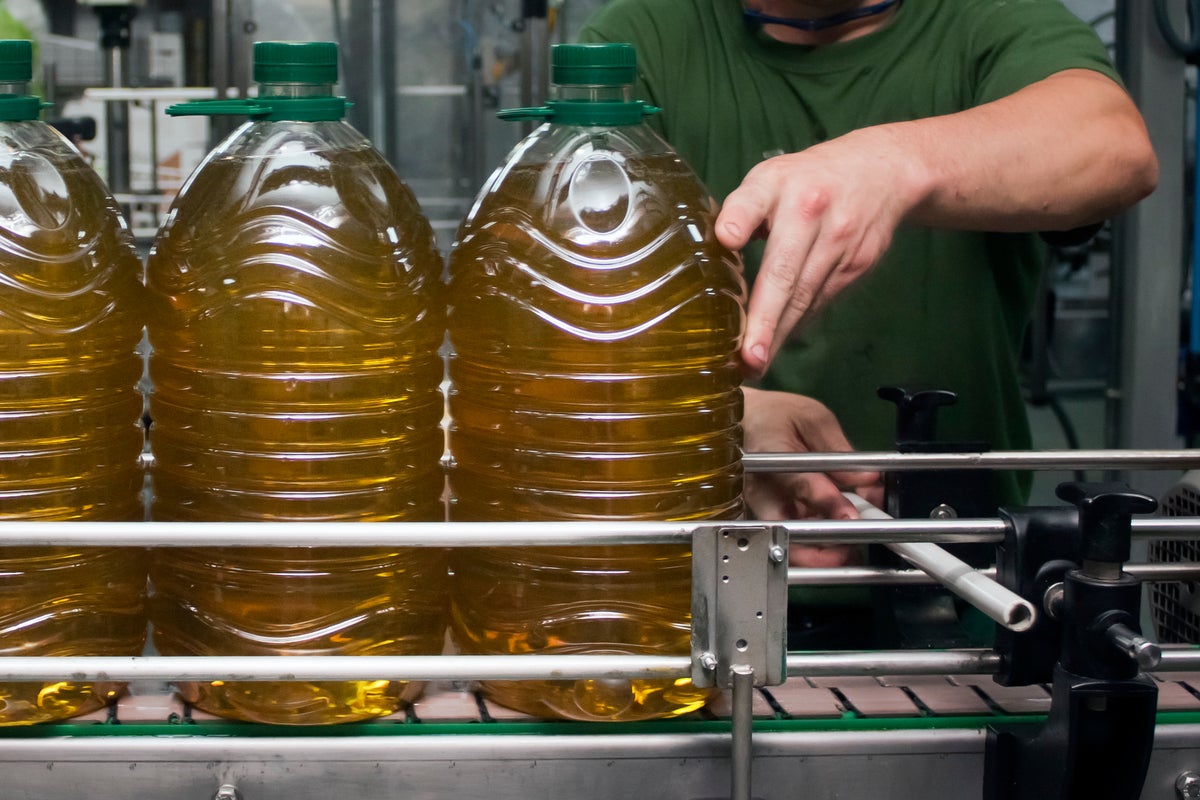
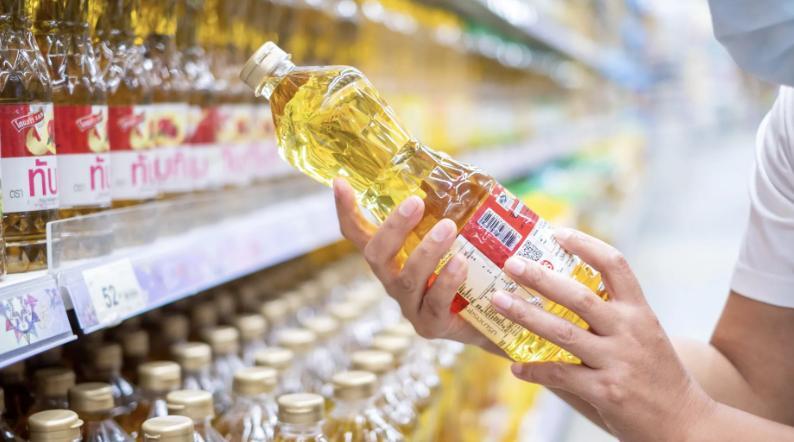
What makes this research particularly significant for market dynamics is the scale of soybean oil's penetration into the American food system. Consumption has increased five-fold over the past century, rising from approximately 2% of total caloric intake a century ago to nearly 10% today. Soybean oil dominates not as a cooking base but as a hidden ingredient in processed foods—salad dressings, margarine, packaged snacks, fast foods, and fried items all rely on it due to its affordability and neutral taste. This ubiquity creates both a regulatory vulnerability and a market opportunity. The enzyme systems converting linoleic acid into oxylipins operate similarly across all mammals, including humans, suggesting the findings may apply broadly to human metabolism, though researchers emphasize that no human trials are currently planned.
The timing and framing of this research signal an emerging shift in nutrition policy discourse. Professor Frances Sladek's observation that "it's not the oil itself, or even linoleic acid. It's what the fat turns into inside the body" represents a paradigm shift from viewing dietary fats as monolithic to understanding them through metabolic transformation. The research team is already investigating whether similar effects occur with other high-linoleic oils including corn, sunflower, and safflower oils, suggesting this mechanism may extend across multiple commodity oils. Researchers have drawn explicit parallels to the century-long delay between tobacco-cancer links and warning labels, hinting at their expectation that regulatory action may eventually follow scientific evidence.
For the food industry, this creates a dual-pressure environment. On one hand, sellers of alternative oils—coconut, avocado, olive oil—face rising consumer demand as health-conscious buyers seek to avoid soybean oil. On the other hand, manufacturers of processed foods face potential regulatory scrutiny of soybean oil labeling and marketing claims, particularly regarding "healthy" positioning. The research could drive reformulation decisions across packaged foods, snacks, and fried goods sectors, creating market opportunities for linoleic-acid-reduced products and alternative oil suppliers. Cross-border sellers of cooking oils and processed foods may face increased compliance requirements for ingredient disclosure and health claims as regulatory bodies begin responding to this research. The window for proactive reformulation—before regulatory mandates arrive—represents a strategic advantage for early movers in the alternative oil space.
Questions 5
Which food products are most at risk from this research's regulatory implications?
Processed foods, packaged snacks, fast foods, and fried items face the highest risk since they rely heavily on soybean oil as a hidden ingredient. Salad dressings, margarine, and other shelf-stable products are particularly vulnerable because consumers don't typically associate these items with obesity risk. Manufacturers of these categories should prioritize reformulation strategies or face potential labeling requirements and consumer backlash as awareness of soybean oil's metabolic effects spreads.
What market opportunities does this research create for alternative oil sellers?
Sellers of coconut, avocado, and olive oils are positioned to capture growing consumer demand as health-conscious buyers actively seek to avoid soybean oil. Additionally, there's a white-space opportunity for linoleic-acid-reduced oil products and reformulated processed foods marketed as 'soybean-oil-free.' The research creates a 12-24 month window before regulatory mandates arrive—early movers who reformulate or market alternatives now will establish brand positioning and consumer loyalty before the market becomes crowded.