



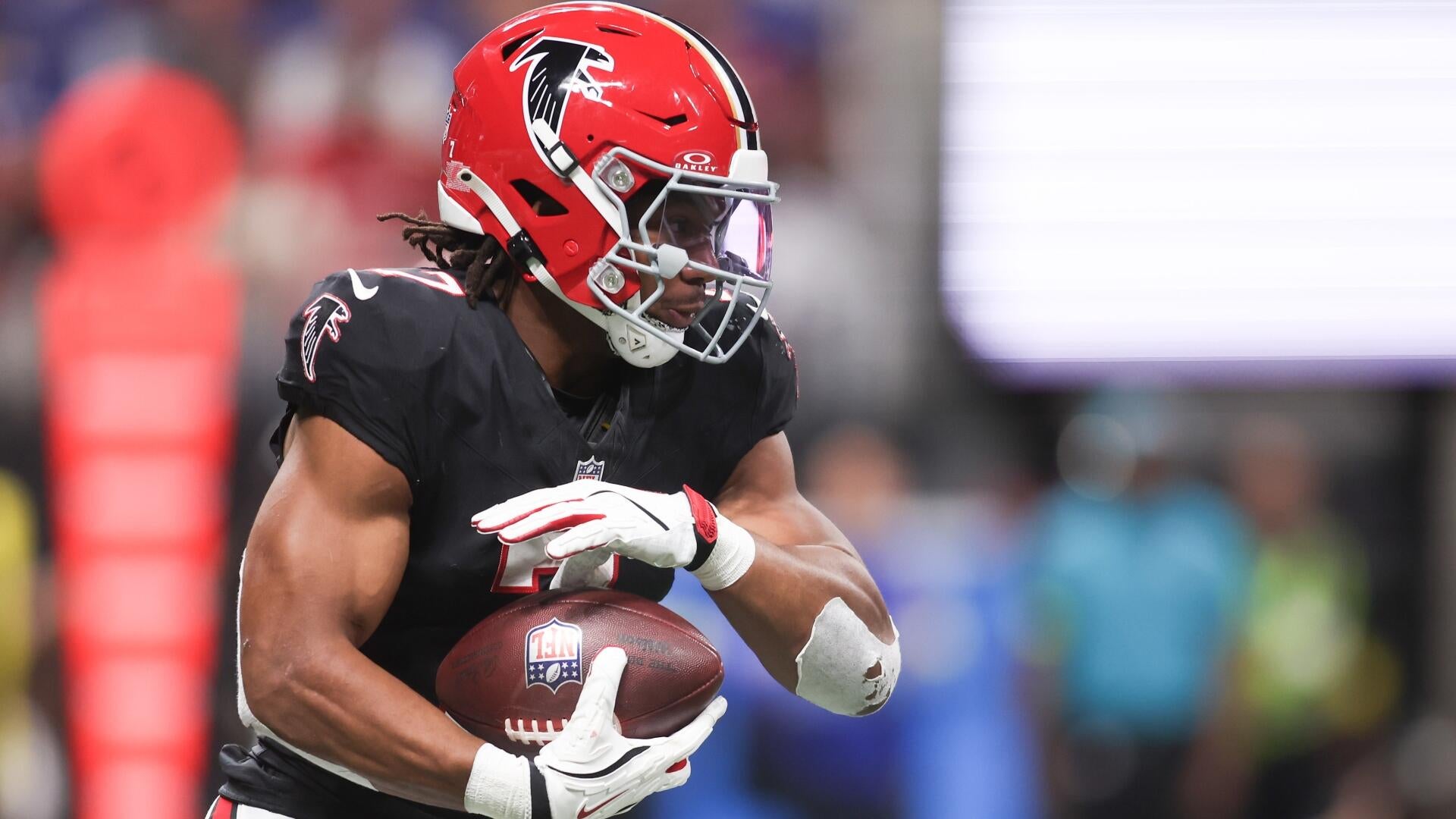

NFL Thanksgiving Games Dominate Sports Entertainment with Record Viewership and Playoff Stakes
- Signals massive audience engagement around holiday sports programming as NFL leverages tradition and high-stakes matchups to capture peak viewing moments




Overview
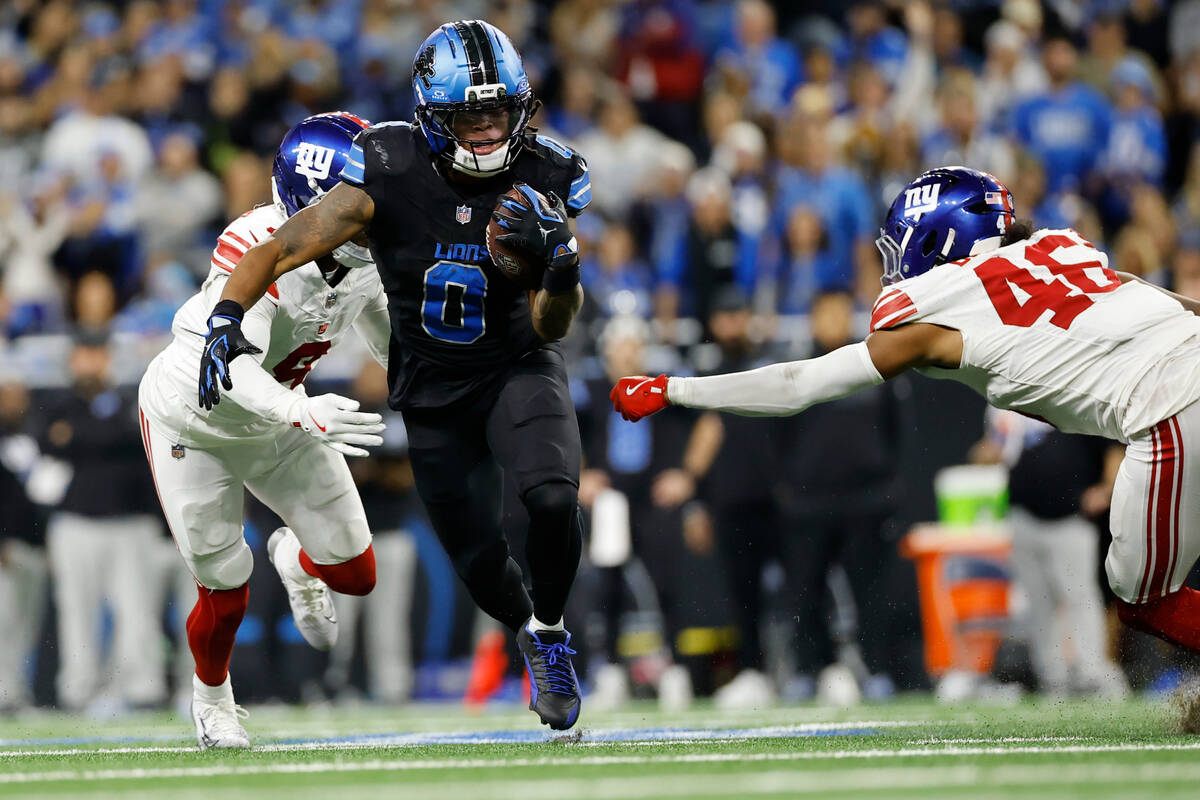
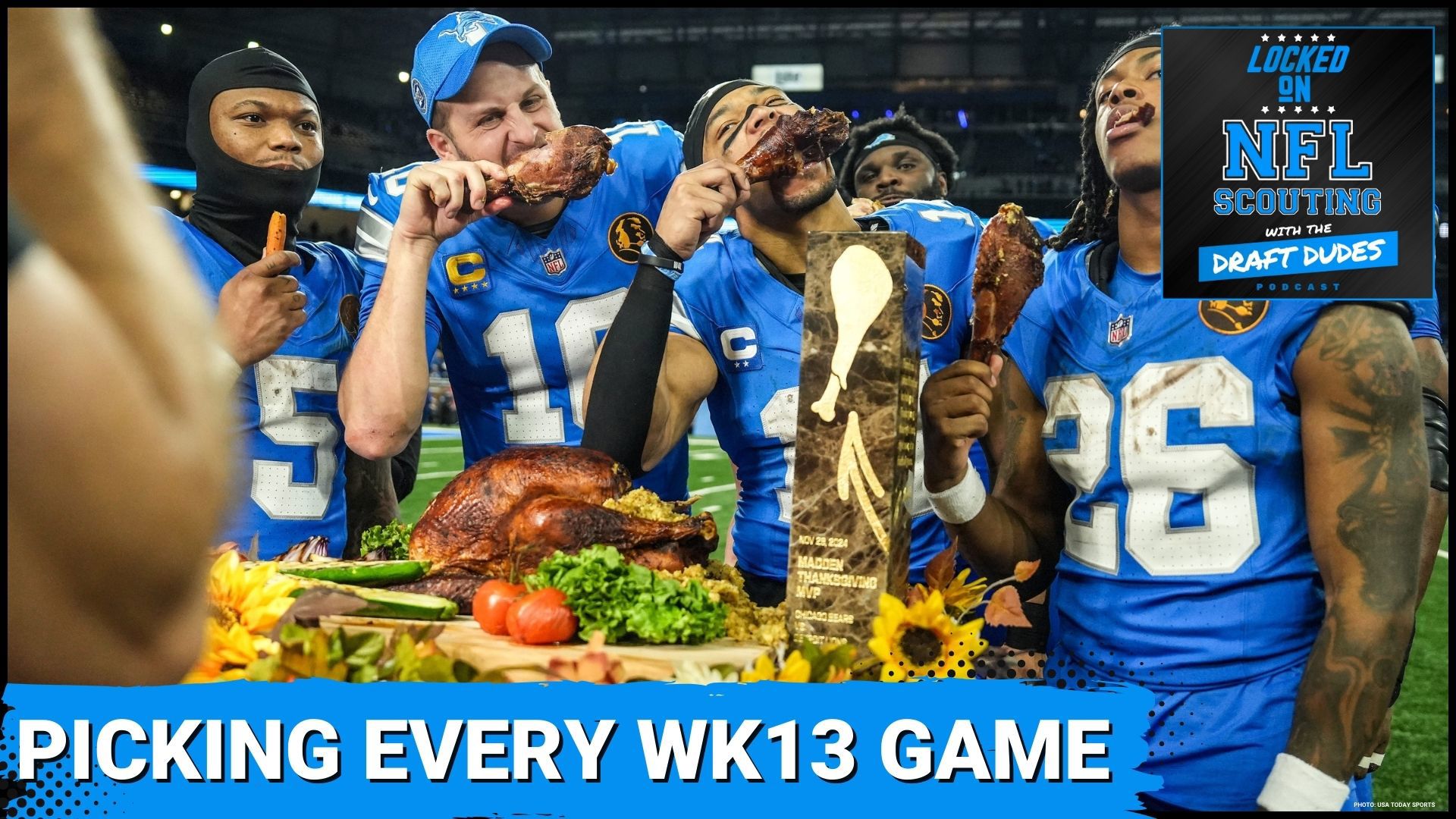
The NFL's Thanksgiving Day programming has emerged as one of the most powerful entertainment anchors in American media, with 2023 viewership reaching record-breaking levels that underscore the enduring cultural significance of this holiday tradition. The three Thanksgiving games drew an average of 34.2 million viewers, the highest on record, with the Bears-Lions early game alone capturing 37.5 million viewers—a figure that demonstrates the sheer scale of audience concentration around this single day. This isn't merely a sports story; it's a media phenomenon that reveals how deeply embedded the NFL has become in American holiday rituals and consumer behavior patterns.
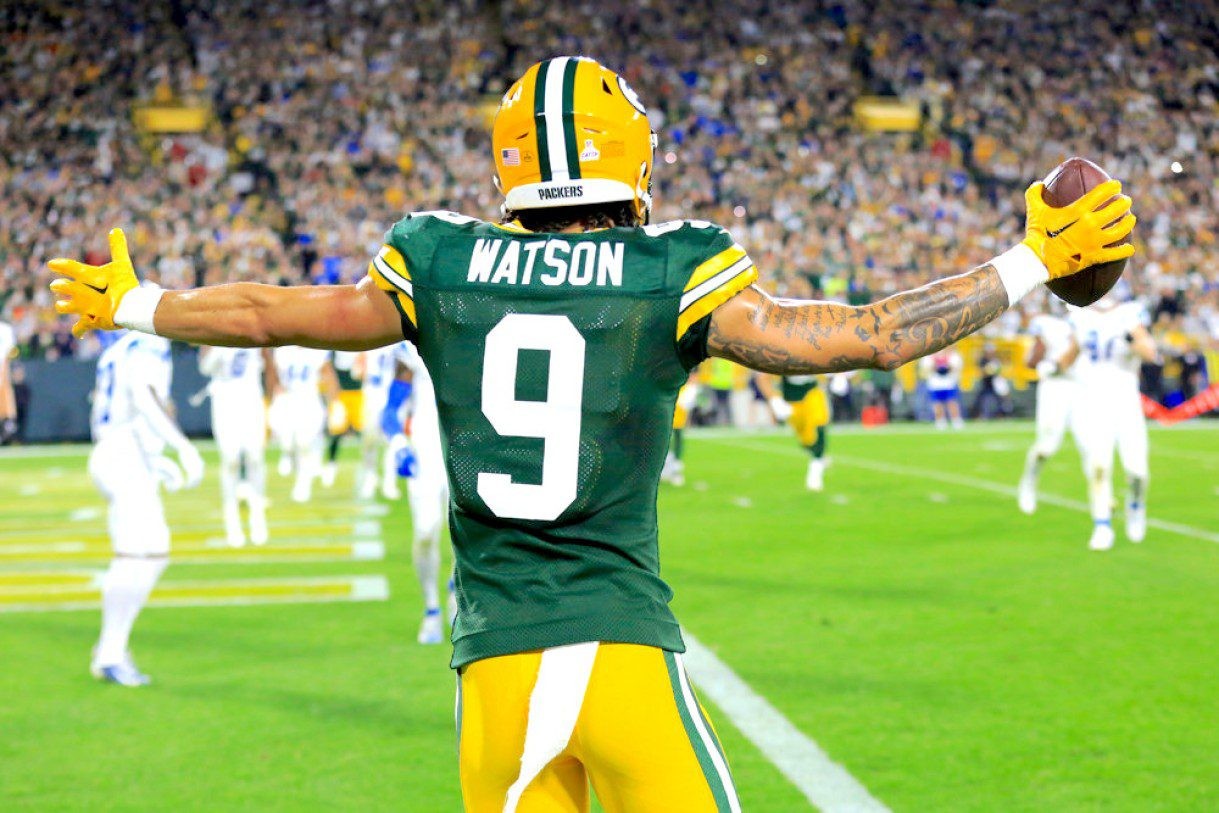
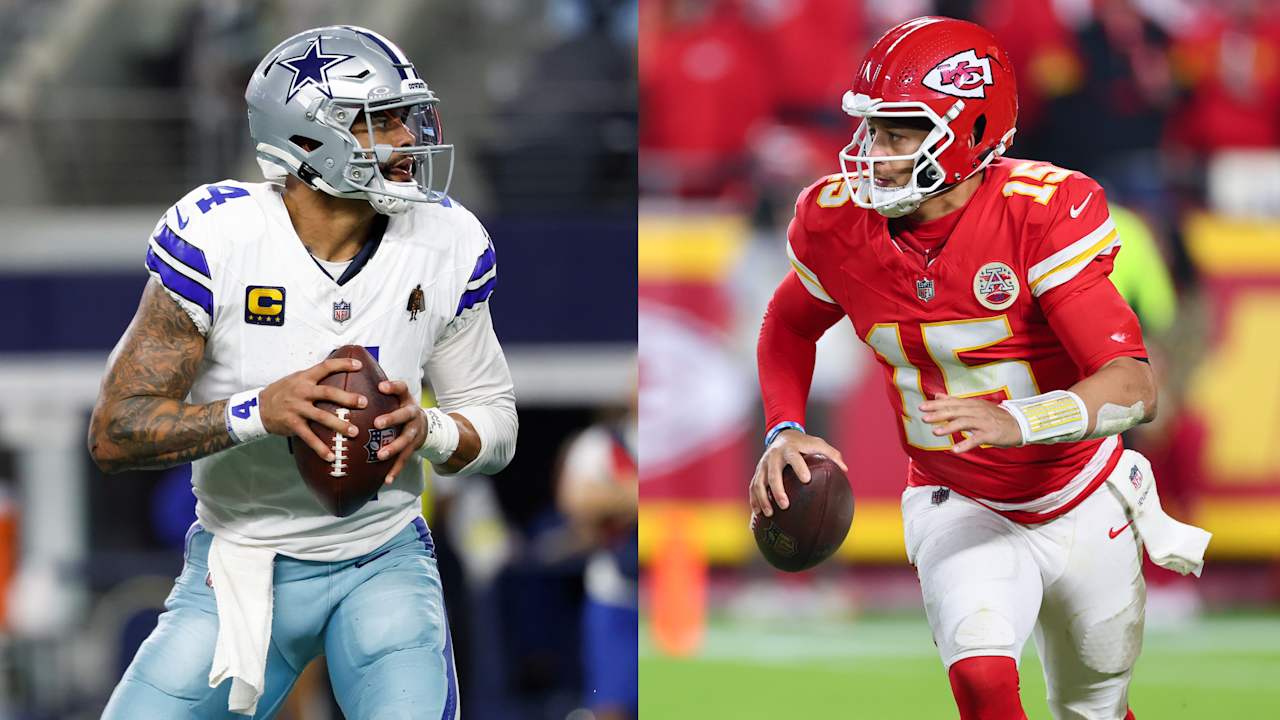
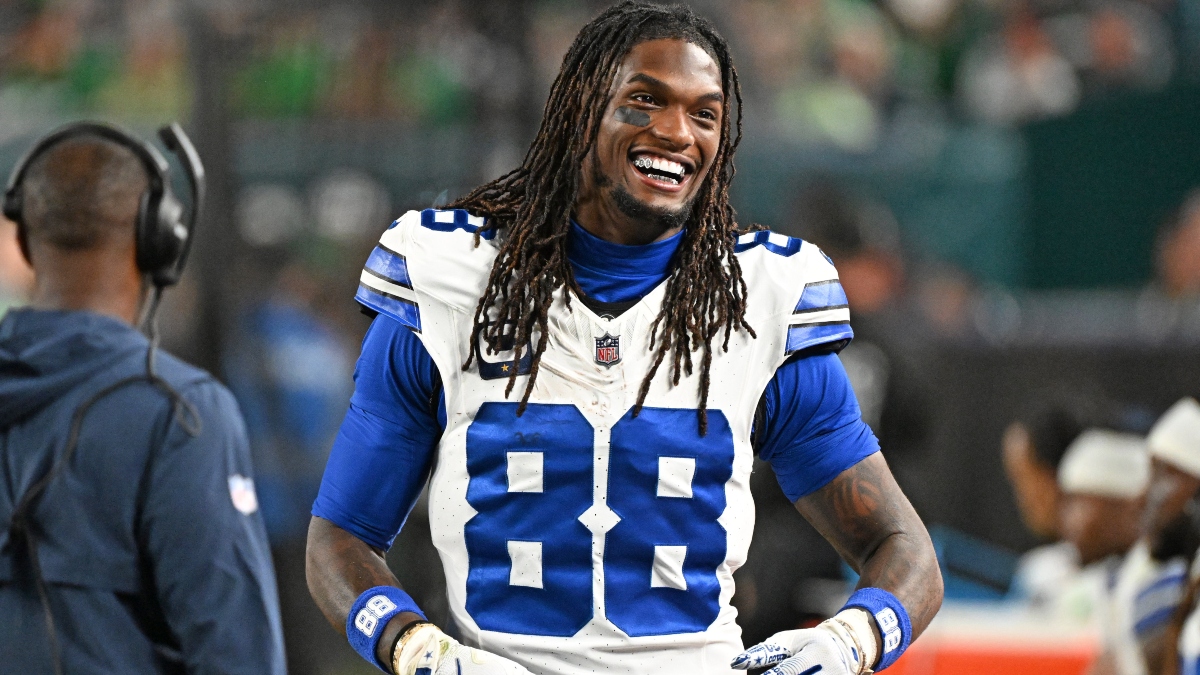
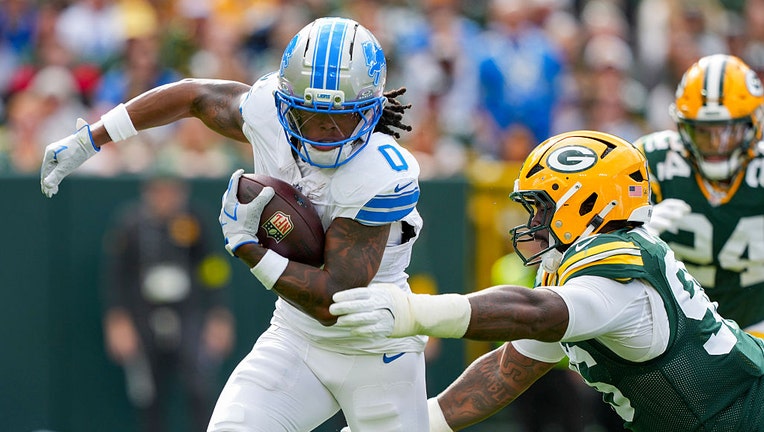
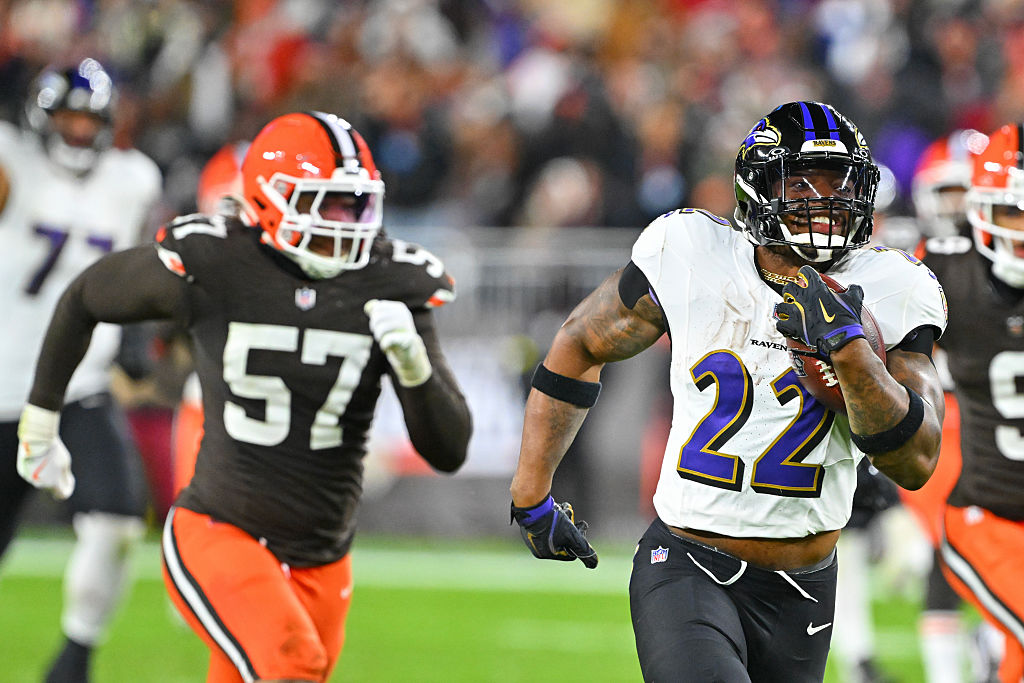
The structural advantage of Thanksgiving programming lies in its convergence of tradition, scarcity, and playoff urgency. The NFL's Thanksgiving tradition dates back to 1920, with the Detroit Lions becoming permanent hosts in 1934 and the Dallas Cowboys joining in 1966, creating a century-long cultural anchor that transcends typical sports fandom. What makes 2025's preview particularly compelling is the layering of playoff implications onto this established tradition. The Packers-Lions matchup carries NFC North playoff consequences, positioning it as the "main course" of the day's programming. The Chiefs-Cowboys game features two teams fighting for playoff positioning, while the Bengals-Ravens matchup presents unexpected drama with the struggling Bengals at 3-8 and Joe Burrow's return from injury adding narrative complexity. This combination of established tradition plus high-stakes competition creates a perfect storm for audience engagement—viewers aren't just watching football; they're witnessing moments that could determine playoff seeding and championship trajectories.
The viral potential of Thanksgiving football extends beyond the games themselves into the broader media ecosystem. The creative framing of matchups—comparing them to traditional Thanksgiving dishes (main course, dessert, unexpected sides)—demonstrates how sports media has evolved to make content more shareable and culturally resonant. This metaphorical approach transforms game analysis into cultural commentary, making it accessible to audiences beyond hardcore football fans. The week-over-week media coverage velocity around these games, combined with the predictable annual timing, creates a reliable content engine that drives social media engagement, betting activity, and second-screen viewing. The 37.5 million viewer peak for the early game suggests that Thanksgiving football has become a non-negotiable part of the holiday experience for millions of American households, rivaling traditional family activities in terms of time allocation and attention capture.
From a trend lifecycle perspective, Thanksgiving NFL programming represents a mature, sustainable phenomenon rather than a flash trend. The 100+ year history of this tradition, combined with record-breaking viewership numbers, indicates this isn't a novelty that will fade—it's a structural feature of American media consumption. The data suggests that as streaming fragmentation continues to splinter audiences across platforms, live sports events anchored to cultural moments (holidays, playoffs, championships) become increasingly valuable. The NFL's strategic positioning of three games on a single day creates a "must-watch" moment that drives cord-cutting resistance and streaming subscription value. For media companies, advertisers, and sports leagues, this signals that holiday sports programming represents one of the few remaining guaranteed mass-audience moments in an otherwise fragmented media landscape. The competitive positioning is clear: teams fighting for playoff spots understand that Thanksgiving visibility carries outsized importance for momentum and narrative control heading into the final stretch of the season.
Questions 5
Why does Thanksgiving NFL programming consistently achieve record viewership numbers?
The combination of 100+ year tradition, established viewing rituals, and high-stakes playoff implications creates a perfect convergence. The 37.5 million viewers for the Bears-Lions game demonstrates that audiences treat Thanksgiving football as a non-negotiable part of the holiday experience. The scarcity of three games concentrated on a single day—rather than spread throughout the season—amplifies audience concentration and creates a 'must-watch' moment that drives peak engagement.
How does playoff urgency amplify the cultural significance of Thanksgiving games?
Teams fighting for playoff positioning understand that Thanksgiving visibility carries outsized importance for momentum and narrative control. The Packers-Lions matchup carries NFC North playoff consequences, while the Chiefs-Cowboys game features teams competing for playoff spots. This layering of playoff stakes onto an established tradition transforms casual viewers into invested audiences, as game outcomes directly impact championship trajectories and team legacies.