


Resilience Rising: How Sri Lanka's Grassroots Response Reveals Climate Adaptation Strategies
- Volunteer-Driven Recovery Exposes Critical Infrastructure Vulnerabilities in Disaster-Prone Regions




/countries/sri-lanka/photo-credit---dmc-sri-lanka.jpg?sfvrsn=dc298bcc_3)







Overview
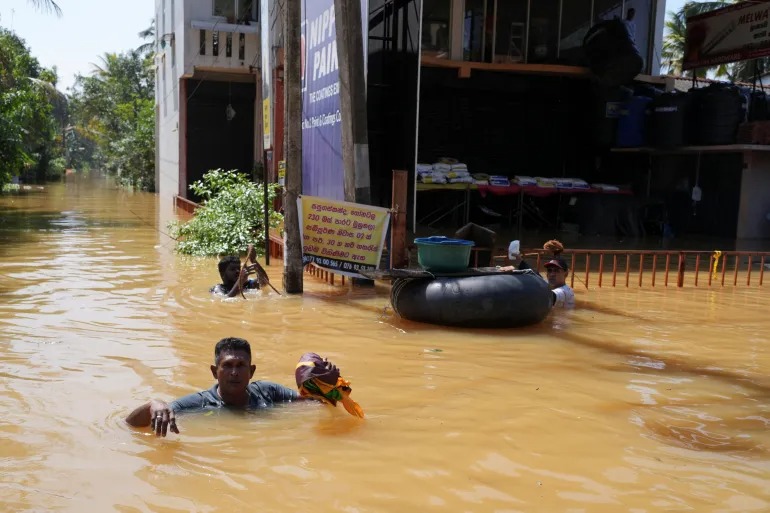
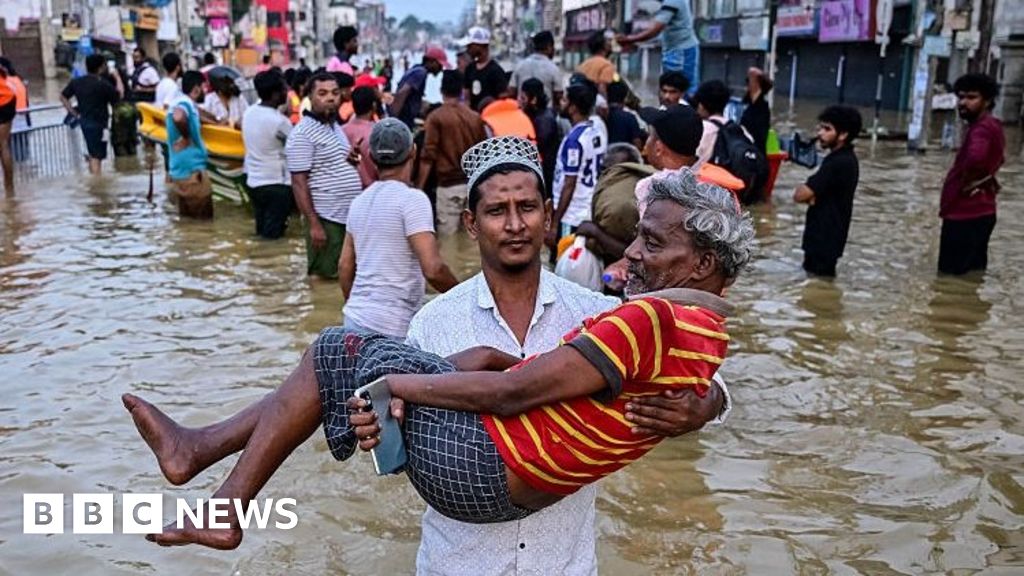
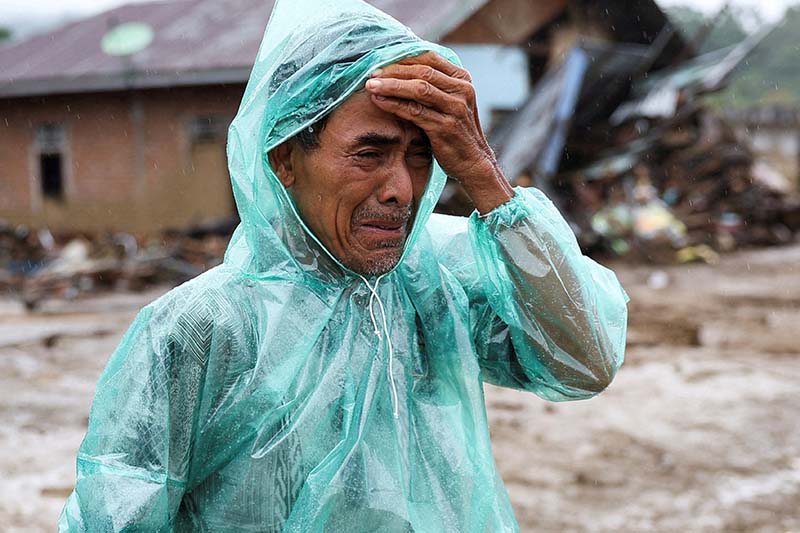
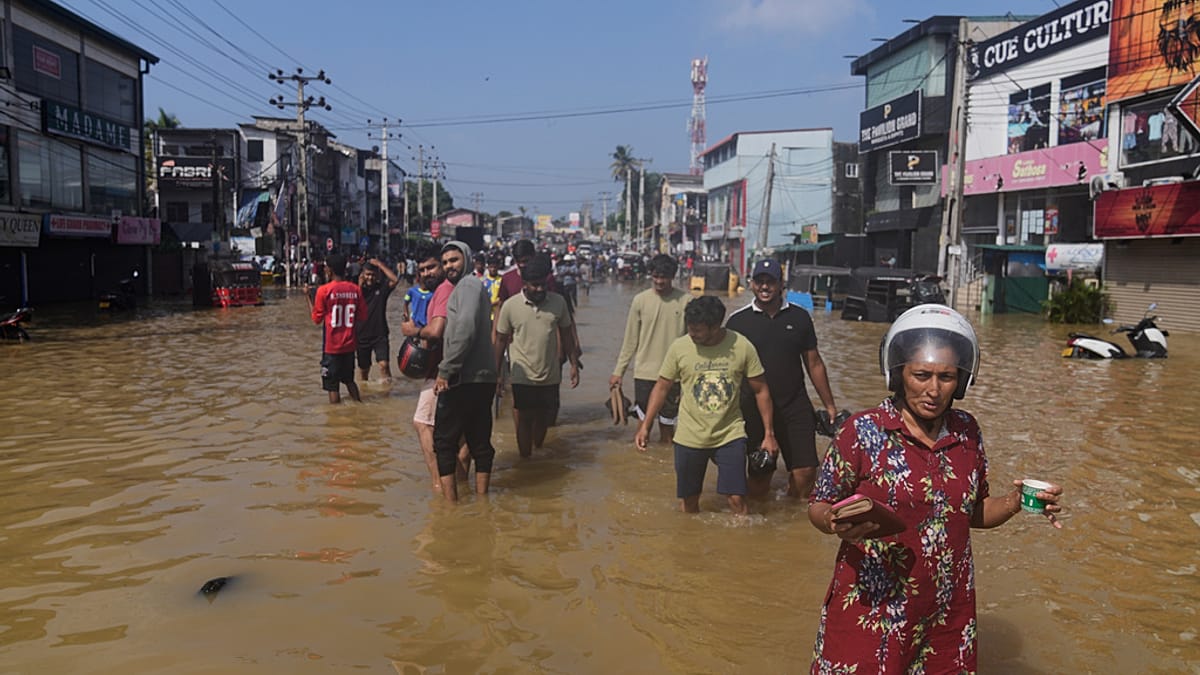
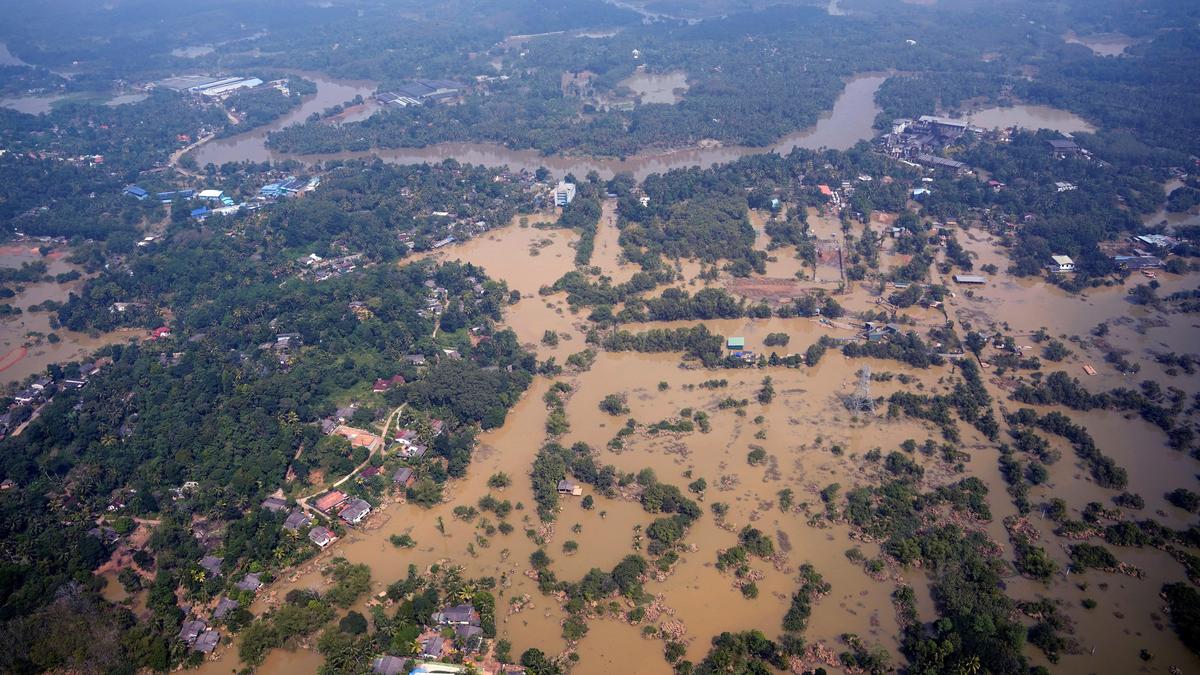
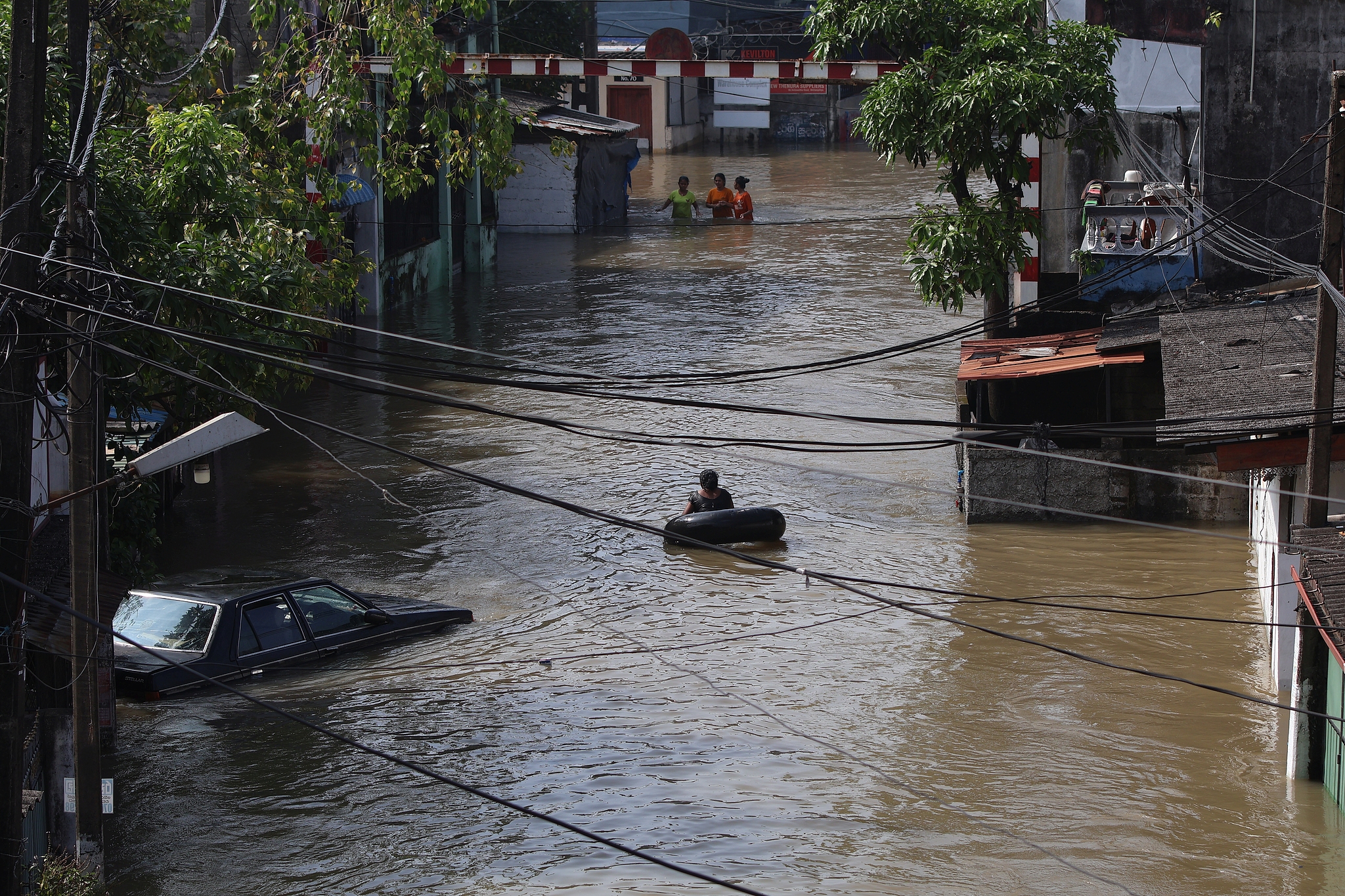
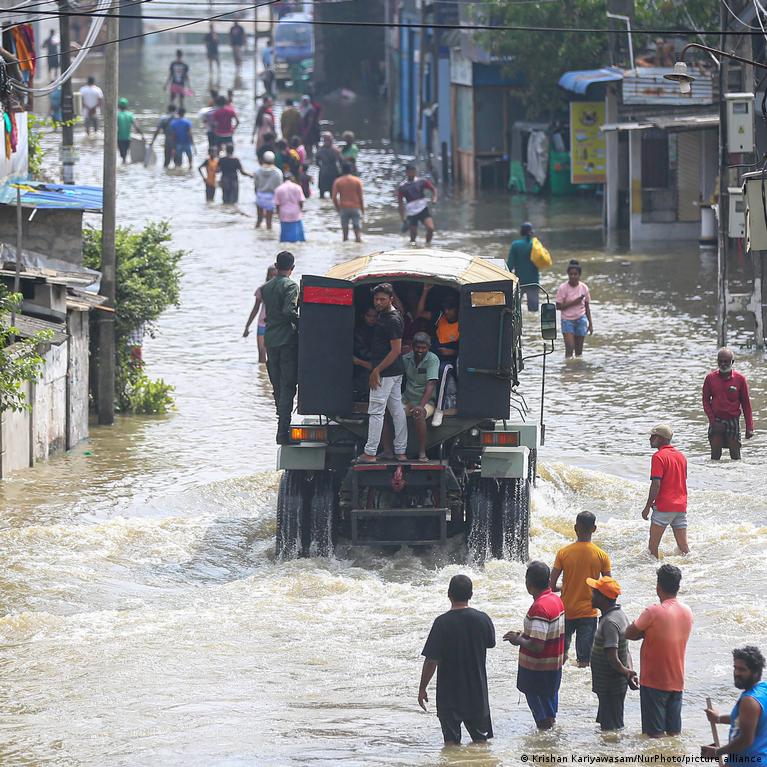
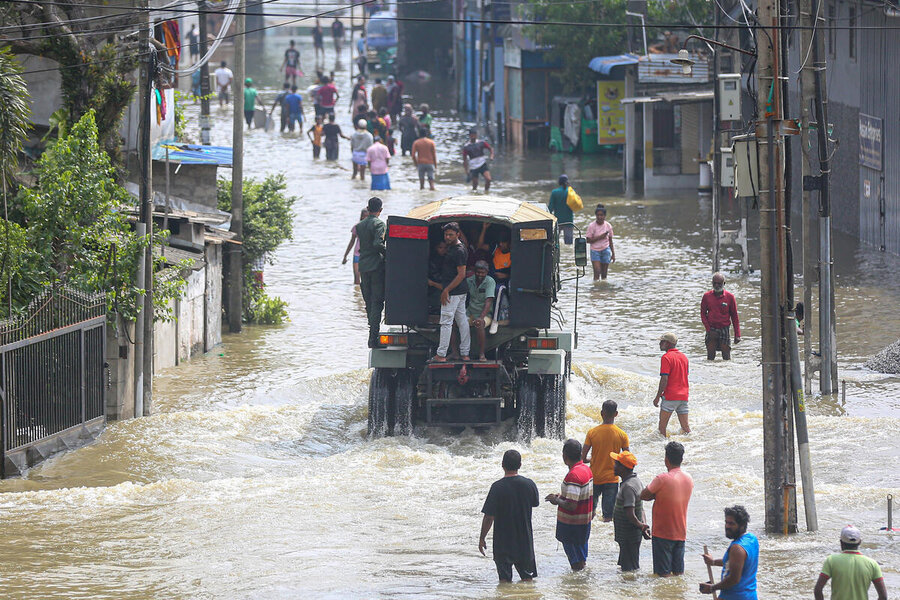
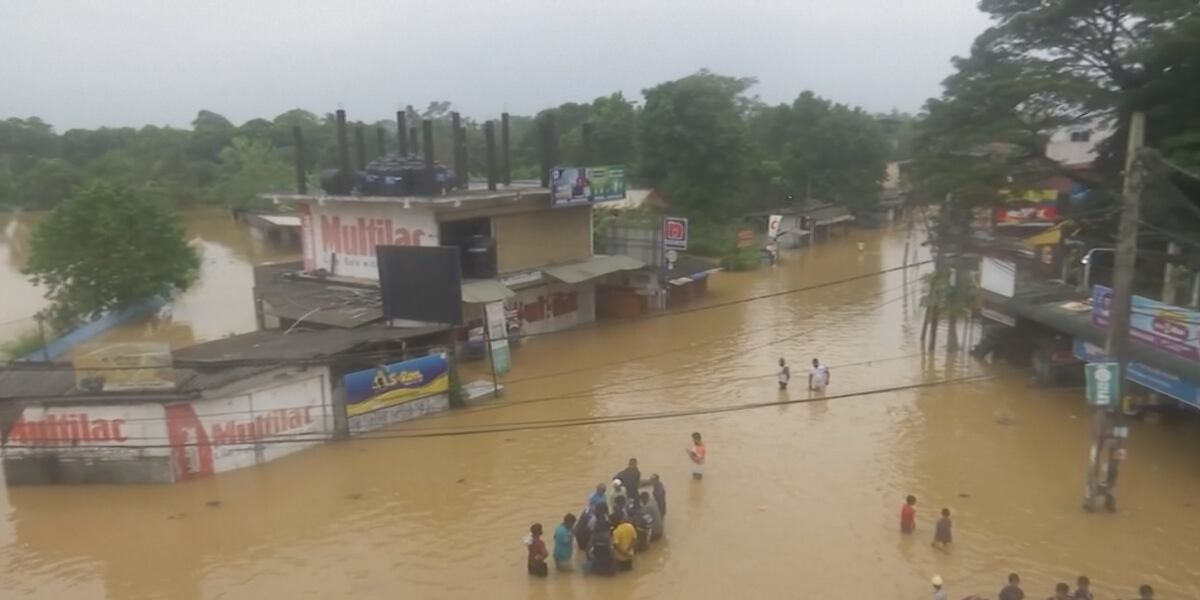
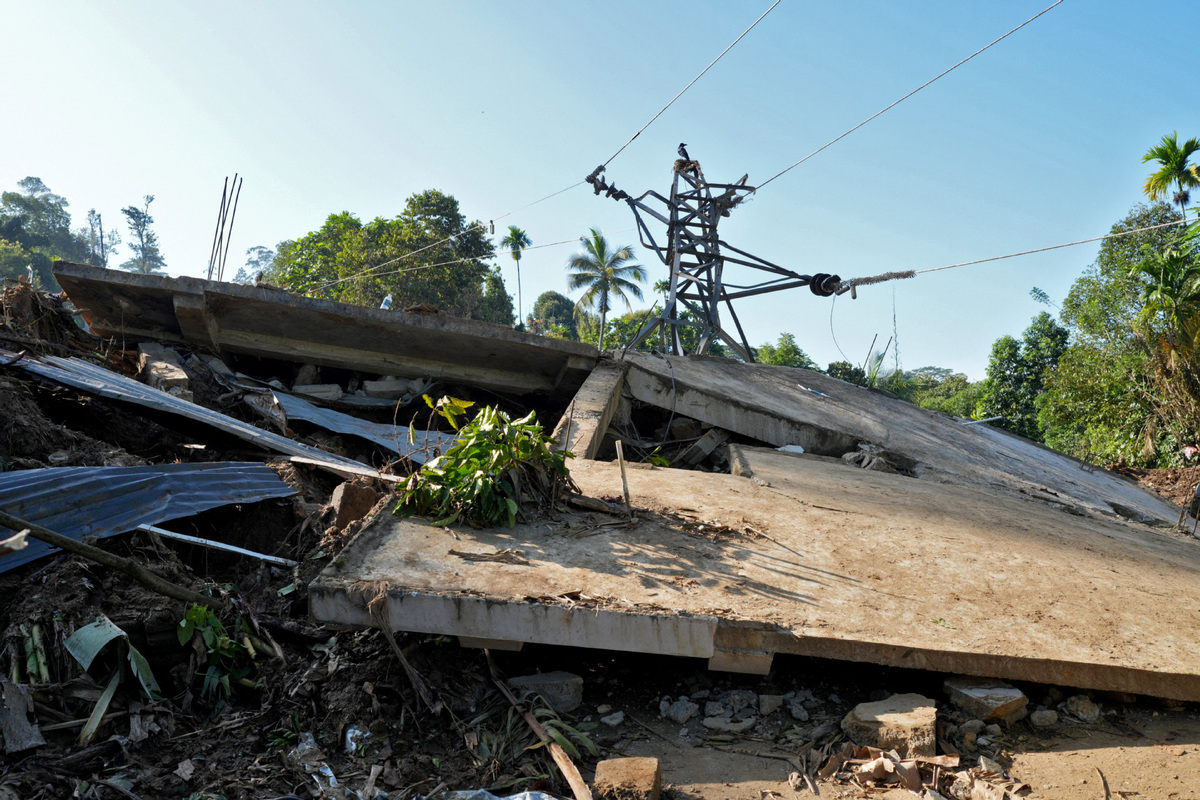
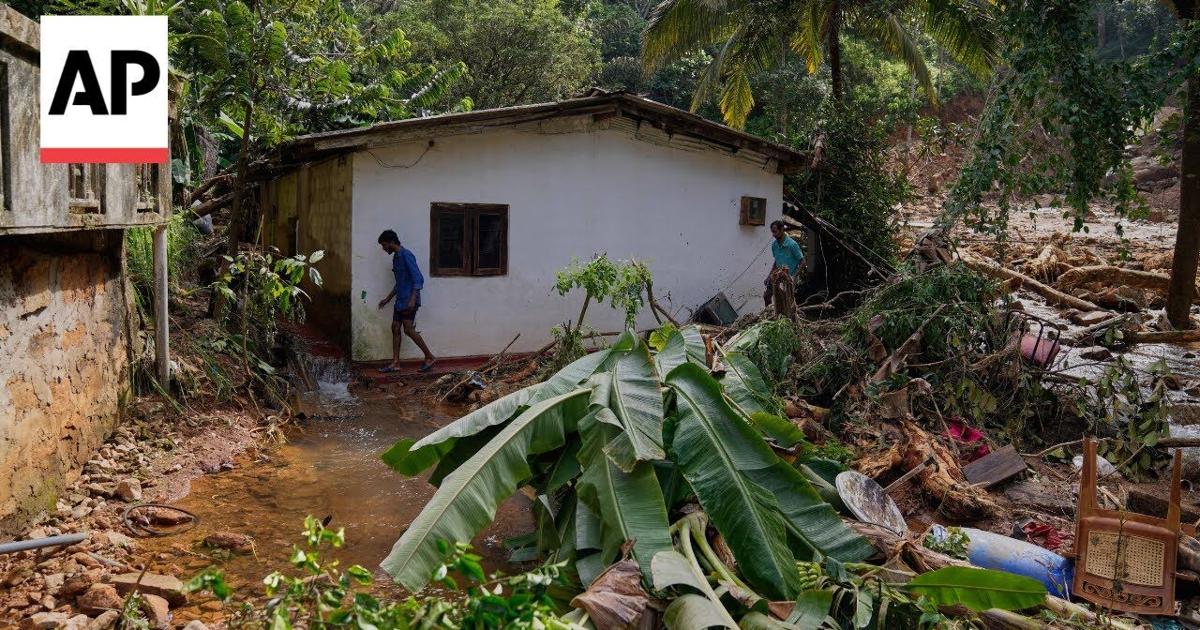
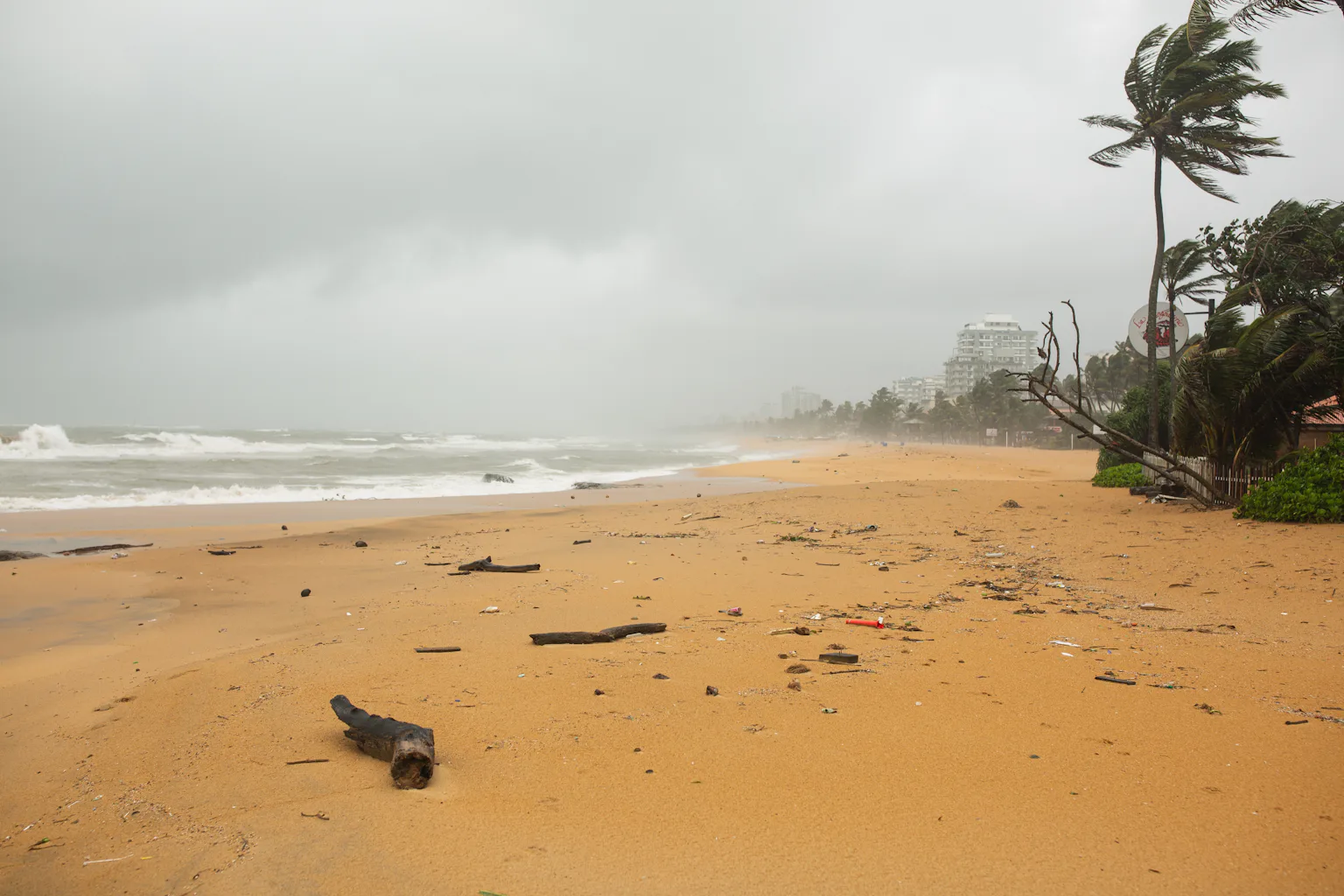
The catastrophic Cyclone Ditwah has unveiled a profound narrative of community resilience and systemic vulnerability in Sri Lanka, transforming a devastating natural disaster into a critical lesson in climate adaptation. With 474-479 confirmed fatalities and over 1.2 million residents affected, the cyclone exposed deep structural weaknesses in national disaster preparedness while simultaneously highlighting an extraordinary grassroots response mechanism.
The economic impact is staggering, with infrastructure damage estimated between $6-7 billion, decimating critical networks including rail lines, agricultural fields, roads, and bridges. This destruction strikes at the heart of Sri Lanka's economic infrastructure, revealing how climate vulnerability is not just an environmental challenge but a comprehensive socioeconomic threat. The northern and central regions, particularly Mannar and Kandy Provinces, bore the brunt of this devastation.
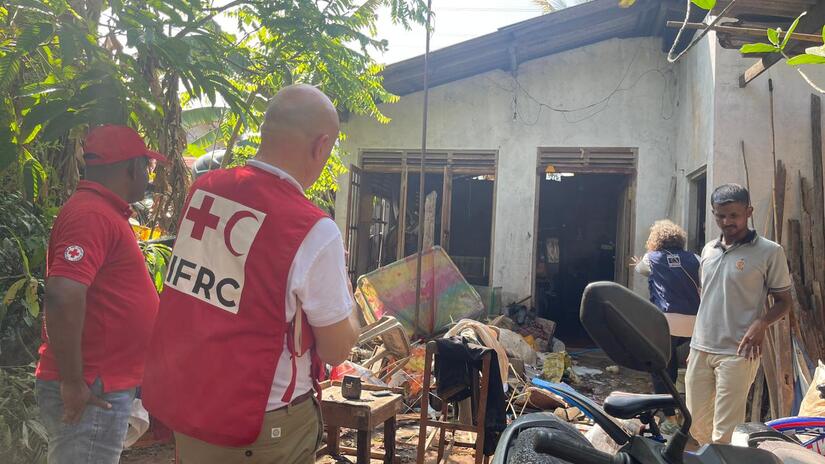
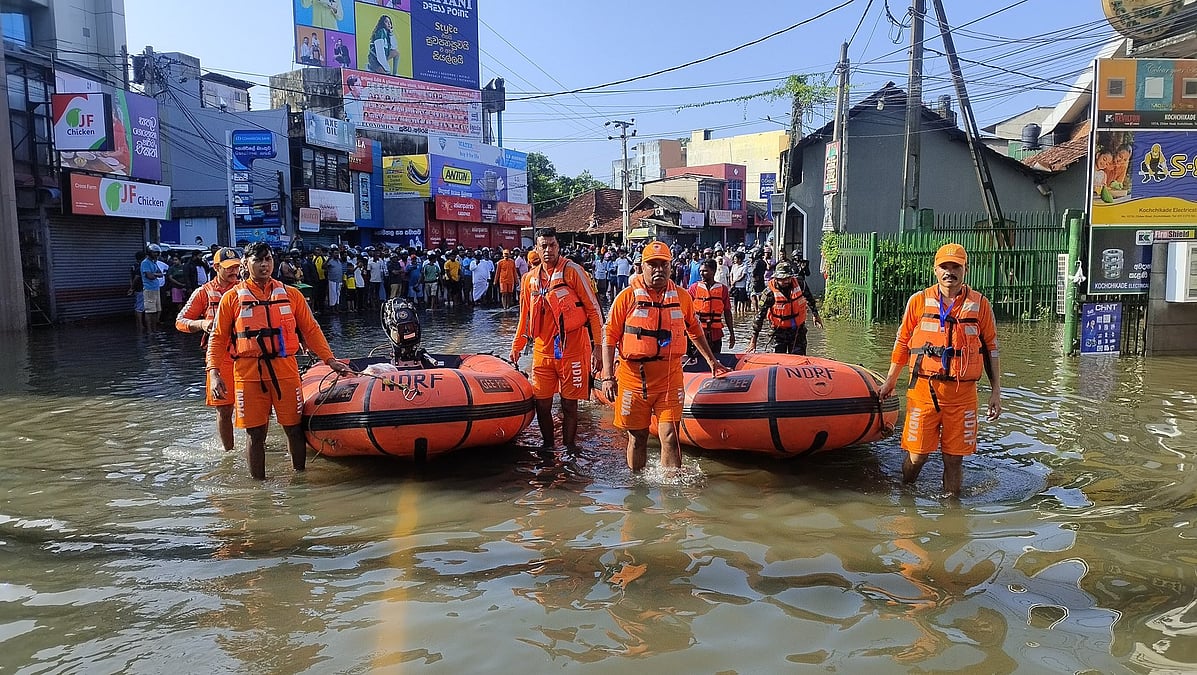
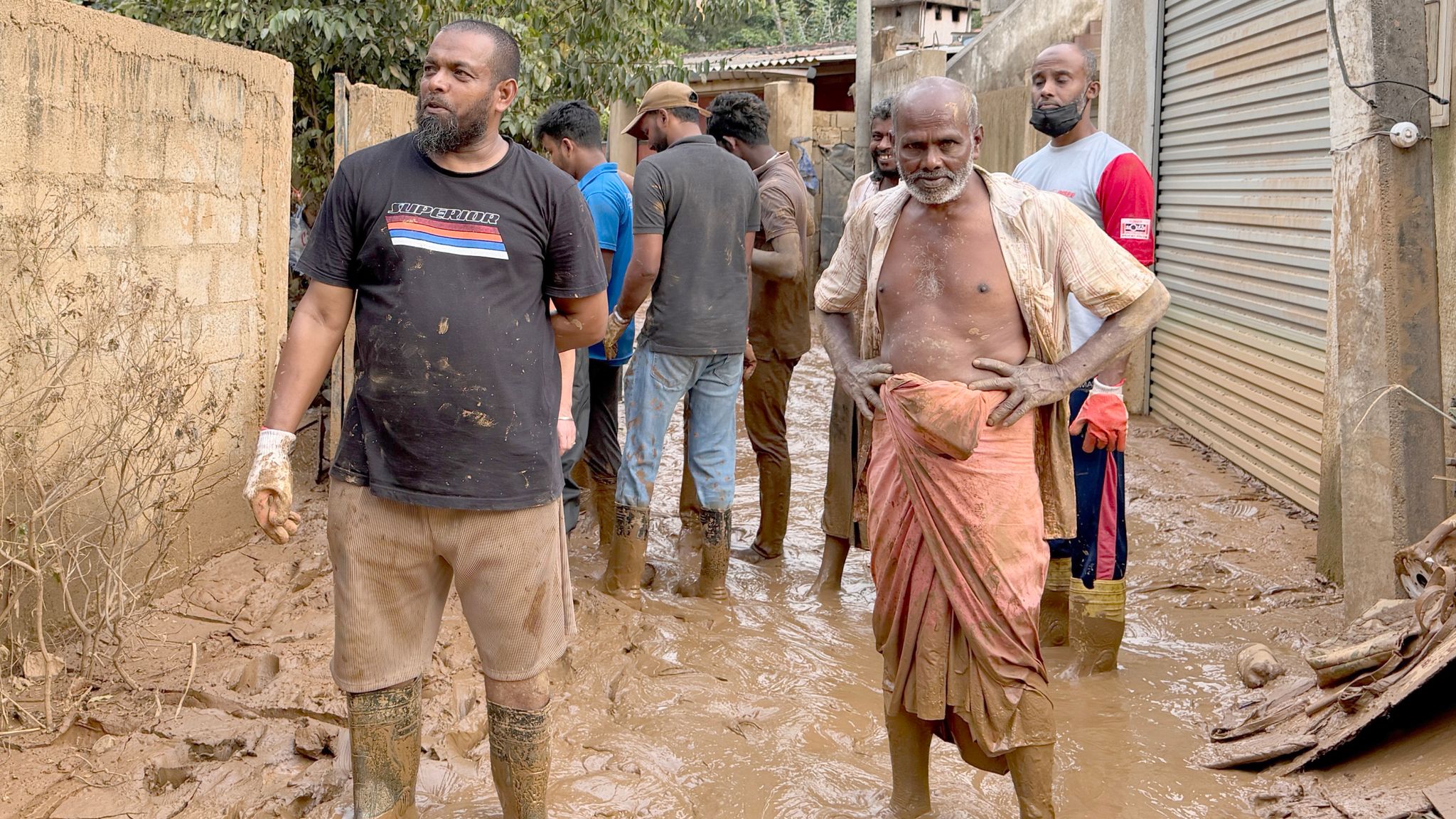
What emerges most powerfully is the spontaneous volunteer mobilization that filled critical government response gaps. When official mechanisms faltered, citizens transformed potential paralysis into collective action. Social media activists created donation platforms, local volunteers like actor GK Reginold personally delivered essential supplies, and community organizations rapidly established relief kitchens and coordination networks. This grassroots response represents a sophisticated, decentralized disaster management model that traditional top-down approaches often overlook.
Critically, academic research has now mapped the systemic vulnerabilities that amplified the cyclone's impact. Hydrological modeling revealed Sri Lanka's geographical positioning makes it exceptionally susceptible to compound flooding events, with outdated drainage networks and coastal defenses effectively "engineering" environmental risk. The research suggests that proactive, science-driven adaptation – including updated flood maps, redesigned drainage systems, and enhanced early-warning mechanisms – could significantly mitigate future catastrophes.
The cyclone has transformed from a pure natural disaster into a complex case study of community resilience, infrastructural adaptation, and the critical role of bottom-up emergency response strategies in climate-vulnerable regions.
Questions 3
What are the long-term economic implications of Cyclone Ditwah?
The disaster caused $6-7 billion in infrastructure damage, devastating critical economic networks like rail lines, agricultural fields, and transportation infrastructure. This suggests significant reconstruction challenges and potential long-term economic disruption for Sri Lanka's already fragile economic recovery.
How did Sri Lanka's volunteer networks respond to the Cyclone Ditwah disaster?
Citizens rapidly self-organized through social media platforms, creating donation databases, establishing community kitchens, and coordinating rescue operations. Notable volunteers like actor GK Reginold personally delivered supplies, while local activists transformed their previous economic protest networks into disaster relief mechanisms.