


Exposing the Dark Machinery of Systematic Oppression in Syria
- Unprecedented Documentation Reveals Systematic Human Rights Violations Under Assad Regime



Overview
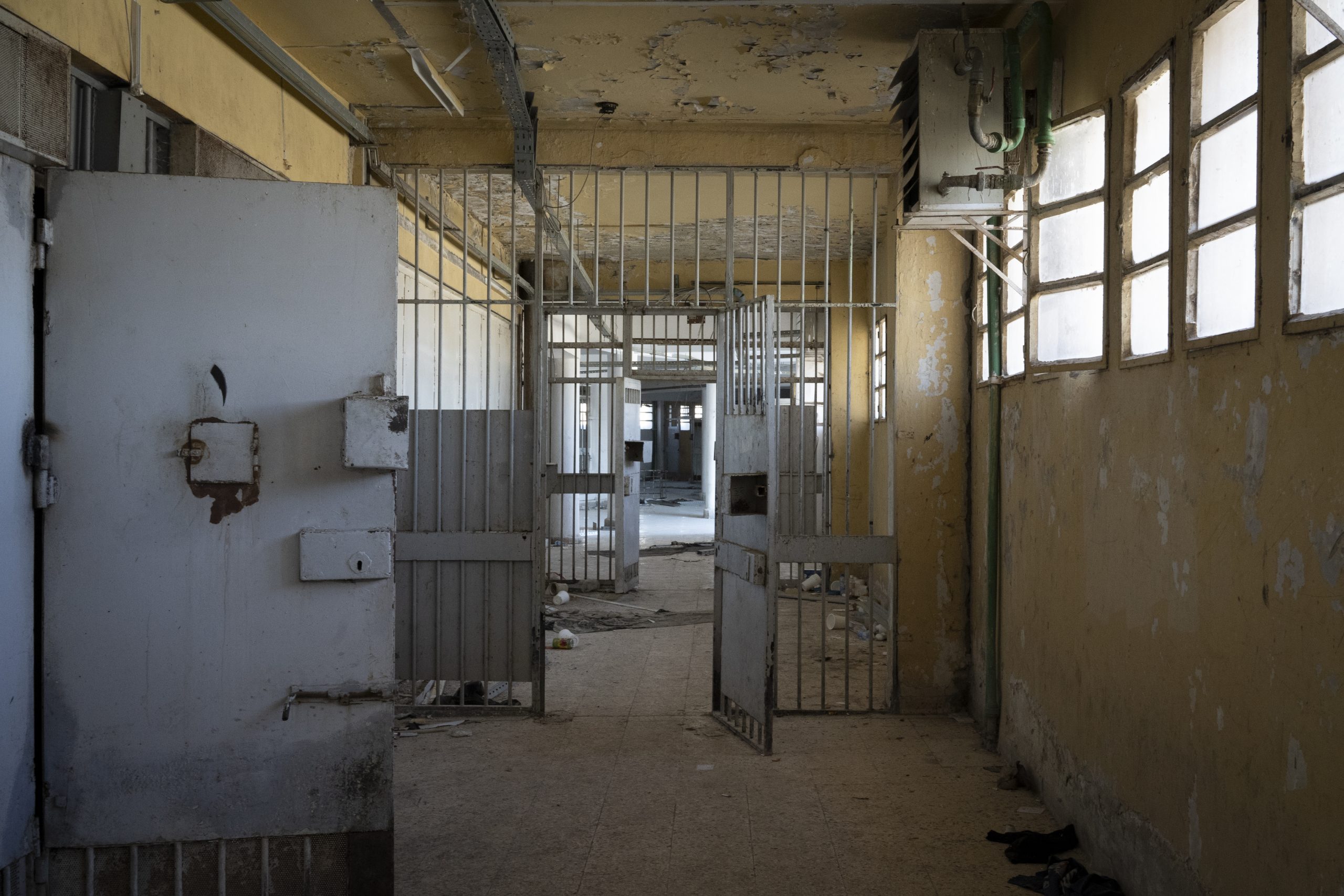
The leaked archive of Syrian torture photographs represents a pivotal moment in documenting state-sponsored human rights atrocities, offering an unprecedented window into the systematic brutality of the Assad regime. With over 70,000 photographs capturing the fate of 10,212 detainees between 2015-2024, this collection provides concrete, forensic evidence of widespread, institutionalized torture and murder.
Forensic Documentation at Unprecedented Scale The photographic evidence goes far beyond previous human rights reports, presenting a meticulously documented record of state violence. Obtained from a former military police colonel, these images reveal a systematic approach to human elimination that transforms abstract allegations of abuse into irrefutable visual testimony. The photographs document not just isolated incidents, but a structured mechanism of state terror, with most bodies bearing signs of severe physical harm, starvation, and systematic abuse.
International Legal and Humanitarian Implications This leak represents more than historical documentation—it is a potential legal instrument for international prosecution. By providing families closure and investigators concrete evidence, the archive creates a forensic record of potential war crimes. The granularity of documentation—over 70,000 photographs tracking 10,212 individual detainees—transforms these images from mere evidence into a comprehensive indictment of institutional violence.
Strategic Significance of Transparency The leak's timing and comprehensiveness suggest a critical shift in accountability mechanisms. By converting state-sponsored violence from rumor to documented fact, these photographs challenge the Assad regime's narrative control. They represent a powerful counter-narrative that could potentially influence international diplomatic and legal responses, demonstrating how systematic documentation can become a form of resistance against institutional oppression.
Questions 3
What makes these torture photographs uniquely significant?
Unlike previous human rights reports, this archive contains 70,000 photographs systematically documenting 10,212 detainees, providing forensic, visual evidence of state-sponsored torture. The scale and methodical nature of documentation transform these images from allegations to potential legal instruments for international prosecution.
How might these photographs impact international responses to the Syrian conflict?
The comprehensive photographic evidence could potentially trigger international legal proceedings, influence diplomatic pressure, and provide concrete documentation for human rights tribunals. By converting state violence from rumor to documented fact, these photographs challenge the Assad regime's narrative control.