





EU Diplomatic Integrity Under Scrutiny: Mogherini Fraud Investigation Exposes Systemic Vulnerabilities
- Procurement Scandal Reveals Critical Governance Gaps in European External Action Service

















Overview
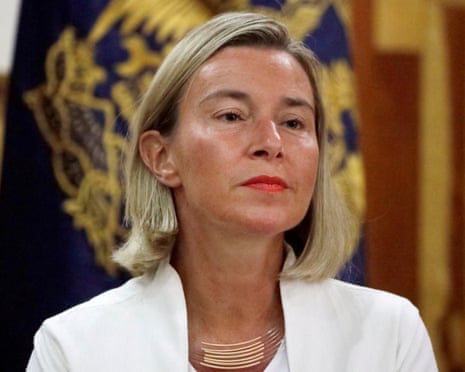
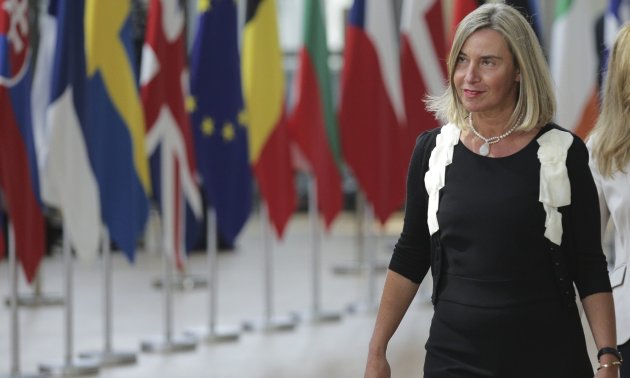
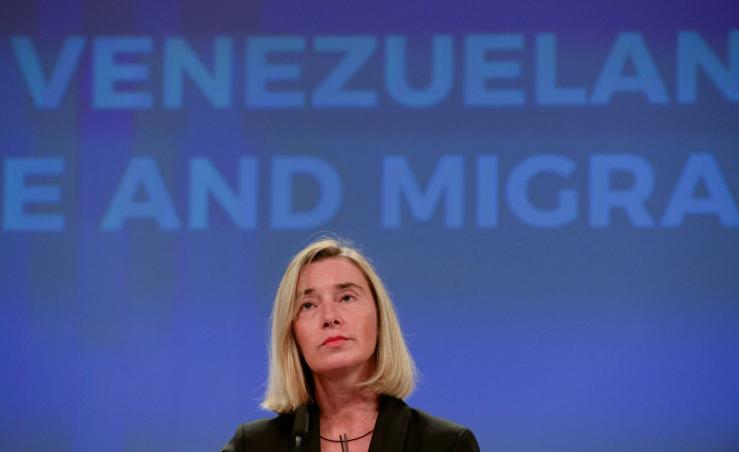
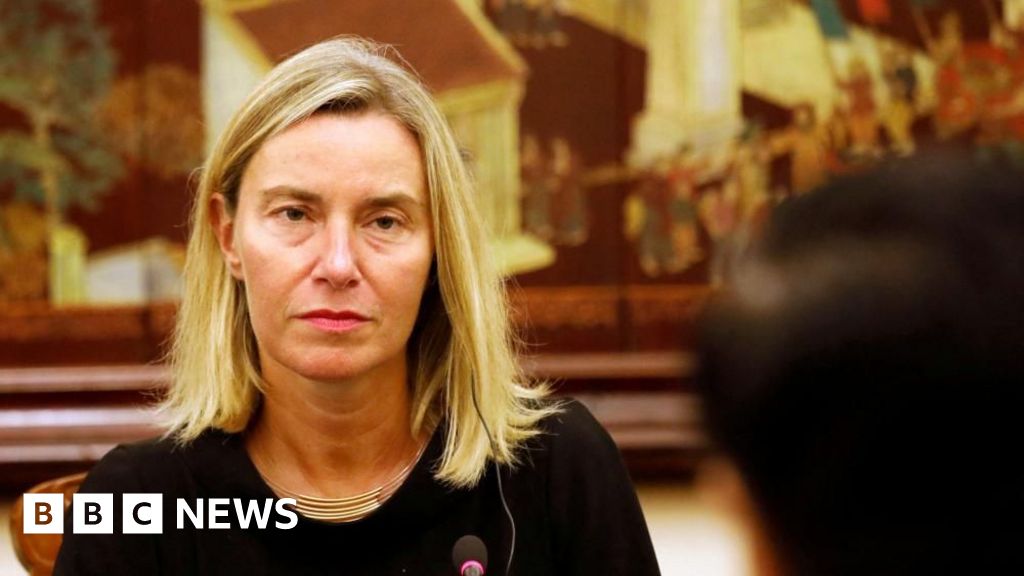
The European diplomatic ecosystem faces a critical credibility test as high-profile investigations expose deep-rooted systemic vulnerabilities in procurement processes. The European Public Prosecutor's Office (EPPO) has launched a targeted investigation involving Federica Mogherini, former EU foreign policy chief, and two other senior officials, signaling a profound moment of institutional introspection.
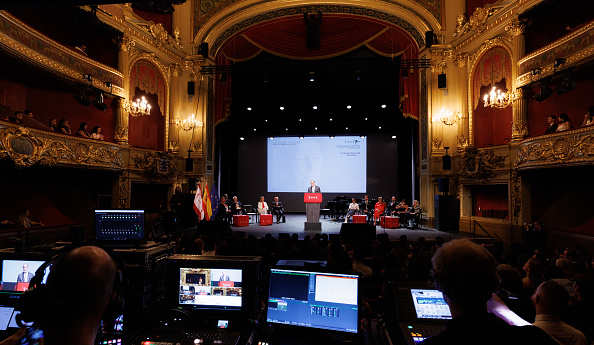
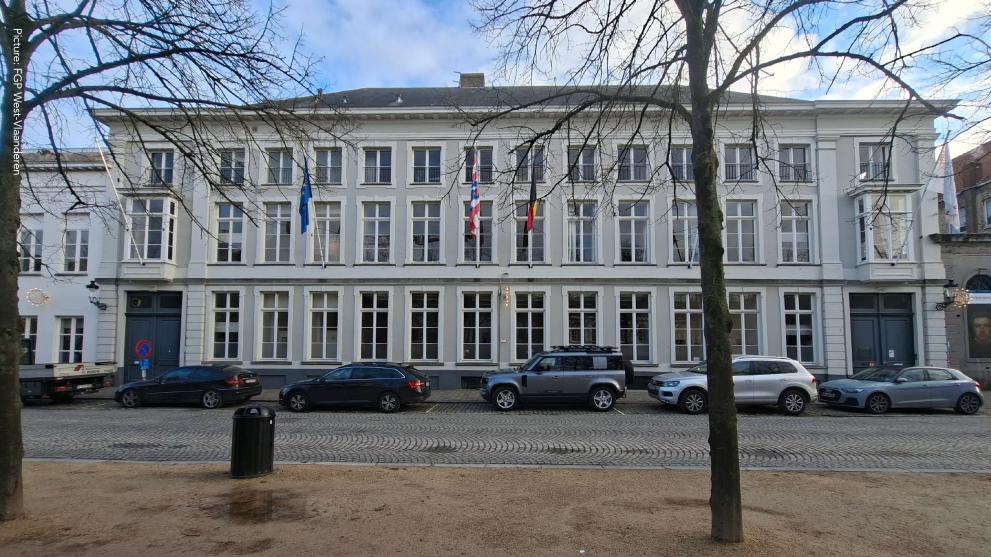
Institutional Transparency Breakdown: The investigation centers on suspected procurement fraud within EU-funded diplomatic training programs, specifically a nine-month junior diplomat course. Belgian authorities conducted strategic dawn raids at the College of Europe in Bruges and the European External Action Service (EEAS) headquarters in Brussels, demonstrating the systematic nature of the probe. The fact that three senior officials were questioned about potential tender favoritism suggests this is not an isolated incident but potentially a symptom of broader governance challenges.
Political Distancing Dynamics: The scandal's ripple effects are immediately visible in how senior EU leadership is responding. Ursula von der Leyen, EU Commission President, has strategically distanced herself from the investigation, emphasizing the EEAS as a separate institutional entity. This calculated move reveals the potential political sensitivity and institutional reputation management at play. Current EEAS head Kaja Kallas has similarly sought to minimize institutional connection, indicating a defensive institutional posture.
The investigation's significance extends beyond individual reputations. It represents a critical moment of institutional accountability, where long-standing procurement practices are being forensically examined. Mogherini's statement about "clarifying her position" and expressing confidence in the justice system suggests a measured response, yet the very existence of such an investigation undermines the perceived integrity of EU diplomatic infrastructure.
Strategic implications are profound: This investigation could trigger comprehensive reforms in how diplomatic training programs are conceived, funded, and executed. For international stakeholders, it signals a potential watershed moment in EU institutional transparency, where systemic weaknesses are being proactively identified and potentially remediated.
Questions 3
What specific allegations are being investigated in the Mogherini case?
The investigation focuses on potential procurement fraud involving a nine-month junior diplomat training course. Authorities are examining suspected favoritism in tender awarding, with searches conducted at the College of Europe and European External Action Service to gather evidence of potential systemic irregularities.
How are EU leadership responding to the investigation?
EU leadership, particularly Ursula von der Leyen, is strategically distancing themselves from the scandal. Von der Leyen emphasized that the EEAS is a separate institution, while EEAS head Kaja Kallas is also minimizing institutional connection, indicating a defensive institutional strategy to protect broader EU reputation.