



India's Diplomatic Tightrope: Navigating Russia and US Tensions with Strategic Precision
- Geopolitical Balancing Act Reveals Emerging Multipolar Trade Dynamics












Overview
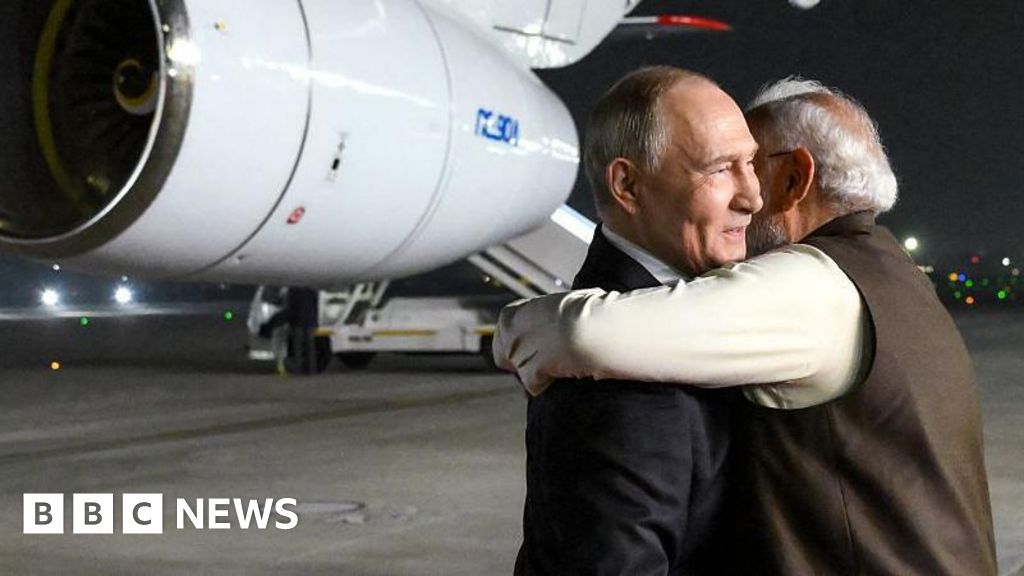
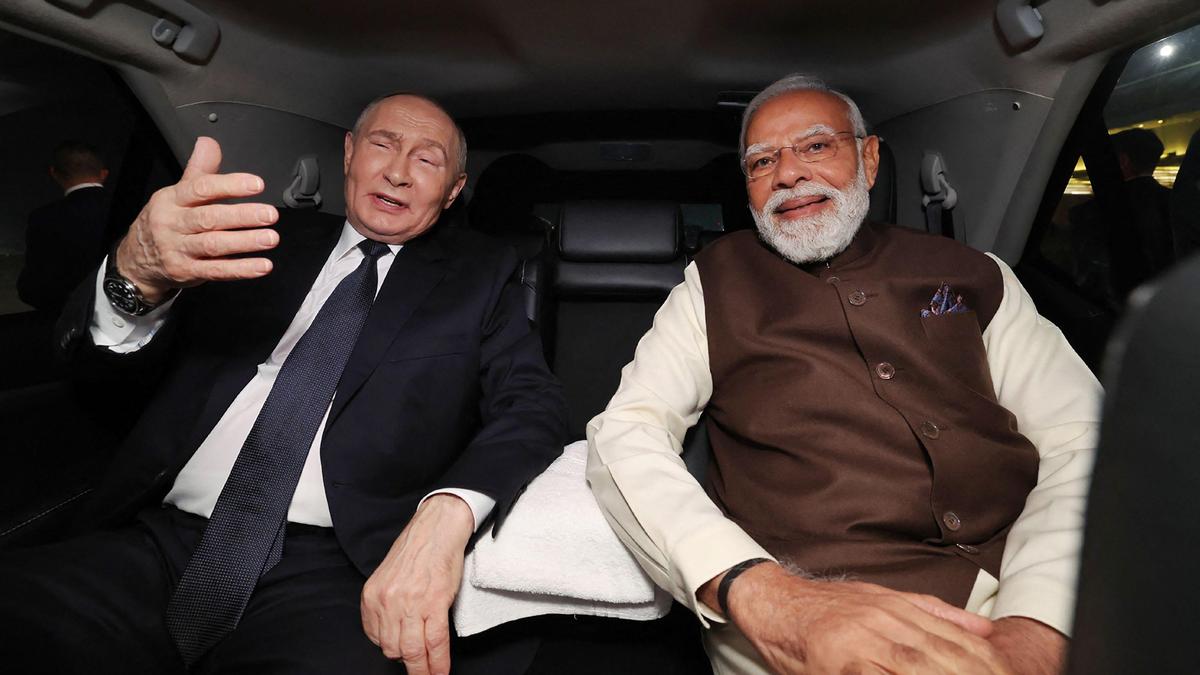
Diplomatic maneuvering between Russia and India reveals a sophisticated geopolitical chess match that transcends traditional alliance frameworks. At the heart of Putin's visit to New Delhi lies a complex negotiation strategy that demonstrates India's emerging role as a strategic pivot in global power dynamics.
Bilateral trade has dramatically transformed, surging from $8.1 billion in 2020 to $68.72 billion by March 2025, primarily driven by discounted Russian oil purchases. However, this relationship is now entering a more nuanced phase. India is strategically moderating its oil imports to avoid potential US sanctions while maintaining critical defense partnerships with Russia.
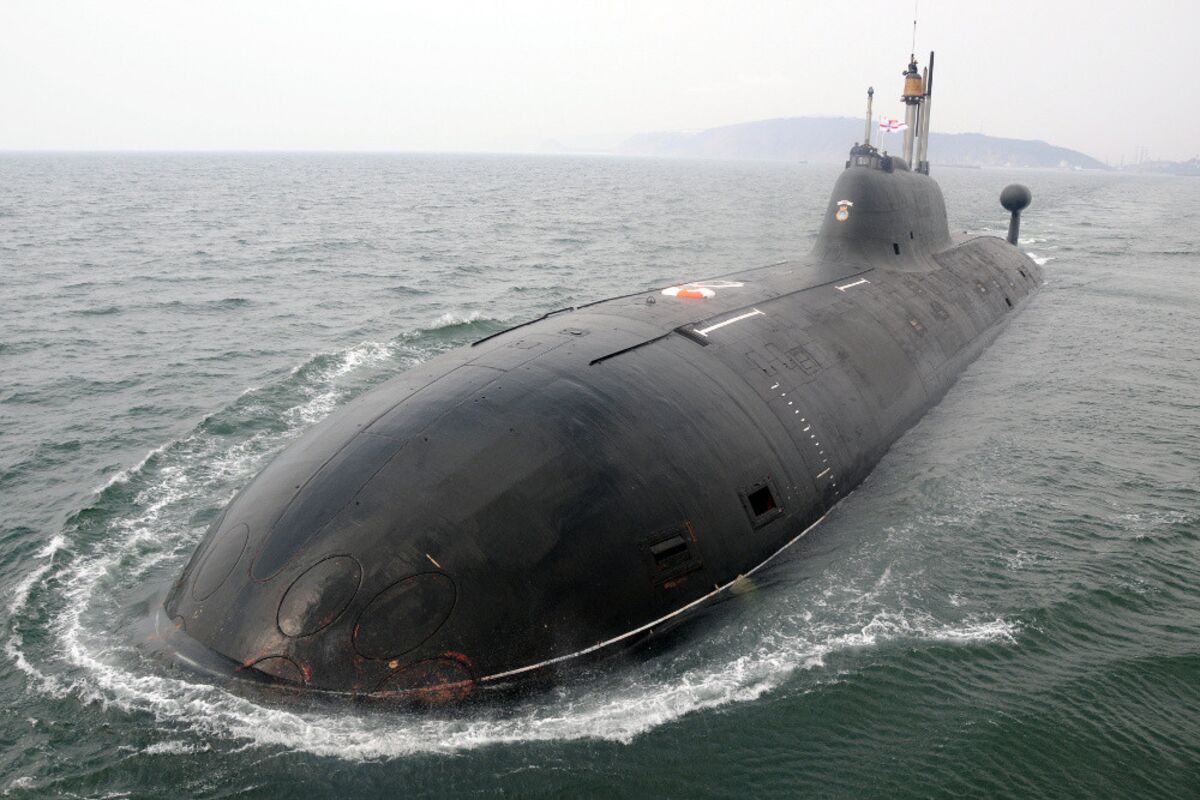
The visit underscores three critical strategic dimensions. First, defense cooperation remains paramount, with potential deals for advanced fighter jets like the Su-57 and air defense systems such as the S-500. These negotiations signal India's commitment to maintaining robust military capabilities through diversified procurement strategies. Second, the diplomatic engagement represents a test of India's 'strategic autonomy' - a delicate balancing act of preserving relationships with both Russia and the United States without fully aligning with either.
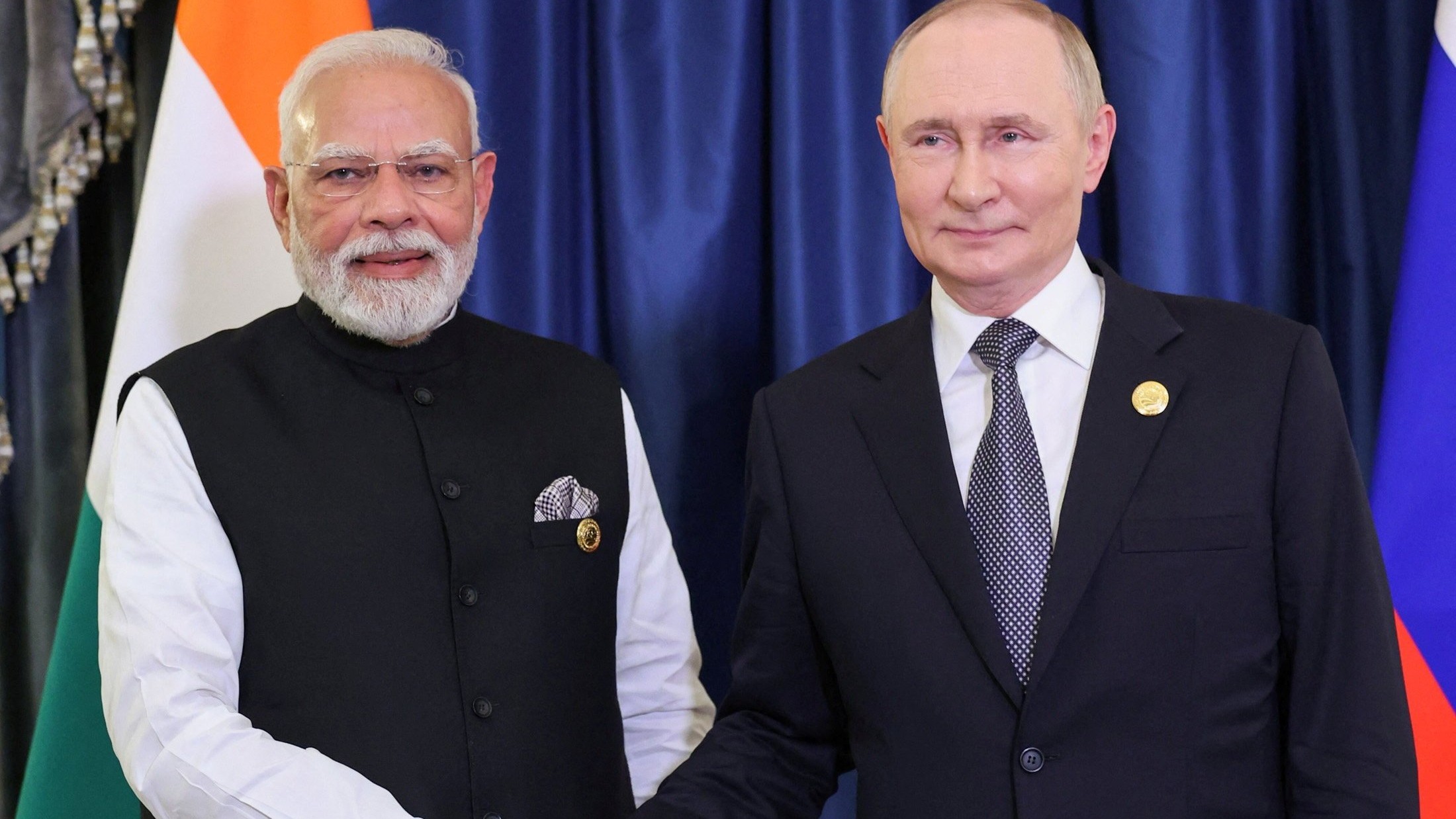
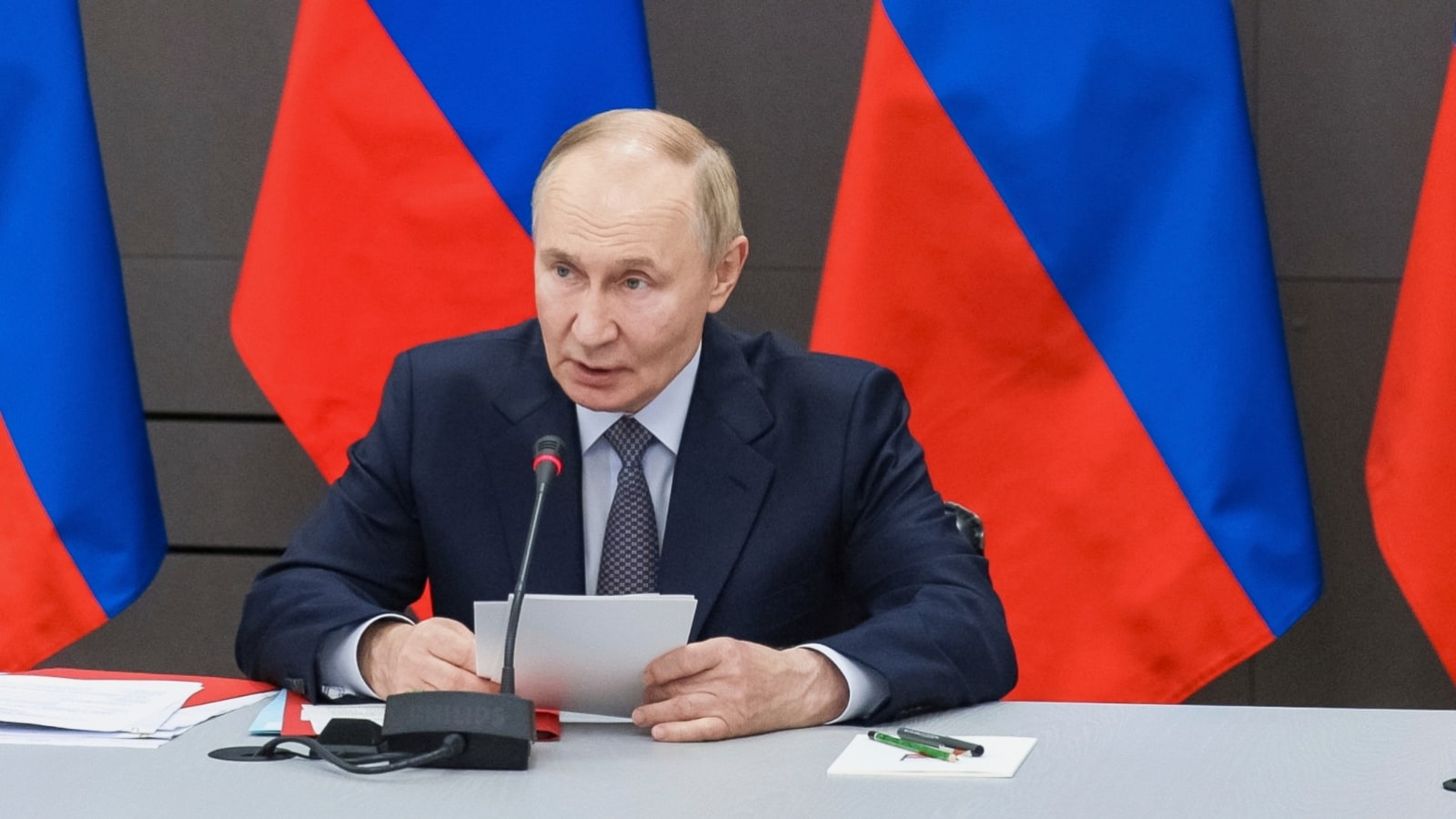
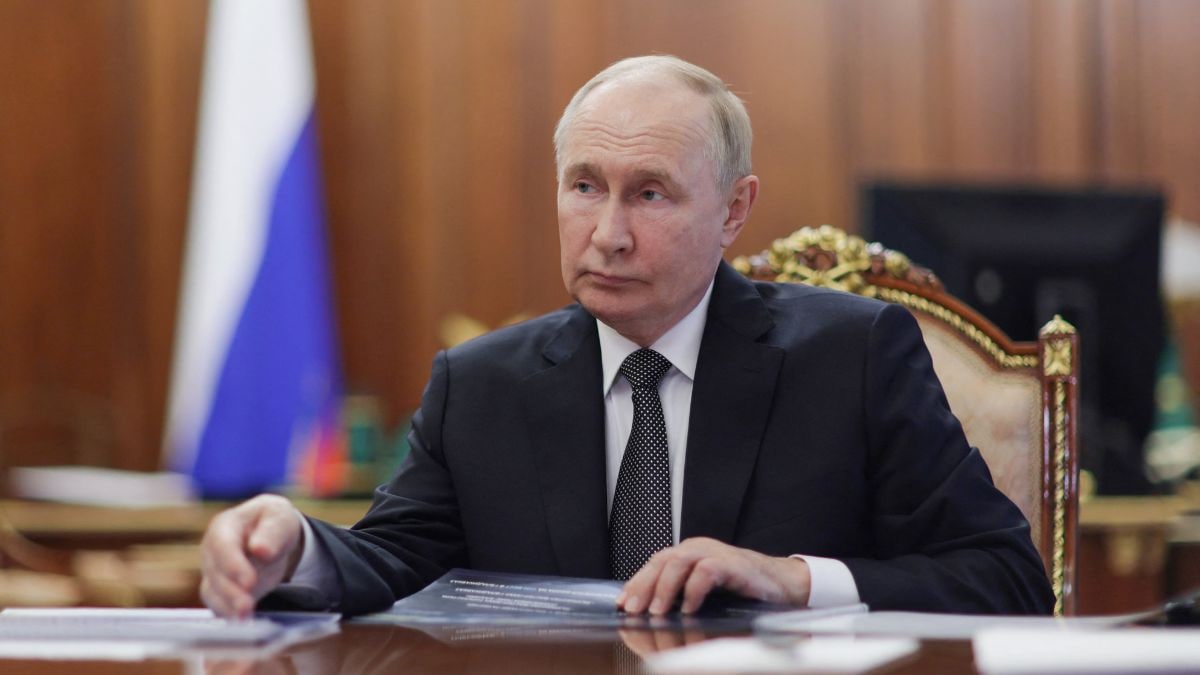
For Putin, this visit serves a symbolic purpose of demonstrating that Russia is not internationally isolated. For Modi, it's an opportunity to showcase India's independent foreign policy approach. The country's strategic positioning allows it to maintain multiple global partnerships simultaneously, a nuanced approach that challenges traditional bipolar geopolitical thinking.
The emerging landscape suggests a profound shift in international relations. Cross-border businesses must recognize that countries can now maintain complex, multidirectional strategic partnerships. This diplomatic flexibility implies increasingly sophisticated trade policies, where traditional alignment models are giving way to more pragmatic, interest-driven negotiations.
Ultimately, India's approach represents a masterclass in geopolitical navigation - leveraging its strategic market and location to command attention from both the White House and the Kremlin. The ability to simultaneously negotiate a trade deal with Washington while extending a warm welcome to Putin signals a new era of diplomatic complexity and strategic independence.
Questions 4
Why is India's diplomatic approach significant for global business?
India demonstrates that countries can maintain multiple strategic partnerships simultaneously, challenging traditional alliance models. This approach suggests more complex, interest-driven international trade negotiations, where geopolitical flexibility becomes a key competitive advantage for businesses.
What motivates Russia's continued engagement with India?
For Russia, the India relationship serves as symbolic evidence that it is not internationally isolated. By maintaining strong defense and economic ties, Russia can demonstrate its continued global relevance despite Western sanctions and geopolitical pressures.