


India's Strategic Tightrope: Navigating Russia and the West in a Multipolar Diplomatic Landscape
- Geopolitical balancing act reveals emerging power dynamics in global trade and diplomacy













Overview
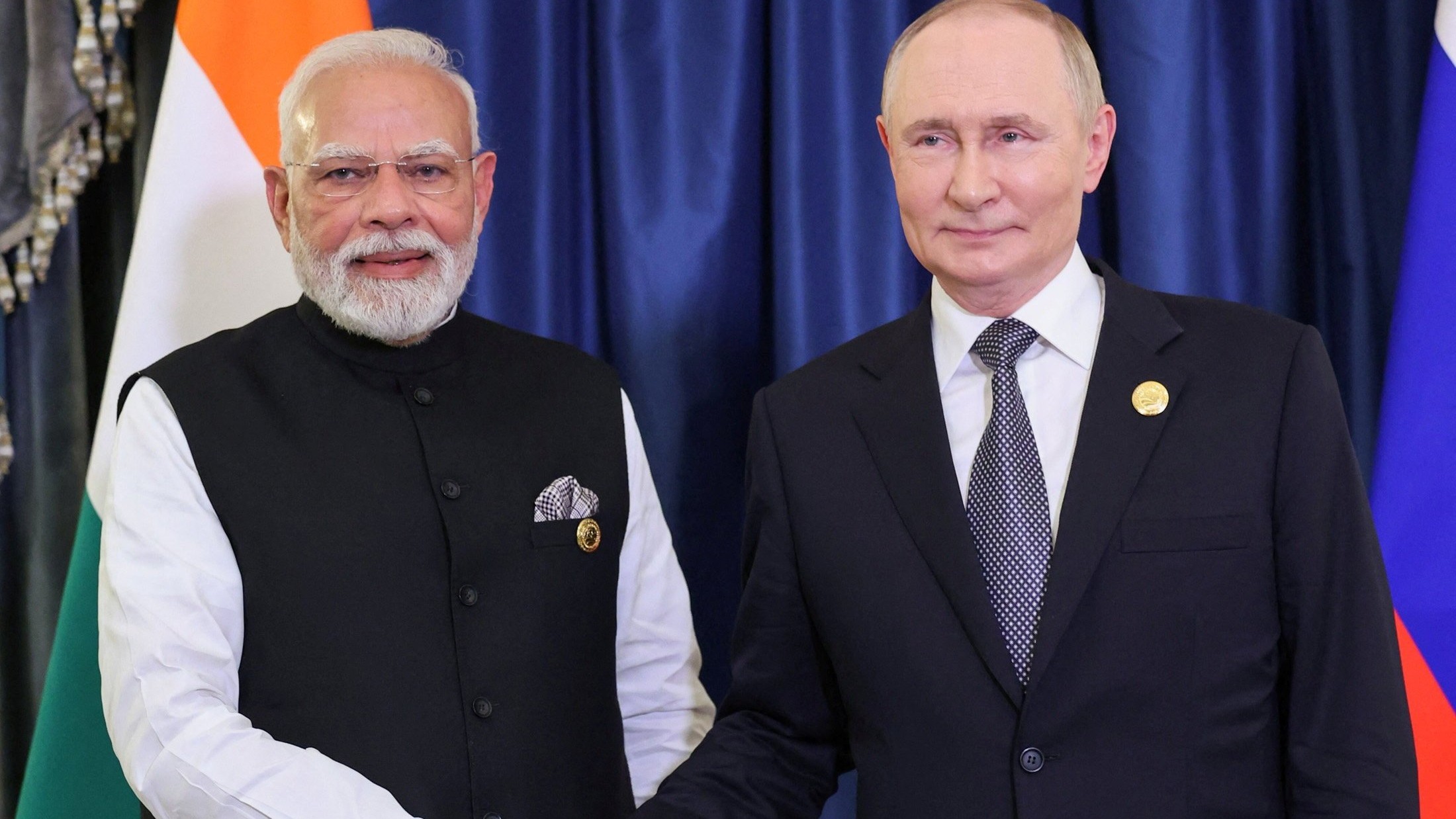
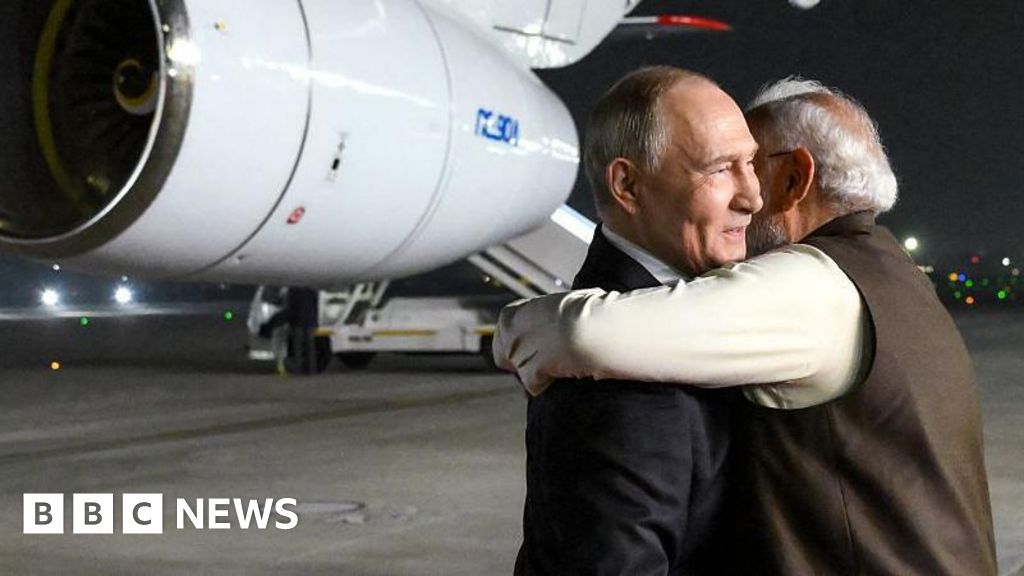
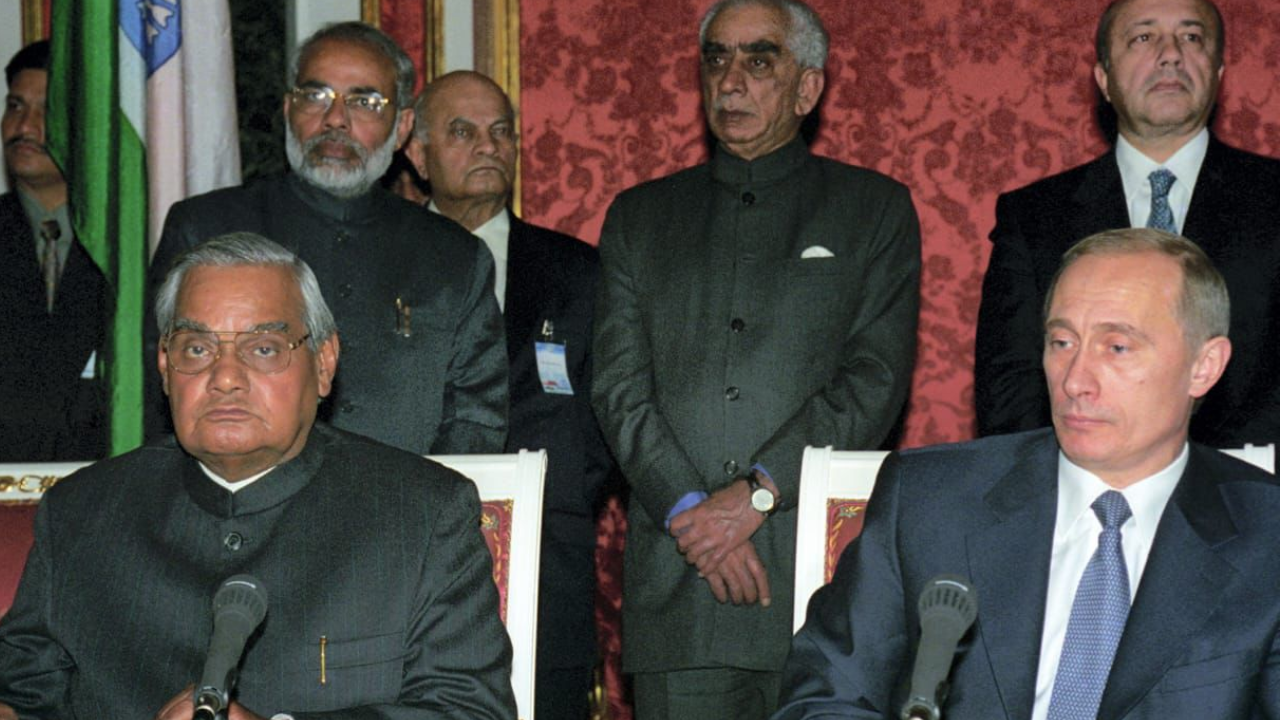
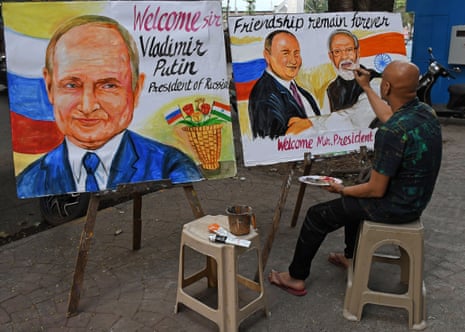
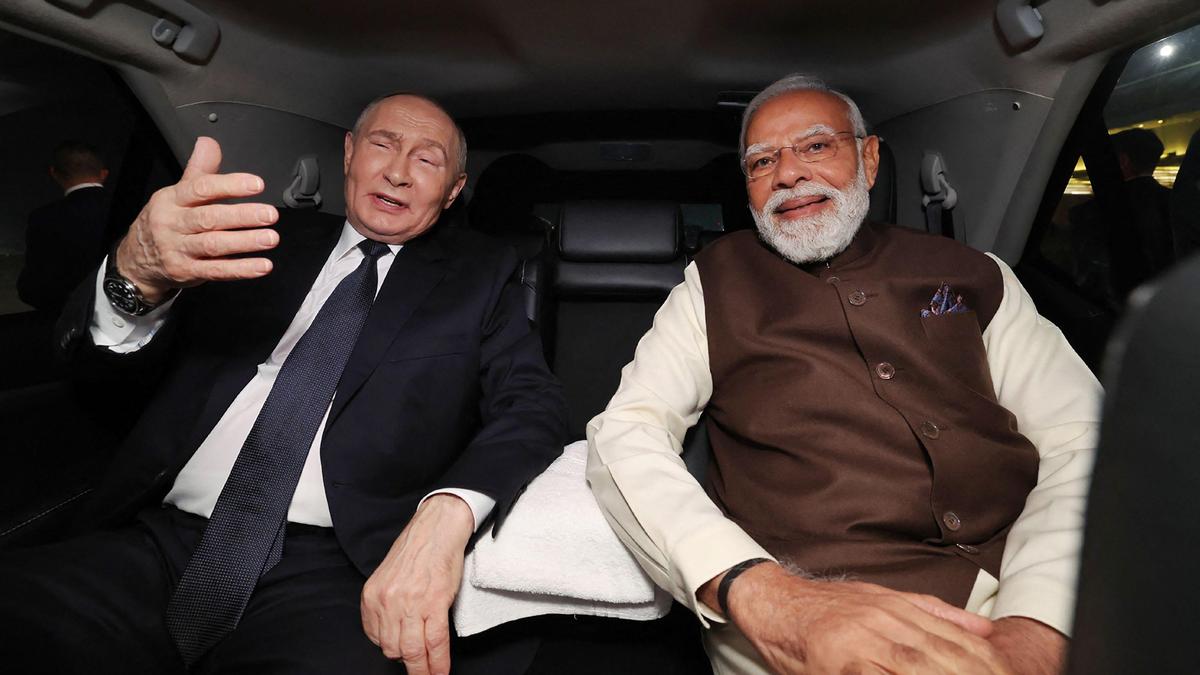
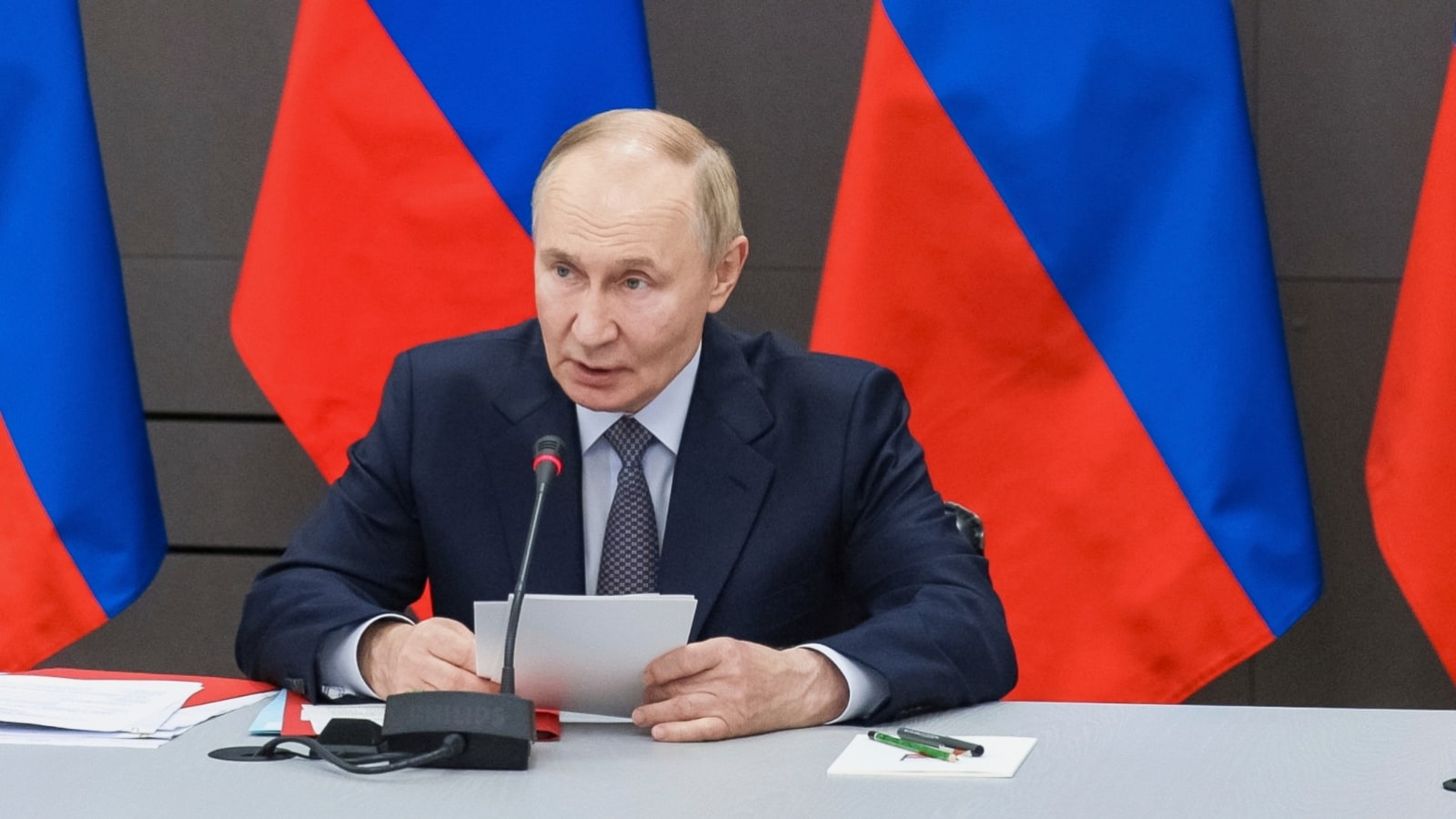
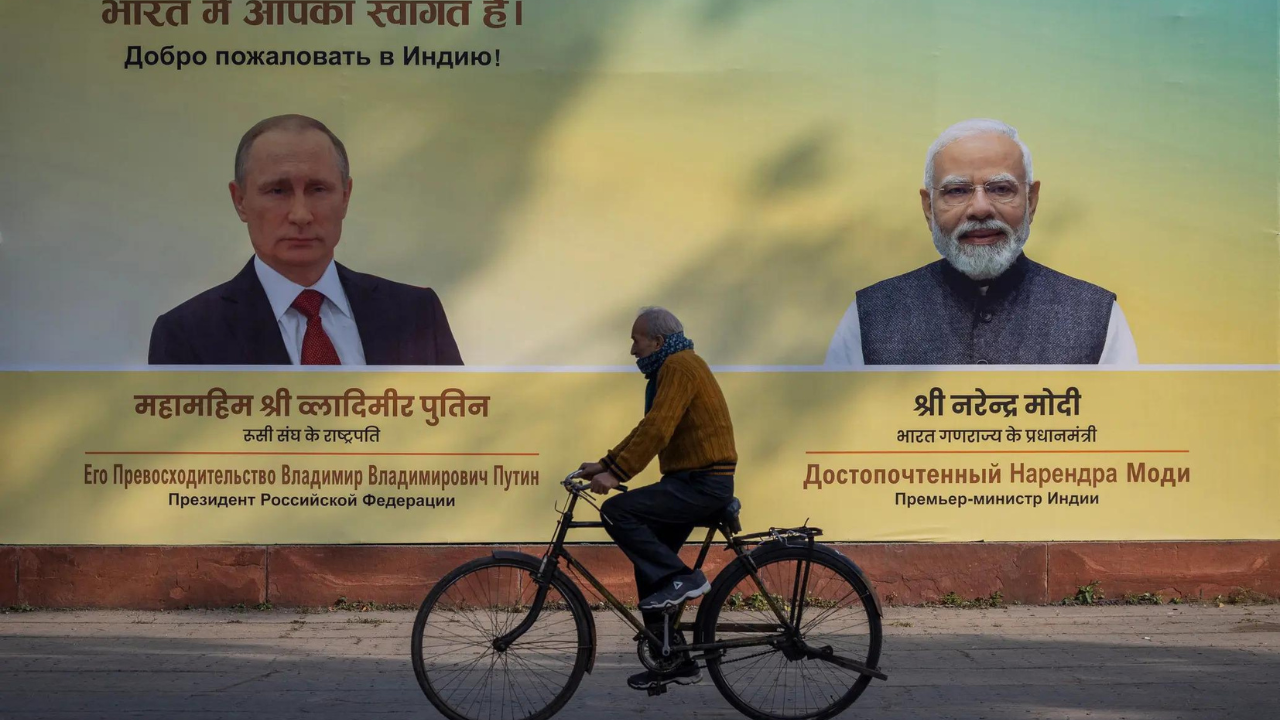
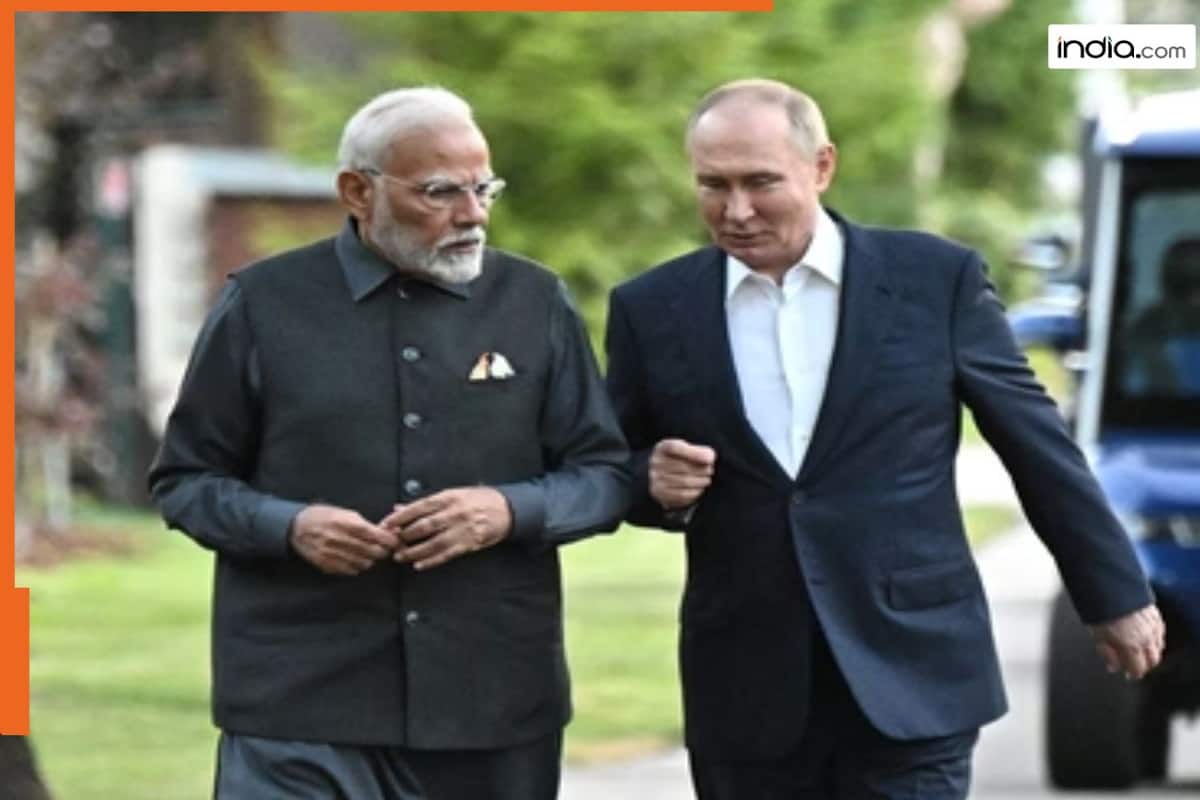
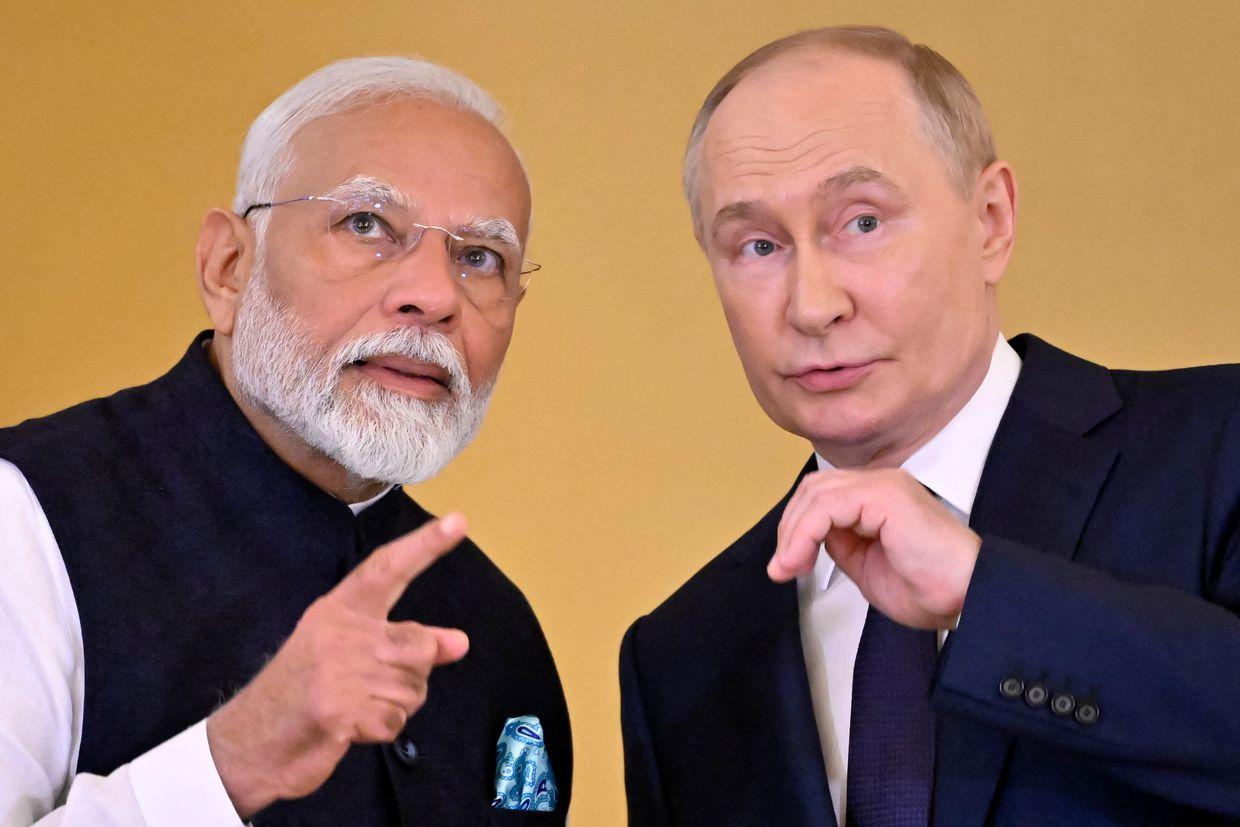
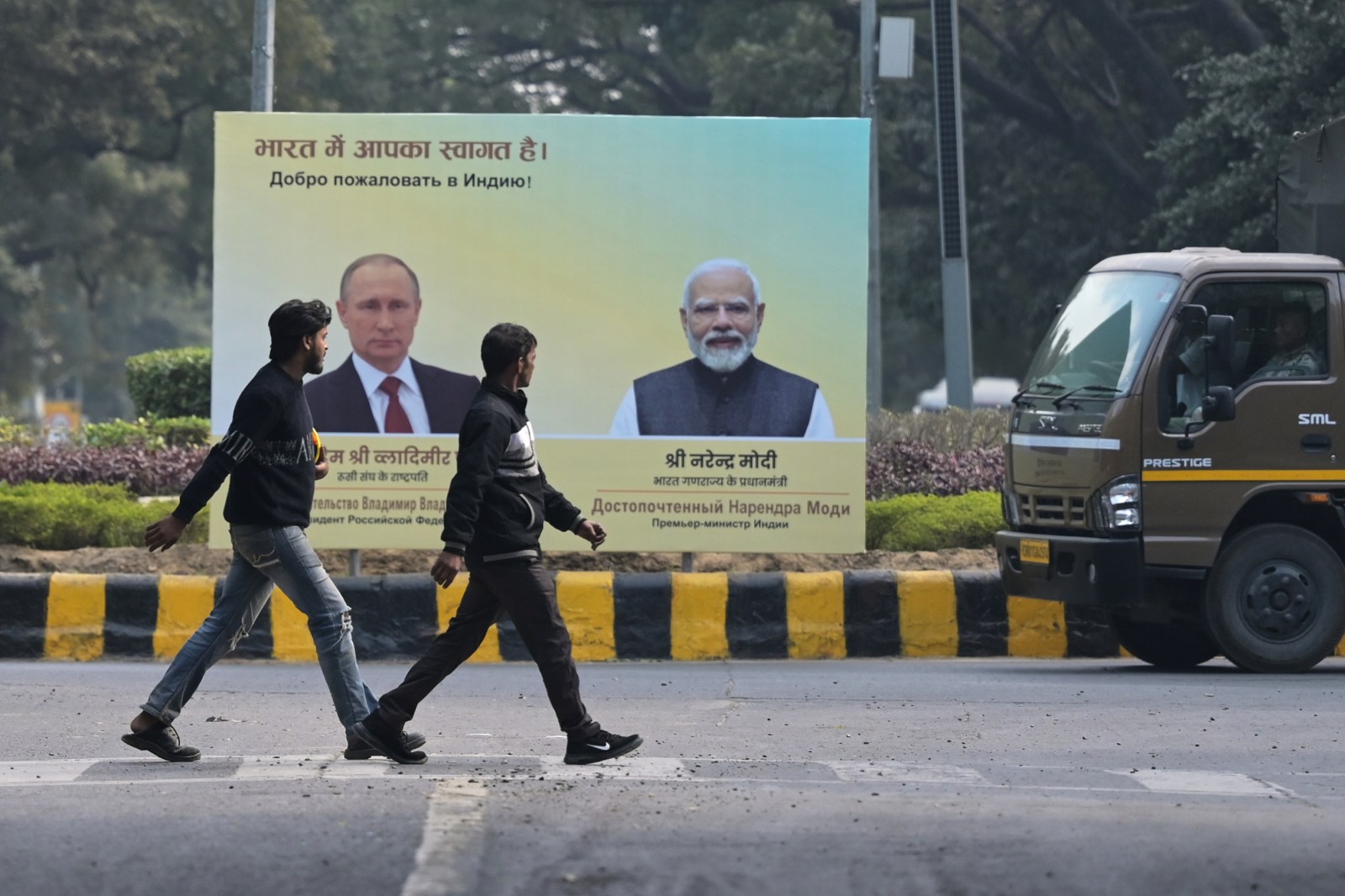
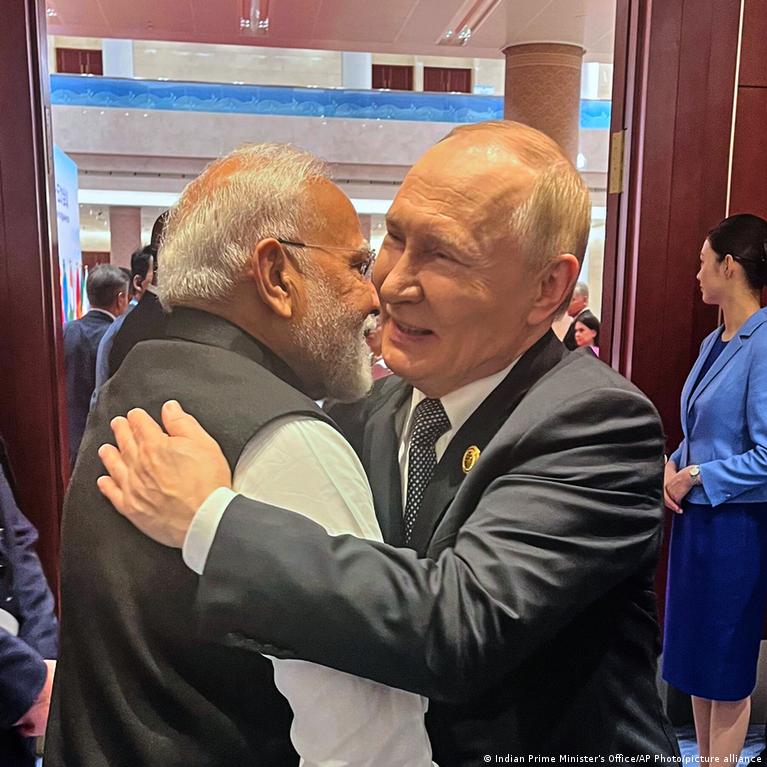
Putin's diplomatic visit to India represents a critical moment in international relations, showcasing the complex geopolitical chess game unfolding in the global arena. At the heart of this strategic encounter lies India's remarkable ability to maintain diplomatic autonomy while carefully navigating between competing global powers.
Bilateral trade dynamics reveal the nuanced nature of this relationship, with a dramatic surge from $8.1 billion in 2020 to $68.72 billion by March 2025. This exponential growth is primarily driven by discounted Russian oil purchases, though India is now strategically moderating these imports to avoid potential US sanctions. The visit underscores a profound diplomatic strategy: India is not choosing sides, but creating its own strategic space.
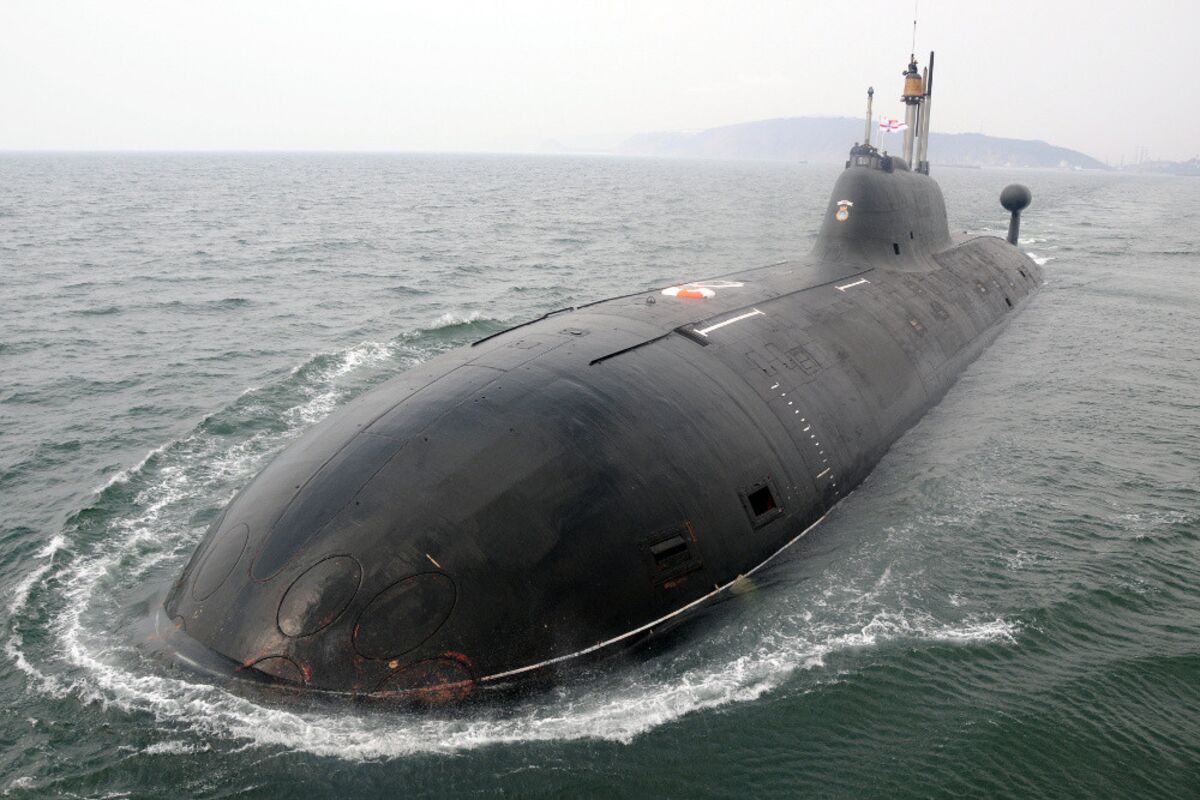
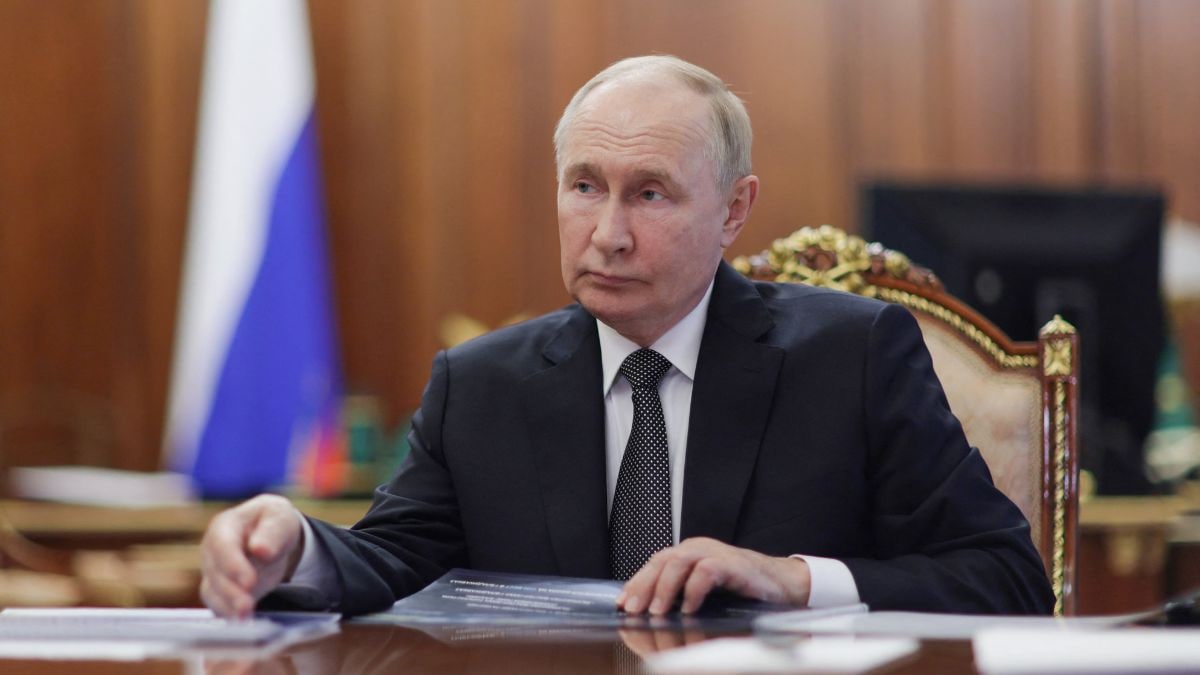
Defense cooperation emerges as a critical pillar of this relationship. India's continued interest in advanced Russian military platforms like the Sukhoi-30 jets and S-500 air defense systems demonstrates a long-term commitment to strategic partnerships that transcend immediate geopolitical tensions. For Putin, this visit is a crucial opportunity to demonstrate that Russia is not internationally isolated, while for Modi, it represents a chance to showcase India's independent foreign policy approach.
The meeting symbolizes a broader trend in multipolar diplomacy - where traditional alliance structures are giving way to more fluid, pragmatic international relationships. India is positioning itself as a strategic actor capable of maintaining complex, sometimes contradictory diplomatic engagements. By balancing relationships with Russia and Western powers, India is essentially creating a new model of international engagement that prioritizes national interests over rigid ideological alignments.
Critically, this diplomatic dance is not just about current geopolitical dynamics, but about shaping the future of international relations. India is signaling its emergence as a significant global power capable of making independent strategic choices, challenging the traditional binary of East versus West.
Questions 3
What are the key economic implications of Putin's visit to India?
The visit highlights a significant bilateral trade increase from $8.1 billion in 2020 to $68.72 billion by March 2025, primarily driven by discounted Russian oil purchases. However, India is now strategically reducing oil imports to avoid potential US sanctions, indicating a nuanced economic strategy that balances immediate financial benefits with long-term geopolitical considerations.
Why is defense cooperation crucial in India-Russia relations?
Defense cooperation remains a cornerstone of the relationship, with India continuing to invest in Russian military platforms like Sukhoi-30 jets and S-500 air defense systems. These strategic acquisitions provide India with advanced military capabilities while maintaining a long-standing partnership that predates current global tensions.