


Health Insurers Struggle to Deliver on Patient-Centric Authorization Promises
- Regulatory pressure mounts as industry fails to meaningfully transform prior authorization processes




Overview
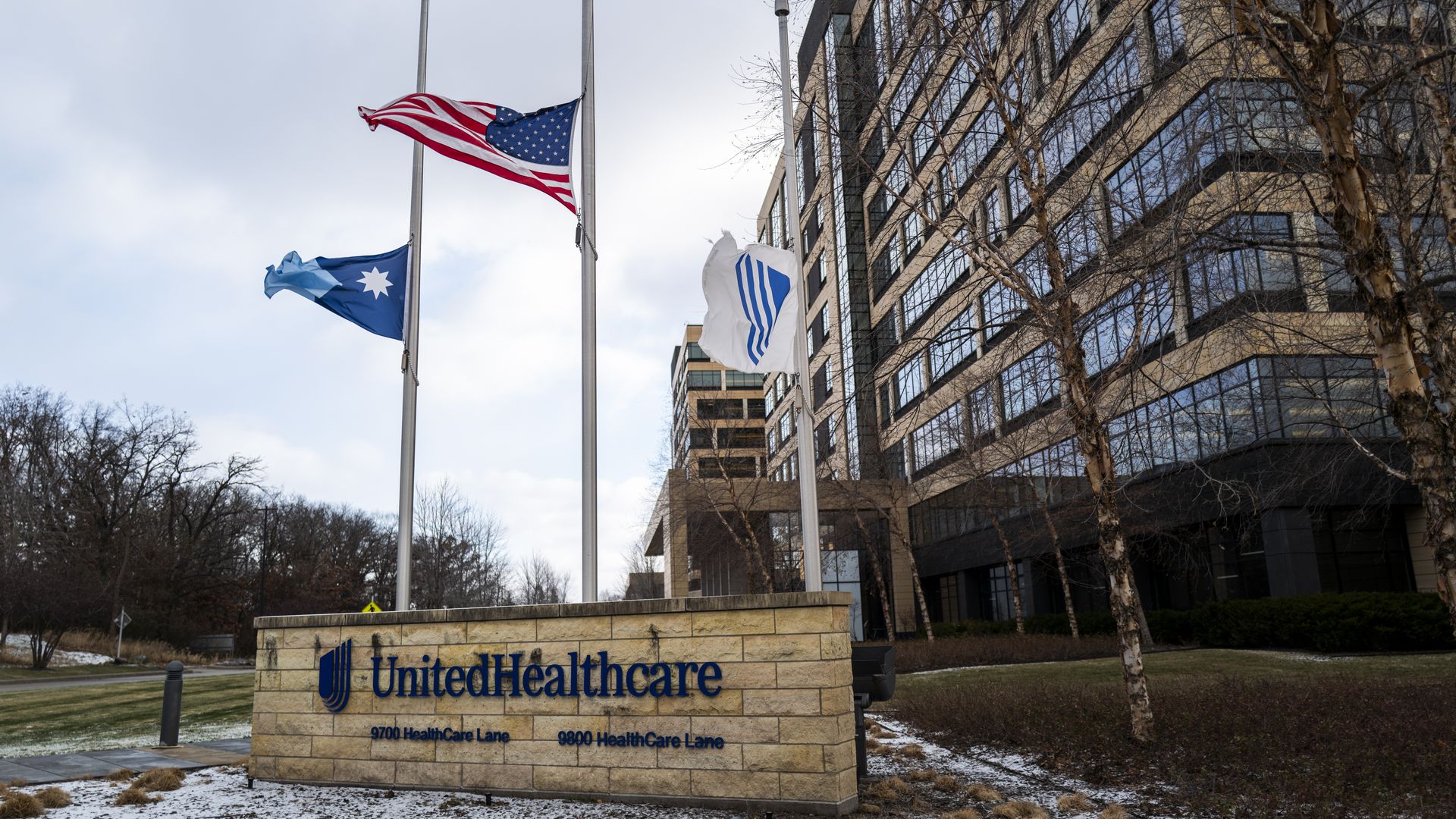
Healthcare insurance's prior authorization landscape is experiencing a critical moment of regulatory scrutiny and patient advocacy, triggered by a tragic incident that exposed systemic inefficiencies in medical claim approvals. The murder of a UnitedHealthcare executive has unexpectedly catalyzed a broader industry reckoning about patient access and administrative barriers.
Major insurers like UnitedHealthcare, Cigna, Humana, and Aetna have publicly committed to streamlining prior authorization processes, yet provider associations report minimal substantive change. The industry's 2026 timeline for reducing preapproval requirements signals a deliberately measured approach that suggests deeper structural resistance to transformation. This incremental strategy reveals the complex regulatory and economic challenges embedded in healthcare administration.
The promised reforms target critical pain points in medical service delivery, including reducing claims requiring preapproval and developing more transparent electronic authorization mechanisms. However, the gap between announcement and implementation highlights a fundamental tension: insurers' operational efficiency versus patient care accessibility. The fact that provider groups detect "little meaningful change" after initial promises underscores the deep-rooted administrative inertia within health insurance systems.
The broader implications extend beyond administrative convenience. These authorization processes represent a critical intersection of healthcare policy, patient rights, and corporate risk management. By slowly adapting their systems, insurers are signaling both responsiveness to public pressure and a calculated approach to systemic transformation. The 2026 timeline suggests a strategic buffer, allowing gradual technological and procedural upgrades while managing potential disruptions to existing revenue models.
Strategic observers should recognize this moment as more than an incremental policy shift. It represents a potential inflection point where patient advocacy, technological innovation, and regulatory pressure converge to challenge long-standing healthcare administrative practices.
Questions 3
How might technological innovation impact prior authorization processes?
Electronic authorization systems promise to streamline claim approvals, reduce administrative overhead, and increase transparency. Insurers are investing in digital platforms that can automate and expedite authorization processes, potentially reducing patient wait times and administrative complexity.
What triggered the current push for prior authorization reforms?
A tragic incident involving the murder of a UnitedHealthcare executive unexpectedly catalyzed industry-wide scrutiny of prior authorization processes. This event highlighted the human cost of administrative barriers and intensified pressure for more patient-centric healthcare administration.