



AI Chip Wars: How Google's TPUs Are Reshaping the Computational Landscape
- Emerging AI infrastructure competition signals massive transformation for global technology ecosystems






















Overview
The artificial intelligence chip market is experiencing a seismic shift, with Alphabet's Tensor Processing Units (TPUs) emerging as a formidable challenger to Nvidia's long-standing semiconductor dominance. This technological battleground represents more than just a hardware competition—it's a strategic reconfiguration of global computational infrastructure that will reshape AI development, cloud computing, and cross-border digital capabilities.
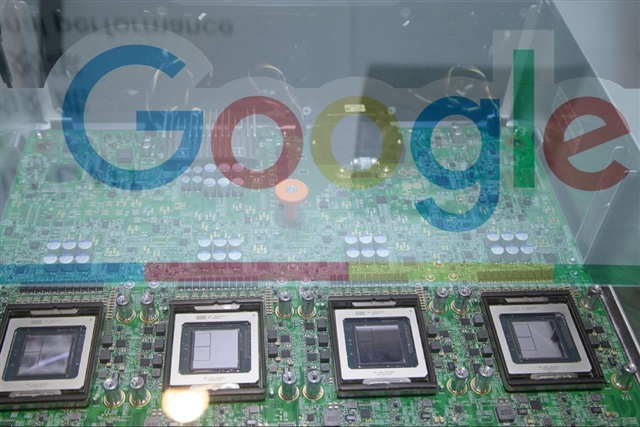
Google's TPU strategy reveals a sophisticated approach to disrupting the AI chip market. By delivering up to 4 times better performance per dollar compared to Nvidia's H100 chips, these specialized processors are not just alternative hardware, but a potential game-changing technology. High-profile deployments by tech giants like Apple, which trained foundation models on 8,192 TPU v4 chips, and Anthropic's secured access to one million TPUs, underscore the growing credibility of this alternative computational platform.
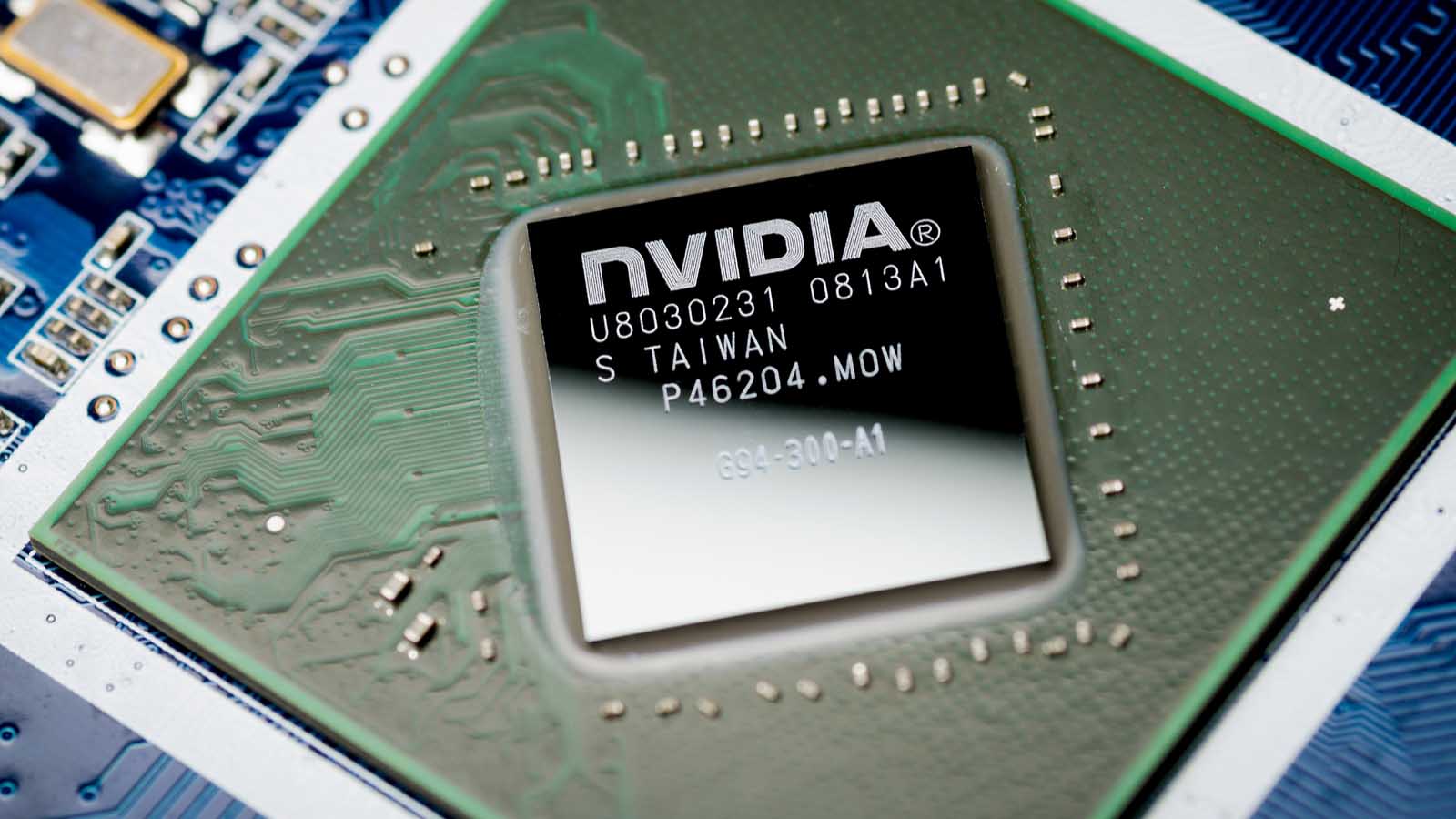
The competitive landscape is fundamentally transforming. While Nvidia remains dominant in model training, Alphabet has successfully positioned TPUs as a credible alternative that could constrain Nvidia's pricing power. The AI chip market's projected growth from $131 billion in 2024 to $642 billion by 2029—with a remarkable 93% CAGR in the generative AI segment—creates a massive opportunity for technological innovation and market disruption.
Critically, the evolving software ecosystem is reducing switching costs. Modern machine learning frameworks like PyTorch and JAX are increasingly abstracting hardware dependencies, allowing customers to evaluate chips primarily on price and performance. This technological abstraction challenges Nvidia's long-standing ecosystem lock-in and opens doors for alternative chip manufacturers.
For cross-border e-commerce and global digital infrastructure, these developments promise transformative improvements. Lower computational costs, enhanced machine learning capabilities, and more accessible AI technologies could revolutionize logistics, translation services, and operational efficiency. The increasing specialization of AI chips represents not just a hardware upgrade, but a fundamental reshaping of computational possibilities.
Questions 3
What implications do these AI chip developments have for cross-border e-commerce?
The advancements in AI chip technology promise significant improvements in operational efficiency, including more sophisticated AI-driven logistics, enhanced translation services, and advanced personalization capabilities. Lower computational costs could enable smaller e-commerce platforms to leverage complex machine learning models previously accessible only to tech giants.
How do Google's TPUs differ from traditional Nvidia GPUs?
Google's TPUs are specialized chips engineered specifically for machine learning computations, offering faster processing, lower energy consumption, and up to 4 times better performance per dollar compared to Nvidia's H100 chips. They're particularly optimized for AI inference workloads, which makes them more cost-effective for large-scale machine learning applications.