



Drone Warfare Reshapes Eastern European Geopolitical and Economic Landscape
- Unprecedented long-range drone strikes signal new era of technological warfare impacting cross-border business strategies























Overview
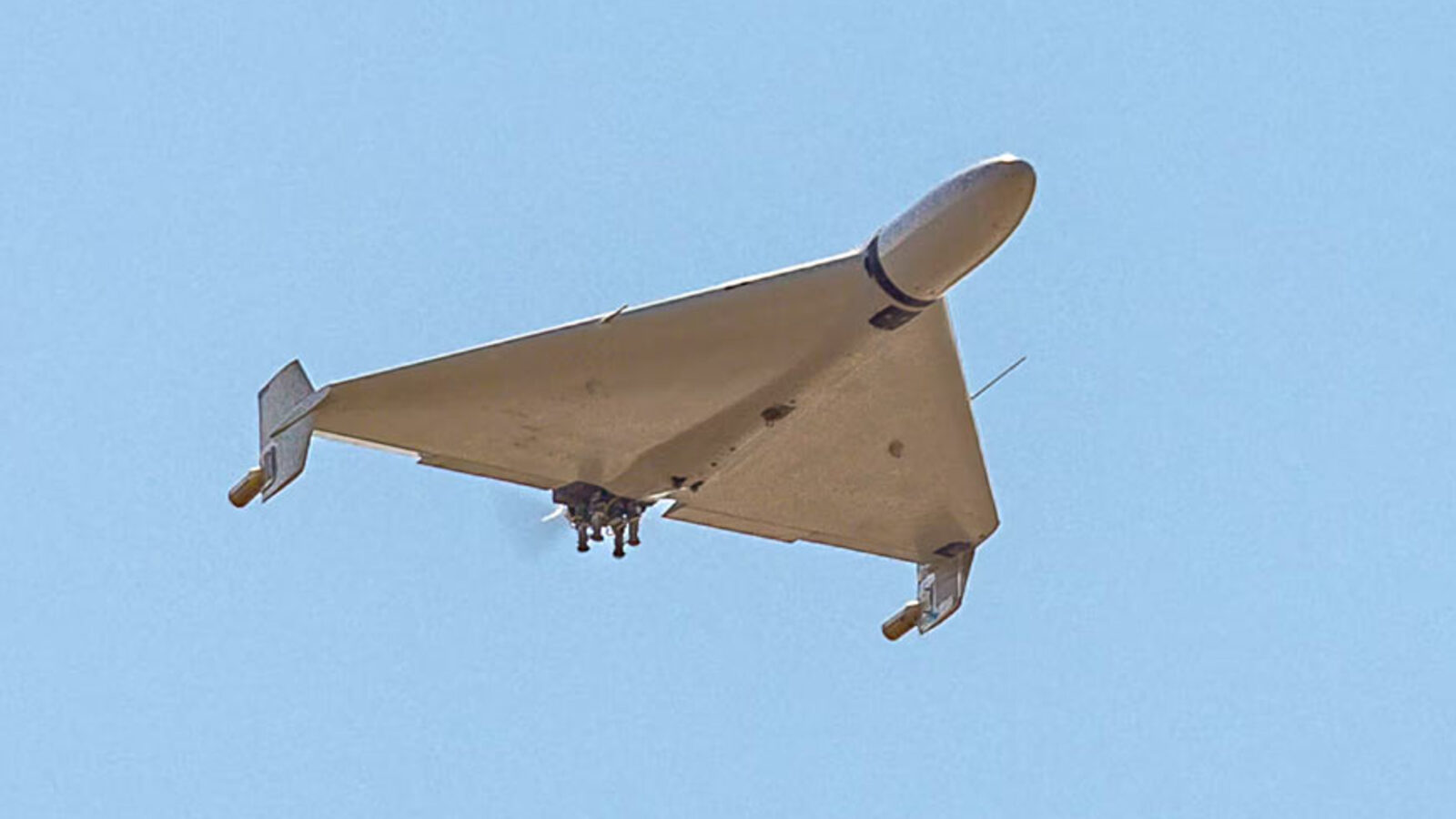
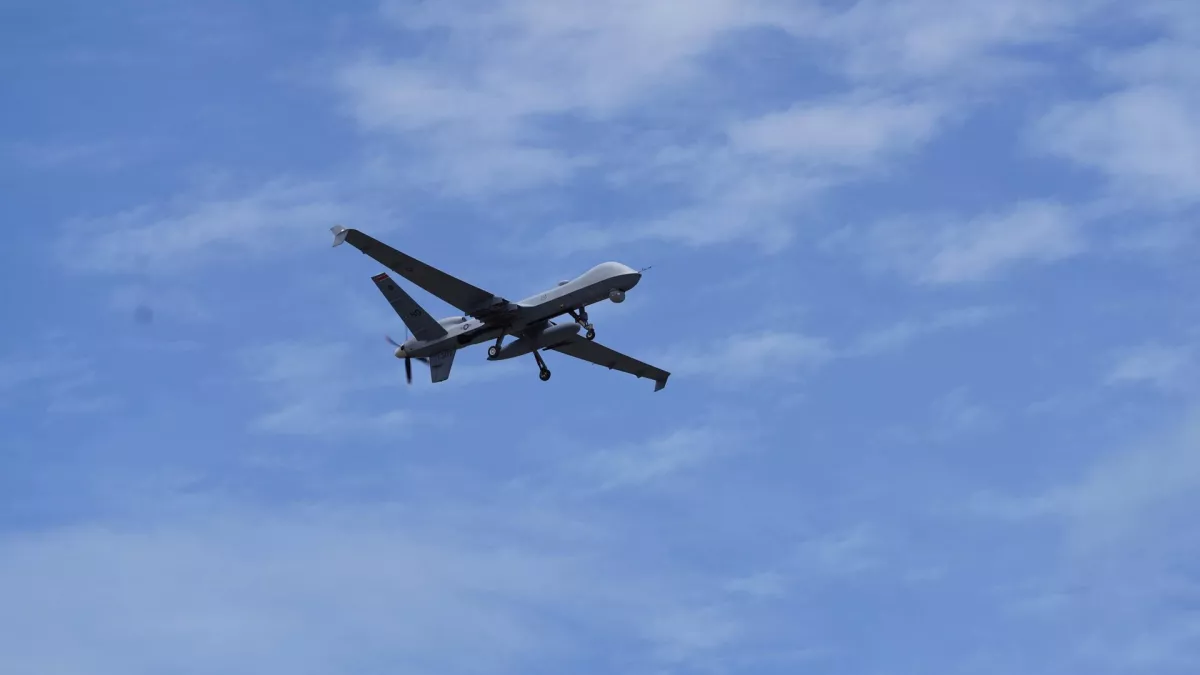
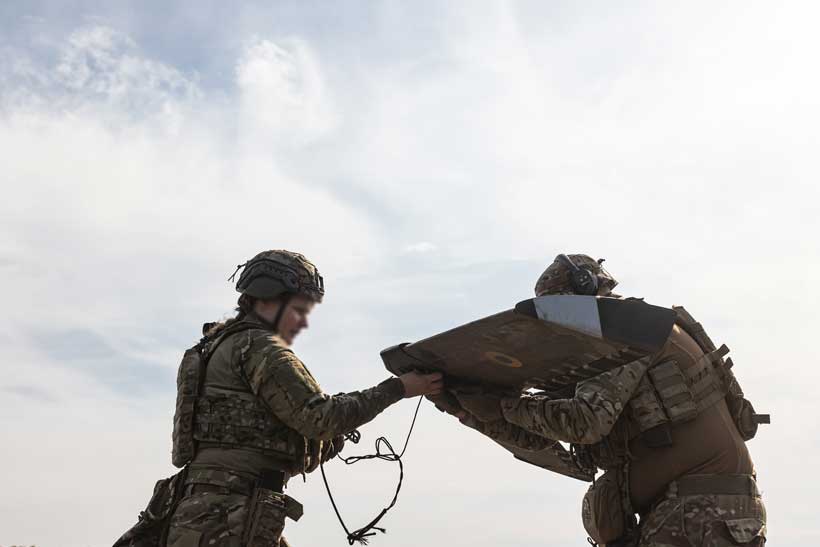
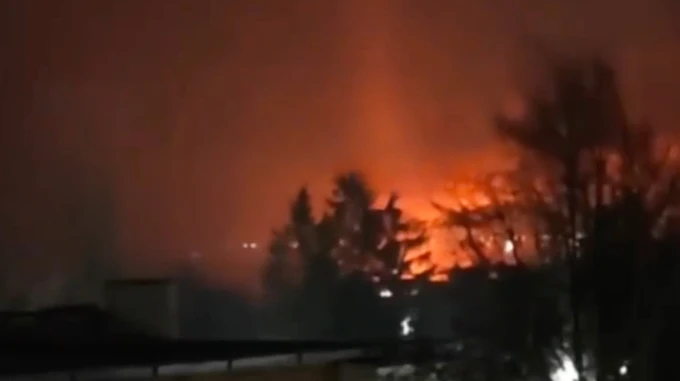
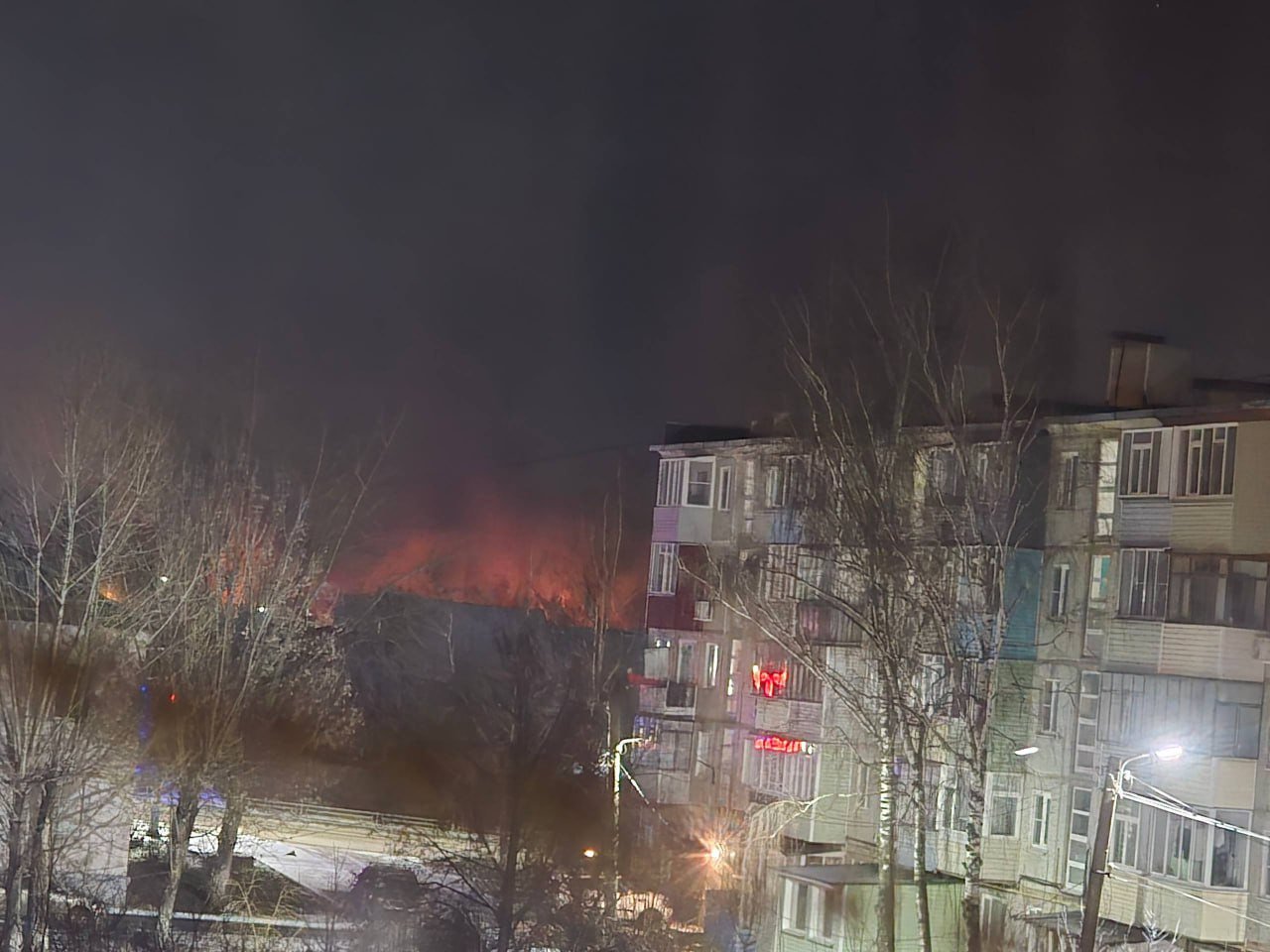
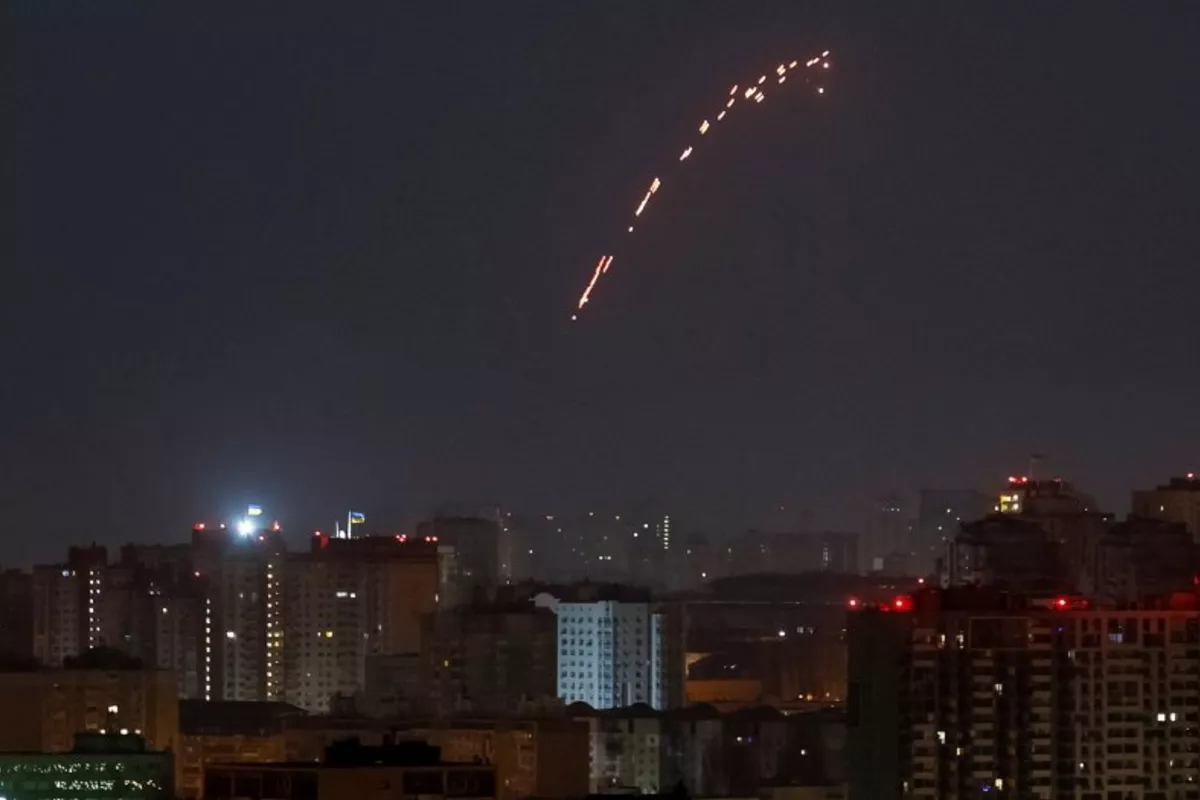
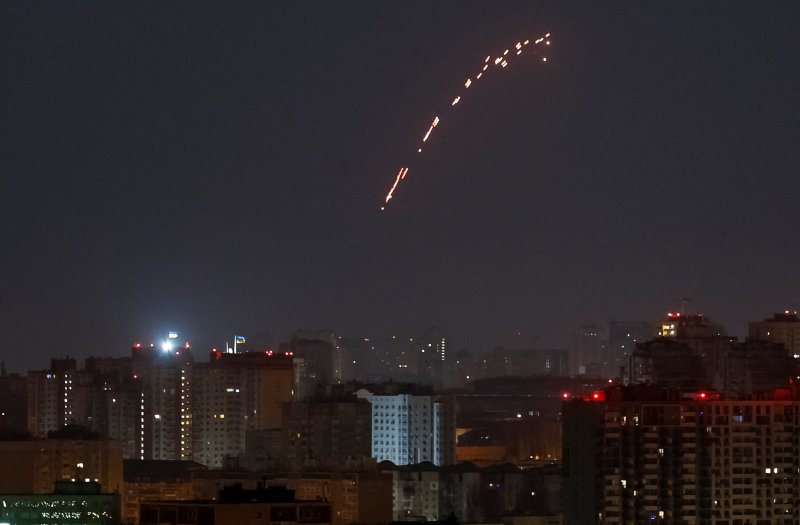
The escalating Russia-Ukraine conflict has entered a transformative phase characterized by technological precision warfare that fundamentally challenges traditional military and economic paradigms. On December 24, 2025, Ukrainian forces demonstrated unprecedented drone strike capabilities, launching sophisticated long-range operations that penetrated deep into Russian territory—covering distances up to 1,250 kilometers and targeting critical industrial infrastructure.
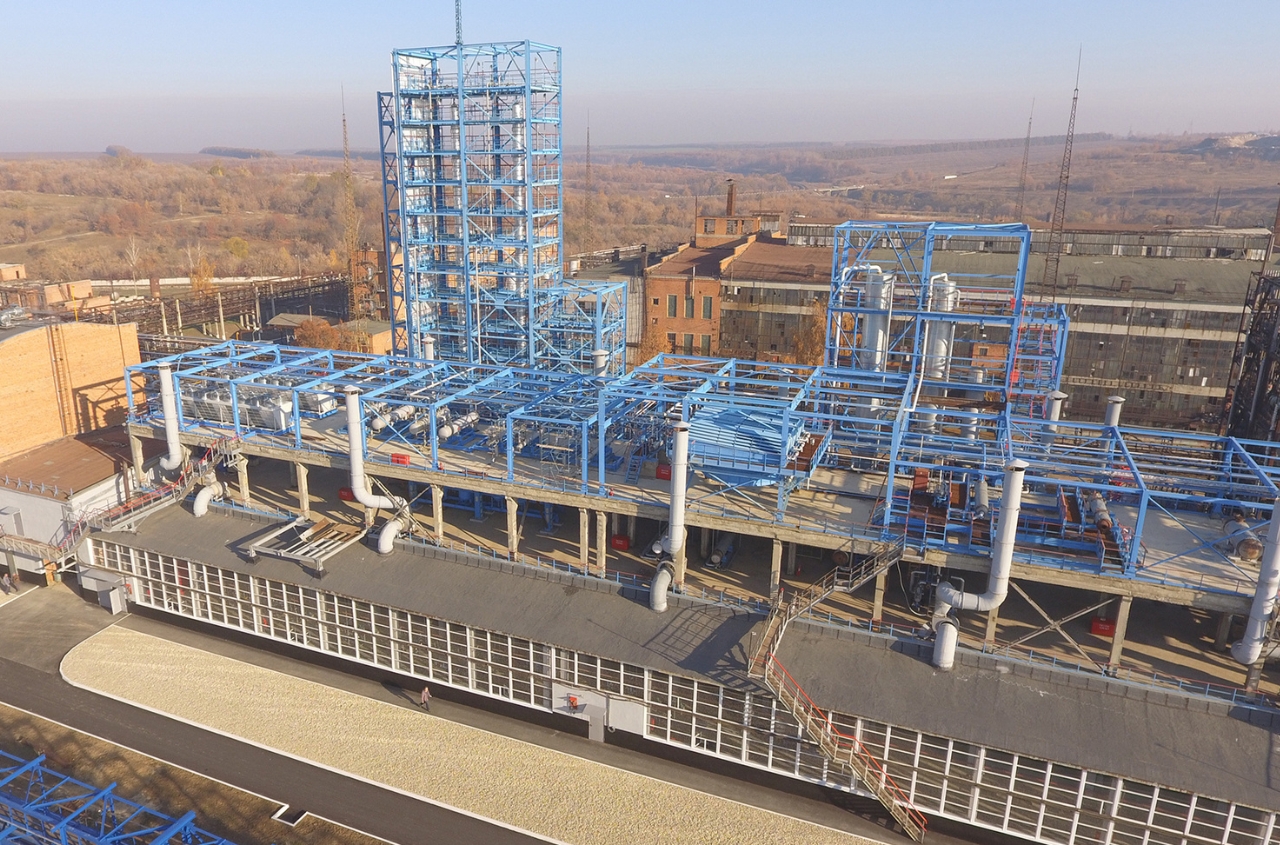
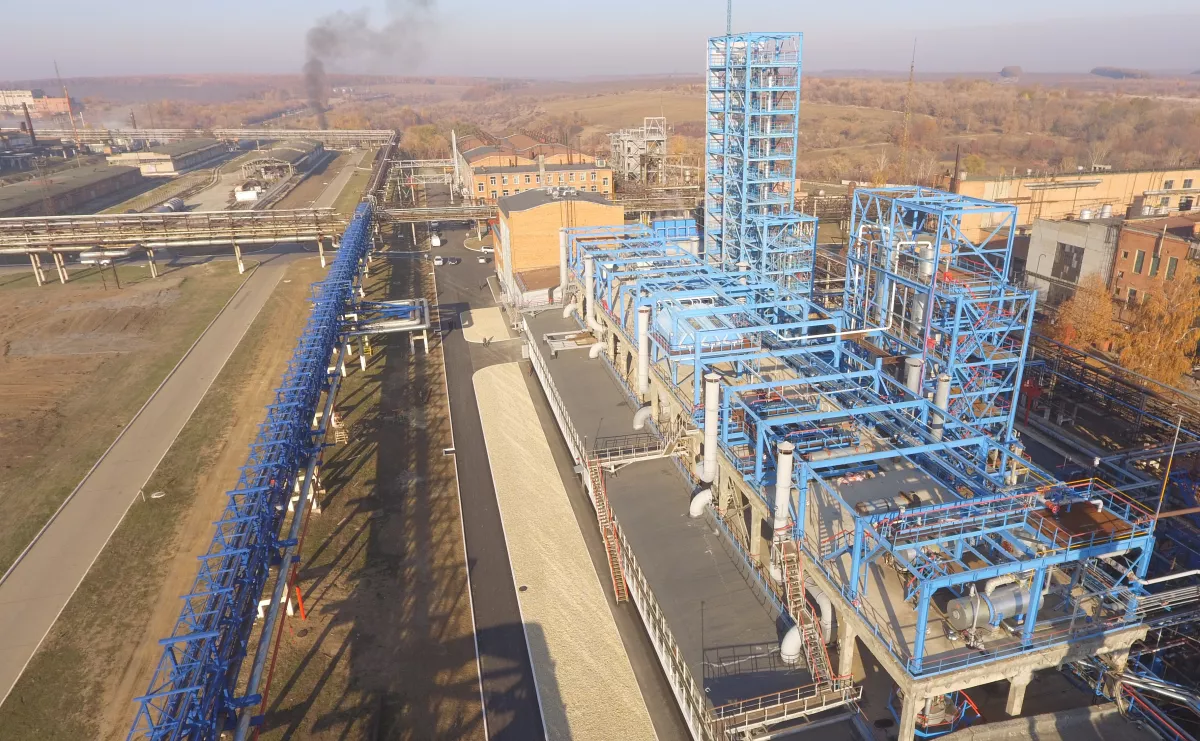
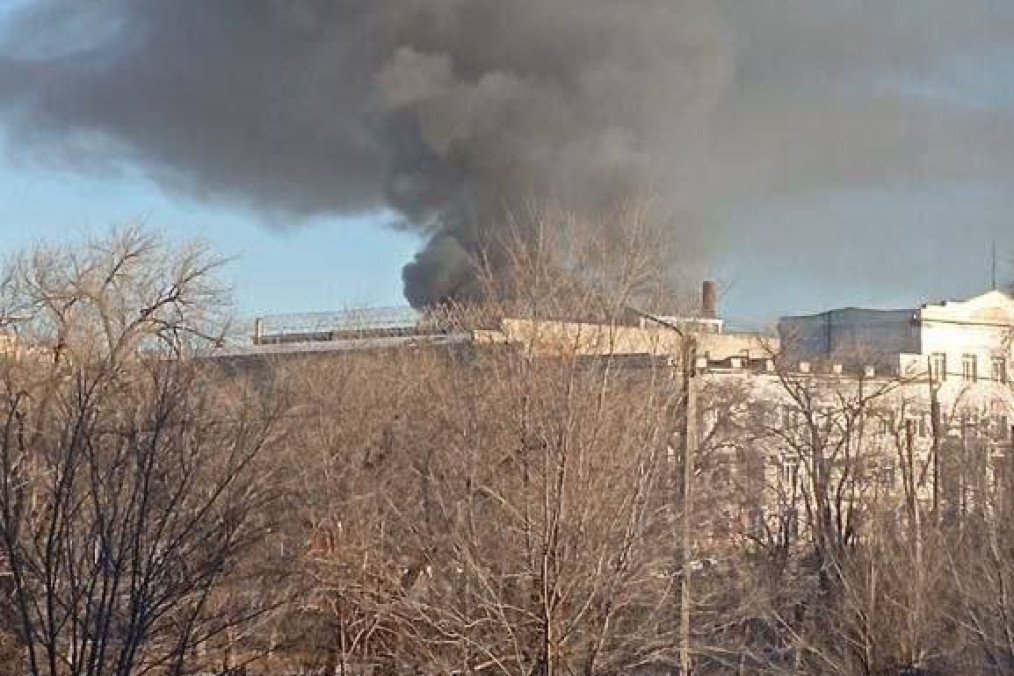
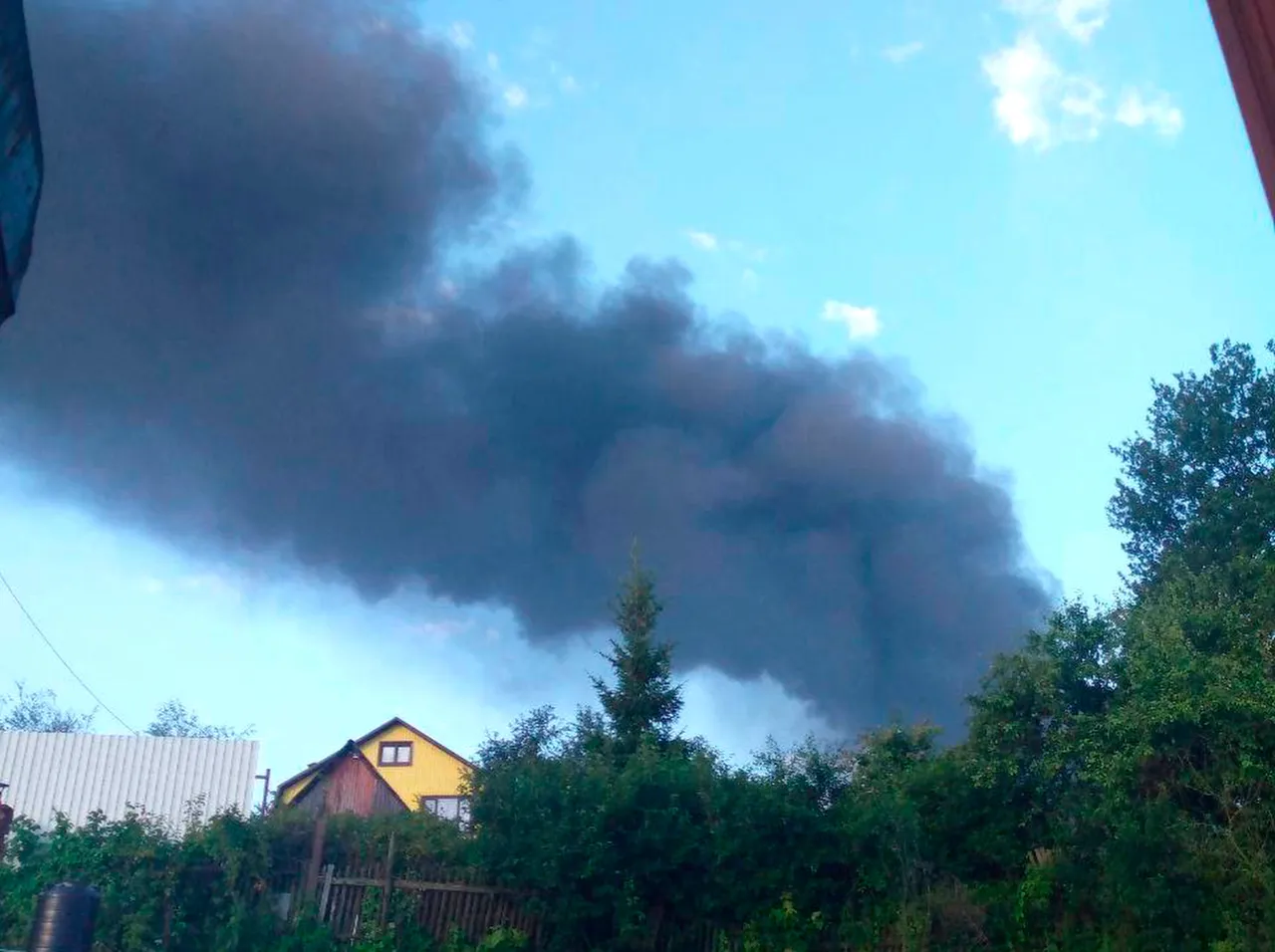
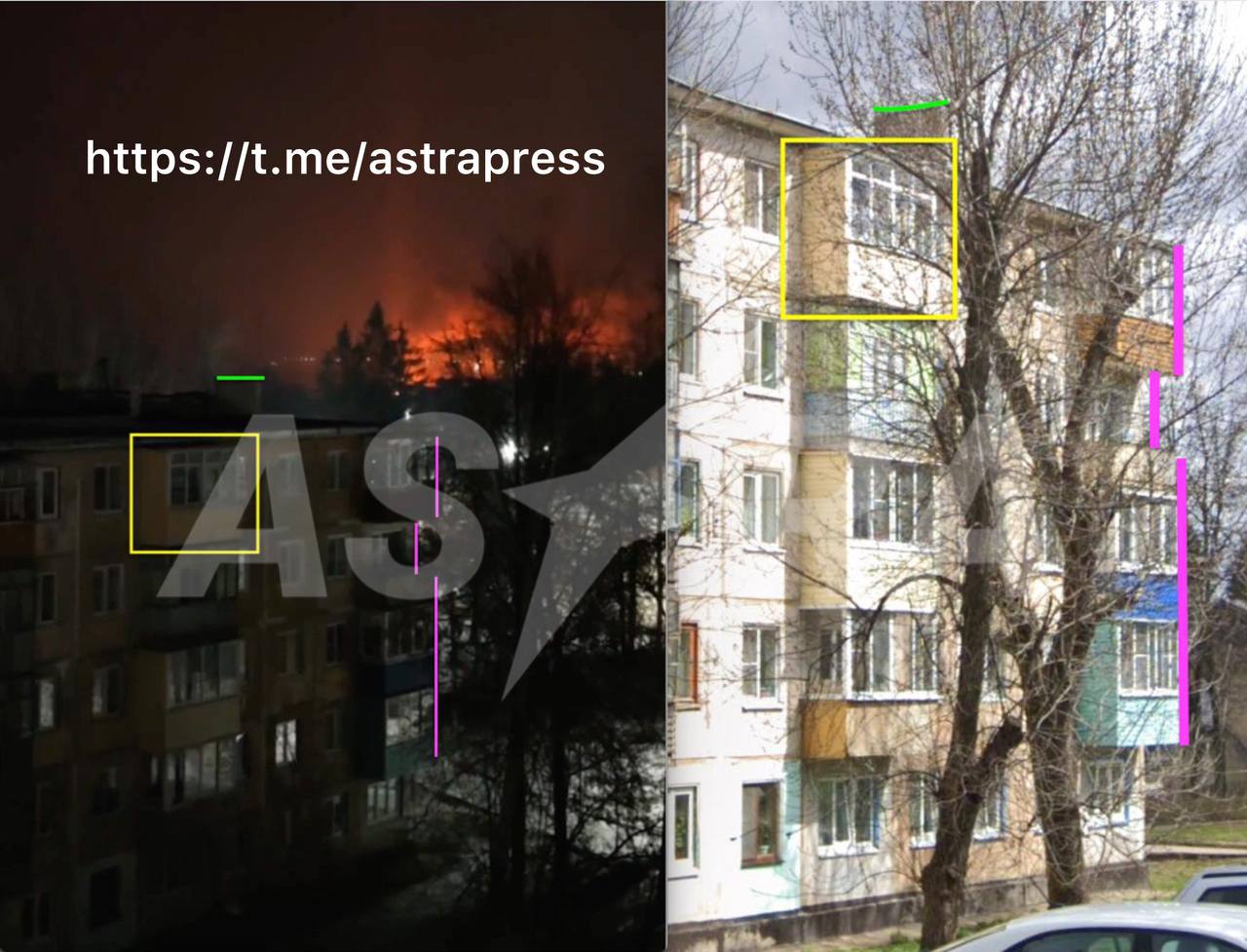
The strategic strikes reveal a nuanced approach to warfare that goes beyond traditional military confrontation. By systematically targeting military-industrial facilities like the Yefremov Synthetic Rubber Plant, which produces components for plastic explosives and solid rocket fuel, Ukraine is employing a surgical strategy of economic attrition. The attacks simultaneously disrupt Russia's military production capabilities and create significant economic uncertainty.
The drone operations showcase remarkable technological advancement, with Ukrainian forces successfully navigating complex geopolitical and technological challenges. The Russian Defense Ministry reported intercepting 132 drones across multiple border regions, with 16 specifically targeted towards Moscow. This demonstrates an emerging battlefield where technological precision becomes as critical as traditional military strength.
For cross-border businesses, these developments signal a profound shift in regional risk assessment. The conflict has transformed from a traditional territorial dispute into a complex technological chess match that directly impacts international supply chains, logistics routes, and regional economic stability. Companies operating in Eastern European markets must now integrate sophisticated geopolitical risk monitoring into their strategic planning, developing adaptive strategies that can respond to rapidly evolving technological and military landscapes.
The broader implications extend beyond immediate military confrontation. These drone strikes represent a new form of asymmetric warfare where technological innovation can neutralize traditional power differentials. For international businesses, this means developing more resilient, flexible supply chain strategies that can quickly adapt to sudden geopolitical disruptions.
Questions 3
What risks do these developments pose for international businesses?
Businesses must now integrate sophisticated geopolitical risk monitoring into their strategic planning. This includes developing flexible supply chain strategies, maintaining multiple sourcing options, and creating rapid response protocols for sudden regional disruptions. The conflict shows that technological innovations can rapidly alter regional economic landscapes.
Why are industrial facilities becoming primary targets in modern conflicts?
Targeting industrial infrastructure like the Yefremov Synthetic Rubber Plant represents a strategy of economic attrition. By disrupting facilities that produce dual-use materials for military equipment, combatants can significantly degrade the opponent's long-term military and economic capabilities without direct territorial conquest.