


Geopolitical Tensions Escalate: Russia-Ukraine Conflict Signals Deepening Instability
- Strategic Risks Mount for International Business Operations in Volatile Regional Landscape






Overview
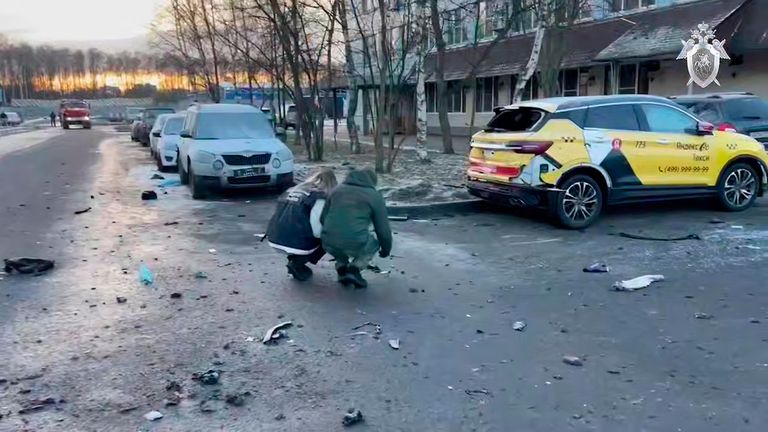
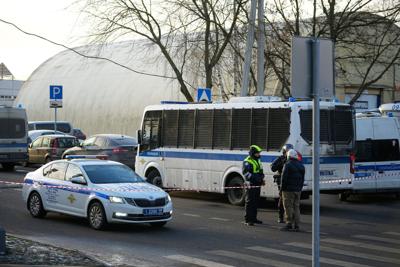
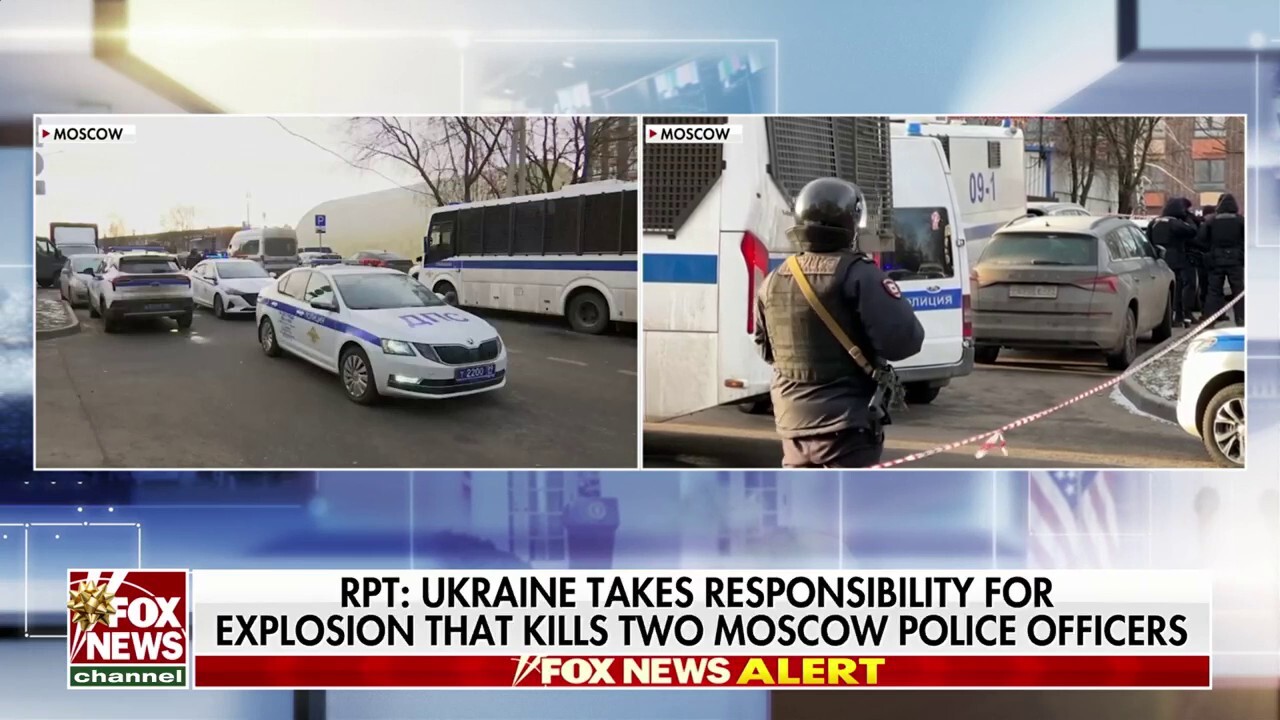
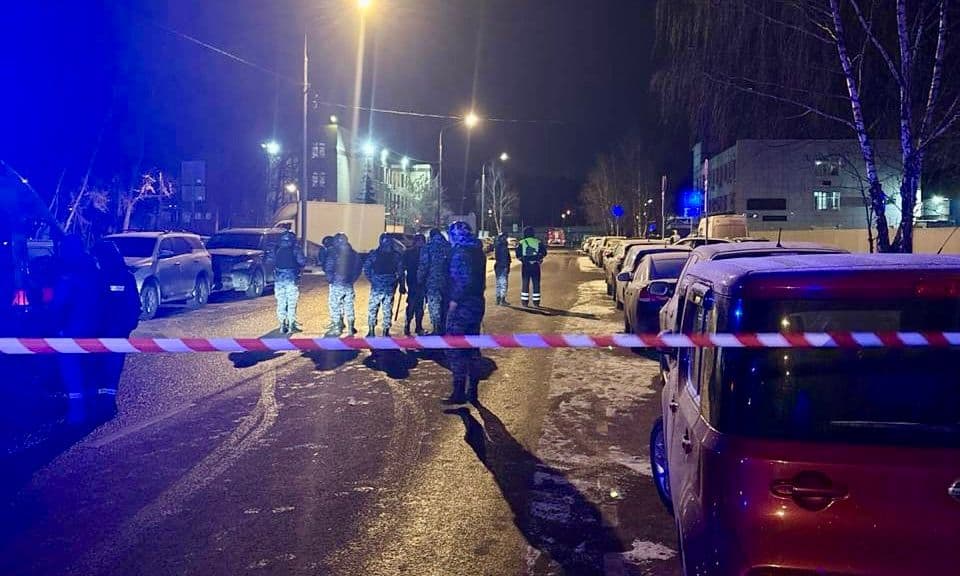
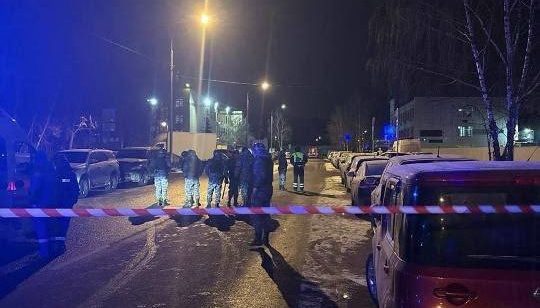
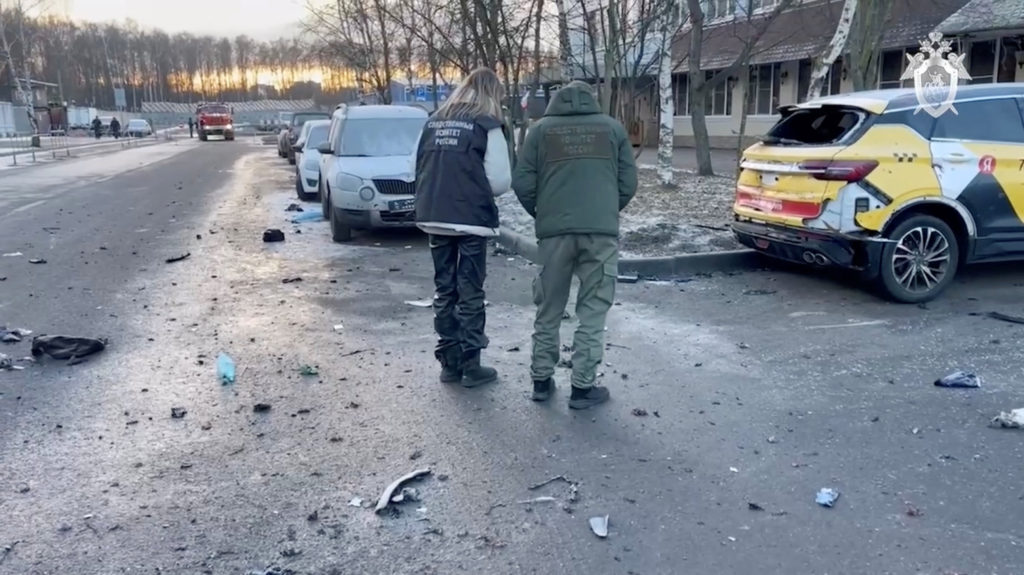
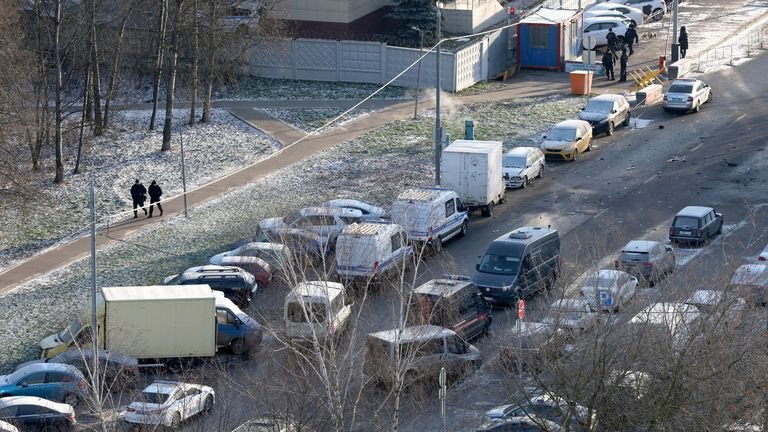
The Moscow bombing incident represents a critical inflection point in the ongoing Russia-Ukraine geopolitical conflict, revealing deeper layers of strategic instability that extend far beyond immediate military tensions. On December 24, 2025, a targeted explosion near a southern Moscow police station—approximately 1,000 feet from a previous high-profile assassination site—underscores the escalating complexity of regional security dynamics.
Geopolitical Risk Amplification emerges as the core narrative. The bombing, which killed three individuals including two police officers, follows the earlier assassination of Lt. Gen. Fanil Sarvarov, suggesting a sophisticated and deliberate pattern of targeted violence. Russian investigators' initial speculation about potential Ukrainian intelligence involvement signals a dangerous escalation of asymmetric conflict strategies.
For international businesses, this incident transcends immediate security concerns. The strategic implications are profound: cross-border operations now face unprecedented uncertainty. Companies with interests in Russian markets must recognize that geopolitical volatility is no longer a peripheral risk but a central operational consideration. The bombing demonstrates how localized incidents can rapidly transform into systemic disruptions, potentially impacting trade logistics, supply chain reliability, and market access.
The broader context reveals a multifaceted conflict landscape where traditional boundaries between military, intelligence, and economic domains are increasingly blurred. E-commerce and international trade entities must develop adaptive risk management frameworks that can rapidly respond to sudden geopolitical shifts. This means not just monitoring political developments, but building resilient operational models that can withstand unexpected regional tensions.
Critically, the incident signals a transition from conventional conflict to more nuanced, high-impact strategic interventions. The precision and location of these attacks suggest a calculated approach designed to create psychological and operational uncertainty, challenging traditional risk assessment models used by multinational corporations.
Questions 3
How might this bombing impact international business operations in Russia?
The incident signals increased operational risks for businesses, requiring enhanced security protocols, more robust contingency planning, and potentially reassessing market engagement strategies. Companies should expect potential disruptions in logistics, heightened compliance requirements, and increased insurance costs.
What are the potential long-term strategic implications of this bombing?
This attack suggests a shift towards more targeted, high-impact conflict strategies that blur military and intelligence boundaries. It indicates potential escalation of asymmetric conflict methods, which could lead to increased unpredictability in Russia-Ukraine relations and broader geopolitical dynamics.