


Brazil's Political Earthquake: Bolsonaro's Medical Reprieve Reveals Deeper Institutional Tensions
- Signals a complex power transition with profound implications for Brazil's political and economic stability
























)



Overview
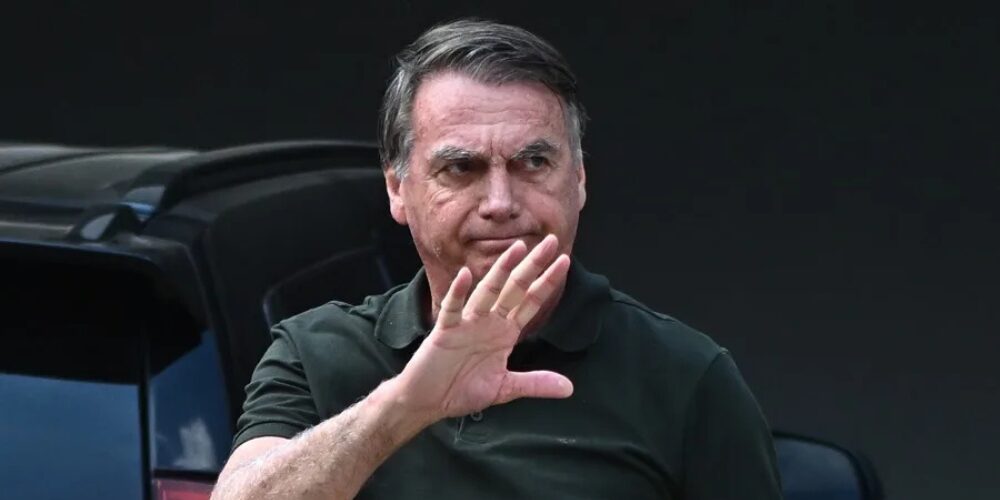
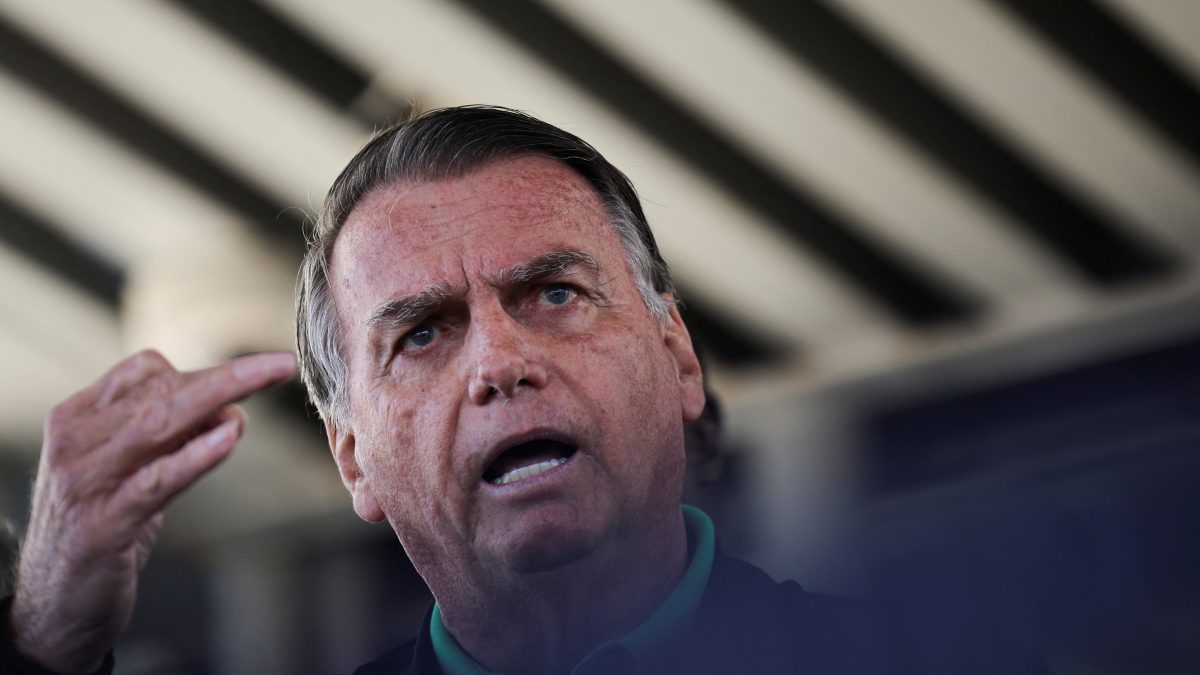
Brazil's political landscape is experiencing a seismic shift through the intricate legal and medical drama surrounding former president Jair Bolsonaro. The Supreme Court's decision to allow Bolsonaro a temporary medical release for hernia surgery represents more than a routine medical procedure—it's a microcosm of the country's profound institutional tensions and ongoing political transformation.
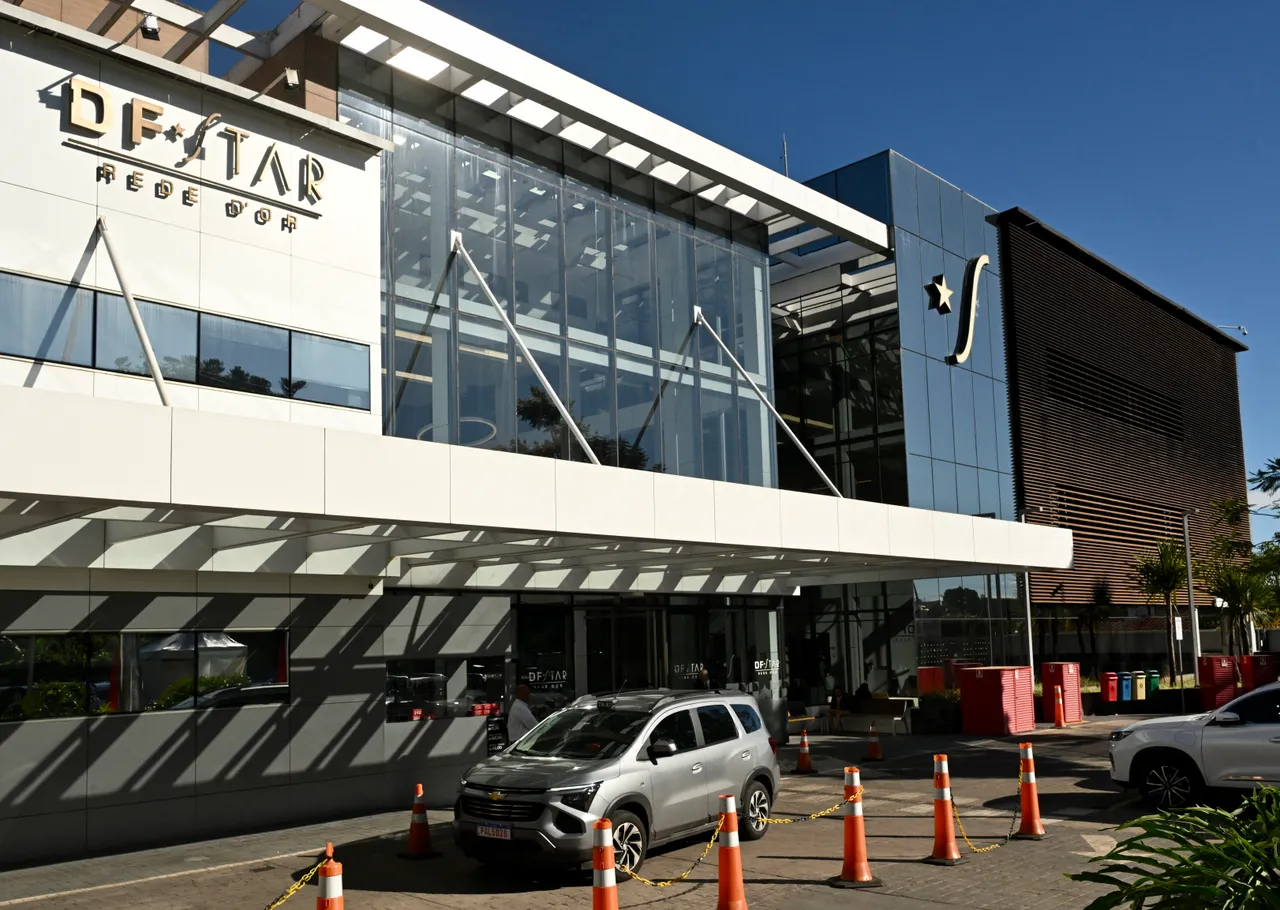
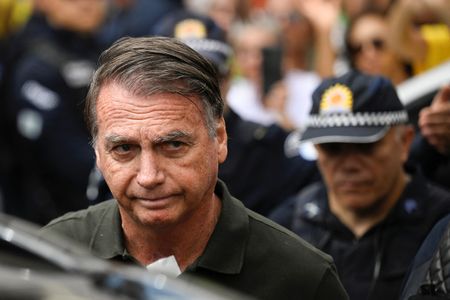
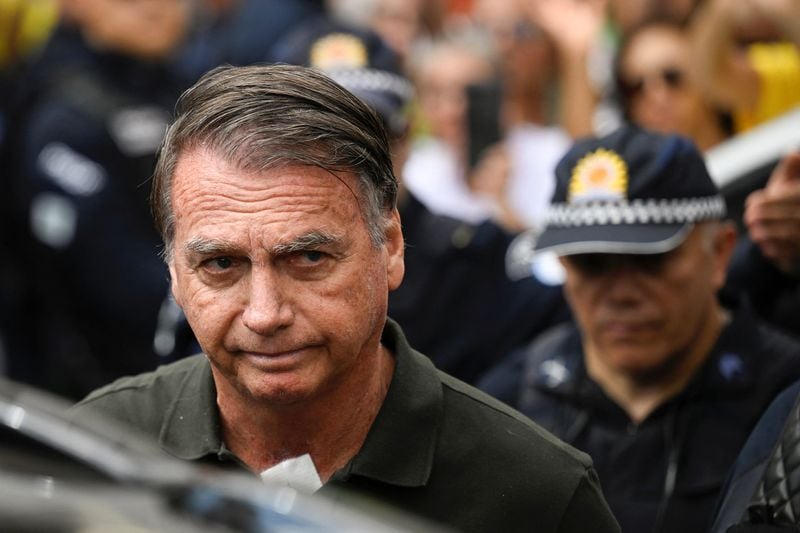
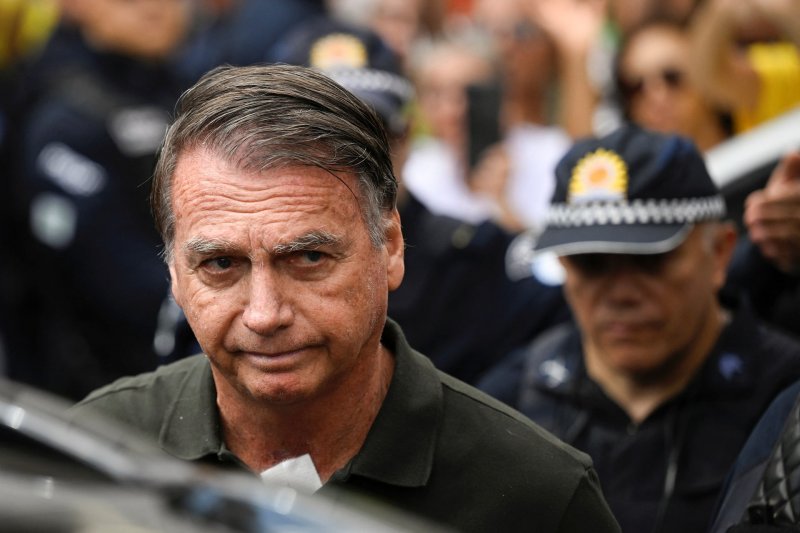
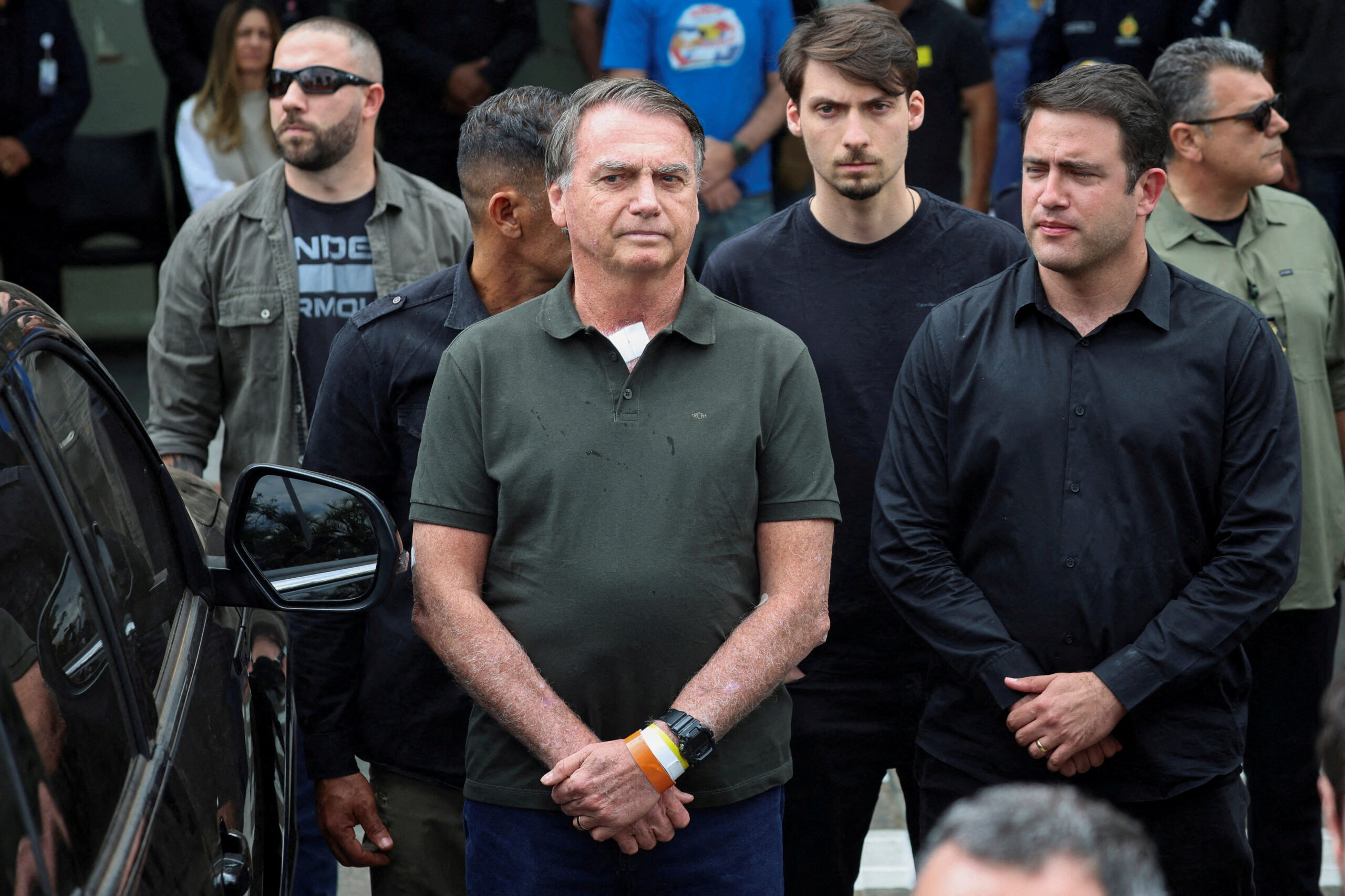
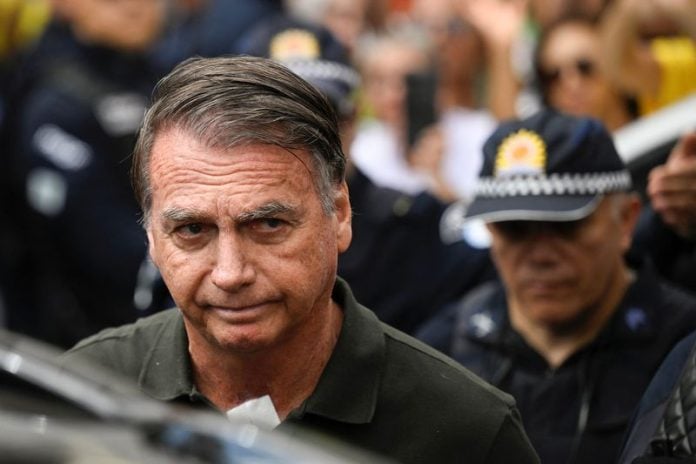
The surgical intervention reveals multiple layers of strategic complexity. Bolsonaro, currently serving a 27-year sentence for plotting a coup after losing the 2022 election, receives a carefully monitored medical transfer under 24-hour police surveillance. This unprecedented situation highlights the delicate balance between judicial punishment and humanitarian considerations. The fact that the Supreme Court, led by Justice Alexandre de Moraes, granted this release signals a nuanced approach to managing high-profile political prisoners.
Geopolitical and economic implications extend far beyond the medical event. The US's recent lifting of sanctions against Justice de Moraes suggests potential diplomatic recalibration. For international businesses and investors, these developments underscore Brazil's volatile political environment. The ongoing legal proceedings, combined with Bolsonaro's potential political succession through his son Senator Flavio Bolsonaro, create an uncertain regulatory landscape that demands close monitoring.
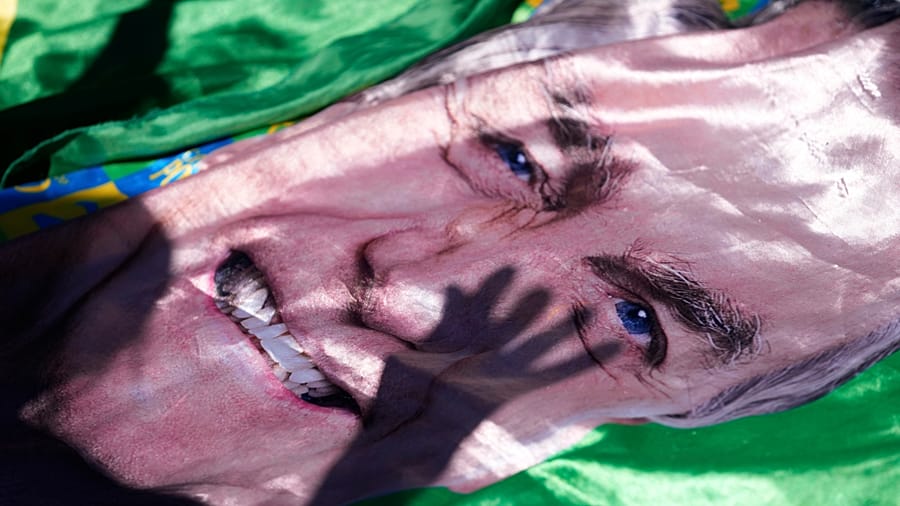
The broader narrative points to a critical inflection point in Brazilian democracy. President Lula's administration faces the challenge of managing political reconciliation while maintaining institutional integrity. The tens of thousands protesting potential sentence reductions demonstrate the deep societal divisions that continue to challenge Brazil's democratic processes.
For international stakeholders, the key takeaway is clear: Brazil's political ecosystem remains in a state of dynamic flux, with potential ripple effects across economic policy, market regulations, and investment strategies. Businesses must develop adaptive strategies that can navigate this complex and evolving landscape.
Questions 3
How might this event impact international business and investment in Brazil?
International businesses should view this as a signal of continued political volatility. The ongoing legal proceedings and potential political succession through Bolsonaro's son create an uncertain regulatory environment. Companies must develop adaptive strategies that can quickly respond to potential shifts in political and economic policy landscapes.
What does the US lifting sanctions against Justice de Moraes indicate?
The US sanction lift suggests a potential diplomatic recalibration and a move towards normalizing relations. It might indicate a strategic assessment that Brazil's institutional processes, while complex, are fundamentally maintaining democratic principles. This could signal growing international confidence in Brazil's judicial system, despite ongoing political tensions.