


Federal Reserve's High-Stakes Balancing Act: Powell's Cautious Rate Cut Strategy
- Navigating Economic Uncertainty with Precision Monetary Policy Adjustments











Overview
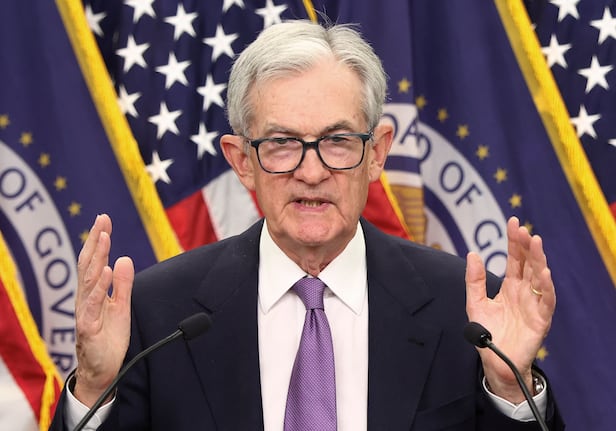
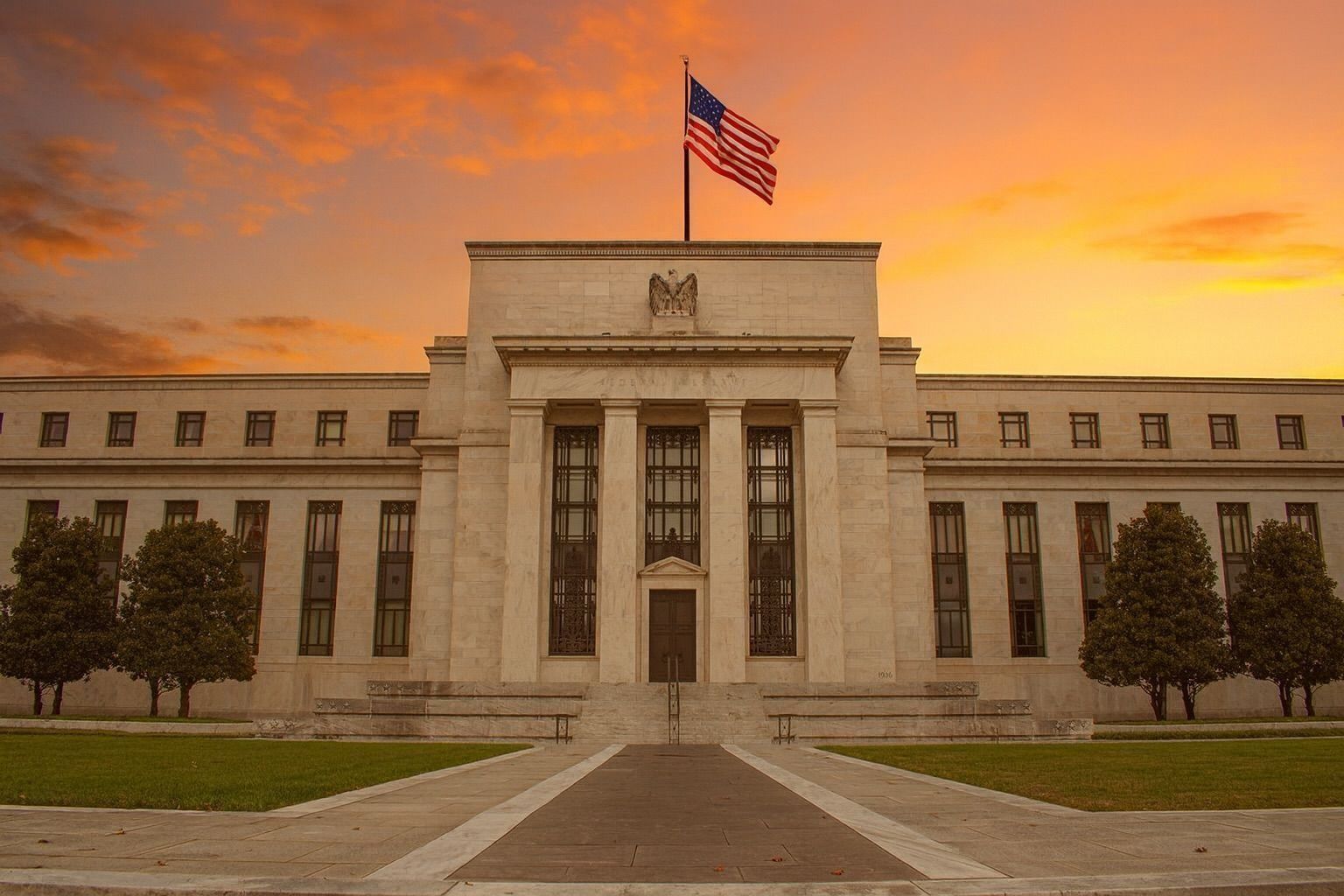
The Federal Reserve stands at a critical economic crossroads, preparing for a nuanced monetary policy intervention that could reshape the financial landscape. With 89 out of 108 economists predicting a potential 0.25 percentage point rate cut in December, the Federal Open Market Committee (FOMC) is wrestling with a complex economic puzzle that defies simple solutions.
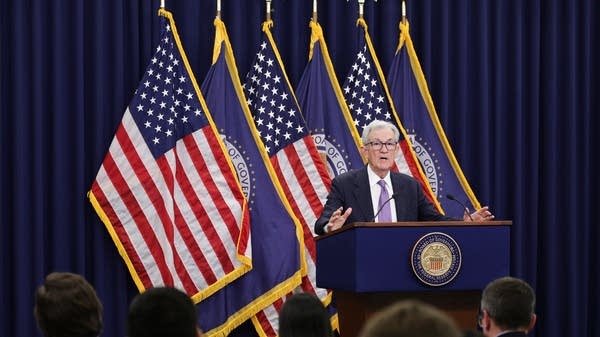
Strategic Monetary Calibration emerges as the core narrative. Bank of America strategists suggest Chair Jerome Powell will attempt a 'hawkish cut'—a delicate maneuver designed to provide economic relief while maintaining inflation control. The underlying economic indicators reveal a multifaceted challenge: the U.S. economy expanded 3.0% in Q3 but is expected to slow to 0.8% in the current quarter, with inflation expectations varying significantly between consumer surveys (near 4%) and market-implied gauges.
The decision-making environment is characterized by profound internal committee divisions. Some policymakers, like New York Fed President John Williams, view rate cuts as potential "insurance" against labor market deterioration. Others remain cautiously skeptical, highlighting the persistent inflation that has remained above the Fed's 2% target since March 2021. This internal tension reflects the nuanced economic management required in an environment of unprecedented complexity.
Market dynamics add another layer of complexity. Current pricing suggests modest potential rate reductions, with minimal expectations for cuts in January and early next year. The Personal Consumption Expenditures index is predicted to remain above 2% through 2027, underscoring the long-term challenges in achieving stable monetary conditions.
Critically, this isn't just a technical adjustment but a strategic recalibration of economic policy. The Fed is navigating uncertain terrain, balancing inflation control, economic growth, and labor market stability while considering broader fiscal policies and potential tariff impacts. Powell's approach represents a sophisticated attempt to provide economic breathing room without triggering unintended inflationary or recessionary consequences.
Questions 3
How might this rate cut impact different economic sectors?
The potential 0.25 percentage point cut could provide modest relief to borrowing-dependent sectors like real estate and technology, while potentially stabilizing the labor market. However, the cautious approach means the impact will be measured, with continued focus on preventing inflationary pressures.
What is a 'hawkish cut' and why is it significant?
A 'hawkish cut' is a strategic rate reduction that simultaneously signals fiscal discipline. In this context, Powell aims to provide economic relief while maintaining a cautious stance on inflation. It's significant because it demonstrates the Fed's nuanced approach to managing economic complexity, balancing stimulus with inflation control.