
Retail Reimagined: How Cultural Heritage Transforms Global Store Experiences
- Pioneering retail integration strategy reveals new approach to local market engagement for global brands
Overview
The intersection of retail and cultural preservation is emerging as a transformative strategy for global platforms, with H&M's Rhodes store serving as a groundbreaking example of how brands can deeply integrate local heritage into commercial spaces. This approach represents more than architectural innovation—it's a sophisticated platform strategy that reimagines retail as a cultural dialogue.
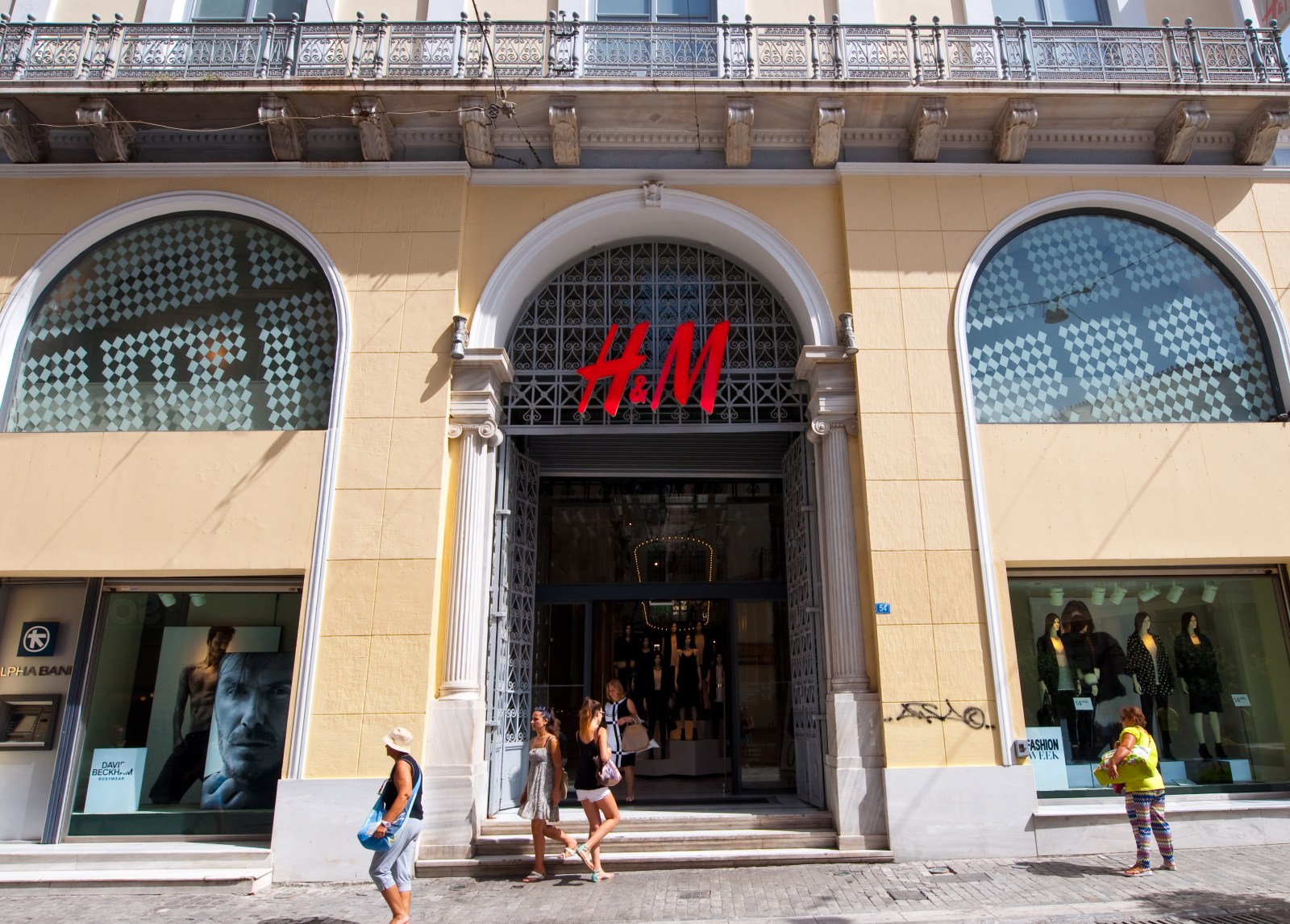
Retail platforms are increasingly recognizing that consumer engagement goes beyond transactional experiences. H&M's intentional preservation of ancient stone ruins within its Rhodes store, which garnered 34.3 million views on TikTok, demonstrates a powerful model of respectful cultural integration. By working closely with the Greek Ministry of Culture, the brand transforms a retail location from a mere commercial space into a narrative-rich environment that honors local history.
The strategic implications for global retail platforms are profound. Cross-border retailers must now consider cultural heritage not as a constraint, but as a unique differentiator. This approach requires additional design investments but generates significant brand perception benefits. The viral nature of the TikTok video underscores a critical insight: modern consumers value brands that demonstrate genuine respect for local contexts.
For platform strategists, this represents a pivotal shift in market expansion thinking. Instead of standardized, cookie-cutter store designs, successful global platforms will need to develop adaptive localization strategies that blend commercial objectives with cultural sensitivity. The Rhodes store isn't just a retail location—it's a case study in how platforms can create meaningful, context-rich consumer experiences that transcend traditional commercial boundaries.
Questions 3
What challenges might retailers face when implementing heritage-focused store designs?
Key challenges include higher design and construction costs, navigating complex local preservation regulations, and ensuring that cultural integration feels authentic rather than performative. Retailers must invest in deep local research and maintain ongoing dialogue with cultural stakeholders.
What are the potential business benefits of culturally integrated retail spaces?
Culturally integrated spaces can generate significant brand differentiation, increased customer engagement, and positive social media visibility. The H&M example shows how such approaches can create viral marketing opportunities and demonstrate corporate social responsibility.